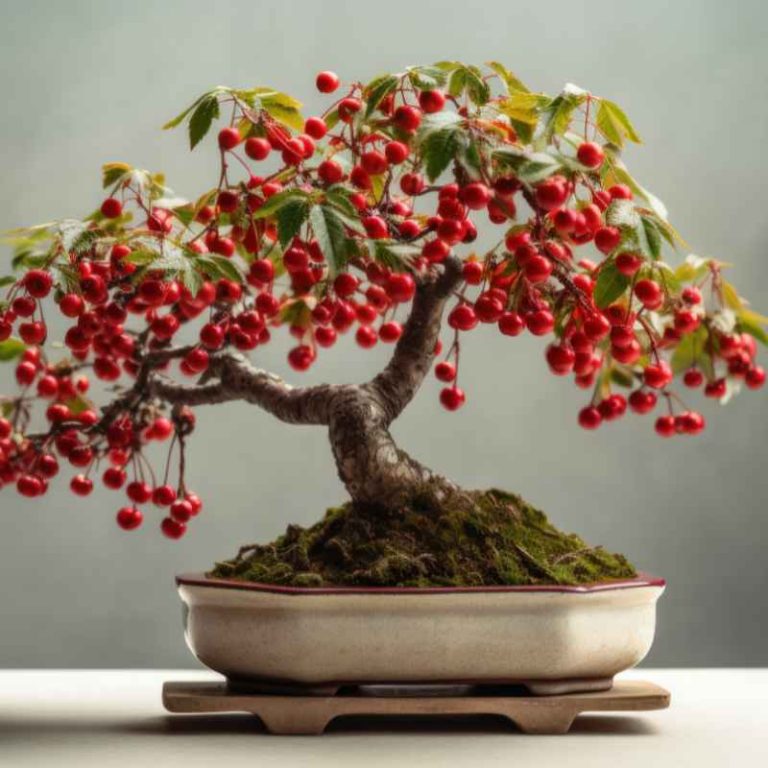
How to Tell If Your Bald Cypress Bonsai Is Healthy
If you’re nurturing a bald cypress bonsai, you already know the unique beauty and sculptural presence these trees can bring to any bonsai collection. However, understanding whether your bonsai is truly thriving can be more challenging than it seems. Unlike other houseplants, bonsai trees often mask problems until they’re advanced, making regular health assessments critical for both beginners and experienced growers.
Recognizing the subtle cues of a healthy bald cypress bonsai will empower you to take timely action, preventing irreversible damage and supporting robust, long-term growth. This article offers an in-depth, actionable guide—grounded in expert horticultural science and real-world bonsai practice—on how to assess the health of your bald cypress bonsai.
Whether you’re troubleshooting after a rough season or preparing for show-level display, these insights will help you keep your tree in peak condition year-round.
Key Takeaways
- Healthy bald cypress bonsai exhibit vibrant foliage, strong root development, and steady seasonal growth.
- Common health issues include root rot, pest infestations, and foliage discoloration—all detectable with regular checks.
- Preventative care, including proper watering, feeding, and pruning, is crucial for long-term vitality.
- Real-world examples and data-driven comparisons can guide effective troubleshooting and routine care.
- Consistent observation, combined with responsive action, is the best way to ensure bonsai health and beauty.
Understanding The Bald Cypress Bonsai: Growth, Habits, And Seasonal Changes
Species Profile: The Bald Cypress
The bald cypress (*Taxodium distichum*) is a deciduous conifer native to the southeastern United States, renowned for its feathery foliage, buttressed trunk base, and rugged adaptability. Unlike many bonsai subjects, bald cypress tolerates wet soils and occasional flooding, making it a favorite for water-themed displays.
Key traits include:
- Deciduous foliage: Sheds leaves in autumn, regrows in spring.
- Rapid root and trunk development: Especially with ample water.
- Unique ‘knees’: Woody projections in mature specimens (rare in bonsai).
This species is often found thriving in swampy or periodically inundated environments in nature, which makes it highly adaptable to changes in soil moisture as a bonsai. As a conifer, the bald cypress is unusual in being deciduous, which means it offers striking seasonal interest and changes in appearance throughout the year.
Its natural resilience to flooding and robust growth make it an accessible species for bonsai beginners and a rewarding challenge for advanced enthusiasts seeking to refine their horticultural skills.
Growth Patterns Through The Year
Understanding the annual cycle is essential for judging bonsai health. Here’s a general timeline:
- Spring: Bud break, strong shoot and root growth, bright green foliage.
- Summer: Foliage matures to deep green; minor growth continues.
- Fall: Foliage turns copper-bronze and drops; growth slows.
- Winter: Dormant; no leaves, minimal visible activity.
Healthy trees should follow this cycle, with each phase clearly visible. Deviations—such as delayed budding or premature leaf drop—signal possible health issues.
Each stage offers clues about the tree’s well-being. For example, robust bud break in spring signals healthy energy reserves accumulated during the previous year, while strong summer growth indicates that roots are drawing adequate nutrients and water. In autumn, a healthy bald cypress will display uniform color change before leaf drop—uneven or patchy color may indicate stress, nutrient imbalance, or disease.
During winter dormancy, the tree should maintain firm, plump buds, a sign that it is well-prepared for the next growing season.
How Seasonal Variation Affects Health Checks
Since bald cypress is deciduous, seasonal context is crucial. For example, leaf loss in winter is normal, but in mid-summer it suggests stress. Always compare your tree’s behavior to its expected seasonal pattern to interpret its health accurately.
Additionally, environmental factors such as temperature fluctuations, humidity, and light exposure can influence the tree’s seasonal performance. For instance, a tree exposed to unseasonably warm winter temperatures may break dormancy too early, making it vulnerable to late frosts. Conversely, if a tree does not lose its leaves in fall, it may be experiencing stress due to excessive nitrogen fertilization or insufficient light.
Understanding these nuances will help you interpret health signals accurately and adjust your care routine to match natural cycles.
Real-world Example: The Case Of The “late Bud Break”
In 2026, a bald cypress bonsai at the Chicago Botanic Garden showed late bud break in spring. Regular health checks revealed the cause: the tree had been exposed to an unseasonably cold draft in the greenhouse. Adjusting the location restored normal growth, highlighting the importance of environmental awareness.
This example underscores the impact even minor environmental changes can have on your bonsai. Regularly monitoring the microclimate around your tree—especially in greenhouses or indoor settings—can prevent setbacks. For instance, rotating the bonsai’s position to avoid cold drafts or excessive sun can make a significant difference in seasonal transitions and overall health.
Visual Indicators Of A Healthy Bald Cypress Bonsai
Foliage: Color, Texture, And Density
Healthy bald cypress foliage should be:
- Bright, fresh green in spring and summer
- Uniform in color with no extensive yellowing or browning
- Soft, feathery texture—not brittle or limp
Sparse, pale, or spotted leaves often indicate nutrient deficiency, overwatering, or pests.
Foliage density is a strong indicator of the tree’s health and vigor. Dense, evenly distributed leaves suggest that photosynthesis is robust, fueling new growth and root development. In contrast, areas of sparse foliage or uneven growth can hint at localized root damage or pest infestations. When assessing texture, gently touch the leaves: healthy foliage should feel pliable and resilient, not dry or papery. If you notice a dull sheen or sticky residue, check closely for signs of sap-sucking insects such as aphids or scale.
Trunk And Bark Condition
A healthy trunk displays:
- Firmness: No soft spots or sunken areas
- Consistent bark color: Reddish-brown, with no black streaks or cracking
- Gradual thickening: Trunk should slowly increase in girth each year
Cracking or peeling, except for natural age-related shedding, can indicate disease or environmental stress.
Examine the bark regularly for any signs of decay, such as darkened, sunken, or mushy areas. Healthy bald cypress bark may naturally shed in small flakes as the tree matures, but deep fissures, excessive peeling, or bleeding sap often suggest underlying issues.
Feel the trunk for stability—a healthy tree should not wobble or feel loose in its pot, which might indicate root problems or poor anchorage.
Root System: Signs Above And Below Soil
Roots are often hidden but offer key health clues:
- Surface roots (‘nebari’): Should be firm, radiating from the trunk base, not mushy or discolored
- Pot drainage: Excess water pooling suggests root rot
- Soil stability: Tree should not wobble in the pot
A quick check: Gently wiggle the trunk; resistance signals a secure, healthy root system.
Healthy surface roots also enhance the bonsai’s aesthetic appeal, giving the impression of age and stability. If you notice exposed roots shrinking away from the soil, it could indicate dehydration or root dieback. Conversely, blackened, slimy, or foul-smelling roots point to rot and require immediate intervention.
New Growth And Bud Development
Active, vigorous bud formation each spring and after pruning is a sign of health. Stunted or absent buds may signal root issues, poor nutrition, or disease.
Vigorous new shoots and plump, well-formed buds mean the tree is drawing nutrients efficiently and is in good overall health. After pruning, healthy bald cypress bonsai respond by quickly forming new buds, which ensures a dense canopy and attractive structure.
If bud development is uneven or absent, review your watering, feeding, and light exposure practices.
Quick Reference: Visual Health Checklist
| Indicator | Healthy | Unhealthy |
|---|---|---|
| Foliage Color | Bright green (spring/summer) | Yellow, brown, or mottled |
| Bark/Trunk | Firm, reddish-brown, no cracks | Soft, black streaks, cracks |
| Roots | Firm, white tips, no odor | Mushy, black, foul-smelling |
| Growth Rate | Consistent yearly thickening | Stunted or declining |
Regularly using this checklist makes it easier to catch early signs of decline before they become severe, supporting consistent, proactive care.

Credit: www.wigertsbonsai.com
Root And Soil Health: The Foundation Of Bonsai Vitality
Assessing Soil Moisture And Drainage
Bald cypress prefers consistently moist soil, but never waterlogged. Symptoms of poor drainage include:
- Wilting foliage despite wet soil
- Foul odor from the pot
- Mold growth on soil surface
Use a moisture meter or insert a wooden chopstick into the soil for a simple check—if it emerges blackened or overly soggy, drainage is insufficient.
The choice of watering method can also impact soil moisture. Bottom watering (allowing water to soak up from a tray) helps ensure even moisture but should be limited to periods of high heat or when the soil is especially dry.
Top watering is generally preferred for bald cypress, as it flushes salts and refreshes the root zone. Always discard excess water from the collection tray to avoid root suffocation.
Detecting Root Rot And Other Root Disorders
Root rot is a leading killer of bonsai. Early detection is vital:
- Symptoms: Yellowing leaves, weak growth, mushy roots
- Diagnosis: Gently lift the tree; healthy roots are firm and white, rotted roots are black and mushy
If root rot is suspected, immediate action—trimming damaged roots and repotting into fresh, well-draining substrate—is essential.
In advanced cases, root rot can quickly spread, leading to widespread leaf loss and eventual death. Prevention is always preferable: avoid over-potting (using a pot that is too large), which can retain excess moisture, and ensure your soil mix remains loose and aerated. During repotting, always trim away any soft or discolored roots with sterilized scissors.
Soil Composition And Its Impact
The ideal soil mix for bald cypress combines:
- Akadama (for moisture retention)
- Pumice (for aeration)
- Lava rock (for structure)
A common blend is 50% akadama, 25% pumice, 25% lava rock. Too much organic matter or peat can lead to compaction and root suffocation.
Maintaining the right soil structure ensures a balance of water retention and drainage, which is critical for healthy root growth. Over time, even the best soil mix can break down and compact, so routine repotting (every 1-2 years for young trees, 2-4 years for mature specimens) is essential for oxygenating the roots and preventing rot.
Real-world Example: Recovery After Overwatering
A Florida bonsai enthusiast noticed wilting and needle drop in midsummer. Investigation revealed compacted soil and root rot. After repotting into a well-draining mix and pruning damaged roots, new growth appeared within weeks—a testament to the tree’s resilience with proper care.
This case highlights the importance of not only correcting the problem but also adjusting ongoing care. The grower also began using a moisture meter and kept a watering log, which helped prevent a recurrence and improved overall tree health.
Growth Rate, Foliage Quality, And Seasonal Changes
Tracking Annual Growth
Healthy bald cypress bonsai show visible annual growth:
- Spring: New shoots elongate by 2-6 inches
- Trunk thickening: 1-2 mm increase per year
- Root spread: Expands with pot size and health
If your tree is not expanding or is shrinking, it’s a clear sign of underlying issues.
Documenting annual growth with photos and measurements can reveal subtle trends over time. For instance, a consistent reduction in new shoot length or trunk girth is often the first sign of problems in the root system or nutrient availability.
Foliage Quality And Seasonal Color
Vibrant foliage is a hallmark of health. Compare your tree’s foliage with the following baseline:
| Season | Healthy Foliage | Unhealthy Foliage |
|---|---|---|
| Spring | Bright lime-green | Dull, sparse, or yellowed |
| Summer | Deep, lush green | Scorched, browning tips |
| Fall | Copper, bronze, even color drop | Patchy, premature leaf loss |
| Winter | Bare branches, firm buds | Dead twigs, shriveled buds |
Observing foliage changes throughout the year helps you time maintenance tasks such as feeding and pruning. For example, feeding should be reduced as leaves bronze in the fall, and any remaining discolored or spotted leaves should be removed to minimize the risk of fungal disease.
Consistency In Bud And Shoot Development
Bald cypress should reliably produce new buds each spring. Weak or absent budding can be caused by:
- Nutrient deficiency
- Root problems
- Improper winter dormancy
Late or weak bud development may also result from repeated pruning at the wrong time of year or from pests feeding on bud tissue. If you notice inconsistent bud break, review your winter storage conditions—excess warmth or fluctuating temperatures can disrupt dormancy and reduce spring vigor.
Real-world Example: Accelerated Growth After Repotting
A bonsai grower in Louisiana repotted his 8-year-old bald cypress in early spring. Within two months, shoot growth increased by 30%, and foliage density doubled, demonstrating the impact of fresh soil and improved drainage.
This example illustrates how even mature bonsai benefit from routine repotting. The grower also switched to a higher-quality fertilizer and improved watering frequency, which contributed to the tree’s rapid recovery and enhanced vitality.
Common Health Problems And Diagnostic Clues
Leaf Discoloration And Drop
- Yellowing leaves: Often a sign of overwatering or nutrient deficiency
- Brown tips or edges: May indicate salt buildup, underwatering, or root issues
- Premature leaf drop: Can result from root stress, disease, or pest infestation
Leaf discoloration should be addressed promptly, as it often signals underlying problems that can escalate quickly. For instance, persistent yellowing may indicate that your fertilizer regimen is unbalanced—bald cypress typically require a balanced, slow-release fertilizer during the growing season. If brown leaf edges are widespread, review your water quality—high salinity or chlorinated tap water can damage sensitive roots.
Pests And Their Signs
Common bald cypress bonsai pests include:
- Spider mites: Fine webbing, stippled leaves
- Aphids: Sticky residue, clustered insects
- Scale insects: Wax-coated bumps on stems
Check the undersides of leaves and branches weekly, especially during warm, dry spells.
Regular pest checks are essential, as infestations can go unnoticed until significant damage has occurred. For example, spider mites thrive in hot, dry conditions and can quickly defoliate a tree if not controlled. Introducing beneficial insects, such as ladybugs or predatory mites, can help maintain balance and reduce reliance on chemical treatments.
Fungal And Bacterial Diseases
Look for:
- Black spots or fuzzy growth: Fungal infection, often linked to poor air circulation
- Oozing or cankers on bark: Bacterial or fungal disease
Promptly remove affected areas and improve ventilation to prevent spread.
Humidity control and good airflow are crucial in preventing fungal outbreaks. Watering in the morning and avoiding wetting foliage can also minimize disease risk. If you observe persistent black spots, consider a fungicidal treatment formulated for bonsai, but always address the root cause—such as excessive moisture or poor air circulation.
Environmental Stressors
- Sudden temperature drops: Can trigger late bud break, slow growth
- Low humidity: May cause browning foliage
A balanced environment, with protection from extremes, is essential for health.
Monitor local weather forecasts and move your bonsai to protected locations during extreme conditions. In hot, dry climates, misting the foliage or placing the pot on a humidity tray can help maintain adequate moisture levels.
Quick Comparison: Common Problems And Solutions
| Problem | Symptoms | Solution |
|---|---|---|
| Root Rot | Yellow leaves, mushy roots | Trim roots, repot in well-draining soil |
| Pests (Spider Mites) | Webbing, speckled leaves | Hose off foliage, use insecticidal soap |
| Nutrient Deficiency | Pale, weak growth | Apply balanced bonsai fertilizer |
| Improper Watering | Leaf drop, root stress | Adjust watering schedule, ensure drainage |
Being able to quickly identify and address these common problems will keep your bald cypress bonsai on a path toward long-term health.
Preventative Care And Routine Maintenance For Optimal Health
Watering Best Practices
Bald cypress bonsai thrive with consistent moisture but must not remain waterlogged. Best practices include:
- Water when the top 1 inch of soil is barely dry
- Use rainwater or distilled water if possible
- Avoid letting the pot sit in standing water except for brief periods (as in summer water trays)
Monitor environmental conditions—on hot, windy days, water may be required twice daily, while cooler seasons may call for less frequent watering. Always observe your tree’s response and adjust accordingly.
Fertilizing For Growth And Resilience
Feed with a balanced bonsai fertilizer (e.g., 10-10-10 NPK) during the active growing season (spring to early fall). Reduce or stop feeding as the tree enters dormancy.
- Liquid feeds: Every 2 weeks, diluted to half strength
- Slow-release pellets: Applied every 2 months
Monitor leaf color and growth rate to fine-tune your regimen—if the tree produces excessively lush, soft growth, reduce feeding to prevent weak wood and increased pest susceptibility.
Pruning And Wiring
- Prune in late winter or early spring before bud break
- Remove dead or crossing branches
- Wire new shoots for shape, but avoid girdling
Regular pruning stimulates denser growth and maintains the desired form.
Wiring is best done when shoots are flexible, but always monitor for wire bite, which can scar or damage the bark. Remove wire promptly as branches set into position.
Seasonal Protection
- Shelter from late frosts in early spring
- Provide some shade during heatwaves to prevent leaf scorch
- Move to an unheated, protected area in winter (for cold climates)
In areas with severe winters, wrapping the pot in insulating material or burying it in mulch can provide additional root protection. Conversely, during hot summers, place your bonsai where it receives morning sun but afternoon shade to reduce stress.
Routine Health Checks: A Monthly Schedule
- Inspect foliage for color and pests
- Check soil moisture and drainage
- Examine trunk and roots for firmness
- Review new growth and overall vigor
Document changes in a bonsai log for early detection of trends.
This ongoing record helps identify subtle declines or improvements and can be invaluable when seeking advice from other growers or experts.
Real-world Examples And Case Studies
Example 1: The “rescue Cypress” Turnaround
A Texas bonsai club member acquired a neglected bald cypress with sparse foliage and blackened roots. After aggressive root pruning, repotting into a gritty mix, and careful watering, the tree produced lush new foliage within one growing season, demonstrating the species’ resilience with proper intervention.
This case also highlighted the importance of environmental adaptation—the new owner gradually acclimated the tree to outdoor sunlight, preventing additional stress and sunburn. By maintaining detailed care records, he was able to adjust watering and feeding practices, ensuring a full recovery.
Example 2: Pest Management Success
A collector in California noticed fine webbing on his bonsai’s foliage. Identifying spider mites, he used a strong water spray and introduced predatory mites. Within two weeks, foliage color improved, and growth normalized—showcasing the benefits of early pest detection and biological controls.
This grower also implemented routine preventative sprays of neem oil and increased humidity around the bonsai, making the environment less favorable for recurring infestations.
Example 3: Preventing Winter Dieback
A grower in Ohio lost a prized bald cypress after an unprotected winter. Learning from this, he moved his next tree into an unheated garage during frost periods, resulting in healthy bud break the following spring. This case highlights the importance of seasonal protection.
He also began mulching the soil surface and monitoring root temperatures, ensuring the tree experienced dormancy without damage from freezing.
Data-driven Comparison: Bald Cypress Bonsai Vs. Other Deciduous Bonsai
How does the bald cypress compare in terms of health indicators and care needs?
| Bonsai Species | Growth Rate | Water Needs | Root Rot Susceptibility | Pest Issues |
|---|---|---|---|---|
| Bald Cypress | Fast | High (moist) | Medium-High | Low-Medium |
| Japanese Maple | Medium | Medium | Medium | Medium-High |
| Chinese Elm | Fast | Medium | Low | Low-Medium |
| Ficus | Fast | Low-Medium | Low | Low |
Bald cypress stands out for vigorous growth and high water needs but requires extra attention to root health.
Compared to Japanese maples or Chinese elms, bald cypress can tolerate wetter conditions, making it ideal for growers in humid climates or those experimenting with water tray techniques. However, its susceptibility to root rot means that consistent monitoring and well-draining soil are non-negotiable for long-term success.
Advanced Tips For Monitoring And Troubleshooting Bonsai Health
Using Technology: Moisture Meters And Apps
Modern tools can supplement your observations:
- Soil moisture meters: Provide instant feedback on water levels
- Bonsai care apps: Track watering, feeding, and health records
These tools help prevent over- or under-watering, especially in larger collections. Some advanced moisture meters even offer Bluetooth connectivity and data logging, creating a valuable historical record for troubleshooting recurring issues.
Laboratory Soil And Water Testing
Periodic testing for pH, nutrients, and contaminants provides a scientific edge. Bald cypress prefers slightly acidic to neutral soils (pH 6. 0-7. 0).
Testing can reveal hidden problems such as salt buildup, micronutrient deficiencies, or water contaminants that may not be apparent from visual inspection alone. Local cooperative extension services or specialized horticultural labs offer affordable testing and actionable recommendations.
Consulting Experts And Community Resources
Join forums, local bonsai clubs, or consult certified arborists for second opinions and advanced diagnostics. The American Bonsai Society and the National Bonsai Foundation offer extensive resources.
Sharing photos and care logs with online communities can yield rapid, crowd-sourced diagnoses and tailored advice. In-person clubs often provide workshops and hands-on troubleshooting sessions, which are invaluable for honing your observational skills.
Preventing Common Pitfalls
- Avoid over-fertilizing: Can burn roots and stunt growth
- Don’t ignore minor symptoms: Early action is easiest and most effective
- Rotate display position: Ensures even light and growth
Additional pitfalls include skipping routine repotting (leading to compacted, anaerobic soil) and neglecting seasonal adjustments in care. Be proactive—anticipate the tree’s needs before problems arise.
Trustworthy Resources For Further Learning
- Wikipedia: Taxodium distichum
- Bonsai Empire: Bald Cypress
- Missouri Botanical Garden
- American Bonsai Society
- National Bonsai Foundation
- University of Florida IFAS Extension
Frequently Asked Questions
What Is The Most Reliable Sign Of A Healthy Bald Cypress Bonsai?
The most reliable sign is vigorous new growth each spring, accompanied by firm, evenly colored foliage and a stable trunk. Consistent annual bud and shoot development are strong indicators of overall tree health.
How Often Should I Check The Roots Of My Bald Cypress Bonsai?
Inspect roots during annual repotting (every 1-2 years for young trees, 2-4 years for mature ones) and any time you notice signs of stress, such as yellowing leaves or poor growth. Avoid disturbing roots unnecessarily to prevent shock.
Why Are The Leaves Of My Bald Cypress Turning Yellow In Summer?
Yellowing leaves in summer can result from overwatering (leading to root rot), nutrient deficiency, or insufficient light. Check soil moisture, drainage, and consider a balanced fertilizer. Rule out pests by closely inspecting foliage.
Can Bald Cypress Bonsai Recover From Root Rot?
Yes, if caught early. Trim away all affected roots, repot in fresh, well-draining soil, and adjust your watering practices. Most healthy bald cypress bonsai can recover with prompt care, though severe cases may result in loss.
How Can I Protect My Bald Cypress Bonsai During Winter?
In cold climates, move your bonsai to a protected, unheated location (like a garage or cold frame) to prevent frost damage, but ensure it still experiences dormancy. Mulch the pot and avoid overwatering during this period.
Caring for a bald cypress bonsai is a rewarding journey, demanding attentiveness and a keen eye for subtle changes. By mastering the art of observation and proactive maintenance, you’ll ensure that your tree not only survives but thrives, displaying the iconic beauty that makes this species a standout in any collection.
With the right knowledge, tools, and routines, your bald cypress bonsai can become a living sculpture of health and vitality for many years to come.