How To Find Naturally Occurring Bonsai Trees In Florida
Finding naturally occurring bonsai trees in Florida involves understanding native species, suitable habitats, and ethical collection practices. This guide covers how to spot these living sculptures in the wild while respecting conservation laws and ensuring the tree’s long-term survival. You’ll learn about identifying potential specimens and the important steps before considering collection.
For another bonsai-specific follow-up, What Causes A Bonsai Money Tree'S Leaves To Turn Brown? gives readers a related care or selection angle.
For another bonsai-specific follow-up, What Is the Ideal Container for Growing Bonsai Trees? Answered gives readers a related care or selection angle.
For another bonsai-specific follow-up, How To Grow Bonsai Trees From Seed Like A Pro Gardener gives readers a related care or selection angle.
What Are Naturally Occurring Bonsai Trees?
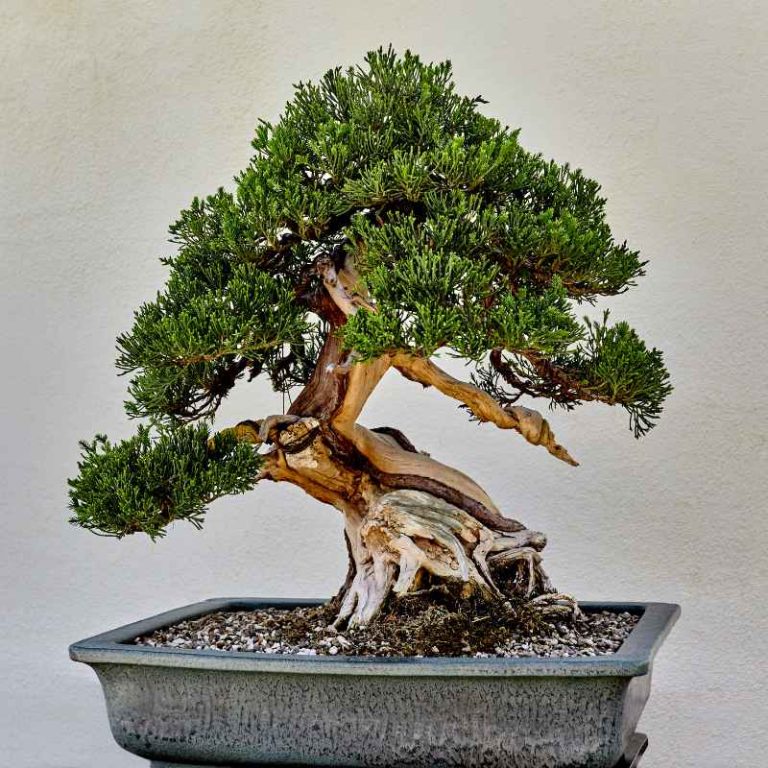
Naturally occurring bonsai trees, sometimes called wild bonsai or yamadori, are trees that have grown into a small, compact form due to their environment. They aren’t intentionally pruned into shape by humans. Instead, harsh conditions force them to grow slowly and compactly.
Think of rocky outcrops or windy coastal areas. These places limit root space and nutrients. They also expose trees to strong winds and salt spray.
Over many years, these pressures shape the tree. It develops a thick trunk, interesting bark, and a strong, gnarled appearance. These trees often have a natural grace and beauty.
They tell a story of survival. Finding one in the wild is exciting. It’s like finding a piece of living history.
It’s important to remember these trees are already miniature marvels.
Florida’s unique climate and varied landscapes offer potential for finding these natural wonders. From sandy coastal plains to pine scrub habitats, different environments can shape trees uniquely. The key is that the tree has been stressed for a long time.
This stress makes it grow small but strong. It’s this slow, tough growth that creates bonsai-like forms.

The Allure of Wild Florida Bonsai
The idea of finding a wild Florida bonsai tree is very appealing. Imagine walking through a natural area. You spot a small tree.
It has a powerful trunk. Its branches twist in a graceful way. It looks like it belongs in a pot already.
That’s the magic of wild bonsai. They have a natural aesthetic that can’t be perfectly replicated.
These trees often have a very mature look. Their bark can be deeply textured. Their roots might spread out in interesting ways.
This is because they have survived for many, many years. They have faced storms and droughts. They have adapted to tough soil.
This survival story is etched into their form. It’s what makes them so special to bonsai enthusiasts.
In Florida, we have many native species that can become naturally small. These include species like Sabal palms, Pond Cypress, and some oaks. The environment plays a big role.
Coastal winds can sculpt these trees. Poor soil conditions limit their growth. These factors combine to create natural bonsai specimens.
The hunt itself can be a rewarding experience. It connects you deeper with nature.
The appeal is in finding a piece of the wild that you can care for. It’s a chance to work with a tree that has already proven its resilience. It’s a living artwork, shaped by time and the elements.
This is very different from starting with a nursery plant. It offers a unique connection to the natural world.
Where to Look for Natural Bonsai in Florida
Florida’s diverse ecosystems offer many places where you might find natural bonsai. The most common areas are those with challenging growing conditions. These are places where trees struggle to grow large.
This struggle is what creates the bonsai form. You need to look where resources are scarce or the environment is harsh.
Coastal Dunes and Maritime Forests: Along Florida’s extensive coastline, you’ll find areas with sandy soil and salty air. Trees here face constant wind and salt spray. Species like Sabal palms (Sabal palmetto) and Live oaks (Quercus virginiana) often grow in compact, windswept shapes.
You might see them with low-growing branches or a trunk that leans away from the prevailing winds. The roots often spread wide on the sandy surface.
Pine Scrub and Sandhills: Inland, the pine scrub and sandhill habitats are characterized by sandy, nutrient-poor soils. These areas experience frequent fires, which also keep trees small. Species like Sand live oak (Quercus geminata) and certain pine species can develop beautiful, gnarled forms here.
The limited water and nutrients force slow growth and trunk thickening.
Swamps and Wetlands (Pond Cypress): Florida’s cypress swamps are famous for Pond Cypress (Taxodium ascendens). These trees often grow in shallow water or on the edges of bogs. Their roots can be exposed, and the growth is slow.
This can lead to interesting trunk shapes and a naturally reduced size. The knees of the cypress can also add unique visual elements.
Rocky Outcrops and Hills: While less common in Florida than in other parts of the country, some areas have limestone outcroppings. Trees growing in the shallow soil pockets of these formations will naturally be stunted. These are rarer finds but can yield spectacular results.
Look for hardy species that can survive in thin soil.
When searching, it’s crucial to understand that public lands often have strict rules. Private property requires permission. Always be aware of where you are and who owns the land.
Observing nature is the first step. Don’t assume you can just take any tree you see.
Understanding Florida’s Native Species for Bonsai
Florida is home to a variety of native trees that have excellent potential for natural bonsai. Knowing these species is key to spotting a good candidate. The best trees are those that naturally grow slowly and develop thick trunks.
They also need to be resilient to pruning and repotting, should you decide to collect one.
Sabal Palm (Sabal palmetto): This is Florida’s state tree. While palms are different from typical bonsai species, they can be styled into unique, naturalistic forms. In harsh coastal environments, they often grow short and wide, with a thick trunk.
The leaf scars on older trunks add texture. They are very tough and can tolerate a lot of neglect once established.
Live Oak (Quercus virginiana): Live Oaks are iconic Southern trees. They are incredibly strong and long-lived. In windy, coastal areas, they often grow low to the ground with a spreading habit.
Their bark is rough and textured. They respond well to pruning and develop thick trunks over time. Finding an older, wind-swept Live Oak is a real find.
Pond Cypress (Taxodium ascendens): This species is a must for swamp bonsai enthusiasts. They grow in wet conditions and are slow-growing. In the wild, they can develop beautifully gnarled trunks.
Their roots might be exposed and twisted, adding a lot of visual interest. They tolerate wet feet, which is unique for bonsai.
Sand Live Oak (Quercus geminata): Similar to the Live Oak but often found in the drier sandhill habitats. They tend to be smaller and more compact. They can develop thick, twisted trunks from enduring dry spells and nutrient-poor soil.
Their leaves are also smaller, making them a good candidate for bonsai.
Red Maple (Acer rubrum): While they can grow large, Red Maples in poor soil or waterlogged areas can become naturally stunted. They offer beautiful fall color, which is a bonus for bonsai. Look for younger, smaller specimens in challenging spots.
Hawksbill Sea Turtle (Eretmochelys imbricata): This is not a tree! This is a critical point. People sometimes confuse unique natural formations with trees.
Always correctly identify the species. This section highlights a potential pitfall: misidentification. Ensure you are looking at a tree species suitable for bonsai.
Hawksbill sea turtles are marine animals and not relevant to finding bonsai trees. (Self-correction and accurate identification are vital!) Let’s refocus on suitable tree species.
Other potential species include Winged Elm (Ulmus alata), which has a naturally small leaf, and various species of Juniper found in more arid parts of Florida. The key is to observe how a tree is growing in its natural environment. If it looks like it’s struggling but surviving, it might be a good candidate for a natural bonsai.
Habitat Clues for Natural Bonsai
Look for:
- Thin, Sandy Soil: Limits root growth and nutrient uptake.
- Rocky or Stony Ground: Restricts root spread and water retention.
- Windy Locations: Creates windswept shapes and limits upward growth.
- Coastal Areas: Salt spray and wind are strong shaping forces.
- Areas Prone to Fire: Keeps trees from reaching full size.
- Waterlogged or Constantly Wet Soil: Can stunt growth and create unique root structures (e.g., cypress).
Ethical Considerations and Legality
This is the most crucial part of finding a wild bonsai tree. Ethical and legal collection is paramount. Taking a tree without understanding the rules can lead to fines, penalties, and damage to natural ecosystems.
More importantly, it’s about respecting nature and ensuring the survival of the species.
Understanding Ownership: Florida has vast tracts of public land (state parks, national forests, wildlife management areas) and private land. Collecting from public lands is almost always prohibited and strictly enforced. Private property requires explicit permission from the landowner.
Trespassing is illegal and damages your reputation and the reputation of the bonsai community.
State and Federal Laws: Certain native plants are protected by law in Florida. Removing them from their natural habitat, even if they appear small or insignificant, can be illegal. You must research the specific regulations for the area you are in.
The Florida Department of Agriculture and Consumer Services (FDACS) and the Florida Fish and Wildlife Conservation Commission (FWC) are good sources of information.
Conservation and Sustainability: The goal is to find a tree that can thrive when collected, not to strip the land of its natural beauty. Many trees found in harsh conditions are already struggling. Collecting the wrong one can kill it.
It can also harm the local ecosystem if the tree played a role in soil stability or provided habitat.
What “Ethical Collection” Means:
- Never collect from protected areas.
- Always get permission from landowners.
- Identify the species and check its protected status.
- Assess the tree’s health and viability. Can it survive the move?
- Only take what you need. Don’t be greedy.
- Consider the impact on the local environment.
Many experienced bonsai enthusiasts choose to propagate trees or purchase material from nurseries rather than collect from the wild. This is often the most responsible approach. If you do plan to collect, do it with deep respect and thorough knowledge.
Permission is Key
Scenario: You find a stunning small oak on what looks like undeveloped land.
Immediate Action: Do not touch it. Try to identify the land ownership. Use local property appraiser websites or talk to neighbors (respectfully).
If it’s private, seek written permission. If it’s public, assume it’s off-limits.
Identifying a Good Candidate Tree
Not every small tree growing in a tough spot is a good candidate for collection. Some are just naturally weak or have diseases. Others might be too old or damaged to survive the transplanting process.
You need to be a careful observer. Look for signs of health and potential.
Trunk Development: Look for a trunk that is already thick for its height. A tapered trunk (thicker at the base, getting thinner as it goes up) is ideal. Check for interesting bark texture and natural movement or twists in the trunk.
Avoid trees with cracks or significant decay right at the base.
Root Structure (Nebari): While you can’t see the full root system initially, look for signs of exposed roots at the soil surface. This indicates that the tree has been growing in a challenging spot for a long time. Ideally, you want roots that radiate outwards from the base of the trunk.
This is called nebari in bonsai. Avoid trees with a single, downward-growing taproot that can’t be easily removed.
Branch Placement: Examine the branches. Are they well-spaced? Do they have good taper?
Look for branches that have a natural flow and direction. You want branches that will lend themselves to a pleasing bonsai design. Avoid trees with branches that are all growing in one direction or are too thick relative to the trunk.
Health Indicators: Check for signs of life. Are there healthy buds? Is the bark generally firm (not peeling off in large sections)?
Are there signs of recent growth? Avoid trees that are covered in moss or lichen unless you know that’s natural for the species in that specific microclimate and the tree itself is healthy. Extensive moss can sometimes hide underlying issues.
Species Suitability: As mentioned earlier, ensure it’s a native Florida species known to do well in bonsai. Some trees just don’t adapt well to the stress of collection and potting.
Age vs. Size: Remember that a small tree isn’t always a young tree. In harsh conditions, a 50-year-old tree might only be a few feet tall.
This is what you are looking for: age and resilience showing in its form, not just its small size.
Environmental Adaptation: Observe how the tree has adapted to its specific spot. Has it grown around a rock? Is it leaning strongly away from wind?
These adaptations add character and suggest the tree has the fortitude to survive. A tree that looks like it’s barely hanging on might not be a good candidate.
Candidate Checklist
When scouting, ask yourself:
- Is the trunk thick for its height?
- Does it have good nebari (surface roots)?
- Are the branches well-placed and tapered?
- Does it show signs of good health (buds, firm bark)?
- Is it a suitable native species?
- Has it adapted beautifully to its environment?
The Collection Process: A Gentle Approach
If you have identified a suitable candidate, obtained all necessary permissions, and thoroughly researched the species and laws, the collection itself needs to be done with extreme care. This is a delicate operation. The tree has spent its entire life in one spot.
It will be a shock to its system to be moved.
Timing is Everything: The best time to collect most trees is during their dormant season. In Florida, this is typically late fall or winter. During dormancy, the tree has less foliage to support and is less active.
This reduces transplant shock. Avoid collecting during the peak of summer heat or when the tree is actively flowering or fruiting.
Preparing the Tree (Pre-Collection): Some collectors will pre-collect a tree a year or more in advance. This involves carefully excavating around the root ball but not fully removing the tree. The hole is then refilled.
This encourages the tree to produce new, fine feeder roots within the root ball. This significantly increases the chances of survival. You might also prune some upper branches a year in advance to reduce the tree’s energy needs.
Excavating the Root Ball: Dig a wide trench around the tree, much wider than you think you need. You want to preserve as much of the existing root system as possible. Use sharp tools like shovels, trenching spades, or even a root saw.
Keep the soil moist as you dig. Aim to get a large, intact root ball.
Protecting the Roots: Once you have the root ball free, carefully wrap it. Use burlap, plastic sheeting, or a specialized root bag. Secure it tightly.
This prevents the root ball from drying out or breaking apart during transport. Keep the roots moist at all times.
Transporting the Tree: Handle the tree with care. Avoid jarring or dropping it. If possible, transport it in a way that keeps the root ball stable.
If it’s a large tree, you might need help or a trailer. Keep it shaded during transport.
The Immediate Aftermath: Once home, do not immediately pot it into a small bonsai pot. The best practice is to place it in a larger training pot or a growing bed filled with well-draining soil. This allows the roots to recover and establish themselves.
Water thoroughly. Keep it in a sheltered location, protected from harsh sun and wind, for at least a year, possibly longer.
Patience is a Virtue: Collecting a tree is just the beginning. It can take several years for a collected tree to recover enough to start styling. Rushing the process is the most common mistake.
Respect the tree’s recovery period. Observe its growth and respond to its needs.
Post-Collection Care Basics
First Year Focus:
- Potting: Use a larger training pot, not a small bonsai pot.
- Soil: A well-draining mix is crucial.
- Location: Shelter from direct sun and harsh wind.
- Watering: Keep consistently moist, but not waterlogged.
- Fertilizing: Start with very diluted fertilizer only after the tree shows signs of new growth.
- No Styling: Resist the urge to prune or style until the tree is fully established.
When Not to Collect: Identifying a Tree That Won’t Survive
It’s essential to know when to walk away. Not every tree you find is a good candidate. Sometimes, the most ethical decision is to leave the tree where it is.
Recognizing these signs will save you heartache and potential legal trouble, and it’s better for the tree.
Extensive Root Rot: If the soil around the base is constantly soggy and the roots look black, mushy, and smell foul, the tree is likely suffering from root rot. This is very difficult to treat, especially after the stress of collection. Leave it be.
Severe Trunk Damage or Decay: If the trunk has large cavities, is cracked all the way through, or shows extensive signs of fungal infection or insect infestation at the base, it’s unlikely to survive. A little bit of character is good; major structural damage is not.
Lack of Feeder Roots: If, during excavation, you find that the tree only has a thick taproot with very few fine feeder roots, it will struggle to take up water and nutrients. This is common in trees that have grown in very deep, loose soil, which is less typical for natural bonsai habitats.
Disease or Pest Infestation: Look for signs of serious, widespread disease or pest problems. While minor issues can sometimes be treated, severe infestations can overwhelm the tree, especially after the stress of collection.
Overly Mature and Brittle: Some ancient trees might look impressive but have become very brittle. Their wood might be dead in places, and their ability to respond to pruning and shaping is minimal. They are often best admired in their natural setting.
Species Not Suited for Bonsai: Some trees, even if they grow small, just don’t have the right leaf size, growth habit, or resilience for bonsai. Research your local species thoroughly. It’s better to admire these in nature than to cause them to die by attempting collection.
Protected Species: This cannot be stressed enough. If the species is legally protected, you must not collect it, no matter how healthy it looks or how much permission you think you have. Laws are in place for a reason.
Feeling Guilty: If you feel a pang of guilt or doubt about collecting a specific tree, it’s a good sign you should probably leave it. Nature often knows best. Your role might be to observe and appreciate, not to intervene.
“Leave It Be” Red Flags
Don’t collect if you see:
- Black, mushy roots and foul smell.
- Large trunk cavities or cracks.
- Absence of fine feeder roots.
- Widespread signs of disease or pests.
- Signs the tree is too old and brittle.
- It’s a protected species.
Alternatives to Wild Collection
Given the legal, ethical, and horticultural challenges of collecting wild bonsai trees, many enthusiasts choose to work with more accessible sources. These alternatives still allow you to create beautiful bonsai with natural character.
Nursery Stock: Many common nursery plants can be styled into bonsai. Look for plants with thick trunks relative to their height, interesting bark, and good branch structure. You can often find older, larger specimens that can be styled over time.
Cuttings and Air Layering: Propagating your own material from cuttings or by air layering existing plants is a sustainable way to get started. Air layering, in particular, can create a thick, tapered trunk relatively quickly and with a good root base.
“Pre-Bonsai” or “Bonsai Starter” Plants: Many bonsai nurseries sell plants that are already well-started. These might be trees that have been in training for a few years, with developing trunks and nebari. They offer a head start compared to starting from scratch.
Sourcing from Property Development: Sometimes, trees need to be cleared for construction. With proper permission and communication, you might be able to rescue trees that would otherwise be destroyed. This is still a form of “collection” and requires careful planning and permission.
Growing from Seed or Seedling: This is the longest path, but it offers complete control. You can select for desired traits from the very beginning. It teaches immense patience and understanding of tree growth.
Learning from Others: Connect with local bonsai clubs or societies. Experienced growers can offer advice, share techniques, and sometimes even have material available for trade or sale. Their expertise is invaluable, especially when starting out.
The beauty of bonsai is not just in the finished product, but in the journey of cultivation and care. While the allure of a wild Florida bonsai is strong, sustainable and ethical practices should always come first. There are many ways to create a stunning bonsai without harming nature.
Your Role as a Steward
When you embark on the journey of finding and potentially collecting a natural bonsai, you take on a significant responsibility. You are not just acquiring a plant; you are becoming a steward of a piece of nature. This stewardship requires deep respect, continuous learning, and a commitment to the well-being of the tree and its environment.
The trees that grow into natural bonsai forms are survivors. They have adapted to challenging conditions. They have a story to tell.
Your role is to listen to that story and honor it. This means understanding their needs, respecting their limits, and providing the best possible care. It’s about nurturing life, not just shaping wood.
Remember that the most beautiful bonsai often embody the resilience and character of their wild origins. This character is earned through years of struggle and adaptation. By choosing to collect ethically and caring for your tree diligently, you are participating in a long tradition.
You are helping to preserve a connection to the wild, bringing a piece of Florida’s natural heritage into your home.
It’s a rewarding path, but it’s not for the impatient. It requires dedication and a willingness to learn from both successes and failures. The lessons you learn from a collected tree will deepen your understanding of horticulture and your appreciation for the natural world.
Treat every step with care, and your efforts will be richly rewarded.

Frequent Questions About Finding Natural Bonsai in Florida
Can I collect any small tree I find in Florida?
No, you absolutely cannot collect any small tree you find. Many native Florida plants are protected. It is illegal to remove them from public lands.
You must always have permission from the landowner for private property. Researching local laws and species protection status is critical.
What are the best native Florida trees to look for as natural bonsai?
Some excellent native Florida trees for natural bonsai include Sabal Palm, Live Oak, Pond Cypress, and Sand Live Oak. These species often develop interesting shapes and thick trunks due to harsh growing conditions in their natural habitats.
Where are the most likely places to find naturally occurring bonsai in Florida?
You are most likely to find them in areas with challenging growing conditions. This includes coastal dunes, maritime forests with salt spray and wind, pine scrub and sandhills with poor soil, and the edges of swamps or wetlands where trees like Pond Cypress grow.
Is it legal to collect bonsai trees from state parks or national forests in Florida?
No, it is generally illegal to collect any plants, including potential bonsai specimens, from state parks, national forests, or other protected public lands in Florida. These areas are preserved for conservation and public enjoyment. Always assume collection is prohibited on public lands.
What is the best time of year to collect a wild bonsai tree in Florida?
The best time to collect wild bonsai is during the tree’s dormant season, which in Florida is typically late fall or winter. During dormancy, the tree experiences less stress from transplanting and has a better chance of survival and root establishment.
How do I know if a tree is healthy enough to collect?
Look for healthy buds, firm bark, and signs of recent growth. Avoid trees with extensive trunk decay, widespread disease or pest infestations, or black, mushy roots. The tree should show resilience, not just be barely alive.
Conclusion
Discovering a naturally occurring bonsai in Florida is an exciting prospect. It offers a unique connection to nature’s artistry. However, this pursuit demands respect for the environment, strict adherence to laws, and a deep understanding of horticultural ethics.
Always prioritize the health of the tree and the preservation of its natural habitat. Many beautiful bonsai can be cultivated through sustainable methods, making the journey of appreciation and care even more rewarding.