How to Improve Airflow Around Indoor Bonsai Trees
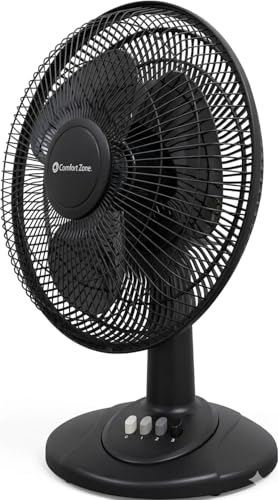
Improve airflow around indoor bonsai by keeping a fan on low about 3 to 6 feet away, aimed past the tree rather than at it. Poor airflow keeps foliage wet longer, raises mold risk, and can push weak roots toward rot. This guide covers placement, fan setup, humidity control, and signs you are moving too much air.
Why airflow matters for indoor bonsai


Indoor bonsai need moving air because still rooms let moisture linger on leaves, in the crown, and at the soil surface. That raises the odds of algae, mold, and fungal problems, especially when a humidity tray or misting is part of the routine.
Air movement, leaf health, and mold risk
Airflow should support a bright setup, not replace it. A bonsai kept in weak light will struggle even if the room has good circulation, because light deficit is a growth limiter. Good movement helps leaves dry at a normal pace after watering or misting, but strong drafts can dry the tree too fast and stress tender species. Indoor plant guidance from university extensions consistently warns that airflow should reduce lingering moisture without creating a direct blast on foliage.1
Think of airflow as a slow exchange of room air, not a wind tunnel. You want gentle, continuous movement around the canopy and pot rim, with no hard blast from a vent, radiator, open sash, or fan.
Why stagnant air hurts more in small rooms
Stagnant air is a bigger problem in a closed office, bathroom shelf, or corner far from a window. Those spaces hold humidity in place after watering. The soil surface may stay damp for days, and that gives fungus and algae a better chance to settle.
Say your ficus sits on a plant stand in a closed bedroom corner. The top of the soil stays dark and damp after watering, while the leaves look fine. That is often an airflow problem first, not a watering schedule problem.
Where should you place an indoor bonsai tree?
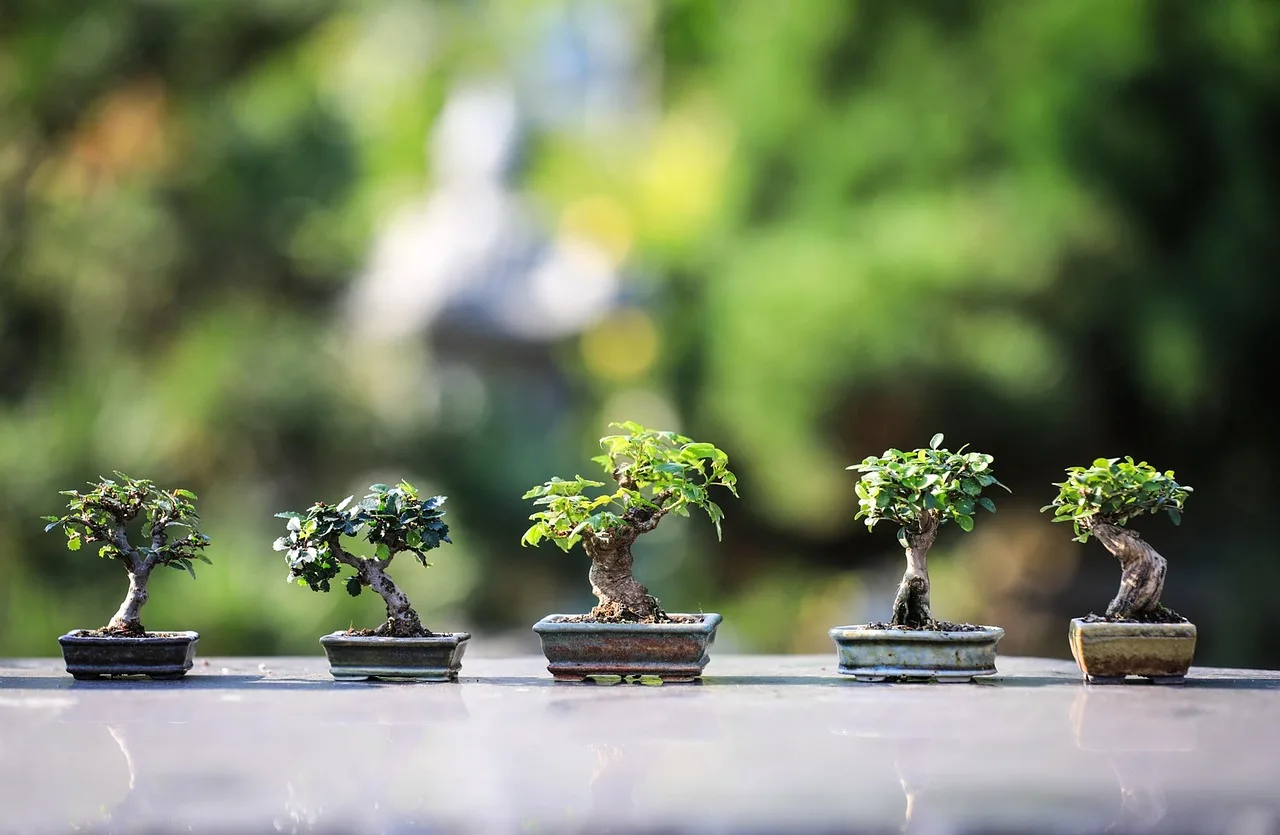
Place indoor bonsai in a bright spot first, then refine for airflow. A south-facing window is highly recommended, but the tree should not sit directly on a window sill if the glass leaks heat or cold. Set the pot back 1 to 2 feet so the tree gets bright light without a harsh blast from the pane or sash. Bright indoor placement and modest set-back distances are standard bonsai recommendations, especially where indoor light is limited.
Best window placement and set-back distance
For many indoor bonsai, a bright window with stable room air is better than a dim room with perfect humidity. About 8 to 10 hours of strong daylight or roughly 10 hours of supplemental light for indoor growing, depending on species and the strength of the fixture.3
If you use fluorescent lighting, place it 2 to 3 feet away for 10 to 12 hours daily. LED fixtures can also work, as long as the canopy gets steady light and the pot does not overheat. Light needs vary by fixture intensity, so the safer rule is to keep the canopy bright and the pot cool.3
How to avoid vents, radiators, and harsh drafts
Do not place the tree in the direct path of a heat register, AC vent, ceiling fan blast, or leaky window sash. Those spots dry leaves unevenly and can make the tree shed foliage. The same warning applies to a sill that bakes in afternoon heat or chills at night.
A common first-timer mistake is putting a Fukien tea on a sunny sill above a heating vent because the light looks perfect. The leaves may dry at the edges, but the root ball can still stay wet if the pot is oversized or the mix holds too much water.
When light matters more than airflow
Air movement only helps after the tree has enough light. If the canopy is weak, thin, or dropping lower leaves from shade, move the bonsai to a brighter position before chasing more air movement. A south-facing window or strong grow light should come first.
Indoor bonsai placement and airflow checklist

Use this checklist to judge a room before you move the tree. Score each factor honestly. If the room fails on light, draft control, or humidity management, fix those first instead of adding more misting.
| Check | Good sign | Problem sign | What to do |
|---|---|---|---|
| Light | Bright window or grow light for about 10 hours | Dim corner, long shadows, weak growth | Move closer to a south-facing window or add a grow light |
| Draft risk | Gentle room air, no direct blast | Vent, radiator, AC, or leaking sash aimed at the pot | Shift 1 to 2 feet away or redirect the airflow |
| Humidity | Local humidity support without wet leaves sitting all day | Leaves stay damp, soil surface never dries | Reduce misting, add a fan, or move the tray farther from the pot |
| Mold risk | Clean soil surface, no film on pot or tray | Green algae, white fuzz, musty smell | Increase airflow and remove standing water under the pot |
| Temperature | Stable room conditions near species needs | Cold nights, heat surges, frequent swings | Move away from the window or HVAC source |
| Drying pace | Soil dries at a steady rate after watering | Still wet for too long, or dries in hours | Adjust air movement, pot position, or soil mix |
- Check whether the room has bright light before changing airflow.
- Stand at the bonsai and feel for moving air at leaf level.
- Look for vents, radiators, open windows, or a leaky sash.
- Check the soil surface 24 hours after watering for dampness, algae, or crust.
- Move the pot 1 to 2 feet back if the window is too harsh.
- Add a small fan only if the tree is not already in a draft.
In homes with HVAC-heavy air or closed rooms, the test is simple: if paper held near the canopy barely moves and the soil stays wet too long, the room is too still. If leaves flutter hard, the fan is too strong or too close.
How to increase airflow without drying the tree out
Increase airflow by moving room air gently, not by blasting the bonsai. Open a window during the day when outdoor conditions are mild, or use a small fan on low from several feet away. The goal is to stop stagnant air while keeping the canopy calm.
Opening a window at the right time
Opening a window during the day can move outside air through the room and past the bonsai. That works best when the outdoor air is close to the room in temperature and humidity. Short daytime airing helps stale rooms, but keep the tree out of the direct path of the opening.
If the window creates a sharp current, place the tree off to the side of the opening rather than in front of it. The room can still exchange air without turning the bonsai into a draft victim.
Using a small fan safely
A small fan on low is often the easiest fix for a still room. Place it about 3 to 6 feet away and aim it past the tree, not directly at the foliage. That keeps air moving around the room while reducing the risk of leaf dehydration.
Suppose a Schefflera sits on a shelf above a desk in a sealed room. A fan pointed at the plant dries the leaf edges. The same fan pointed across the room can reduce stale air without the stress.
Balancing ventilation with humidity
Humidity and airflow should work together. You can raise local humidity around tropical species while still keeping air moving. What you should avoid is a wet, still pocket of air around the pot. That is where mold and algae usually start.
Humidity tray, misting, and mold control
A humidity tray can help dry rooms, but it is not a cure for poor airflow. Use it as a local humidity aid, not as a substitute for ventilation. Misting can support humidity around tropical species, but it does not replace air movement and can leave leaves wet if overdone.
How to set up a humidity tray correctly
A wide humidity tray can be filled with pebbles and a little water. The water level should sit just below the top of the pebbles, so the pot stays above the waterline. That setup raises local humidity without letting the pot sit in water.
Do not let the pot base touch standing water. The tray should humidify the air around the tree, not soak the root zone from below unless the potting system is made for that purpose.
When misting helps and when it backfires
Daily or few-times-daily misting can help tropical bonsai in dry rooms, especially Ficus, Dwarf jade, Fukien tea, Hawaiian umbrella, and Sweet plum. It is most useful as a short-term humidity boost, not as the main care method.
Too much misting leaves wet foliage in still air. That can invite fungal spots, algae, and mildew on nearby surfaces. If you mist, keep the spray light and make sure the room still has gentle air movement.
Preventing algae and fungal growth
Remove standing water from saucers and keep tray surfaces clean. Wipe pot rims and the outside of the pot if algae appears. If the soil top stays wet for long periods, add airflow before adding more humidity. The right fix is often less moisture lingering, not more moisture added.
Which indoor bonsai species handle airflow best?
Species differ in how much indoor humidity and airflow they tolerate. Ficus is the easiest starter because it is resilient and tolerates lower humidity better than many other indoor bonsai. Carmona, Sageretia, and Schefflera usually need more careful placement and more stable conditions.
Ficus and other forgiving indoor choices
Ficus is the most reliable indoor bonsai for many beginners because it handles average room conditions better than fussier tropicals. It still needs bright light and moving air, but it is less likely to sulk from slight humidity drops than more delicate species.
Hawaiian umbrella is also fairly forgiving when the room is warm and bright. It still benefits from air movement, especially if the pot sits near a window where condensation or cold air can collect.
Carmona, Schefflera, and Sageretia sensitivity
Carmona and Sageretia often react faster to poor placement. Leaves may drop if the room is too dark, too still, or too cold at night. Schefflera can tolerate indoor life, but it still dislikes sudden draft swings and wet foliage sitting for too long.
These species need a calmer, more controlled setup than Ficus. If the room has a vent or a leaky window, give them a buffer zone and watch the drying pace of the soil closely.
Temperature targets for tropical and subtropical trees
Tropical species do best in rooms averaging around 20°C, and tropical lows should be no less than 15°C. Subtropical bonsai can tolerate winter temperatures down to around 7°C, but stable room temperature is still better than frequent swings.
Stable temperature matters because sudden cold or hot blasts dry leaves fast and can slow the roots. Keep the bonsai away from windows that chill at night and vents that heat the canopy during the day.
Indoor bonsai airflow troubleshooting table
Use this table when the tree looks healthy but the room setup is off. The problem may be light, draft, humidity, or all three at once. Fix the room before changing the watering routine.
| Common location | Light score | Draft risk | Humidity risk | Mold risk | Recommended fix |
|---|---|---|---|---|---|
| South-facing window, 1 to 2 feet back | 5/5 | 2/5 | 2/5 | 1/5 | Best all-around setup; add a low fan only if the room feels stale |
| Direct window sill above a radiator | 5/5 | 5/5 | 1/5 | 2/5 | Move the tree off the sill and away from the heat source |
| Desk in a closed room | 2/5 | 1/5 | 4/5 | 4/5 | Add a grow light, open the room during the day, and use a small fan on low |
| Near an AC vent | 3/5 | 5/5 | 1/5 | 1/5 | Shift the pot out of the air stream and use a nearby bright window instead |
| Bathroom shelf with frequent steam | 2/5 | 1/5 | 5/5 | 5/5 | Improve light first and add air movement to prevent lingering moisture |
| Bright corner far from vents | 3/5 | 1/5 | 3/5 | 3/5 | Use a fan on low and check whether the soil dries at a normal pace |
Fixing slow-drying soil starts with air and light. If a pot stays damp for too long after watering, move it to brighter light, reduce humidity buildup, and let the room breathe more often. If the top layer develops algae, the room is probably too still.
Why is my indoor bonsai dropping leaves?
Often the cause is weak light, cold drafts, or a room that dries unevenly. A bonsai can also drop leaves after a sudden move from one light level to another. The fix is usually steadier placement, not heavier misting.
How do I increase airflow around an indoor bonsai?
Put the tree in bright light first, then use a small fan on low from 3 to 6 feet away, aimed past the canopy. Open a window during the day when conditions allow, but keep the bonsai out of the direct stream.
Frequently asked questions
Should I mist my indoor bonsai for humidity?
Misting can help tropical species in dry air, but it is only a support tool. It does not replace airflow, light, or proper watering. Use light misting if the room is dry, and stop if the leaves stay wet too long or if you see mold, algae, or spotting.
How do I increase airflow around an indoor bonsai: use gentle room movement, not?
Use gentle room movement, not a strong draft. A small fan on low, placed 3 to 6 feet away and aimed past the tree, is often enough. Opening a window during the day can also help, as long as the bonsai is not sitting in the direct stream.
Sources
- Clemson University Home & Garden Information Center: Bonsai
- Royal Horticultural Society: Growing bonsai
- University of Minnesota Extension: Indoor light for plants