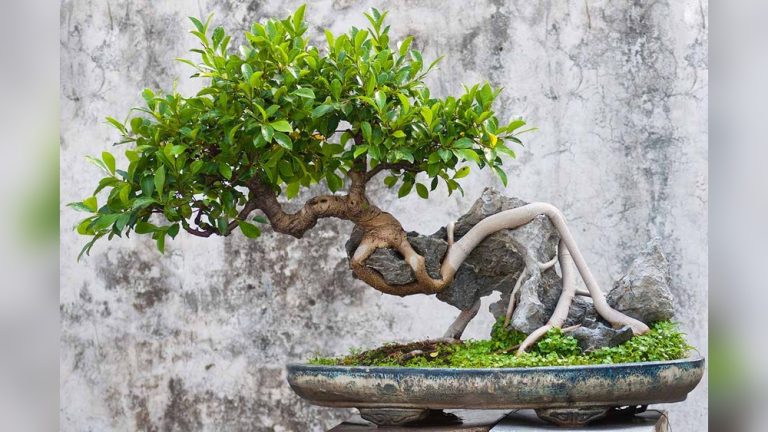
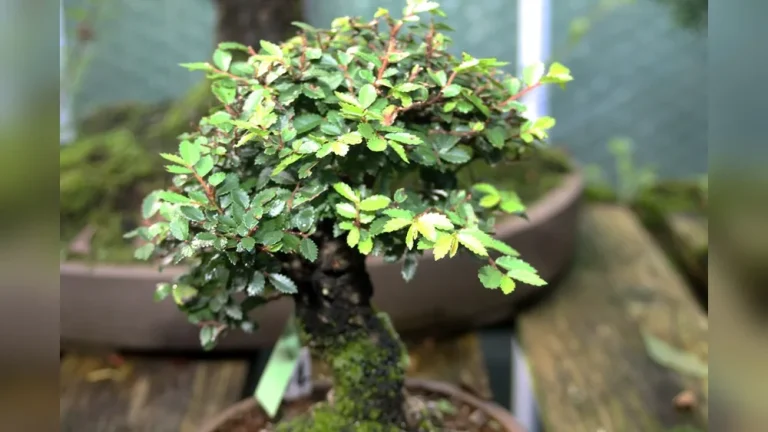
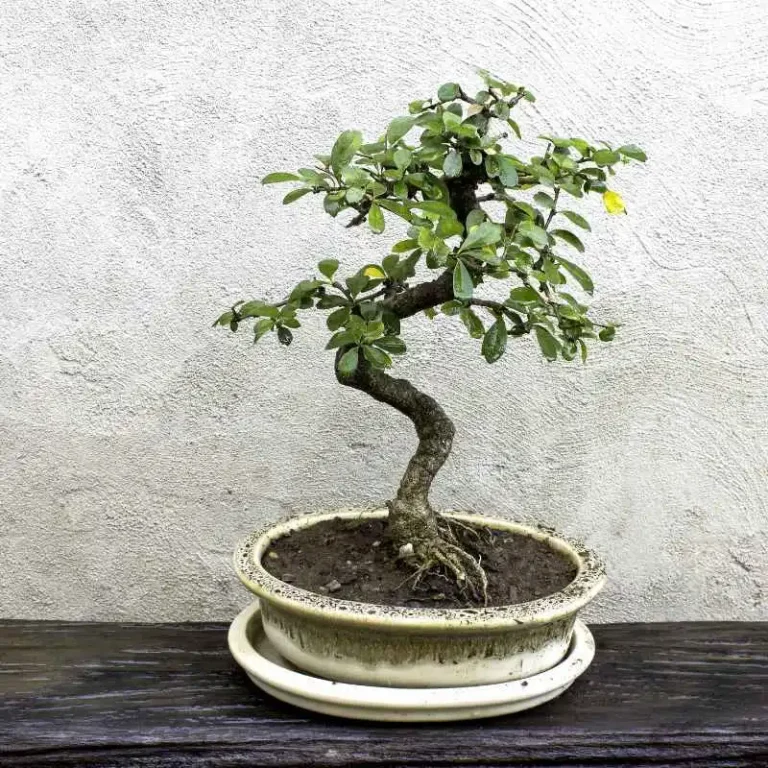
How Often Should You Repot a Parrot’s Beak Bonsai
Caring for a Parrot’s Beak bonsai is an art that marries botanical science with aesthetic vision. While these unique bonsai trees captivate enthusiasts with their striking beak-shaped trunks and sculptural forms, one of the most commonly misunderstood aspects of their care is the frequency and technique of repotting.
Too often, beginners either neglect this critical process or perform it too frequently, causing unnecessary stress to the tree. Understanding how often to repot a Parrot’s Beak bonsai is essential to its health, longevity, and visual beauty.
This article will guide you through the science and practice of repotting a Parrot’s Beak bonsai, drawing from horticultural research, expert grower experience, and practical case studies. We’ll explore the biological cues that signal when repotting is needed, the risks and benefits of various repotting intervals, and how you can tailor your approach to the unique needs of your tree.
Whether you’re nurturing your first Parrot’s Beak or are a seasoned bonsai artist, mastering the timing and technique of repotting will unlock the full potential of this remarkable species.
Key Takeaways
- Repotting frequency for Parrot’s Beak bonsai is typically every 2–3 years, but varies with tree age, vigor, and soil condition.
- Root health, soil breakdown, and growth rate are the main indicators that repotting is needed.
- Over- or under-repotting can lead to health problems such as root rot, stunted growth, and nutrient deficiencies.
- Proper repotting technique involves careful root pruning, soil replacement, and post-repotting care.
- Monitoring your bonsai’s growth cycle and using the right soil mix are critical for long-term vitality.
- Case studies demonstrate how correct repotting intervals improve health and aesthetics.
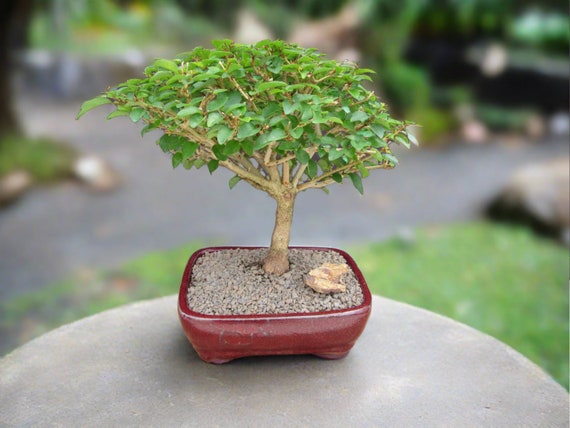
Understanding The Parrot’s Beak Bonsai
Species Overview
The Parrot’s Beak bonsai (Gmelina philippensis), named for its distinctive beak-shaped yellow flowers and unique trunk structure, is a tropical/subtropical species native to Southeast Asia. It’s prized for its ornamental foliage, dramatic trunk movement, and relatively fast response to bonsai training.
- Growth habit: Deciduous to semi-evergreen, with upright to cascading forms.
- Climate: Thrives in warm, humid environments.
- Root system: Vigorous, with dense fine roots that can quickly fill a container.
Parrot’s Beak bonsai also possess an adaptable nature, allowing them to be trained into a variety of classic bonsai styles, including informal upright, cascade, and windswept. Their rapid response to pruning and wiring makes them especially rewarding for those who appreciate dynamic growth and the ability to experiment with shaping techniques.
The bark matures into a textured gray, adding to the visual appeal and sense of age in well-maintained specimens.
Unique Care Requirements
Compared to other bonsai species, Parrot’s Beak trees require:
- Consistent moisture but dislike soggy soil.
- Well-draining soil mixes to prevent root rot.
- Frequent pruning to maintain shape and encourage ramification.
- Regular repotting due to rapid root growth.
Additionally, this species is sensitive to cold drafts and temperature fluctuations. While it tolerates short periods of lower temperatures, sustained exposure can weaken the tree and make it more susceptible to disease. Growers in temperate zones often keep Parrot’s Beak bonsai indoors or in greenhouses during winter, where humidity and temperature are easier to control.
Their leaves are relatively large compared to some other bonsai, so patience and skilled pruning are required to develop fine ramification and a proportional canopy.
Growth Cycle And Seasonal Considerations
Parrot’s Beak bonsai experience:
- Active growth during spring and summer.
- Slower growth or semi-dormancy in cooler months.
- Best repotting window: Late winter to early spring, just before new growth begins.
Understanding these patterns is essential for timing your repotting process for minimal stress and maximum benefit. During the dormant period, the tree’s energy demands are lower, and root disturbance is less likely to trigger negative responses such as dieback or stunted regrowth.
As the days lengthen and temperatures rise, the bonsai awakens, and new root and shoot growth quickly capitalize on the refreshed soil and pruned root system.
Why Repotting Matters For Parrot’s Beak Bonsai
Root Health And Growth
Healthy roots are the foundation of a thriving bonsai. In containers, roots can become:
- Pot-bound (circling and compacted)
- Deprived of nutrients as soil breaks down
- Prone to rot if drainage is poor
Repotting revitalizes the root system by:
- Removing old, compacted soil.
- Pruning excess or unhealthy roots.
- Providing fresh nutrients and aeration.
The vigor of a Parrot’s Beak bonsai is directly tied to the balance between the root system and the canopy. When roots are healthy and have ample space, the tree can produce lush foliage, robust branches, and an abundance of flowers.
Conversely, a congested root system restricts water and nutrient uptake, making the tree more vulnerable to stress and pest attacks. Regular root inspection during repotting also allows you to catch early signs of root rot, nematodes, or fungal problems, which can be corrected before they threaten the entire plant.
Soil Degradation And Drainage
Bonsai soil gradually breaks down due to watering, microbial activity, and root growth. Over time, even premium mixes lose their structure, leading to:
- Poor drainage
- Reduced oxygen availability
- Salt and toxin buildup
Regular repotting maintains the ideal balance of moisture retention and drainage necessary for Parrot’s Beak bonsai.
As the soil ages, fine particles accumulate and compact around the roots, squeezing out air pockets that are vital for respiration. This anaerobic environment favors harmful bacteria and fungi, rather than the beneficial microorganisms that support root health. Salt and mineral buildup, particularly in areas with hard tap water, can further inhibit root function and stunt growth.
By periodically refreshing the soil, you restore both the physical structure and the chemical balance essential for vigorous growth.
Preventing Disease And Pests
Old soil and congested roots are a breeding ground for:
- Root rot fungi
- Soil-borne pests (e.g., nematodes, grubs)
- Nutrient imbalances
Repotting interrupts these cycles, keeping your tree healthier and less prone to infestations.
Many root diseases are nearly invisible until significant damage has occurred, making proactive repotting one of the most effective preventative measures. Insect larvae, such as those of fungus gnats or beetles, can go undetected in dense, old soil, slowly feeding on roots and weakening the tree over time.
By thoroughly cleaning and inspecting roots during repotting, you can physically remove infested or decaying material and apply targeted treatments if needed.
Aesthetic And Structural Benefits
Well-timed repotting also:
- Enhances nebari (surface roots) by exposing and repositioning them.
- Improves trunk flare and stability.
- Supports ongoing styling and refinement.
The nebari is a critical aspect of bonsai aesthetics, conveying age and stability. Repotting offers the opportunity to arrange surface roots for the most pleasing effect, correct root flaws, and adjust the tree’s position in the pot. As the trunk thickens and the root base expands, periodic repotting ensures the tree remains centered and visually balanced within its container, contributing to the overall harmony of the design.
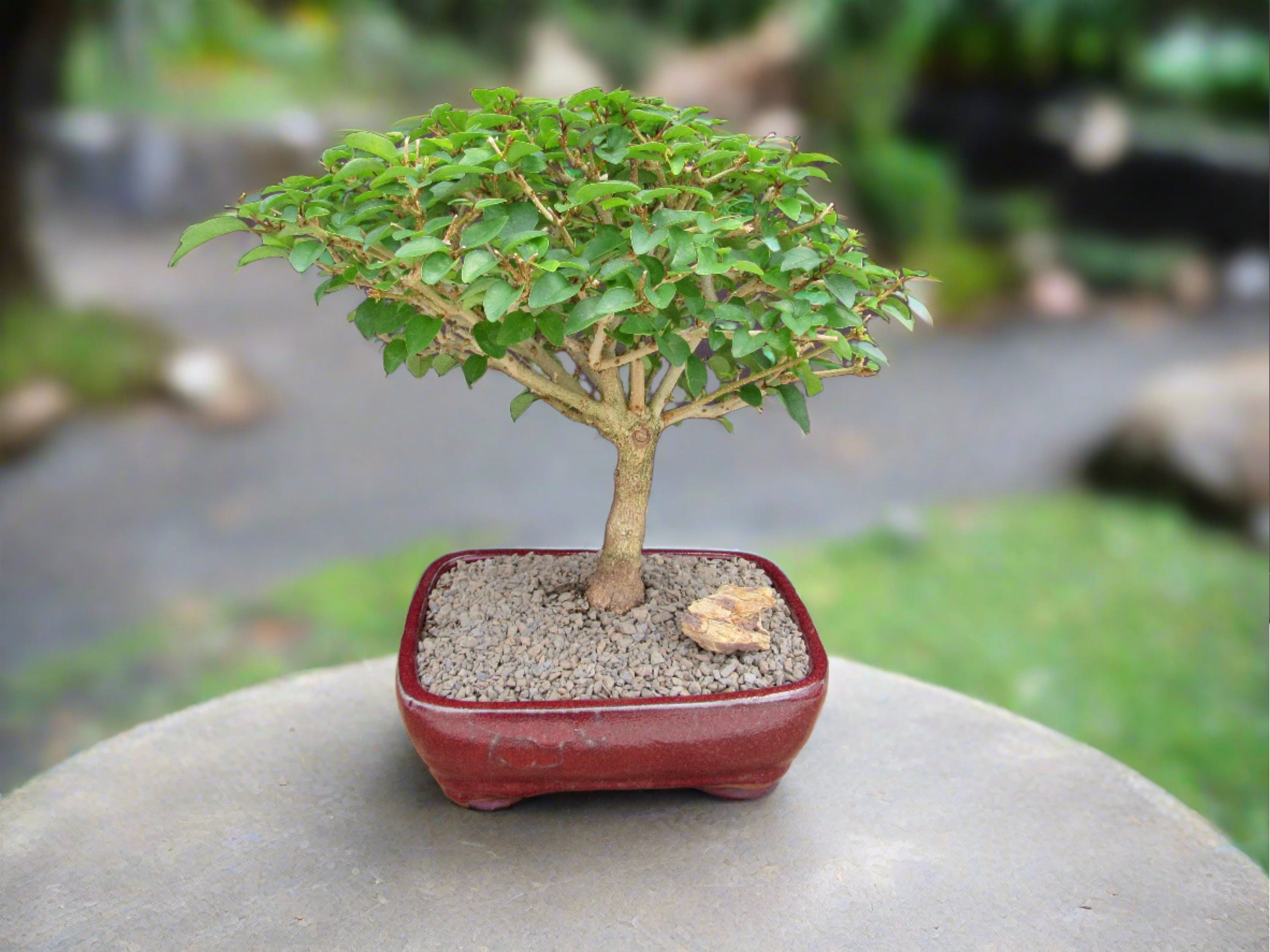
How Often Should You Repot A Parrot’s Beak Bonsai?
General Guidelines By Age And Size
The optimal repotting interval depends on several factors:
| Bonsai Age/Size | Repotting Frequency | Reason |
|---|---|---|
| Young (1-3 years) | Every 1–2 years | Rapid root growth, developing structure |
| Mature (4–10 years) | Every 2–3 years | Stable structure, moderate root growth |
| Old/Established (10+ years) | Every 3–4 years | Slower growth, dense root mass |
For trees undergoing aggressive training or development, slightly more frequent repotting may be warranted to accommodate rapid expansion and allow for corrective root work. Conversely, exhibition-quality trees with well-developed nebari and refined branches may benefit from less frequent intervention to preserve delicate root structures.
Factors Affecting Frequency
- Root Development: Faster-growing trees need more frequent repotting.
- Pot Size: Smaller pots fill up more quickly.
- Soil Quality: Fast-draining mixes may last longer; organic-heavy mixes decompose faster.
- Climate: Warm, wet climates accelerate root and microbial activity.
- Tree Health: Stressed or weak trees may require less frequent disturbance.
Other factors include fertilization intensity—heavily fertilized trees may accumulate salts more rapidly, necessitating earlier soil replacement. The presence of moss or surface weeds can also indicate declining soil structure and reduced aeration at the root zone.
Signs It’s Time To Repot
Watch for these indicators:
- Water pools on the soil surface after watering (poor drainage).
- Roots circling the pot or emerging from drainage holes.
- Stunted growth or yellowing leaves despite proper care.
- Soil smells sour or “off.”
If you observe these, it’s likely time to repot—even if it’s sooner or later than your usual schedule.
Additionally, the appearance of compacted soil that is difficult to penetrate with a chopstick, or a noticeable reduction in the vibrancy of new shoots and leaves, are warning signs. Healthy Parrot’s Beak bonsai should flush with bright, firm foliage in spring; lackluster growth is your cue to check below the surface.
Case Example: Adjusting Repotting For Local Conditions
In a 2026 case study, a collector in Florida reported repotting Parrot’s Beak bonsai annually due to rapid root growth and high humidity, compared to growers in California who repot every 2–3 years. This underscores the need to adapt guidelines to your local environment and microclimate.
Growers in Mediterranean climates, for instance, may find soil dries more quickly and breaks down more slowly, extending the interval between repotting. Meanwhile, those in tropical regions often battle accelerated decomposition and root congestion, requiring more frequent root work and soil refreshment.
Always observe your tree’s response and adapt accordingly.
Step-by-step Guide To Repotting Parrot’s Beak Bonsai
Preparation: Tools And Materials
You’ll need:
- Sharp root shears or scissors
- Chopsticks or root hooks
- Fresh bonsai soil mix
- Screen for drainage holes
- Watering can and spray bottle
- Wire (for securing tree, optional)
Recommended soil mix:
- 50% akadama (or Turface)
- 25% pumice or perlite
- 25% lava rock or coarse sand
This mix balances drainage, moisture retention, and aeration.
For those unable to source akadama, high-fired clay particles or other specialty bonsai substrates may be substituted. The key is to maintain a gritty, granular consistency that does not compact when wet. Sterilize all tools before use to minimize the risk of transferring pathogens to freshly pruned roots.
Timing: Best Season To Repot
- Late winter to early spring (before buds swell)
- Avoid repotting during active growth or flowering
Repotting at the right time minimizes stress and supports vigorous recovery.
If forced to repot outside the ideal window due to disease or root rot, provide extra shelter and humidity control to aid recovery. Avoid repotting during periods of extreme heat or cold, as the tree’s energy reserves are already taxed by environmental stressors.
Repotting Process
- Remove the tree from its pot: Gently loosen edges and lift out, supporting the trunk.
- Tease out old soil and roots: Use chopsticks to carefully untangle roots.
- Prune roots: Remove 10–30% of the root mass, focusing on circling, black, or mushy roots.
- Rinse roots (optional): Briefly wash in clean water to remove compacted soil.
- Prepare the pot: Add drainage screen and a thin layer of fresh soil.
- Position the tree: Set at the desired angle and height. Secure with wire if needed.
- Backfill with soil: Work new soil around roots, avoiding air pockets.
- Water thoroughly: Until water runs clear from drainage holes.
Throughout the process, keep roots shaded and moist to prevent desiccation. Avoid exposing fine roots to wind or direct sunlight. When replanting, slightly mound the soil in the center of the pot to encourage roots to spread radially, maximizing stability and future nebari development.
Aftercare
- Place in bright, indirect light for 2–3 weeks.
- Mist foliage to reduce water loss while roots recover.
- Withhold fertilizer for 4–6 weeks until new growth appears.
Check daily for signs of wilting, and adjust humidity accordingly. If the tree shows signs of stress (drooping leaves, delayed bud break), increase misting and consider using a humidity tent until recovery is evident. Avoid overwatering, as roots are especially sensitive to excess moisture immediately after pruning.
Case Study: Successful Recovery
A bonsai enthusiast in Singapore documented a Parrot’s Beak that nearly doubled in foliage density within six months after a timely spring repot, with 25% root reduction and a switch to a more inorganic soil mix. The tree displayed improved growth and flower production compared to previous years.
This case highlights the importance of adapting both technique and substrate to the tree’s needs. By responding to declining vigor with an appropriate repotting intervention, the grower restored health and enhanced the tree’s ornamental features.
Risks Of Over- Or Under-repotting
Over-repotting
Repotting too often can:
- Stress roots, slowing growth and reducing vigor.
- Disrupt beneficial soil microbes.
- Delay flowering or cause leaf drop.
Young trees are more resilient, but mature specimens may suffer from excessive disturbance.
Unnecessary repotting interrupts the delicate balance between root and shoot growth. This stress can manifest as a reduction in flowering, less vibrant foliage, and a general lack of vigor. It can also make the tree more susceptible to opportunistic pathogens, as the healing roots are less able to mount defenses.
Under-repotting
Neglecting to repot leads to:
- Root-bound conditions (circling roots, poor nutrient uptake).
- Soil compaction and waterlogging.
- Increased risk of root diseases.
Severely pot-bound trees may require gradual correction over several years.
In advanced cases, roots can form dense mats that physically displace soil, further limiting water and nutrient absorption. Recovery from such conditions is slow and requires careful, staged intervention over multiple repottings to avoid shocking the tree.
Recognizing And Correcting Problems
- If you suspect over-repotting: Hold off on further disturbance, and focus on gentle aftercare.
- If under-repotting: Prune roots conservatively and repot into a slightly larger container if needed.
When correcting years of neglect, avoid removing all old soil at once. Instead, gently loosen and replace soil around the edges, allowing the tree to adjust over time. Monitor the tree’s response and adjust your approach as necessary.
Data Table: Symptoms Of Improper Repotting
| Problem | Symptoms | Recommended Action |
|---|---|---|
| Over-Repotting | Wilting, slow growth, leaf drop | Increase recovery time, reduce frequency |
| Under-Repotting | Water runoff, yellow leaves, poor flowering | Repot with root pruning, refresh soil |
Soil Mix And Its Role In Repotting Frequency
Characteristics Of Ideal Bonsai Soil
For Parrot’s Beak bonsai, the soil should be:
- Free-draining to prevent root rot.
- Moisture-retentive (but not soggy).
- Low in organic matter for longevity.
A good bonsai soil mix allows for rapid water movement and air exchange while retaining enough moisture to prevent roots from drying out. The inclusion of inorganic components like akadama, pumice, or lava rock is crucial for maintaining this balance over time.
Common Soil Mixes Compared
| Soil Mix | Drainage | Longevity | Repotting Interval |
|---|---|---|---|
| Akadama-Pumice-Lava | Excellent | 2–3 years | 2–3 years |
| Peat-Based Mix | Moderate | 1–2 years | 1–2 years |
| Pure Inorganic (Turface, grit) | Excellent | 3–4 years | 3–4 years |
How Soil Affects Repotting Needs
- Faster breakdown (more organic matter): Repot more often.
- Slower breakdown (more inorganic): Repot less often, but monitor root density.
- High humidity: May require more frequent repotting due to quicker soil decomposition.
The choice of soil not only impacts water management but also determines how quickly the substrate needs to be renewed. In organic-rich mixes, decomposition and compaction happen rapidly, while inorganic mixes maintain structure and aeration for longer periods.
Sourcing Quality Soil
For best results, use specialized bonsai soil or create your own mix. Resources like the Bonsai Empire offer detailed guides on soil selection.
Purchase from reputable bonsai nurseries or suppliers, and avoid generic potting soil , which is often too dense and moisture-retentive for bonsai culture. Experiment with different ratios to find what works best in your climate and watering routine.
Real-world Examples And Case Studies
Example 1: Accelerated Growth With Annual Repotting
A collector in southern China reported that annual repotting during the early years (ages 1–4) produced thicker trunks and finer branch structure in Parrot’s Beak bonsai. Once the desired silhouette was achieved, repotting frequency was reduced to every 2–3 years.
This technique, known as “developmental repotting,” is often used to maximize growth and refine nebari before transitioning to maintenance mode. The grower noted that trees repotted annually were consistently more vigorous and responsive to styling.
Example 2: Neglected Bonsai Recovery
A hobbyist in the UK inherited a mature Parrot’s Beak that had not been repotted for over six years. The tree showed yellowed leaves and poor flowering. After careful root pruning and a switch to an inorganic soil mix, the tree recovered, with new foliage and flowers within eight months.
This underscores the resilience of Parrot’s Beak bonsai when proper care is restored. The grower emphasized the importance of patience, as recovery from severe root-bound conditions can take multiple seasons.
Example 3: Adjusting For Microclimate
A grower in Hawaii found that repotting every 18 months (instead of the typical 2–3 years) was necessary due to intense rainfall and humidity, which caused rapid soil breakdown and root congestion.
By closely monitoring root health and adapting to local conditions, the grower maintained vigorous, healthy trees and avoided common pitfalls like root rot.
Best Practices From Experienced Growers
- Monitor roots annually: Even if you don’t repot, check for congestion or health issues.
- Adapt to conditions: Climate, pot size, and soil mix all affect repotting needs.
- Document repotting dates: Keep records to track outcomes and optimize timing.
In addition, many experienced growers recommend photographing roots before and after repotting to track changes over time, which can provide valuable insights for future care.
Common Mistakes And How To Avoid Them
Repotting At The Wrong Time
Repotting during active growth or flowering can cause:
- Leaf and flower drop
- Slow recovery
Always aim for late winter to early spring, just before new growth.
If you must repot outside this window due to emergency, provide extra protection and avoid aggressive root pruning.
Excessive Root Pruning
Removing too much root mass can:
- Shock the tree
- Delay recovery or kill weak trees
Limit root reduction to no more than 30% per repotting, especially for mature specimens.
If heavy pruning is required, reduce foliage proportionally to balance the energy demands on the reduced root system.
Using Inappropriate Soil
- Heavy, water-retentive soils promote root rot.
- Very coarse mixes can dry out too quickly.
Choose a balanced, well-structured bonsai soil appropriate for your climate.
Test drainage before potting by watering the soil and observing how quickly water exits the drainage holes. Adjust ratios as needed.
Neglecting Aftercare
Post-repotting stress can be fatal without:
- Proper humidity and light
- Gradual reintroduction to sun and fertilizer
Pay close attention to aftercare for 4–6 weeks post-repot.
Monitor for pests and diseases, and avoid placing the tree in direct sun or wind until vigorous new growth resumes.
Forgetting To Check For Pests
Always inspect roots and soil for signs of:
- Root mealybugs
- Nematodes
- Fungal infections
Treat promptly before repotting to ensure a clean start.
Use a mild, systemic insecticide or fungicide if needed, and rinse roots thoroughly before repotting.
Integrating Repotting With Overall Bonsai Care
Pruning And Wiring
- Coordinate heavy pruning with repotting to balance foliage and root mass.
- Wire carefully—repotting is a good time to adjust trunk and branch movement.
After repotting, avoid aggressive wiring for several weeks, as the tree is already managing root healing and establishment.
Fertilization
- Hold off fertilizer for 4–6 weeks after repotting.
- Resume with a diluted, balanced fertilizer once new growth appears.
Over-fertilizing immediately after repotting can burn new roots, so start gently and increase as the tree regains vigor.
Watering
- Reduce watering immediately after repotting (roots are less efficient).
- Increase as new roots grow and the tree stabilizes.
Check soil moisture with a chopstick or moisture meter rather than relying solely on surface appearance.
Seasonal Adjustments
- In hot climates, consider partial shade after repotting.
- In dry climates, increase humidity with misting.
Protect from late frosts or sudden heat waves, as the tree’s reduced root mass may limit its resilience.
Monitoring Tree Response
- New leaf buds, strong color, and rapid recovery signal a successful repot.
- Wilting, blackened roots, or no growth after 2 months indicate problems—seek expert advice.
Keep detailed notes and adjust your future repotting schedule based on observed responses.
Frequently Asked Questions
How Do I Know If My Parrot’s Beak Bonsai Needs Repotting?
Check for roots circling the pot, water pooling on the surface, or a compacted, sour-smelling soil. Stunted growth or yellowing leaves can also signal the need for repotting. If in doubt, gently lift the tree out of the pot in late winter to inspect the root system.
Can I Repot My Parrot’s Beak Bonsai During The Summer?
It’s best to avoid repotting during the active growth or flowering period. The ideal time is late winter to early spring, just before buds break. Emergency repotting is possible if root rot or severe health issues are present, but extra care will be needed.
What Is The Best Soil Mix For Parrot’s Beak Bonsai?
A well-draining, mostly inorganic mix such as 50% akadama, 25% pumice or perlite, and 25% lava rock or coarse sand is optimal. Avoid heavy, organic soils that hold too much moisture. For further guidance, consult the Bonsai Wikipedia page.
How Much Root Can I Safely Prune During Repotting?
For Parrot’s Beak bonsai, limit root removal to 10–30% of the total mass at each repotting. Focus on removing black, mushy, or circling roots, and avoid cutting back to the main trunk unless absolutely necessary.
Where Can I Learn More About Parrot’s Beak Bonsai Care?
Excellent resources include the Bonsai Empire’s Parrot’s Beak page, the Royal Horticultural Society, and research articles available via the National Center for Biotechnology Information.
Caring for a Parrot’s Beak bonsai is a rewarding journey that combines horticultural expertise with artistic expression. By understanding the optimal repotting intervals, recognizing the signs your tree needs attention, and following best practices for timing and technique, you can ensure your bonsai thrives for decades. As with all bonsai, observation and adaptation to your unique environment are key. With patience and care, your Parrot’s Beak bonsai will continue to enchant and inspire season after season. For advanced tips, connect with the global bonsai community through resources like the American Bonsai Society and the Bonsai Outlet Blog.