How to Choose the Right Watering Can for Bonsai Care
Choose a watering can with a long, narrow spout, a fine rose, and about a 0.5 to 1.5 liter capacity for most bonsai; go smaller for shohin and larger only for multiple trees. The wrong can can blast soil out, compact the surface, or leave dry pockets and root stress. This guide shows how to match can size, spout shape, and rose type to your bonsai and watering routine, with related tips in bonsai watering, bonsai soil mixes, indoor bonsai care, shohin bonsai care, and water quality for plants.
What makes a bonsai watering can different?
A bonsai watering can is built for controlled top watering. It usually has a long spout, a sprinkler attachment called a rose, and a capacity that fits one tree or a small collection rather than a full garden bed. That setup helps water reach the root zone gently, which matters in shallow pots with coarse, fast-draining mixes.
Long spout and flow control
A longer spout keeps the can farther from the pot while still directing water to the root zone, which helps prevent surface washout and gives you better control when you water one-handed indoors. The farther you can stand off from the soil, the easier it is to spread the flow without digging channels.
Fine rose and small-hole nozzles
A fine rose breaks the stream into small droplets, which is safer for loose top dressing and better for even wetting than a hard jet. Smaller roses are especially useful for shohin and compact indoor trees, where a coarse spray can still move particles even if the spout is long.
Capacity for one tree or a collection
Capacity should match the number of pots you water in one session. A compact can is usually better for a single tree because it is easier to lift, angle, and empty cleanly. If you water a bench of several bonsai, a larger can can save refills, but only if the weight still feels manageable.
What kind of spout is best for watering bonsai trees?
Choose the longest spout that still feels balanced in your hand, with enough reach to stay clear of foliage and pot rims. That gives you control, keeps the can farther from the pot, and helps the water land gently across the surface instead of punching into one spot. A long, narrow spout is usually the safest default.
Short pots and close work
If you water a single shallow bonsai on a windowsill, you do not need an oversized spout. You need a spout that reaches under nearby leaves and still lets you aim at the whole root zone. Too little reach forces you to tilt the can sharply and can make the stream harsher.
Deeper benches and awkward angles
Outdoor benches often hold pots at different depths and heights. A longer spout is useful there because it lets you angle the head above the tree canopy and still keep the flow centered on the soil. It also helps when you water back rows of trees and need steadier wrist control.
How reach affects soil disturbance
Long reach is not only about convenience. It also changes how water hits the mix. The farther the rose sits from the soil, the more the droplets slow and spread before contact, which helps wet the surface evenly without cutting channels or exposing roots. A very short spout often does the opposite.
Do you need a fine rose?
Yes for most bonsai. A fine rose helps turn the stream into small droplets, which is safer for loose top dressing and better for even wetting than a bare spout in many setups. A gentle shower is easier to control on shallow pots, especially where the soil mix dries unevenly across the surface.
Round-cut versus diagonal-cut holes
Round-cut holes tend to produce a more even droplet pattern, which is useful when you want the whole root ball to absorb water gradually rather than forcefully. Diagonal-cut holes can bias the spray and make the flow feel less uniform, so they are often less forgiving on fragile surface mix.
Small, medium, and large rose sizes
Small roses are better for watering small bonsai because they concentrate the spray enough to stay controlled on tiny pots. Medium roses fit many standard bonsai pots. Large roses are more useful when you are watering a wider collection and want more coverage per pass, but they can be too broad for shohin.
When a plain spout is enough
A plain spout can work if the stream is already soft and you can control the pour precisely. That is more common with very small indoor setups or when you are watering carefully along the pot edge. Even then, a fine rose is usually the safer default because it gives you a margin for error.
Bonsai watering can materials compared
Material affects weight, durability, corrosion resistance, and how the can feels when full. In general, plastic is the lightest and easiest to carry; stainless steel usually offers a sturdier feel and good corrosion resistance; copper is often chosen for appearance and tradition, but it tends to be heavier and more expensive. Handling matters as much as the look.
Stainless steel
Stainless steel cans are usually chosen for their corrosion resistance and durable feel. They often strike a practical middle ground for buyers who want something sturdier than plastic without the traditional look of copper. Depending on thickness and design, they may still feel heavier than a comparable plastic can when full.
Copper
Copper cans are often valued for their classic appearance and long-lasting build, but they are typically the heaviest option once filled. That extra weight can make fine control harder, especially indoors or when you water from a raised shelf with one hand. Copper is usually a premium choice, not a lightweight one.
Plastic
Plastic is often the easiest material to carry when full, which helps indoors where you may need to move around furniture or reach a windowsill without tipping a heavy can. The downside is that very light cans can feel less stable in the hand if the handle balance is poor or the body flexes too much.
Bonsai watering can decision table
This table links tree size and setting to the specs that fit best. Use it to narrow the can before you compare brands or finishes.
| Setup | Tree size | Pot diameter | Placement | Recommended spout length | Rose hole fineness | Ideal capacity | Bad fit |
|---|---|---|---|---|---|---|---|
| Single indoor tree | Shohin to small bonsai | 10 to 15 cm | Windowsill or desk | Long, narrow spout, short enough for one-hand control | Very fine, small holes | 0.5 to 1 pint | A large, heavy can is awkward indoors and a coarse rose can wash soil onto the floor |
| Outdoor bench | Small to medium bonsai | 15 to 25 cm | Bench or shelf | Longer spout for reach over foliage | Fine, small to medium holes | 1 to 1.5 liters | A short spout forces close pouring and can disturb the top layer |
| Small collection | Mixed sizes | Mixed | Indoor and outdoor mix | Long spout with strong balance | Fine, medium holes | 1.5 liters or more only if weight stays manageable | Too little capacity means constant refills; too much capacity makes the can tiring and less precise |
What size can works for your bonsai?
For one bonsai, choose a compact can that you can lift without strain and tip with control. A can in the 0.5 to 1.5 liter range is enough for most bonsai, with the lower end better for tiny trees and the upper end better for multiple pots. The right size is the one that stays balanced as it empties.
Single-tree capacity
A single-tree setup usually works best with a smaller can. The goal is enough volume for a thorough soak without forcing a refill halfway through one pot. A compact can also makes it easier to keep the spout low and the pour gentle, especially on a desk or windowsill.
Multiple-tree capacity
If you water several trees in one session, move up in capacity only as far as control remains easy. The gain is fewer refills. The loss is more weight to manage as the can empties. For larger collections, the better choice is often the lightest can that still covers your routine.
Weight and balance when full
Handle balance matters as much as capacity. A well-shaped can should stay steady as it empties instead of tipping abruptly forward at the end of the pour. That is why plastic and stainless steel often suit many beginners better than copper, especially for frequent indoor watering.
How should you water bonsai?
Check the root zone first, then top water slowly until drainage holes run freely. If the mix is still dry in places, repeat after a few minutes rather than trying to fix everything with one fast pour. Bonsai watering frequency changes with species, pot depth, soil mix, placement, and weather, so the tree should guide the timing.
Check soil before watering
Use the finger test and look for a slightly dry root zone near the surface before you water. Watering calendars are too blunt for bonsai because the same pot can dry at different speeds in shade, sun, wind, or indoor heat. The surface should guide you, not the date.
Water until drainage runs freely
Pour across the whole surface until water runs from the drainage holes. That confirms the root ball has begun to soak through rather than only wetting the top layer. If the mix is dry or repels water at first, slow passes are usually more effective than one forceful pour.
Repeat if the mix still dries unevenly
If the surface dries faster than the lower mix, return after a few minutes and water again. A second pass helps dry zones absorb water once the first pass has broken the surface tension. This is often better than flooding, which can run off before the mix has time to absorb.
Rainwater, tap water, or a hose
Rainwater is often preferred for plants, but tap water is acceptable when needed. The bigger point is delivering it in a way that wets the whole root ball rather than only misting the surface. A hose with a fine spray nozzle can be used for larger outdoor setups, while a can is usually easier to control for one indoor tree.
Our picks by need
If you already know the style you want, these examples can help narrow the search. If you are still deciding, the framework above should matter more than any single brand.
Single indoor tree: IMEEA Mini Indoor Watering Can
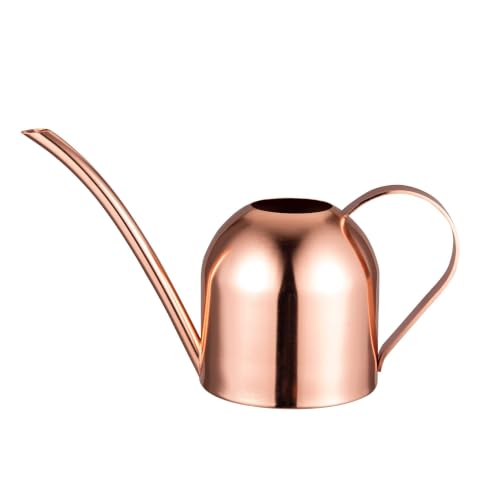
- Long narrow spout improves accuracy
- Small size suits bonsai and desks
- Stainless steel construction
This 15oz stainless steel can fits a desk or windowsill bonsai well. The long narrow spout improves accuracy, and the small size makes one-handed watering easier in tight indoor spaces. It is best for a single tree or very small sessions, not a larger collection.
Indoor fine-spray use: Haws The Bartley Burbler

- Fine spray rose for delicate watering
- Long spout gives a soft, steady flow
- Lightweight and easy to use
This two pint plastic can suits users who want a fine spray rose and a soft, steady flow for delicate indoor watering. The long spout and lightweight build are useful when you need control more than prestige or heavy-duty durability. It is a better fit for indoor routines than for broad outdoor bench watering.
Budget long-spout option: JapanBargain 1942
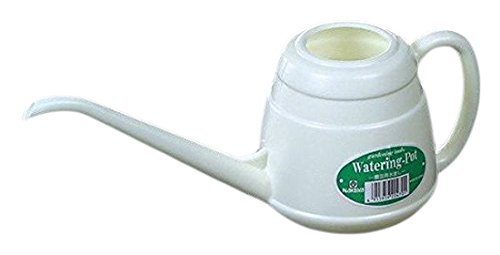
- Long spout for precise watering
- Compact for bonsai and delicate plants
- Made in Japan
This 850ml long-spout can is a practical middle choice for bonsai beginners who want precise watering without a large body. The compact shape is useful for small trees, and the size sits in the range many bonsai buyers look for. Check the nozzle style before buying if you want the softest possible shower pattern.
Steel can with extra sprayer: OFFIDIX watering can
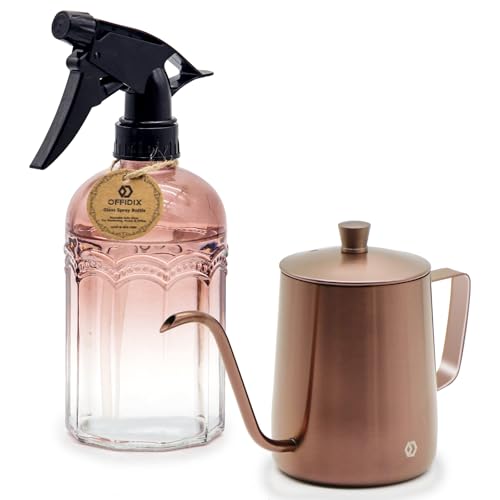
- Elongated spout for precise watering
- Rust-resistant stainless steel
- Includes a plant mister bottle
This 21oz stainless steel can fits bonsai work well when you want a long spout and corrosion-resistant construction. The included mister bottle adds flexibility, though misting should stay supplemental rather than replacing root-zone watering. It is most useful if you want one compact set for indoor use.
Mistakes to avoid
A few buying mistakes show up again and again. They usually come from choosing a can by appearance instead of by how it fits the tree, the pot, and the way you water. The safest choice is the one that delivers gentle, even watering without forcing you to fight the tool.
- Do not buy a wide-mouth garden can for bonsai.
- Do not skip the fine rose if your soil mix is loose or granular.
- Do not choose a heavy can if you water indoors with one hand.
- Do not size up for capacity if the full can becomes hard to control.
- Do not rely on misting as the main watering method.
- Do not use a hose without a fine spray nozzle on small pots.
Suppose a 9 cm shohin sits on a desk and the can feels too heavy when full. A smaller plastic or stainless steel can will usually be easier to aim and less likely to overshoot the pot rim. If the flow still feels too hard, step down to a finer rose rather than increasing force.
Frequently asked questions
How do I choose the right watering can for bonsai?
Start with the setup you water most often. For a single small tree, choose a compact can with a long spout, a fine rose, and about 0.5 to 1.5 liters of capacity. For several pots, increase capacity only if the can still feels balanced when full and easy to aim.
Do I need a fine rose on a bonsai watering can?
For most bonsai, yes. A fine rose with small holes turns the stream into droplets that wet the surface more evenly. That matters on loose or granular mix, where a bare spout or coarse spray can break up the top layer and expose roots.
Can I use a hose to water bonsai?
Yes, if the hose has a fine spray nozzle and you are watering a larger outdoor setup. A hose is less useful for a single indoor tree because it is harder to control around furniture and leaves. Use it only when the spray can stay gentle and even.
What size watering can is best for a single bonsai tree?
A compact can is usually best for one tree, especially indoors. In many cases, 0.5 to 1.5 liters is enough, and a 1 pint can can work for very small pots. Choose the size that lets you finish the pot without losing control of the pour.
Is rainwater better than tap water for bonsai?
Rainwater is often preferred, but tap water is acceptable when needed. The bigger priority is even root-zone watering. If rainwater is available and practical, it is a good option; if not, tap water is fine for routine use in most bonsai setups.