How to Choose Between Indoor and Outdoor Bonsai Trees
Choose between indoor and outdoor bonsai by species and climate first: temperate trees usually belong outdoors year-round, while tropical and subtropical species can live indoors only if they get strong light, warmth, and enough humidity. The American Bonsai Society and university extension guides consistently frame bonsai care around species biology, not pot style; winter dormancy, frost tolerance, and light needs vary sharply by tree type (American Bonsai Society; university extension sources; Missouri Botanical Garden; Royal Horticultural Society). Put the tree in the wrong place and it often weakens fast, drops leaves, or dies from heat, cold, or low light. This guide shows how to match species to climate, then check your home’s light and humidity before you buy.
Indoor vs outdoor bonsai at a glance
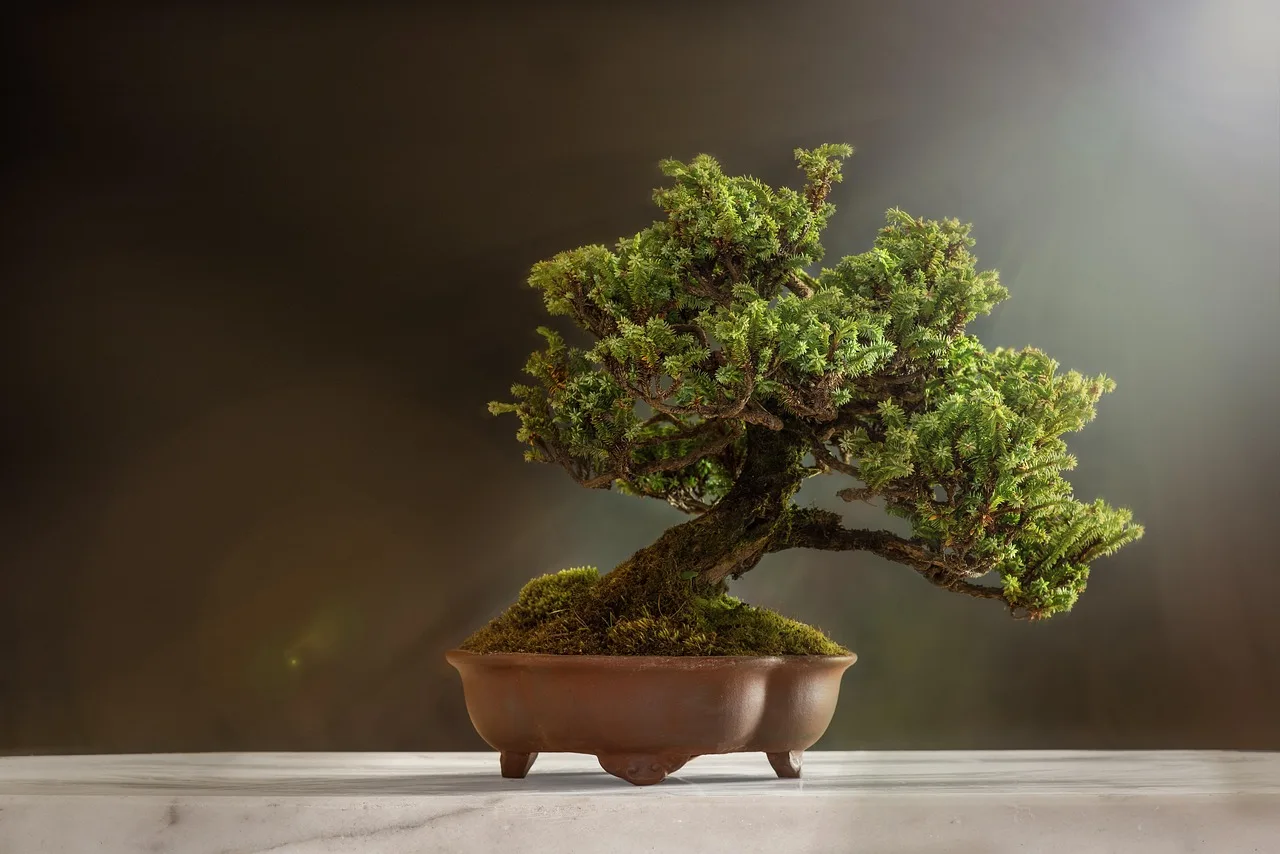

The core rule is simple: biology comes before convenience. Temperate bonsai need winter dormancy and generally belong outside, while tropical and subtropical bonsai can live indoors if you can provide bright light, stable room temperatures, and higher humidity. The Royal Horticultural Society and university extension sources also stress that species-level needs override the marketing label on the tag (RHS; university extension).
That means the “best” location is not a taste question. It is a species question, then a climate question, then a home-environment question. A sunny room can still be the wrong answer for a juniper. A sheltered patio can still be the wrong answer for a ficus in a cold winter climate. This is why experienced growers frame indoor/outdoor bonsai as a placement decision, not a style choice.
Side-by-side placement differences
| Factor | Indoor bonsai | Outdoor bonsai |
|---|---|---|
| Light | Bright indirect light, often near a south- or west-facing window; grow lights may be needed | Full sun or strong outdoor light for many species |
| Temperature | Stable room temperatures, limited cold tolerance | Seasonal temperature swings; many temperate species need winter cold |
| Humidity | Usually higher humidity needs; HVAC and heaters dry the air | Natural humidity, rain, and air movement help, though weather can be harsh |
| Winter | Not suitable for temperate species that require dormancy | Usually required for temperate species, with root protection in hard freezes |
| Main risk | Low light, dry air, heat from windows or vents | Frost, wind, heat stress, and drying soil |
What changes for beginners
Beginners often buy by label instead of species. A tree sold as “indoor bonsai” is not automatically indoor-viable for every home, and a tree sold for patios is not automatically impossible indoors. The label matters less than the species, the local winter low, and the light you can actually provide. Missouri Botanical Garden species pages and university extension references repeatedly show that tolerance ranges differ by cultivar and local growing conditions, so the care tag is only a starting point.
Say your apartment gets bright afternoon sun from a west window, but your heater runs all winter and the room stays dry. That can work for a tropical bonsai with added humidity help, yet it still does not make a juniper suitable for living on a shelf. For more room-by-room setup ideas, see our indoor bonsai humidity tips for dry homes.
Which bonsai species belong indoors?
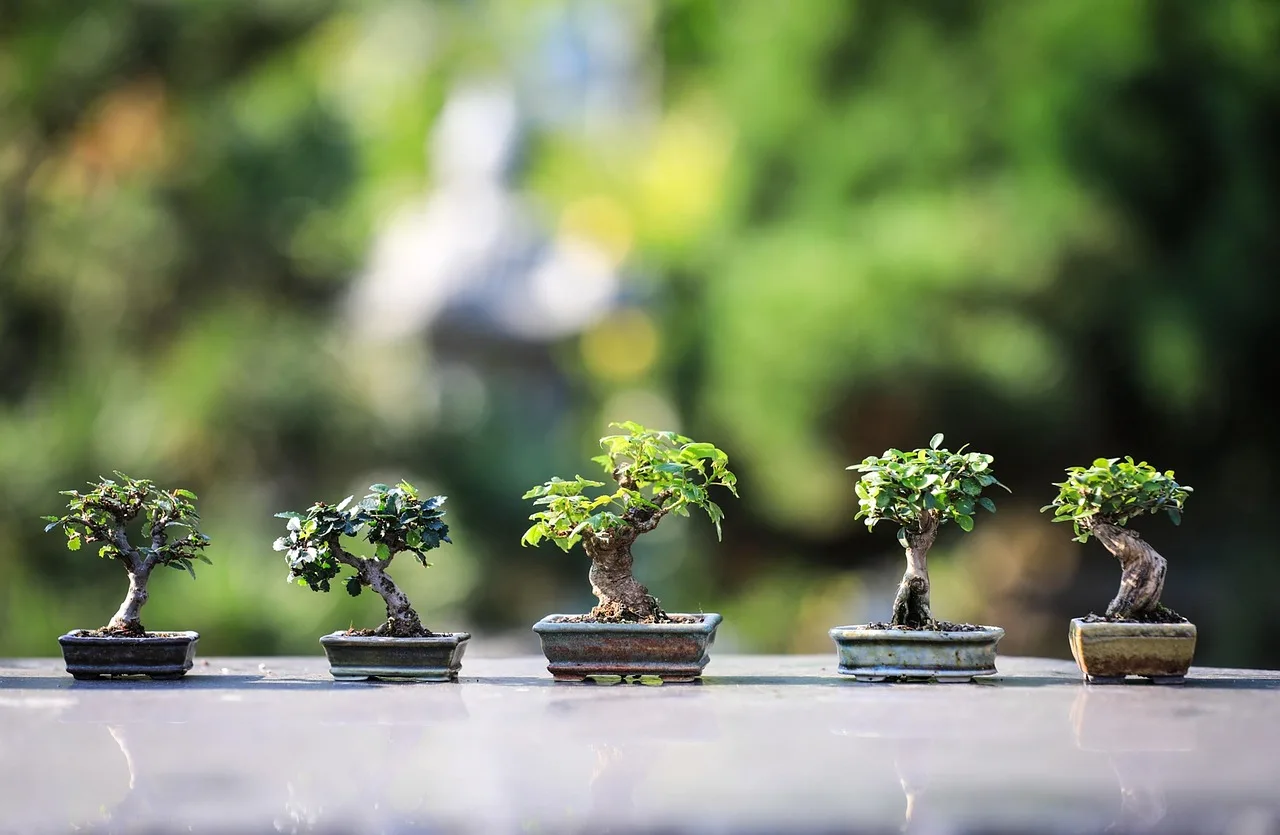
Tropical and subtropical species are the main indoor candidates. They can handle stable room temperatures and, in many climates, can stay indoors year-round if they receive strong light and higher humidity. The key is not the pot shape. It is whether the tree tolerates warm indoor conditions without needing a winter dormancy period. For species selection by space and light, see best bonsai species for bright apartments.
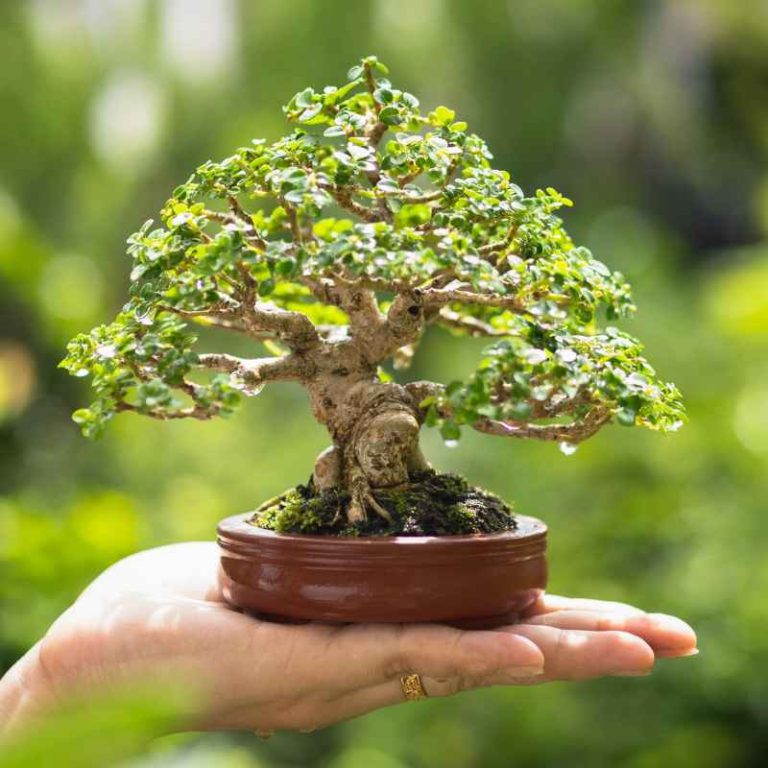
Why ficus, jade, and serissa are common indoor choices

Ficus is one of the most reliable indoor bonsai groups because it handles brighter indoor light better than many temperate trees and tolerates warm rooms well. Jade (including dwarf jade, Portulacaria afra) is another common choice because it stores water in its leaves and stems, which helps in dry homes. Serissa can be used indoors too, but it is more sensitive to drafts, sudden changes, and inconsistent care than ficus or jade. Species and cultivar matter here: some ficus types are more forgiving than others, and serissa often performs best when protected from sudden temperature swings and harsh drying air (RHS; Missouri Botanical Garden).
These are indoor candidates, not easy plants. They still need enough light to keep compact growth, and they still react to poor humidity, overwatering, and sudden temperature swings. A bright window helps. A dim room does not. Hands-on note: in indoor growing, ficus tends to show stress more slowly than serissa, while Portulacaria afra usually tolerates dry air better than many broadleaf tropicals, but all three decline if kept too far from light.
What indoor bonsai still needs from light and humidity

Indoor bonsai need bright indirect light, and many need the brightest window available. South-facing light is usually strongest in the Northern Hemisphere, with west-facing light often strong in the afternoon. East-facing windows can work for lower-light tropicals, but north-facing windows are usually too dim unless you add a grow light. Missouri Botanical Garden and extension sources note that indoor tropicals generally need “very bright” light, not just bright room light, which is why many apartment growers supplement with lamps.
Humidity matters because heated or air-conditioned rooms often dry the air. A humidity tray can raise local humidity slightly around the pot, but it does not replace room humidity. Misting fades fast. It helps for minutes, not for the whole day. That limitation is especially important in winter, when forced-air heat can pull indoor humidity far below what many tropical bonsai prefer.
Which bonsai species belong outdoors?
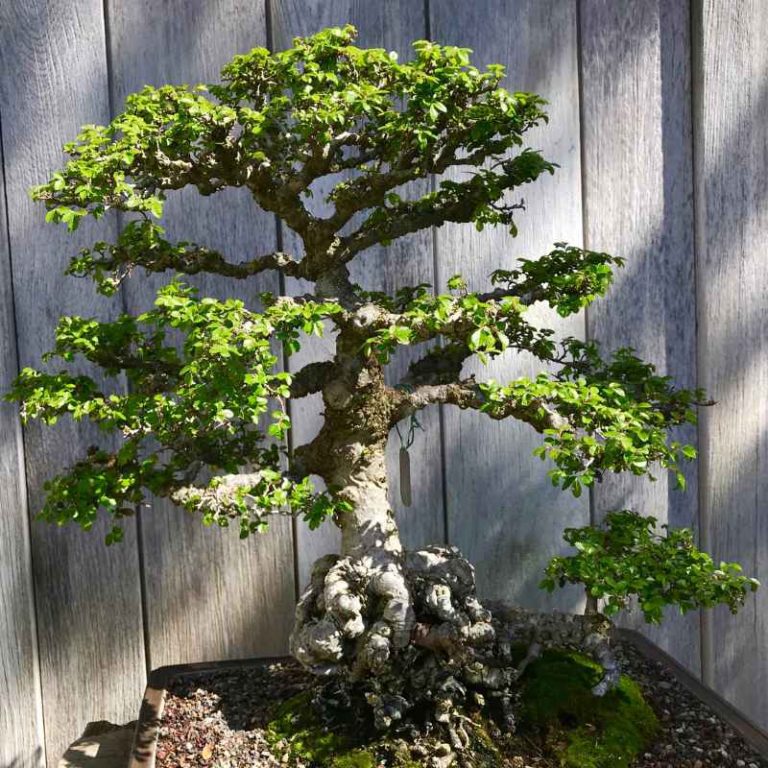
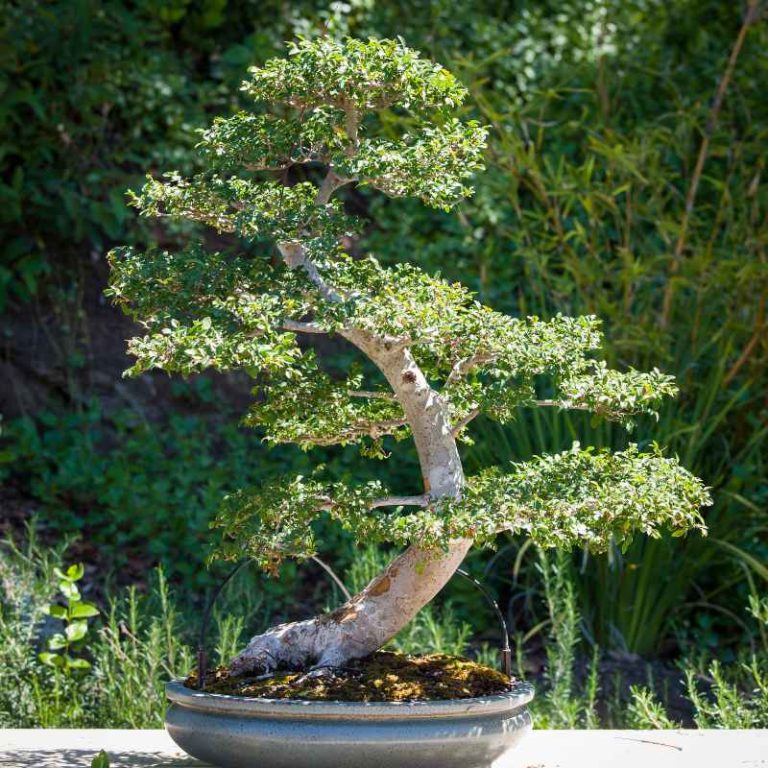
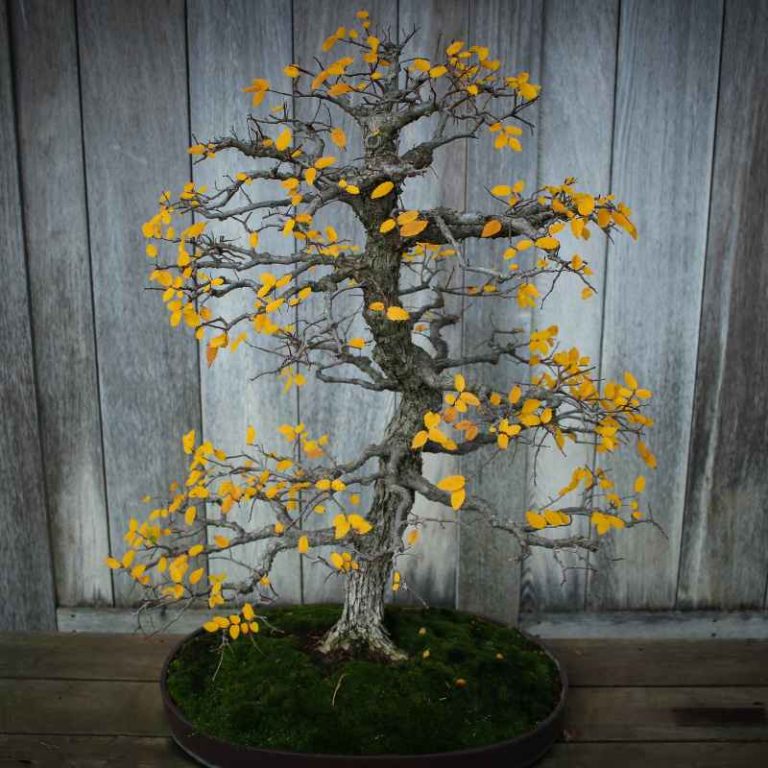
Temperate species and many conifers usually belong outside because they need seasonal change and winter dormancy. Juniper and many elms are classic outdoor bonsai. They are adapted to outdoor light, wind, rain, and cold cycles that indoor rooms cannot copy for long. Bonsai society guidance typically treats these as outdoor-first trees, with indoor display limited to short periods.
Why juniper and many elms usually stay outside
Juniper generally needs strong outdoor light and seasonal conditions. It is not an indoor plant in the practical sense, even if it is sold that way. Many elm species are also outdoor trees, though some Chinese elm material is sometimes marketed as indoor-friendly. In practice, an elm that needs dormancy should be kept outdoors through the warm season and winter, with protection as needed in hard freezes. The important limit is cultivar-specific: some elms are more cold-tolerant than others, but none should be treated as a permanent low-light houseplant unless the source specifically identifies a tropical or subtropical type.
Outdoors, these trees get the light intensity and air movement they need. Indoors, they usually weaken over time because light is too weak and winter rest never arrives.
Cold-hardy root protection and frost risk
Temperate bonsai usually need winter cold, but the roots in a small pot are more exposed than a tree planted in the ground. That means frost risk matters more than it does for full-size trees. In hard freezes, roots can be protected with mulch, a cold frame, an unheated garage, or another sheltered outdoor setup that still keeps the tree cold enough for dormancy. University extension sources and the RHS both caution that container roots are more vulnerable than in-ground roots because the root zone changes temperature faster.
Do not move a temperate bonsai into a warm room for the winter unless the species is actually tropical or subtropical. Warm indoor conditions can interrupt dormancy, and then the tree loses the seasonal reset it needs. For a deeper setup guide, see outdoor bonsai winter protection.
How much light does your bonsai need?
Light is the most common reason indoor bonsai decline. Outdoor species generally want direct sun or very strong outdoor light. Indoor tropical species usually need bright indirect light, and many still perform best with several hours of direct sun through a south- or west-facing window or a grow light fallback. Bonsai society and university guidance commonly emphasizes that “bright” for bonsai is much brighter than a normal indoor room.
Window direction and seasonal light changes
Window direction changes the amount of usable light more than most beginners expect. South-facing windows usually give the strongest indoor light. West-facing windows can be intense in late afternoon. East-facing windows are gentler. North-facing windows usually need a grow light for most bonsai species. Seasonal shift matters too: winter sun is weaker and days are shorter, so a window that works in June may fail in January.
A bonsai that leans, stretches, or drops leaves near a window is often telling you the light level is too low. That symptom matters more than the label.
When a grow light is the better fallback
If the best window in your home still leaves the tree leggy, pale, or dropping foliage, a grow light is the better fallback. That is especially true for tropical species kept indoors through winter. A strong artificial light setup is usually more dependable than hoping a dim room will be enough.
Suppose a ficus sits three feet from a bright window and starts dropping leaves over a month. Move it closer to the glass or add a grow light. If the tree were a juniper, the answer would be different: it would need outdoor sun, not an indoor workaround. For more species-focused guidance, see best bonsai species for bright apartments.
Humidity and room air
Indoor bonsai often struggle more from dry air than from people realize. HVAC systems, baseboard heat, and space heaters lower humidity and speed soil drying. Tropical and subtropical species feel that change first, especially during winter. In humid climates, the issue may be less severe, but dry indoor rooms can still be a problem even when outdoor weather is damp.
What humidity trays can and cannot do
A humidity tray can help by evaporating water around the pot, but its effect is local and modest. It does not humidify an entire room. It also does not fix weak light, poor watering, or the wrong species choice.
Use it as support, not as a cure. If the home air is very dry, the tree may still need more frequent checks, better placement away from vents, and a species that tolerates indoor conditions.
Why misting is limited support
Misting briefly wets leaves, but it does not keep humidity high for long. It can also leave water sitting on foliage without changing the dry air around the plant. For indoor bonsai, misting is a minor aid, not the main humidity plan.
The better habit is to stabilize the environment. Keep the tree away from heating vents, cold drafty windows, and appliances that blast hot dry air.
Temperature limits and seasonal shifts
Temperature is the second half of the placement decision. Tropical bonsai prefer warmth and usually need protection once nights get cool. Temperate bonsai need winter chill and should stay outside through seasonal changes, with cold protection when temperatures drop too low for the pot and roots. The exact threshold varies by species and cultivar, so use the plant ID first and the temperature number second.
Frost risk and cold thresholds
Most tropical and subtropical bonsai should be protected before frost. Many are damaged when temperatures approach freezing, and some are harmed well above that if the cold lasts long enough. Temperate trees are different: many need winter lows to satisfy dormancy, but the roots in a shallow pot can still be injured by severe or prolonged freezes. A practical rule used by many growers is to move tropical species before the first frost warning and keep temperate species outside unless a severe freeze requires shelter.
As a practical rule, move tropical species indoors before the first frost. Move temperate species only for short-term protection in extreme conditions, and keep them cold enough to remain dormant.
Heat stress and night-day swings
Outdoor bonsai face heat, wind, and rapid night-day temperature swings. That is normal for many outdoor species, but it can dry pots quickly and stress shallow roots. Indoor bonsai face the opposite problem: rooms may be warm enough, but the air is still and light is too weak.
Sudden changes are the main danger. A tree that has been outside in bright sun should not be moved straight into a dim room for weeks. A tree that has been inside all winter should not go straight into harsh midday sun on the first warm day.
Between indoor and outdoor checklist
- Check the species first. Confirm whether it is tropical/subtropical or temperate.
- Check the lowest night temperature forecast for the next 10 to 14 days.
- Move tropical trees indoors before frost risk. Move temperate trees outdoors only after nights stay safely above the species threshold.
- Shift light gradually. Start with partial sun or a bright protected spot, then increase exposure over 7 to 10 days.
- Watch watering closely during the first two weeks after the move.
- Keep the tree away from heaters, AC vents, and cold drafty windows if it is going indoors.
Bonsai placement matrix
This decision matrix gives a simple species-first rule. Use the climate or temperature threshold to confirm the placement, then decide whether your home can support the tree long term. Thresholds are approximate and vary by cultivar, pot size, exposure, and local weather; always verify the species-specific guidance from a bonsai society, extension service, RHS, or Missouri Botanical Garden entry before making a winter move.
| Species type | Climate or temperature threshold | Recommended placement |
|---|---|---|
| Juniper | Temperate; needs winter chill and outdoor light | Outdoors year-round in most climates; protect roots from severe freezes |
| Chinese elm / temperate elm types | Temperate; best with seasonal dormancy | Outdoors; shelter from extreme cold and wind if needed |
| Ficus | Tropical/subtropical; protect from frost and cold nights | Indoors in many climates; outdoors in warm months if nights stay warm |
| Dwarf jade | Warm-growing succulent; cold-sensitive near freezing | Indoors year-round in cold climates; can go outside in warm, frost-free weather |
| Serissa | Subtropical; dislikes cold and sudden changes | Usually indoors; may spend summer outside in warm, sheltered conditions |
Choose indoor if… / Choose outdoor if…
Use this as the final call. If the species needs winter dormancy or strong outdoor light, outdoor placement wins. If the species is tropical or subtropical and your home can provide bright light, warmth, and higher humidity, indoor placement can work. For beginners in dry apartments, the biggest variable is often humidity and window strength, not watering frequency alone.
- Choose indoor if the species is tropical or subtropical, your home has bright indirect light or a grow light, and winter temperatures outside would dip below the tree’s safe range.
- Choose indoor if you need a stable room temperature and can keep the tree away from heating vents, dry air, and low-light corners.
- Choose outdoor if the species is temperate, needs dormancy, and your local climate provides the seasonal cold it expects.
- Choose outdoor if the tree needs full sun or strong outdoor light and your winter lows are within the species’ tolerance with root protection.
- Choose neither yet if the species and your climate do not match what you can provide. In that case, buy a different species rather than forcing the wrong placement.
A common first-timer mistake is buying a “juniper bonsai” for a living room because the pot looks small and decorative. That tree usually wants outdoor sun, seasonal change, and winter dormancy. The better indoor choice would be a tropical species such as ficus or a warm-growing jade, assuming the room is bright enough. Climate-zone example: in a cold-winter area such as USDA Zone 6, temperate trees can stay outside with protection, while tropical bonsai should come in before frost; in a warm Zone 10 climate, many subtropical species can spend more time outside, but summer heat and afternoon sun still need management.
Which bonsai species can live indoors year-round?
Ficus and dwarf jade are the most common indoor-year-round candidates in many climates because they tolerate warmth and indoor light better than temperate species. Serissa can also be kept indoors, but it is more sensitive to drafts, light changes, and inconsistent care. Some ficus cultivars are notably more forgiving than others, so cultivar selection matters as much as the species name.
Why some “indoor bonsai” are really seasonal trees
Some trees are sold as indoor bonsai because they survive a period indoors, not because they belong there permanently. A temperate elm may be acceptable indoors only briefly, then it still needs outdoor conditions for dormancy. That difference matters. Long-term indoor placement is not the same as a short indoor display period.
How do I move a bonsai tree from indoors to outdoors?
Move a bonsai tree by adjusting light and temperature gradually, not by changing both overnight. Sudden exposure can scorch leaves, shock roots, or interrupt dormancy. Tropical trees can go out for summer once nights are warm enough, while temperate trees should go out for the season after frost danger passes.
- Check the forecast for night lows and wind.
- Start in bright shade or morning sun for a few days.
- Increase sun exposure over 7 to 10 days.
- Water more often if the pot dries faster outdoors.
- Move it back inside before frost if it is a tropical species.
Mistakes to avoid
The most common errors are predictable. Buying by label instead of species leads to the wrong placement. Moving trees too fast between indoors and outdoors leads to shock. Ignoring winter dormancy leads to weakened temperate trees. Assuming a sunny window can replace outdoor sun for every species leads to slow decline.
Another mistake is assuming humidity trays or misting can solve a dry, dim room. They cannot. If the species wants strong light and seasonal cold, the correct fix is outdoor placement. If the species wants warmth and humidity, the correct fix is a brighter, more stable indoor setup.
Need one sentence to remember? Match the tree to the species and climate first, then match it to your home.
Can bonsai trees be outside?
Yes, many bonsai trees should be outside, especially temperate species such as juniper and many elms. They need strong light, seasonal temperature changes, and often winter dormancy. The main caution is frost risk for the roots in a small pot, so cold protection matters in hard freezes.
Can I leave my bonsai tree outside?
You can leave it outside if the species fits your climate. Temperate bonsai usually can stay outside year-round, while tropical and subtropical bonsai need protection once nights get cold. If you do not know the species, confirm it before assuming it belongs outdoors in winter.
What is a good indoor bonsai tree?
Ficus and dwarf jade are two of the best indoor bonsai choices for beginners because they handle warm rooms better than temperate trees and are more tolerant of indoor conditions. Serissa is also used indoors, but it is more sensitive to drafts, light changes, and inconsistent care.
How do I care for an outdoor bonsai tree?
Give outdoor bonsai strong light, water when the soil begins to dry, and protect the tree from the worst weather it cannot handle. Many outdoor species need winter dormancy, but the shallow pot means the roots may need insulation during severe cold. Wind and heat also dry pots quickly.
What is the difference between indoor and outdoor bonsai trees?
Indoor bonsai are usually tropical or subtropical species that need warmth, bright indirect light, and higher humidity. Outdoor bonsai are usually temperate species that need stronger light, outdoor air movement, and seasonal dormancy. The difference is not the pot or the pruning style. It is the species’ climate needs.
Do bonsai trees need to go outside in winter?
Temperate bonsai usually do need to stay outside in winter because they require dormancy. Tropical and subtropical bonsai do not. They should come indoors before frost and stay in a warm, bright spot. If you are unsure which type you have, identify the species before winter arrives.