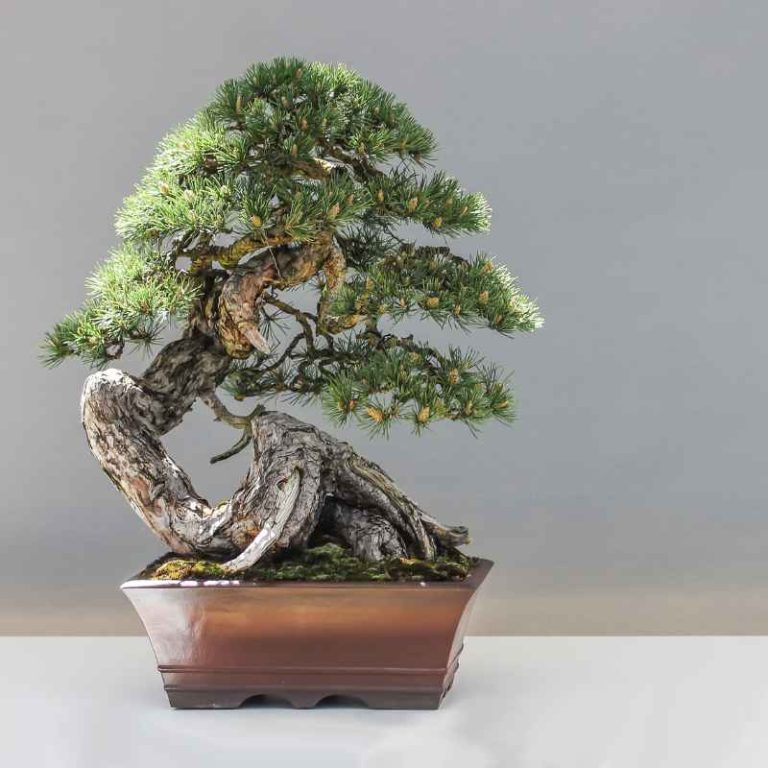
Best Bonsai Soil Ingredients for Root Health (2026): we compared
For many beginner bonsai, a roughly 1:1:1 mix of akadama, pumice, and lava rock is a common starting point; kanuma can be used for acid-loving species, and kiryu can be used when you want a harder, faster-draining mineral. Bad mixes drown roots when they stay wet too long, or dry too fast when they hold almost no buffer. This guide explains what each ingredient does in drainage, moisture, oxygen, and long-term repotting performance.
This guide is part of our Bonsai tree care guide series.
Quick comparison: best bonsai soil ingredients at a glance
| Product | Badge | Best for | Price | ||
|---|---|---|---|---|---|
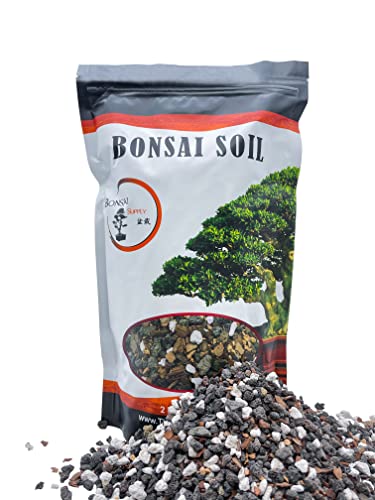 | Bonsai Soil All Purpose Mix | Fast Draining Pre Blend (2JK Global Imports | Budget pick | 2 quart · pumice, lava, calcined clay, pine bark | $15.97 Price as of 27 Sep 2026 | View |
 | Set of 2 Large Bonsai Pots with with Drainage Hole, 8.7"Villa Como | Pair with it | Set of 2 · 8.7 in · green glazed ceramic | $32.98 Price as of 27 Sep 2026 | View |
The right ingredient solves the root-zone problem in front of you. Some pieces hold a water reserve, some keep air pockets open, and some give the mix structure so it does not slump after a season of watering.
If a mix feels like potting soil, it is usually wrong for bonsai. If it feels like rubble with no buffering, it is also wrong.
How we chose these ingredients
The shortlist here is built around root function, not marketing terms. Drainage and oxygen come first, because bonsai roots fail fast when pores stay full of water. Then comes moisture buffering, then structural stability, then how long each ingredient keeps doing its job before it collapses.
Species fit and climate fit matter too. A dry, hot bench needs a different balance than a humid patio. A juniper does not want the same substrate profile as a maple.
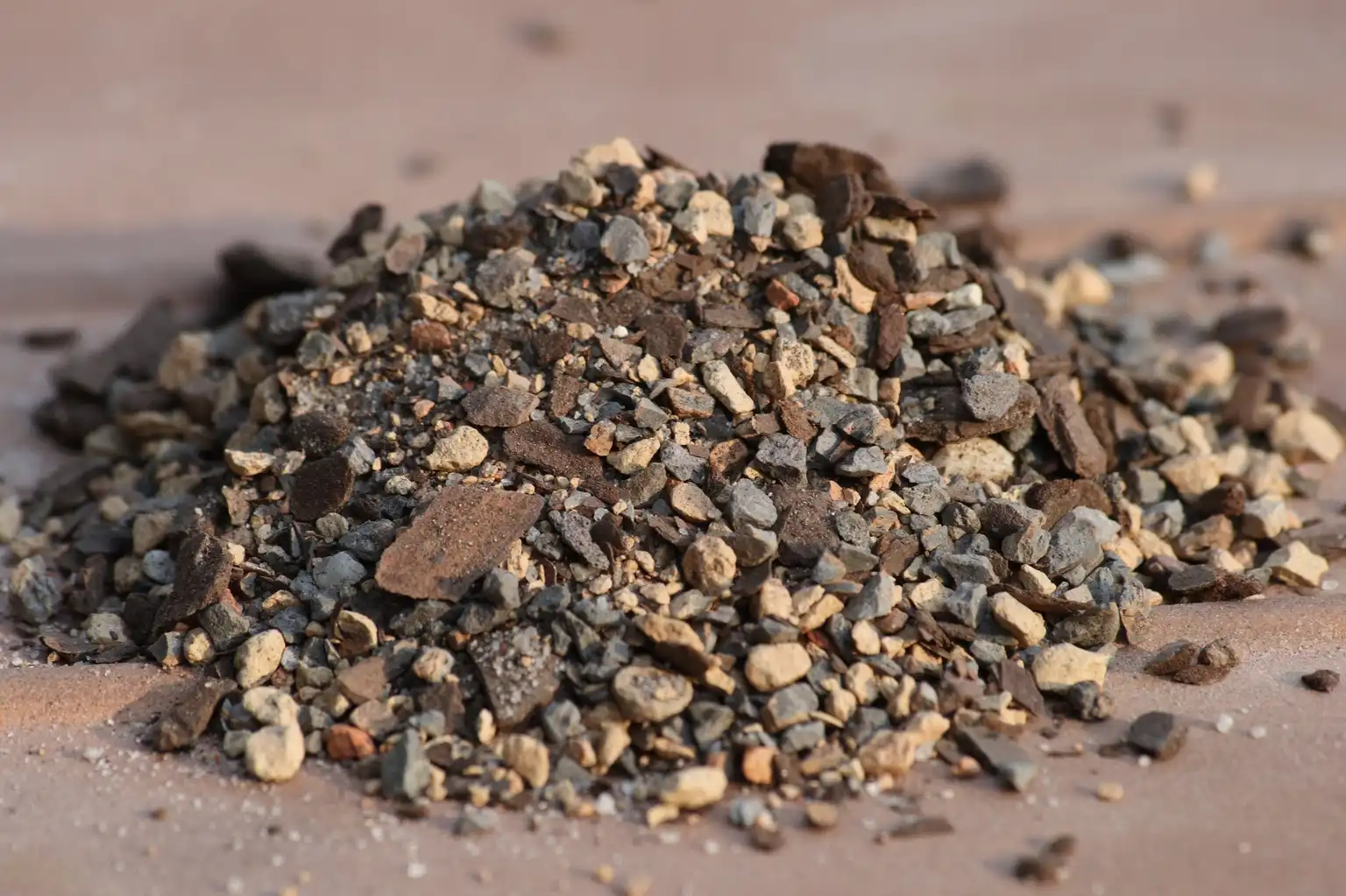
Akadama: best for balanced water retention
Akadama is a naturally occurring volcanic clay from Japan that sits in the middle of the bonsai-soil tradeoff. It holds water, but it also leaves air space between granules, so roots can drink without sitting in a sealed mud zone.
It is a strong choice for beginners because it gives a clear moisture signal. When akadama lightens in color and the pot gets lighter, watering becomes easier to judge. Regular akadama granules typically begin breaking down after two to three years, which is why repotting schedules matter.
Double-fired hard akadama lasts longer and resists collapse better than regular akadama. The drawback is cost and sourcing. In some regions it is expensive, inconsistent, or unavailable, and overusing it in a mix can leave the substrate too water-retentive in wet climates.
What akadama does in the root zone
Akadama acts as a water reserve and a mild buffer. It stores moisture in the pore network, then releases it as roots and evaporation pull water out. That makes it useful for trees that like even moisture, but it still needs coarser partners to keep oxygen moving through the pot.
When akadama starts to fail
Once granules soften, the mix loses pore space and begins holding water more tightly. Fine breakdown fills the gaps that used to move air. That is when roots slow down, watering intervals get weird, and the pot can stay wet long after the surface looks dry.
Pumice: best for drainage and root air space
Pumice is a porous volcanic rock that improves drainage and aeration while staying dimensionally stable. It does not break down over time, so it keeps its job long after softer ingredients start to wear out. It is commonly sifted to about 3 to 6 millimeters for bonsai.
That particle size matters. Coarse grain size keeps air pockets open, which helps roots breathe after watering. Smaller particles fill those pores faster and push the mix toward saturation.
What 3 to 6 millimeter particle size does
At 3 to 6 millimeters, pumice is large enough to keep pore channels open but small enough to distribute evenly through a pot. That gives the mix structure without packing down into a hard crust. Pumice also contains trace minerals, though it should be treated mainly as a physical component, not a fertilizer.
Can I use pumice instead of akadama?
Pumice can replace part of the akadama in many beginner mixes, but it does a different job. It gives more air and faster drainage, while akadama gives more water reserve and clearer moisture buffering. In dry or hot conditions, pumice-heavy mixes can ask for more frequent watering.
Lava rock: best for structure and anchoring
Lava rock, also called scoria, is a durable mineral component that adds drainage and anchoring. It is inert and pH neutral, and it does not compact or break down over time. The sharp-edged structure helps roots grip the mix instead of sliding through a soft substrate.
That makes lava rock especially useful in mixes that need backbone. It holds the physical frame of the substrate after watering and handling, which matters in shallow pots where the root mass can shift easily.
What lava rock do for bonsai roots
Lava rock does not hold the same water reserve as akadama, but it keeps the pore network open. Roots get oxygen around the granules, and the mix drains after irrigation instead of staying dense. In practical terms, it helps stop the soil from turning into a wet sponge.
Where lava rock helps most in mixes
It is useful in wetter climates, on trees that dislike staying soggy, and in mixes that need more anchoring for stability. On its own, though, it is too lean for most beginners because it gives structure without much moisture buffering.
What ingredients should be in bonsai soil?
Bonsai soil should include a drainage component, an aeration component, a water-buffering component, and a stable mineral structure that does not collapse quickly. Low organic content is the default starting point. A good mix keeps roots moist, but never sealed off from air.
For most beginners, akadama, pumice, and lava rock cover those jobs well. Kanuma and kiryu are specialized minerals for species or conditions that need a different pH or a harder, more stable feel.
How bonsai soil works as a system
Think in root-zone jobs. Water reserve keeps the tree from drying out too fast. Air space keeps roots alive after watering. Structure keeps those pore spaces from disappearing. If one ingredient does too much of one job, the whole mix slides out of balance.
How much organic matter should bonsai soil have?
Bonsai soil should have low organic content. Organic matter can help in a small amount, but too much turns the mix fine, soft, and prone to collapse. Once it shrinks and breaks down, pore space drops and roots lose oxygen.
That is why regular potting soil is usually a poor choice. It is often too fine, holds water too long, and compacts under repeated watering. It can work briefly in some nursery containers, but it is a weak long-term bonsai substrate.
What happens when organic matter dominates
When organic matter takes over, the mix starts behaving like garden soil instead of a granular substrate. Water lingers, air drops out, and repotting intervals shorten because the structure fails early. The tree may look fine until root health starts slipping below the surface.
Is regular potting soil bad for bonsai?
Regular potting soil is usually bad for bonsai because it is built for moisture retention in deeper containers, not for shallow pots with dense root systems. It often contains fine particles that settle, compact, and cut off air space around the roots.
Some growers use it in temporary situations, but it is not the right default for bonsai. The problem is not only drainage. It is the loss of structure over time, which turns a once-usable mix into a soggy mass.
What ingredient holds the most water in bonsai soil?
Among the common bonsai ingredients here, akadama and kiryu are the main water-holding materials, with akadama usually being the more familiar moisture buffer for beginners. Kanuma also retains moisture, but it is chosen more for acidity than for general use.
The key point is that water holding is only useful if the mix still breathes. A material that holds water but collapses quickly becomes a liability, not a benefit.
What does lava rock do for bonsai roots?
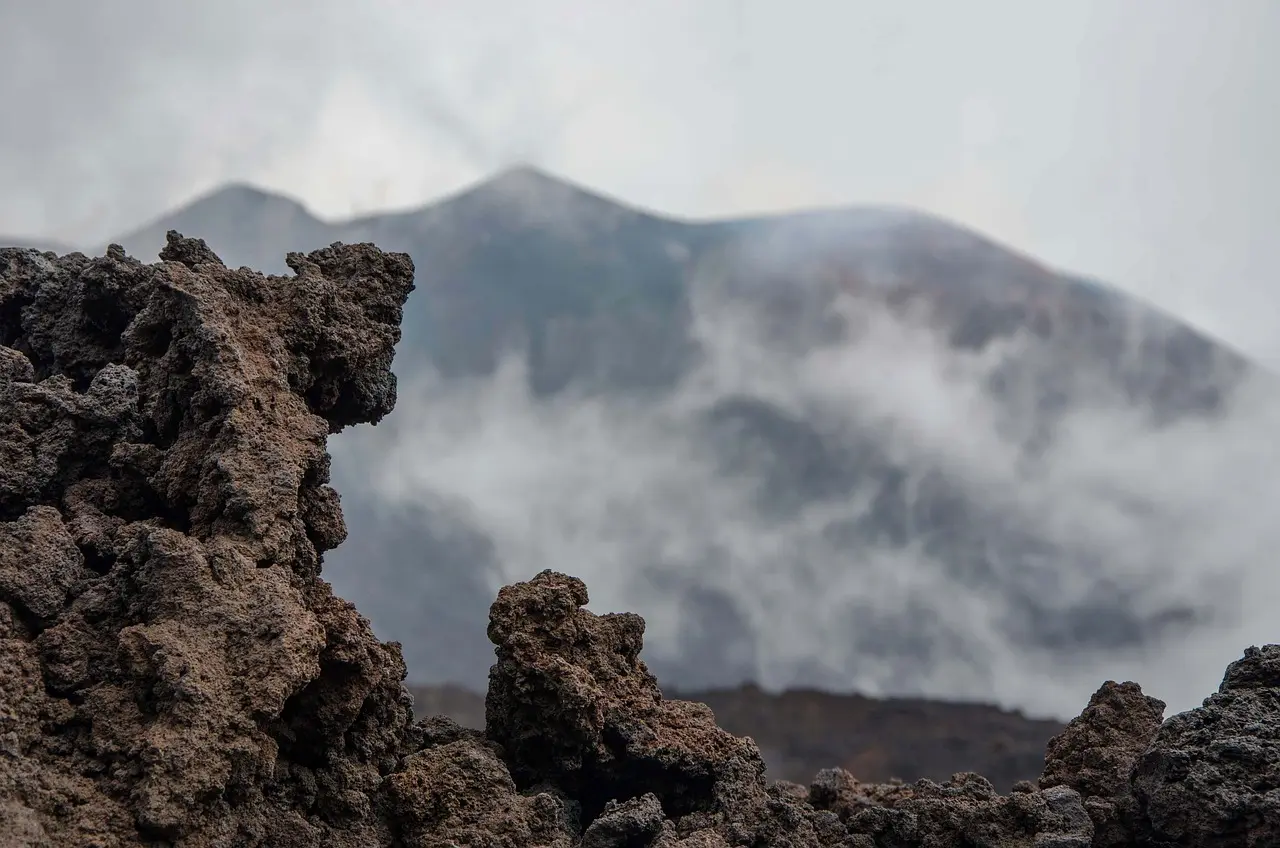
Lava rock supports roots by keeping the substrate open, draining fast, and giving the root ball physical structure. It is inert, pH neutral, and stays stable over time, so it keeps doing the same job long after softer ingredients have started to break down.
Its sharp-edged shape also helps prevent the mix from settling too tightly. That matters in shallow pots, where any loss of pore space shows up fast in root stress.
What soil ingredients are best for juniper or pine bonsai?
Kiryu is often used mainly for juniper and pine bonsai, because it is dimensionally stable and holds water while still staying hard. Many growers also pair those trees with pumice and lava rock to keep the mix open and long-lasting.
These species usually want a freer-draining substrate than many broadleaf trees. The mix should dry enough between waterings to keep roots active, but not so fast that the root zone becomes erratic.
Juniper and pine mix logic
For these trees, the priority is structure first, then controlled moisture reserve. A kiryu-heavy or pumice-heavy mix can work well when the watering routine is consistent. Too much akadama in a wet climate can hold more water than these trees want.
Which one should you buy first?
If you want one ingredient for a beginner mix, start with pumice. It is stable, easy to trust, and useful in almost any granular blend because it keeps air pockets open and does not break down. If akadama is available and your climate is not overly wet, add it for better water buffering.
If akadama is expensive or unavailable, build around pumice and lava rock, then use kiryu where you need harder, more stable mineral structure. Choose kanuma only when the species actually wants acidic conditions. For juniper and pine, kiryu is the more specific fit.
A beginner decision framework
- If the tree dries too fast, add more akadama or kiryu.
- If the mix stays wet too long, add more pumice or lava rock.
- If the substrate collapses after a season or two, reduce organic content and increase stable mineral components.
Ingredient matrix: what each one does
This matrix is the practical one-page view. It compares each ingredient by the job it performs in the root zone, not by brand hype or container size. Use it to match a tree, a climate, and a repotting schedule.
| Ingredient | Water retention | Aeration | Structural stability | Longevity | Acidity notes | Best-use species and climates |
|---|---|---|---|---|---|---|
| Akadama | High | Medium-high | Medium | Medium; breaks down after two to three years | Usually near neutral to slightly acidic | Balanced mixes for many bonsai, especially when watering is steady |
| Pumice | Medium | High | High | Very high; does not break down over time | Generally neutral | Beginner mixes, warm or dry climates, species that want fast drainage |
| Lava rock / scoria | Low-medium | High | Very high | Very high; does not compact or break down over time | pH neutral | Structure, anchoring, wetter climates, and mixes that need durability |
| Kanuma | Medium | Medium | Medium | Medium | Acidic substrate | Species that prefer low pH conditions |
| Kiryu | High | High | Very high | Very high | Typically used as a mineral substrate rather than a pH tool | Juniper and pine bonsai, especially where stability matters |
Frequently asked questions
What ingredients should be in bonsai soil?
A solid bonsai soil mix usually includes a water-retentive mineral, an aeration mineral, and a stable structural component. Akadama, pumice, and lava rock are the common starting trio. Low organic content matters because bonsai needs a substrate that keeps air pockets open after repeated watering.
What does akadama do in bonsai soil?
Akadama holds water while still leaving air space between granules. That makes it useful for moisture buffering without turning the pot into a swamp. Regular akadama breaks down after two to three years, so its water-holding job weakens as the structure softens.
Can I use pumice instead of akadama?
Yes, pumice can replace part or even all of the akadama in some mixes, especially if the tree needs more drainage or you live in a wetter area. The tradeoff is less water buffering, so the mix may dry faster and need closer watering attention.
How much organic matter should bonsai soil have?
Only a low amount. Bonsai soil should stay coarse and well ventilated, and too much organic material usually leads to compaction and root suffocation. A small amount can help in some mixes, but it should not be the main structure of the substrate.
Is regular potting soil bad for bonsai?
Usually yes. Regular potting soil is typically too fine, holds too much water, and collapses too easily for a shallow bonsai pot. It can smother roots by removing the open pore space that bonsai trees need for oxygen and fast recovery after watering.
What soil ingredients are best for juniper or pine bonsai?
Kiryu is a strong choice for juniper and pine bonsai, often alongside pumice and lava rock. Those trees usually do better in a stable, fast-draining mineral mix that keeps air moving around the roots. Too much soft organic material is a poor fit for them.