Why Bonsai Tree Leaves Curl and How to Correct It
Bonsai leaves curl when the tree loses water, faces pests, takes too much sun, sits in dry air, or builds up salts. Check the soil, leaf texture, and species before you water again. Miss the cause, and you can worsen root stress, spread mites, or strip a tree of leaves it cannot spare. This guide shows how to separate watering problems from pests, light, humidity, and salt buildup, then fix the right one.
Bonsai leaf curl diagnosis guide



Start with three clues: leaf texture, soil feel, and visible damage. Soft or limp curl often points to excess moisture or low light. Crispy curl often points to dehydration, heat, or salt stress. Stippling, bronzing, or pale new growth points away from simple watering and toward pests, cold, or chlorosis.
Read the leaf first
Soft, limp leaves are different from crispy, curled leaves. Soft curl often means the tree is stressed by wet roots, weak light, or root damage. Crispy curl means the leaf tissue is drying out faster than the roots can replace water. A leaf can also curl and yellow at the same time, which usually means the problem is beyond simple thirst.
Read the soil next
Press a finger into the soil and lift the pot. Wet soil plus a heavy pot points toward overwatering or poor drainage. Dry soil that pulls away from the pot edge points toward underwatering. Hydrophobic soil feels dry at the top but may still be dry deep down because water runs around the root ball instead of soaking in.
Use visible clues
Stippling means tiny pale spots where pests have fed. Bronzing can appear in cold weather on junipers. Yellow veins on pale new growth point toward iron chlorosis, especially in alkaline substrate. If the pot smells sour or sulfurous, root rot is a possibility, so inspect the roots before doing anything else.
What to do first
- Check the soil and drainage holes before changing care.
- Look for leaf texture, spots, bronzing, or pale veins.
- Match the symptom to the species and season.
- Only water if the root ball is actually dry.
- If the pot smells sour or stays wet, inspect roots.
Why are my bonsai leaves curling?
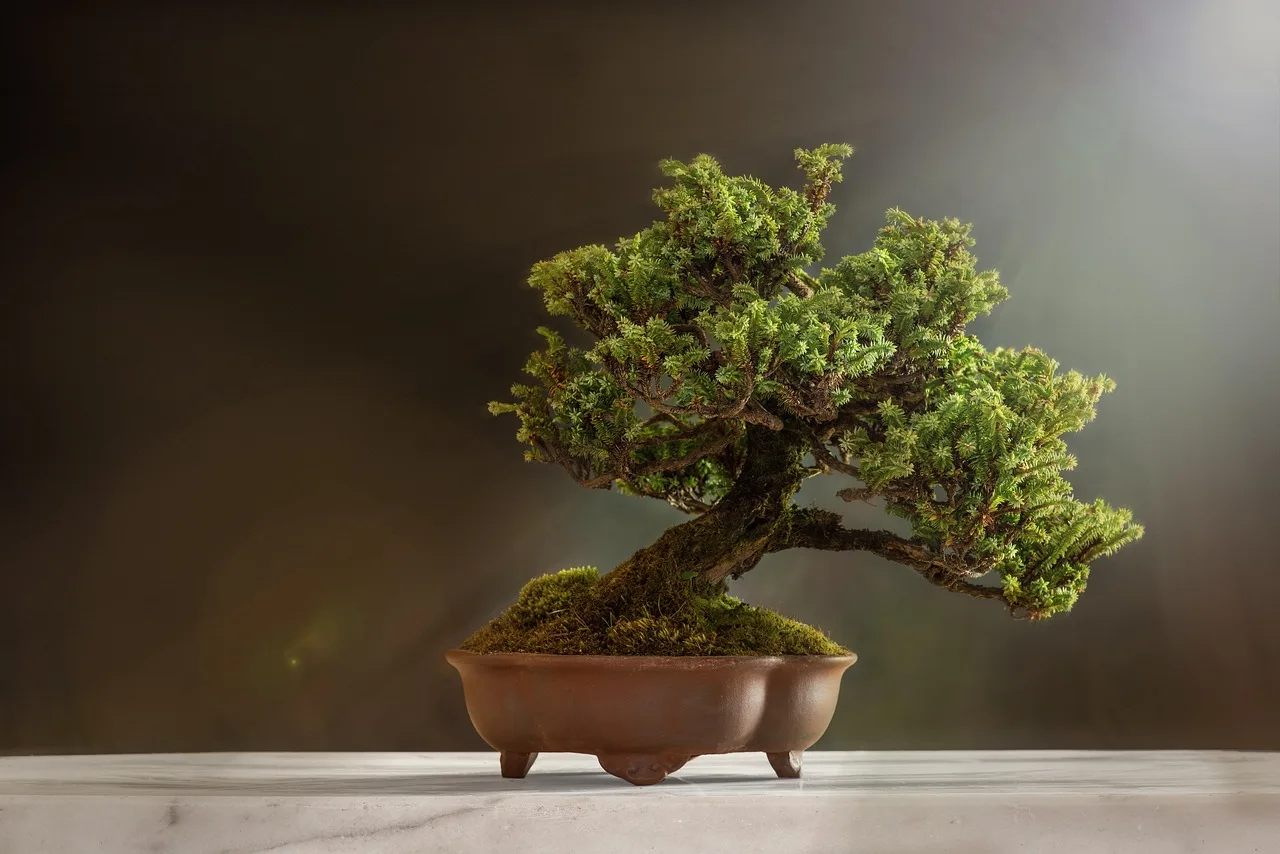
Curled bonsai leaves usually mean stress, but the source changes with species and season. Seasonal yellowing or bronzing can be normal on some trees, while sudden curl with droop, spots, or fast leaf drop usually signals a problem with water, light, pests, roots, or salts.
Normal seasonal change versus true stress
Deciduous bonsai naturally yellow and shed leaves with the season. Junipers can bronze in freezing weather. Those changes are not the same as curling from a failed root system. If the tree is otherwise healthy and the change matches the season, the response is usually observation, not emergency correction.
When curl means a watering problem
Watering problems are a common cause of curled bonsai leaves. Overwatering is the most common leaf problem overall, and underwatering is the opposite extreme. In both cases, the soil tells the story first. A wet pot with limp leaves and a dry, pulling soil mass with crispy leaves point in opposite directions.
When curl points to light, pests, or roots
Low indoor light can cause weak growth and leaf yellowing or curl. Spider mites and other sap-sucking pests can leave stippling or tiny spots. Root rot can produce curl, yellowing, and collapse after prolonged wet roots. Ficus may also drop yellow leaves after being moved, which is a common environmental shock response.
Is curling a sign of overwatering?
It can be, especially when the soil stays wet, the pot feels heavy, and leaves turn yellow or limp rather than crisp. Overwatering suffocates roots and can progress to root rot. Do not add more water until you check drainage and root condition.
How soggy soil and a heavy pot fit the pattern
Excess water keeps oxygen away from the roots. The pot feels heavier than expected, the top may stay damp for days, and growth starts to yellow or soften. If the mix is standard potting soil or multi-purpose compost, it can hold too much water for bonsai and keep roots in a stalled state.
Root suffocation and root rot signs
Root rot follows prolonged wet roots. A sour or sulfurous smell is a warning sign. Healthy roots are usually white or light-colored; rotten roots turn grey, brown, or black. If the pot smells bad or the soil stays wet too long, root inspection is more urgent than another watering.
What to check before watering again
Check drainage holes first. One revive-bonsai tip recommends two drainage holes, because excess water needs a clear escape path. Then inspect the substrate. A free-draining bonsai mix is safer than a dense compost that holds water around the roots. If the soil is already wet, hold off on watering. (Wikihow)
Can underwatering curl bonsai leaves?
Yes. Underwatered bonsai often show crispy, curled leaves, fast leaf drop, and a light pot. The soil may pull away from the pot edge, and water may run through or off the surface instead of soaking in. Rehydrate the root ball thoroughly before changing anything else.
Crispy leaves and fast leaf drop
Dry stress tends to harden the leaf edges. Leaves may curl inward to slow water loss, then drop sooner than expected. If the tree was dry long enough, the whole canopy can look papery. That pattern is different from the soft limpness more often seen with excess water.
How to rehydrate a dry root ball
Water slowly until the entire root mass is evenly moist. If the surface repels water, pause and let it soak in rather than pouring fast and washing moisture around the rim. The goal is to wet the roots fully, not the top layer alone. After that, reassess before adding more water.
Why soil pulling from the pot edge matters
Soil that shrinks away from the pot walls often means the root ball has dried enough to stop taking water evenly. That can leave dry pockets even after a quick watering. A dry root ball needs thorough rewetting, but that is different from watering on a fixed schedule.
Low light, draft stress, and humidity
Indoor bonsai often curl because the tree is not getting enough light, or because air movement and dry indoor air are stressing the leaves faster than the roots can replace water. Low humidity can matter, but it does not replace the need to check soil moisture.
Why low indoor light causes weak growth and curl
Indoor bonsai should be placed in a well-lit spot. Low light reduces energy for growth, which can lead to pale leaves, weak shoots, and curl. Watering more does not solve that problem. The tree needs more usable light before it can recover normal leaf function.
How dry air differs from dry soil
Dry air and dry soil can happen at the same time, but they are not the same stress. Dry soil means the roots cannot supply water. Dry air means the leaves lose water faster. A tree can still have wet soil and curl if the air is very dry or the roots are damaged.
When a humidity tray helps and when it does not
Humidity trays can be used with pebbles and water below the pot base. They raise ambient humidity around indoor tropical bonsai. They do not soak the roots, and they do not fix dry soil or root rot. Use them as an indoor humidity aid, not as a watering substitute.
Suppose a ficus in a bright apartment starts dropping yellow leaves a week after being moved to a new shelf. That can be environmental shock, not just watering trouble. If the soil is evenly moist and the leaves are soft rather than crispy, changing the light setup may help more than adding water.
Pests and nutrient issues
Not all curl comes from watering. Spider mites are a common pest cause, and iron chlorosis or salt buildup can also distort leaves. These problems often show up on new growth first, or as tiny spots, pale tissue, or edge burn rather than simple droop.
Spider mites and other sap-sucking pests
Spider mites feed by piercing leaf tissue. Look for stippling, tiny spots, fine webbing, or a dull look to the foliage. Isolate the tree before treatment if pests are present. If you only change watering, the infestation can keep spreading while the leaves continue to decline. (Purdue)
Iron chlorosis and pale new growth
Iron chlorosis often shows up as new growth turning pale yellow while the veins stay green. High soil pH can limit iron uptake. In that case, iron chelate may help, but substrate correction matters too. If the mix is wrong, the problem can return after the spray or drench wears off.
Salt buildup from fertilizer and poor flushing
Fertilizer salts can curl leaves, scorch edges, and make the soil surface crusty. Salt buildup is more likely when the potting mix is tight, drainage is poor, or feeding is too heavy for the tree’s growth rate. Flush the substrate carefully only if the soil itself is not already waterlogged.
Species-specific leaf curl clues
Species matters. A ficus, juniper, pine, and deciduous bonsai do not react the same way to cold, movement, or seasonal change. The same symptom can mean a different correction depending on which tree you are growing.
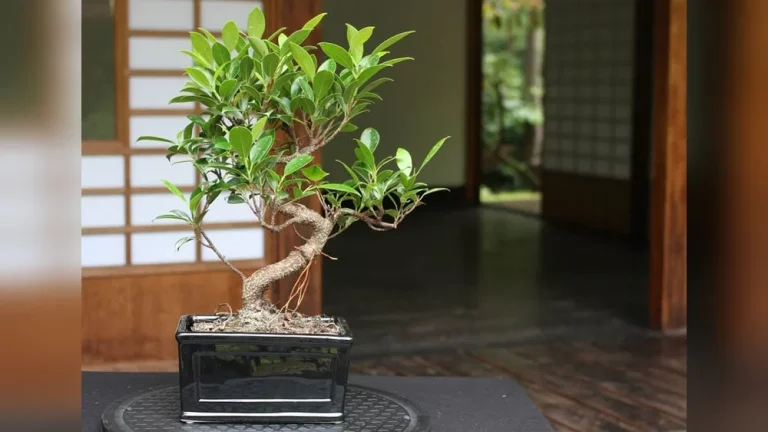
Ficus after moving
Ficus can drop yellow leaves after being moved. That is a common shock response, especially if light, temperature, or humidity changed at the same time. Keep the placement steady, check moisture before watering, and avoid stacking new stress on top of the move.
Juniper bronzing in cold
Junipers can bronze in freezing weather. That color change is not always the same as pest damage or drought. If the soil is not dry and the timing matches cold exposure, the tree may be responding to season rather than failing roots.
Pines and deciduous bonsai through the seasons
Pines can shed older needles as part of normal growth cycles. Deciduous species yellow and drop leaves seasonally. Those changes are easy to confuse with stress if you only look at color. Check whether the pattern matches the season before making a correction.
A common first-timer mistake is moving a juniper indoors because the needles bronzed outdoors after a cold snap. If the tree is a cold-hardy outdoor species, indoor warmth can create a worse problem than the bronzing itself.
Bonsai leaf curl matrix
This matrix turns the symptom into a decision. Match the leaf texture and soil state first, then look at visible clues and species group. The confidence level is a guide, not a diagnosis by itself. If root rot signs appear, inspect roots before anything else.
| Species group | Leaf texture | Soil state | Visible clues | Likely cause | Confidence level | Immediate action | Do not do | Next-step timing |
|---|---|---|---|---|---|---|---|---|
| Tropical | Soft | Wet | Yellowing, limp leaves, heavy pot | Overwatering or poor drainage | High | Pause watering; check drainage holes; inspect roots if soil stays wet | Do not add more water or keep using dense compost | Same day |
| Tropical | Crispy | Dry | Leaf drop, dry soil pulling from edges | Underwatering | High | Rehydrate the root ball thoroughly | Do not water on a fixed schedule after one dry reading | Same day |
| Tropical | Soft | Damp | Weak growth, yellowing, low light | Low light or shock | Medium | Move to a brighter spot and keep care steady | Do not flood the pot trying to fix light stress | 48 hours |
| Temperate | Soft | Wet | Sour smell, grey or dark roots | Root rot after prolonged wet roots | High | Inspect roots and repot if rot is present | Do not wait for the soil to “dry on its own” | Same day |
| Temperate | Crispy | Dry | Fast leaf drop, pulled-away soil | Underwatering | High | Soak the root ball evenly | Do not repot before rehydrating unless roots are dead | Same day |
| Conifer | Soft or bronzing | Damp | Bronzing in cold, seasonal shift | Seasonal response or cold stress | Medium | Check species and temperature exposure | Do not assume every bronze needle means drought | 48 hours |
| Conifer | Crispy | Dry | Stippling, dull color, fine webbing | Spider mites or drought stress | Medium to high | Isolate the tree and inspect for mites | Do not mist over a pest problem and call it fixed | Same day |
| Any | Soft | Damp | Pale new growth, green veins | Iron chlorosis | Medium | Check pH-related substrate issues and consider iron chelate | Do not keep feeding fertilizer as the only fix | Next repot |
When should you repot a bonsai?
Repot when drainage has failed, roots smell sour, or the substrate stays wet too long even after you correct watering and light. Repotting is part of the fix when root rot, poor mix, or clogged drainage holes are blocking recovery. Do not repot every curled tree without checking roots first.
Signs that drainage has failed
If the pot stays waterlogged, the tree keeps drooping, and the soil never dries at a normal pace, drainage may have collapsed. A compacted mix can hold water too long. Two drainage holes help the excess escape, but holes alone cannot fix a substrate that has broken down.
When fresh potting mix is part of the fix
Bonsai should be grown in special bonsai substrate. Standard potting soil or multi-purpose compost can stay too wet for fine roots. If the mix is old, compacted, or foul-smelling, repotting into a free-draining substrate can stop the cycle of wet roots and repeat curl.
What not to do before root inspection
Do not keep watering a wet tree. Do not assume humidity is the answer if the soil is dry. Do not repot blindly if the tree only changed color with the season. The safest order is check, confirm, then correct. If dead roots are present, cut them before repotting.
Frequently asked questions
Why are my bonsai tree leaves curling?
Curling usually means the tree is under stress from water imbalance, low light, pests, salt buildup, or root trouble. Check the leaf texture first, then the soil and species. Soft curl with wet soil suggests a different cause from crispy curl with dry soil, so the fix should match the pattern.
Is curling bonsai foliage a sign of overwatering?
Sometimes, yes. Overwatering is the most common bonsai leaf problem, especially when the pot feels heavy, the soil stays soggy, and leaves go yellow or limp. But curl can also come from underwatering, low light, mites, or cold stress, so check the soil before watering again.
How do I tell if my bonsai is underwatered or overwatered?
Underwatered trees usually have crispy, curled leaves, fast leaf drop, a light pot, and soil pulling from the pot edge. Overwatered trees often have soft or limp leaves, soggy soil, a heavy pot, and sometimes a sour smell. Those signs point in opposite directions and need opposite corrections.
Can low humidity make bonsai leaves curl?
Yes, especially indoors. Dry air can make leaves lose water faster than the roots can replace it. That said, low humidity is not the same as dry soil. A humidity tray with pebbles and water can raise ambient humidity for indoor tropical bonsai, but it does not fix root moisture problems.
What pests cause bonsai leaves to curl and how do I check for them?
Spider mites are a common pest cause, and other sap-sucking pests can do similar damage. Check the undersides of leaves for stippling, tiny spots, or fine webbing. If you see those clues, isolate the tree and treat the pest problem before you adjust watering again.
When should I repot a bonsai if the leaves keep curling?
Repot when the tree stays wet too long, the substrate has broken down, or root rot signs appear. Look for sour smell, dark roots, and poor drainage first. If the roots are dead or rotten, cut them before repotting into fresh bonsai substrate with proper drainage holes.