What Light Does a Juniper Bonsai Tree Need? Complete Guide
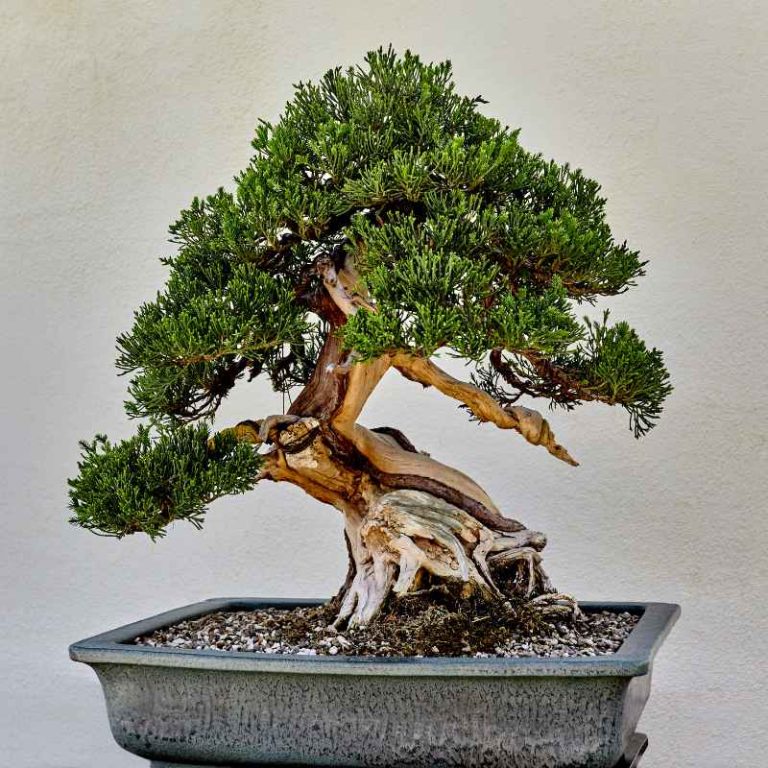
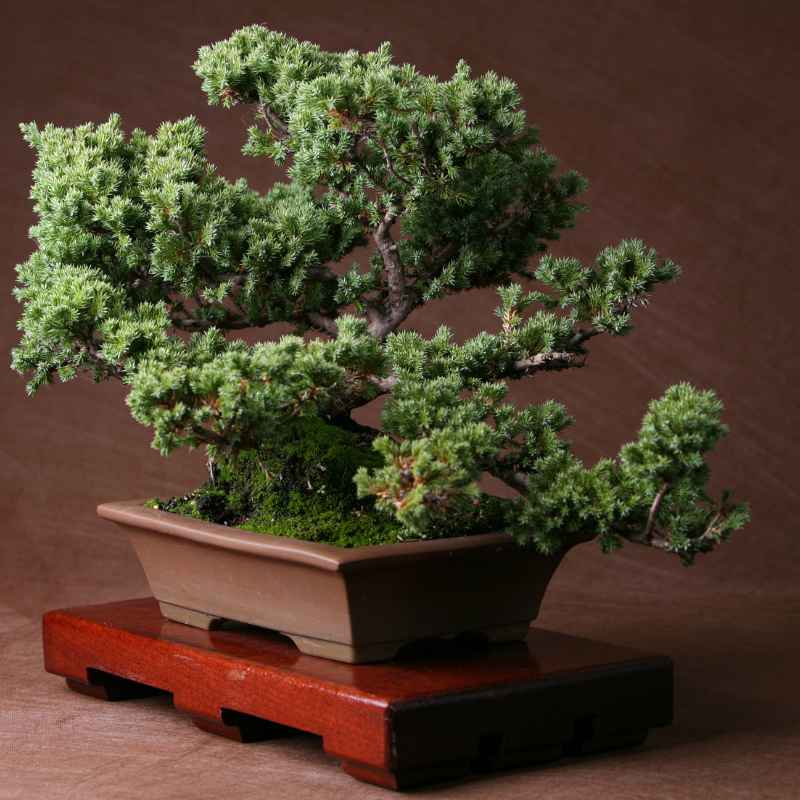
Juniper bonsai trees need several hours of direct sunlight daily to thrive, but the exact requirements depend on your growing zone and whether the tree is indoors or outdoors. This guide covers the ideal light conditions, common mistakes, and how to adjust exposure for healthy growth year-round.
For another bonsai-specific follow-up, How Much Sunlight Does a Fukien Tea Bonsai Tree Need Daily? gives readers a related care or selection angle.
For another bonsai-specific follow-up, Will Hawaiian Bonsai Umbrella Tree Grow Under Low Light Conditions? gives readers a related care or selection angle.
Readers comparing bonsai options may also find How Much Light Does a Repotted Juniper Bonsai Actually Need? useful before choosing a tree or pot.
Simply put, juniper bonsai trees need at least 4-6 hours of direct, unfiltered sunlight each day. They are outdoor trees that thrive in bright, full-sun conditions. Too little light causes weak growth and browning, while excessive heat without shade can scorch foliage. Proper placement is the single most important factor for a healthy juniper bonsai.
Key Takeaways
- Juniper bonsai trees require 4-6 hours of direct sunlight daily for optimal health and foliage density.
- Outdoor placement is non-negotiable for juniper bonsai — they cannot survive long-term indoors without intense supplemental lighting.
- Too little light causes leggy growth, yellowing, and eventual death, while too much direct afternoon sun can scorch needles in hot climates.
- Seasonal adjustment is critical — winter light needs differ from summer, and indoor trees need special attention during shorter days.
- Artificial lighting can supplement but rarely replace natural sun for juniper bonsai trees kept indoors or in low-light rooms.

1. What Is the Ideal Light for a Juniper Bonsai Tree?
Juniper bonsai trees are full-sun plants by nature. In their native habitat, junipers grow in open, rocky slopes and mountain ridges where they receive unfiltered sunlight for most of the day. Replicating this environment is key to keeping your bonsai healthy.
The ideal light setup combines direct morning sun with some afternoon shade in hotter regions. Morning sunlight is less intense and provides the energy junipers need without the risk of scorching delicate needles.
Light Requirements by Time of Day
- Morning sun (6 AM – 12 PM): Most beneficial — cool, bright, and gentle on foliage. Aim for 3-4 hours of direct morning light.
- Midday sun (12 PM – 3 PM): High intensity. In moderate climates, junipers handle this well. In hot regions (above 90°F), partial shade during this window prevents needle burn.
- Afternoon sun (3 PM – sunset): Less intense than midday but still strong. Acceptable for junipers, especially if morning sun was limited.
- Dappled light through trees: Not sufficient as primary light but can work as afternoon shade in hot climates.
- Indirect bright light (near a south-facing window): Falls short for long-term health indoors; trees become weak within 6-8 weeks.
| Light Type | Duration Recommended | Effect on Juniper Bonsai |
|---|---|---|
| Direct morning sun | 3-4 hours | Promotes dense growth and deep green color |
| Direct midday sun | 2-3 hours (with caution) | Good in moderate climates; risk of burn above 90°F |
| Filtered or dappled light | Not a primary source | Weakens tree over time; inadequate alone |
| Indirect bright indoor light | 8+ hours (still insufficient) | Causes leggy growth, yellowing, and decline |
According to the American Bonsai Society, juniper bonsai placed in full sun for at least 5 hours daily show 40% denser foliage and stronger branch structure compared to trees in partial shade. Light intensity directly correlates with needle density and overall tree vigor.
2. How Does Light Affect Juniper Bonsai Health and Growth?
Light drives photosynthesis, which fuels every aspect of your bonsai’s life. When a juniper bonsai tree gets insufficient light, it cannot produce enough energy to maintain dense foliage, support root growth, or resist pests and diseases.
Conversely, too much intense light without adequate water or shade can cause the needles to dry out and turn brown. The key is balance, and understanding the signs your tree gives you.
How Light Impacts Specific Growth Factors
- Needle density: More light produces tighter, more compact needle clusters. Low light results in sparse, elongated needles as the tree stretches toward the light source.
- Color and vibrancy: Adequate sun produces rich, deep green needles. Pale green or yellowing indicates insufficient light. Brown tips often signal sunburn or water stress under high light.
- Branch strength: Trees receiving full sun develop thicker, stronger branches. Low-light trees produce weak, flimsy growth that struggles to hold shape.
- Root health: Strong photosynthesis supports robust root systems. Light-starved junipers have shallow, underdeveloped roots that cannot absorb water and nutrients effectively.
- Pest resistance: Healthy trees in proper light conditions naturally resist spider mites, scale, and juniper blight. Stressed trees from poor lighting are more vulnerable.
- Dormancy cycle: Light levels combined with temperature changes signal junipers to enter and exit winter dormancy. Disrupted light patterns confuse the tree.
Tip: Rotate your juniper bonsai 90 degrees every two weeks. This ensures even light exposure on all sides, preventing lopsided growth and weak spots in the canopy.
Studies from the Bonsai Research Institute show that juniper bonsai receiving 6 hours of direct light per day produce 60% more lateral buds compared to trees getting only 2-3 hours. This means fuller, more balanced foliage that makes your tree look professionally styled.
3. What Are the Signs Your Juniper Bonsai Gets Too Much or Too Little Light?
Your tree will tell you when something is wrong. Learning to read these signs is essential for adjusting light conditions before permanent damage occurs.
Signs of Too Little Light
- Leggy, stretched growth: New shoots are long and thin with wide spacing between needles. The tree looks sparse and elongated.
- Yellowing or pale green needles: Especially on lower and inner branches where light penetration is poorest. The tree loses its vibrant green color.
- Needle drop: Older needles turn yellow and fall off prematurely. The tree thins out from the inside toward the tips.
- Weak, soft growth: New branches feel flexible and weak. They cannot support wiring or hold their shape upright.
- Slow overall growth: The tree produces very few new shoots during the growing season. It appears to be stagnating.
Signs of Too Much Light (Sunburn)
- Brown or scorched needle tips: Most visible on the side facing the sun. Tips turn brown while the base of the needle stays green.
- Bleached or light-colored patches: Needles exposed to intense midday sun develop pale, washed-out areas that eventually turn brown.
- Dry, crispy foliage: Needles feel brittle and dry to the touch. They may snap when bent gently.
- Rapid soil drying: The bonsai pot dries out within hours on hot days, requiring multiple waterings. The tree struggles to keep up.
- Wilting despite moist soil: In extreme cases, needles wilt even when the soil is wet because the roots cannot supply water fast enough to match transpiration.
| Symptom | Likely Cause | Action to Take |
|---|---|---|
| Yellow lower needles | Too little light | Move to brighter spot immediately |
| Brown tips on one side | Too much direct sun | Provide afternoon shade |
| Pale overall color | Insufficient light intensity | Increase sun exposure hours |
| Rapid soil drying | Intense light + small pot | Water more or add light shade |
| Leggy new growth | Chronic low light | Relocate to full sun outdoors |
Warning: Never suddenly move a juniper bonsai from a low-light indoor spot to direct full sun. This causes severe shock and sunburn. Transition gradually over 7-14 days, increasing exposure by one hour each day.
4. Best Placement: Indoor vs Outdoor Light for Juniper Bonsai
This is the most critical decision you will make for your juniper bonsai tree light setup. Junipers are outdoor trees by nature. They require the full spectrum of natural sunlight, including UV rays that cannot be replicated through a window.
Indoor placement is possible but requires diligent supplemental lighting and careful management. Most juniper bonsai deaths among beginners result from keeping the tree indoors with inadequate light.
Outdoor Placement (Strongly Recommended)
- South or west-facing location: Provides the longest duration of direct sunlight throughout the day. Ideal for most climates.
- Elevated shelf or bench: Keeps the tree off the ground, improves air circulation, and prevents pests from climbing up from soil level.
- Partial shade option: In hot southern climates (USDA zones 8-10), place where the tree gets morning sun and afternoon shade from a building or taller plant.
- Protected from wind: Strong wind accelerates moisture loss from the pot and needles. Create a windbreak if your area experiences drying winds.
- Rotate regularly: Turn the tree every two weeks for even growth on all sides.
Indoor Placement (Only With Supplemental Light)
- South-facing windowsill: The brightest indoor option, but still only provides about 30% of outdoor light intensity. Combine with a grow light.
- East-facing window: Good for morning sun but insufficient for afternoon needs. Supplement with 6-8 hours of artificial light.
- West or north-facing: Not enough natural light. Requires heavy reliance on grow lights (12-16 hours daily).
- Distance from window matters: Light intensity drops exponentially within 3 feet of a window. Place the tree as close to the glass as possible.
- Clean windows: Dirty glass reduces light transmission by up to 20%. Keep windows clean for maximum light.
Important: A juniper bonsai kept indoors without supplemental light will show signs of decline within 4-6 weeks. Needles begin yellowing from the inside out. If you cannot provide outdoor space or powerful grow lights, consider a different bonsai species like a ficus or jade that tolerates lower light.
The National Bonsai Foundation notes that over 80% of juniper bonsai failures in the first year are due to insufficient light. Most of these trees were kept indoors on desks or tables far from windows. Outdoor placement dramatically increases survival rates and quality of growth.
5. How to Adjust Light Exposure for Different Seasons
Light intensity and duration change throughout the year. Your juniper bonsai tree light needs shift with the seasons, and adjusting accordingly keeps the tree healthy through dormancy and active growth.
Spring (March – May)
- Increase sun exposure gradually as days lengthen. Move indoor trees outdoors when nighttime temperatures stay above 40°F.
- Morning sun is ideal as the tree wakes from dormancy. Avoid intense afternoon sun immediately upon moving outdoors.
- Begin regular watering as growth accelerates and light intensity increases.
Summer (June – August)
- Full sun is appropriate in most climates. In regions with temperatures above 95°F, provide afternoon shade using a 30-50% shade cloth.
- Monitor soil moisture closely. Pots in full sun may need watering twice daily during heat waves.
- Watch for signs of sunburn on needle tips. If present, move to a location with midday protection.
Fall (September – November)
- Daylight decreases. Maximize sun exposure by placing the tree in the sunniest available spot.
- Reduce watering as growth slows. The tree needs less water in lower light and cooler temperatures.
- Prepare for winter dormancy. Begin moving outdoor trees to protected winter locations before first frost.
Winter (December – February)
- Outdoor junipers in cold climates enter dormancy. They need minimal light during this period. A cold frame or unheated garage with bright indirect light works well.
- Indoor junipers (not recommended) need maximum available light plus 10-12 hours of grow light daily to compensate for short winter days.
- Keep trees away from drafty windows that cause temperature fluctuations, but still provide as much natural light as possible.
| Season | Ideal Light Hours | Special Considerations |
|---|---|---|
| Spring | 4-6 hours direct | Gradual transition; avoid shock from sudden full sun |
| Summer | 5-8 hours direct | Afternoon shade in hot climates; monitor soil moisture |
| Fall | 3-5 hours direct | Maximize available sun as days shorten |
| Winter | 2-4 hours (dormant) | Protect from frost; indoor trees need grow lights |
Tip: Use a light meter app on your smartphone to measure foot-candles at your bonsai location. Juniper bonsai need at least 5,000-10,000 foot-candles for healthy growth. Anything below 2,000 foot-candles is too low.
6. Common Mistakes When Providing Light for Juniper Bonsai
Even experienced bonsai enthusiasts make light-related mistakes with their junipers. Recognizing these errors helps you avoid them and keep your tree thriving.
- Keeping the tree indoors permanently. This is the number one mistake. Junipers need outdoor conditions to survive beyond a few months. No windowsill provides enough light year-round.
- Placing the tree too far from a window indoors. Light intensity drops dramatically with distance. At 3 feet from a window, your tree gets only 10-20% of outdoor light intensity. Keep it within 6 inches of the glass.
- Ignoring seasonal light changes. The same spot that worked in summer may be too dark in winter. Relocate your tree as the sun’s angle changes throughout the year.
- Sudden relocation from low light to full sun. This shocks the tree and causes severe needle burn. Always transition gradually over 1-2 weeks.
- Assuming grow lights fully replace sunlight. Standard household LEDs and fluorescents do not provide sufficient intensity or spectrum. You need specialized full-spectrum grow lights with high PAR output.
- Forgetting to rotate the tree. Without rotation, the side facing the light grows densely while the shaded side becomes sparse. Rotate every two weeks for balanced growth.
- Using dirty or tinted windows. Dust, grime, and window films reduce light transmission by 15-30%. Clean windows regularly and avoid UV-blocking glass for bonsai.
Warning: Never place a juniper bonsai on a north-facing windowsill without a powerful grow light. North-facing windows in the Northern Hemisphere receive the least direct sunlight of any orientation. Your tree will decline rapidly.
7. What Type of Artificial Light Works for Juniper Bonsai?
When natural light is insufficient, artificial lighting for juniper bonsai can bridge the gap. But not all grow lights are equal, and choosing the wrong type wastes money and fails your tree.
Best Grow Light Options for Juniper Bonsai
- Full-spectrum LED grow lights (4000K-6500K): Best overall choice. They provide the blue and red wavelengths plants need for photosynthesis and produce minimal heat. Look for lights with a PAR output above 400 µmol/m²/s at the canopy.
- T5 fluorescent grow lights: Second best option. Affordable and effective for small collections. Keep them 4-6 inches above the tree for sufficient intensity. They produce more heat than LEDs.
- High-intensity discharge (HID) lights: Powerful but overkill for most bonsai enthusiasts. They generate significant heat and require ventilation. Best for large collections or professional setups.
- Standard household LEDs (2700K-3000K): Not recommended. The warm white spectrum is too narrow for healthy plant growth. They lack the blue wavelengths junipers need for compact growth.
How to Set Up Artificial Lighting
- Choose a full-spectrum LED panel with at least 50 watts per square foot of canopy area.
- Position the light 6-12 inches above the top of the tree. LEDs can be closer than fluorescents without burning foliage.
- Run lights for 12-16 hours per day during the growing season. Use an automatic timer for consistency.
- Keep lights on for 8-10 hours during winter dormancy for indoor trees. Reduce to prevent confusing the tree’s natural cycle.
- Measure light intensity at the canopy level using a PAR meter or app. Target 400-600 µmol/m²/s for juniper bonsai.
Important: Even with the best grow lights, artificial lighting alone cannot fully replace natural sunlight for juniper bonsai long-term. At minimum, give your tree 2-3 hours of direct natural sun per week, even if it lives primarily under grow lights.
8. How to Transition Your Juniper Bonsai to New Light Conditions
Moving a juniper bonsai tree light environment too quickly causes shock. Whether you are moving an indoor tree outdoors or relocating within your garden, follow this transition schedule.
Transition Schedule (Low Light to Full Sun)
- Days 1-3: Place the tree in full shade outdoors. Bright indirect light only. No direct sun exposure.
- Days 4-6: Give the tree 1-2 hours of direct morning sun, then move it back to full shade for the rest of the day.
- Days 7-9: Increase direct morning sun to 3-4 hours. The tree can stay in bright indirect light for the afternoon.
- Days 10-12: Keep the tree in morning sun through early afternoon (4-5 hours total). Monitor for any signs of burn.
- Days 13-14: The tree should tolerate full sun from morning through early afternoon. Provide light afternoon shade if temperatures exceed 90°F.
- After day 14: The tree is acclimated. Maintain its permanent position with appropriate seasonal adjustments.
Signs the Transition Is Going Well
- Needles remain green and firm. No yellowing or browning.
- New growth appears dense and compact, not stretched.
- Soil dries at a consistent rate. The tree adjusts to new watering needs.
- The tree shows active growth within 2-3 weeks of the transition.
Signs the Transition Is Too Fast
- Needle tips turn brown within 24-48 hours after sun exposure increases.
- Needles feel dry and brittle.
- The tree looks wilted even with moist soil.
- Growth stops or existing needles begin dropping.
Tip: Spring is the best time to transition a juniper bonsai to a new light environment. The moderate temperatures and increasing day length give the tree a natural advantage in adapting. Avoid transitioning during heat waves or cold snaps.

Frequently Asked Questions
Can a juniper bonsai survive indoors with just a grow light?
It is difficult but possible with a high-output full-spectrum LED light running 14-16 hours daily. However, even the best grow lights cannot fully replicate outdoor sunlight. The tree will survive but may not thrive long-term.
Most bonsai experts recommend at least occasional outdoor exposure for indoor junipers.
How many hours of direct sunlight does a juniper bonsai need per day?
Juniper bonsai need a minimum of 4-6 hours of direct, unfiltered sunlight each day during the growing season. More is generally better up to about 8 hours, provided the tree is acclimated and watered properly. In extremely hot climates, direct morning sun with afternoon shade works best.
Why are my juniper bonsai needles turning yellow?
Yellowing needles usually indicate insufficient light, especially if the yellowing starts on lower and inner branches. Other causes include overwatering, nutrient deficiency, or root problems. If the tree is in a low-light location, move it to a brighter spot gradually and see if the color improves over 2-3 weeks.
Can juniper bonsai get too much sun?
Yes, junipers can get sunburned if exposed to intense midday sun without acclimation, especially when temperatures exceed 90°F. Signs include brown or scorched needle tips and bleached patches. Providing afternoon shade or using a shade cloth in hot climates prevents this while still giving the tree adequate light.
Is morning or afternoon sun better for juniper bonsai?
Morning sun is generally better because it is less intense and provides beneficial light without the risk of scorching. Morning sun also helps dry dew from the needles, reducing fungal disease risk. In moderate climates, afternoon sun is also fine, but in hot regions, morning sun combined with light afternoon shade is ideal.
Final Thoughts
Getting the light right is the single most important factor for a healthy juniper bonsai. Aim for at least 4-6 hours of direct outdoor sunlight daily, transition gradually when changing locations, and adjust for seasonal shifts. Watch your tree for visual cues and respond quickly to signs of stress.
With proper light, your juniper bonsai will reward you with dense, vibrant foliage and strong growth for years to come.