Bonsai indoor humidity tips for dry homes: 40-60% rule
For many indoor bonsai in dry homes, aim for roughly 40% to 60% relative humidity, and use around 50% as a practical cutoff: below that, add humidity for tropical species; above that, focus on airflow and mold control instead of more moisture. Low humidity weakens leaves, raises spider mite pressure, and can dry out buds fast. This guide shows how to choose misting, trays, humidifiers, and airflow based on species, room dryness, and mold risk.
What you’ll need


- Digital hygrometer with a readable display
- Humidity tray or pebble tray
- Small pebbles or gravel for the tray
- Room humidifier, preferably ultrasonic cool-mist
- Micro-fan or another source of gentle airflow
- Notebook or phone log for a one-week humidity check
📊 Tropical bonsai species often prefer 60–80% humidity. Source: Humidity & Airflow for Indoor Bonsai: Practical Setup.
Why dry homes stress indoor bonsai
Heated and air-conditioned rooms often pull indoor air far below what tropical bonsai need. Most homes sit at 30–40% relative humidity, and winter heating and summer air conditioning can drop humidity to 20–40%. That range is below the needs of many tropical bonsai.
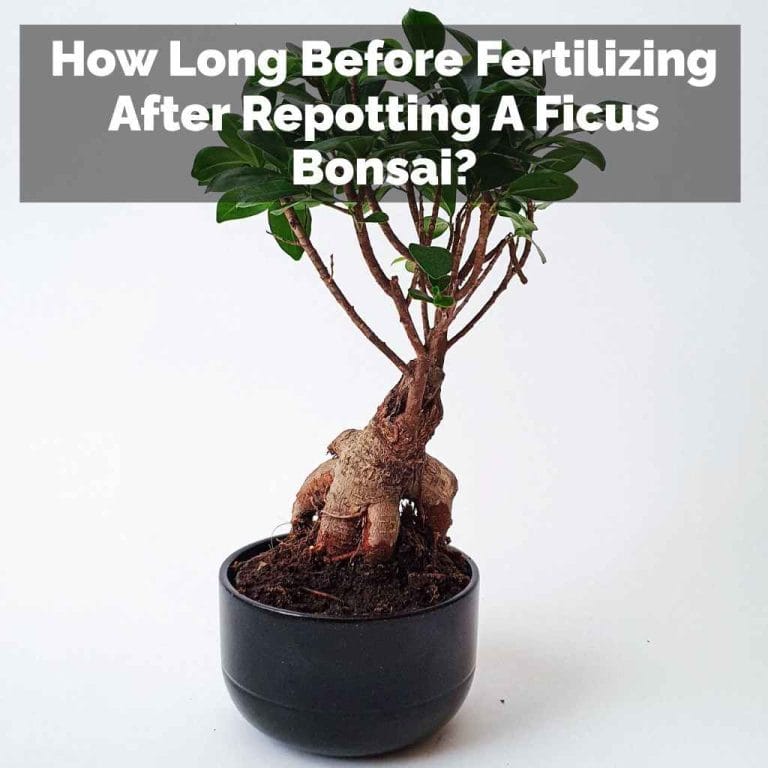
Tropical indoor bonsai such as Ficus and Schefflera often prefer 60–80% humidity, or at least 50–70% and higher. Dry air shows up first at the canopy: brown tips, leaf curl, leaf drop, and stalled new growth. Soil moss can shrivel too.
Room humidity is not canopy humidity
Room RH tells you the average in the space. Canopy RH is what the leaves actually experience, and it can differ near a window, vent, or radiator. Measure at foliage height, not at the floor or ceiling, or you will read the wrong microclimate.
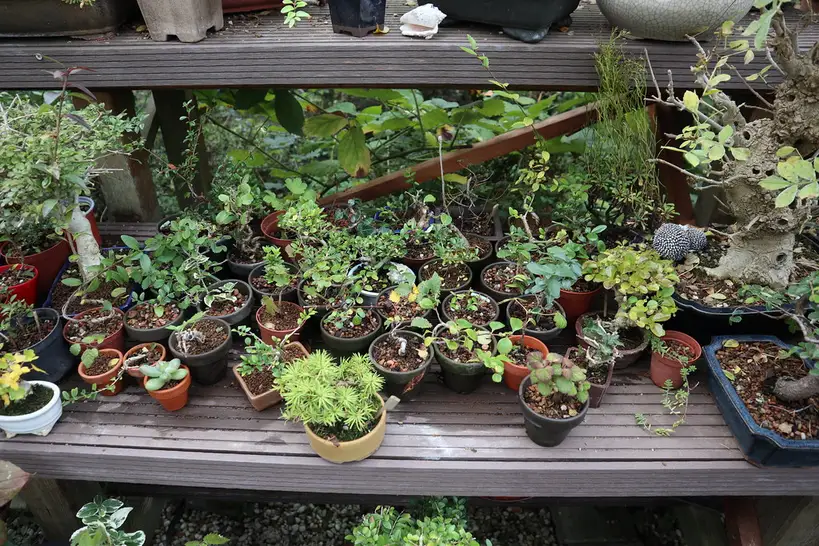
What are the signs my bonsai is too dry indoors?
Brown leaf tips, curled leaves, leaf drop, and stalled new growth are the clearest dry-air signs. If a bonsai has those symptoms and the pot still feels evenly moist, dry air is a more likely cause than watering alone. Spider mites often follow the same pattern.
When dry-air symptoms point to pests
Fine stippling, webbing, or pale speckling on foliage suggests spider mites rather than simple thirst. Dry air can increase pest pressure, while stagnant air can invite fungus gnats. If new shoots blacken or soil mold appears, the issue has crossed from dryness into poor air movement.
Step 1: Measure humidity where the leaves are
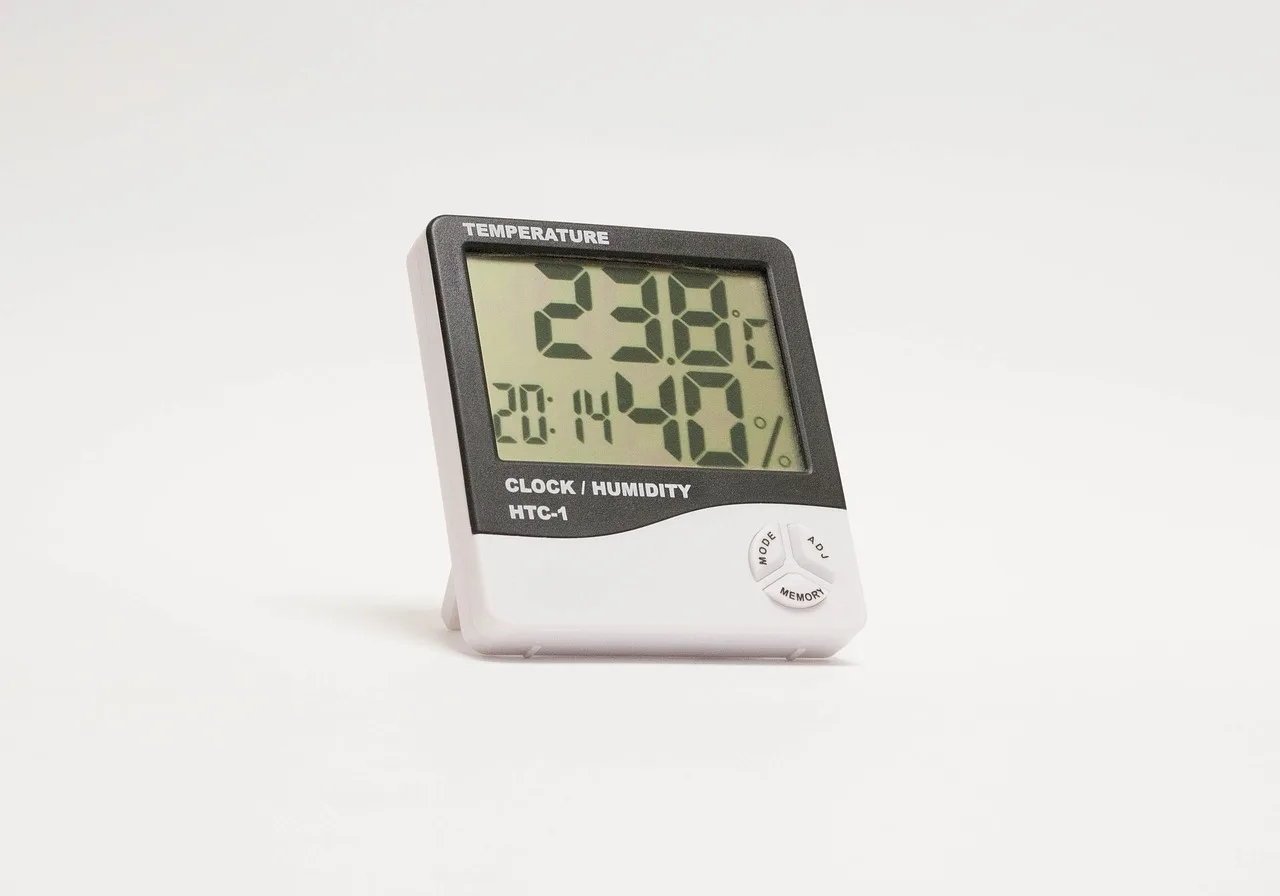
Place the hygrometer at foliage height, not on the floor or ceiling, and leave it there for a week. Track daily highs and lows so you can see the room pattern instead of one random reading.
Compare room RH with canopy RH. If the canopy stays well below the target for a tropical tree, a local humidity fix or a room-level change is likely needed, not more watering.
How to read the number
Use the lowest daily reading as the warning line. If winter heating or summer AC pushes the room into the 20–40% range, expect stressed foliage unless the bonsai sits in a better microclimate.
How do I raise humidity for a bonsai in a dry house?
Start with the smallest change that solves the problem: move the tree away from vents and drafts, add a pebble tray, then add room humidity if the canopy still stays dry. For tropical bonsai, 50% is a practical floor and 60–70% is often a better target.
- Set the bonsai away from supply vents, radiator heat, and cold window glass.
- Put a shallow tray of pebbles and water under the tree, with the pot above the waterline.
- Run a hygrometer at canopy height for three to seven days.
- Escalate to a room humidifier only if canopy RH still stays below target.
A humidity tray is a shallow dish filled with water and pebbles. Pebble trays can raise local relative humidity by 8–20%, which is enough for mild dryness or a small shelf setup. The bonsai pot should never sit directly in water.
Why the tray works only part of the time
The effect stays local. A tray helps most when the tree is close to it and the room is not extremely dry. If the room air stays low all day, a tray alone usually cannot hold a tropical canopy at the needed level.
How do you keep bonsai humid without causing mold?
Use humidity with movement. Steady circulation lowers stagnant moisture, which helps keep soil surface mold down and reduces pest pressure. A gentle current can make a 5–10% difference in humidity efficiency without turning the area swampy.
Use a fan the right way
Set the fan so it points past the leaves, not at them. The goal is gentle circulation, not windburn. Keep the airflow steady enough to move air across the canopy and tray, but not so strong that it strips moisture too fast.
Say your ficus sits on a shelf beside a pebble tray and starts getting a white film on the soil. Lower the humidity target a bit, move the fan to create sideways air movement, and clean off decaying organic matter on the surface before it builds again.
Should I use a humidity tray or humidifier for bonsai?
Use a tray for mild dryness and a humidifier when the room stays dry all day or the bonsai is a tropical species that keeps showing stress. A tray is a local fix; a humidifier changes the whole room. For many dry homes, both together work best.
When to escalate
If canopy RH still stays below 50% after a tray and better placement, move to a room humidifier. The recommended type is ultrasonic cool-mist. Place it 3–6 feet away and aim it indirectly, not at foliage, so leaves do not stay wet.
What not to do
Misting can help for a short time, but it does not hold a stable humidity level. It also leaves wet leaves without fixing the room air. Treat it as a brief boost, not a long-term plan.
Which indoor bonsai species tolerate dry air better?
Drier-tolerant indoor bonsai usually come from species that handle lower humidity better than tropical trees. Tropical bonsai need the most humidity, subtropical trees sit in the middle, and drier-tolerant choices can cope with lower room RH if watering and light are steady.
| Type | Common indoor examples | Practical RH target | Dry-air tolerance |
|---|---|---|---|
| Tropical | Ficus, Schefflera | 60–80% | Low |
| Subtropical | Many indoor bonsai sold for bright rooms | 50–70% | Moderate |
| Drier-tolerant | Species adapted to less humid interiors | 40–60% | Higher |
For drier-tolerant trees, a tray plus good airflow may be enough. For tropical species, a room humidifier is often the cleaner answer in heated homes or rooms with strong AC.
How far should a fan be from an indoor bonsai?
A fan should sit far enough away that the leaves move slightly, not flap. Point it past the canopy, not straight at it. The aim is even circulation around the tree and tray, which reduces stagnant pockets without forcing the foliage to dry unevenly.
Pairing airflow with humidity
Use airflow with a tray or humidifier, not instead of them. Air movement helps humidity spread more evenly, cuts mold risk, and makes it harder for spider mites and fungus gnats to settle in still air.
Dry-home bonsai humidity checklist by setup tier
Use the lowest tier that solves the problem. Move up only if canopy readings and leaf health stay outside target range.
| Tier | Humidity target | Setup | Escalate when |
|---|---|---|---|
| Tier 1 | 40–50% | Move away from vents, use a pebble tray, add gentle airflow | Leaf tips still brown or canopy stays below 40% |
| Tier 2 | 50–70% | Tray plus canopy-height hygrometer, especially for tropical species | Ficus or Schefflera still show curl, drop, or slow new growth |
| Tier 3 | 60–80% | Ultrasonic cool-mist humidifier, indirect output, steady airflow | Mold appears, leaves stay wet, or room RH overshoots |
- Check canopy RH at the same time each day.
- Stay at the lowest tier that keeps leaves healthy.
- Raise humidity only if the tree still shows dry-air stress.
- Reduce moisture first if soil mold or blackened shoots appear.
Suppose a tropical bonsai in a 68°F living room sits near a heating vent and shows brown tips within two weeks. Move it away from the vent, add a pebble tray, then review the canopy reading after seven days before buying a humidifier.
Common mistakes
Pot in standing water: this raises root-rot risk. Keep the pot above the waterline.
Fan blasting the leaves: this dries the canopy too fast. Point the fan past the tree.
Too much moisture, no airflow: this invites mold and pest pressure. Add circulation before adding more humidity.
Room reading only: this hides the real microclimate. Measure at foliage height.
If that didn’t work
Move from tray to humidifier if canopy RH still stays low after a week. Place the unit 3–6 feet away, aim it indirectly, and keep the fan on low. If the room still swings hard between heating and cooling cycles, relocate the tree to the most stable room in the house.
Frequently asked questions
What humidity level do indoor bonsai need?
Use 40% to 60% as a general indoor target, then adjust by species. Tropical bonsai usually want 60–80%, while drier-tolerant trees can manage lower. Check canopy height, because room RH alone can hide a drier leaf zone near vents or glass.
Where should I place a hygrometer for an indoor bonsai?
Put it at foliage height, beside the canopy rather than on the floor or a shelf below the tree. Leave it there for at least a week so you can see daily highs and lows. That reading matters more than a hallway or thermostat number.
Can dry air cause spider mites on bonsai?
Yes. Dry air is linked to higher spider mite pressure, especially on tropical trees under heating or AC. If you see stippling or fine webbing, raise humidity only enough to help the tree and keep airflow moving past the leaves.
How do I keep bonsai humid without causing mold?
Use a tray or humidifier with gentle circulation. Keep the pot above the waterline, aim a fan past the leaves, and stop raising humidity if soil mold or blackened new shoots appear. Stable airflow is what keeps added moisture from turning stagnant.
Which indoor bonsai species tolerate dry air better?
Species in the drier-tolerant tier handle lower humidity better than tropical bonsai. Ficus and Schefflera are tropical examples that usually need more moisture. If your room stays in the 30–40% range, start with a less sensitive species or raise humidity first.
How do I raise humidity for a bonsai in a dry house?
Start with placement, then a pebble tray, then a room humidifier if needed. Aim for canopy RH, not just room RH. Move the tree away from vents and radiators, and use indirect cool-mist output if the room stays dry after a week of monitoring.