What Grows In Mountain Cracks And Thrives As Bonsai?
It’s a strange thought, isn’t it? To see something that looks so delicate, like a bonsai tree, and imagine it enduring the harshness of a mountain cliff. But nature is full of surprises. Many of the plants we think of as needing soft soil and gentle rain actually start their lives in the toughest spots. They hold on to tiny bits of dirt in rock crevices.
This is where the magic happens. These tough plants have amazing survival skills. They learn to live with very little. This is exactly what makes them perfect for bonsai. Bonsai artists look for these natural qualities. They find beauty in plants that have fought to survive. It’s a lesson for all of us.
You’ll learn about specific plants that fit this description. We’ll look at why they grow so well in rocks. We’ll also see how these natural traits help them become beautiful bonsai. It’s a journey into resilience and art.
Many plants that grow in mountain cracks and rocky areas have traits that make them ideal for bonsai. They are naturally adapted to survive with limited resources, a quality highly valued in bonsai cultivation for creating miniature, weathered trees.
The Resilience of Mountain Flora
Mountain cracks are not easy places to live. There’s not much soil. Water can be scarce. The wind can be fierce. Yet, life finds a way. Plants that grow here are tough. They have to be. They develop deep roots. These roots seek out every tiny bit of moisture. They grip the rock tightly.
These plants also don’t grow very big naturally. They can’t. There’s no room. Their growth is slow. This slow growth makes their wood dense and interesting. It gives them a weathered look. This look is what bonsai artists love. It tells a story of survival.
Think about a tiny seed landing in a crack. It sprouts. It has to find a way to anchor itself. It needs to find water and nutrients. If it grows too big, it might fall. So, it learns to stay small. It learns to use every bit of resource it finds.
Why These Plants Make Great Bonsai
These natural survival traits are a gift to bonsai. Bonsai is about creating a miniature version of a full-sized tree. We want it to look old and wise. We want it to have character. Plants from harsh environments already have this. They have the ruggedness we aim for.
Their slow growth means they stay small. This is key for bonsai. Their strong root systems are easy to manage. We can prune them and shape them. Their wood often has character. It might be twisted or gnarled. This adds to their natural beauty.
It’s like they are already halfway to being a bonsai. We just help them along. We guide their shape. We refine their structure. But the core of their beauty comes from their wild past. They show us what nature can do.
My First Encounter with a Crevice Dweller
I remember hiking in the Colorado Rockies one summer. The sun was high and hot. I was looking for interesting plants. I saw this little tree clinging to a sheer rock face. It looked like it had no business being there. There was barely a sliver of dirt. The wind was whipping around it.
It was a tiny pine tree. Its needles were short and dark. Its trunk was bent and twisted. It had obviously faced many harsh winters. It had survived avalanches, perhaps. It had endured droughts. It had fought against the wind. Yet, it stood there, proud and strong.
I felt a connection to it. It was a survivor. It was beautiful in its struggle. That day, I understood something profound about plants. It’s not just about where they are born. It’s about how they adapt. How they find life even when things are tough. This little pine was a living sculpture.
It made me think about my own bonsai efforts. Sometimes I try too hard to control everything. I want perfect leaves. I want a straight trunk. But seeing that tree made me appreciate the imperfections. The signs of a life lived hard. That’s where true beauty often lies.
Key Traits of Mountain Crack Plants for Bonsai
Resilience: Ability to survive in tough conditions.
For another bonsai-specific follow-up, Should You Immediately Repot Nursery Material Bonsai? Answered gives readers a related care or selection angle.
For another bonsai-specific follow-up, How To Grow Bonsai Trees From Seed Like A Pro Gardener gives readers a related care or selection angle.
For another bonsai-specific follow-up, Who In Southern California Grows Large Bonsai Plants For Indoors? gives readers a related care or selection angle.
Slow Growth: Natural habit of staying small.
Strong Roots: Excellent anchoring and water-seeking.
Characterful Wood: Twisted, gnarled trunks from hardship.
Adaptable: Tolerant of poor soil and limited water.
The Mighty Juniper: A Master of the Rocks
Junipers are perhaps the most famous examples. Many types of juniper are found growing naturally on cliffs and rocky outcrops. Think of the Japanese Garden Juniper (Juniperus chinensis). Or the Needle Juniper (Juniperus rigida). These are classic bonsai subjects.
Their natural habitat is often dry and windy. They have to hold on tight. Their roots spread wide and thin to catch every drop of moisture. This also helps them cling to rocks. Their growth is typically slow and compact. They develop dense foliage.
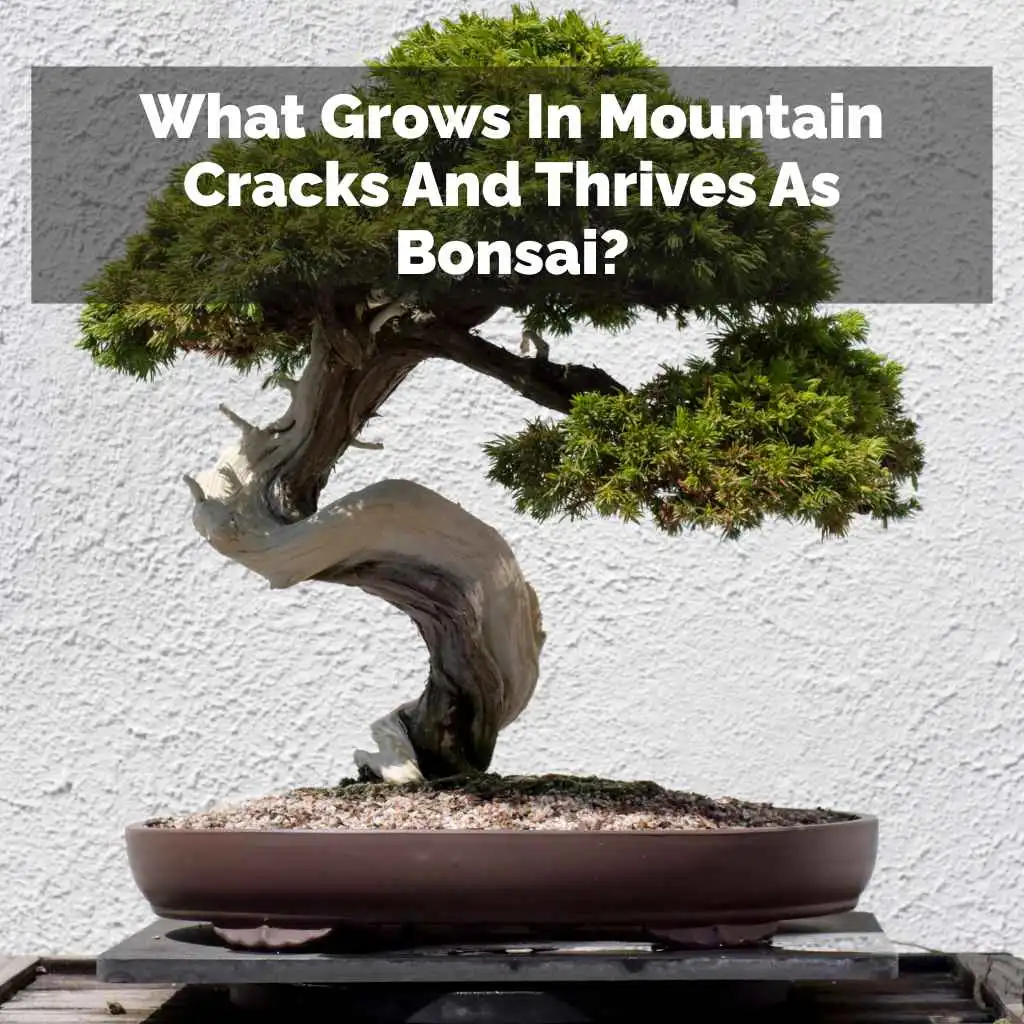
In bonsai, these traits are amplified. A juniper styled to look like it grew on a cliff is stunning. The trunk is often curved and aged. The bark might be peeling. The foliage is kept tight and compact. This creates a powerful image of endurance.
Juniper Varieties for Bonsai
Not all junipers are the same. Some are better suited for bonsai. Especially those found in alpine or rocky regions. Look for varieties that naturally stay small. Or those known for their tough bark and interesting growth habits.
Shimpaku Juniper (Juniperus chinensis ‘Shimpaku’): This is a highly prized variety. It has small, dark green leaves. Its bark is a beautiful, reddish-brown. It develops a rugged trunk over time.
Itoigawa Juniper (Juniperus chinensis ‘Itoigawa’): This one has very fine foliage. It’s excellent for creating dense pads of greenery. It’s known for its ability to ramify well, meaning it develops lots of fine branching.
Needle Juniper (Juniperus rigida): This species has stiff, needle-like leaves. It’s incredibly tough and can handle a lot of exposure. Its natural form is often windswept.
These junipers naturally grow in places that mimic bonsai conditions. They are born survivors. They have already learned the secrets of living small and strong.
Pine Trees: The Stoic Sentinels
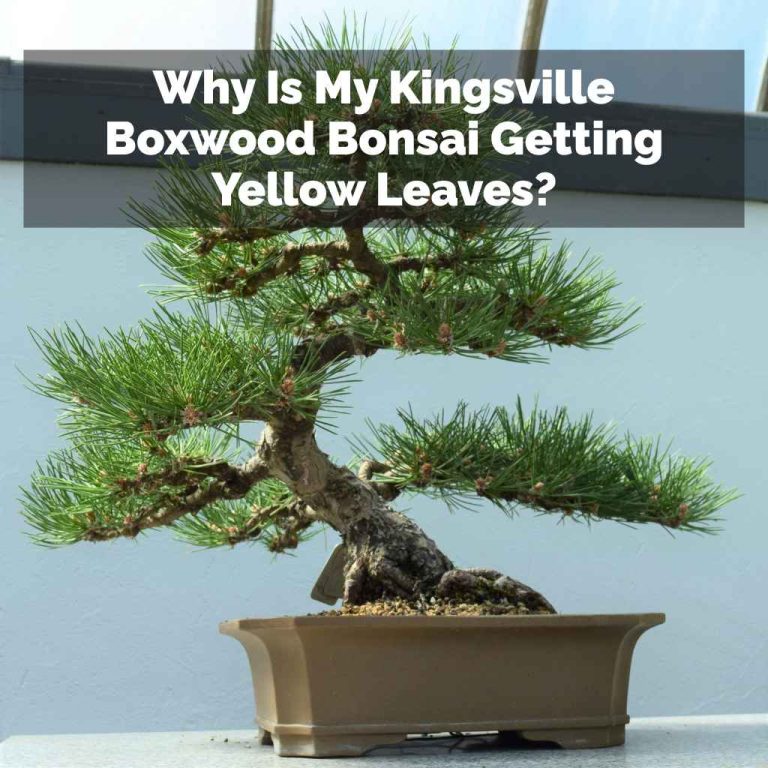
Pines are another group of trees that excel in rocky environments and make fantastic bonsai. Their tough needles and ability to anchor themselves in challenging spots make them natural candidates. Many mountain pines are adapted to thin soils and cold climates.
Consider the Mugo Pine (Pinus mugo). It’s a dwarf mountain pine native to Central and Southern Europe. It often grows in rocky areas and alpine conditions. It naturally forms a low, spreading habit. This makes it a perfect starting point for bonsai.
Japanese Black Pine (Pinus thunbergii) and Japanese Red Pine (Pinus densiflora) are also classic bonsai species. While not always found strictly in mountain cracks, they grow in poor, rocky soils. They are extremely hardy and develop wonderful, aged trunks.
The Appeal of Pine Bonsai
Pine bonsai are known for their rugged beauty. They evoke images of ancient forests. Their needles provide year-round interest. The thick bark and strong branching add to their character. They often have a very masculine feel.
Needle Control: Pines need careful needle management. This involves pinching new growth. This keeps the needles short and the foliage dense.
Branch Structure: Developing good branch structure is key. Pines tend to grow candles of new shoots. We prune these back to create ramification.
Aged Bark: Over time, pine bark becomes deeply furrowed. This adds to the sense of age. We can encourage this with proper care and sometimes by wiring.
A pine that looks like it has battled the elements for decades is a powerful thing. It connects us to the wildness of nature. It shows us the beauty of resilience.
Quick Scan: Mountain Crack Bonsai Candidates
| Plant Type | Natural Habitat | Bonsai Appeal |
|---|---|---|
| Juniper | Rocky cliffs, dry slopes | Twisted trunks, dense foliage, rugged bark |
| Pine | Alpine regions, rocky soils | Strong branches, aged bark, needle texture |
| Maple (certain species) | Rock crevices, shaded mountain slopes | Delicate leaves, colorful fall display, graceful form |
| Elm (certain species) | Rocky outcrops, riverbanks | Small leaves, textured bark, naturalistic shape |
Maples: Delicate Strength in Rocky Niches
While we often think of maples as forest trees, certain species thrive in more challenging spots. Some Japanese Maple varieties (Acer palmatum) and other native maples can be found growing in rocky soil or shallow crevices on slopes. They look for shaded, moister pockets.
These maples are not as exposed as junipers or pines. But they still show remarkable adaptability. They learn to survive with limited root space. Their growth habit can become more compact and intricate. They develop interesting bark textures over time.
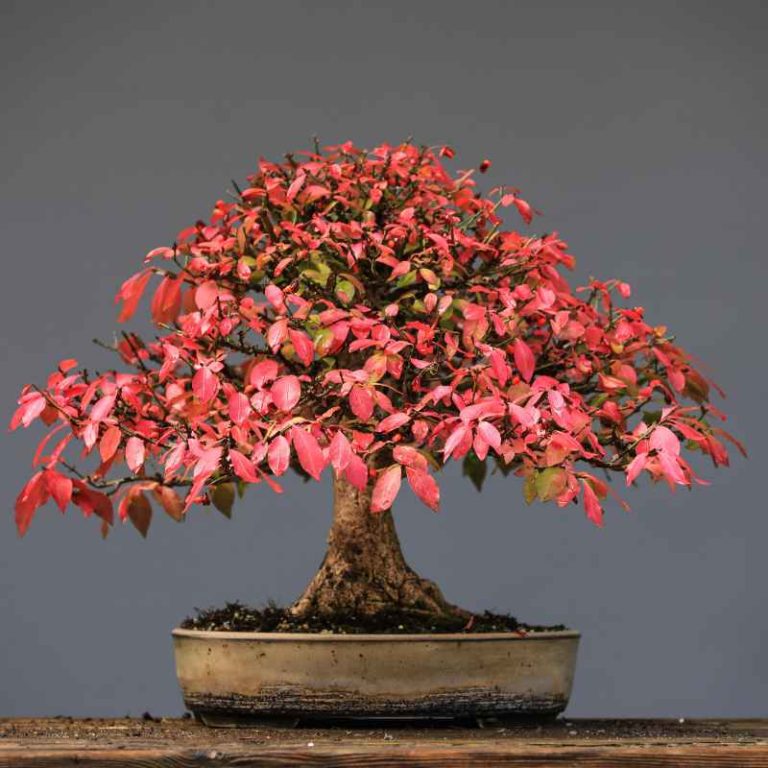
The appeal of maple bonsai lies in their delicate beauty. Their lobed leaves turn stunning colors in the fall. This makes them a focal point in any collection. Even a small maple can provide a vibrant splash of color.
Acer Palmatum in Bonsai
The Japanese Maple is a star in the bonsai world. Many cultivars exist, bred for specific leaf shapes and colors. Some are naturally suited for bonsai due to their small leaves and slower growth.
Leaf Size: Smaller leaf varieties are crucial for scale. If the leaves are too large, the tree won’t look convincing.
Fall Color: Cultivars with vibrant red, orange, or yellow fall color are highly sought after. This seasonal change adds dynamic beauty.
Trunk and Bark: Even maples can develop interesting trunks. Older specimens might have smooth, grey bark. Or it can be slightly textured.
A maple that has grown in a less-than-ideal spot shows its strength. It’s a testament to its ability to find beauty even in hardship.
Elms: The Underrated Rock Dwellers
Chinese Elms (Ulmus parvifolia) are incredibly tough trees. They are often found growing in rocky areas, along riverbanks, and even in pavement cracks in urban settings. This adaptability makes them excellent bonsai subjects, especially for beginners.
Elms have small leaves. This is a big advantage for bonsai. They are also very vigorous growers. This means they recover well from pruning and styling. Their bark can become rough and interesting with age. They develop a natural, flowing form.
Why Elms are Great Bonsai
Elms offer a lot for their ease of care. They can produce a dense canopy of small leaves. This creates a full, lush appearance. Their branching can be trained into elegant shapes.
Rapid Growth: This allows for quick development of ramification. It means you can build fine twigging faster.
Small Leaves: Their naturally small leaves are ideal for miniature trees. They don’t need as much manipulation to appear in scale.
Bark Texture: Older elms develop fissured bark. This adds a lot of character and shows their age.
An elm that has managed to find a foothold in a difficult spot is a symbol of tenacity. It’s a reminder that beauty can emerge from persistence.
Other Species to Consider
Beyond the most common examples, many other plants found in rocky or mountainous regions can make wonderful bonsai. The key is to look for species that have naturally small leaves or needles, slow growth rates, and the ability to withstand some stress.
Cotoneaster: Many small-fruited cotoneaster species are found on rocky slopes. They have small leaves and produce attractive berries.
Hawthorn (Crataegus): Certain hawthorn species can grow in rocky soils and develop gnarled trunks. Their spring flowers and fall fruit are bonuses.
Boxwood (Buxus): While often associated with gardens, some wild boxwood varieties grow in rocky habitats. Their dense foliage and slow growth are perfect for bonsai.
Serissa foetida (Snow Rose): This small shrub can be found in crevices in its native habitat. It’s known for its small leaves and white flowers, though it can be a bit finicky.
The world is full of plants waiting to be discovered. Many of them have amazing stories to tell through their form and resilience.
Observational Flow: From Mountain Crack to Bonsai Pot
Observation: A seed lands in a tiny rock crevice. It finds minimal soil and moisture.
Adaptation: The young plant develops a strong, searching root system to anchor and find water.
Growth Limitation: Limited resources and space mean slow, often contorted growth.
Survival Instinct: The plant learns to endure wind, sun, and cold.
Discovery: A bonsai artist spots the weathered, naturally miniature tree.
Cultivation: The tree is carefully transplanted and styled, enhancing its natural ruggedness.
Result: A beautiful bonsai that tells a story of survival and resilience.
Real-World Context: The Art of Yamadori
Many of the most impressive bonsai trees are what we call “yamadori.” This is a Japanese term for trees collected from the wild. These are often the very plants that have grown in harsh, natural conditions like mountain cracks or exposed coastlines.
Collecting yamadori is a serious undertaking. It requires knowledge, skill, and respect for nature. You can’t just dig up any tree. There are ethical considerations. You need to ensure the tree will survive the process. And you must have permission.
The appeal of yamadori is their instant character. They have already lived a life. They have the aged bark, the interesting trunk lines, and the natural styling that takes many years to develop in cultivation. They are living sculptures shaped by nature itself.
Where to Find Potential Bonsai
You might find suitable trees in various natural settings:
Mountainous regions: Look for pines, junipers, and hardy maples on rocky slopes.
Coastal areas: Salt-tolerant species like pines and some junipers can be found here, often windswept.
Abandoned fields or old stone walls: Some trees might sprout in unexpected, tough spots.
It’s crucial to understand the local laws regarding collecting plants from the wild. In many places, it is illegal without proper permits. For most people, this means appreciating yamadori that others have collected. Or focusing on nursery stock and developing similar aged characteristics over time.
What This Means for You: Embracing Natural Form
Understanding that many beautiful bonsai originate from tough environments can change how you approach your own trees. It’s not always about perfection. It’s about character. It’s about the story the tree tells.
When you look at your bonsai, or a tree you want to start with, consider its natural form. Does it have interesting lines? Does it look like it has endured something? These are the qualities that make a bonsai truly special.
Even if you start with nursery stock, you can aim for this naturalistic look. You can let your trees develop interesting bark. You can encourage natural-looking bends and twists. You can prune to create a sense of age and weathering.
When is a Crack-Grown Tree “Normal”?
A tree growing in a mountain crack is perfectly normal for that environment. Its small size, twisted trunk, and dense foliage are all adaptations for survival. These are not flaws. They are signs of its resilience.
When these trees are brought into cultivation, these traits are what we value. We see them as characteristics that make for a great bonsai. We aim to keep them and enhance them. We don’t try to make them grow huge and soft.
When to Worry (About a Wild Tree’s Health)
If you are considering collecting a tree from the wild (yamadori), you need to assess its health.
Is it alive? Check for green cambium layer under the bark.
Is it over-collected? Avoid taking the last of a species from an area.
Is it healthy enough to survive collection? A weak tree might not recover.
If you are working with a bonsai, worry if it shows signs of disease or pest infestation. Or if it’s suddenly losing vigor without a clear reason. These are signs that its underlying health might be compromised.
Quick Tips for Cultivating Resilience
While you might not be collecting wild trees, you can still nurture a sense of resilience in your bonsai.
Choose the right species: Select trees known for their hardiness and adaptability.
Use good soil: A well-draining bonsai mix is essential. It mimics the sharp drainage found in rocky areas.
Don’t overwater: Let the soil dry slightly between waterings. This mimics the infrequent rain in dry habitats.
Provide good light: Most bonsai need plenty of sun. This helps them stay compact and healthy.
Embrace the imperfections: Don’t strive for sterile perfection. Let your trees develop character.
These practices encourage the tree to thrive in a controlled environment, much like it would learn to survive in its natural, challenging one.
Frequent Questions About Mountain Crack Bonsai
What are the most common types of trees found growing in mountain cracks?
Junipers, pines, certain maples, and elms are frequently found in mountain cracks and rocky areas. These species have developed strong root systems and hardy growth habits to survive in such challenging conditions.
Are trees from mountain cracks naturally small, or do they stay small because of the conditions?
They are naturally small due to the conditions. Limited soil, water, and space restrict their growth. Their genes also often favor a slower, more compact development to maximize survival in harsh environments.
Is it legal to collect trees from mountain areas for bonsai?
Collecting trees from the wild (yamadori) is often regulated. It’s usually illegal without special permits. Always check local laws and obtain permission before considering any wild collection. For most people, it’s best to appreciate these trees in nature or use cultivated stock.
How can I make my nursery-bought tree look like it came from a mountain crack?
You can mimic this look by selecting trees with interesting trunk lines. Develop textured bark by allowing it to age. Use pruning techniques to create a windswept or contorted shape. Encourage tight foliage pads to represent limited growth.
What kind of soil should I use for a bonsai that mimics a mountain environment?
Use a very well-draining bonsai soil mix. A common mix includes akadama, lava rock, and pumice. This sharp drainage is similar to what rocks offer, preventing waterlogging and encouraging strong root growth.
Are trees grown from mountain cracks more difficult to care for as bonsai?
Not necessarily. Their natural resilience can make them very hardy. However, understanding their specific needs, like good drainage and light, is crucial for successful cultivation. Their survival instincts often make them robust bonsai subjects.
Conclusion
Nature’s ability to create beauty in the harshest places is truly inspiring. The trees that cling to mountain cracks are a testament to resilience. Their struggle shapes them into living art. Many of these hardy plants are perfect for bonsai. They already possess the character and form we seek. By understanding their natural adaptations, we can better appreciate and cultivate these miniature wonders. They teach us that strength and beauty often grow from adversity.