How Old is the Oldest Bonsai in the United States
The art of bonsai , with its intricate, living sculptures, has captivated the United States for over a century. Enthusiasts and experts alike seek to nurture trees that embody both natural beauty and human mastery, aiming for longevity, resilience, and legacy. Among the thousands of bonsai trees cultivated in America, one question stands out: How old is the oldest bonsai in the United States? This inquiry leads us on a journey through history, horticulture, and the stories of remarkable trees that have withstood the test of time. From Japanese immigrants bringing ancient specimens to American shores, to botanical gardens preserving living history, the oldest bonsai trees reveal the intersection of tradition, patience, and expertise.
Exploring the oldest bonsai in the United States is not merely a quest for a number; it uncovers the cultural roots, horticultural practices, and personalities behind these miniature marvels. We delve into documented ages, legendary specimens, and the meticulous care required to sustain bonsai for centuries.
This article offers authoritative insights, data-driven comparisons, and real-world examples to illuminate the legacy of America’s oldest bonsai trees—providing enthusiasts, historians, and curious readers with a comprehensive guide to this unique aspect of American horticulture.
Key Takeaways
- The oldest documented bonsai in the United States is estimated to be over 400 years old, housed at the National Bonsai & Penjing Museum.
- Bonsai longevity depends on species, care, and historical provenance, with some imported specimens predating American bonsai culture.
- Notable bonsai collections, such as those at the Brooklyn Botanic Garden and Huntington Library, feature trees over a century old.
- Bonsai preservation involves meticulous watering, pruning, and repotting, ensuring health and historical continuity.
- The legacy of ancient bonsai in the US is intertwined with Japanese immigration, World War II history, and botanical stewardship.
- Comparing the oldest American bonsai to global counterparts highlights unique challenges and achievements in US bonsai culture.
The Origin And Evolution Of Bonsai In The United States
Bonsai, derived from the Japanese term meaning “planted in a container,” has roots stretching back over a thousand years in Asia. Its arrival in the United States is intertwined with waves of Japanese immigration and growing American fascination with Eastern aesthetics.
The art of bonsai in America reflects a unique fusion of Eastern philosophy and Western innovation, with each generation of growers adding their interpretation to the craft.
Japanese Immigration And Early Bonsai Imports
The earliest bonsai trees in America arrived during the late 19th and early 20th centuries. Japanese immigrants brought cherished specimens, some already aged, as cultural symbols and family heirlooms. These trees, often pines or junipers, became the foundation of American bonsai collections. One notable example is the Yamaki Pine, a Japanese White Pine imported to Washington, D.C., in 1976, which had already survived the atomic bombing of Hiroshima.
These early imports were not only valued for their age but for the stories and traditions they carried. For many Japanese-American families, bonsai represented a tangible connection to their homeland, especially during periods of adversity such as the internment camps of World War II, where some families risked much to preserve their trees.
This preservation of living art through migration illustrates the deep spiritual and familial ties associated with bonsai.
American Bonsai Clubs And Botanical Collections
The 1950s and 1960s saw a surge in bonsai popularity, fueled by returning World War II soldiers and rising interest in Japanese culture. Organizations like the American Bonsai Society and local bonsai clubs fostered education and exchange, while botanical gardens began curating significant collections. These efforts ensured the survival and documentation of ancient specimens, some now recognized as the oldest bonsai in the country.
These clubs and societies provided a platform for knowledge sharing, workshops, and exhibitions, which were crucial for educating the American public about proper bonsai care. Botanical gardens, recognizing the horticultural and cultural value of bonsai, began to actively seek out aged specimens and even commission trees from Japanese masters.
This institutional support helped transform bonsai from a niche hobby into a respected horticultural discipline.
Preservation Practices And Challenges
Maintaining ancient bonsai requires expertise in horticulture, pest control, and environmental management. Curators and hobbyists alike employ:
- Regular watering and soil monitoring
- Strategic pruning and wiring for aesthetic shape
- Seasonal repotting to prevent root binding
- Careful protection from extreme weather
Additionally, advanced techniques such as grafting, air-layering, and the use of organic fertilizers have become standard practice, especially for ancient or fragile specimens. The challenge of maintaining centuries-old bonsai in a foreign climate means growers must constantly adapt, using greenhouses or temperature controls during harsh winters or summer heat waves.
The meticulous records kept by museums and experienced growers also provide invaluable information for future generations, ensuring that the knowledge required to sustain these living antiques is not lost.

The Oldest Bonsai In The United States: Documentation And Provenance
Identifying the single oldest bonsai in America is challenging, as provenance records can be incomplete or ambiguous. However, several trees stand out based on documented age, historical significance, and expert verification. The process of authentication often involves cross-referencing historical documents, photographic evidence, and, in some cases, dendrochronological analysis.
The Yamaki Pine: A 400-year-old Survivor
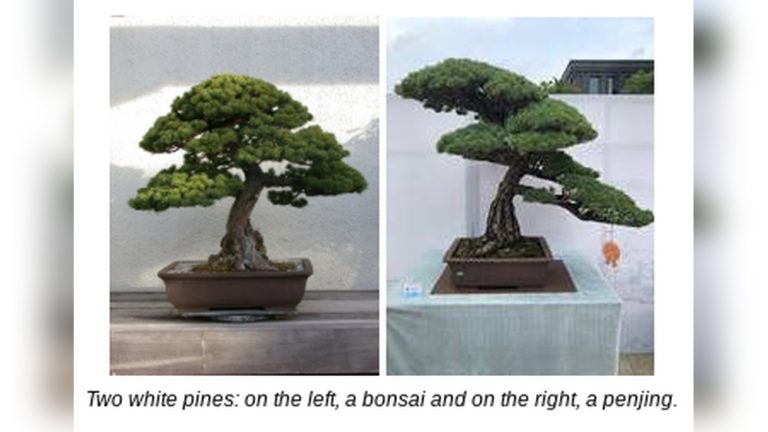
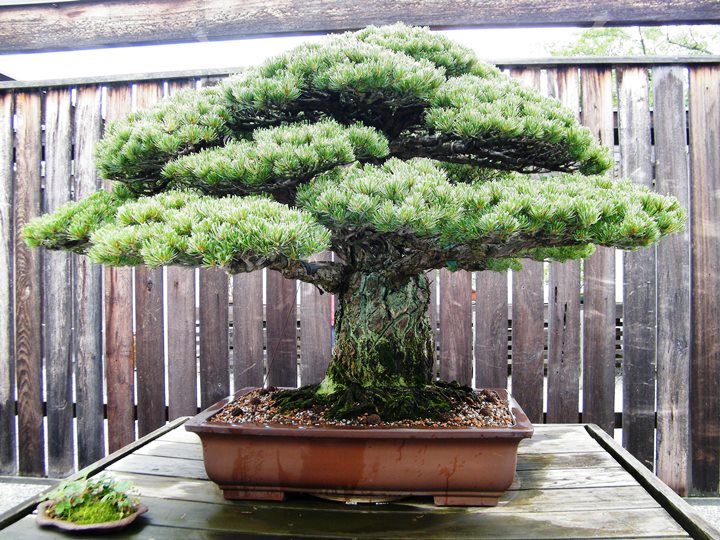
The Yamaki Pine, housed at the National Bonsai & Penjing Museum in Washington, D.C., is widely recognized as the oldest bonsai in the United States. This Japanese White Pine, estimated at over 400 years old, was donated by Masaru Yamaki in 1976. Its history includes surviving the Hiroshima bombing, making it a symbol of resilience and peace.
- Species: Pinus parviflora (Japanese White Pine)
- Estimated Age: Over 400 years
- Location: National Bonsai & Penjing Museum, Washington, D.C.
- Historical Significance: Survivor of Hiroshima, gifted to the U.S. for its bicentennial
The Yamaki Pine’s provenance is documented through museum records and Japanese horticultural history, providing clear evidence of its exceptional age and legacy. The tree is not only a horticultural marvel but also serves as a living testament to international friendship and endurance.
Brooklyn Botanic Garden’s Ancient Bonsai
The Brooklyn Botanic Garden features several bonsai trees over 100 years old, including a Japanese Black Pine believed to be planted in the late 1800s. While not as old as the Yamaki Pine, these specimens are among the oldest cultivated bonsai in the United States.
- Species: Pinus thunbergii (Japanese Black Pine)
- Estimated Age: 120+ years
- Location: Brooklyn Botanic Garden, New York
- Significance: Early American bonsai, part of a renowned collection
These trees were imported as mature specimens, adding historical depth to American bonsai culture. The garden’s ongoing commitment to the care and display of these trees ensures their survival and educational value for future generations.
Huntington Library And Botanical Gardens
The Huntington Library in California houses a notable bonsai collection, including trees with ages ranging from 80 to over 150 years. Many of these bonsai were gifts from Japanese-American families, reflecting the migration and legacy of ancient trees.
- Species: Juniperus chinensis (Chinese Juniper), Pinus species
- Estimated Age: Up to 150 years
- Location: Huntington Library, San Marino, California
- Significance: Cultural preservation, diverse species
While the Huntington’s oldest bonsai do not rival the Yamaki Pine in age, they represent a broad spectrum of historical specimens. Their collection is continually enhanced through donations, acquisitions, and the expertise of local bonsai societies.
Comparison Table: Oldest Documented Bonsai In The Us
| Bonsai Name/Location | Species | Estimated Age | Historical Significance |
|---|---|---|---|
| Yamaki Pine (National Bonsai Museum) | Japanese White Pine | 400+ years | Survivor of Hiroshima, bicentennial gift |
| Brooklyn Botanic Garden Pine | Japanese Black Pine | 120+ years | Early American bonsai import |
| Huntington Library Juniper | Chinese Juniper | 150 years | Japanese-American heritage |
Longevity Factors: What Makes Bonsai Live For Centuries?
Bonsai trees can live as long as their natural counterparts, provided they receive expert care. Several factors determine their longevity:
Species Selection
Certain tree species are more suitable for long-term bonsai cultivation. Pines, junipers, and maples are favored for their resilience and adaptability. The Japanese White Pine and Chinese Juniper are especially prized for ancient bonsai.
- Pines: Long-lived, tolerant of pruning
- Junipers: Hardy, disease-resistant
- Maples: Attractive, but require precise care
The choice of species influences not only the potential lifespan of the bonsai but also the techniques required for maintenance. For example, pines and junipers tolerate aggressive pruning and root reduction, allowing them to be styled for centuries without losing vigor.
In contrast, flowering species or broadleaf trees may have shorter lifespans in container culture and demand a higher degree of attention to watering, humidity, and light.
Horticultural Expertise
Expertise in bonsai cultivation is crucial. Regular pruning, watering, and repotting prevent disease and aging-related decline.
- Pruning: Shapes the tree, removes deadwood
- Repotting: Prevents root binding, refreshes soil
- Fertilization: Supports nutrient balance
Advanced growers also employ techniques like ramification (encouraging fine branching), deadwood carving, and selective defoliation to enhance the tree’s appearance and health. Mastering these techniques is often the result of decades of hands-on experience, with knowledge frequently passed down through apprenticeships and bonsai societies.
Environmental Management
Bonsai trees are sensitive to their environment. Protection from extreme weather, pests, and pollution is essential.
- Outdoor Placement: Ensures natural growth cycles
- Greenhouses: Provide climate control for delicate species
- Pest Control: Prevents infestations that can shorten lifespan
The microclimate around each bonsai must be carefully managed. For ancient specimens, even small environmental shifts—such as a change in watering schedule or exposure to urban air pollution—can have significant effects. Many institutions use automated irrigation systems, humidity controls, and shade structures to replicate the tree’s native habitat as closely as possible.
Historical Stewardship
Documentation and careful transfer of ownership help preserve ancient bonsai. Museums and gardens maintain detailed records, ensuring legacy and authenticity. In some cases, trees are accompanied by journals dating back decades or even centuries, chronicling their care and stylistic evolution.

Case Studies: Ancient Bonsai Trees In American Collections
Examining real-world examples provides insight into the care, provenance, and cultural impact of ancient bonsai trees.
The Yamaki Pine: Living History
As the oldest bonsai in the United States, the Yamaki Pine’s journey is remarkable. Originally cultivated in Japan, it survived the atomic bombing of Hiroshima in 1945, shielded by a garden wall. In 1976, it was gifted to the U.S. for its bicentennial and now resides at the National Bonsai & Penjing Museum. Its story is documented by museum records and covered in authoritative sources such as the National Bonsai Foundation.
The tree continues to be a focal point for both American and Japanese visitors, symbolizing hope and the resilience of life even in the face of overwhelming adversity. Museum staff share its story during tours and educational programs, ensuring its legacy is not only preserved in horticulture but in collective memory.
Brooklyn Botanic Garden: Importing Legacy
The Brooklyn Botanic Garden’s ancient bonsai collection includes several trees imported in the late 19th century. These specimens highlight the role of Japanese immigration in shaping American bonsai culture. Documentation from the garden verifies their age, and they are featured in educational programs and exhibitions.
The garden has also invested in interpretive signage and interactive exhibits, helping visitors understand the care and history behind each tree. Some of the oldest specimens are featured in seasonal displays, where their progress and changes are documented and shared with the public.
Huntington Library: Community Heritage
The Huntington Library’s bonsai collection, curated since the 1960s, includes trees donated by Japanese-American families. These bonsai not only reflect horticultural mastery but also serve as living memorials to cultural heritage and historical migration.
The Huntington regularly hosts bonsai festivals, workshops, and demonstrations, many of which are led by descendants of the original donors. These events strengthen community ties and ensure that the stories behind the trees remain vibrant and accessible.
Comparison Table: Bonsai Longevity Factors
| Factor | Impact on Longevity | Examples |
|---|---|---|
| Species | Determines potential lifespan | Japanese White Pine, Chinese Juniper |
| Expert Care | Prevents disease, supports growth | Regular pruning, repotting |
| Environmental Management | Protects from weather, pests | Greenhouses, outdoor placement |
| Historical Documentation | Ensures continuity, authenticity | Museum records, provenance tracking |
The Role Of Museums And Botanical Gardens In Preserving Ancient Bonsai
American museums and botanical gardens play a critical role in the preservation and documentation of ancient bonsai. Their stewardship ensures that these living artifacts remain accessible for study and admiration.
National Bonsai & Penjing Museum
Located in Washington, D.C., the National Bonsai & Penjing Museum houses the oldest bonsai in the United States, including the Yamaki Pine. The museum maintains rigorous care protocols and educational programs, ensuring historical continuity. Its collection spans over 150 specimens, many with documented ages exceeding a century.
The museum also collaborates internationally, regularly consulting with Japanese bonsai masters and horticulturalists to ensure best practices. This cross-cultural exchange enriches the collection and keeps care protocols at the highest possible standard.
Brooklyn Botanic Garden
The Brooklyn Botanic Garden’s bonsai collection is renowned for its diversity and historical depth. Curators focus on traditional Japanese techniques, and the garden hosts annual exhibitions to engage the public and educate enthusiasts.
The garden’s education department offers workshops for all skill levels, from beginners to advanced practitioners. These sessions often use ancient specimens to demonstrate advanced techniques, helping participants appreciate the intricacies involved in maintaining bonsai over generations.
Huntington Library, Art Museum, And Botanical Gardens
The Huntington Library’s bonsai pavilion showcases trees donated by prominent Japanese-American families. The garden’s collaborative approach involves local bonsai clubs, ensuring community involvement and expertise.
Many of the Huntington’s programs emphasize the social and historical context of their collection, linking each tree to broader narratives about migration, cultural exchange, and artistic tradition.
Other Notable Collections
- Chicago Botanic Garden: Features trees over 80 years old, with detailed provenance records.
- Denver Botanic Gardens: Hosts regional species adapted for bonsai, some exceeding 90 years in age.
These institutions contribute to a national network of bonsai preservation, sharing information, specimens, and expertise through conferences and collaborative exhibits.
Table: Museum Bonsai Collections And Oldest Specimens
| Institution | Number of Bonsai | Oldest Specimen (Age) | Key Features |
|---|---|---|---|
| National Bonsai Museum | 150+ | Yamaki Pine (400+ years) | Historic imports, educational programs |
| Brooklyn Botanic Garden | 50+ | Pine (120+ years) | Diverse species, annual exhibitions |
| Huntington Library | 60+ | Juniper (150 years) | Community heritage, club collaborations |
Comparing American Bonsai With Global Ancient Bonsai
The oldest bonsai in the United States, while impressive, are younger than some Asian counterparts. Comparing American bonsai to global specimens reveals differences in age, species, and cultural practices.
Japanese Bonsai: Ancient Legacy
Japan is home to bonsai trees exceeding 800 years, such as the Ficus retusa at the Crespi Bonsai Museum and the 1,000-year-old Juniperus chinensis at the Shunka-en Bonsai Museum. These trees benefit from centuries of uninterrupted care and cultural reverence.
Japanese bonsai are often the result of multi-generational stewardship, with families or temples caring for the same tree over centuries. This uninterrupted lineage allows for a depth of knowledge and tradition that is difficult to replicate elsewhere.
Chinese Penjing: Living Art
China’s penjing predates Japanese bonsai, with ancient specimens often displayed in public gardens. Some trees are believed to be over 1,000 years old, though documentation can be less precise.
Chinese penjing also emphasizes landscapes and poetic forms, often creating scenes that evoke mountains, rivers, or traditional paintings. The tradition of penjing has greatly influenced the development of bonsai worldwide, including American collections.
European Bonsai Collections
Europe hosts several bonsai collections, particularly in Italy and Germany, with trees dating back to the 19th century. While younger than Asian specimens, European bonsai demonstrate adaptability and international influence.
European growers have made significant innovations in container design and display, and many participate in international exhibitions, further enriching the global bonsai community.
Table: Oldest Bonsai By Region
| Region | Oldest Documented Bonsai | Estimated Age | Species |
|---|---|---|---|
| United States | Yamaki Pine | 400+ years | Japanese White Pine |
| Japan | Shunka-en Juniper | 1,000 years | Chinese Juniper |
| China | Penjing specimen (unnamed) | 1,000+ years | Various |
| Europe | Crespi Ficus | 800 years | Ficus retusa |
Key Differences
- Age: Asian bonsai are older due to longer cultural traditions.
- Species: Japanese and Chinese specimens often feature native species.
- Documentation: American bonsai benefit from meticulous provenance tracking; Asian specimens rely on oral history and records.
While the United States cannot yet claim trees as ancient as those in Asia, the dedication of American bonsai practitioners and institutions ensures that their legacy will continue to grow in both age and significance.
For more on global bonsai history, see the Bonsai Wikipedia page.
Bonsai Care Techniques For Ancient Specimens
The longevity of bonsai depends on advanced care techniques, particularly for ancient specimens. American bonsai experts employ methods refined over decades.
Watering And Soil Management
Ancient bonsai require consistent moisture without waterlogging. Soil composition is tailored to species, using well-draining mixes.
- Daily watering: Adjusted for climate and season
- Soil amendments: Gravel, akadama, pumice
Growers often use moisture meters and carefully monitor weather changes. The right soil mix ensures that roots are both aerated and moist, reducing the risk of root rot—a common issue in aged bonsai.
Pruning And Deadwood Preservation
Pruning shapes the tree and prevents overgrowth, while deadwood techniques (jin and shari) add character.
- Structural pruning: Maintains size and form
- Deadwood carving: Enhances aesthetics, mimics natural aging
Specialized tools, such as concave cutters and carving knives, are used to make precise cuts that heal quickly. These techniques are critical for mimicking the effects of nature and creating the illusion of ancient, weathered trees.
Repotting And Root Care
Repotting is critical for root health, typically performed every 2-5 years depending on tree age and species.
- Root pruning: Prevents binding, stimulates new growth
- Fresh soil: Provides nutrients
For extremely old specimens, repotting must be done with utmost care to avoid stressing the tree. Some institutions use slow-release fertilizers and beneficial mycorrhizae to promote root health.
Pest And Disease Control
Ancient bonsai are vulnerable to pests and disease, requiring vigilant monitoring.
- Organic pesticides: Minimize chemical exposure
- Manual inspection: Regular checks for mites, aphids, fungus
Integrated pest management (IPM) strategies are increasingly common in major collections, combining biological controls, physical barriers, and selective treatments to ensure trees remain healthy without excessive chemical use.
Climate Protection
Older bonsai are sensitive to temperature extremes. Museums and gardens use greenhouses and shade structures.
- Winter protection: Mulching, indoor placement
- Summer cooling: Misting, shade cloth
For particularly valuable or fragile trees, temperature and humidity are monitored electronically, and backup systems are in place to respond to sudden climate changes.
For expert bonsai care guides, visit the Bonsai Empire website.
The Cultural And Historical Significance Of America’s Oldest Bonsai
The oldest bonsai in the United States are not merely horticultural achievements—they are living embodiments of cultural exchange, resilience, and historical memory.
Symbols Of Peace And Resilience
The Yamaki Pine, as a Hiroshima survivor, symbolizes peace and healing. Its presence in Washington, D. C. , serves as a reminder of the enduring connections between Japan and the United States.
The tree has been featured in numerous documentaries, art installations, and diplomatic events, serving as a bridge between cultures and a living symbol of hope.
Japanese-american Heritage
Many ancient bonsai in the US are linked to Japanese-American families, reflecting stories of immigration, adaptation, and community.
- Family heirlooms: Passed down through generations
- Community clubs: Foster cultural preservation
The act of caring for bonsai has become a way for Japanese Americans to honor their ancestors and maintain a sense of identity. Community events, such as Obon festivals and cultural exhibitions, often feature bonsai displays to celebrate these traditions.
Botanical Education And Public Engagement
Museums and gardens use ancient bonsai to educate the public about horticulture, history, and art. Annual exhibitions, workshops, and lectures attract thousands of visitors.
Some programs offer hands-on classes for youth and adults, cultivating the next generation of bonsai enthusiasts. The presence of ancient specimens in these settings inspires awe and curiosity, motivating deeper engagement with horticulture and history.
International Collaboration
American bonsai institutions collaborate with Japanese and global experts, exchanging knowledge and specimens. This fosters international goodwill and advances horticultural science.
Collaborative projects have included joint exhibitions, staff exchanges, and research initiatives exploring tree health, propagation, and historical documentation. Such efforts ensure that bonsai remains a truly global art form.
For more on Japanese-American history, see the Japanese Americans Wikipedia page.
Frequently Asked Questions
How Old Is The Oldest Bonsai In The United States?
The oldest documented bonsai in the United States is the Yamaki Pine, estimated to be over 400 years old. It resides at the National Bonsai & Penjing Museum in Washington, D.C., and has a detailed provenance linking it to pre-modern Japan and the Hiroshima bombing.
Can Bonsai Trees Live As Long As Regular Trees?
Yes, bonsai trees can live as long as their natural counterparts, provided they receive expert care. Species like Japanese White Pine and Chinese Juniper are especially long-lived, with proper watering, pruning, and protection from disease being key factors.
Where Can I See Ancient Bonsai In The United States?
Ancient bonsai trees are displayed at institutions such as the National Bonsai & Penjing Museum (Washington, D.C.), Brooklyn Botanic Garden (New York), and Huntington Library (California). These locations feature trees over a century old and offer educational programs for visitors.
What Species Are Most Commonly Used For Ancient Bonsai?
The most common species for ancient bonsai include Japanese White Pine, Chinese Juniper, and Japanese Black Pine. These trees are chosen for their longevity, resilience, and adaptability to bonsai cultivation.
How Is The Age Of A Bonsai Tree Determined?
The age of a bonsai tree is determined through provenance records, expert assessment, and sometimes dendrochronology (tree ring analysis). Museums and gardens maintain documentation to verify the age and history of ancient specimens.
References And Further Reading
For more authoritative information on bonsai history and ancient specimens, consult:
- National Bonsai & Penjing Museum
- Brooklyn Botanic Garden Bonsai Collection
- Huntington Library Bonsai Collection
- Bonsai Wikipedia
- Bonsai Empire
- Japanese Americans Wikipedia
The oldest bonsai in the United States, led by the remarkable Yamaki Pine, represent centuries of horticultural artistry, cultural exchange, and historical stewardship. These trees continue to inspire generations, reminding us of the enduring power of patience and the beauty of living history.
Whether viewed in a museum or nurtured at home, ancient bonsai are a testament to the deep roots and vibrant legacy of American bonsai culture. With ongoing commitment from experts, institutions, and enthusiasts, the future promises even greater appreciation and preservation of these miniature living monuments.