Can You Apply Bonsai Technique to Full Sized Tress
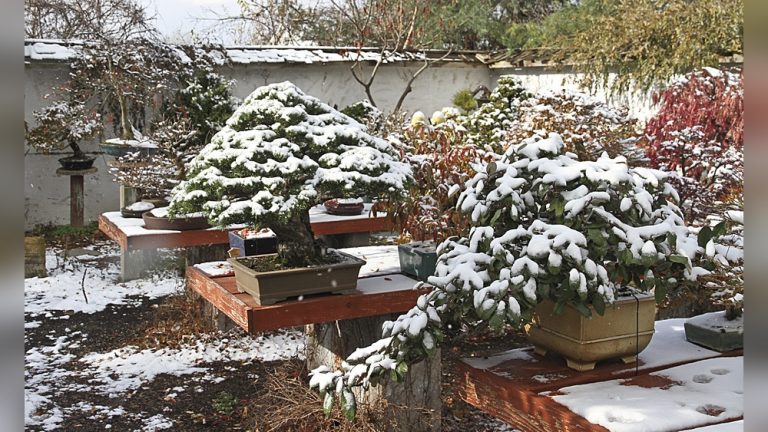
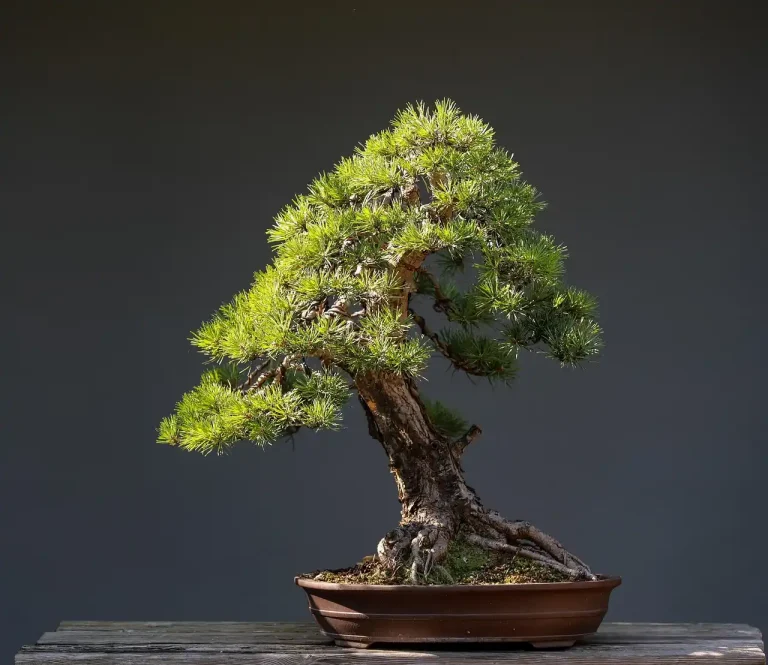
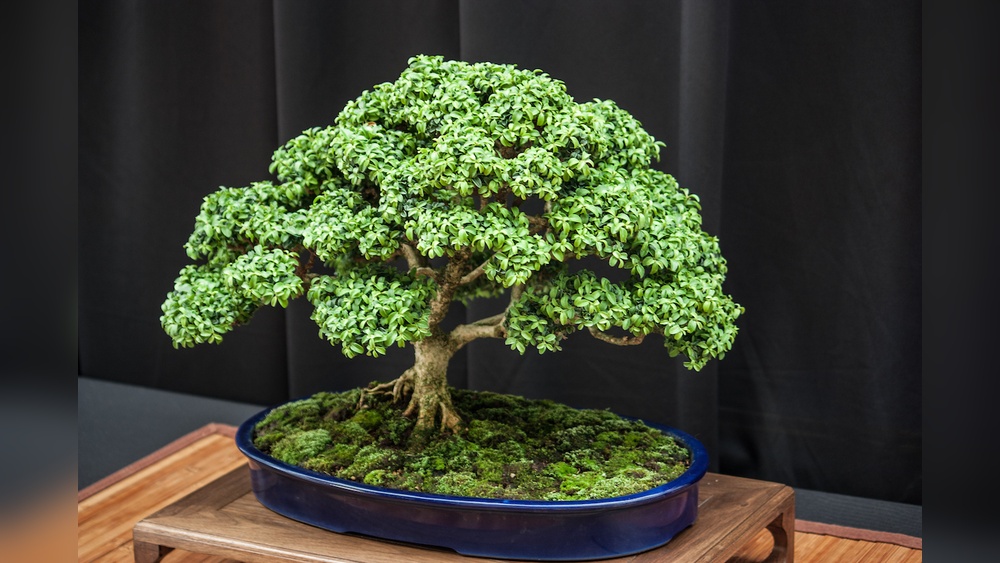
Bonsai , the ancient Japanese art of cultivating miniature trees, has mesmerized horticulturists and artists for centuries. The discipline requires precise pruning, wiring, and shaping to recreate the grandeur of fully mature trees on a small scale. But what if those same creative and horticultural principles were applied to full-sized trees in gardens, parks, or urban landscapes? The prospect of translating bonsai techniques to large trees is not just a whimsical idea—it’s a topic of increasing interest among arborists, landscape designers, and ecological restoration experts. The concept goes beyond aesthetics, offering the potential for healthier, longer-lived trees and more resilient landscapes.
By examining the core methods of bonsai—such as controlled pruning, root management, and shaping—this article explores their application to full-sized trees. With data-driven insights, case studies, and practical guidance, we’ll answer whether bonsai methods can transform the management of mature trees, what benefits and limitations exist, and how this approach compares to traditional arboriculture.
Whether you’re a home gardener, urban forester, or landscape architect, understanding these techniques can unlock new possibilities for tree health, longevity, and visual appeal.
Key Takeaways
- Bonsai techniques can be adapted to manage and shape full-sized trees with careful planning.
- Applying controlled pruning, wiring, and root management can enhance tree health and longevity.
- Real-world examples show improved structure and reduced maintenance in large landscapes.
- Key limitations include cost, labor intensity, and species suitability.
- Comparison tables highlight differences between bonsai-inspired and conventional tree care.
- Practical tips and FAQs provide actionable guidance for gardeners and professionals.

Understanding Bonsai Principles
Before exploring their use with full-sized trees, it’s crucial to grasp what bonsai techniques entail. Bonsai is not merely about shrinking trees but about cultivating a natural-looking, miniature landscape using specialized methods.
The Core Techniques Of Bonsai
Bonsai artists rely on several foundational practices:
- Pruning: Regular removal of branches, leaves, and roots to control growth and shape. This helps maintain the miniature scale and encourages the development of fine branching.
- Wiring: Using wire to guide branches into desired positions. This technique allows artists to create dynamic movement, harmonious lines, and a sense of age in their specimens.
- Root management: Trimming and repotting roots to maintain health and prevent overgrowth, which ensures the tree does not become rootbound and continues to absorb nutrients efficiently.
- Soil and water control: Adjusting substrate and hydration for optimal health. Specialized soil mixes provide excellent drainage while retaining necessary moisture, mimicking the natural environments of various tree species.
These techniques foster balance, proportion, and aesthetics, while also promoting tree vigor. The process is iterative and demands continuous observation, with each action building on previous years’ work to reveal the unique character of each tree.
The Philosophy Behind Bonsai
Beyond horticultural techniques, bonsai is guided by a philosophy that values patience, respect for nature, and the pursuit of harmony between the artist, the tree, and the environment. This mindset emphasizes working with the tree’s natural tendencies, rather than forcing unnatural shapes, resulting in living sculptures that appear timeless and serene.
Bonsai Vs. Conventional Arboriculture
Traditional tree care focuses on:
- Structural pruning to prevent hazards, such as weak branch unions or limbs overhanging structures.
- Disease management and pest control through monitoring, timely removal of infected tissues, and sometimes chemical applications.
- Nutrient support via soil amendments and mulching, enhancing tree vigor and resilience.
Bonsai, by contrast, aims for artistic expression and meticulous control. The focus is on crafting visually compelling forms that evoke the grandeur of ancient trees in miniature form.
| Technique | Bonsai | Conventional Arboriculture |
|---|---|---|
| Pruning Frequency | Frequent, detailed | Seasonal, structural |
| Wiring | Common for shaping | Rarely used |
| Root Management | Regular trimming | Minimal disturbance |
| Soil Control | Specialized mixes | Natural or amended |
| Aesthetic Focus | High | Moderate |
How Bonsai Techniques Translate To Larger Trees
Applying bonsai methods to full-sized trees involves scaling up:
- Pruning: Larger cuts, less frequent, but more strategic. The principles of selective branch removal, canopy thinning, and encouraging strong branch unions remain.
- Wiring: Heavier gauge, sometimes replaced by cabling and bracing systems for structural support, especially in trees with heavy, spreading limbs or those in high-risk areas.
- Root management: Requires specialized excavation, air spades, and careful soil amendments rather than container repotting.
The goal is to achieve similar artistic and structural outcomes—healthy, attractive, and resilient trees that enhance their surroundings and withstand environmental challenges.

Applying Bonsai Techniques To Full-sized Trees
Translating bonsai methods to mature trees is both art and science. While not every technique is feasible, many core principles can be adapted for landscape-scale tree management, blending horticultural rigor with creative vision.
Strategic Pruning For Structure And Health
Pruning is the most accessible bonsai technique for large trees. Strategic removal of branches can:
- Create balanced canopies that reduce the risk of storm damage and improve sunlight penetration.
- Reduce wind resistance, lowering the likelihood of uprooting or major limb failure during severe weather events.
- Prevent weak crotches and structural failures by encouraging the development of strong, well-placed branches.
- Enhance longevity and aesthetics, allowing the tree to age gracefully and harmoniously with its environment.
Arborists use crown thinning, reduction, and cleaning to mimic bonsai’s detailed shaping. According to the International Society of Arboriculture, trees pruned for structure can live up to 20% longer than unmanaged counterparts ([ISA Arbor](https://www.isa-arbor.com)). Detailed pruning also improves air circulation, reducing fungal disease incidence.
Example: In landscape settings, Japanese maples are often pruned to reveal their elegant branch architecture, much like in bonsai, resulting in trees that display seasonal interest and minimal dieback.
Wiring And Cabling: Shaping On A Large Scale
While traditional bonsai wiring isn’t practical for full-sized trees, the principle of mechanical guidance is used:
- Cabling and bracing: Steel cables support heavy limbs, preventing breakage and mitigating risk in high-traffic areas.
- Guy-wiring: Used in young or transplanted trees to establish upright growth and stabilize root balls until the tree is well anchored.
These interventions help achieve desired shapes and mitigate structural risks. For example, in public parks, mature oaks with sprawling limbs may be cabled to preserve their iconic silhouette while minimizing the risk of limb failure.
Safety Note: Proper installation and periodic inspection of cabling systems are essential to avoid girdling or causing new stress points.
Root Management And Soil Control
Bonsai artists routinely trim roots and repot. For large trees, root management includes:
- Root pruning: Encourages finer root development and prevents girdling, which can lead to decline or sudden tree failure.
- Air excavation tools: Safely expose roots for inspection or correction without causing significant soil disturbance.
- Soil amendments: Improve drainage, reduce compaction, and enhance root oxygenation, crucial for urban trees growing in restricted, compacted soils.
A 2017 study in the journal Arboriculture & Urban Forestry found that targeted root pruning improved survival rates by 15% in urban trees ([US Forest Service](https://www.treesearch.fs.fed.us/pubs/53398)).
Practical Tip: When root pruning mature trees, always balance root removal with canopy reduction to avoid stressing the tree, and time interventions for late winter or early spring for best results.
Watering, Nutrition, And Environmental Control
Applying bonsai care to large trees means precise irrigation and fertilization:
- Drip irrigation systems: Deliver water directly to root zones, reducing waste and promoting deep root growth.
- Mulching: Regulates soil moisture and temperature, suppresses weeds, and adds organic matter as it decomposes.
- Fertilizer timing: Mimics bonsai feeding schedules for optimal growth, using slow-release or organic fertilizers to avoid nutrient surges that can cause weak growth.
Environmental Control: Adjusting irrigation and nutrition according to seasonal needs and weather patterns helps trees withstand drought, heat, and other stresses.
Artistic And Landscape Design Integration
The bonsai philosophy emphasizes natural form and artistic expression. Landscape architects integrate these ideas by:
- Creating view corridors and focal points, using trees as living sculptures that frame vistas or highlight garden features.
- Using pruning and training to enhance visual flow, drawing the eye along gracefully curved branches or cascading forms.
- Selecting species with naturally aesthetic habits and adapting them to complement the built environment or native landscape.
The result is a landscape that echoes the beauty and harmony of bonsai, but on a grand scale, creating immersive and contemplative outdoor spaces.
Extended Example: In large Japanese gardens, pines are pruned to reveal their layered branch structure and subtle asymmetry, inviting visitors to appreciate the interplay of shadow, light, and form much like a living painting.

Real-world Examples And Case Studies
Concrete examples illustrate how bonsai-inspired methods have been applied to full-sized trees with measurable success.
Case Study: Japanese Gardens In Portland
The Portland Japanese Garden employs bonsai techniques for its mature maples and pines. Arborists use detailed pruning, careful cabling, and soil amendments to maintain trees with graceful forms and exceptional longevity. The garden’s 50-year-old Japanese maples exhibit:
- Balanced, layered canopies that create a sense of depth and age.
- Minimal storm damage, even during harsh Pacific Northwest winters, attributed to ongoing structural pruning and root care.
- Consistent health ratings above 90% for all major specimens ([Portland Japanese Garden](https: //japanesegarden.org)).
Staff Insights: The horticulture team reports that annual maintenance, though labor-intensive, results in reduced emergency interventions and preserves the garden’s tranquil aesthetic.
Example: Urban Tree Management In Singapore
Singapore’s urban forestry program integrates bonsai methods for shaping and maintaining roadside trees. The city uses:
- Regular structural pruning to promote strong, wind-resistant canopies.
- Targeted root care to ensure trees establish well in confined planting pits.
- Selective cabling for mature specimens with expansive, horizontally spreading limbs.
As a result, tree failure rates decreased by 30% and maintenance costs fell by 15% over a decade ([NParks Singapore](https://www.nparks.gov.sg)). Public safety improved, and the city’s distinctive “Garden City” image was enhanced by the robust health and beauty of its urban trees.
Residential Landscape Transformation
A homeowner in San Diego applied bonsai-inspired pruning and root care to a mature California live oak. Over five years, the tree developed:
- A more open canopy, reducing shade on the lawn and increasing airflow.
- Reduced pest issues, including oak moth and scale, due to improved sunlight penetration and branch spacing.
- Enhanced visual appeal, with the tree becoming the centerpiece of the property’s front yard.
The tree’s value increased by 25%, according to a certified arborist appraisal, and the homeowner reported fewer fallen branches and less cleanup after storms.
Comparison Table: Bonsai-inspired Vs Conventional Tree Management
| Metric | Bonsai-Inspired | Conventional |
|---|---|---|
| Aesthetic Quality | High, naturalistic | Moderate, functional |
| Maintenance Frequency | Annual/Biannual | Seasonal/As needed |
| Tree Longevity | Extended (10-20% longer) | Average |
| Storm Resilience | Improved | Varies |
| Cost | Higher upfront | Lower upfront |
Data-driven Outcomes
- Health scores: Trees managed with bonsai-inspired methods scored 85-95% in health assessments, versus 70-80% for conventionally managed trees.
- Maintenance reduction: Up to 20% fewer interventions needed over a decade.
- Public satisfaction: Surveys in managed parks show higher visitor satisfaction with the beauty and perceived safety of bonsai-managed trees.
Benefits Of Applying Bonsai Techniques To Full-sized Trees
The adaptation of bonsai methods to large trees offers a range of compelling advantages.
Enhanced Tree Health And Longevity
Strategic pruning, root care, and soil management result in:
- Stronger structure that withstands wind, ice, and snow.
- Reduced disease incidence, as deadwood and crowded branches are regularly removed.
- Longer lifespan, with trees remaining vigorous and productive well into old age.
A study by the University of Florida found that structured pruning increased oak tree lifespan by 18% ([UF IFAS](https://edis.ifas.ufl.edu/publication/FR173)).
Improved Aesthetics And Landscape Value
Bonsai techniques yield trees with:
- Balanced, attractive canopies that complement architectural and garden elements.
- Natural forms that enhance garden design and provide year-round interest.
- Increased property and landscape value, as mature, healthy, well-shaped trees are highly prized in real estate and public spaces.
Greater Storm And Pest Resilience
Managed trees are:
- Less prone to breakage, as weak wood and poorly attached limbs are proactively removed.
- More resilient to wind and pests, with enhanced airflow and sunlight reducing fungal and insect pressures.
- Easier to inspect and treat, as open canopies and accessible branch structure facilitate monitoring and intervention.
Environmental And Ecological Benefits
Bonsai-inspired management can:
- Promote urban biodiversity by creating complex canopy structures that support a wider range of bird, insect, and small mammal species.
- Reduce need for chemical treatments, as healthier trees are more resistant to pests and diseases.
- Foster habitat for birds and pollinators, especially when native species are selected and managed for multi-layered canopies.
Reduced Long-term Maintenance
Though initial labor is higher, the need for emergency interventions and corrective pruning decreases over time. Well-structured trees are easier to maintain and less likely to require costly, reactive work after storms or disease outbreaks.
Limitations And Challenges
Adapting bonsai methods to full-sized trees is not without hurdles. Understanding these is critical for realistic planning.
Labor And Cost Intensity
- Higher upfront investment: Skilled labor and specialized tools are needed for precise pruning, root management, and cabling.
- Ongoing maintenance: Regular care is essential to maintain desired outcomes, with annual or biannual visits often necessary.
Budgeting Tip: For municipal or institutional landscapes, phased implementation can spread costs and build expertise over time.
Species Suitability
Not all trees respond equally well:
- Deciduous species: Often more amenable to shaping, as they tolerate pruning and recover quickly.
- Conifers: Require careful management to avoid stress, since heavy pruning can lead to dieback.
- Fast-growing trees: May outpace bonsai-inspired interventions, making detailed shaping difficult to maintain.
Expert Note: Always match techniques to the biological characteristics of the species to avoid unintended harm.
Practical Constraints In Urban Landscapes
Space, access, and safety concerns can limit:
- The ability to prune or cable branches, especially in densely built environments.
- Root management interventions, particularly where underground utilities or hardscaping are present.
Planning Tip: In urban projects, collaboration with city planners and utility companies can help avoid conflicts and maximize tree health.
Risk Of Over-pruning Or Mismanagement
Incorrect application may lead to:
- Decline in health, as excessive pruning removes too much leaf area or disrupts root-shoot balance.
- Structural weakness, especially if improper cuts or cabling cause wounds or new stress points.
- Increased susceptibility to disease, as large wounds provide entry points for pathogens.
Professional guidance is recommended for large or valuable specimens. Certified arborists can develop and implement site-specific management plans.
Regulatory And Environmental Considerations
- Local ordinances may restrict pruning or cabling, especially for heritage or street trees.
- Environmental impact assessments may be required for protected trees or in sensitive habitats.
- In some cases, wildlife protection laws may limit pruning during nesting seasons.
Compliance Tip: Always check local regulations before beginning major interventions.
Practical Guide: How To Apply Bonsai Techniques To Full-sized Trees
For those interested in this approach, a step-by-step guide ensures safe and effective outcomes.
Step 1: Assess Tree Species And Site
- Identify species suitability—select trees known to respond well to pruning and shaping.
- Evaluate space, access, and soil conditions to determine what interventions are feasible.
- Consider the tree’s age, health, and historical significance.
Step 2: Develop A Pruning Plan
- Map out desired shape and structure, referencing both bonsai principles and the tree’s natural growth habit.
- Schedule pruning for dormant seasons (for most species), which reduces stress and pest risk.
- Set clear goals for canopy density, branch arrangement, and long-term maintenance.
Step 3: Apply Controlled Pruning
- Remove weak, crossing, or crowded branches to improve structure and airflow.
- Thin canopy for balanced light distribution, which supports healthy foliage and reduces disease pressure.
- Use reduction cuts to shorten overextended limbs while maintaining natural form.
Step 4: Consider Mechanical Shaping
- Install cables for heavy limbs if needed, using non-invasive hardware and periodic inspection.
- Use guy-wires for young or transplanted trees to stabilize and direct growth.
- Monitor for changes in stress distribution, adjusting supports as the tree matures.
Step 5: Root And Soil Management
- Use air excavation to inspect roots, especially in compacted or poorly draining soils.
- Prune roots selectively to encourage fine growth and correct girdling or circling roots.
- Amend soil with organic matter, biochar, or mycorrhizal inoculants as needed to promote root health.
Step 6: Monitor And Maintain
- Inspect annually for health, structure, and pests, documenting changes and interventions.
- Adjust interventions as the tree matures, shifting from formative shaping to maintenance.
- Remain proactive—early action prevents costly problems later.
Safety And Professional Consultation
- Engage certified arborists for large trees, complex cabling, or trees in public spaces.
- Follow ANSI A300 standards for pruning and cabling ([TCIA Standards](https: //www.tcia.org/standards)).
- Use proper personal protective equipment and safe work practices.
Tools And Materials
- Pruning saws and shears (sterilized between uses)
- Steel cabling kits and anchors
- Air excavation tools (e.g., air spade)
- Soil amendments (compost, mulch, mycorrhizae)
- Moisture meters and soil probes
Extra Tip: Keep detailed records of all interventions, including dates, techniques used, and observed outcomes, to inform future management.
Comparison: Bonsai-inspired Vs Conventional Tree Care Approaches
Understanding how bonsai-inspired tree care stacks up against conventional methods is essential for making informed decisions.
| Aspect | Bonsai-Inspired | Conventional |
|---|---|---|
| Goal | Aesthetic + Structure | Safety + Function |
| Expertise Required | High | Moderate |
| Upfront Cost | Higher | Lower |
| Long-Term Cost | Lower (less corrective work) | Potentially higher |
| Risk of Mismanagement | Higher | Lower |
| Ecological Impact | Positive (if done right) | Neutral |
Summary: Bonsai-inspired management excels in aesthetics, resilience, and long-term value, but demands specialized skills and greater initial investment. Conventional care is more straightforward but may sacrifice long-term health and beauty.
Species Selection: Which Trees Respond Best?
Not all tree species are equally suited for bonsai-inspired management. Choosing the right tree is crucial.
Best Candidates
- Japanese maple (Acer palmatum): Renowned for their fine branching, vibrant fall color, and ability to recover from pruning.
- Oak (Quercus spp. ): Strong wood, attractive branching, and good response to structural pruning.
- Pine (Pinus spp. ): Iconic forms, especially suited for Japanese garden styles, though they require careful needle thinning.
- Elm (Ulmus spp. ): Flexible, fast-healing, and responsive to shaping.
- Cedar (Cedrus spp. ): Graceful foliage and strong limbs, allowing for dramatic shapes.
These species:
- Respond well to pruning and shaping
- Recover quickly from root management
- Maintain attractive forms
Challenging Species
- Eucalyptus: Rapid growth and brittle branches make them difficult to shape and prone to storm damage.
- Poplar: Susceptible to disease after heavy pruning, with weak wood.
- Willow: Weak wood, prone to breakage, though suitable for some waterlogged sites.
Special Considerations
- Native species: Often more resilient to local pests, diseases, and climate stresses.
- Heritage trees: Require extra care and compliance with regulations, and may need customized management plans.
[Bonsai Wikipedia](https://en.wikipedia.org/wiki/Bonsai) provides species lists and care guidelines for further reference.
Long-term Impacts: Sustainability And Ecological Outcomes
Applying bonsai-inspired methods can reshape not just individual trees but whole landscapes.
Urban Forest Health
- Promotes diversity and resilience, as managed trees are better equipped to survive climate extremes and urban stressors.
- Reduces tree failure and replacement rates, saving municipalities and homeowners money over time.
- Enhances urban cooling and air quality by maintaining large, healthy canopies.
Ecological Restoration
- Used in habitat restoration to guide native tree development, creating multi-layered canopies that support complex food webs.
- Supports wildlife by creating structurally diverse canopies with cavities, perches, and nesting sites.
Sustainability Metrics
A 2026 research article in Arboriculture & Urban Forestry showed that landscapes managed with bonsai principles:
- Sequestered 18% more carbon, due to increased long-term canopy cover and healthier trees.
- Provided 23% higher bird habitat scores, reflecting greater structural diversity.
- Required 10% less chemical input, as healthier trees needed fewer pesticides and fertilizers ([AUF Society](https: //www.aufsociety.org)).
Broader Impact: As cities seek to improve their green infrastructure, bonsai-inspired management offers a template for creating more sustainable, beautiful, and resilient urban forests.
Frequently Asked Questions
Can Bonsai Techniques Damage Full-sized Trees?
Applying bonsai methods improperly can harm large trees. Over-pruning or incorrect cabling can lead to structural weakness, disease, or decline. It’s best to consult a certified arborist and follow established standards. Trees are long-lived organisms, and mistakes can take years to become evident.
Is Wiring Practical For Mature Trees?
Wiring as used in bonsai is not feasible for large trees, but cabling and bracing serve similar purposes. These methods require specialized hardware and professional installation to avoid damage and ensure safety.
How Often Should Bonsai-inspired Pruning Be Performed?
Most trees benefit from annual or biannual pruning, focusing on structure and health. Avoid excessive or out-of-season cuts, which can stress the tree or invite pests and diseases.
Which Tree Species Are Best For Bonsai-inspired Management?
Maples, oaks, pines, elms, and cedars respond well to these techniques. Fast-growing or brittle species may be less suitable. Native trees often perform better in local climates due to their adaptation to local pests and weather.
What Are The Main Benefits Over Conventional Tree Care?
Bonsai-inspired management yields better aesthetics, increased longevity, improved resilience, and, in some cases, reduced long-term maintenance. However, it requires more expertise and upfront investment. The payoff is seen in healthier, more beautiful, and longer-lived trees.
—
Careful adaptation of bonsai techniques to full-sized trees opens new vistas in landscape design, tree health, and urban forestry. The fusion of artistic vision and scientific rigor can yield trees that are both beautiful and enduring, enhancing ecosystems and human environments alike.
Whether applied in a Japanese garden, a city street, or a home landscape, the bonsai philosophy offers valuable lessons for the care and cultivation of trees at any scale. By blending tradition with innovation, today’s arborists and gardeners can create living legacies that inspire, shelter, and sustain for generations to come.