How Much Water Does a Bonsai Tree Actually Need Daily?
Cultivating a bonsai is both an art and a science, requiring meticulous attention to detail—none more crucial than understanding the tree’s water needs. Many enthusiasts, from beginners to seasoned horticulturists, grapple with the deceptively simple question: How much water does a bonsai tree actually need daily? While watering seems straightforward, the answer is complex, influenced by species, climate, soil, and container size. Watering incorrectly is among the leading causes of bonsai health problems, making precise knowledge essential for a thriving miniature tree.
This guide delivers a comprehensive, data-driven exploration into bonsai watering requirements, dispelling myths and providing actionable strategies. Whether you own a Japanese maple, a juniper, or a subtropical ficus, you’ll discover practical, evidence-backed insights and real-world examples. By the end, you’ll know how to gauge your bonsai’s daily water needs, understand the factors at play, and master a care routine that ensures robust growth, vibrant foliage, and enduring beauty.
Key Takeaways
- Daily water needs for bonsai trees vary widely (20–200 ml) depending on species, pot size, climate, and soil.
- Overwatering and underwatering are common mistakes; monitoring soil moisture is more important than watering on a set schedule.
- Soil type, container material, and seasonal changes dramatically impact how often and how much water your bonsai will require.
- Real-world examples show successful bonsai care often involves adjusting water habits throughout the year.
- Proper watering techniques and tools can prevent root rot and other health issues, extending your bonsai’s lifespan.
- Data-driven tables and expert tips in this guide help demystify bonsai watering for both novices and experienced growers.
Understanding Bonsai Water Needs: The Science Behind It
The Unique Physiology Of Bonsai
Bonsai trees , though small in stature, function exactly like their full-sized counterparts. They carry out photosynthesis, transpire through their leaves, and absorb nutrients and water via their roots. However, the confined root zone and limited soil volume in a bonsai pot mean water availability is often restricted. This makes understanding their unique physiology essential for effective daily care.
Compared to garden trees, bonsai roots must operate within a highly controlled environment. In addition to absorbing water, they must efficiently uptake nutrients from a restricted substrate. This limitation requires the grower to maintain a precise balance of moisture—not too much, not too little.
The reduced soil volume means that the effects of watering errors are amplified; dry spells and excess moisture can quickly impact health.
Another key physiological difference is the adaptation of bonsai to their miniature form. Over time, trees develop roots that are more fibrous and compact, optimizing water absorption. However, this adaptation does not make them immune to stress—especially when the watering routine is inconsistent or the environmental conditions shift abruptly.
Water Retention And Loss In Bonsai Pots
Several factors influence how water is retained or lost in a bonsai pot:
- Soil composition: Fast-draining soils (e.g., akadama, pumice, lava rock) lose moisture quickly, while organic soils retain water longer.
- Pot size and material: Shallow, unglazed pots dry out faster than deeper or glazed pots.
- Leaf surface area: More leaves mean higher transpiration and water demand.
- Ambient conditions: Sunlight, temperature, humidity, and wind all accelerate water evaporation.
For example, a bonsai placed in a south-facing window will experience much faster evaporation compared to one kept in a shaded area. The pot’s material also plays a critical role: unglazed ceramic pots allow more airflow and evaporation, while plastic pots may hold moisture for longer periods, reducing watering frequency but increasing risk of waterlogged roots if not monitored.
The interplay between these variables means bonsai owners must continually observe and adapt. Even small changes in the environment—such as moving the tree outdoors for the summer, or placing it near a heater in winter—can significantly alter water requirements.
How Much Water Does A Bonsai Tree Need Daily?
Research and expert consensus suggest that most bonsai trees require between 20 ml and 200 ml of water per day. However, this range is not fixed. For example, a small indoor ficus in moderate humidity may need just 20–50 ml, while a large outdoor maple in summer heat could use 150–200 ml or more.
In practice, the amount is also affected by the bonsai’s stage of growth, leaf density, and root health. During periods of active growth, such as spring and early summer, water consumption will increase. Conversely, during dormancy or after heavy pruning, daily needs may decrease.
Monitoring actual consumption through weighing pots or measuring runoff can help you fine-tune your approach.
Bonsai Watering Needs By Species
| Bonsai Species | Average Daily Water Need (ml) | Key Influencing Factors |
|---|---|---|
| Ficus retusa | 20–50 | Humidity, indirect light, small pot |
| Juniperus chinensis | 50–120 | Outdoor sun, air movement |
| Acer palmatum (Maple) | 80–200 | Full sun, deciduous, shallow pot |
| Carmona microphylla | 30–70 | Indoor, warm, moderate light |
| Pinus thunbergii (Pine) | 60–150 | Outdoor, large root mass |
Different species present unique challenges. For example, junipers, with their needle-like foliage, lose less water through transpiration but require careful monitoring because their roots are prone to rot if overwatered. Deciduous trees like maples, which lose their leaves in winter, need dramatically reduced water during dormancy—a period when roots are still alive but less active.
The Dangers Of Overwatering And Underwatering
Too much water leads to root rot, fungal infections, and oxygen deprivation, while too little can cause wilting, leaf drop, and death. The ideal is to keep the soil evenly moist—not soggy, not bone dry.
Overwatering is especially hazardous in poorly ventilated environments or during cooler months when evaporation slows. Root rot can develop rapidly, compromising the tree’s ability to absorb nutrients and leading to irreversible damage. Conversely, underwatering stresses the tree, triggering a survival response that often results in leaf drop, stunted growth, or, in severe cases, death.
Signs Of Water Stress
- Overwatered: Yellowing leaves, mushy roots, algae on soil surface.
- Underwatered: Crispy leaves, soil pulling away from pot edges, stunted growth.
It’s essential to recognize these symptoms early. For example, algae growth on the soil surface is a classic sign of persistent moisture and poor drainage, indicating that roots may be suffocating. Similarly, leaves that turn brown and brittle at the edges often signal dehydration.

Credit: www.bonsaiempire.com
Factors Influencing Daily Water Requirements
Species And Growth Stage
Different bonsai species have distinct water needs. Tropical and subtropical varieties (like Ficus and Carmona) usually require less water due to waxy leaves and slower transpiration, whereas deciduous and coniferous trees (such as Maples and Pines) may demand more, especially in active growth periods.
The age and growth stage matter too—young, rapidly growing bonsai need more frequent watering than mature, dormant trees.
For instance, a newly styled bonsai recovering from root pruning will need careful hydration, as its reduced root system cannot tolerate drought. Conversely, an established tree with a dense root ball can withstand brief dry spells but is susceptible to rot if overwatered.
Pot Size, Shape, And Material
- Shallow pots dry out faster than deep ones.
- Unglazed ceramic pots are more porous, losing moisture quickly, while plastic pots retain water longer.
- The root-to-soil ratio dictates how much water the tree can access before it dries out.
Larger pots offer more buffer against rapid drying but can increase the risk of stagnant water if drainage is poor. The shape of the pot also matters—wide, shallow pots expose more soil surface area, increasing evaporation, while tall, narrow pots retain moisture longer but may limit root spread.
Additionally, glazed pots, often used for accent species, reduce evaporation and are suitable for trees that prefer moist environments. However, they require vigilant monitoring to avoid waterlogging.
Climate And Environmental Conditions
- High temperatures and low humidity increase water use through transpiration and evaporation.
- Wind accelerates drying, especially for outdoor bonsai.
- Indoor air conditioning or heating can rapidly dehydrate soil.
Regional climate is a primary determinant. In temperate climates, daily fluctuations can be dramatic; a cool morning may turn into a hot afternoon, requiring close observation. In tropical regions, humidity may reduce watering needs, but heavy rains can saturate soil, requiring improved drainage.
For indoor bonsai, artificial climate control—such as air conditioners, heaters, or humidifiers—can have unpredictable effects. For example, forced air heating dries the air, increasing evaporation from both soil and leaves.
Soil Composition And Drainage
The classic bonsai soil mix is designed to drain quickly yet retain enough moisture for daily needs. A mix rich in akadama, pumice, and lava rock will dry out faster than one with organic compost or peat. Adjusting your soil mix is crucial if you find yourself watering too often or too little.
Some growers tailor soil mixes to match the species and local climate. For example, a maple bonsai in a hot, dry area may benefit from additional organic material to improve water retention, while a juniper in a humid climate may need more inorganic components to prevent rot.
Comparison Table: Soil Types And Water Retention
| Soil Type | Water Retention | Drainage Speed | Best For |
|---|---|---|---|
| Akadama/Pumice/Lava | Low to Moderate | Fast | Outdoor, conifers |
| Organic Mix (peat, compost) | High | Slow | Indoor, tropicals |
| Commercial Bonsai Soil | Moderate | Moderate | General use |
Some commercial bonsai soils are blended to offer a balanced approach, combining inorganic particles for drainage and organic matter for moisture retention. These mixes are often ideal for beginners or for trees in variable climates.
Seasonal Variations
Bonsai trees’ water requirements fluctuate with the seasons:
- Spring and Summer: Growth is vigorous, requiring more water (up to twice as much as in winter).
- Autumn: Water needs taper off as growth slows.
- Winter: Most species enter dormancy and need significantly less water.
It’s important to adjust your routine as the tree transitions through these stages. For example, during spring, buds and leaves emerge rapidly, increasing water needs. Summer heat can further accelerate evaporation, while autumn signals a slowdown and winter demands minimal watering.
Overwatering during dormancy is a common mistake, as roots are less active and susceptible to rot.
Real-world Example: Watering A Maple Bonsai In Summer Vs. Winter
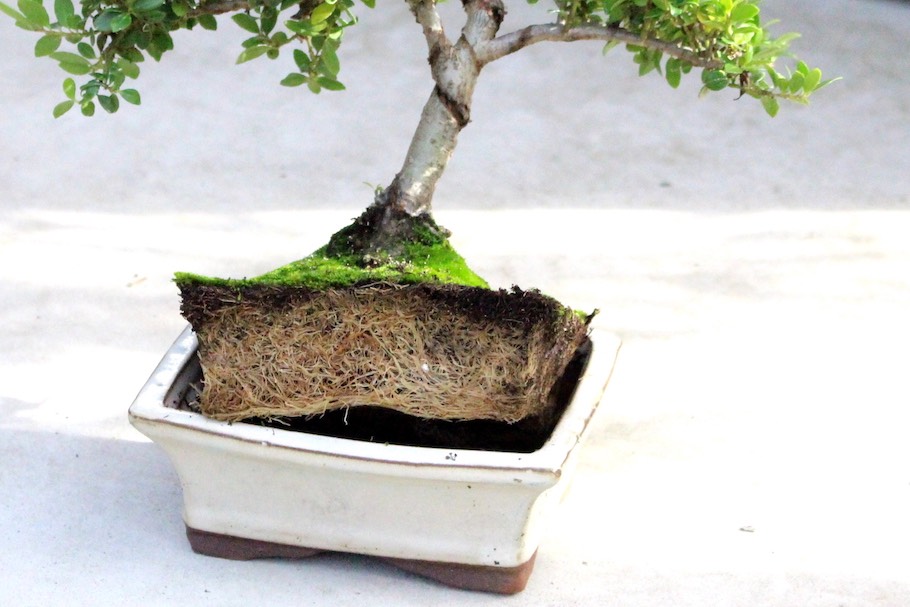
A 12-inch Japanese maple bonsai in a shallow, unglazed pot may need to be watered twice daily in July, using 150 ml per watering. The same tree in January, kept cool and dormant, might only require watering once every 5–7 days with 80 ml.
This dramatic shift underscores the importance of seasonal adaptation. Monitoring soil moisture and adjusting frequency are critical to preventing stress and promoting healthy growth cycles.
Credit: www.bonsaiempire.com
How To Measure And Monitor Bonsai Water Needs
The Finger Test And Soil Moisture Meters
The most common technique is the finger test: insert your finger about 1 inch into the soil. If it feels dry, water is needed. However, this method is subjective and can be inaccurate for beginners.
For enhanced accuracy, soil moisture meters offer objective readings, allowing precise management. These tools are particularly useful for deep pots or dense soil mixes, where surface checks may not reflect deeper moisture levels.
Advanced meters now include digital displays and sensors that measure multiple parameters, such as pH and temperature. Investing in a quality meter can help prevent common mistakes and provide peace of mind.
Weighing Pots Method
Weighing your bonsai pot before and after watering provides precise data on how much water your tree uses daily. This is particularly effective for smaller indoor trees.
This method is beneficial when experimenting with different soil mixes or adjusting watering habits. By tracking weight changes, you can estimate evaporation rates and identify patterns, which can be useful for fine-tuning your routine.
Observing Plant And Soil Cues
- Leaves: Drooping or curling can indicate water stress.
- Soil color: Light-colored or crusty soil signals dryness.
- Pot weight: Significantly lighter pots mean less water content.
Subtle cues, such as slight leaf curling or slower growth, may precede more obvious symptoms. Taking the time to observe your bonsai daily fosters a deeper understanding of its needs and enables early intervention.
Record-keeping For Accuracy
Maintaining a watering log can help identify patterns and adjust routines. Note the following:
- Date and time of watering
- Amount of water used
- Weather conditions (for outdoor bonsai)
- Visual cues from the tree and soil
Over weeks and months, these records reveal trends—such as increased consumption during heatwaves or reduced needs during rainy spells. This data-driven approach enables more effective, personalized care.
Example Watering Log Entry
| Date | Bonsai Type | Weather | Amount (ml) | Soil Moisture | Notes |
|---|---|---|---|---|---|
| 2026-06-01 | Juniper | Sunny | 100 | Moist | Leaves perky, no wilting |
| 2026-06-02 | Juniper | Rainy | 50 | Damp | Soil dried slower |
Using Technology: Smart Sensors And Apps
Modern bonsai care can be enhanced with wireless soil sensors and watering apps that provide real-time moisture data and reminders. Brands like Xiaomi and Parrot offer sensors that sync with your smartphone, ensuring precision in daily care.
Some advanced systems even track temperature, humidity, and sunlight, offering tailored watering recommendations and alerts. For large collections or busy owners, this technology can automate monitoring, reducing risk and ensuring consistent care.
Credit: lifetips.alibaba.com
Best Practices For Watering Bonsai Trees
Watering Techniques
- Top watering: Use a fine-spouted watering can to mimic gentle rain, ensuring even distribution.
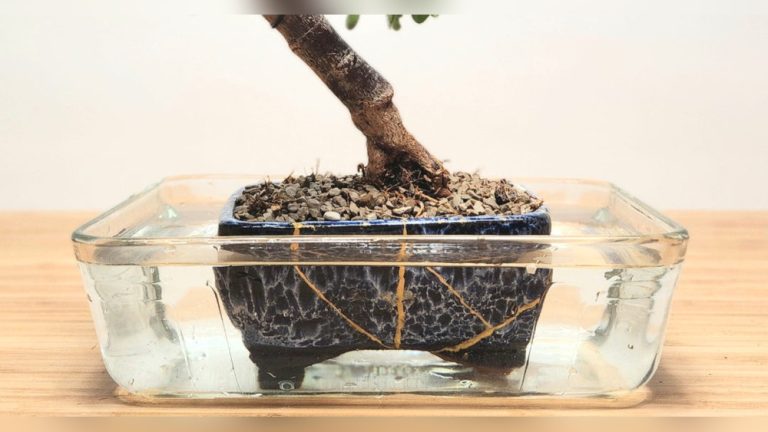
- Bottom watering: Place the pot in a tray of water to allow absorption from below (useful for very dry soil).
- Soaking: Occasionally, soak the pot for 5–10 minutes to rehydrate stubbornly dry soil.
Each method has its place. For example, bottom watering can revive a tree suffering from dry soil that repels water, while soaking is beneficial after repotting or during heatwaves. Always ensure the pot drains well after these treatments to avoid stagnant water.
Water Quality Considerations
Tap water is usually sufficient, but if your water is hard (high in minerals), consider filtered or rainwater to prevent salt buildup, which can damage roots. Some species (like azaleas) are particularly sensitive to water quality.
Rainwater, collected and stored safely, offers the best quality for bonsai, free from chlorine and minerals. If using tap water, allow it to sit for 24 hours to let chlorine dissipate, or use a water filter to reduce hardness.
Frequency And Timing
- Morning watering is ideal, allowing leaves and soil to dry during the day and reducing fungal risk.
- Consistency is key; avoid drastic swings between dry and saturated soil.
Watering late in the evening can increase the risk of fungal diseases, as the soil stays damp overnight. In hot climates, early morning watering prepares the tree for the day’s evaporation, while in cooler areas, late morning is suitable.
How Much To Water: The “soak And Drain” Principle
Water thoroughly until you see water draining from the bottom of the pot. This ensures the entire root mass receives moisture and flushes out excess salts. Avoid small, frequent sips that only wet the surface.
This approach also helps maintain soil aeration, as the draining water pulls fresh air into the root zone. Regularly check drainage holes to ensure they are not blocked by roots or debris.
Case Study: Avoiding Overwatering In Indoor Bonsai
A hobbyist in New York City kept a Carmona bonsai near an air vent, watering daily with 100 ml. Over time, the leaves yellowed and the roots developed rot. After switching to a soil moisture meter and adjusting to watering every 3 days, the bonsai recovered—demonstrating the importance of adapting to microclimate and actual soil conditions.
This example underscores the need for continual assessment. Even a slight change in indoor air movement or humidity can require a new watering routine.
Tools That Make A Difference
- Watering cans with fine roses for even distribution
- Moisture meters for precision
- Self-watering trays for vacation or busy periods
- Rainwater collection systems for eco-friendly watering
Investing in these tools can simplify care, reduce errors, and extend your bonsai’s lifespan. For those who travel frequently, self-watering trays or automated drip systems are invaluable.
Adjusting Watering Routines For Different Bonsai Types
Indoor Vs. Outdoor Bonsai
- Indoor bonsai (Ficus, Carmona) experience less environmental fluctuation but can dry out quickly due to indoor heating/cooling. Monitor humidity and avoid placing near radiators or direct AC vents.
- Outdoor bonsai (Maple, Pine, Juniper) face variable weather. In heatwaves, they may require multiple waterings per day; in cool, rainy spells, much less.
Humidity trays and pebble trays can help indoor bonsai, especially in winter when heating dries the air. For outdoor bonsai, consider windbreaks or shade cloth during extreme weather to reduce water loss.
Deciduous Vs. Evergreen
- Deciduous species (e.g., Elm, Maple) need more water during leaf growth and less in dormancy.
- Evergreens (e.g., Juniper, Pine) transpire year-round but at a steadier rate.
Leaf drop in deciduous trees signals a need to reduce watering, but evergreens continue to demand a moderate amount, even in winter. Adjust your routine based on visible cues and seasonal shifts.
Tropicals And Subtropicals
- Tropical bonsai (Ficus, Schefflera) prefer consistently moist (but not wet) soil, especially in warm indoor conditions.
These species thrive with regular misting and steady hydration. However, avoid waterlogging, as their roots are sensitive to stagnant conditions. Use well-draining soil and monitor humidity levels to keep them healthy.
Real-world Example: Adapting To Seasonal Shifts
A bonsai enthusiast in Arizona reports watering a Shimpaku Juniper with 120 ml daily during spring, increasing to 180 ml in July due to 110°F heat, and dropping to just 40 ml every other day in December.
This example highlights the importance of environmental awareness. Adjust your routine not only for the tree’s species but also for local weather and indoor climate.
Table: Watering Frequency By Bonsai Type And Climate
| Bonsai Type | Climate | Average Frequency | Daily Water (ml) |
|---|---|---|---|
| Indoor Ficus | Temperate | Every 2–3 days | 30–50 |
| Outdoor Maple | Hot, dry | 1–2 times/day | 120–200 |
| Outdoor Pine | Cool, humid | Every 3–5 days | 60–80 |
| Indoor Carmona | Warm, dry | Daily | 40–70 |
These averages are guides; always observe your tree and adapt as needed.
Common Mistakes And How To Avoid Them
Overwatering
Overwatering is the most frequent error, leading to root suffocation and decay. This often stems from a misunderstanding of bonsai’s needs versus traditional houseplants.
How to avoid:
- Use a well-draining soil mix.
- Check soil moisture before watering.
- Ensure pots have adequate drainage holes.
Some enthusiasts mistakenly believe bonsai should be watered daily, regardless of soil condition. This can quickly lead to waterlogged roots, especially in cool or shaded environments.
Underwatering
With shallow pots and fast-drying soils, underwatering is a risk, especially in hot weather or for outdoor bonsai.
How to avoid:
- Increase watering frequency during heatwaves.
- Monitor for signs of dehydration.
- Use mulching or humidity trays in very dry climates.
Mulching, using sphagnum moss or gravel, can help retain moisture in outdoor pots. Humidity trays are useful indoors, providing extra moisture without direct watering.
Rigid Schedules
Watering on a strict schedule, rather than responding to the tree’s needs, can be detrimental. Environmental conditions and tree growth fluctuate—adapt your routine accordingly.
Automating care with reminders is helpful, but always check soil moisture before watering. Flexibility is essential to bonsai health.
Neglecting Seasonal Adjustments
Failing to reduce watering during dormancy or increase during active growth can stress your bonsai.
Many beginners do not realize that watering should be nearly halved or even paused during winter dormancy, depending on the species.
Using Poor Water Quality
High-chlorine or mineral-laden water can accumulate in the soil. If unsure, test your tap water or use filtered water for sensitive species.
Chlorine and fluorides in tap water may harm some delicate roots. Rainwater and filtered water are preferable, especially for azaleas and other acid-loving species.
Not Monitoring For Pests And Disease
Waterlogged soil encourages pests like fungus gnats and diseases such as root rot. Inspect regularly for signs of trouble and act promptly.
Regularly check for pests on leaves, stems, and soil surface. Address issues quickly to prevent spread and damage.
Real-world Bonsai Watering Case Studies
Case Study 1: Indoor Ficus In A City Apartment
Maria, a beginner in Chicago, kept her Ficus retusa on a sunny windowsill. She watered every morning with 40 ml but noticed wilting by late afternoon. After consulting an expert, she switched to twice-daily watering (30 ml each) and added a humidity tray. Her ficus perked up, and leaf drop stopped.
This case shows that adjusting both frequency and environment—such as adding humidity—can make a significant difference, especially for indoor trees in dry climates.
Case Study 2: Outdoor Juniper In Coastal California
David, an experienced hobbyist, grows a Juniperus chinensis on his patio. Despite foggy mornings, he found the soil drying quickly by noon. He installed a drip irrigation system delivering 100 ml each morning and hand-watered an extra 50 ml on hot afternoons. The juniper’s foliage became denser and more vibrant.
Drip systems offer consistent hydration, especially for larger collections. Supplemental hand-watering during extreme weather ensures optimal health.
Case Study 3: Seasonal Adjustments For A Maple In The Uk
Sarah, based in London, noticed her Acer palmatum needed daily watering in summer but suffered from root rot in winter. By switching to watering only when the top inch of soil was dry and reducing frequency in colder months, she avoided further losses and her bonsai thrived.
This example highlights the importance of seasonal adaptation and close soil monitoring.
Lessons Learned
- Microclimate matters: Even in the same city, indoor and outdoor bonsai can have very different needs.
- Observation is key: Adjust based on cues from the tree and environment, not fixed schedules.
- Tools help: Moisture meters, humidity trays, and drip systems can make a significant difference.
Expert Tips For Optimal Bonsai Watering
1. Prioritize Observation Over Routine
Daily inspection is more effective than rigid scheduling. Use your senses—look, touch, and if necessary, weigh or measure soil moisture.
Observation helps you catch subtle signs of stress early, allowing timely intervention.
2. Adjust For Growth And Dormancy
Increase water during leaf flushes or flowering; reduce during dormancy or cool weather.
Some species may require misting in addition to watering during active growth, especially in dry climates.
3. Use Quality Soil And Proper Pots
The right soil mix and pots with drainage holes make maintaining proper moisture levels easier.
Experiment with different soil blends to find the optimal balance for your climate and species.
4. Water Deeply, Not Shallowly
Ensure the entire root ball is moistened. Avoid only wetting the surface, which leads to shallow rooting and stress.
Deep watering also helps flush out salts and ensures robust root development.
5. Consider Environmental Enhancements
- Humidity trays can help indoor bonsai.
- Mulch can slow evaporation for outdoor trees.
- Shade cloths can protect during heatwaves.
Enhancements like windbreaks for outdoor collections or air purifiers for indoor setups support overall plant health.
6. Learn From Professionals
Visit local bonsai clubs, nurseries, or botanical gardens to observe expert care. The American Bonsai Society and the British Bonsai Association offer extensive resources and workshops (American Bonsai Society, British Bonsai Association).
Connecting with experts provides invaluable insights and fosters a supportive community for learning.
Frequently Asked Questions
How Often Should I Water My Bonsai Tree?
There’s no universal schedule; water when the top inch of soil feels dry. In warm conditions, this may be daily or even twice daily; in cool or dormant periods, once a week may suffice. Always adjust based on species, pot size, and environment.
What Is The Best Way To Check If My Bonsai Needs Water?
The finger test (checking soil moisture about 1 inch deep) is reliable, but for greater accuracy, use a soil moisture meter. Observe leaf condition and pot weight as well.
Can I Use Tap Water For My Bonsai?
Most bonsai tolerate tap water, but if your area has hard water or high chlorine, consider using filtered or rainwater. Sensitive species, like azaleas, may require soft or demineralized water. Check your local water quality report (EPA Water Quality).
What Happens If I Overwater My Bonsai?
Overwatering leads to root rot, yellowing leaves, and stunted growth. Always ensure your bonsai pot has drainage holes and use a fast-draining soil mix. Reduce watering frequency if you notice these symptoms.
Do Different Bonsai Species Require Different Amounts Of Water?
Absolutely. Tropical bonsai like Ficus need less water than deciduous (Maple) or coniferous (Pine, Juniper) species, especially during active growth. Always research your tree’s specific requirements or consult species care guides (Wikipedia: Bonsai, Bonsai Empire: Tree Species).
Caring for a bonsai is a journey of observation, adaptation, and patience. By understanding the nuanced factors that influence daily water needs—and by applying the practical, data-driven strategies outlined here—you’ll cultivate a resilient, beautiful tree that thrives for years to come. Whether you’re tending a majestic maple or a humble ficus, let your bonsai’s unique rhythm guide you. For further reading, consult reputable bonsai resources such as the Royal Horticultural Society and connect with the wider bonsai community to continue learning and sharing.