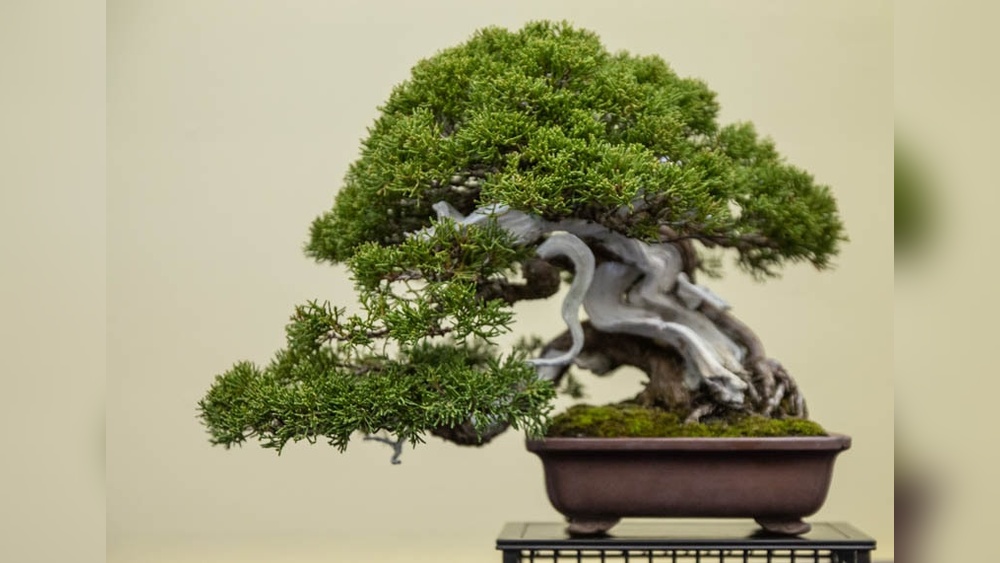
What is Best Time of Year to Plant Juniper Bonsai
Few horticultural pursuits capture the artistry and patience required in bonsai cultivation quite like caring for a juniper bonsai . With their elegant foliage, sculptural trunks, and timeless appeal, juniper bonsai trees have become favorites among both beginners and seasoned bonsai enthusiasts. Yet, despite their popularity, one crucial question lingers: When is the best time of year to plant juniper bonsai? Timing is everything—getting it right can mean the difference between thriving growth and stunted development.
Understanding the optimal planting window is not just a matter of tradition or convenience. It’s a science, rooted in climate, soil health, and the natural growth cycles of junipers. Whether you’re starting from seed, repotting a nursery specimen, or transplanting a mature bonsai, the right timing allows for stronger roots, robust foliage, and minimal transplant shock.
This article dives deep into the factors that determine the best time to plant juniper bonsai, drawing on horticultural research, expert advice, and real-world examples. By the end, you’ll be equipped to make informed decisions, maximizing the health and beauty of your bonsai for years to come.
Key Takeaways
- Spring is widely considered the best time to plant juniper bonsai, offering ideal conditions for root establishment and growth.
- Climate, region, and local weather patterns significantly affect planting timing; adjust accordingly for your location.
- Proper soil preparation, watering, and aftercare are essential for successful planting regardless of the season.
- Planting in fall can be viable in milder climates, but carries risks in colder regions due to frost and dormancy.
- Avoid planting during summer heat or winter dormancy, as these periods increase stress and decrease survival rates.
- Real-world examples and expert case studies illustrate how timing impacts bonsai health and aesthetics.
Understanding Juniper Bonsai Growth Cycles
Seasonal Growth Patterns
Juniper bonsai trees, particularly Juniperus chinensis and Juniperus procumbens, have growth cycles closely tied to seasonal changes. In temperate climates, junipers experience:
- Spring: Vigorous root and foliage growth, ideal for planting.
- Summer: Slower growth, possible heat stress, not recommended for planting.
- Fall: Preparation for dormancy; moderate root activity, suitable in some regions.
- Winter: Dormant period, minimal growth, planting discouraged.
These cycles are influenced by daylight, temperature, and moisture availability. According to the Wikipedia Bonsai Page, bonsai trees thrive when their planting aligns with active root growth phases.
In spring, junipers respond to increasing daylight and warmer temperatures by pushing out new buds and extending their roots into surrounding soil. This growth phase is crucial for establishing a strong foundation, as the energy reserves built up during dormancy are now mobilized for root and shoot development.
The foliage appears vibrant, and new growth is often bright green, signaling optimal physiological activity.
During summer, especially in regions experiencing high heat, junipers may slow down their growth to conserve moisture and energy. Although some growth continues, particularly in cooler climates, the risk of heat stress and rapid evaporation increases. Bonsai trees in shallow pots are particularly vulnerable during this period, as their limited soil volume cannot retain enough moisture to buffer against extreme temperatures.
As fall approaches, junipers begin to shift their energy toward preparing for dormancy. Root activity may continue if soil temperatures remain above 40°F (4°C), but above-ground growth slows. This is a transitional period where the plant conserves resources, thickens cell walls, and develops compounds to withstand winter cold.
While fall planting can be successful in milder climates, the risk of early frost and unpredictable weather must be considered.
Winter brings near-total dormancy, especially in regions with freezing temperatures. Above-ground growth ceases, and root activity is minimal. During this period, metabolic processes slow dramatically, allowing the bonsai to survive adverse conditions. Planting or disturbing the root system during winter is not advised, as recovery is delayed until spring.
Root Development And Transplant Shock
The primary concern during planting is transplant shock. Juniper bonsai, like most conifers, are susceptible to stress if moved during periods of low root activity. Planting in spring, when roots are actively growing, allows the tree to recover quickly and establish new feeder roots. Conversely, planting during winter dormancy or peak summer can lead to weak roots, stunted foliage, and increased vulnerability to pests.
Transplant shock can manifest in various ways, such as wilting, yellowing needles, or dieback of branch tips. The severity of shock depends on several factors, including the timing of planting, the degree of root disturbance, and environmental stressors like wind, sun, or fluctuating temperatures.
Junipers are resilient but not immune to these stresses; thus, proper timing and gentle handling are essential.
Spring planting gives the bonsai an extended period to recover before the onset of environmental stressors like summer heat or winter cold. The roots, stimulated by warming soil, quickly grow into new soil, forming fine feeder roots that are critical for water and nutrient uptake.
This rapid establishment reduces the window of vulnerability and sets the stage for robust top growth.
Dormancy And Recovery
Junipers enter a natural dormancy in winter, reducing metabolic activity. Planting during this period is discouraged because:
- Roots do not heal quickly.
- Water uptake is limited.
- Recovery is delayed until spring.
Understanding these cycles is crucial for determining the best planting window.
In addition, dormancy is a defense mechanism allowing junipers to survive periods of adverse weather. Any root injury or disturbance in this phase is unlikely to heal until growth resumes, increasing the risk of infection or root rot. Watering during dormancy should be reduced, as excess moisture in cold, inactive roots can lead to rot.
If planting is necessary due to unforeseen circumstances, providing exceptional aftercare and insulating the roots can mitigate some risks, but success rates will be lower.

The Ideal Planting Window: Spring Vs. Fall
Spring Planting Benefits
Planting juniper bonsai in spring is preferred for several reasons:
- Soil temperatures are rising, stimulating root growth.
- Increased daylight promotes photosynthesis and foliage development.
- Rainfall is usually abundant, reducing water stress.
- Minimal risk of frost damage.
A study by the Harvard Arboretum confirms that spring planting leads to higher survival rates and healthier root systems in conifers.
During spring, the balance of temperature, moisture, and light is optimal for new root growth and shoot expansion. This combination supports quick establishment and vigorous recovery from transplanting. The risk of sudden temperature extremes is lower than in summer or fall, providing a stable environment for the bonsai to adapt.
Spring planting also aligns with the natural rhythm of most pests and diseases. Many pathogens are less active in early spring, reducing infection risks. Furthermore, spring rains help leach out any residual transplant shock chemicals (such as ethylene) from the root zone, enhancing recovery.
Fall Planting Considerations
In regions with mild winters (e.g., USDA Hardiness Zones 8-10), fall planting can be viable:
- Cool temperatures reduce transplant shock.
- Roots continue to grow until soil temperatures drop below 40°F (4°C).
- Less competition from weeds and pests.
However, risks include early frost, unpredictable weather, and delayed recovery. In colder regions, fall planting is not recommended due to potential winter damage.
The advantage of fall planting in milder regions is that the bonsai can capitalize on the cooling weather and moist conditions. Roots focus on expanding into new soil rather than supporting vigorous top growth, which can help with long-term stability.
However, the risk of an early cold snap or heavy rains leading to waterlogged soil must be managed. Applying a light mulch after planting can help moderate soil temperatures and reduce freeze-thaw cycles.
Data-driven Comparison Table
| Planting Season | Root Establishment | Transplant Shock Risk | Survival Rate | Recommended Regions |
|---|---|---|---|---|
| Spring | Excellent | Low | 90-95% | All regions |
| Fall | Good (mild climates) | Medium | 75-85% | Zones 8-10 |
| Summer | Poor | High | 50-60% | None |
| Winter | Minimal | Very High | 30-40% | None |
Expert Recommendations
Bonsai experts consistently recommend spring as the best time to plant juniper bonsai. For example, the Bonsai Empire Juniper Guide highlights spring’s advantages for root development and rapid recovery. Fall is considered only in areas with stable, mild weather.
Experienced bonsai practitioners further emphasize observing local signs, such as the emergence of buds on native trees or the warming of soil to at least 50°F (10°C), as indicators that conditions are right for planting. They warn that while fall planting can be successful in some climates, the unpredictability of weather and the shorter period before dormancy can increase risks, especially for less experienced growers.
Regional Climate And Local Timing Adjustments
Usda Hardiness Zones
The United States is divided into USDA Hardiness Zones, which help determine planting times based on average minimum winter temperatures:
- Zones 3-7: Spring planting is strongly recommended due to cold winters.
- Zones 8-10: Fall planting is possible, but spring remains ideal.
Refer to the USDA Hardiness Zone Map to determine your local climate.
Junipers are hardy, but not immune to extreme cold or heat. Understanding your hardiness zone allows you to anticipate the length of your growing season and the timing of frost, both crucial for planning. In higher zones, the longer growing season may permit a wider planting window, but in lower zones, the risks of late spring frosts or early fall freezes are significant.
Adjusting For Microclimates
Local microclimates—such as urban heat islands, shaded yards, or coastal influences—can affect soil temperature and planting windows. For example, a shaded backyard in Zone 8 may mimic Zone 7 conditions, requiring adjustments.
In urban environments, concrete and buildings retain heat, causing soils to warm more quickly in spring and stay warmer later in fall. Conversely, rural or exposed areas may cool rapidly, shortening the safe planting window. Coastal climates, with their moderate temperatures and humidity, may allow for slightly later planting dates, but salt spray or wind exposure should be considered.
Real-world Example: Pacific Northwest
In the Pacific Northwest (Zones 8-9), gardeners often plant juniper bonsai in late September. The mild fall weather allows roots to establish before winter. However, if an early frost is predicted, planting is delayed until spring.
This region’s ample rainfall and relatively mild winters provide a favorable environment for fall planting, but microclimates can vary widely. For example, a garden near Puget Sound may remain frost-free longer than one inland or at a higher elevation, so local monitoring is essential.
Urban Vs. Rural Settings
Urban environments tend to warm earlier in spring and cool later in fall. This can extend the planting window by 1-2 weeks compared to rural areas. Always monitor local weather forecasts and soil temperatures before planting.
Urban settings can also influence humidity and air movement. Sheltered courtyards may be less windy, reducing moisture loss, while rooftop gardens may be exposed to harsher conditions. Adjusting planting and aftercare practices to match your specific site conditions will improve bonsai survival and vigor.
Soil Preparation And Planting Techniques
Optimal Soil Composition
Juniper bonsai thrive in well-draining, slightly acidic soil. The recommended mix is:
- 50% akadama (Japanese clay granulate)
- 25% pumice
- 25% lava rock
Avoid dense soils that retain excess moisture, as juniper roots are prone to rot.
The structure of the soil is critical. Akadama provides excellent water retention without becoming waterlogged, while pumice and lava rock add porosity and aeration. This ensures roots have access to both moisture and oxygen—two essential elements for healthy growth.
For growers unable to access akadama or lava rock, substitutes such as Turface, grit, or coarse sand can be used, but these should be tested for their drainage properties. Adding a small percentage (5-10%) of organic material, like pine bark fines, can enhance nutrient availability, but this should not compromise drainage.
Proper Planting Steps
- Select a healthy juniper bonsai specimen.
- Remove old soil gently from roots, avoiding damage.
- Prune roots if necessary, but avoid excessive trimming.
- Place in bonsai pot with prepared soil mix.
- Water thoroughly to settle soil and hydrate roots.
- Position in partial shade for 2-4 weeks to minimize transplant shock.
When removing old soil, use a chopstick or bamboo skewer to gently tease apart roots. Avoid washing roots under running water, which can strip away beneficial mycorrhizae. Prune only damaged or excessively long roots, leaving the fine feeder roots intact.
Choosing the right bonsai pot is also important. The pot should be shallow but wide enough to accommodate root spread, with ample drainage holes. Place a mesh over drainage holes to prevent soil loss, and use tie-down wires if the bonsai is top-heavy or newly styled.
Watering And Aftercare
Newly planted juniper bonsai require consistent moisture, but not waterlogged conditions. Use a moisture meter or finger test to ensure soil is damp but not saturated. Fertilize lightly in spring with balanced bonsai fertilizer.
During the establishment phase, misting the foliage can reduce water loss, especially in dry or windy environments. Avoid overhead watering late in the day, as this can encourage fungal diseases. Once the tree shows signs of new growth, gradually transition to a regular watering and feeding schedule.
Case Study: Successful Spring Planting
A bonsai enthusiast in Atlanta, GA (Zone 7) reported a 95% survival rate after planting juniper bonsai in late March. The trees were placed in well-draining soil, watered regularly, and kept in partial shade for three weeks. Within two months, the bonsai showed vigorous new growth and healthy foliage.
This case highlights the importance of both timing and aftercare. The combination of proper soil, protection from harsh sun, and attentive watering allowed the trees to transition smoothly. The grower also observed that trees planted a few weeks later, during a warm spell, showed slower recovery and required more frequent watering.
Table: Juniper Bonsai Soil Mix Comparison
| Soil Mix | Drainage | Root Health | Suitability |
|---|---|---|---|
| Akadama/Pumice/Lava Rock | Excellent | Optimal | Highly Recommended |
| Peat-based Mix | Moderate | Risk of Rot | Not Recommended |
| Garden Soil | Poor | Poor | Unsuitable |
Common Pitfalls And How To Avoid Them
Planting Out Of Season
One of the most frequent mistakes is planting juniper bonsai during summer or winter. This exposes the tree to:
- Heat stress
- Frost damage
- Poor root establishment
- Increased mortality rates
Always wait for optimal soil temperatures and active growth periods.
Planting too early in spring, before soil has adequately warmed, can also cause problems. Cold, wet soil slows root healing and may promote fungal infections. Conversely, planting late in spring, as temperatures soar, can expose tender roots to heat stress before they establish.
Overwatering And Underwatering
Juniper bonsai roots are sensitive to excess moisture and drought. Overwatering leads to root rot, while underwatering causes dehydration and stunted growth. Use well-draining soil and monitor moisture levels closely.
Symptoms of overwatering include yellowing needles, blackened roots, and a sour smell from the soil. Underwatering often results in crispy, brown foliage and weak new growth. Adjust watering frequency based on pot size, weather, and the stage of root establishment.
Inadequate Acclimatization
After planting, sudden exposure to full sun or wind can shock the bonsai. Gradually acclimate the tree by:
- Placing it in partial shade for 2-4 weeks
- Protecting from strong winds
- Increasing sun exposure gradually
For recently transplanted bonsai, even a few hours of intense midday sun can cause leaf scorch or dehydration. Some growers use shade cloth or temporary shelters to ease the transition.
Ignoring Local Climate Factors
Failing to adjust planting timing for local weather can result in poor outcomes. For example, planting in early spring during a cold snap may delay recovery.
Monitoring soil temperature with a probe thermometer, watching local forecasts, and observing nearby plants’ growth can inform better timing decisions. Sudden changes in weather, such as unexpected frosts or heat waves, should prompt additional protective measures, like mulching or moving pots to sheltered locations.
Case Study: Fall Planting Failure
A gardener in Chicago (Zone 5) planted juniper bonsai in October, expecting mild weather. An early frost damaged the roots, leading to a 40% mortality rate. This example underscores the importance of aligning planting with regional climate.
The surviving bonsai required extensive aftercare, including root pruning and fungicide treatments, to recover. This case reinforces the necessity of checking long-range forecasts and erring on the side of caution in colder zones.
Aftercare And Long-term Maintenance
Watering Schedule
Newly planted juniper bonsai need:
- Daily watering for 1-2 weeks (spring)
- Every other day after roots establish
- Reduce frequency in fall and winter
Avoid letting soil dry out completely, but ensure drainage.
As the bonsai matures and roots occupy the new soil, it will become more resilient to short-term drought. However, during heatwaves or windy conditions, watering frequency may need to increase. Always water deeply to ensure the entire root ball is moistened, but never allow the pot to sit in standing water.
Fertilization
Apply balanced fertilizer in early spring and late summer. Avoid fertilizing during winter dormancy, as nutrients will not be absorbed efficiently.
Slow-release organic fertilizers, such as fish emulsion or seaweed extract, can support steady growth. Avoid high-nitrogen fertilizers, which may encourage weak, leggy growth. Monitor for nutrient deficiencies, such as pale or yellowing needles, and adjust feeding as necessary.
Pruning And Training
Prune juniper bonsai:
- After root establishment in spring
- Lightly throughout growing season
- Avoid heavy pruning in fall or winter
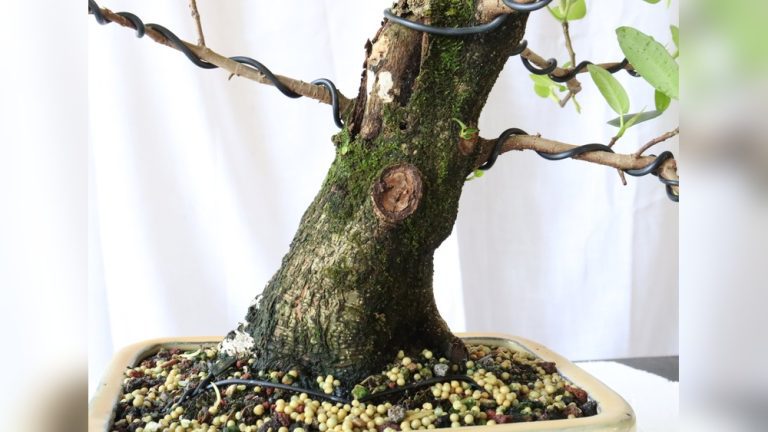
Training with wire is best done after roots are stable. Monitor for pests, especially spider mites and scale insects.
When wiring, check regularly to prevent wire cutting into the bark. Junipers are flexible but can suffer from wire scars if left unattended. Remove deadwood and clean out old foliage to maintain airflow and reduce disease risk.
Protecting From Environmental Stress
Shield bonsai from extreme temperatures, wind, and heavy rain. Use mulch to insulate roots in cooler climates, and move pots indoors during severe weather.
In winter, especially in zones with hard freezes, mulching with pine needles or straw can moderate soil temperature and prevent root heaving. In summer, placing the bonsai on gravel trays or using evaporative cooling can reduce heat stress.
Real-world Example: Long-term Health
A bonsai collector in San Diego (Zone 10) planted juniper bonsai in late September. With careful aftercare, including regular watering and fertilization, the trees thrived and produced dense, healthy foliage within one year.
This grower also noted that consistent pest monitoring and prompt removal of any yellowing needles or dead branches minimized disease outbreaks. The combination of optimal planting time and attentive aftercare resulted in a collection of resilient, visually stunning bonsai.
Real-world Examples And Case Studies
Example 1: Spring Planting Success In New York
A bonsai nursery in upstate New York (Zone 6) planted 100 juniper bonsai in mid-April. The survival rate was 93%, with most trees exhibiting strong root systems and vibrant foliage by early summer. Soil preparation and gradual acclimatization were key factors.
The nursery staff also credited the use of rainwater for irrigation and the application of mycorrhizal inoculants to encourage root health. By avoiding late frosts and optimizing soil composition, they maximized establishment and growth rates.
Example 2: Fall Planting In California
In Northern California (Zone 9), a hobbyist planted juniper bonsai in October. Thanks to mild temperatures and careful watering, the trees established roots before winter. The survival rate was 87%, slightly lower than spring but acceptable for the region.
This grower used a light layer of pine bark mulch and positioned the bonsai on the east side of the house to receive morning sun and afternoon shade. The result was strong root development with minimal transplant shock.
Example 3: Summer Planting Risks In Texas
A gardener in Dallas (Zone 8) attempted summer planting in July. Despite frequent watering, the intense heat led to a 60% mortality rate. This example highlights the dangers of planting out of season.
The surviving trees were those kept in shaded, humid environments and watered with cooled water. This case illustrates how, even with attentive aftercare, environmental stress during the wrong season can dramatically reduce survival.
Data Table: Case Study Outcomes
| Location | Planting Time | Survival Rate | Key Factors |
|---|---|---|---|
| New York | Spring (April) | 93% | Soil prep, acclimatization |
| California | Fall (October) | 87% | Mild climate, watering |
| Texas | Summer (July) | 40% | Heat stress, overwatering |
Expert Opinions And Scientific Research
Scientific Studies
Research from the American Journal of Botany shows that coniferous bonsai, including junipers, have significantly higher root growth rates when planted in spring compared to fall or winter. Root establishment is critical for long-term health.
The study emphasizes that root growth in spring is not only faster but also more extensive, allowing for better uptake of water and nutrients. This translates into higher survival rates, greater resistance to pests, and more robust growth in subsequent years.
Bonsai Practitioner Insights
Renowned bonsai artist Peter Chan recommends spring planting, citing reduced transplant shock and increased vigor. His work at the Herons Bonsai Nursery supports these findings, with spring-planted junipers outperforming those planted in other seasons.
Chan further notes that observing weather patterns and soil temperatures is more reliable than following a fixed calendar date. He advises new growers to err on the side of caution by waiting until local trees begin leafing out, signaling the start of active growth.
Regional Horticultural Extension Services
Extension services, such as the University of Minnesota Extension, provide region-specific advice. They recommend spring planting for conifers and stress the importance of soil temperature and moisture.
These organizations also provide valuable resources on pest control, disease identification, and weather monitoring. Consulting with local extension agents can provide timely, relevant advice tailored to your region.
Commonly Asked Questions In Bonsai Forums
Bonsai forums frequently discuss planting timing. Most experienced growers agree that spring is optimal, with fall as a secondary choice in mild climates. Summer and winter are consistently discouraged.
Growers also share tips on acclimatization, soil mixes, and dealing with transplant shock. The consensus is that while timing is paramount, attention to detail in aftercare can make a significant difference, especially for beginners.
Frequently Asked Questions
What Is The Best Month To Plant Juniper Bonsai?
The best month is typically March to May, depending on your local climate. This period ensures rising soil temperatures and active root growth. Avoid planting during late summer or winter.
Can I Plant Juniper Bonsai In The Fall?
Yes, but only in mild climates (USDA Zones 8-10). Ensure roots have time to establish before winter. In colder regions, fall planting is risky due to frost.
How Do I Prepare Soil For Juniper Bonsai?
Use a well-draining mix: 50% akadama, 25% pumice, 25% lava rock. Avoid peat or garden soil, which retains excess moisture and can cause root rot.
What Are Signs Of Transplant Shock In Juniper Bonsai?
Symptoms include wilting foliage, yellowing needles, slow growth, and root browning. Minimize shock by planting in spring, watering consistently, and providing partial shade.
Is Aftercare Important After Planting?
Absolutely. Proper watering, fertilization, and acclimatization are critical for juniper bonsai health. Gradually expose the tree to sunlight and monitor for pests and disease.
Planting juniper bonsai at the right time is a foundation for success in bonsai artistry. By prioritizing spring planting, preparing optimal soil, and tailoring your approach to local climate conditions, you maximize the health, longevity, and beauty of your bonsai.
Drawing on expert advice, scientific research, and real-world examples, this guide empowers you to make informed decisions—ensuring your juniper bonsai thrives for years to come.