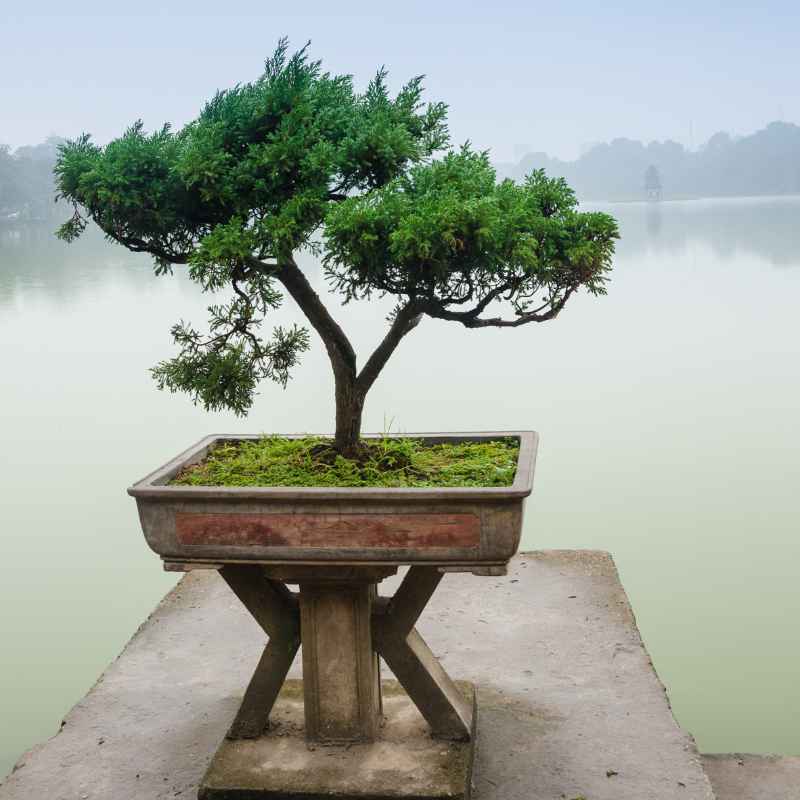
What Is The Symbolism Behind A Bonsai Tree? Full Answer
There’s something truly captivating about a bonsai tree. These miniature living sculptures, crafted over years, hold a special place in our hearts and minds. If you’ve ever found yourself drawn to their delicate beauty and wondered about the deeper meanings they carry, you’re in the right place.
For another bonsai-specific follow-up, How To Use Royal Poinciana For Bonsai: Full Beginner Guide gives readers a related care or selection angle.
For another bonsai-specific follow-up, Why Are My Money Tree Bonsai Leaves Turning Yellow? Fixed gives readers a related care or selection angle.
For another bonsai-specific follow-up, How To Care For A Haematoxylum Campechianum Bonsai Tree gives readers a related care or selection angle.
We’ll explore the rich symbolism that makes bonsai trees so much more than just tiny plants.
Bonsai trees symbolize much more than just their size. They represent patience, harmony, balance, and the passage of time. Their careful cultivation mirrors life’s journey, teaching valuable lessons about nature and ourselves.
What Bonsai Symbolism Means
Bonsai isn’t just about making a tree small. It’s an art form with deep roots in philosophy and tradition. The word “bonsai” itself comes from Japanese.
It means “tray planting.” But the practice is much older, tracing back to ancient China. There, it was called “penjing.”
These trees are living art. They show the beauty of nature in a small space. Each one tells a story.
It’s a story of time, care, and a connection between the artist and the tree. This connection is key to understanding their symbolism.
The most common symbols are patience and harmony. Growing a bonsai takes many years. It requires constant attention and care.
This process teaches us to be patient. It also shows how to live in balance with nature. Bonsai trees are often seen as symbols of peace.
They bring a sense of calm to their surroundings.

The Spiritual and Philosophical Roots of Bonsai
To truly grasp bonsai’s symbolism, we need to look at its origins. The practice started in China over a thousand years ago. Buddhist monks were among the first to cultivate these miniature trees.
They saw them as representations of nature’s grandeur on a smaller scale. This allowed them to bring a piece of the natural world into their monasteries.
These monks believed that by caring for a bonsai, they were nurturing their own spiritual growth. The act of pruning and shaping the tree was like shaping one’s own character. It required discipline, focus, and a deep understanding of the tree’s needs.
This parallel between caring for a bonsai and self-cultivation is a central theme.
When bonsai made its way to Japan, it evolved further. The Japanese embraced it as a form of art. They added their own aesthetic principles.
These included ideas of simplicity, asymmetry, and the beauty of imperfection. This led to a more refined and elegant style of bonsai. The symbolism deepened, incorporating concepts of balance and naturalness.
Zen Buddhism also played a big role. Zen emphasizes mindfulness, meditation, and living in the present moment. The slow, deliberate process of bonsai cultivation perfectly aligns with these principles.
It encourages a meditative state for the grower. It also reflects the deep, quiet strength of nature.
Core Symbolism of Bonsai Trees
Let’s break down the main ideas that bonsai trees represent. These are the meanings most often associated with them.
Patience and Perseverance
This is perhaps the most well-known symbol. A bonsai tree is never finished. It is always evolving.
It can take decades, even a century, to create a mature bonsai. This long journey teaches us the value of patience. It shows that great things take time and consistent effort.
You can’t rush the process. You have to work with it. This is true for the tree and for life.
Harmony and Balance
A well-crafted bonsai looks natural and balanced. The elements – trunk, branches, leaves, and pot – all work together. Nothing is out of place.
This harmony reflects the balance found in nature. It also symbolizes the balance we strive for in our own lives. It’s about finding the right mix of things.
It’s about things fitting together well.
Nature and The Universe
Bonsai are miniature representations of full-sized trees. They bring a piece of the vast natural world into a small space. They are often seen as a microcosm of the universe.
They show the beauty and power of nature on a small, manageable scale. This connection to nature is calming. It reminds us of our place in the larger world.
Strength and Resilience
Despite their small size, bonsai trees represent great strength. They have survived challenges and harsh conditions. Their gnarled trunks and twisted branches tell tales of struggle.
This shows their resilience. It’s a reminder that even small things can be incredibly strong and enduring.
Peace and Serenity
The presence of a bonsai tree can create a peaceful atmosphere. Their delicate form and slow growth encourage a sense of calm. Caring for a bonsai is often a meditative practice.
It helps to quiet the mind. It brings a feeling of tranquility to the home or garden. It’s like a little oasis of calm.
Longevity and Eternity
Because bonsai trees can live for hundreds of years, they symbolize longevity. They represent a connection to the past and a hope for the future. They are living legacies.
They connect generations. This long lifespan also hints at timelessness. It speaks to the enduring cycles of nature.
Bonsai Symbolism in Japanese Culture
In Japan, bonsai are deeply ingrained in the culture. They are not just decorative items. They are living works of art that carry significant meaning.
They are displayed in homes, gardens, and temples. Their presence is meant to inspire contemplation and appreciation.
The Art of Imperfection (Wabi-Sabi)
Japanese aesthetics often embrace the concept of wabi-sabi. This is the appreciation of beauty that is imperfect, impermanent, and incomplete. Bonsai trees perfectly embody this.
A slightly crooked branch, a mossy trunk, or an asymmetric design are not flaws. They are seen as beautiful signs of age and character. This teaches us to find beauty in the real world.
It celebrates authenticity.
Respect for Nature
Bonsai cultivation fosters a deep respect for nature. The grower must understand the tree’s natural rhythms and needs. It’s not about forcing the tree to do something unnatural.
It’s about guiding its growth in a way that is respectful of its essence. This respect extends to the environment as a whole.
The Gardener’s Soul
The Japanese often say that a bonsai reflects the soul of its gardener. The choices made in shaping and caring for the tree reveal the grower’s personality, patience, and artistic vision. The tree becomes an extension of the person.
It’s a personal journey for both.
Symbol of Wealth and Status
Historically, rare and old bonsai trees were highly prized. They were owned by the wealthy and powerful. They were symbols of status and refined taste.
While this aspect has lessened, fine bonsai are still valued for their rarity and the skill involved in their creation.
Quick Bonsai Symbolism Scan
Patience: Requires long-term care.
Harmony: Balanced elements create beauty.
Nature: Miniatures of the vast outdoors.
Strength: Endures challenges, shows resilience.
Peace: Promotes calm and quiet.
Longevity: Lives for many years.
Bonsai Symbolism in Feng Shui
Feng Shui is the ancient Chinese practice of arranging spaces to create harmony and balance. Bonsai trees are often incorporated into Feng Shui practices for their positive energy and symbolism.
Bringing Nature Indoors
Feng Shui aims to balance the elements within a home or office. Bonsai trees bring a vibrant, living element of nature inside. This can help to revitalize stagnant energy.
They represent growth and life force, or “qi.”
Promoting Growth and Prosperity
The steady, persistent growth of a bonsai symbolizes continuous improvement and development. In Feng Shui, this is associated with career success, personal growth, and financial prosperity. Placing a bonsai in the wealth or career corner of a home is believed to enhance these areas.
Creating a Peaceful Environment
The calm and serene energy of a bonsai tree is beneficial for creating a peaceful living or working space. This contributes to overall well-being and reduces stress. A balanced environment supports a balanced life.
Symbol of Longevity and Health
As mentioned, bonsai represent long life. In Feng Shui, this translates to promoting good health and well-being for the inhabitants of the space. They are seen as symbols of enduring vitality.
Feng Shui Quick Facts
Element: Wood (representing growth and life)
Placement: East (health/family), Southeast (wealth/prosperity), South (fame/reputation)
Benefits: Encourages growth, prosperity, and peaceful energy.
Caution: Avoid placing in the fire element areas (Southwest, Northeast) without careful consideration.
Different Tree Types and Their Meanings
While the general symbolism of bonsai is consistent, some people also associate specific meanings with different types of trees used for bonsai.
Pine Bonsai
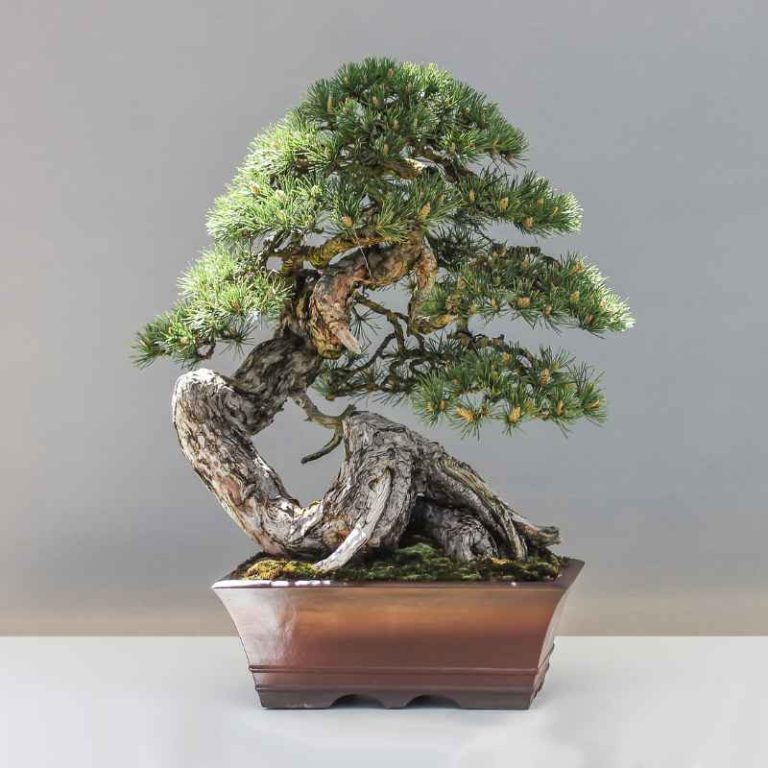
Pine trees are evergreen. They symbolize endurance, longevity, and steadfastness. They are often associated with winter resilience.
They represent overcoming hardships and continuing to grow.
Maple Bonsai
Maple trees are known for their beautiful autumn colors. They symbolize change, the cycle of life, and balance. Their vibrant leaves remind us of the beauty in transition and the passage of seasons.
Ficus Bonsai
Ficus trees are common indoor bonsai. They are often seen as symbols of prosperity, good fortune, and abundance. Their lush foliage can represent fertility and growth.
They are robust and adaptable.
Juniper Bonsai
Junipers are hardy and long-lived. They symbolize strength, wisdom, and protection. Their evergreen nature connects them to enduring life and steadfastness.
They have a rugged beauty.
Elm Bonsai
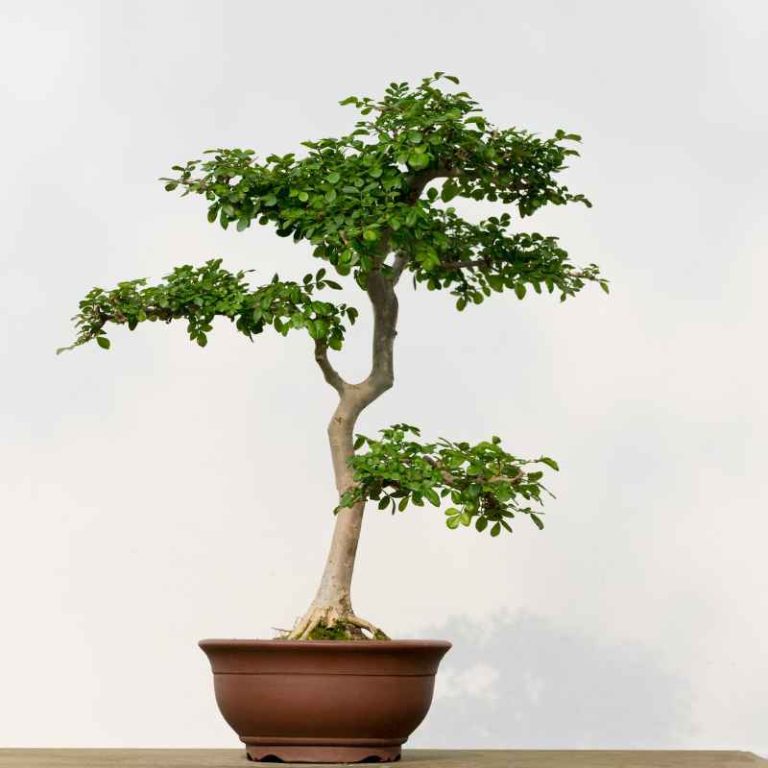
Chinese Elms are popular and resilient. They symbolize strength, stability, and new beginnings. Their ability to thrive in various conditions makes them a symbol of adaptability and enduring spirit.
The Gardener’s Journey: A Personal Reflection
I remember the first time I truly understood the depth of bonsai symbolism. It wasn’t in a book or a lecture. It was during a particularly stressful period in my life.
I had taken up bonsai as a hobby, hoping for a distraction. I had a small Juniper bonsai, barely a few years old.
One evening, after a grueling day at work, I sat down with my Juniper. Its needles were a deep green, and its trunk was just starting to develop some character. I began to gently prune it, carefully removing a few tiny branches that were growing inward.
As my hands moved, a strange calm settled over me. The world outside my little studio just faded away.
I wasn’t just trimming a tree. I was making small, deliberate choices. I was guiding its growth.
I realized that each cut, each bend of a wire, was an act of intention. It was a commitment to this living thing. It was a commitment to creating beauty over time.
That’s when it hit me. The patience required for bonsai wasn’t just about waiting. It was about active, thoughtful engagement.
It was about accepting that perfection doesn’t happen overnight. It’s built, slowly and carefully. I saw my own struggles mirrored in that tree’s potential.
It needed gentle guidance and time to grow strong. It was a powerful lesson in perseverance. It taught me that even when things feel overwhelming, small, consistent actions can lead to significant change.
The tree, in its quiet way, was teaching me to be present and to trust the process of becoming.
Bonsai as a Metaphor for Life
The symbolism of bonsai trees offers a beautiful metaphor for our own lives. We are all, in a way, growing and shaping ourselves over time.
Navigating Challenges
Just as a bonsai tree faces the elements, we face life’s challenges. The gnarled trunk and strong roots of an old bonsai show resilience. They tell us that difficulties can make us stronger.
They can add character and depth to our lives.
The Importance of Care and Attention
A bonsai needs regular watering, light, and care to thrive. Similarly, we need self-care, attention from loved ones, and support systems. Neglect leads to decay.
Nurturing leads to growth.
Appreciating Small Moments
The beauty of a bonsai is in its details. The delicate leaves, the texture of the bark, the shape of the branches. It teaches us to slow down and appreciate the small things.
This mindful observation can bring joy to everyday life.
Growth and Transformation
We are constantly changing. We learn new things, grow new skills, and develop new perspectives. Bonsai show us that transformation is a natural part of life.
It’s a gradual process, not an instant event. Each stage of growth has its own beauty.
Life Lessons from Bonsai
- Patience: Good things take time.
- Resilience: Challenges build strength.
- Mindfulness: Appreciate the small details.
- Balance: Strive for harmony in all things.
- Growth: Embrace continuous personal development.
- Nature: Stay connected to the world around you.
When Bonsai Symbolism Becomes Worrying
While bonsai are generally positive symbols, there are a few situations where their symbolism might take on a less favorable light. It’s important to understand these nuances.
Stunted Growth
If a bonsai’s growth is severely stunted, not due to natural aging but due to poor care or disease, it can symbolize a lack of vitality or a stagnant situation in life. This isn’t about the natural miniature state but about decay.
Neglected Trees
A neglected bonsai, withered or dying, is a clear symbol of decline. In Feng Shui, such a plant can be seen as bringing negative energy. It’s a reminder of what happens when care and attention are withheld.
Overly Contrived Shapes
While artistic shaping is part of bonsai, if a tree looks completely unnatural or forced, it can sometimes symbolize a lack of authenticity. It might represent trying too hard to be something you’re not.
The Importance of Context
It’s crucial to remember that the symbolism of a bonsai is largely in the eye of the beholder and the intention behind its cultivation. A healthy, well-cared-for bonsai, regardless of its shape, primarily conveys positive messages.
Contrast: Normal vs. Concerning Bonsai
Normal:
- Small size due to careful cultivation.
- Gnarled trunk and branches showing age.
- Natural leaf size for the species.
- Healthy green foliage.
- A sense of peace and balance.
Concerning:
- Dying or withered leaves.
- Visible rot or mold.
- Stunted growth not typical for the species.
- Overly artificial or forced appearance.
- A feeling of stagnation or neglect.
Caring for Your Symbolically Rich Bonsai
To fully embrace the positive symbolism of your bonsai, proper care is essential. This ensures the tree thrives and its symbolic meanings are reinforced.
Watering
Watering is crucial. Check the soil regularly. Water when the top layer feels dry.
Don’t let it dry out completely, but don’t overwater either. This balance is key.
Sunlight
Most bonsai need good light. Some prefer direct sun, while others do better with partial shade. Research your specific tree’s needs.
Light helps it grow strong.
Soil and Potting
Use a well-draining bonsai soil mix. Repot your bonsai every few years. This refreshes the soil and allows for root pruning.
This keeps the tree healthy.
Pruning and Shaping
Regular pruning is vital for maintaining the bonsai’s shape and size. This is where the artistry and symbolism truly come alive. Prune to encourage ramification (branching) and to create the desired aesthetic.
Wiring can also be used to shape branches.
Fertilizing
Feed your bonsai with a balanced fertilizer during the growing season. This provides the nutrients it needs to stay healthy and vigorous. Follow the product’s instructions carefully.
Quick Care Tips
Water: When topsoil is dry. Avoid extremes.
Light: Match to your tree species. Most love sun.
Soil: Use a good bonsai mix. Ensure drainage.
Pruning: Shape for beauty and health. Essential for size.
Fertilizer: Feed during the growing season.

Frequently Asked Questions about Bonsai Symbolism
What is the main symbolism of a bonsai tree?
The main symbolism of a bonsai tree includes patience, harmony, balance, nature, strength, resilience, peace, and longevity. It represents the beauty of nature in a small form and the long journey of growth.
Do different bonsai species have different meanings?
While the core symbolism of bonsai is universal, some people associate specific meanings with different tree species. For instance, pines often represent endurance, while maples can symbolize change.
Is it bad to have a small bonsai tree?
No, a small size is intentional and symbolic in bonsai. It represents nature’s grandeur in a miniature form, not a lack of growth. The art is in cultivating its size over many years.
What does a gnarled or twisted bonsai trunk symbolize?
A gnarled or twisted trunk symbolizes strength, resilience, and the ability to overcome hardships. It tells a story of survival and enduring difficult conditions, adding character to the tree.
Can a bonsai tree bring good luck?
Yes, in Feng Shui and various cultural beliefs, a healthy bonsai tree is often seen as a symbol of good fortune, prosperity, and positive energy due to its vibrant life force and representation of growth.
What if my bonsai is dying? What does that symbolize?
A dying bonsai can symbolize stagnation, decline, or a lack of vitality. It’s often seen as a negative omen, suggesting that something in the environment or within the individual’s life may need attention and care.
Conclusion: A Living Testament to Time and Nature
Bonsai trees are far more than just tiny plants. They are profound symbols of patience, harmony, and the enduring beauty of nature. Their cultivation is a meditative practice, teaching us valuable lessons about life.
They remind us to find balance, to embrace challenges, and to appreciate the slow, steady process of growth. Whether you are a seasoned grower or simply admire their delicate form, the symbolism of a bonsai offers a timeless connection to the natural world and to ourselves.