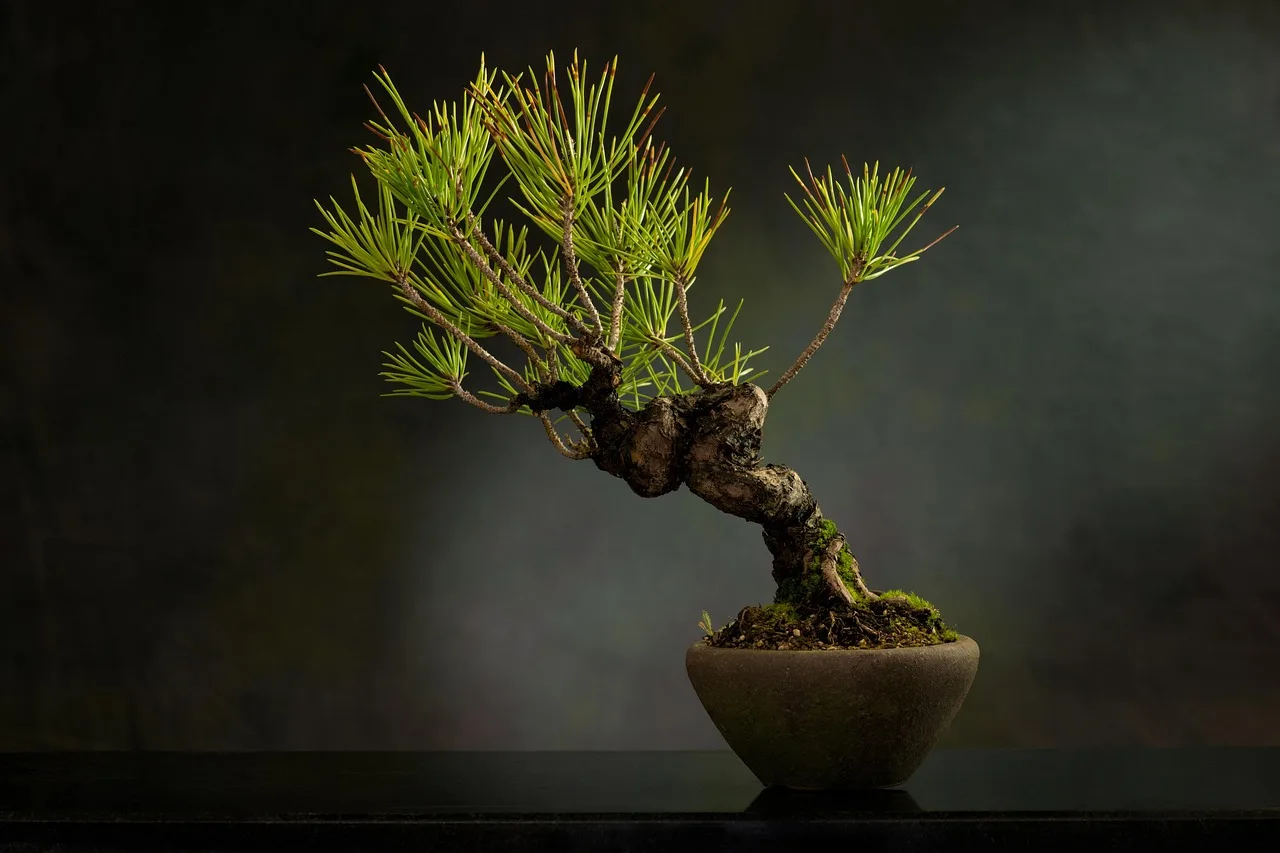
How to Choose the Right Bonsai Pot for Each Species
Choose a bonsai pot by starting with the species’ water demand and root growth: thirsty, coarse-rooted trees usually need a wider, slightly deeper pot; drought-tolerant, fine-rooted trees can go shallower and tighter. Pick wrong and you get rot, dry-back, weak growth, or a tree that fights the pot instead of filling it. I sort pots the same way in my own work: root behavior first, looks second. This guide gives a species-first rule set for depth, shape, and finish based on tree stage and climate.
This guide is part of our Bonsai tree care guide series.
How do you choose the right bonsai pot size?
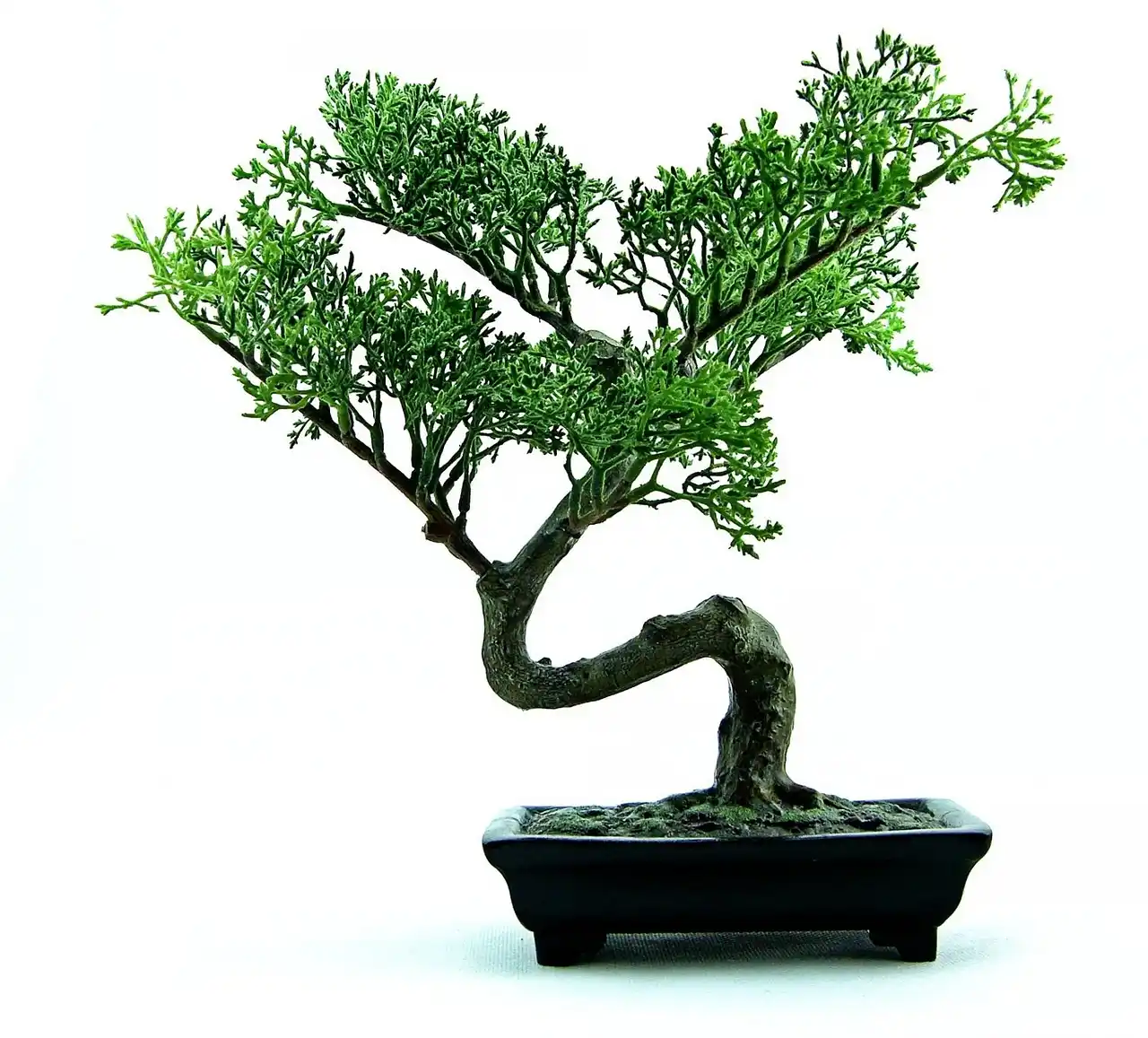
Start with the tree’s height, canopy spread, and root mass, then size the pot to hold roots without leaving a waterlogged surplus. A common starting point is a pot roughly two-thirds the height of the tree, but the root ball and species should overrule a simple ratio. Training stock gets more room than refined trees.
Use height as a starting point, not the final answer
Height gives a quick check, but the root system decides whether the size is usable. A pot that is too small can restrict root growth, while a pot that is too large can lead to waterlogged soil and root disease. For a finished tree, the pot should feel controlled, not roomy.
For display, many growers also use the old depth guideline: pot depth equals the trunk diameter at the base. That keeps the container from looking bulky and gives a practical starting point for most species. Training pots can run a bit larger because the goal is root recovery and faster development, not final presentation.
Match pot volume to tree stage
Nursery stock and pre-bonsai usually need a slightly oversized container with room for root work and development. Refined trees should move into tighter pots once the root pad is stable and fine enough to hold soil without collapse. The key difference is control: development favors room, display favors restraint.
As a rule, the more work the tree still needs below the soil line, the less you should chase a finished look. A pre-bonsai in a cramped show pot often dries fast and stalls. A refined tree in a training pot can look awkward and lose the visual balance that the canopy has already earned.
Should a bonsai pot be shallow or deep?
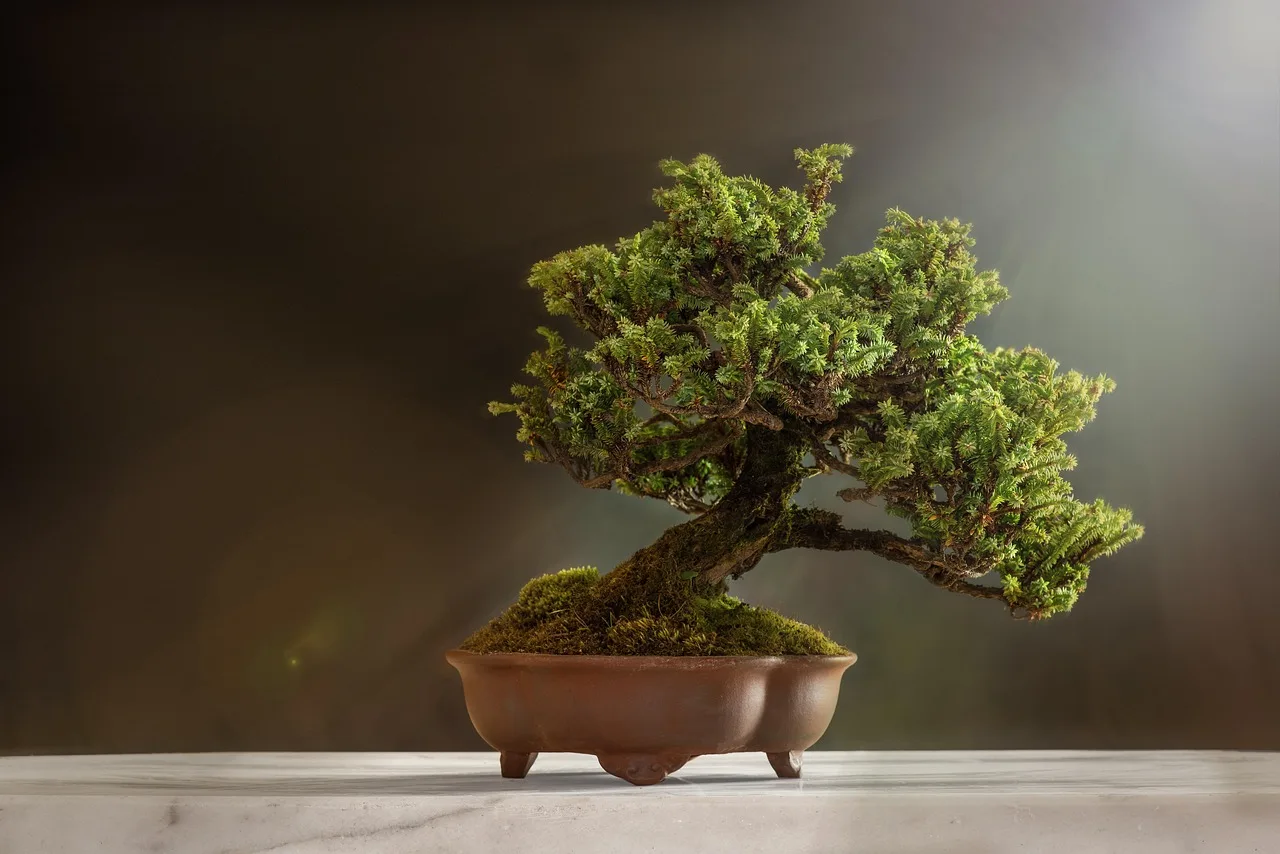
Use shallow pots for fine-rooted trees that dislike wet feet, and deeper pots for species that need steadier moisture or recover better in a larger root zone. Shallow does not mean better. Deep does not mean safer. The right depth depends on how fast the roots dry out and how forgiving the species is.
When shallow pots work
Maples and elms usually perform best in shallower pots with strong oxygen exchange. Their fine roots want air around them, and a shallow container helps the soil dry in a controlled way instead of staying wet for too long. That makes shallow pots useful for refined deciduous trees in active growth.
Shallow containers also suit trees that already have a tight, fibrous root pad. If the root system is weak, a shallow pot can fail fast in hot sites or windy exposure because the soil dries too quickly. In those cases, the pot is asking more of the roots than they can handle.
When deeper pots are better
Pine and juniper species prefer deeper pots that retain moisture without becoming soggy. Flowering and fruiting bonsai need slightly deeper containers during bloom. Those extra centimeters help hold moisture through active growth and fruit load, especially when the tree is working hard and cannot afford repeated dry-back.
Depth also helps when the tree sits in a hot, dry position or under strong indoor drying from heating and airflow. A deeper pot gives a larger moisture buffer. The mistake is going too deep for a weak-rooted tree, which leaves wet soil below the root pad and invites rot.
Which pot shape and finish fit each species?
Shape and finish should follow the tree’s branch movement, trunk line, and water use. Rectangular pots suit rugged, angular trunks. Oval pots fit softer branching and deciduous material. Round pots often work well for literati-style trees. Finish then fine-tunes moisture behavior and visual tone.
Shape by tree movement
Rectangular pots are ideal for rugged, angular trunks and formal upright conifers. Their straight edges support strong lines without competing with them. Oval pots are linked to deciduous trees with softer branching patterns, where the rounded corners echo the canopy better than hard angles do.
Round pots are often chosen for literati-style trees because the form keeps the container quiet under a slender, windswept trunk. The practical tradeoff is balance: a more dramatic tree may call for a shape that supports it visually, but the root needs still come first.
Glazed or unglazed
Unglazed clay is generally more porous, so it tends to shed moisture faster and can suit trees that already need strong drainage and air exchange. Glazed ceramic holds moisture a bit longer and can be a better fit where the soil dries fast. Climate matters here. A dry site usually benefits from more moisture retention than a humid one.
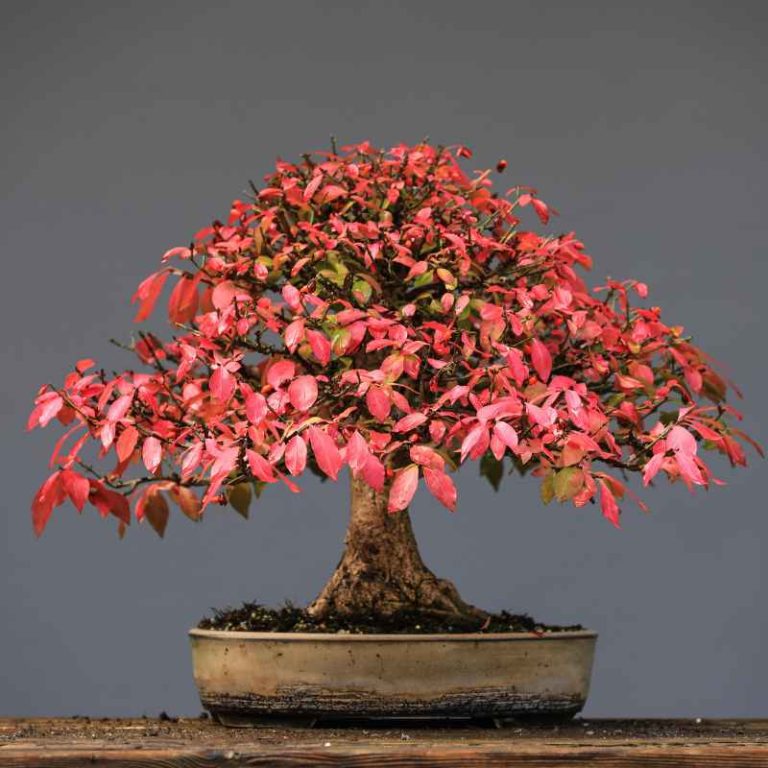
Color matters too. Blue glaze is suggested to fit white blossoms. Green glaze is suggested to suit red leaves. Neutral tones like beige or gray work when the tree already carries strong seasonal color and the pot should step back instead of competing.
Species-by-species pot selection table
This table is the quickest buying rule. Start with root behavior, then check depth, shape, glaze, and the most common mistake. If the species group and the pot work against each other, the tree will usually tell you by drying too fast, staying wet too long, or losing balance after repotting.
| Species group | Root behavior | Preferred depth band | Pot shape | Glaze recommendation | Warning note for common mistakes |
|---|---|---|---|---|---|
| Pine and juniper | Coarser roots, steady moisture need, dislikes prolonged soggy soil | Medium to deeper than a flat deciduous pot | Rectangular for formal forms, oval for softer informal lines | Unglazed or muted neutral glaze | Do not set weak conifers into a very shallow pot too early; they dry out fast in heat |
| Maples and elms | Fine roots, strong oxygen exchange, reacts quickly to wet soil | Shallower band | Oval for most informal deciduous trees, round for softer compositions | Glazed in beige, gray, or a restrained seasonal color | Do not overpot; too much soil volume keeps roots wet and slows recovery |
| Flowering and fruiting bonsai | Active feeders during bloom, needs steadier moisture when carrying flowers or fruit | Slightly deeper during bloom | Oval or round, depending on trunk movement | Blue for white blossoms, green for red leaves, or neutral tones when color is already strong | Do not force a show pot before the root pad is stable; fruit load and shallow soil can dry the tree out fast |
How do you choose the right bonsai pot size for your tree?
Choose the size by balancing root room against overpotting. The pot should support the root mass without leaving excess wet soil around it. For training, use a slightly larger container. For display, trim back toward the finished footprint once the root system is compact and stable.
A practical rule is to keep the pot length related to the tree height, then check whether the canopy spread and trunk line still feel proportioned. A narrow tree can sit in a relatively compact container if the roots are tight. A broad, heavy canopy often needs more visual width for stability.
Training stock, pre-bonsai, and refined trees
Training pots are used for development. They are often slightly oversized, with wider drainage holes, and are commonly plastic or unglazed clay. That setup gives roots room to build and helps water move through faster while the tree is still being shaped and thickened.
Show pots are smaller and more aesthetic. They demand a tighter root system and more attentive watering because there is less soil buffer. The move from training to display should happen only when the root pad holds together well and the tree is no longer relying on extra soil volume for survival.
Do bonsai pots need drainage holes?
Yes. Bonsai pots need one or more drainage holes, and mesh screening can help keep soil from washing out. Good drainage is essential to prevent root rot, but the detail that gets missed is stability: the holes also support tie-down wiring and keep the tree from shifting after watering.
What to look for at the base
Most bonsai pots have two or more large base holes. That layout lets water move out quickly and gives room for anchoring wires. If a pot has only a single small opening, it may work for a very small tree, but it is often harder to secure and less forgiving with wet soil.
Mesh screening over the holes is not optional for fine bonsai soil. It blocks soil loss while still allowing water to pass. Without mesh, the mix can wash out, clog the drainage path, and leave roots sitting in a wet lower layer.
Tie-down wiring and stability
Tie-down wiring anchors the tree during repotting and prevents shifting after watering. Larger bonsai often need multiple tie-down points so the root ball does not rock in the pot. Movement breaks new feeder roots and slows recovery, even if the tree looks steady from above.
The best time to install the wire is during the repot, before the fresh soil is fully settled. Once the tree is fixed in place, water can move through the pot without making the root mass twist or lift.
How does climate affect bonsai pot choice?
Climate changes how fast the pot dries, so pot choice should change with it. Hot, dry conditions favor a slightly deeper or less porous setup. Humid or cool conditions tolerate shallower, more breathable containers. Indoors usually needs the most cautious balance because light, airflow, and evaporation are often uneven.
Hot, dry sites
In heat and dry wind, shallow pots can dry too fast for thirsty trees. A deeper container, glazed ceramic, or a slightly more moisture-holding soil mix helps stabilize the root zone. Pine, juniper, and flowering trees usually benefit from that extra buffer more than fine-rooted deciduous species do.
If the species is already drought-tolerant, keep the pot breathable but not overly shallow. The goal is not to trap moisture. It is to stop the root ball from swinging between bone dry and soaked.
Humid and indoor conditions
In humid weather, a shallower pot and unglazed clay often work better because the tree already has more moisture around it. That reduces the risk of staying wet too long. For indoor growing, the warning is the opposite: poor airflow and steady warmth can keep the lower soil layer wet even when the surface looks dry.
Indoor growers should lean toward better drainage, more attentive watering, and pots that do not add extra wetness for no reason. A deep pot in low light can keep roots damp long after the top layer has dried.
What makes a training pot different from a show pot?
A training pot is built for development. It is usually slightly oversized, often plastic or unglazed clay, and more forgiving about moisture swings. A show pot is built for presentation. It is smaller, more refined in shape and finish, and asks the root system to function in a tighter space.
Use training pots for growth phases
Training pots suit nursery stock and pre-bonsai because the tree still needs root building, trunk work, or branch development. They often have stronger ventilation and wider drainage support. That makes them practical when the tree is being repotted often and the grower wants recovery to move quickly.
Do not judge a training pot by appearance alone. Its job is to help the tree become ready for a refined container later. A plain plastic pot can be the correct choice if the root system is still being built.
Move to a show pot only when the roots are ready
When a tree enters a display pot too early, the smaller soil volume can dry too fast and stress a still-weak root pad. That is one of the most common failure cases. The tree may look finished above the soil line while still needing a larger buffer below it.
Refined trees with stable roots can move into a show pot when the goal shifts from growth to presentation. That is when shape, finish, and proportion begin to matter more than extra root room.
Our picks by need

The right pot depends on what the tree needs right now. These picks are based on the spec sheet, owner feedback, and range experience, with the main tradeoffs stated plainly. Each one has a clear use case and a real limitation.
Best training pot for nursery stock: MUZHI 3 Pack Oval Bonsai Training Pot
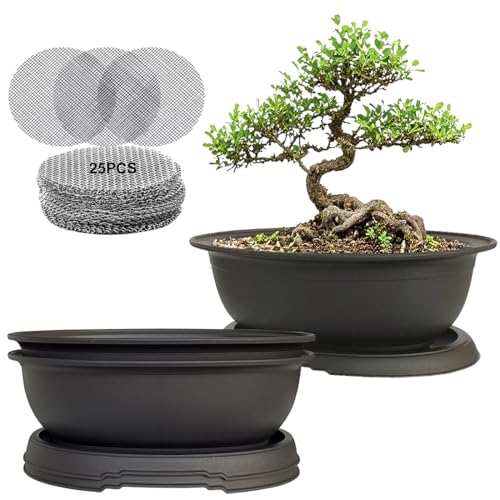
This MUZHI training pot set makes sense for seedlings, nursery stock, and early pre-bonsai because it uses lightweight PP plastic, multiple drainage and ventilation holes, and mesh pads for basic setup. The included trays help keep benches cleaner during repotting.
The drawback is the same thing that makes it practical: it looks utilitarian. It is not a final presentation pot, and the small size means some trees will outgrow it quickly once root mass starts filling the container.
Best display pot for a compact refined tree: MUZHI 8 inch Round Unglazed Ceramic Bonsai Pot

This round unglazed ceramic pot fits refined trees that want a restrained, natural finish. The breathability of unglazed ceramic suits trees that should dry a bit faster, and the included drainage hole plus mesh pad make setup straightforward.
The tradeoff is moisture retention. In dry, hot conditions it may ask for more watering than a glazed pot, and the round form suits softer lines better than rugged formal uprights.
Best display pot for deciduous or flowering trees: Brussel’s 10" Oval Bonsai Glazed Ceramic Pot

This glazed oval pot works well for deciduous material and many flowering trees because the oval shape suits softer branching and the glazed surface holds moisture a little longer. The included wire and drain screen make it ready for a secure repot.
The drawback is that it is less forgiving for trees that already stay wet too long. Based on the spec sheet and owner feedback, it is a better fit for refined trees than for rough pre-bonsai that still need heavy root work.
What mistakes should you avoid when buying a bonsai pot?
Avoid weak drainage, ignore-the-root-system sizing, and style-first buying that puts appearance ahead of biology. The most common errors are using a pot that is too deep for a fine-rooted tree, too shallow for a thirsty species, or too large for a small root pad. Those mistakes show up fast in watering problems.
Buying on looks alone
Style matching matters, but it cannot override root health. A rectangular pot may suit an angular trunk, but if the tree is a fine-rooted maple, the depth still needs to stay shallow enough for oxygen exchange. An attractive pot that stays wet is a bad pot for that tree.
Ignoring stage of development
Nursery stock, pre-bonsai, and refined trees do not want the same container. Training pots are for building roots and structure. Show pots are for presentation and controlled growth. Moving too early into a display pot usually causes drying stress, weak back-budding, or a root system that cannot fill the space.
Forgetting climate and watering habits
Hot, dry weather pushes pot choice toward more moisture buffer. Humid or indoor conditions push it toward better airflow and faster drainage. If the grower waters once a day and the tree sits in full sun, the pot needs to support that routine instead of fighting it.
Frequently asked questions
How do I choose the right bonsai pot size for my tree?
Start with the tree height and canopy spread, then confirm that the root mass fits without excess empty space. A common sizing starting point is roughly two-thirds the height of the tree, but the final choice should follow the root system and development stage, not the ratio alone.
Should my bonsai pot be shallow or deep?
Shallow pots suit fine-rooted species such as maples and elms because they want strong oxygen exchange. Deeper pots suit pines, junipers, and flowering or fruiting bonsai that need steadier moisture. The wrong depth usually shows up as either fast dry-back or lingering wet soil.
Which bonsai species need deeper pots?
Pine and juniper species generally prefer deeper pots that hold moisture without becoming soggy. Flowering and fruiting bonsai also benefit from slightly deeper containers during bloom or fruiting because the tree needs more stable water supply when demand rises.
Should I use a glazed or unglazed bonsai pot?
Use unglazed clay when you want more breathability and faster drying, which often suits conifers and humid climates. Use glazed ceramic when you need a bit more moisture retention or want to match flowering and deciduous trees with a softer finish. Climate and species should decide first.
What pot shape matches different bonsai styles?
Rectangular pots fit rugged, angular trunks and formal upright conifers. Oval pots suit deciduous trees and softer branching patterns. Round pots often work for literati-style trees because they keep the container visually quiet under a slender trunk. The shape should support the tree, not compete with it.
What makes a training pot different from a show pot?
A training pot is slightly oversized, practical, and focused on root development. It is often plastic or unglazed clay and usually gives the tree more drainage and recovery room. A show pot is smaller, more polished, and asks the tree to look finished while living with less soil buffer.