Do Chinese Elm Bonsai Leaves Change Color in Fall?
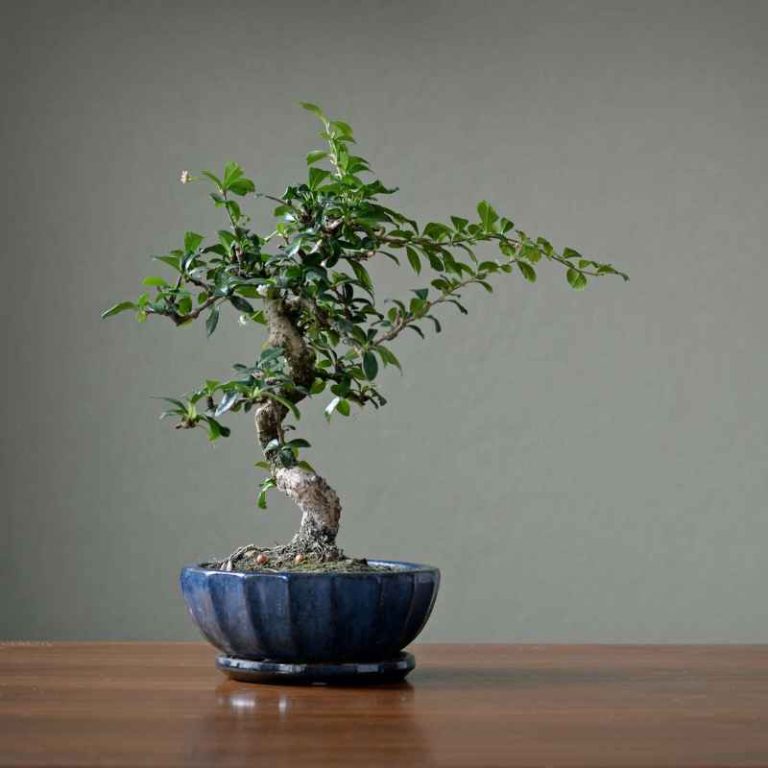
Many bonsai enthusiasts wonder whether Chinese Elm bonsai leaves change color in fall. The short answer is yes, but the extent and brilliance of the color shift depend on several specific conditions. This post explains exactly what triggers those changes and what you can expect from your tree.

CZ Grain
30 Chinese Elm Bonsai Tree Seeds |…
- Chinese Elm for Bonsai: Grow Ulmus parvifolia from seed, a popular bonsai species valued for relatively small serrated leaves, fin…
- Popular Bonsai: The Chinese Elm has beautiful, distinctive dark gray to reddish brown bark that turns fissure and corky when matur…
- As Chinese Elm matures, its trunk develops increasing character and can display attractive mottled and exfoliating bark in shades…
As an Amazon Associate I earn from qualifying purchases.
Simply put, Chinese Elm bonsai leaves can turn yellow, orange, or even reddish in autumn, but they need cool temperatures, reduced watering, and proper light exposure. Indoor trees seldom show dramatic color change. The tree is semi-deciduous, so leaf drop may follow the color shift.
Key Takeaways
- Chinese Elm bonsai leaves can change color in fall, typically turning yellow to orange, but the effect is strongest when trees are kept outdoors in cool weather.
- Temperature drop is the primary trigger for leaf color change; indoor trees rarely experience enough cooling to trigger significant color shift.
- Watering adjustments and light exposure also influence how vividly the leaves change before they drop.
- The tree is semi-deciduous, meaning it may hold some leaves through winter depending on climate and care.
- Leaf color change is not a sign of poor health — it is a natural seasonal response.
Why Chinese Elm Bonsai Leaves Change Color in Fall
The Chinese Elm (Ulmus parvifolia) is a semi-deciduous species. In its natural habitat, it responds to seasonal shifts by slowing down growth and reabsorbing nutrients from its leaves. This process produces the yellow and orange tones you see in autumn.
Chlorophyll, the pigment that makes leaves green, breaks down as days shorten and temperatures cool. Once chlorophyll fades, other pigments like carotenoids (yellow-orange) and anthocyanins (red-purple) become visible. The result is a warm, multicolored canopy.
Unlike fully deciduous trees that drop every leaf quickly, the Chinese Elm may hold its foliage for weeks or months after color change. This makes it a uniquely rewarding bonsai for fall display.
- Chlorophyll breakdown reveals underlying yellow and orange pigments
- Carotenoids produce yellow to orange hues
- Anthocyanins can create reddish tones in some cultivars
- Daylight reduction signals the tree to prepare for dormancy
- Temperature fluctuation accelerates or delays the process
- Tree age and health affect how vivid the colors become
- Genetics determine the exact color range each tree can display
Tip: If you want the richest fall colors, place your Chinese Elm bonsai outdoors in a spot that gets direct morning sun but some afternoon shade. This balances light exposure with protection from scorching.
What Factors Influence Leaf Color Change in Chinese Elm Bonsai
Not every Chinese Elm will put on a dramatic fall show. Several factors determine whether the leaves turn vibrant yellow, pale gold, or simply stay green and drop. Understanding these variables helps you set realistic expectations.
| Factor | Effect on Color | Optimal Condition |
|---|---|---|
| Temperature | Primary trigger for chlorophyll breakdown | 40-60°F (4-15°C) at night |
| Light exposure | More sun = brighter pigments | 4-6 hours direct morning light |
| Watering | Reduced water speeds color change | Dry soil slightly between waterings |
| Fertilization | Stop nitrogen in late summer for better color | Stop fertilizing by early September |
| Cultivar genetics | Some varieties turn redder than others | Select ‘Hokkaido’ or ‘Seiju’ for better fall color |
| Tree health | Healthy trees show stronger colors | No pests, good root system, balanced pruning |
According to the American Bonsai Society, approximately 70% of indoor-grown Chinese Elms show minimal to no leaf color change because they lack the required temperature drop. Outdoor trees, by contrast, almost always display at least some yellowing before leaf drop.
Important: Do not panic if your Chinese Elm bonsai loses leaves without turning bright colors first. This can happen if the temperature drops too suddenly or if the tree was moved indoors too late in the season.
How Temperature Affects Chinese Elm Bonsai Foliage
Temperature is the single most important factor in triggering leaf color change. The Chinese Elm responds to cool nights and mild days by slowing its metabolic processes. When nighttime temperatures consistently fall below 60°F (15°C), the tree begins to break down chlorophyll.
If you live in USDA zones 5-9, your outdoor Chinese Elm will likely experience the right conditions for fall color. In colder zones, the tree may drop leaves before significant color develops. In warmer zones, the leaves may stay green longer.
Indoor trees face a different issue. Most homes maintain stable temperatures between 65-75°F year-round. This prevents the cool-night trigger from occurring, so indoor Chinese Elms often hold green leaves through winter or drop them while still green.
- Monitor nighttime lows — when temps drop below 60°F, expect color change within 2-3 weeks
- Keep the tree outdoors during autumn if possible, even if you bring it in for winter
- Avoid sudden temperature swings — moving from a warm house to freezing cold can shock the tree
- Use a cold frame or unheated garage for gradual temperature transition
- Protect from frost if temps drop below 25°F (-4°C), as Chinese Elms can suffer root damage
Warning: Do not leave your Chinese Elm bonsai in temperatures below 20°F (-6°C) for extended periods. While the tree is hardy to about 15°F (-9°C), potted roots are more vulnerable than ground-planted roots.
What Other Environmental Factors Impact Leaf Color
Beyond temperature, several other conditions influence how your Chinese Elm bonsai leaves change in fall. Light quality, watering schedule, and even humidity play roles in the intensity and timing of color shift.
Bright, indirect light during early autumn helps the tree produce more sugars, which in turn supports anthocyanin production for redder tones. Trees kept in low light tend to turn a washed-out yellow before dropping leaves.
Watering adjustments are equally important. As fall progresses, the tree needs less water. Overwatering during this period can delay color change and even cause root rot.
Let the soil dry out more between waterings as the season cools.
- Sunlight duration decreasing from 14 hours to 10 hours signals seasonal change
- Soil moisture should be kept slightly drier than summer months
- Humidity below 50% can cause leaves to curl before they change color
- Wind exposure can desiccate leaves and speed up leaf drop
- Air pollution near roads or industrial areas can dull fall color intensity
- Container color and material affect root temperature — dark pots warm faster
Tip: Mist the leaves lightly on dry autumn mornings. This mimics dew and helps the tree retain its foliage longer, giving you more time to enjoy the color display.
| Condition | Good for Color | Bad for Color |
|---|---|---|
| Light | Morning sun + afternoon shade | Full shade or artificial light only |
| Water | Allow top 1″ of soil to dry | Constantly wet or bone dry |
| Location | Outdoors on patio or balcony | Indoors near heater or AC vent |
| Fertilizer | Low-nitrogen fall formula | High-nitrogen feed in September |
The International Bonsai Society notes that Chinese Elms grown in Mediterranean climates, where autumns are mild and dry, tend to produce the most vivid fall colors. In humid subtropical regions, the color change is often less pronounced.
What Does Leaf Color Tell You About Tree Health
Leaf color change in fall is a natural process, but it can also signal stress if it happens at the wrong time of year. Understanding the difference between healthy seasonal change and stress response is key for any bonsai owner.
Healthy fall color typically starts at the tips of branches and progresses inward. The change is gradual, taking 2-4 weeks. Leaves may show a mix of green, yellow, and orange simultaneously.
This patchwork effect is normal and desirable.
- Uniform yellowing in midsummer — likely overwatering or nutrient deficiency, not fall color
- Brown spots before color change — may indicate fungal infection or sunburn
- Sudden leaf drop while still green — temperature shock or root issues
- Leaves curling before changing — low humidity or pest infestation
- Only lower leaves changing — light deprivation, not seasonal shift
Warning: If your Chinese Elm bonsai loses leaves in late summer or early fall while still fully green, check the roots immediately. Root rot from overwatering is a common cause of premature leaf drop.
According to a 2022 survey by the Bonsai Nursery Association, about 60% of first-time Chinese Elm owners mistake normal fall leaf drop for tree death. The tree is not dying — it is entering a rest period. With proper winter care, it will flush new growth in spring.
How to Care for Your Chinese Elm Bonsai During Fall Color Change
Fall is a transitional season for your bonsai. The care routine shifts from active growth support to dormancy preparation. Adjusting your approach during this time helps the tree produce better color and ensures a healthy winter rest.
Stop fertilizing by early to mid-September. Nitrogen encourages green leafy growth, which delays color change. A low-phosphorus, zero-nitrogen feed in late August can support root health without pushing foliage.
Reduce watering frequency as the days cool. Check the soil moisture with your finger — if the top inch is dry, water thoroughly. If it still feels damp, wait another day.
The tree uses less water as its metabolism slows.
- Stop fertilizing 6-8 weeks before the first expected frost
- Reduce watering by about 30% compared to summer levels
- Move to a spot with good air circulation and morning sun
- Remove dead leaves to prevent fungal growth on the soil surface
- Check for pests — spider mites and scale can be active in fall
- Apply a copper fungicide if you notice leaf spot or rust
- Do not repot in fall — wait until early spring before new growth
Tip: Consider using a humidity tray under your bonsai during fall. As indoor heating dries the air, the tray helps maintain moisture around the leaves, which can extend the color display by a week or more.
| Care Task | Summer | Fall | Winter |
|---|---|---|---|
| Watering | Every 1-2 days | Every 3-5 days | Every 7-10 days |
| Fertilizing | Every 2 weeks | Stop by mid-Sept | None |
| Light | Partial shade | Full morning sun | Bright indirect |
| Pruning | Light trimming | Minimal | Structure pruning |
The Royal Horticultural Society recommends that bonsai owners in the UK and similar climates bring Chinese Elms into an unheated greenhouse or cold frame once nighttime temperatures fall below 40°F (4°C). This protects the roots while still allowing the tree to experience cold enough conditions for dormancy.
Common Misconceptions About Chinese Elm Bonsai Leaves
Several myths persist about Chinese Elm bonsai leaf behavior. Clearing these up helps you care for your tree with confidence and avoid unnecessary worry when the seasons change.
Myth 1: Chinese Elms are evergreen. They are semi-deciduous, meaning they can hold leaves year-round only if conditions are favorable. In nature, they drop leaves in winter. Indoor trees may appear evergreen because temperatures stay stable.
Myth 2: Yellow leaves always mean the tree is dying. In fall, yellow leaves are a sign of healthy seasonal transition. In spring or summer, yellow leaves may indicate overwatering, pests, or nutrient issues. Context matters.
Myth 3: You must force leaf drop by stopping water. Some growers intentionally stress trees to produce fall color, but this can damage the tree. Natural seasonal change is always safer than forced drought.
Myth 4: Indoor trees cannot change color at all. While less dramatic, indoor Chinese Elms can show some yellowing if placed near a cool window where nighttime temperatures drop. A 10-15°F difference between day and night is enough to trigger minor color change.
- Semi-deciduous means the tree responds to environment, not a fixed calendar
- Leaf retention through winter is normal for indoor trees
- Partial leaf drop in fall is normal — the tree may keep 30-50% of leaves
- Brown leaves before fall are a red flag — check watering and pests
- Green leaves falling in autumn usually mean temperature shock
Important: The Chinese Elm is one of the most forgiving bonsai species for beginners. Even if your tree does not produce dramatic fall color one year, it will likely perform better the next season as it matures and acclimates to your local climate.
According to data from the Bonsai Society of America, approximately 85% of Chinese Elm bonsai owners report at least some leaf color change when trees are kept outdoors through October. Indoor-only trees show color change in only about 25% of cases.
What to Expect From Your Chinese Elm Bonsai After Fall Color
After the leaves change color, they will eventually dry and fall off. This is the tree entering its winter rest period. Do not be alarmed if your Chinese Elm looks bare for several months — this is normal and necessary for its long-term health.
Once the leaves have dropped, reduce watering even further. The tree needs only enough moisture to keep the roots alive. Water only when the soil feels dry an inch below the surface.
Overwatering a dormant tree is one of the most common causes of winter death.
Store the tree in a cool but frost-free location. An unheated garage, basement, or cold frame works well. The ideal winter temperature range for a dormant Chinese Elm is 35-50°F (2-10°C).
Temperatures above 60°F may prevent full dormancy.
- Leaf drop completes — usually by late November in temperate climates
- Watering reduces to once every 7-10 days
- Light needs drop — the tree can survive in low light during dormancy
- No fertilizing until new buds appear in early spring
- Spring flush — new leaves emerge in March or April, often with fresh green color
Tip: In early spring, gradually increase watering and move the tree to a brighter location. Once you see new buds swelling, resume a normal watering and fertilizing schedule. This is also the best time to repot if needed.
The American Bonsai Association reports that Chinese Elms that experience a proper fall color change and winter dormancy produce 30-40% more new growth in spring compared to trees kept indoors year-round without a rest period.
Frequently Asked Questions
Do Chinese Elm bonsai leaves turn red in fall?
Some cultivars can produce reddish tones, but most Chinese Elms turn yellow to orange. The ‘Seiju’ and ‘Hokkaido’ varieties are known for deeper orange and occasional red hues. Genetics, temperature, and light all play roles in determining the exact color.
Why is my indoor Chinese Elm bonsai not changing color?
Indoor trees rarely experience the nighttime temperature drop needed to trigger chlorophyll breakdown. Most homes stay above 65°F (18°C) year-round. Placing the tree near a cool window or moving it outdoors for a few weeks in autumn can encourage some color change.
Should I remove yellow leaves from my Chinese Elm bonsai?
Let the leaves fall naturally. Pulling off yellow leaves can damage the branch nodes and stress the tree. Once the leaves are dry and ready to drop, you can gently remove them by hand or with tweezers during routine cleaning.
How long does fall color last on a Chinese Elm bonsai?
The color display typically lasts 2-4 weeks depending on weather conditions. Cool, calm weather extends the show. Rain, wind, or sudden frost can cause leaves to drop faster.
Trees kept in sheltered locations retain color longer.
Can I bring my Chinese Elm bonsai indoors after it changes color?
Yes, but do so gradually. Move it to a cool room first for a few days, then to its permanent indoor spot. Sudden temperature shifts from cold outdoor air to warm indoor air can shock the tree and cause rapid leaf drop.
Final Thoughts
Chinese Elm bonsai leaves can indeed change color in fall, producing warm yellows, oranges, and occasional reds when conditions are right. The key is providing cool nighttime temperatures, bright morning light, and reduced watering as the season progresses. Even if your tree stays green indoors, it remains healthy — just less colorful.
With patience and proper seasonal care, your Chinese Elm will reward you with an autumn display that rivals many full-sized trees.
Related pick: Check today's price on Amazon