How to Care for a Ficus Bonsai in Low Light
Place your ficus bonsai in the brightest window you have. If light still stays below about 2,000 lux, a common rule of thumb is to add a grow light for about 12–14 hours a day. Water only when the top 1–2 cm of mix is dry.
Ficus light needs by room type
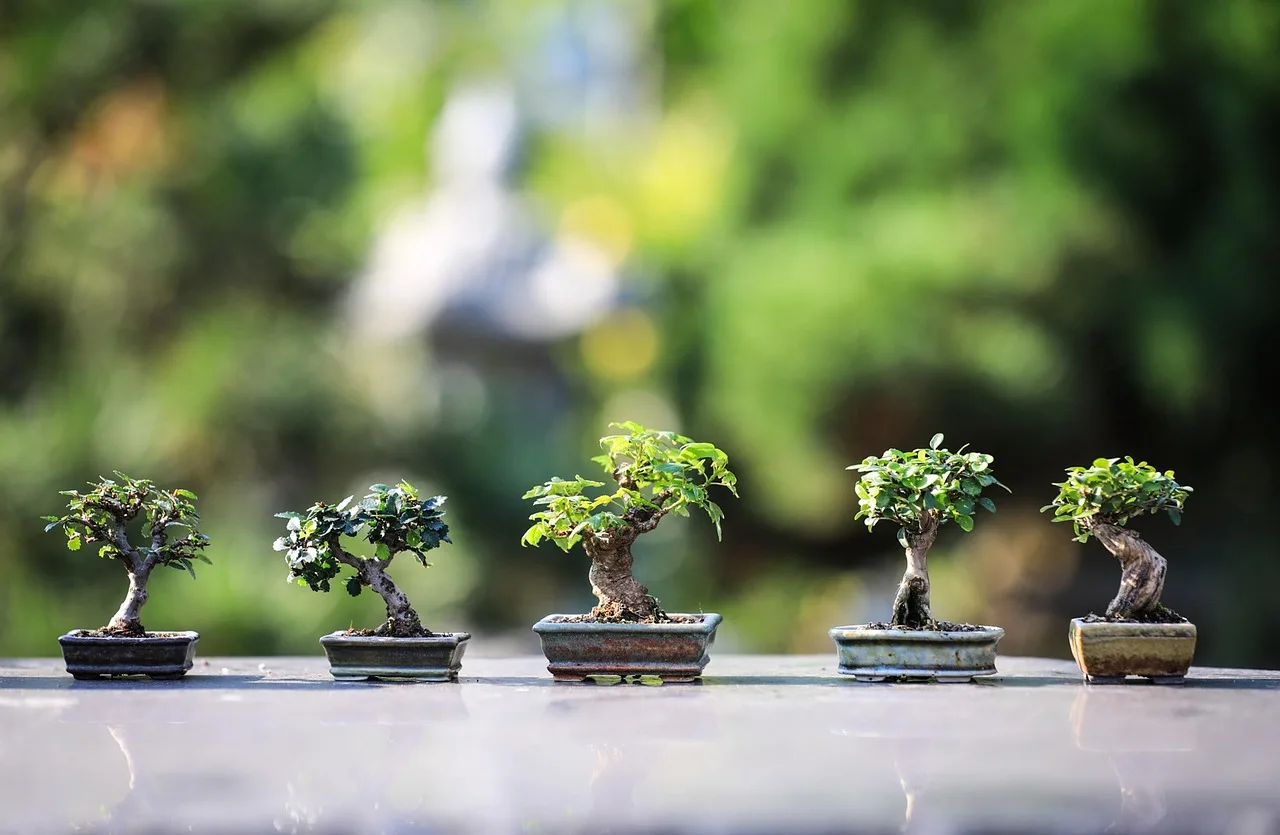


A ficus bonsai handles lower indoor light better than most bonsai, but low light is not darkness. For ficus indoors, “low light” usually means a north-facing window, a spot set back from a bright window, or filtered indirect light that is bright but not directly sunny.
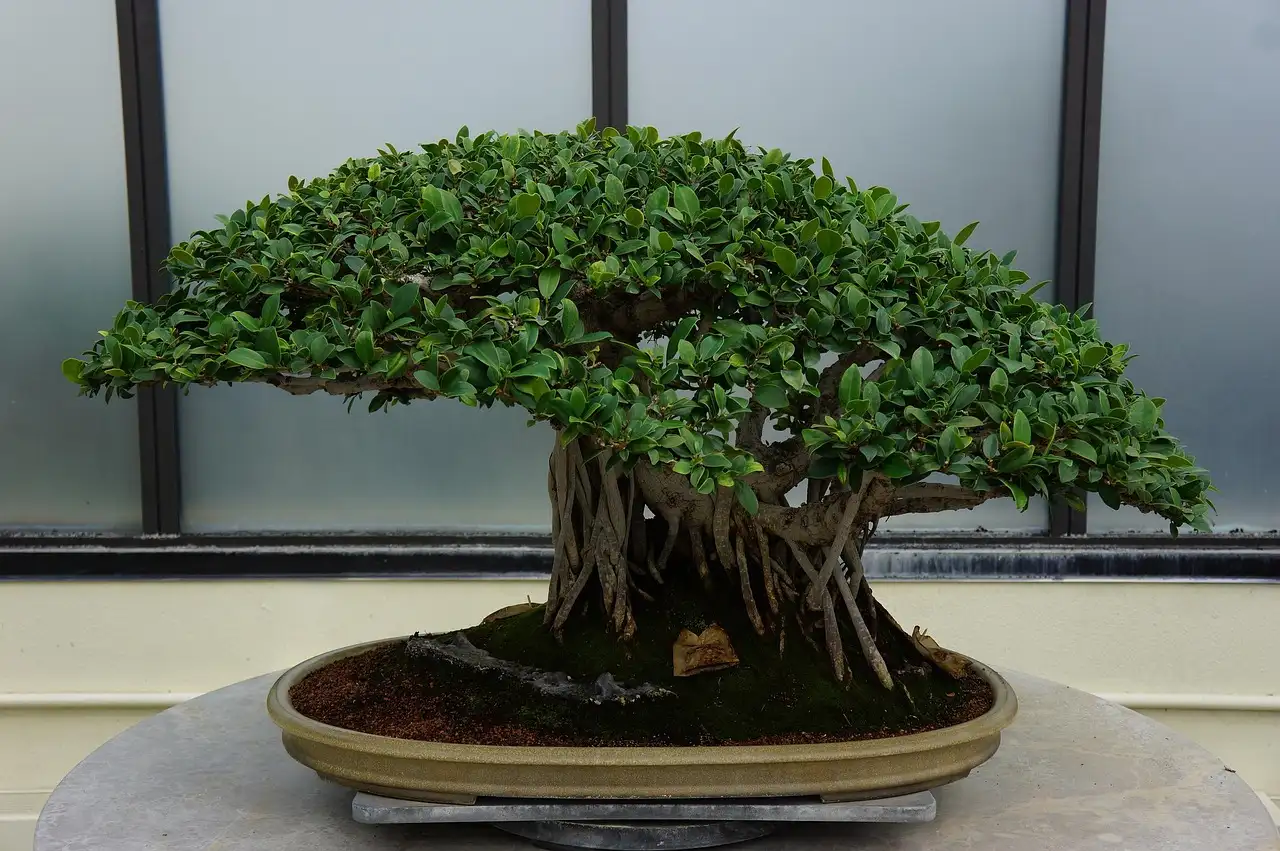
Ficus retusa, tiger bark ficus, ficus benjamina, and ficus ginseng all live indoors, but they do not perform the same in dim rooms. Retusa and tiger bark usually cope better when light is marginal, while ginseng often wants a brighter placement than a deep shade corner.
If the room is truly dark, growth can slow, leaves may thin out, and leaf drop may start within a few weeks. That is the point where placement, not pruning or fertilizer, is the main problem.
Ficus low-light checklist
| Room tier | What it looks like | What to do |
|---|---|---|
| Workable natural light | Bright indirect light from a window, often near a north-facing window or within a short distance of an east or west window | Keep the tree there, rotate it every week or so, and water by soil dryness |
| Borderline light needing a grow light | Set-back window shelf, winter apartment light, or a room that feels bright part of the day but weak for most of it | Add a full-spectrum LED and keep the natural window light if possible |
| Too dark for healthy growth | Dark corner, windowless room, or a space that stays dim all day | Move the tree or use supplemental light immediately; do not rely on misting or fertilizer |
Use this simple rule: if you need artificial room lighting just to read comfortably in that spot, it is usually too dim for a ficus to grow well without help.
How much light does a ficus bonsai need?
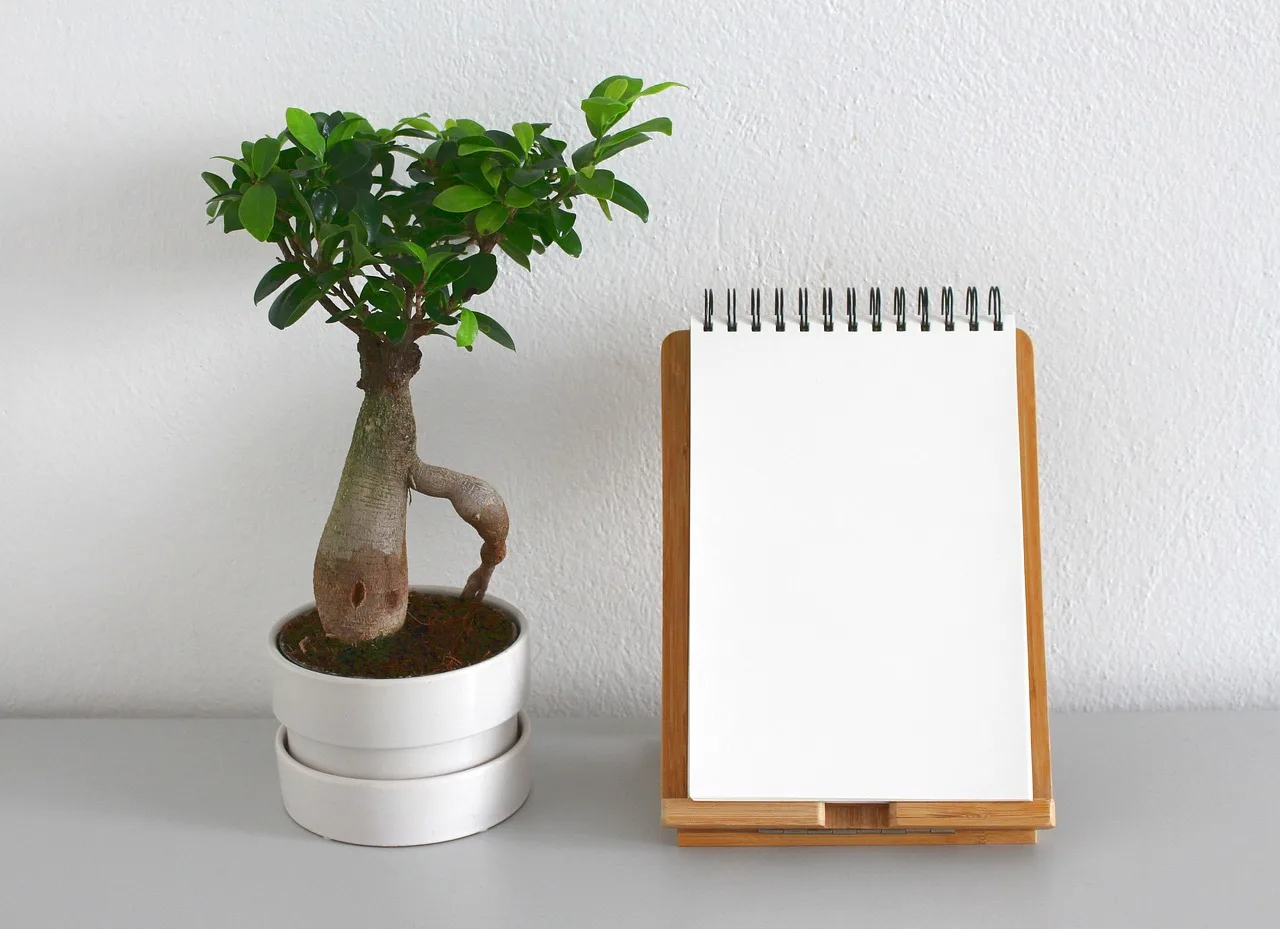
Ficus bonsai need bright indirect light indoors. A north-facing window can work if it is the brightest option available, but it is one of the weakest acceptable placements, especially in winter or in apartments with shaded exposures.
Place the tree close to the glass without letting leaves press against a cold pane. If the window is bright but the tree sits several feet back, the light can drop fast, and that is often where low-light problems start.
Best indoor placements
- Right by a north-facing window if it is the brightest choice in the room.
- Near an east window with filtered morning light.
- Near a west window if afternoon sun is softened by a sheer curtain.
- A step back from a bright south window, as long as the tree still gets strong indirect light.
A common first-timer mistake is putting the bonsai on a coffee table several feet from the window. That spot may look open, but it can be too dim for steady ficus growth.
When a room is too dim
Windowless rooms are not a healthy long-term location unless you provide supplemental light. If the ficus is already dropping leaves, stretching out, or making very small new leaves, treat the room as too dark rather than waiting for the tree to adapt.
When should you use a grow light?
Use a grow light when natural light is clearly not enough to keep the ficus compact and stable. A full-spectrum LED is the standard choice, and it becomes the practical answer when the tree sits in borderline light or in a room that receives less than about 100 foot-candles.
Grow-light setup
- Choose a full-spectrum LED.
- Hang or place it about 12 to 18 inches above the canopy.
- Run it for 10 to 12 hours daily, or use the 14 hours on / 10 hours off rule when you need a clear schedule.
- Keep the light centered above the tree so growth does not lean hard to one side.
If a ficus sits on a shelf in an office corner that gets weak daylight all day, add the LED instead of moving the watering schedule around. Light is the limiting factor there, not moisture.
For a ficus bonsai in a north-facing window, a grow light is often optional at first, then necessary in winter if the tree stops putting on healthy growth. That is especially true for ficus ginseng, which usually wants more light than retusa or tiger bark in dim rooms.
How often should I water a ficus bonsai in low light?
Water on observation, not on a calendar. Bonsai Empire recommends watering whenever the soil gets slightly dry, and that rule matters more in low light because the tree uses water more slowly than it would in a brighter room.
Check the surface and the top 1–2 cm of mix. If that layer is only slightly dry, water thoroughly until excess drains out. If it still feels moist, wait.
How low light changes watering
Low-light ficus trees usually need water less often than bright-indoor trees. Cooler rooms, winter light, and slow growth all reduce water use. The mistake is carrying over a summer routine into a dim winter spot and keeping the soil wet for too long.
Watch for these signs of overwatering in dim rooms: leaves yellowing before they drop, soil that stays damp for many days, and weak growth with soft, tired-looking foliage. Root issues often follow if the mix stays wet and airless.
Humidity can help, but daily misting should not be the main strategy. The same source notes daily misting, yet also warns that too much misting can create fungal problems. Moderate to high humidity is preferred, but the roots still need oxygen.
How do you prune a ficus bonsai without weakening it?
Prune ficus regularly to keep the tree compact, but avoid heavy cuts when the tree is already stressed by weak light. The same source recommends cutting back to 2 leaves after 6 to 8 leaves have grown, which keeps the canopy tight without stripping too much growth at once.
In a low-light room, prune less aggressively than you would in bright conditions. The tree has less energy to recover, so timing matters.
Pruning rules for weak light
- Wait for a healthy flush of new leaves before cutting back.
- Trim shoots back to 2 leaves after 6 to 8 leaves have developed.
- Remove crossing or overly long shoots first.
- Hold off on major styling if leaves are already dropping from stress.
Leaf pruning or defoliation can reduce leaf size, but only on a healthy ficus with strong growth. Do not use it as a rescue move for a tree in a dark room. If the plant is weak, that kind of pruning can slow recovery.
Why is my ficus bonsai losing leaves indoors?

Leaf drop indoors usually points to one of three problems: light deficiency, overwatering, or cold draft stress. The pattern of the drop matters. Look at where the leaves fall, how the soil feels, and whether the tree sits near a door, vent, or cold windowpane.
Ficus leaf-drop diagnosis
| Likely cause | Common signs | Best next step |
|---|---|---|
| Light deficiency | Leaves drop after the tree sits in a dim room, new growth is small or weak, and the canopy stretches toward the window | Move the tree closer to bright indirect light or add a grow light |
| Overwatering | Soil stays wet, leaves yellow before falling, and new growth looks soft or limp | Let the top layer dry more between waterings and improve drainage |
| Cold draft stress | Leaf drop follows a cold night, AC vent, open door, or window glass that chills the foliage | Move the tree away from drafts and cold glass |
Scale and spider mites are common indoor pests, especially when the tree is stressed. Check leaf undersides and branch junctions if the ficus starts looking dull or sticky. Pests can worsen leaf drop, but they usually do not explain a sudden decline on their own.
Ficus repotting and soil basics
Repot ficus in spring. The same source recommends repotting every other year, and many growers stretch that to every 2 to 3 years depending on vigor and container size. The right timing matters because the tree is recovering while growth is active.
Ficus tolerates root-pruning very well, which makes repotting less risky than it is for many other bonsai species. That tolerance is one reason ficus stays popular for indoor bonsai beginners.
What the soil should do
Use a well-draining bonsai mix that holds enough moisture for roots but does not stay soggy. A basic bonsai soil mixture should drain freely, allow air to reach the roots, and still give the tree some moisture reserve between waterings.
- Drain quickly after watering.
- Stay open enough that roots can breathe.
- Dry slightly at the surface before the next watering.
If the mix stays wet for too long in a low-light room, the ficus has less chance to use that water. That is where repotting into a better-draining mix can help, but it should still be paired with better light if the room is dim.
Frequently asked questions
How to care for a ficus bonsai in low light
Give it the brightest indirect light available, water only when the top 1–2 cm of mix dries, and reduce watering as growth slows. If the room is borderline or dim, add a full-spectrum LED and keep the tree away from cold drafts, radiators, and dark corners.
How much light does a ficus bonsai need indoors?
A ficus bonsai needs bright indirect light indoors. A north-facing window can work if it is the brightest option, but weak apartments often need supplemental LED light. If the tree stretches, drops leaves, or stops growing well, treat light as the first issue to solve.
Can a ficus bonsai survive in a north-facing window?
Yes, sometimes. A north-facing window is a weak but usable location if it is bright and unobstructed. In winter or in very shaded rooms, that same spot may become too dim, so watch for slower growth, smaller leaves, and leaf drop.
Should I use a grow light for a ficus bonsai?
Use one if the tree sits in borderline light or in a room that is too dark for steady growth. A full-spectrum LED placed 12 to 18 inches above the canopy for 10 to 12 hours daily is a practical setup when natural light is not enough.