
Japanese maple bonsai trees are renowned for their vibrant foliage, delicate structure, and the sense of tranquility they bring to any space. Yet, even the most attentive bonsai enthusiasts sometimes encounter the frustrating problem of leaves drying out. This issue not only diminishes the beauty of your miniature tree but can also signal deeper health problems.
Understanding why your Japanese maple bonsai’s leaves are drying out is the first step toward restoring its vitality and maintaining its striking appearance year-round.
The reasons behind leaf desiccation are multifaceted, ranging from environmental stressors to improper care techniques. Whether you’re a seasoned bonsai grower or a newcomer to the art, unraveling the causes of this common problem requires a blend of horticultural knowledge and practical troubleshooting.
This comprehensive guide dives deep into the typical causes, diagnostic clues, preventative strategies, and actionable solutions to help your Japanese maple bonsai thrive.
Key Takeaways
- Leaf drying in Japanese maple bonsai often results from improper watering, environmental stress, or pest and disease issues.
- Diagnosing the exact cause requires observing leaf color, soil moisture, and overall tree health.
- Preventing leaf desiccation involves optimal watering, humidity control, and correct placement.
- Implementing best practices and timely interventions can restore your bonsai’s health and enhance its longevity.

Credit: www.bonsaiempire.com
Common Causes Of Leaf Drying In Japanese Maple Bonsai
Japanese maple bonsai are particularly sensitive to changes in their environment. Identifying the root cause of leaf desiccation is essential for effective intervention.
Watering Issues
Water management is the most critical aspect of bonsai care. Both underwatering and overwatering can lead to dry leaves, but the symptoms often differ.
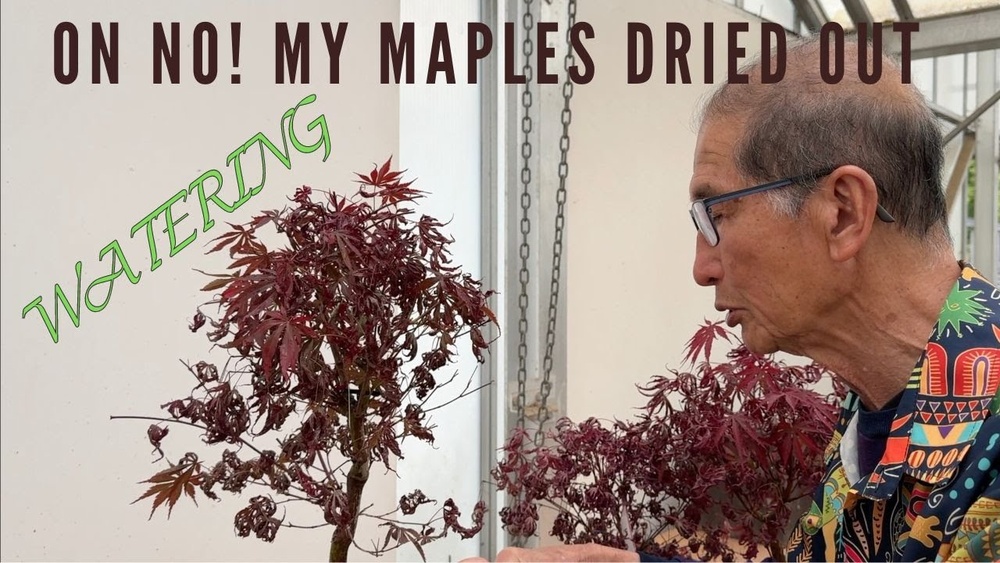
- Underwatering: When the soil dries out too much, leaves become crispy, brown at the edges, and may curl. Chronic underwatering can also cause the leaves to become brittle and fall prematurely, weakening the overall structure of the bonsai.
- Overwatering: Excess moisture leads to root rot, which impairs water uptake, causing leaves to wilt, yellow, and eventually dry. Over time, waterlogged roots can suffocate, making it impossible for the plant to draw up nutrients and water, resulting in systemic stress.
A study by the American Bonsai Society found that 68% of leaf drying incidents in maples were linked to improper watering schedules (American Bonsai Society). Additionally, inconsistent watering—alternating between dry and saturated conditions—can further exacerbate stress, making the tree more vulnerable to secondary issues like pests or diseases.
Environmental Stress
Environmental factors play a significant role in leaf health.
- Low Humidity: Japanese maples prefer higher humidity. Dry indoor air can accelerate moisture loss from leaves. Prolonged exposure to air conditioning or central heating can drop humidity levels below 30%, a range in which Japanese maples struggle to thrive.
- Excessive Sunlight: Direct afternoon sun, especially in hot climates, scorches foliage, resulting in brown, crisp edges. Even a short period of exposure during a heatwave can cause irreparable damage to tender leaves.
- Temperature Extremes: Sudden temperature shifts or exposure to frost can cause leaves to dry and fall prematurely. Rapid day-to-night temperature changes, common in transitional seasons, may shock the tree’s physiological processes and lead to leaf drop.
Soil Problems
The right substrate is vital for healthy bonsai.
- Poor Drainage: Compacted or clay-heavy soil prevents roots from breathing, leading to water stress. Roots deprived of oxygen become susceptible to rot and fungal infections.
- Nutrient Deficiency: Lack of essential nutrients, especially potassium and magnesium, can cause marginal leaf burn. Deficient soils may also lead to pale, thin leaves that are less resilient to environmental fluctuations.
Japanese maple bonsai are particularly sensitive to salt buildup from fertilizers in poorly drained soils, which can lead to leaf tip burn and gradual desiccation if not managed.
Pest And Disease Infestation
Insects and pathogens are less common but serious causes of leaf drying.
- Aphids and Spider Mites: These pests suck sap, weakening the tree and causing stippled, dry leaves. Severe infestations can lead to leaf deformation and stunted growth.
- Fungal Diseases: Verticillium wilt and powdery mildew are two major fungal threats that can cause leaf browning and desiccation. Both can spread rapidly in humid, stagnant conditions, making early detection and control critical.
Other potential threats include scale insects and bacterial blights, each requiring specific management strategies to prevent long-term harm.
Improper Pruning And Repotting
Incorrect cultural practices can shock the tree.
- Aggressive Pruning: Cutting too many branches or leaves at once reduces transpiration balance, causing stress. This shock may manifest as sudden leaf drying or dieback, especially if the tree is pruned outside its dormancy period.
- Poor Repotting Timing: Repotting outside the recommended season can damage roots, leading to dry foliage. Roots that are pruned or disturbed excessively are less able to absorb water, increasing the risk of leaf desiccation during recovery.
Repotting should always be accompanied by careful aftercare, including humidity management and gentle watering, to minimize stress on the plant.
Diagnosing Leaf Drying: Signs And Symptoms
Accurate diagnosis is key to effective remediation. Understanding visual and tactile clues helps pinpoint the underlying issue.
Leaf Color And Texture
Different causes manifest in distinct ways.
- Brown, Crispy Edges: Usually a sign of underwatering or sunburn. If the browning appears rapidly, sun exposure is likely the culprit; gradual browning points to water stress.
- Yellowing Before Drying: Common with overwatering or root issues. Yellowing that begins at the base of the leaf and spreads outward often indicates a systemic problem, such as nutrient deficiency or root rot.
- Speckled or Stippled Leaves: Indicates pest infestation, especially spider mites. These pests are often visible as tiny moving dots or fine webbing on the underside of leaves.
- Powdery Deposits: Suggests fungal infections. A white, powdery coating on the leaf surface is a hallmark of powdery mildew, while black sooty mold may be associated with aphid infestations.
Location And Pattern Of Drying
The position and pattern provide diagnostic hints.
- Tips and Margins: Drying at leaf edges often points to fertilizer burn or low humidity. Edges may curl inward, and affected leaves tend to drop prematurely.
- Random Leaves: Scattered drying may indicate pests or diseases. When several non-adjacent leaves show drying, inspect closely for webbing, insects, or discoloration.
- Entire Branches: Sudden browning of whole branches can signal root rot or severe root damage. This is a critical sign that immediate intervention is needed, as underlying structural or vascular problems may be present.
Soil And Root Observation
A close inspection of the soil and roots is crucial.
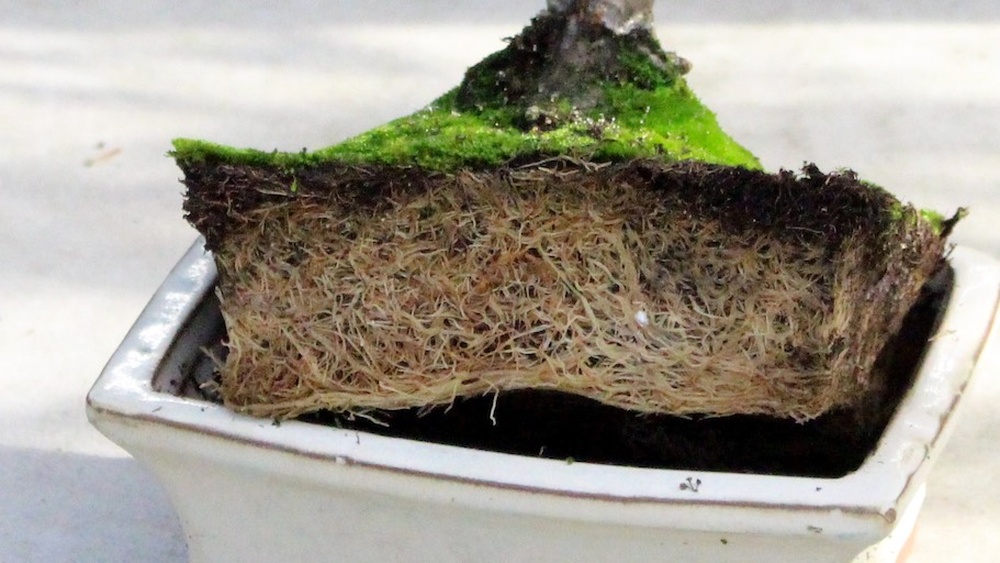
- Dry, Crumbly Soil: Suggests chronic underwatering. Roots in this condition may be shriveled or brittle.
- Soggy, Foul-Smelling Soil: Indicates root rot from overwatering. Healthy roots should be white or light tan and firm; black, mushy roots signal decay.
- Blackened Roots: Evidence of fungal infection or rot. Remove affected roots and repot in fresh substrate to prevent spread.
Tree Growth And Vigor
Assess overall tree health.
- Stunted Growth: Points to chronic stress or nutrient deficiency. If new shoots fail to elongate or leaves emerge abnormally small, systemic issues are likely.
- Leaf Drop: Severe stress, often from repotting shock or environmental extremes. Monitor for additional signs such as wilting, loss of leaf sheen, or delayed bud break.
Careful record-keeping of symptoms and interventions can greatly assist in accurate diagnosis and effective recovery.
Environmental Factors: How Surroundings Affect Leaf Health
The microclimate surrounding your bonsai has a profound impact on leaf condition. Japanese maples thrive in specific environmental niches.
Light Requirements And Placement
Japanese maple bonsai need careful positioning.
- Filtered Sunlight: Ideal for vibrant leaf color and minimal scorching. Dappled light beneath taller plants or a shade cloth offers the best results.
- Shade vs. Sun: Too much shade results in weak growth; excessive sun causes leaf burn. A balance is essential—aim for morning sun with afternoon shade, especially during hot months.
Anecdotal reports from bonsai forums highlight that trees placed on east-facing balconies or under patio covers consistently display healthier, more vibrant foliage than those in direct sun.
| Light Condition | Leaf Health Impact | Recommended Placement |
|---|---|---|
| Full Sun (All Day) | High risk of leaf burn and drying | Not recommended |
| Filtered Morning Sun | Optimal coloration, minimal stress | Best choice |
| Deep Shade | Leggy growth, dull leaf color | Avoid |
Humidity And Air Circulation
Maintaining proper humidity is essential.
- Ideal Humidity: 50%–70% is optimal for Japanese maples. Regular misting, pebble trays, or grouping plants together can help maintain these levels.
- Dry Indoor Air: Heaters and air conditioners rapidly lower humidity, stressing foliage. Consider placing your bonsai away from vents or using a room humidifier.
- Stagnant Air: Increases risk of fungal diseases; gentle airflow prevents problems. Outdoor placement in a well-ventilated, shaded area is often ideal.
Temperature Tolerance
Japanese maples are moderately hardy but sensitive to extremes.
- Optimal Range: 55–80°F (13–27°C). Prolonged exposure outside this range can inhibit growth and predispose the tree to leaf drying.
- Heat Waves: Temperatures above 90°F (32°C) can cause leaf scorch. Providing shade and increasing watering frequency during such periods helps mitigate stress.
- Frost: Exposure below 28°F (-2°C) damages leaves and roots. In climates with harsh winters, overwinter your bonsai in a cold frame or unheated garage to protect from frost.
Seasonal Changes
Leaf drying often coincides with seasonal transitions.
- Spring: Sensitive to late frosts. Protect trees with fleece covers if a cold snap is expected.
- Summer: High sun and heat increase water demand. Monitor closely for early signs of stress and adjust care as needed.
- Autumn: Natural leaf drop can be mistaken for drying due to stress. However, premature or uneven color change may indicate underlying issues.
Understanding local climate patterns and adjusting your care routine accordingly can prevent many common problems related to environmental factors.
Watering And Soil Management: The Foundation Of Healthy Foliage
Proper watering and soil care are the backbone of bonsai health. Mistakes in this area are a leading cause of leaf drying.
Establishing An Effective Watering Routine
Consistency is key.
- Check Soil Moisture: Insert a chopstick or moisture meter 1–2 inches deep; water when barely damp. For larger bonsai, check at multiple points around the root mass.
- Morning Watering: Reduces evaporation and fungal risk. Early watering also ensures that foliage dries quickly, reducing disease pressure.
- Deep Soak: Water thoroughly until it drains from the bottom, avoiding shallow watering. Incomplete watering encourages shallow root growth, making the tree more susceptible to drought.
Developing a routine that factors in seasonal changes, container size, and tree age will ensure better consistency and reduce the risk of water-related leaf drying.
Choosing The Right Soil Mix
A well-draining substrate supports robust root systems.
- Ideal Mix: 50% akadama, 25% pumice, 25% lava rock or bark. This blend promotes both aeration and moisture retention, crucial for healthy bonsai roots.
- Avoid Garden Soil: Too dense and retains excess water. Garden soil can also harbor pathogens and pests detrimental to bonsai health.
Regularly renewing the top layer of soil and removing any compacted material helps keep the substrate fresh and supportive of healthy growth.
| Soil Component | Drainage Quality | Role in Mix |
|---|---|---|
| Akadama | Good | Water retention, structure |
| Pumice | Excellent | Aeration, drainage |
| Lava Rock | Excellent | Drainage, mineral content |
Adjusting Watering With The Seasons
Watering needs vary throughout the year.
- Spring/Summer: Increased frequency due to higher transpiration. During heatwaves, check soil twice daily.
- Autumn: Gradual reduction as growth slows. Trees use less water as temperatures fall and daylight shortens.
- Winter: Minimal watering when dormant, but never let the soil fully dry. Dormant roots are still alive and require some moisture to prevent dehydration.
Preventing Water Stress
- Mulch with Moss: Helps retain surface moisture. Sphagnum moss is particularly effective and also adds aesthetic value.
- Use Humidity Trays: Elevates ambient humidity around the tree. Refill trays regularly to maintain consistent levels.
- Monitor Pot Size: Small pots dry faster; adjust watering accordingly. Consider slightly larger containers for trees in hot, dry climates.
Monitoring and adapting your watering habits as the tree’s needs change is a cornerstone of successful bonsai care.
Pest, Disease, And Nutrient Issues: Hidden Culprits Behind Leaf Drying
While environmental and watering issues are common, biological factors should not be overlooked.
Identifying And Treating Common Pests
- Aphids: Tiny green or black insects; treat with insecticidal soap or neem oil. Aphids often congregate on new growth and excrete sticky honeydew, leading to sooty mold.
- Spider Mites: Fine webbing and stippling; increase humidity and use miticides. Mites proliferate in hot, dry conditions—regular misting can help deter them.
- Scale Insects: Brown, shell-like bumps; remove manually and apply horticultural oil. Scale can be persistent—repeat treatments may be necessary.
Regular inspection of leaf undersides and branch joints is essential for early detection.
Recognizing Fungal And Bacterial Diseases
- Verticillium Wilt: Causes sudden wilting and branch dieback; no cure, but pruning affected areas may help. Disinfect tools between cuts to prevent spread.
- Powdery Mildew: White, powdery coating on leaves; treat with fungicides and improve air flow. Avoid overhead watering to minimize leaf wetness.
- Leaf Spot: Brown or black spots; remove affected leaves and avoid overhead watering. Disposing of fallen leaves and debris also reduces reinfection risk.
Managing Nutrient Deficiencies
Nutrient imbalances can mimic water stress.
- Nitrogen Deficiency: Uniform yellowing, poor growth. Use a balanced fertilizer formulated for bonsai to correct deficiencies.
- Potassium Deficiency: Edge browning, weak stems. Potassium is essential for cell strength and water regulation.
- Magnesium Deficiency: Interveinal yellowing. Epsom salts can be used as a supplement if magnesium deficiency is confirmed.
Regular fertilization with a balanced, slow-release bonsai fertilizer can prevent deficiencies (Royal Horticultural Society). Test your water and soil periodically, as excessive minerals or imbalances can impede nutrient uptake.
Soil Pathogen Prevention
- Sterilize Tools: Always use clean shears to prevent disease transmission.
- Repot on Schedule: Refresh soil every 2–3 years to avoid pathogen buildup. Discard old soil and rinse roots to remove any lingering spores or pests.
Integrated pest and disease management strategies, including biological controls and cultural practices, offer the best long-term protection.
Best Practices For Preventing Leaf Drying
Adopting a holistic approach ensures long-term foliage health and vibrancy.
Strategic Placement And Environmental Control
- Sheltered Location: Protect from harsh winds and midday sun. A north or east-facing position is ideal in most climates.
- Humidity Management: Use pebble trays or room humidifiers indoors. Regularly monitor humidity with a hygrometer.
- Monitor Microclimate: Adjust placement with seasonal changes. Consider moving trees outdoors in spring and summer, but bring indoors or provide extra shelter during extreme weather.
Optimal Watering And Feeding
- Routine Checks: Assess soil moisture daily in hot weather. Use a consistent schedule but remain flexible based on conditions.
- Balanced Fertilizer: Apply diluted feed monthly during growing season. Avoid high-nitrogen fertilizers, which can stimulate weak, water-demanding growth.
Proactive Pest And Disease Management
- Regular Inspection: Check under leaves and along stems weekly. Early intervention prevents major infestations.
- Quarantine New Plants: Prevent introducing pests to your collection. Isolate new acquisitions for two weeks before integrating.
Gentle Pruning And Repotting
- Prune Gradually: Avoid removing more than 20% of foliage at once. Use sharp, sterilized tools to minimize wound size and infection risk.
- Repot During Dormancy: Late winter or very early spring is best. Water sparingly after repotting until new growth appears.
Real-world Example: Restoring A Dried Bonsai
A bonsai enthusiast in California noticed his maple’s leaves were crisp and brown in midsummer. Investigation revealed the tree was receiving afternoon sun and the potting mix was slow-draining. By moving the tree to morning sun, switching to a well-draining mix, and misting daily, the bonsai recovered within weeks, producing healthy new leaves.
This highlights the value of adapting care routines based on observation and a willingness to experiment with solutions.
Troubleshooting And Recovery: Step-by-step Guide
When you notice leaf drying, prompt action can make the difference between recovery and decline.
Step 1: Assess The Damage
- Inspect all leaves, branches, soil, and roots. Note the presence of pests or signs of disease.
- Note the pattern, extent, and location of drying. Take photos to track progress.
Step 2: Identify The Cause
- Check watering schedule and soil moisture. Compare current conditions to optimal recommendations.
- Evaluate sunlight exposure and humidity. Use thermometers and hygrometers if needed.
- Look for signs of pests or disease. Use a magnifying glass for detailed inspection.
Step 3: Immediate Intervention
- Underwatered Trees: Soak the pot in water for 20–30 minutes. Allow excess water to drain fully.
- Overwatered Trees: Remove from pot, trim rotten roots, and repot in fresh soil. Reduce watering frequency.
- Pest Infestation: Isolate and treat with appropriate pesticide. Repeat treatments as needed for persistent pests.
- Fungal Disease: Prune affected leaves and apply fungicide. Increase air circulation to reduce recurrence.
Step 4: Adjust Care Regimen
- Modify watering frequency. Keep detailed notes and adjust gradually.
- Relocate tree to optimal light and humidity. Use shade cloths, humidity trays, or change room placement as needed.
- Begin a preventive feeding and inspection schedule. Use a calendar or bonsai journal for reminders.
Step 5: Monitor Recovery
- Watch for new growth and improved leaf texture. New buds and shoots are good signs of recovery.
- Maintain consistent care—avoid drastic changes. Stability encourages gradual improvement.
Case Study: Recovery Timeline
A hobbyist in the Pacific Northwest documented leaf drying after a heatwave. By increasing watering frequency, adding a humidity tray, and relocating the tree to filtered morning light, new leaf buds appeared within three weeks, and by six weeks, the tree had regained its full foliage.
This demonstrates the importance of timely, targeted interventions and patience during the recovery process.
Case Studies: Lessons From Experienced Growers
Case Study 1: The Impact Of Watering Frequency
A grower in New York reported severe leaf browning despite daily watering. Investigation revealed the soil was compacted, causing water to run off rather than penetrate. Switching to a porous mix and watering less frequently but more thoroughly resolved the issue.
This experience underscores the importance of soil structure in ensuring effective hydration.
Case Study 2: Over-fertilization Consequences
An enthusiast in Texas used high-strength fertilizer every two weeks. The result: leaf tip burn and premature drying. After flushing the soil and switching to a half-strength monthly regimen, the tree rebounded with lush, healthy leaves. This case highlights the dangers of overfeeding and the need for moderation in fertilizer application.
Case Study 3: Pest Infestation And Leaf Recovery
A bonsai club member in Oregon discovered spider mites after noticing stippled, dry leaves. Application of neem oil, increased humidity, and improved air flow eliminated the pests, and the maple produced vigorous new growth. Regular monitoring and integrated pest management proved essential for long-term health.
Data Table: Common Causes And Solutions
| Problem | Symptoms | Solution |
|---|---|---|
| Underwatering | Crispy, brown edges | Increase watering, check soil moisture |
| Overwatering | Yellowing, root rot | Improve drainage, reduce watering |
| Low Humidity | Leaf curl, browning | Use humidity trays, mist foliage |
| Pest Infestation | Spots, stippling | Apply insecticide, increase air flow |
| Fungal Disease | Powdery deposits, spots | Prune and treat with fungicide |
Advanced Tips For Long-term Japanese Maple Bonsai Health
Ensuring your tree’s long-term vitality requires a blend of advanced techniques and ongoing attention.
Seasonal Adjustments
- Winter Protection: Move bonsai to an unheated garage or cold frame to avoid frost damage. Use mulch or wrap pots to further insulate roots.
- Summer Cooling: Use shade cloth or relocate during heat waves. Light misting in the hottest part of the day can help, but avoid wetting leaves late in the day to prevent disease.
Soil And Repotting Innovations
- Incorporate Biochar: Enhances soil structure and beneficial microbes. This addition can improve both aeration and water retention, supporting resilient growth.
- Topdress with Sphagnum Moss: Maintains moisture without suffocating roots. Moss also stabilizes soil temperature and suppresses weeds.
Water Quality Matters
- Use Rainwater: Preferred over tap water, which may contain minerals that build up over time. Collect rainwater in barrels or buckets for best results.
- Avoid Hard Water: High calcium can cause leaf tip burn (Gardeners’ World). If only tap water is available, let it stand overnight to allow chlorine to evaporate.
Integrating Technology
- Moisture Meters: Provide accurate, real-time soil readings. This prevents over- or underwatering and supports consistent care.
- Humidity Sensors: Help maintain ideal microclimate. Pair with smart humidifiers for automated environmental control.
Collaboration And Community Learning
Engage with local bonsai clubs and online forums. Sharing experiences and solutions can accelerate problem-solving and enhance expertise (Bonsai Empire). Community input can provide invaluable tips tailored to your specific climate and conditions.
Frequently Asked Questions
What Are The Most Common Reasons For Japanese Maple Bonsai Leaves Drying Out?
The most frequent causes are improper watering, low humidity, excessive sunlight, and pest or disease issues. Each factor disrupts the tree’s moisture balance, leading to leaf desiccation. Diagnosing the specific cause requires observation of watering habits, environmental conditions, and signs of pests or disease.
How Can I Tell If My Bonsai’s Leaves Are Drying From Underwatering Or Overwatering?
Underwatered leaves tend to be crispy and brown at the edges, while overwatered trees often have limp, yellowing leaves and soggy soil. Checking the soil’s moisture level and the root condition is the best way to differentiate between the two.
Can Leaf Drying Be Reversed, Or Are The Affected Leaves Permanently Damaged?
Once leaves are fully dried and crispy, they will not recover. However, if the underlying issue is corrected promptly, new, healthy leaves will emerge during the next growth cycle. Remove dead leaves to encourage regrowth and prevent disease.
Should I Prune Dried Leaves Or Leave Them On The Tree?
It’s advisable to prune off dried leaves to improve appearance and reduce the risk of fungal infection. Use sterilized scissors and avoid removing more than 20% of the foliage at once to minimize stress.
How Often Should I Water My Japanese Maple Bonsai To Prevent Leaf Drying?
Watering frequency depends on season, pot size, soil type, and local climate. Generally, water when the top inch of soil is just damp, ensuring thorough saturation. In summer, this might mean daily watering; in winter, once every several days. Always check soil moisture before watering.
Caring for a Japanese maple bonsai is both an art and a science, requiring careful observation and responsiveness to the tree’s needs. By understanding the causes of leaf drying and implementing proven care strategies, you can ensure your bonsai remains healthy and beautiful for years to come. For further reading and expert advice, consult resources like the Wikipedia Bonsai page, the Encyclopedia Britannica, and the Royal Horticultural Society. With diligence and knowledge, you can troubleshoot and prevent leaf drying, allowing your Japanese maple bonsai to thrive and inspire.