How to Stratify Japanese Purple Maple Bonsai Seeds Easily
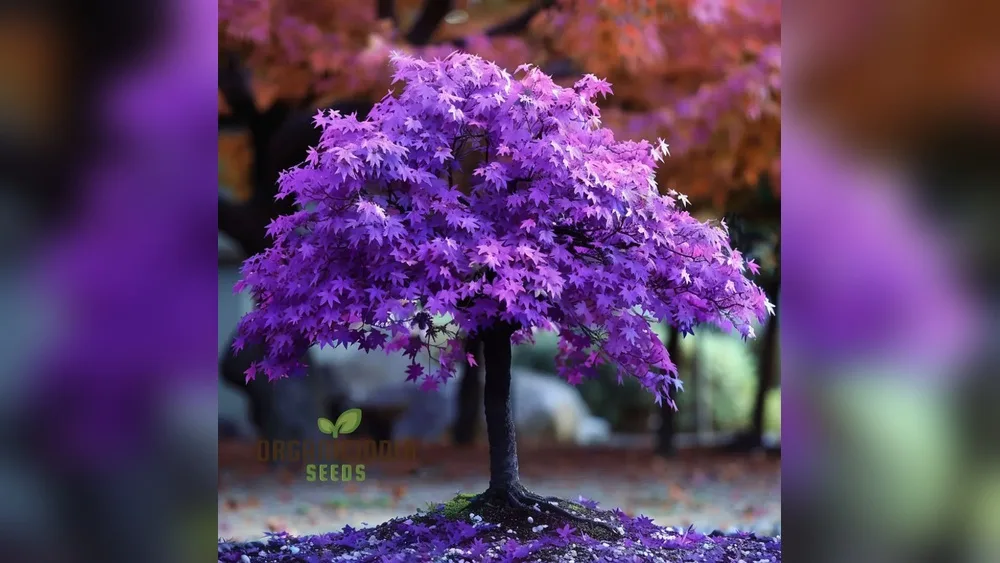
Japanese purple maple bonsai trees, with their vibrant foliage and elegant silhouette, have captured the admiration of bonsai enthusiasts worldwide. Cultivating these masterpieces from seed offers a unique sense of accomplishment and a deeper connection to the art. However, one essential but often misunderstood step in successfully growing Japanese purple maple bonsai is seed stratification. If you’ve struggled with low germination rates or slow seedling development, mastering this process can dramatically improve your results and unlock the full potential of your seeds.
In this comprehensive guide, you’ll discover how to stratify Japanese purple maple bonsai seeds easily, using proven techniques backed by science and expert experience. We’ll break down the biology behind stratification, demystify common mistakes, and provide actionable, step-by-step instructions. Whether you’re a beginner eager to start your first bonsai or a seasoned grower looking to refine your methods, this article will equip you with the knowledge and confidence to succeed.
Key Takeaways
- Stratification is essential for breaking dormancy in Japanese purple maple bonsai seeds and maximizing germination rates.
- Both cold moist stratification and alternative methods can be used, depending on your climate and available resources.
- Proper timing, moisture control, and sanitation are critical to avoid mold and ensure healthy seedling development.
- Real-world examples and data-driven comparisons highlight best practices and common pitfalls.
- Following a detailed, step-by-step process will dramatically improve your success with Japanese purple maple bonsai seeds.

Credit: helensgreenhouse.com
Understanding Japanese Purple Maple Bonsai Seeds
The Biology Of Dormancy
Japanese purple maple (Acer palmatum ‘Atropurpureum’) seeds naturally enter a state of dormancy after maturing on the tree. This adaptation ensures that seeds only germinate when conditions are favorable, typically after a cold winter. Dormancy is governed by internal hormones, most notably abscisic acid, which inhibits germination until environmental cues signal that it’s safe to grow.
Dormancy is a survival mechanism. In their native Japanese environment, seeds fall in autumn and are exposed to months of cold and moisture. This prolonged exposure is nature’s way of ensuring seedlings emerge in spring when temperatures rise and food resources are abundant.
The cold period is not merely a passive wait; it triggers a decline in abscisic acid levels and allows gibberellins, growth-promoting hormones, to accumulate, ultimately breaking dormancy.
Why Stratification Is Necessary
Stratification mimics the natural winter conditions that these seeds experience in their native habitat. Without stratification, the seeds often remain dormant, resulting in poor germination rates. Studies have shown that cold moist stratification can increase germination rates from as low as 10% to over 75% for Japanese maples (Journal of Plant Ecology).
In practical terms, stratification is a shortcut to nature’s timeline. In garden settings, skipping this step leads to disappointment, as seeds will frequently fail to sprout or will do so sporadically over several seasons. Bonsai growers, especially those with limited space and resources, benefit tremendously from predictable, high germination rates, which stratification makes possible.
Seed Structure And Viability
Japanese purple maple seeds are encased in a samara, a winged fruit. The actual seed is protected by a tough outer coat, which further enforces dormancy. Seed viability declines rapidly if not stored properly; ideally, seeds should be sown or stratified within six months of collection.
The samara is designed to catch the wind and spread seeds away from the parent tree, but it also serves as a protective barrier. When preparing seeds, it’s important to remove this wing to allow moisture to penetrate the seed coat.
Seeds stored in airtight containers and kept cool retain viability longer, but exposure to humidity or fluctuating temperatures accelerates deterioration.
Sourcing Quality Seeds
For optimal results, purchase seeds from reputable suppliers who specialize in bonsai or Japanese maples. Ensure the seeds are fresh, disease-free, and properly labeled as ‘Atropurpureum’ for true purple foliage. Avoid seeds that are shriveled, discolored, or stored in humid conditions.
When collecting seeds yourself, select from healthy, mature trees, ideally in late autumn when samaras are fully brown and dry. Proper cleaning and drying before storage will further preserve viability. Additionally, some advanced growers seek out seeds from trees that have demonstrated strong purple coloration and disease resistance, giving their bonsai projects a head start.
Credit: www.etsy.com
The Science And Methods Of Stratification
What Is Seed Stratification?
Seed stratification is the process of exposing seeds to cold, moist conditions for a specified period to break their dormancy. This process simulates the natural overwintering period that seeds would experience in the wild.
Stratification is more than simply chilling seeds. The combination of cold and moisture triggers a physiological change inside the seed, enabling it to absorb water, soften the seed coat, and initiate growth. The process is supported by decades of botanical research, confirming that Japanese maple seeds require this treatment to germinate predictably.
Key Steps In Stratification
- Hydration: Seeds are first soaked to absorb water and initiate metabolic processes.
- Cold Exposure: Seeds are kept at low temperatures (34–41°F or 1–5°C) for several weeks.
- Moisture Maintenance: The environment must remain humid but not soggy to prevent rotting.
Hydration is a critical first step, as it kickstarts metabolic activity within the dormant seed. Cold exposure slows metabolic processes but allows hormonal changes to occur, setting the stage for eventual germination. Maintaining the right moisture level is equally important; too much leads to rot, too little halts the stratification process.
Types Of Stratification
There are two main stratification methods for Japanese purple maple seeds:
- Cold Moist Stratification: The most common and reliable method, suitable for most climates.
- Warm Stratification (Pre-stratification): Sometimes used for especially dormant seeds, but typically not required for Japanese maples.
Cold moist stratification is the gold standard for Japanese maples. Warm stratification is occasionally recommended for seeds with exceptionally hard coats or for species with double dormancy, but Japanese purple maples rarely require it unless the seeds are unusually old or dry.
Duration And Temperature
Research suggests that 90–120 days of cold stratification at 36–41°F (2–5°C) yields the highest germination rates for Acer palmatum seeds (Botanical Gazette).
Experiments conducted by horticultural institutes indicate that stratification for less than 60 days results in erratic germination, while periods longer than 120 days can increase the risk of seed rot. Temperatures just above freezing allow the seeds to remain viable, while still triggering the necessary hormonal changes.
Stratification Duration Comparison Table
| Stratification Period | Germination Rate (%) | Seedling Vigor |
|---|---|---|
| 0 Days (No Stratification) | 5–15 | Poor |
| 60 Days | 30–45 | Moderate |
| 90 Days | 60–75 | Good |
| 120 Days | 75–85 | Excellent |
This table demonstrates why patience is rewarded: seeds stratified for 90–120 days not only germinate at higher rates but also produce more vigorous seedlings.
Common Pitfalls
- Over-stratification: Longer than 120 days may lead to seed rot.
- Excess moisture: Promotes fungal growth.
- Insufficient cold: Fails to break dormancy.
Another frequent mistake is starting with old or improperly stored seeds. Even perfect stratification cannot compensate for poor seed quality. For best results, always begin with the freshest seeds possible.
Key Materials Needed
- Japanese purple maple seeds
- Moisture-retentive medium (e.g., sphagnum moss, vermiculite, or sand)
- Resealable plastic bags or containers
- Refrigerator or cold frame
- Labels and markers
Advanced growers may add fungicidal treatments or use temperature loggers to monitor conditions, but these are optional for most hobbyists.
Step-by-step Guide: Stratifying Japanese Purple Maple Bonsai Seeds
Step 1: Preparing The Seeds
Cleaning And Inspecting
Begin by removing the samara wing and inspecting each seed for damage. Discard any seeds that are cracked, moldy, or discolored.
Careful inspection is vital; damaged seeds are unlikely to sprout and may contaminate the batch with mold. Some growers use a magnifying glass to check for hairline cracks or signs of pest activity.
Soaking
Place the seeds in a bowl of room-temperature water for 24 hours. This rehydrates the seed coat and prepares them for stratification. Seeds that float after soaking may be non-viable and should be discarded.
Some experts recommend adding a drop of dish soap to break surface tension, ensuring seeds are fully immersed. After soaking, rinse seeds with clean water to remove any residues.
Step 2: Selecting A Stratification Medium
Common media include:
- Moist sphagnum moss: Antimicrobial properties, good moisture retention.
- Vermiculite: Sterile, lightweight, easy to handle.
- Sand: Drains well, but less moisture retention.
Sphagnum moss is preferred by many bonsai growers due to its natural resistance to mold and ease of use. Vermiculite is excellent for those who wish to avoid organic materials. A mix of sand and vermiculite can provide balanced moisture and drainage.
The medium should be damp but not dripping. Squeeze out excess water before use.
Step 3: Packing The Seeds
Mix the seeds evenly with the stratification medium. For best results, maintain a 1:3 seed-to-medium ratio.
- Place the mixture in a labeled, resealable plastic bag.
- Squeeze out most of the air to prevent condensation.
- Label with seed type and start date.
For larger batches, use shallow containers with lids, ensuring the seeds are evenly spread and not overcrowded. Proper labeling prevents confusion and helps maintain accurate records.
Step 4: Cold Stratification
Place the bags in the vegetable drawer of your refrigerator, ideally at 36–41°F (2–5°C). Alternatively, use an unheated basement or cold frame if temperatures are stable.
Monitoring And Maintenance
- Check the bags every 2–3 weeks for mold or dryness.
- If mold appears, rinse seeds in a 10% hydrogen peroxide solution and replace the medium.
- If the medium dries out, lightly mist with distilled water.
Regular monitoring is essential. Mold is most likely to develop if the medium is too wet or if air circulation is poor. A light misting is preferable to pouring water, as it prevents over-saturation.
Step 5: Ending Stratification And Sowing
After 90–120 days, seeds should begin to show signs of germination (swelling, cracking, or tiny root emergence). At this point:
- Remove seeds from the refrigerator.
- Gently sow the seeds in a sterile seed-starting mix, about 1/4 inch deep.
- Place containers in a bright, warm location (65–75°F or 18–24°C).
- Keep the soil consistently moist but not soggy.
Some growers wait until the first root appears before sowing, while others plant immediately after stratification. Both methods can yield excellent results, provided care is taken to avoid damaging delicate emerging roots.
Example: Successful Stratification In A Home Refrigerator
Case Study: Mark, an amateur bonsai enthusiast from Oregon, purchased 100 Japanese purple maple seeds. He followed the above stratification process using moist sphagnum moss in resealable bags, stored in his refrigerator for 100 days. After sowing, he achieved a germination rate of 78%, with over 75 healthy seedlings—demonstrating the effectiveness of proper stratification.
Mark’s success was also attributed to his diligence in checking moisture levels and his use of sterile containers, which minimized mold and maximized seed viability.

Credit: www.organicindiaseeds.com
Alternative And Advanced Stratification Techniques
Outdoor (natural) Stratification
In regions with cold winters, seeds can be stratified outdoors:
- Sow seeds in a protected seed bed in late fall.
- Cover with a fine mesh to deter rodents.
- Allow nature to provide the cold and moisture.
Outdoor stratification is popular in traditional Japanese gardens. However, unpredictable weather and animal interference can reduce yields. To improve outcomes, some growers bury pots in the ground and cover with mulch.
Pros: Minimal effort, mimics natural conditions.
Cons: Risk of predation, temperature fluctuations, less control.
Cold Frame Stratification
A cold frame offers more control than open beds but still uses ambient outdoor temperatures. This method is ideal for those without spare refrigerator space.
- Place seeds in trays with moist medium.
- Store inside a cold frame from late fall to early spring.
Cold frames buffer seeds from extreme cold and keep them protected from wildlife. For best results, monitor internal temperatures and adjust ventilation as needed.
Artificial Stratification Chambers
For commercial growers or advanced hobbyists, temperature- and humidity-controlled chambers provide precise control over stratification conditions. These are especially useful for large seed batches or rare cultivars.
Artificial chambers are equipped with sensors and automated misting systems. While expensive, they offer unmatched consistency and are used by professional nurseries.
Warm Stratification Pre-treatment
Occasionally, especially hard-coated seeds benefit from a warm stratification phase (2–4 weeks at 68–77°F/20–25°C) before cold stratification. However, most Japanese purple maple seeds do not require this step.
Warm stratification can be tried if previous batches failed to germinate, particularly with older or unusually dry seeds. It encourages initial metabolic activity before the cold period.
Data Table: Stratification Methods Comparison
| Method | Control Level | Germination Rate | Risk | Best For |
|---|---|---|---|---|
| Refrigerator (Cold Moist) | High | 75–85% | Low | Home growers |
| Outdoor Bed | Low | 40–60% | Moderate | Large batches |
| Cold Frame | Moderate | 60–75% | Low | Small to medium batches |
| Artificial Chamber | Very High | 80–90% | Very Low | Commercial/advanced |
Real-world Example: Nursery Approach
A Japanese maple nursery in North Carolina utilizes large cold rooms for artificial stratification. By maintaining strict temperature and humidity control, they consistently achieve over 85% germination on 10,000+ seeds annually, reducing losses and maximizing production (NC State University).
Their approach includes weekly checks, automated misting, and annual reviews of germination rates to continually improve their process. For hobbyists, adopting even a few of these practices can significantly boost success.
Troubleshooting: Common Stratification And Germination Problems
Mold And Fungal Growth
Symptoms: Fuzzy, white or gray patches on seeds or medium.
Causes: Excess moisture, poor air circulation, contaminated medium.
Solutions:
- Rinse seeds in mild hydrogen peroxide or fungicide solution.
- Use sterile medium and containers.
- Ensure the medium is damp, not wet.
Prevention is easier than cure. Always use fresh, sterile materials and check regularly for early signs of mold. If mold persists, consider switching to vermiculite or adding a mild fungicide.
Seed Rot
Symptoms: Soft, mushy, discolored seeds.
Causes: Overly wet conditions, extended stratification periods.
Solutions:
- Monitor moisture levels carefully.
- Discard affected seeds promptly.
Rot is usually irreversible, so prevention is key. If rot is detected, salvage healthy seeds and adjust the moisture level for the remainder.
Low Or No Germination
Symptoms: Few or no seeds sprout after sowing.
Causes: Insufficient stratification time, old/non-viable seeds, temperature fluctuations.
Solutions:
- Extend stratification period if seeds remain firm and un-germinated.
- Source fresh, high-quality seeds.
- Double-check refrigerator temperature with a thermometer.
Sometimes, simply waiting an extra two to four weeks can trigger germination, especially for stubborn batches.
Seedling Damping-off
Symptoms: Seedlings collapse at soil level post-germination.
Causes: Fungal pathogens in soil, overwatering.
Solutions:
- Use sterile, well-draining seed mix.
- Water carefully; avoid splashing soil onto stems.
Damping-off is common in dense, humid environments. Increase airflow and remove affected seedlings promptly.
Example: Solving Mold Issues
Case Study: Susan, growing Japanese purple maple bonsai in New York, noticed mold in her seed bags after three weeks. She promptly rinsed the seeds in a hydrogen peroxide solution, replaced the medium with fresh, lightly damp sphagnum moss, and improved air circulation. Her intervention prevented further losses, and germination was unaffected.
Susan’s experience underscores the importance of regular checks and swift action. Keeping a log helped her track recurring issues and refine her process.
Post-stratification: Sowing And Early Care
Sowing Techniques
After stratification, sow seeds in small pots or trays filled with a sterile, well-draining seed-starting mix. Press seeds gently into the soil and cover with a thin layer (1/4 inch) of mix.
Use trays with drainage holes and avoid compacting the soil, as this restricts root growth. Some growers use individual cells to minimize root disturbance during transplanting.
Germination Environment
- Temperature: 65–75°F (18–24°C) is ideal.
- Light: Bright, indirect sunlight or grow lights for 12–16 hours/day.
- Humidity: Maintain moderate humidity; avoid waterlogging.
A humidity dome can help maintain moisture but should be removed once seedlings emerge to prevent fungal issues. Rotate trays to ensure even light exposure.
Watering
Keep the soil consistently moist but not saturated. Use a spray bottle to avoid disturbing the seeds.
Monitor soil daily; dry conditions can halt germination, while excess water encourages rot. Watering from the bottom is sometimes preferred to prevent splashing soil onto leaves.
Thinning And Transplanting
When seedlings develop two or more sets of true leaves, thin out weaker individuals to prevent overcrowding. Transplant robust seedlings into individual pots for further growth.
Early thinning ensures the strongest seedlings have room to thrive. Transplant with care, using a fork or chopstick to gently lift seedlings.
Early Bonsai Training
Begin gentle root pruning and wiring when seedlings are 6–12 months old. Early training sets the foundation for strong nebari (surface roots) and trunk movement.
Avoid aggressive pruning in the first year. Focus on establishing healthy roots and a sturdy trunk, shaping only as needed.
Table: Key Factors For Early Seedling Success
| Factor | Optimal Range | Impact on Growth |
|---|---|---|
| Temperature | 65–75°F (18–24°C) | Promotes even germination and growth |
| Light | 12–16 hrs/day | Prevents legginess, boosts vigor |
| Moisture | Consistently damp soil | Prevents drying out or rot |
| Airflow | Good ventilation | Reduces fungal disease |
Proper management of these factors is the difference between robust seedlings and disappointment.
Long-term Bonsai Seedling Care
Fertilization
Once seedlings are 6–8 weeks old, begin monthly feeding with a diluted, balanced fertilizer (e.g., 10-10-10 NPK). Over-fertilizing can cause leggy growth and root burn.
Use half-strength fertilizer for the first few months, switching to full strength only as seedlings mature. Organic options like fish emulsion or seaweed extract offer gentle nutrition.
Sunlight And Placement
Japanese purple maple bonsai seedlings thrive in bright, indirect light. Direct midday sun can scorch young leaves, especially during their first summer.
Rotate pots regularly to ensure even growth and avoid phototropic bending. Shade cloth can be used outdoors during intense summer heat.
Pest And Disease Management
Monitor for aphids, spider mites, and fungal diseases. Use organic controls and maintain good airflow to prevent outbreaks.
Inspect seedlings weekly. Remove affected leaves immediately and treat infestations with neem oil or insecticidal soap.
Acclimatization
Gradually introduce seedlings to outdoor conditions over 1–2 weeks in spring to harden them off before full sun exposure.
Start with a few hours of morning sun, increasing exposure daily. This process prevents shock and leaf burn.
Example: Year-one Growth Milestones
Case Study: Liam in California tracked his Japanese purple maple seedlings’ progress. By the end of their first year, 85% had survived, reaching 4–6 inches in height with healthy, deep purple leaves—testament to careful stratification and early care.
Liam’s record-keeping helped him adjust watering and fertilization, contributing to exceptional survival and growth rates.
Advanced Tips For Maximizing Germination And Seedling Health
Pre-treatments To Boost Germination
- Scarification: Gently nicking the seed coat can improve water uptake. Not always necessary for Japanese maples, but may help with older seeds.
- Gibberellic Acid Soak: A 24-hour soak in a 250 ppm gibberellic acid solution can stimulate stubborn seeds to germinate (ResearchGate).
Scarification can be performed with fine sandpaper or a nail file. Gibberellic acid is available from specialty garden suppliers and is particularly useful for seeds that have failed to germinate in previous attempts.
Disease Prevention
- Sterilize all pots, tools, and media before use.
- Use only distilled or rainwater if your tap water is high in chlorine or salts.
Sterilization reduces the risk of damping-off and other fungal issues. Rainwater is preferred for its purity and lack of chemicals.
Record-keeping
Maintain a stratification and germination log to track dates, temperatures, and outcomes. This data will help refine your techniques year after year.
Logs should include seed source, start and end dates, stratification method, and germination results. Over time, patterns emerge and improvements can be made.
Sourcing Elite Genetics
Consider purchasing seeds from award-winning bonsai nurseries or parent trees known for exceptional purple coloration. This increases the likelihood of producing visually stunning bonsai.
Elite genetics also offer improved resistance to disease and environmental stress, making your bonsai more resilient.
Community And Expert Resources
Connect with other growers on forums such as the Bonsai Nut Forum (Bonsai Nut Forum) or local bonsai clubs for advice and support.
Sharing experiences and troubleshooting with the bonsai community can accelerate your learning and help solve unusual problems.
Example: Using Gibberellic Acid
A small study by a UK bonsai group found that soaking Japanese maple seeds in gibberellic acid before cold stratification boosted germination from 70% to 88%, especially with older seed batches (Royal Horticultural Society).
This demonstrates the value of experimental approaches and the importance of adapting methods as needed.
Frequently Asked Questions
What Is The Ideal Temperature For Stratifying Japanese Purple Maple Seeds?
The optimal temperature range is 36–41°F (2–5°C). This can be easily achieved in a standard household refrigerator’s vegetable drawer. Temperatures above 45°F (7°C) may not fully break dormancy, while freezing temperatures can damage seed viability.
How Long Should I Stratify Japanese Purple Maple Bonsai Seeds?
A period of 90–120 days is recommended for most seeds. Shorter stratification (60 days or less) may result in low germination, while exceeding 120 days increases the risk of rot. Mark your calendar when you start the process to ensure proper timing.
Can I Plant Japanese Purple Maple Seeds Without Stratification?
While technically possible, germination rates will be extremely low (often below 10%). Stratification is essential to break natural dormancy and ensure robust, healthy seedlings.
What Should I Do If Mold Appears During Stratification?
Immediately remove the affected seeds, rinse them in a mild hydrogen peroxide solution, and replace the medium with fresh, sterile material. Mold is usually caused by excess moisture or contaminated media; adjusting these factors will reduce future issues.
Where Can I Find More Detailed Resources On Japanese Maple Bonsai?
Authoritative resources include the American Bonsai Society (American Bonsai Society), Wikipedia’s Acer palmatum page (Wikipedia), and specialist books such as “Japanese Maples” by J.D. Vertrees. Online forums and local clubs are also invaluable for hands-on advice.
Growing Japanese purple maple bonsai from seed is a deeply rewarding journey, blending horticultural science with artistic vision. By understanding and mastering the stratification process, you unlock the full potential of your seeds and set the stage for years of bonsai enjoyment.
Whether you’re seeking to cultivate a forest of vibrant purple maples or nurture a single masterpiece, a disciplined approach to stratification and early care will yield healthy, vigorous seedlings. Stay patient, keep learning, and your efforts will be rewarded with breathtaking bonsai for generations to come.