How to Keep Bonsai Roots From Circling in the Pot
To keep bonsai roots from circling, repot into a shallow pot that allows radial root spread, prune long circling roots back to outward-facing laterals, and set the trunk so the root flare sits above the soil line. Skip that step, and the tree can build a tight root ring that weakens water uptake and makes the next repotting harder. This guide shows the pot setup, root-pruning pattern, and aftercare that keep new roots growing outward from day one.
How bonsai roots start circling


Circling roots usually begin when a root hits the pot wall, turns, and keeps following the container edge. Healthy radial roots spread outward from the trunk base. Girdling roots are different. They cross over or press into other roots or the trunk base, and they can restrict swelling and flow.
Why shallow pots make it worse
Shallow pots are part of bonsai design, but they leave less room for root spread. That raises congestion risk, especially in fast-growing species. Pot width, depth, and drainage-hole layout all matter. Wide shallow pots encourage lateral spread, while cramped or poorly drained containers push roots into circles and mats.
When circling becomes rootbound
Rootbound signs show up above and below the soil. Look for roots wrapping the pot wall, water running straight through or lingering oddly in pockets, and slower top growth. A tree can still be alive and rootbound at the same time, but the longer it stays packed, the more vigor it loses.
What you’ll need
- Training pot or bonsai container with drainage holes
- Root rake or chopstick
- Sharp root scissors or shears, disinfected before use
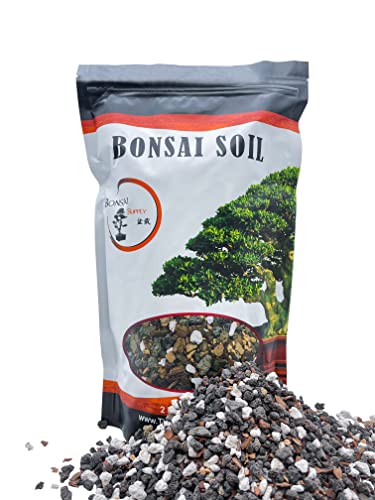
- Well-draining bonsai soil with particle structure
- Anchor wires or tie-downs for the drainage holes
- Mesh or hole covers if the drainage holes are large
- Watering can or hose with a gentle rose
How to repot bonsai to stop circling roots
- Choose the right pot. Pick a container with open drainage holes and enough width for radial root placement. Shallow pots are standard for bonsai, but very shallow, narrow, or poorly drilled containers increase congestion and make circling more likely.
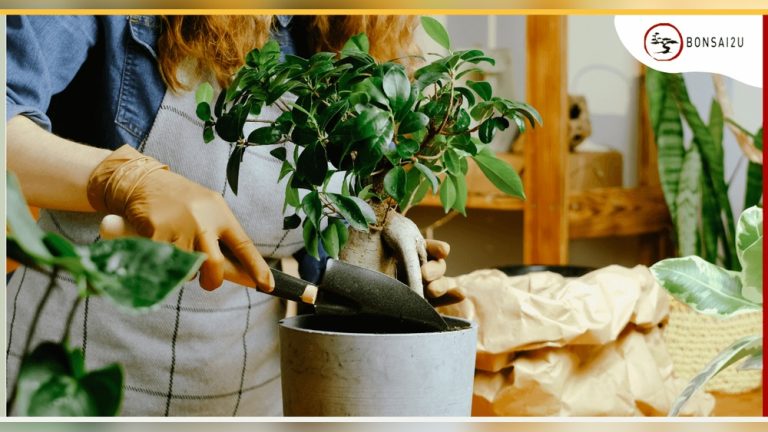
- Remove the tree carefully. Slide the root ball out and loosen compacted soil with a root rake or chopstick. Work from the outer edge inward so you can see which roots are circling, which are radial, and which are girdling the base.
- Sort roots by pattern. Keep outward-facing roots that support a radial flare. Cut roots that loop around the pot wall, cross the trunk base, or form dense mats with no outward direction. Use sharp shears so the cut is clean rather than crushed.
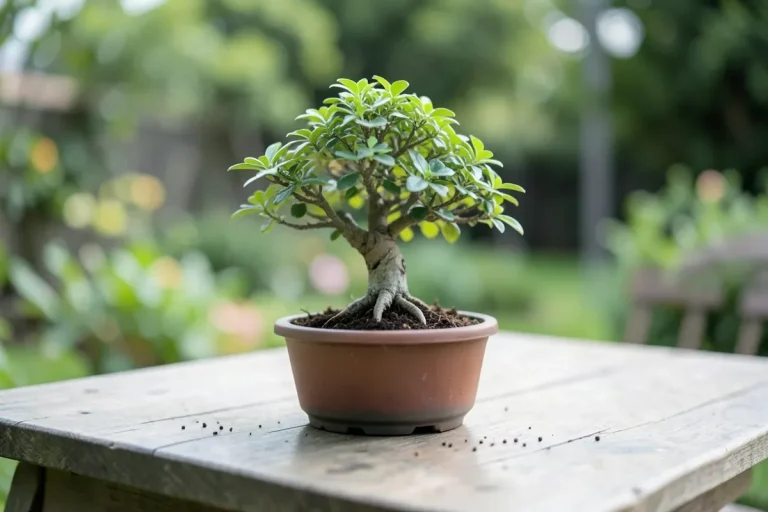
- Set the flare above soil. Position the trunk so the root flare, or nebari, sits just above the finished soil line. Spread the surviving roots evenly like spokes, then add soil in 1-2 cm increments and tap the pot to settle it before adding more.
- Anchor the tree firmly. Thread tie-down wires through the drainage holes and tighten them enough to keep the tree from moving. New roots break easily if the tree rocks after repotting, so stability is part of root pruning, not an optional extra.
- Water through completely. Water until the runoff runs clear and the root zone is fully wetted. Then place the tree in bright shade and monitor moisture closely for the first week, because heavy root work can cause both dehydration and rot if watering is off.
What kind of pot helps prevent bonsai roots from circling?
A pot with drainage holes, stable side walls, and enough width for root spread does the most work. Material matters too. Unglazed clay dries faster than plastic, so it can reduce saturation in wet climates, while plastic holds moisture longer. Either way, shallow cramped pots increase root congestion risk.
What soil and pot setup reduces root circling in bonsai?
Use a free-draining bonsai mix rather than garden soil. Choose a mix with graded particles, such as pumice, akadama, or lava, so air stays in the root zone and fine roots branch instead of matting. Pair that with a container that drains freely and accepts tie-downs through the holes, so the tree stays fixed while new roots grow outward.
How much root pruning is safe?
The safe amount depends on vigor, species, and how recently the tree was repotted. A strong deciduous tree can usually handle more root reduction than a slower conifer or a stressed tropical. As a rule, prune only as much as needed to remove circling and matted roots while keeping a healthy radial base.
Match pruning to tree vigor
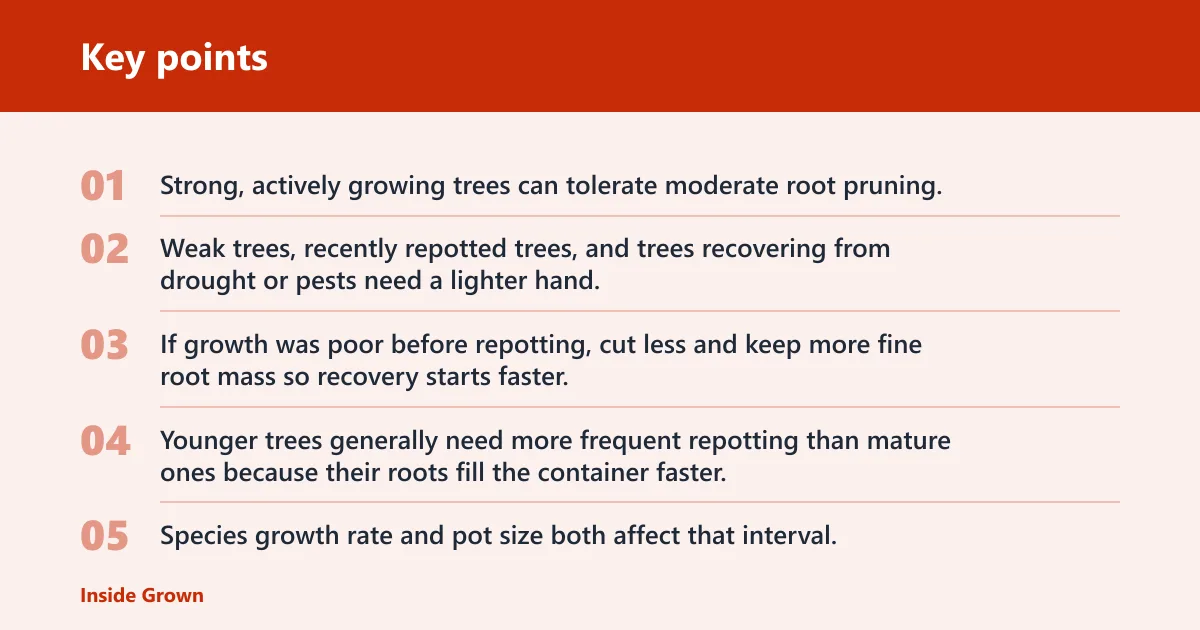
Strong, actively growing trees can tolerate moderate root pruning. Weak trees, recently repotted trees, and trees recovering from drought or pests need a lighter hand. If growth was poor before repotting, cut less and keep more fine root mass so recovery starts faster.
Adjust for species and age
Fast-rooting deciduous trees may need repotting every 1-2 years, while many mature trees of slower species can often go about 2-3 years. Younger trees generally need more frequent repotting than mature ones because their roots fill the container faster. Species growth rate and pot size both affect that interval.
Say your elm has a thick mat on the pot wall but healthy buds and strong last-season growth. You can remove the outer circle and open the base, then leave enough fine roots to keep the tree stable. A weak pine with sparse needles needs a lighter cleanup and a smaller cut list.
Keep the root flare radial
Radial structure matters more than raw root count. Remove roots that spoil the flare, then keep outward-aiming roots that support the nebari. If a heavy root line is circling just under the soil surface, cut it back to an outward lateral rather than leaving a full ring in place.
How do I keep bonsai roots from circling in the pot?
Start by repotting on the species schedule, then comb the root ball outward, remove circling and girdling roots, and anchor the tree so it cannot shift. The main goal is to give every new root a path away from the trunk, not around the container edge.
- Repot on schedule. Plan repotting every 1-3 years, with younger trees usually on the shorter end of that range. Waiting too long lets the root mass pack tightly and makes correction harder.
- Comb roots outward. Use a rake or chopstick to tease roots away from the base. If the root ball is wet and dense, work gently to avoid tearing fine roots that are still feeding the tree.
- Cut to laterals. Shorten long circling roots back to an outward-facing branch of root tissue. That tells the tree to rebuild outward growth instead of extending the circle.
- Repack and secure. Fill voids with bonsai soil in 1-2 cm layers, then tighten the tie-downs. Recheck stability before watering so the root ball does not shift and break fresh cuts.
Root pruning checklist
| Root pattern | What it looks like | What to do | How hard to prune |
|---|---|---|---|
| Healthy radial roots | Roots radiate from the trunk like spokes | Keep them, spread them evenly, and backfill soil around them | Minimal trimming; only shorten damaged tips |
| Circling roots | Roots run around the pot wall in a loop | Cut back to an outward-facing lateral or remove the loop | Moderate if the tree is vigorous; light if weak or recently repotted |
| Girdling roots | Roots cross and press into the trunk base or other roots | Remove the crossing root if it threatens the flare | Usually more selective than circling-root removal |
| Matted roots | Dense felt-like mass with few visible directions | Comb out the outer mat and thin it enough to restore spacing | Conservative on conifers and stressed trees |
Decision table
| Tree condition | Likely action | Pruning target | Recovery note |
|---|---|---|---|
| Strong growth, many roots at the pot wall | Repot now and correct the outer ring | Remove the circling edge and preserve radial laterals | Monitor moisture daily for 7 days |
| Moderate vigor, some matted roots | Open the ball and thin the mat | Keep more fine roots near the trunk | Use shade and no top pruning |
| Weak growth or recent repotting | Reduce only obvious problems | Light cleanup, not a full reset | Water carefully; avoid saturation |
Common mistakes
Cutting too much root at once is the fastest way to stall recovery. So is leaving the tree loose in the pot, where motion tears new roots before they anchor. Heavy top pruning right after root work is another problem, because the tree needs leaf area to rebuild energy.
A common first-timer mistake is using garden soil because it looks simpler. That usually holds too much water and compacts around the root ball, which keeps roots circling. Another mistake is watering on a fixed schedule instead of checking the mix. Newly pruned roots can rot in soggy soil or dry out if the tree is left too dry.
If that didn’t work
- Check moisture by feel. Insert a chopstick about 2-3 cm into the soil and inspect it after a few minutes. If it comes out wet and dark for days after repotting, reduce watering frequency; if it dries in hours, shade the tree and water more carefully.
- Inspect for movement. Gently rock the trunk at the soil line. Any shift means the tie-downs need tightening through the drainage holes, because loose roots can break before they reestablish.
- Reduce exposure. Move the tree to bright shade for recovery and delay heavy top growth work. If the species is weak or the root reduction was heavy, give it more protected recovery time before any styling cut.
Repot before the root mass becomes a hard ring, not after it fills every gap. That timing keeps the base radial and makes each later repotting less disruptive.
Frequently asked questions
How do I know when my bonsai is rootbound?
Lift the tree from the pot and look for roots circling the wall, packed felt-like roots with few gaps, and a base that holds the soil in a single mass. Above the soil, slower growth and reduced vigor are common signs that the container is full and the roots need correction.
Should I prune circling roots when repotting a bonsai?
Yes. Cut circling roots back to outward-facing laterals when possible, and remove roots that loop around the pot wall or threaten the trunk base. The goal is a radial root flare, not a tidy circle left in place under new soil.
How often should a bonsai be repotted to prevent root binding?
A common rule of thumb is every 1-3 years, depending on species, age, and pot size. Younger trees usually need repotting more often than mature trees because their roots fill the container faster. Fast-growing deciduous trees are often on the shorter end of that range.
How much root pruning is safe on a bonsai tree?
Keep the cut tied to vigor. Strong trees can handle moderate root reduction, but weak or recently repotted trees should get a lighter pass that preserves more fine roots. If in doubt, remove only the circling and girdling roots first and leave the rest for the next repotting.
How do I keep a bonsai tree alive after root pruning?
Water thoroughly once, then check moisture often for the next week instead of following a rigid schedule. Keep the tree in recovery shade, secure it so it cannot move, and avoid heavy top pruning until new roots have settled. Those steps reduce both drought stress and rot.