What Is The Lowest Temperature A Narifolia Bonsai Can Tolerate?
Understanding the lowest temperature a narifolia bonsai can tolerate is key to its survival. This guide will help you protect your plant and keep it healthy through cooler months, covering its specific cold hardiness and essential winter care practices for American homes.
Understanding Narifolia Bonsai Cold Tolerance
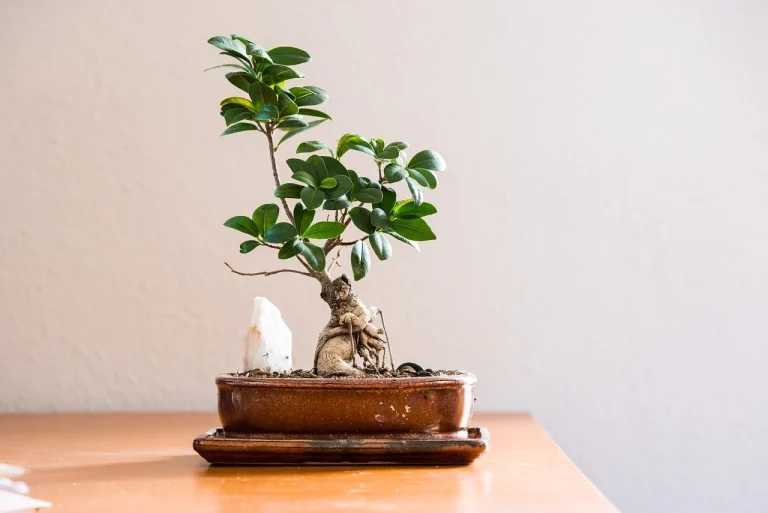
The narifolia bonsai, often known by its scientific name Ficus microcarpa ‘Narifolia’ or its common names like Ficus ‘Shindore’ or Willow Leaf Ficus, is a type of ficus. Ficus trees, in general, are tropical to subtropical plants. This means they prefer warmth and are not naturally adapted to freezing temperatures.
Narifolia ficus trees are generally considered to be one of the more cold-tolerant ficus varieties. However, “cold-tolerant” in this context is relative. They can handle cooler conditions than some other tropical plants, but they still have limits.
When we talk about temperature limits for plants, we often look at hardiness zones. However, for container-grown plants like bonsai, these zones are less about the plant surviving outdoors year-round and more about general hardiness. Narifolia bonsai are typically rated for USDA Hardiness Zones 10 and 11.
This means that in these zones, they might survive brief periods of light frost outdoors. But even then, it’s risky. For most of the United States, especially areas with regular winter freezes, narifolia bonsai must be brought indoors well before temperatures drop to near freezing.
So, what is the lowest temperature they can tolerate? For brief, very short durations, some sources suggest they might survive temperatures down to around 40-45°F (4-7°C). However, this is pushing it and can cause stress and damage.
Prolonged exposure to temperatures below 50°F (10°C) can begin to weaken the plant. Temperatures dipping into the 30s°F (-1 to 4°C) are very dangerous. Freezing temperatures, 32°F (0°C) and below, will likely cause significant damage or kill the plant, especially if it’s prolonged.
The key here is prolonged exposure. A fleeting dip might not be fatal, but a steady chill will take its toll. The roots are particularly vulnerable in a pot because they are exposed and don’t have the insulation of the ground.
My Own Narifolia Scare
I remember one particularly brutal autumn a few years back. I live in an area that usually has mild winters, but this year, the cold snap came early and hard. I’d gotten a beautiful narifolia bonsai that spring, and I was so proud of it. It had these lovely, glossy leaves and was thriving on my sunny patio.
I’d been watching the weather forecast, but I got a little complacent. I thought, “Oh, it’s only going to be a few days in the high 40s, low 50s. It’ll be fine.” I was wrong. One evening, I forgot to bring it inside. I went to bed with the temperature still mild, but I woke up before dawn to a truly shocking chill. The wind was biting, and I could see frost forming on the patio furniture.
My heart sank. I rushed out to my narifolia. The leaves looked a little droopy, and some of the tips seemed to have a slightly darker, almost water-soaked appearance. I felt a pang of panic. I quickly brought it inside, placing it in a warm, bright spot away from drafts.
Over the next week, I watched it anxiously. Some leaves turned yellow and dropped. A few of the smaller branches looked like they had died back. It was a harsh lesson. That brief exposure to temperatures likely around 40°F (4°C) for several hours had definitely stressed my narifolia. It took a good couple of months for it to recover its full lushness. It taught me that even “mild” cold can be serious for these tropical beauties.
The Science Behind Cold Damage
Plants like the narifolia bonsai are adapted to warm climates. Their cells have a high water content. When temperatures drop significantly, this water can freeze. Freezing water expands. This expansion can rupture cell walls, causing physical damage to the plant tissues.
This damage is why you see wilting, browning, or blackening of leaves and stems after a cold spell. It’s the plant’s way of showing you where the cells have been broken.
Beyond freezing, cold temperatures can also affect a plant’s metabolic processes. Tropical plants have enzymes and biological functions optimized for warmth. When it gets cold, these processes slow down. This makes it harder for the plant to absorb nutrients, photosynthesize, and generally stay healthy.
Even if the temperature doesn’t quite freeze, prolonged exposure to cool, damp conditions can make the plant susceptible to fungal diseases. The roots, being in a pot, are especially vulnerable. They can’t draw warmth from the soil mass like they would in a garden bed.
Infographic Style: Narifolia Cold Sensitivity Levels
Narifolia Bonsai: What’s Too Cold?
Ideal Temperature Range: 65-80°F (18-27°C)
Cool but Tolerable (Short-term): 50-60°F (10-15°C). Monitor closely. Plant may show signs of stress.
Dangerous Zone: 40-49°F (4-9°C). High risk of damage. Bring indoors immediately.
Freezing Risk: 32-39°F (0-3°C). Severe damage or death likely.
Absolute Freeze: Below 32°F (0°C). Fatal.
Real-World Scenarios for Narifolia Bonsai
Where and how you keep your narifolia bonsai matters greatly when it comes to cold.
Indoors vs. Outdoors: The biggest factor is whether your bonsai is kept indoors or outdoors. In USDA Zones 10-11, a narifolia might spend its life outdoors year-round if protected from the harshest frost. For most of the US, this isn’t an option. They are primarily indoor bonsai during the colder months.
Drafts and Temperature Fluctuations: Even indoors, location is important. A narifolia placed too close to a drafty window or door can experience sudden temperature drops. Similarly, placing it near a heat vent can cause dry air and sudden heat, which is also stressful, though less immediately damaging than cold. The goal is stable, moderate temperatures.
Pot Size and Insulation: Smaller pots dry out faster and their roots are less insulated. A tiny pot sitting on a cold windowsill can chill through very quickly. A larger pot offers a bit more buffer. However, the biggest protection comes from bringing the plant to a consistently warmer indoor environment.
Root System Vulnerability: The roots are the most sensitive part. In a pot, they are much more exposed to cold than a tree’s roots in the ground. If the soil in the pot freezes, the roots are likely to be severely damaged or die.
Environmental Differences: What might be fine for a narifolia in a humid apartment in Florida will be different for one in a dry house in Colorado. Humidity levels and air circulation play a role in how well a plant withstands temperature changes.
What This Means for You
So, what’s the practical takeaway for you and your narifolia bonsai?
Know Your Zone: The first step is to know your USDA Hardiness Zone. If you’re in Zone 10 or 11, you have more flexibility, but even then, vigilance is needed. For most people, the narifolia is an indoor plant for a good portion of the year.
Watch the Forecast Religiously: Don’t wait for frost warnings. Start watching the extended forecast as soon as autumn begins. Many people make the mistake of thinking “it’s not that cold yet.” If temperatures are predicted to dip into the 50s°F (10-15°C) consistently, it’s time to think about bringing your bonsai inside. If it’s going to touch the 40s°F (4-9°C), bring it in immediately.
Observe Your Plant: Learn to read your bonsai. Droopy leaves, discolored tips, or a general loss of vibrancy are signs of stress, and cold can be a major stressor. If you see these signs after a cool spell, it’s a clear indication that the temperature was too low.
The “When in Doubt, Bring it In” Rule: This is the golden rule for narifolia bonsai. If you’re unsure whether it’s safe to leave your bonsai outside, it’s always better to err on the side of caution. A few weeks or months indoors won’t harm it, especially if you provide good light.
Quick Fixes & Tips for Cold Protection
While the best “fix” is prevention by bringing your narifolia indoors, here are some tips if you’re caught in a tricky situation or live in a borderline zone:
- Bring it Indoors: This is the most reliable method. Find a bright spot away from heat sources and drafts.
- Insulate the Pot: If you must leave it out for a short, very cold period (e.g., overnight in the high 40s), you can try wrapping the pot in burlap, bubble wrap, or even tucking it into a larger, insulated container. This helps slow down root chilling.
- Group Plants: Clustering several plants together can create a slightly warmer microclimate.
- Mulch Heavily: Adding a thick layer of mulch (like straw or shredded bark) around the pot can offer some insulation.
- Utilize Structures: Placing the bonsai near the sheltered side of your house, under an overhang, or in an unheated garage (if temperatures don’t drop below 40°F) can offer protection.
These are temporary solutions and not substitutes for proper winter care, which for most narifolia bonsai means indoor living during cold months.

Frequent Questions About Narifolia Bonsai Cold Tolerance
Can my narifolia bonsai survive a light frost?
While some sources suggest narifolia bonsai might tolerate brief, light frosts (temperatures just below 32°F or 0°C), it is highly risky. Frost can damage leaves and stems, and prolonged exposure can be fatal, especially to the roots. It’s best to avoid frost altogether.
What are the signs my narifolia bonsai is suffering from cold?
Signs include wilting leaves, drooping, yellowing or browning leaf tips, black spots on leaves, or entire leaves falling off. Stems might also appear limp or discolored. If the soil is frozen, the roots are likely damaged.
How cold is too cold for a narifolia bonsai in a pot?
Temperatures consistently below 50°F (10°C) are stressful. Once it drops into the 40s°F (4-9°C), there’s a high risk of damage. Freezing temperatures (32°F or 0°C and below) are generally fatal for the roots and potentially the whole plant.
Should I water my narifolia bonsai less in colder weather?
Yes, generally. As temperatures drop and growth slows, the plant needs less water. Overwatering in cool conditions is a common way to invite root rot.
Check the soil moisture regularly, and water only when the top inch or so feels dry. Ensure good drainage.
What kind of light does my narifolia bonsai need indoors during winter?
Narifolia bonsai need bright light. If you don’t have a naturally sunny window that gets at least 6 hours of direct or bright indirect light, consider using a grow light. This is crucial for maintaining their health when they can’t photosynthesize outdoors.
Can I use a greenhouse to protect my narifolia bonsai?
Yes, a heated or unheated greenhouse can be an excellent option if it can maintain temperatures above the danger zone. An unheated greenhouse might offer protection from wind and light frost but could still drop too low on very cold nights, requiring supplemental heating.
Conclusion
Protecting your narifolia bonsai from the cold is all about understanding its tropical origins. It thrives in warmth and simply cannot handle freezing temperatures or even prolonged chill. By being proactive, watching the weather closely, and knowing when to bring your bonsai indoors, you can ensure it weathers the cooler seasons safely and emerges strong and vibrant for the next growing period. It’s a little extra effort, but seeing that beautiful little tree flourish is absolutely worth it.