How to Remove Wire Marks From a Bonsai Trunk
Remove wire marks from a bonsai trunk by first checking whether the groove is shallow, firm, and still healing. If the bark is split or the mark girdles more than about one-third of the trunk, stop and change the design instead of cutting deeper. That “one-third affected” point is a rule of thumb, not a hard cutoff, and the safest fix depends on bark condition, species, and how fast the tree is growing.
What wire marks look like and how to identify them
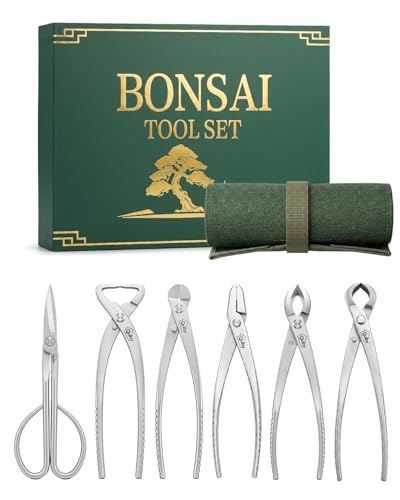
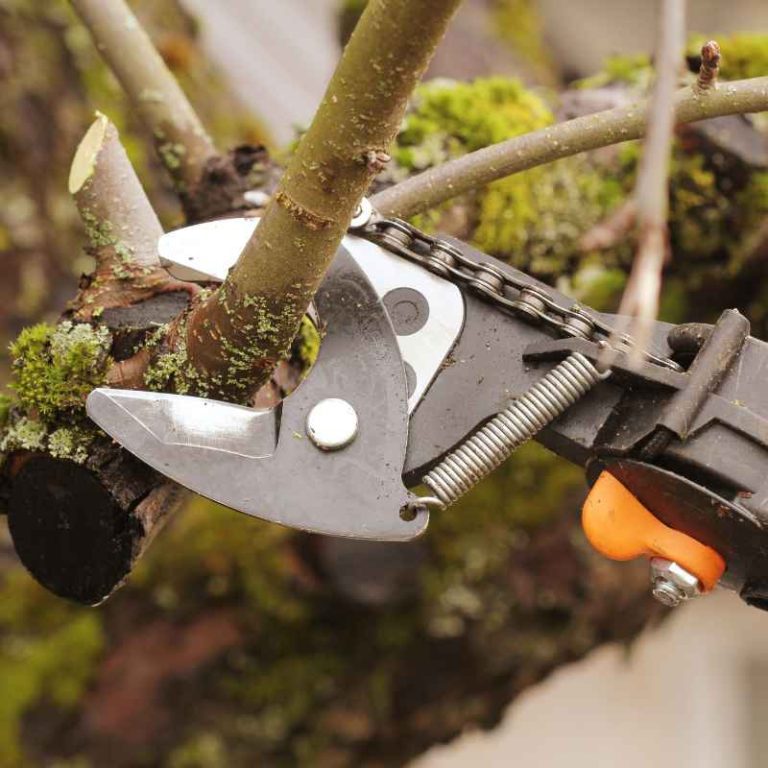
- Includes concave cutter for precise wire-mark removal
- Wire cutter and jin pliers for trunk adjustments
- Durable stainless steel resists corrosion
Wire marks usually mean the wire stayed on too long, the branch thickened faster than expected, or both. Bonsai wire should shape the branch and then come off before it bites in. Extension growth can begin to mark bark in roughly 2 to 4 weeks on vigorous trees, so the timing of checks matters as much as the original bend.
Thin bark shows damage quickly. Rough bark can hide the mark for a while, but it can still keep a permanent groove under the surface. The timing also varies by species class: deciduous trees are typically wired in late winter or early spring before budbreak, conifers are often wired in dormant periods, and tropicals are usually wired during active warm growth with closer monitoring, as reflected in bonsai society guidance and standard horticulture practice.
Compression mark
A compression mark is a shallow ridge or groove where the wire pressed into the bark but did not break it open. If the bark still feels intact and the tissue around it is firm, the best first move is often to remove the wire and let growth fill the line back in. The choose the right bonsai wire gauge principle matters here because wire that is too thin can fail, while wire that is too heavy can leave avoidable pressure.
Bark cut
A bark cut means the wire has broken the outer bark and made a visible trench. If the cut is shallow and the inner tissue still looks alive, the tree may bridge it with callus over time. Do not deepen the cut trying to “clean” it; wound care is species- and climate-dependent, and many bonsai references caution against unnecessary scraping, sanding, or overhandling of fresh wounds.
Open wound
An open wound is more serious. If the bark is split, peeling, or the mark wraps far around the trunk, recovery becomes slower and less certain. If more than about one-third of the trunk is affected, redesign is often safer than trying to erase the scar, especially when the cambium is exposed or the tree is already under stress.
What tools do you need to remove wire marks safely?
You only need a few tools to remove wire without worsening the scar: fine cutters, something to lift tight ends, a soft brush, and stable aftercare conditions. The goal is to cut the wire in sections rather than unwind it, then protect the bark so the wound can stabilize without extra tearing or root stress.
- Fine cutters for snipping wire
- Tweezers or pliers for lifting tight ends
- Clean water spray for keeping bark from drying out
- Raffia or soft padding for later protection on sensitive bends
- Optional wound sealant for open cuts on species that benefit from it
- Soft brush for clearing debris from the groove
- Bright shade or shade cloth for recovery aftercare
Can wire marks on a bonsai trunk heal completely?
Sometimes, yes, but not always. A light indentation may fade as the trunk swells, especially on vigorous trees. A bark cut may close partly with callus if the cambium is still alive. An old groove on thin bark or a slow-growing species may remain visible for years, or for the life of the tree.
Species matters. Deciduous trees often show the mark most clearly but can also recover cleanly from minor injuries when growth resumes. Conifers tend to hold scars longer, while tropicals can grow fast enough to bite wire in quickly. The key is distinguishing branch-setting time from bite-in risk: a wire may hold the branch in shape long before it becomes safe to leave in place.
How should you read the wire scar recovery table
Use the table below to judge severity, whether the bark is intact or the cambium is exposed, and whether swelling might erase the mark. The most important question is not just how deep the line looks today, but whether the tree still has enough live tissue to bridge the wound and whether the design can absorb a scar if it cannot.
| Scar type | Likely severity | Bark / cambium status | Can swelling erase it? | Wound care signal | Immediate action | Expected outcome timeline |
|---|---|---|---|---|---|---|
| Light indentation | Low; bark intact | Bark compressed, cambium usually intact | Often yes, if growth is steady | Usually leave open; sealant is rarely needed unless the bark cracks in dry or windy conditions | Remove wire, protect from sun, keep growth steady | Weeks to months, depending on growth rate |
| Bark cut but cambium intact | Moderate; tissue injured | Outer bark split, live tissue still present | Sometimes, if the trunk thickens evenly | Species-dependent; some trees do better with a thin protective seal, while others heal cleaner left open in suitable weather | Remove wire, keep the wound clean, avoid extra bending | Months to a year for visible improvement |
| Open wound with callus potential | High; structural damage is present | Cambium exposed or bark missing in part | Limited; swelling may soften the edge but rarely removes the line completely | Seal only when the species, climate, and wound size favor it; otherwise leave open and dry, clean, and protected from secondary tearing | Stop further pressure, support healing, consider sealing if suited to species | One to several years for partial closure |
| Old permanent groove | Very high; bark loss is fixed | Historic scar; live tissue may be mostly re-routed around it | Usually no, or only partly | Sealant is usually not the fix; the better decision is design management | Accept the line, hide it in design, or redesign the trunk | Years, or no full removal |
Species notes: smooth-barked deciduous trees usually show the scar most clearly; conifers may hide the damage longer but can keep a groove; tropicals often heal faster if they are growing strongly, yet fast growth also raises the risk of new wire bite. If the bark is thin or the cambium is exposed, aftercare should be conservative and species-specific rather than automatic.
How do you remove the wire safely?
Cut the wire off in sections instead of unwinding it. That prevents the coils from dragging across the bark and widening the damage. The safe sequence is to free the tightest coils first, work outward, and stop immediately if the metal has fused into the bark. Protect recovery by avoiding root stress in the root ball while the trunk settles.
- Cut the wire at several points with fine cutters instead of unwinding it.
- Free the tightest coils first so the bark does not scrape as the wire lifts away.
- Work from the outside in and check the bark as you go.
- Stop if the wire has fused into the bark and slice only the metal, not the trunk.
- Brush away loose bark flakes and inspect the full line of the scar.
Do not twist wire off a trunk or branch. That movement can widen a compression mark into an open cut. Wire should come off before it cuts into bark, and fast growers often need closer checks because wire can begin biting in in about 2 to 4 weeks on vigorous trees. That is why branch-setting time and bite-in time are not the same thing.
How should you help the bark recover?
Give the tree conditions that support callus formation and limit stress. Shade the scar from harsh sun, keep watering even, and avoid sudden dry-outs. Feed for steady growth rather than a flush that swells the bark too fast and reopens the line. Matching scar recovery to overall trunk thickening and trunk conditions helps the wound close without forcing it.
During active growth, weekly checks are a common rule of thumb. A tree trying to close a wound needs stable moisture and light, not repeated pruning or another wiring cycle. Slower conifers in winter may need only monthly checks, while strong tropical growth can demand much more frequent inspection to prevent wire from biting in.
Suppose a roughly 6 mm trunk on a young maple has a shallow groove but no split bark. Removing the wire and keeping it in bright shade with even moisture may let the bark swell back over one growing season. The same groove on an old pine trunk may linger far longer, and the decision to seal or leave open should follow species type, climate, and whether the injury is still actively bleeding or drying cleanly.
A top-up adjustment should be practical and measured: water enough to fully moisten the root ball, then recheck the top centimeter of soil before adding more. If the surface is still damp, wait. Overwatering slows recovery by cutting oxygen to the roots, and protecting the roots is part of protecting the trunk.
When should you hide or redesign the scar?
Choose hiding or redesign when the mark is too deep to erase cleanly. Deadwood, carving, or a changed trunk line can be better than chasing a perfect bark surface that will never return. This is especially true on old grooves, heavy cuts, or scars that wrap too far around the trunk, and it becomes more compelling as the scar approaches the “one-third affected” rule of thumb.
Use deadwood only where the species and design can support it. On some conifers, a scar can become part of the tree’s character if the transition is clean. On smooth-barked deciduous trees, a carved fix often looks worse than a modest visible scar, especially if the bark is still intact enough to heal without intervention.
A common first-timer mistake is to sand the mark aggressively because the groove looks shallow. That often removes healthy bark around the wound and slows closure. If the bark is already cut, the better choice is usually protection, time, and a design that accepts the line rather than trying to force a cosmetic finish.
Another common case: a tropical trunk with a thin wire scar and fast swelling. If the mark is still light, the least destructive path is usually to remove the wire, protect the bark, and let the trunk thicken. If the groove is old and stable, hiding it may be better than trying to erase it, especially when trunk thickening is already doing most of the visual work.
Which bonsai species are most at risk of wire scarring?
Smooth-barked deciduous trees usually scar first because the mark shows quickly and the bark has less texture to hide it. Thin bark scars faster than thick bark, but thick bark can still hold a permanent groove under the surface. Fast-growing species also wire themselves into trouble faster, so vigor is as important as bark texture.
Conifers often hide the mark longer, yet they are not immune. Pines and other conifers can keep a wire track for years if the scar is deep. Tropicals may heal briskly, but that same vigor can make the wire bite in before a beginner expects it, which is why they need closer scheduling and more frequent checks in warm growth periods.
When should you wire by species and season?
Wire when the tree is least likely to swell unpredictably and most likely to hold the set shape. Deciduous trees are usually wired in late winter or very early spring before leaf-out; many conifers are wired in dormancy; tropicals are often wired during active growth but checked more often. Bonsai societies and horticulture references consistently emphasize matching timing to species class and growth stage.
That seasonal timing is separate from how long wire can stay on before it bites. A branch may be set in a few months, but on vigorous growth the wire can start leaving a mark much sooner. For species with rapid spring extension, the practical rule is to inspect early, then keep shortening the interval if the tree is swelling hard.
Should you remove the wire before or after the branch hardens?
Remove it before it bites, not after the branch is fully set and the bark is damaged. The branch should hold the new line, but the bark should still be free of indentation or split lines. If the wire is already pressing hard, the right time to act was earlier, even if the shape has not “finished” yet.
For shaping work, the one-third wire-to-branch thickness rule gives the wire enough holding power without excess pressure. A wire about one-third the branch thickness is a rule of thumb, not a guarantee; species, bend severity, and bark softness all matter. If the wire is too thin, it can spin and fail; if it is too strong and left too long, it leaves scars that can last much longer than the shape change itself.
What are the most common mistakes with wire scars?
The biggest errors are leaving wire on too long, removing it roughly, and trying to “fix” every mark with a tool. Most scars get worse from overhandling, not from time alone. The safest path is usually to remove pressure early, keep the tree stable, and decide whether the scar is recoverable, hideable, or best left for a redesign.
- Leaving wire on until it bites deeply into bark
- Unwinding wire instead of cutting it off in sections
- Trying to sand, scrape, or carve every mark off by default
- Ignoring bark type and expecting the same recovery rate on all species
- Checking too rarely during fast growth, then finding wire marks already set
- Forcing a scarred trunk to keep the same design when a new line would look cleaner
Raffia padding helps when wiring thick or delicate branches later on, because it spreads pressure before a bend is made. Guy-wire is another option for thick, old, or brittle branches; it uses thin wire, often around 1mm, anchored to strong roots, branches, or the pot, with padding between metal and bark.
Frequently asked questions
How do I remove wire marks from a bonsai trunk?
Start by removing the wire cleanly, then judge whether the bark is only compressed or actually cut. Keep the tree evenly watered, shade the scar from harsh sun, and let the trunk swell if the tissue is still alive. If the groove is deep or wraps far around, redesign is safer than carving deeper.
What should I do if wire has already cut into the bark?
Cut the wire off in sections and avoid pulling it through the wound. Clean loose debris, keep watering stable, and shade the trunk from strong afternoon sun for a while. If the bark is split or the mark circles much of the trunk, stop trying to erase it and shift to repair or redesign.
Can I sand or carve wire scars off a bonsai trunk?
Only with caution, and not as the default fix. Sanding can remove living bark and make the problem worse. Carving can work when the tree already has deadwood potential or the design can absorb a new line, but shallow compression marks usually heal better with time than with tools.
Which bonsai species scar most easily from wiring?
Smooth-barked deciduous trees usually show scars fastest, while conifers can hide the mark longer but still keep a groove. Tropicals often recover quickly if growth is steady, yet that same growth raises the bite-in risk. Bark texture matters as much as species name.
Can wire marks be hidden with deadwood or bark recovery?
Yes, if the tree and design can support it. Deadwood can disguise an old scar on suitable conifers, while bark recovery can soften a shallow mark on vigorous trees. If the trunk has a fixed groove that will not close, accept the line and build the rest of the design around it.