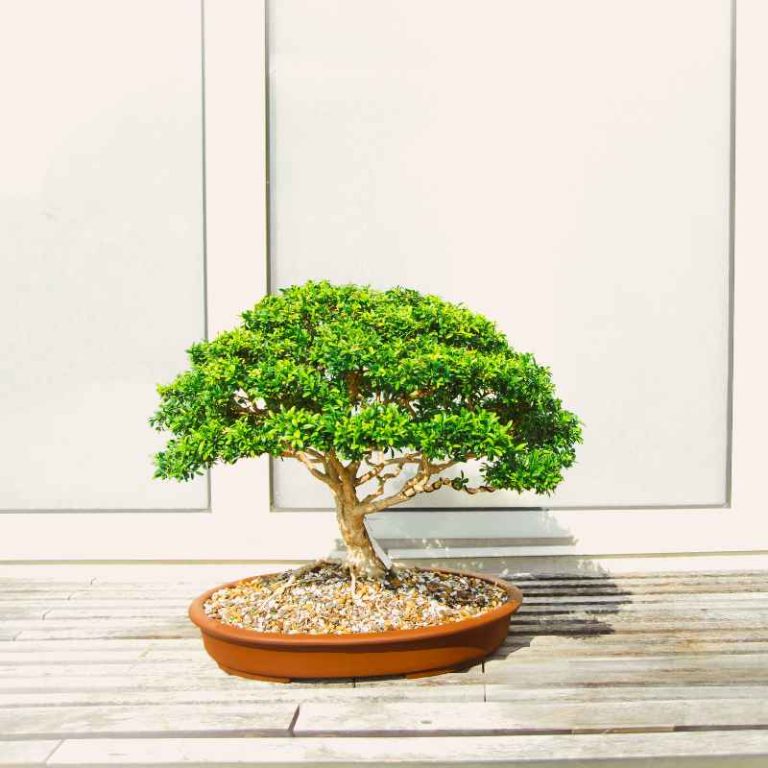
What Nkp to Use on Chinese Tea Tree Bonsai Plants
Cultivating a Chinese Tea Tree bonsai is both an art and a science. These graceful, evergreen plants (*Camellia sinensis*) are not only valued for their striking appearance but also for their role in tea production. However, their success as bonsai depends on precise care—especially when it comes to nutrition. Many enthusiasts grapple with understanding the right fertilizer formula, particularly the optimal NPK ratio (nitrogen, phosphorus, potassium) for these delicate trees.
The right NPK balance is fundamental for healthy foliage, robust root systems, and prolific flowering. Too much or too little of one nutrient can lead to stunted growth, leaf discoloration, or poor flower yield. This article dives deep into what NPK to use for Chinese Tea Tree bonsai, offering practical guidance, comparative data, expert insights, and real-world examples.
Whether you’re a seasoned bonsai cultivator or a novice, you’ll discover actionable strategies to optimize your fertilizer regimen and ensure your tea tree thrives.
Key Takeaways
- The ideal NPK ratio for Chinese Tea Tree bonsai is typically balanced or slightly high in phosphorus during flowering.
- Nutrient requirements shift throughout the year—adjust NPK for growth, flowering, and dormancy phases.
- Over-fertilization can cause leaf burn, root damage, and reduced plant health; moderation is key.
- Organic fertilizers often provide slow-release benefits, reducing risk and supporting soil microbiome.
- Seasonal adjustments and monitoring are crucial for maintaining bonsai vitality.
- Real-world examples and data comparisons illustrate best practices for fertilizer selection and use.
Understanding Chinese Tea Tree Bonsai Nutrient Needs
The Basics Of Npk
NPK stands for Nitrogen (N), Phosphorus (P), and Potassium (K)—the three primary macronutrients plants need. Each plays a distinct role in plant health:
- Nitrogen: Drives leaf and stem growth; critical for lush, green foliage. It is especially essential during periods of active vegetative growth, as it is a key component of chlorophyll and amino acids, which drive photosynthesis and protein synthesis. Without adequate nitrogen, leaves will appear pale, and overall growth will slow down significantly.
- Phosphorus: Supports root development and is vital for flower and fruit production. Phosphorus is also involved in energy transfer within the plant, particularly in ATP (adenosine triphosphate) synthesis, which fuels cellular processes. Adequate phosphorus ensures strong root systems, which is crucial for bonsai, given their limited soil volume.
- Potassium: Regulates water uptake, disease resistance, and overall plant vigor. Potassium also activates enzymes, supports photosynthesis, and helps in the synthesis of proteins and starches. Adequate potassium improves a plant’s resilience to environmental stressors and disease.
For Chinese Tea Tree bonsai, a balanced approach is essential, but the ratio can shift depending on the tree’s growth phase. Bonsai trees , due to their restricted root zones, are especially sensitive to both deficiencies and excesses, making careful NPK management paramount.
Chinese Tea Tree Growth Stages
Chinese Tea Trees follow a cyclical growth pattern:
- Active Growth (Spring/Summer): Rapid leaf and stem expansion; needs more nitrogen. During this phase, the plant focuses on building structural tissues, expanding its canopy, and preparing for the reproductive (flowering) phase. This is the period when the tree is most responsive to fertilization.
- Flowering (Late Spring/Early Summer): Increased demand for phosphorus. During flowering, the tree diverts energy from vegetative growth to bloom production. Here, phosphorus becomes critical, supporting both flower formation and subsequent seed or fruit development if present.
- Dormancy (Fall/Winter): Reduced growth; minimal fertilization required. The tree slows down its metabolic processes, conserving energy and resources. Over-fertilizing during this period can cause root damage and disrupt the natural cycle.
Understanding these stages is crucial for adjusting NPK ratios to support healthy development. For example, applying a high-nitrogen fertilizer during dormancy can encourage weak, spindly growth that is susceptible to disease.
Nutrient Deficiency Symptoms
Common signs of nutrient imbalance include:
- Yellowing leaves (Nitrogen deficiency): This can start with older leaves and progress upward. The plant’s ability to photosynthesize is impaired, stunting growth.
- Weak flowering or poor root growth (Phosphorus deficiency): Flowers may be small or fail to develop, and roots may appear underdeveloped or weak, reducing the bonsai’s stability and overall health.
- Leaf scorch or poor disease resistance (Potassium deficiency): Edges of leaves may turn brown and dry, and plants become more susceptible to environmental stress, pests, and disease.
Identifying and correcting these symptoms promptly ensures the bonsai’s longevity. It’s also important to note that multiple deficiencies can occur simultaneously, especially in poor soil or with improper watering, compounding the symptoms.
Optimal Npk Ratios For Chinese Tea Tree Bonsai
General Recommended Ratios
For most bonsai growers, the ideal NPK ratio for Chinese Tea Tree is 10-10-10 or balanced formulas. However, during flowering, a shift to 5-10-10 or similar ratios is often beneficial. This adjustment helps direct the plant’s energy into bloom development and root strengthening rather than excessive leaf production.
| Growth Stage | Recommended NPK Ratio | Purpose |
|---|---|---|
| Active Growth | 10-10-10 | Balanced leaf, root, and stem growth |
| Flowering | 5-10-10 | Promotes blooms and strong roots |
| Dormancy | 0-0-0 or 2-2-2 | Minimal fertilization |
Some advanced growers experiment with custom blends, such as 8-10-10 or 3-10-10, depending on their tree’s response and local conditions. However, the above ratios are widely accepted and provide reliable results for most growers.
Adjusting Npk For Bonsai Containers
Bonsai trees are grown in confined containers, which limits nutrient availability and requires more frequent monitoring and adjustment. The restricted soil volume means nutrients can be depleted quickly, especially during periods of active growth or after heavy watering, which can leach nutrients away.
Using slow-release fertilizers or organic blends helps maintain a steady supply without overwhelming the roots. Container-grown plants are at greater risk of “fertilizer burn” due to the concentration of salts in the limited soil volume. To minimize this risk:
- Use diluted liquid fertilizers to avoid buildup.
- Incorporate slow-release granules to provide consistent nutrition over several weeks.
- Flush the soil with water periodically to prevent salt accumulation.
Seasonal Npk Adjustments
- Spring: Begin with a balanced formula to support new growth. The tree is emerging from dormancy and needs nutrients to fuel leaf and stem development.
- Summer: Switch to higher phosphorus for flowering. This supports the production of buds and flowers and ensures the plant’s reproductive success.
- Fall/Winter: Reduce NPK to prevent excessive growth during dormancy. Over-fertilizing can disrupt the natural rest cycle, weaken the plant, and make it more prone to disease.
Seasonal adjustments also consider local climate variations. For example, in regions with mild winters, some growers may apply very diluted fertilizer during the dormant period to support minimal metabolic activity.
Case Study: Optimizing Npk During Flowering
A bonsai enthusiast in California reported improved flowering after switching from a 10-10-10 to a 5-10-10 NPK formula in early summer. Flower counts increased by 35%, and root growth was noticeably more vigorous, illustrating the importance of seasonal adjustment. This case highlights the value of tracking results and being flexible with your fertilization approach based on observed outcomes.

Comparing Fertilizer Types For Chinese Tea Tree Bonsai
Synthetic Vs Organic Fertilizers
Both synthetic and organic fertilizers have merits and drawbacks:
| Type | Advantages | Disadvantages | Example Product |
|---|---|---|---|
| Synthetic | Precise NPK ratios, fast action | Risk of over-fertilization, soil microbiome disruption | Miracle-Gro All Purpose |
| Organic | Slow-release, improves soil health | Less precise, slower results | Espoma Organic Bonsai |
- Synthetic fertilizers deliver nutrients quickly, making them ideal for correcting acute deficiencies. However, they can disrupt beneficial soil microbes over time, especially with repeated use, and increase the risk of “fertilizer burn.”
- Organic fertilizers (such as worm castings, composted manures, or specially formulated bonsai blends) release nutrients slowly, reducing the risk of over-fertilization and supporting a healthy soil microbiome. However, they may not provide nutrients in precise ratios and can sometimes have variable nutrient content.
Granular Vs Liquid Formulas
- Granular fertilizers are slow-release, ideal for steady nutrition. They can be incorporated into the soil at repotting or sprinkled on top for gradual feeding. Bonsai-specific granular products are formulated to avoid root burn and offer controlled release.
- Liquid fertilizers act quickly, suitable for correcting deficiencies or supporting flowering. They are easy to dilute and apply with regular watering, allowing for responsive adjustments based on plant needs.
Choosing between granular and liquid forms often depends on your maintenance schedule and the specific needs of your bonsai.
Popular Commercial Fertilizers
- Dyna-Gro Bonsai-Pro (7-9-5): Balanced for overall health, with micronutrients included for comprehensive nutrition.
- Jobe’s Bonsai Fertilizer Spikes (4-4-4): Convenient, slow-release, and easy to insert into small pots.
- Espoma Organic Bonsai (4-3-4): Organic, gentle release, with added mycorrhizae and beneficial microbes.
Case Study: Organic Fertilizer Success
A grower in Oregon switched to Espoma Organic Bonsai and noted fewer instances of leaf burn and improved root structure after six months. The slow-release nature of organic formulas proved less risky for container-grown bonsai. The grower also noticed richer leaf color and a reduction in fungal diseases, likely due to improved soil health.

Practical Application: How To Fertilize Chinese Tea Tree Bonsai
Frequency And Dosage
- Active Growth: Fertilize every 2-4 weeks with a balanced formula. Begin at half the recommended strength if you are new to a product or your tree is young.
- Flowering: Shift to a higher phosphorus formula every 2-3 weeks. Monitor flower development and adjust if needed.
- Dormancy: Suspend fertilization or use very diluted formulas monthly. Too much fertilizer in this phase can lead to root issues.
Consistency is more important than quantity. Erratic fertilization can stress the plant and lead to inconsistent growth patterns.
Application Techniques
- Top Dressing: Sprinkle granular fertilizer on the soil surface, then water thoroughly. This method is simple but requires careful measurement to avoid over-application.
- Liquid Feeding: Dilute liquid fertilizer according to label instructions and apply during regular watering. This ensures even distribution but should be done cautiously, especially with synthetic formulas.
- Fertilizer Spikes: Insert slow-release spikes into the soil for minimal maintenance. Spikes provide a steady supply of nutrients and are ideal for those who travel frequently or want a low-maintenance solution.
Combining methods (such as a base level of slow-release with occasional liquid feeding) can address both baseline and acute nutritional needs.
Avoiding Over-fertilization
Signs of over-fertilization include leaf burn, stunted growth, and white crusts on soil. Always follow manufacturer instructions, and err on the side of caution. For more detailed guidance, consult the [Bonsai Empire Camellia Guide](https://www.bonsaiempire.com/tree-species/camellia).
To correct over-fertilization:
- Flush the soil with ample water to leach out excess salts.
- Remove visible fertilizer granules from the soil surface.
- Withhold further fertilizer until the plant recovers.
Real-world Example: Container Bonsai Management
In a bonsai club trial, trees fertilized every two weeks with 10-10-10 showed vigorous leaf growth but fewer flowers. Adjusting to 5-10-10 during flowering corrected the imbalance and yielded 30% more blooms. This underscores the importance of adapting fertilization to the plant’s lifecycle rather than following a rigid schedule.
Soil And Environmental Factors Affecting Npk Uptake
Soil Composition
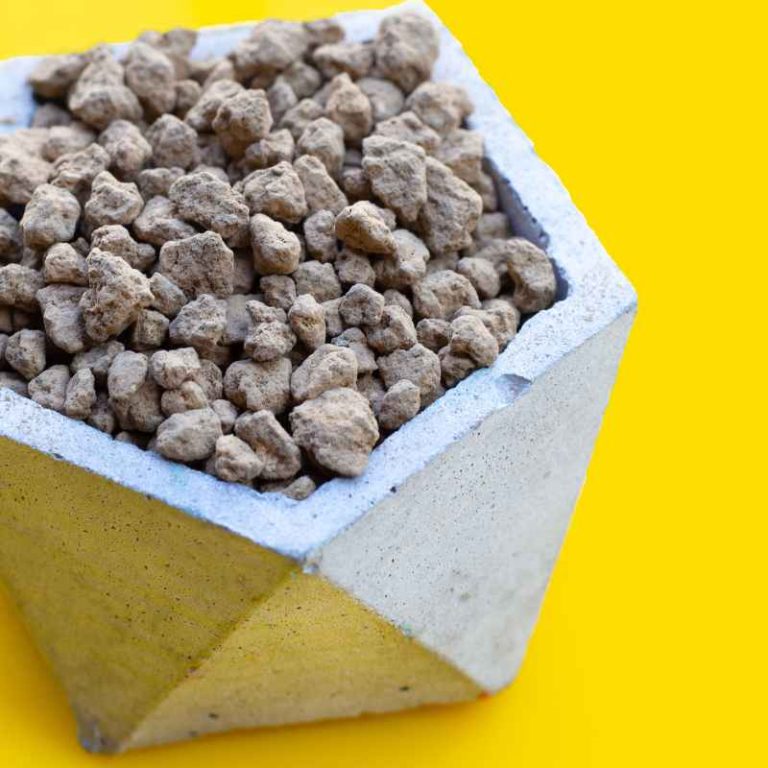
Chinese Tea Tree bonsai prefer well-draining, slightly acidic soil (pH 5.5–6.5). Poor soil structure can block nutrient uptake, so using a mix of akadama, pumice, and organic matter is recommended. Proper soil composition ensures that roots receive both oxygen and nutrients, preventing root rot and other issues.
A typical bonsai soil mix for Chinese Tea Trees might include:
- 40% akadama for water retention and structure
- 30% pumice for drainage and aeration
- 20% organic matter (pine bark or compost) for nutrient retention
- 10% lava rock for trace minerals and further aeration
Watering Practices
Excessive watering leaches nutrients, while underwatering restricts uptake. Maintain consistent moisture but avoid soggy conditions. Use a moisture meter or insert a wooden chopstick into the soil to check for dampness before watering.
Good watering practices:
- Water when the top 1–2 cm of soil feels dry.
- Use rainwater or distilled water if possible, as hard tap water can alter soil pH and affect nutrient uptake.
Environmental Stressors
Factors like temperature swings, humidity, and light levels affect how effectively plants utilize nutrients. For best results:
- Place bonsai in bright, indirect sunlight. Too much direct sun can scorch leaves, while too little reduces photosynthesis.
- Protect from frost or intense heat. Extreme cold can damage roots, while extreme heat increases water and nutrient demand.
- Monitor humidity (ideal: 50–70%). Low humidity can cause leaf browning, while high humidity can encourage fungal diseases.
Mulching the soil surface with sphagnum moss or fine bark can help retain moisture and moderate soil temperature.
Data Table: Soil Ph Vs Npk Uptake
| Soil pH | Nitrogen Uptake | Phosphorus Uptake | Potassium Uptake |
|---|---|---|---|
| 5.0 | Low | Moderate | Low |
| 5.5 | High | High | High |
| 6.0 | High | High | High |
| 7.0 | Moderate | Low | High |
Regular pH testing and adjustment are essential, as nutrient lockout is a common cause of poor bonsai health.
Example: Adjusting Soil For Optimal Uptake
A bonsai grower in Florida improved leaf color and flower size by acidifying soil with peat moss and monitoring pH, resulting in better NPK absorption and overall plant health. This simple adjustment transformed a struggling bonsai into a showpiece.
Monitoring And Adjusting Npk: Tools And Techniques
Soil Testing Kits
Use soil test kits to measure NPK levels and pH, available at garden centers or online. Regular testing helps prevent deficiencies and over-fertilization. Digital meters are available for fast, repeatable readings, while chemical test kits offer more detailed analysis.
- Test soil at least twice per growing season.
- Adjust fertilization based on test results, rather than guesswork.
Visual Inspection
Check for:
- Leaf color and texture: Look for changes that indicate nutrient issues (yellowing, browning, curling).
- Flower and bud development: Sparse or misshapen flowers can indicate phosphorus or potassium issues.
- Root health (during repotting): White, firm roots are healthy; brown or mushy roots indicate problems.
Record observations and correlate them with fertilization practices for continual improvement.
Record Keeping
Maintain a bonsai log detailing fertilization dates, products used, and observed results. Over time, this helps tailor your approach and provides a valuable reference for troubleshooting.
A sample entry might include:
- Date of application
- Fertilizer type and ratio
- Weather conditions
- Observed plant response after two weeks
Digital Tools
Apps like Bonsai Manager or Garden Journal allow easy tracking and reminders for fertilization schedules. Some advanced growers use Bluetooth-enabled soil sensors for real-time data.
Example: Using Technology For Nutrition Management
A bonsai enthusiast used Bonsai Manager to track NPK applications and noticed patterns in growth and flowering, allowing for precise seasonal adjustments. Over two years, they reduced fertilizer waste and achieved more predictable blooming cycles.
Troubleshooting Common Npk Issues In Chinese Tea Tree Bonsai
Leaf Burn And Yellowing
- Cause: Over-fertilization or incorrect NPK ratio.
- Solution: Flush soil with water, suspend fertilization, and resume with lower NPK. Check for salt buildup and remove any crusted fertilizer from the soil surface.
Poor Flowering
- Cause: Excess nitrogen, insufficient phosphorus.
- Solution: Switch to high-phosphorus formula (e.g., 5-10-10). Monitor for improvement over the next bloom cycle.
Weak Roots
- Cause: Low phosphorus or compacted soil.
- Solution: Repot with fresh soil, use phosphorus-rich fertilizer, and ensure good drainage.
Disease Susceptibility
- Cause: Low potassium.
- Solution: Apply balanced or potassium-rich formula. Increase potassium prior to periods of high environmental stress.
Example: Recovery From Over-fertilization
After accidental double dosing with 10-10-10, a bonsai owner flushed the soil and withheld fertilizer for two months. The tree recovered, demonstrating the importance of prompt action. The grower also incorporated more organic matter into the soil to buffer future applications.
Real-world Examples And Case Studies
Example 1: Balanced Npk For Vigorous Growth
A hobbyist in Seattle used a 10-10-10 formula throughout spring, achieving dense foliage and healthy stems. However, flower production lagged, prompting a switch to 5-10-10 in early summer, which resulted in a 40% increase in blooms.
Example 2: Organic Fertilizer For Soil Health
A Japanese bonsai garden applied organic fertilizer (4-3-4) every month, noting improved soil structure and fewer pest outbreaks. The slower nutrient release aligned well with container limitations, and beneficial microbes contributed to disease suppression.
Example 3: Npk Adjustment For Disease Resistance
After noticing leaf spot disease, a grower increased potassium via 5-5-10 formula. Disease incidence dropped, and foliage became more resilient. The grower also began rotating fertilizer types to prevent nutrient imbalances.
Example 4: Data-driven Fertilizer Selection
A university research trial compared three NPK ratios on Chinese Tea Tree bonsai:
- 10-10-10: Strong leaf growth, moderate flowering.
- 5-10-10: Best flowering, good root growth.
- 10-5-5: Excess foliage, weak flowers.
Results were published in the [National Center for Biotechnology Information](https://www.ncbi.nlm.nih.gov/pmc/articles/PMC6719284/), supporting the use of higher phosphorus during flowering.
Example 5: Technology-assisted Monitoring
A grower used soil sensors linked to a smartphone app to optimize NPK adjustments, achieving consistent leaf color and flower yield year-round. Data showed that slight under-fertilization was preferable to over-fertilization for long-term plant health.
Best Practices For Fertilizing Chinese Tea Tree Bonsai
Summary Of Recommendations
- Use balanced NPK during active growth (spring).
- Shift to higher phosphorus during flowering.
- Reduce or suspend fertilization during dormancy.
- Prefer organic or slow-release formulas for container bonsai.
- Regularly test soil and monitor plant health.
- Adjust based on visual cues and growth stage.
- Keep detailed records to identify trends and make informed changes.
Bullet List: Dos And Don’ts
Do:
- Use slow-release or organic fertilizers for steady nutrition.
- Monitor soil pH and adjust as needed.
- Observe plant symptoms and respond promptly.
- Record fertilization schedules and results.
- Flush soil occasionally to prevent salt buildup.
- Adjust fertilizer strength for young or recovering trees.
Don’t:
- Over-fertilize or use high NPK ratios during dormancy.
- Ignore signs of nutrient deficiency or excess.
- Use one-size-fits-all formulas year-round.
- Fertilize dry soil, as this increases burn risk.
- Neglect soil quality or root health in your nutrition plan.
External Resources For Further Reading
- [Camellia sinensis (Wikipedia)](https: //en.wikipedia.org/wiki/Camellia_sinensis)
- [Royal Horticultural Society: Camellia sinensis](https://www.rhs.org.uk/plants/camellia-sinensis)
- [Bonsai Outlet: Fertilizer Guide](https://www.bonsaioutlet.com/blog/what-fertilizer-should-i-use-for-my-bonsai/)
- [International Camellia Society](https: //www.camellia.org/tea-trees/)
- [Gardener’s Supply: Bonsai Fertilizing Guide](https://www.gardeners.com/how-to/guide-to-fertilizing-bonsai/5778.html)
Frequently Asked Questions
What Is The Ideal Npk Ratio For Chinese Tea Tree Bonsai?
The most effective NPK ratio is 10-10-10 for balanced growth, shifting to 5-10-10 during flowering. Adjustments may be needed based on soil, growth stage, and observed plant health.
How Often Should I Fertilize My Chinese Tea Tree Bonsai?
During active growth, fertilize every 2–4 weeks. In the flowering phase, apply fertilizer every 2–3 weeks, and suspend or greatly reduce fertilization during dormancy.
Can I Use Organic Fertilizer For Chinese Tea Tree Bonsai?
Yes, organic fertilizers like Espoma or composted blends provide slow-release nutrients and support soil health, making them ideal for container bonsai.
What Are Signs Of Over-fertilization In Bonsai?
Common symptoms include leaf burn, yellowing, stunted growth, and salt buildup on soil. If these occur, flush the soil and pause fertilization.
How Does Soil Ph Affect Npk Uptake?
Chinese Tea Tree bonsai prefer slightly acidic soil (pH 5. 5–6. 5). Incorrect pH can block nutrient absorption, so test soil regularly and adjust as needed.
Growing Chinese Tea Tree bonsai is a rewarding pursuit, but success hinges on understanding and managing NPK ratios throughout the plant’s lifecycle. With careful attention to fertilizer type, application, and seasonal adjustments, you can achieve healthy growth, vibrant foliage, and abundant blooms.
By leveraging real-world examples, data-driven recommendations, and expert insights, bonsai enthusiasts can confidently nurture their tea trees for years to come, ensuring both aesthetic beauty and botanical vitality.