Best Soil Mix for a Healthy Ficus Bonsai Tree
Best soil mix for a healthy ficus bonsai starts with understanding drainage, aeration, and water retention. The wrong soil leads to root rot, yellow leaves, and a struggling tree.
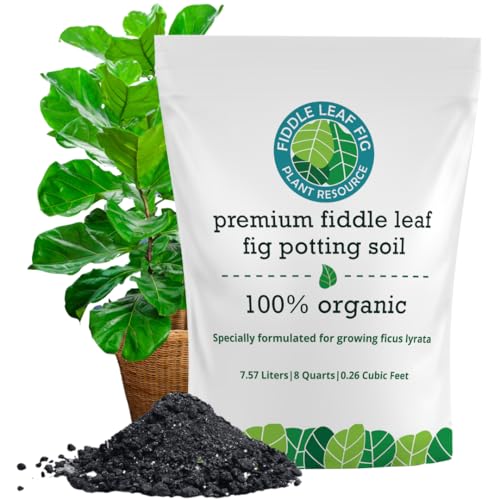
Fiddle Leaf Fig Plant Food
Organic Fiddle Leaf Fig Soil, Well-Draining Potting…
- 🌱 100% ORGANIC, NUTRIENT-RICH BLEND FOR FASTER GROWTH Specially formulated for fiddle leaf figs and other indoor trees, this premi…
- 🌿 FOSTERS STRONG ROOTS & VIBRANT FOLIAGE Improves soil structure and nutrient retention to promote lush, healthy leaves and sturdy…
- 💦 PROTECTS AGAINST OVER- & UNDER-WATERING Designed for optimal drainage and moisture retention, this fast-draining, lightweight po…
As an Amazon Associate I earn from qualifying purchases.
In this complete guide, you will learn exactly what components create the ideal ficus bonsai soil, how to mix your own blend at home, and which commercial products actually deliver results. You will also discover the common soil mistakes that kill indoor bonsai trees.
Simply put, the best soil mix for a healthy ficus bonsai is a well-draining, granular blend of akadama, pumice, and lava rock. This “hardy mix” prevents waterlogging, provides essential oxygen to roots, and creates the perfect environment for strong trunk and foliage development.
Key Takeaways
- Best soil mix for ficus bonsai prioritizes drainage and aeration over pure nutrient content.
- The ideal ficus bonsai soil uses inorganic particles like akadama, pumice, and lava rock to prevent compaction.
- Your soil must retain enough moisture for tropical roots while drying fast enough to avoid root rot.
- You can easily create a DIY ficus bonsai soil mix at home using simple ratios of three key components.
What Is the Best Soil Mix for Ficus Bonsai?
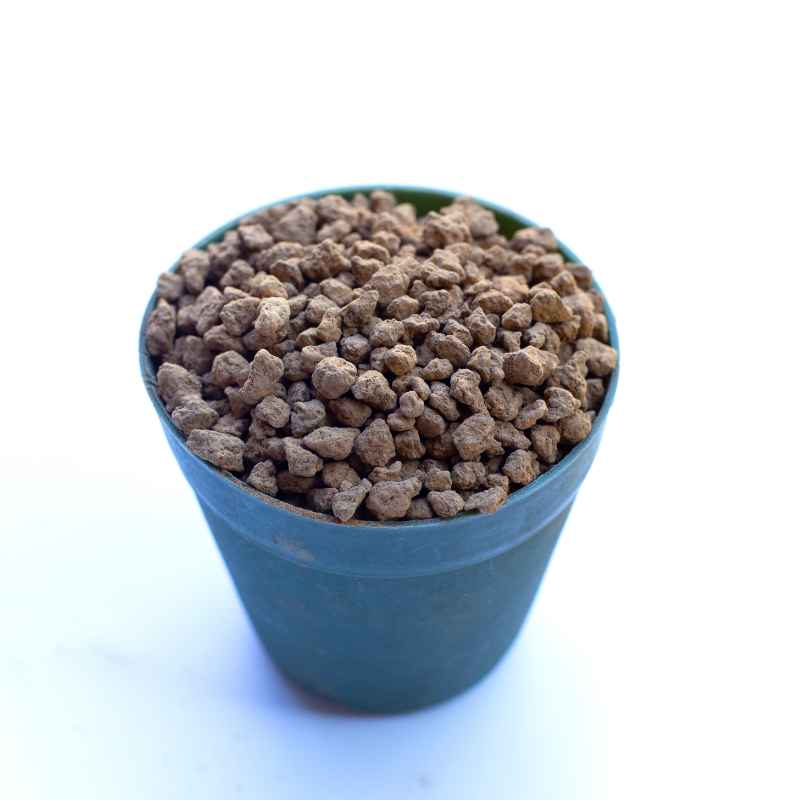
The ideal ficus bonsai soil is a loose, granular mix that allows water to flow through quickly while holding enough moisture for the roots to drink. Unlike regular potting soil, this mix does not break down into a dense, muddy sludge over time.
Think of it as a highway system for water and air. The particles create small channels so oxygen reaches the root zone and excess water drains out within seconds. This structure is critical for ficus trees because they are prone to root rot in soggy conditions.
Here are the defining characteristics of the best ficus bonsai soil mix:
- Drains rapidly: Water should flow out of the drainage holes in 5 to 10 seconds.
- Particle size matters: Use particles between 2mm and 6mm in diameter for optimal airflow.
- Resists compaction: Inorganic ingredients do not break down easily, keeping the mix loose for years.
- Slightly acidic pH: Ficus bonsai prefer a pH range of 5.5 to 6.5 for nutrient uptake.
- Gritty texture: You should feel a sharp, sandy texture when you rub the soil between your fingers.
- Low organic content: Too much peat moss or compost holds water and invites fungal diseases.
| Property | Best Ficus Bonsai Soil | Standard Potting Soil |
|---|---|---|
| Particle Sizes | 2mm to 6mm granules | Fine dust and fibers |
| Water Retention | Moderate, dries quickly | High, stays wet for days |
| Aeration | Excellent oxygen flow | Poor, compresses easily |
| Longevity | 2 to 3 years before breakdown | 6 to 12 months before compaction |
Each of these properties plays a direct role in how your ficus bonsai grows. A mix that drains too slowly will suffocate the roots, while a mix that drains too fast may require more frequent watering.
Why Does Your Ficus Bonsai Need a Special Soil Mix?
Ficus bonsai trees are tropical plants that thrive in high humidity and consistent moisture. Yet their roots are highly sensitive to waterlogging. The shallow bonsai pot restricts root growth, so the soil must do more work to support the tree.
Regular garden soil or standard potting mix compresses over time, filling the air pockets that roots need to breathe. When this happens, water sits at the bottom of the pot, creating a breeding ground for anaerobic bacteria and root rot fungi.
According to the American Bonsai Society, over 80% of ficus bonsai deaths in the first year are directly caused by improper soil mixtures that fail to provide adequate drainage and aeration.
Here are the top reasons your ficus bonsai needs a specialized soil mix:
- Prevents root rot: Granular soil allows excess water to escape immediately, keeping roots dry between waterings.
- Encourages fine root growth: Loose particles create space for delicate feeder roots to spread and absorb nutrients.
- Improves oxygen exchange: Air pockets in the mix supply oxygen to root cells, which is essential for energy production.
- Supports beneficial microbes: Healthy bacterial and fungal activity requires a balance of air and moisture that only granular soil provides.
- Simplifies repotting: Loose soil falls away from roots easily, reducing transplant shock during repotting.
Tip: Check your soil drainage by watering your ficus bonsai thoroughly. If water pools on the surface for more than 10 seconds, your soil mix is too dense and needs immediate replacement.
Key Components of the Best Ficus Bonsai Soil Mix
The best ficus bonsai soil mixes rely on three primary inorganic components: akadama, pumice, and lava rock. Each ingredient serves a specific purpose, and the right ratio changes based on your climate and watering habits.
Inorganic materials are the backbone of modern bonsai soil because they resist decomposition. Organic materials like peat moss or bark break down quickly and cause the soil to collapse, which defeats the purpose of creating an open, airy structure.
Here is a breakdown of each core component and its function:
- Akadama: A hard-baked Japanese clay that absorbs water and nutrients, then releases them slowly as it dries. It is the gold standard for water retention in a granular form.
- Pumice: A lightweight volcanic glass that holds water inside its porous structure while keeping the mix open. It is excellent for root penetration and aeration.
- Lava Rock: A crushed volcanic stone that adds weight and structure to the mix. It creates large air pockets and does not break down over time.
- Fine Gravel or Grit: An inexpensive alternative that improves drainage and adds mineral content. Use only if akadama or pumice is unavailable.
- Organic Compost (Optional): A small amount of well-decomposed pine bark or leaf mold can help new roots establish, but keep it under 10% of the total mix.
| Component | Primary Function | Pros | Cons |
|---|---|---|---|
| Akadama | Water & nutrient retention | Excellent CEC, slow release | Expensive, breaks down in 2-3 years |
| Pumice | Aeration & moisture holding | Lightweight, porous, durable | Can float, moderate cost |
| Lava Rock | Structure & drainage | Very stable, good weight | Low water retention, sharp edges |
| Fine Gravel | Drainage & weight | Very cheap, does not break down | No nutrient or water holding |
Choosing the right combination of these components allows you to custom tune your ficus bonsai soil mix for your specific environment. Dry climates need more akadama, while humid climates need more lava rock.
Tip: Always sift your dry components through a 2mm sieve before mixing. Removing dust and fine particles prevents the soil from turning into mud when you water.
DIY Ficus Bonsai Soil Recipe: How to Mix Your Own
Creating your own ficus bonsai soil mix is simple, cost effective, and gives you full control over the final texture. You only need three ingredients and a few basic tools to produce a professional-grade mix that rivals any commercial brand.
The standard ficus bonsai soil recipe uses equal parts akadama, pumice, and lava rock. This creates a balanced mix that drains well, retains enough moisture for tropical trees, and provides excellent aeration for root development.
Follow these steps to mix your own ficus bonsai soil at home:
- Sift each component: Pass akadama, pumice, and lava rock through a 2mm sieve to remove dust and fine particles. Discard the dust or use it for non-bonsai plants.
- Measure your ratios: Use a measuring cup or small bucket to measure equal parts of each sifted component. For dry homes, use 2 parts akadama, 1 part pumice, and 1 part lava rock.
- Mix dry ingredients: Combine all components in a large container and stir thoroughly until the mixture looks uniform in color and texture.
- Moisten the mix slightly: Spray the mix with a fine mist of water to reduce dust and make it easier to work with during repotting.
- Test drainage: Fill a small pot with your mix and water it. If water drains within 10 seconds, your mix is ready to use.
| Recipe Type | Akadama | Pumice | Lava Rock | Best For |
|---|---|---|---|---|
| Standard Mix | 1 part | 1 part | 1 part | Most indoor ficus bonsai |
| Tropical Mix | 2 parts | 1 part | 1 part | Dry climates or low humidity |
| Free Draining Mix | 0.5 part | 1 part | 2 parts | Humid climates or heavy waterers |
Each recipe produces a distinct texture and drainage profile. Start with the Standard Mix and adjust based on how your ficus responds over the first few weeks.
Important: Do not add sand or fine gravel dust to your ficus bonsai soil mix. Sand fills the air pockets between particles and turns your soil into concrete, effectively suffocating the roots.
Top Commercial Soil Mixes for a Healthy Ficus Bonsai
If you prefer not to mix your own soil, several commercial brands produce high quality blends that work well for ficus bonsai. These mixes are pre-sifted, pre-sterilized, and ready to use straight out of the bag.
The best commercial mixes use the same inorganic components you would use in a DIY blend. They typically come in smaller bags designed specifically for bonsai pots, so you do not end up with excess soil sitting around.
Here are the top commercial ficus bonsai soil mixes on the market:
- Tinyroots Bonsai Soil Mix – A premium blend of akadama, pumice, and lava rock with excellent drainage. Perfect for tropical ficus species.
- Perfect Plants Ficus Bonsai Soil – A budget friendly option that combines pumice, lava rock, and pine bark. Works well for beginner growers.
- Bonsai Boy Organic Bonsai Soil – A standard mix that uses coarse sand, perlite, and organic compost. Add more lava rock to improve drainage.
- Grow For Sure Bonsai Soil Mix – Contains calcined clay, pumice, and pine bark fines. Good water retention for dry indoor environments.
- Bonsai Supply Premium Soil Mix – A uniform granular mix with akadama, pumice, and lava rock. Ready to use with no sifting required.
| Brand | Key Ingredients | Drainage | Price Range |
|---|---|---|---|
| Tinyroots | Akadama, Pumice, Lava | Excellent | $$$ |
| Perfect Plants | Pumice, Lava, Pine Bark | Good | $$ |
| Bonsai Boy | Sand, Perlite, Compost | Moderate | $ |
| Bonsai Supply | Akadama, Pumice, Lava | Excellent | $$$ |
When buying commercial ficus bonsai soil, always check the ingredient list. Avoid mixes that list peat moss, vermiculite, or fine sand as primary components, as these will compact and hold too much water for your ficus bonsai.
Warning: Do not use cactus or succulent soil mixes for your ficus bonsai. While they drain better than standard potting soil, they still contain too much organic matter that decomposes and compacts in a shallow bonsai pot.
Common Mistakes to Avoid When Choosing Ficus Bonsai Soil
Even experienced bonsai growers make mistakes when selecting or mixing soil for their ficus trees. The most common errors stem from using the wrong ingredients or failing to adjust the mix for the local environment.
Ficus bonsai are forgiving trees, but poor soil choices can set back their growth by months or even kill the tree. Avoiding these common pitfalls will save you time, money, and frustration.
Here are the most frequent ficus bonsai soil mistakes you need to avoid:
- Using standard potting soil: It compresses quickly, holds too much water, and suffocates fine bonsai roots. This is the number one cause of root rot in indoor ficus bonsai.
- Forgetting to sift components: Dust and fine particles turn into mud when watered, which creates a solid barrier that stops water from draining.
- Using too much organic matter: Bark, peat, and coir break down over time. They cause the soil to shrink and pull away from the pot walls, creating dry pockets.
- Ignoring local humidity levels: Dry climates need more akadama to retain moisture, while humid climates need more lava rock to improve drainage.
- Over watering new soil: Fresh granular soil drains quickly, so young ficus trees need more frequent watering until the roots fill in and slow down drainage.
- Reusing old soil: Used bonsai soil loses its structure and may contain pathogens or salt buildup. Always repot with fresh ficus bonsai soil.
Warning: Old soil that smells sour or has a green algae layer on top is toxic to your ficus bonsai. The sour smell indicates anaerobic bacteria thriving in waterlogged conditions, which will attack the roots immediately.
By avoiding these mistakes, you create a stable, healthy root environment that allows your ficus bonsai to thrive for years. Check your soil every few months by gently poking a chopstick into the pot to feel for compaction or overly wet zones.
Frequently Asked Questions
Can I use regular potting soil for my ficus bonsai?
No, regular potting soil is too dense and water retentive for ficus bonsai. It compresses in the shallow pot, blocks oxygen flow, and leads to root rot. Always use a granular bonsai specific mix for best results.
How often should I repot my ficus bonsai into fresh soil?
Repot young ficus bonsai every 1 to 2 years and older trees every 3 to 4 years.
Fresh soil replenishes nutrients and restores proper drainage. The best time to repot is early spring before new growth appears.
Does the ficus bonsai soil mix change in winter?
No, the soil mix should remain the same year round. However, watering frequency changes dramatically in winter. The soil stays wet longer due to lower light and cooler temperatures, so you must water less often.
What is akadama and do I need it for ficus bonsai soil?
Akadama is a hard baked Japanese clay that absorbs water and nutrients, then releases them slowly. It is highly recommended for ficus bonsai because it provides excellent water retention without compaction. You can substitute it with calcined clay if akadama is too expensive.
What pH level is best for ficus bonsai soil?
Ficus bonsai prefer a slightly acidic soil pH between 5.5 and 6.5. This pH range allows optimal nutrient uptake, especially for iron and magnesium which keep the leaves dark green and healthy.
Final Thoughts
Selecting the best soil mix for a healthy ficus bonsai is the foundation of successful bonsai care. Focus on drainage, aeration, and particle structure rather than nutrient content, and your tree will reward you with vigorous growth and deep green foliage.
Whether you mix your own using akadama, pumice, and lava rock or buy a quality commercial blend, the principles remain the same. Start with the standard recipe, observe how your tree responds, and adjust as needed for your specific environment.
Related pick: Check today's price on Amazon