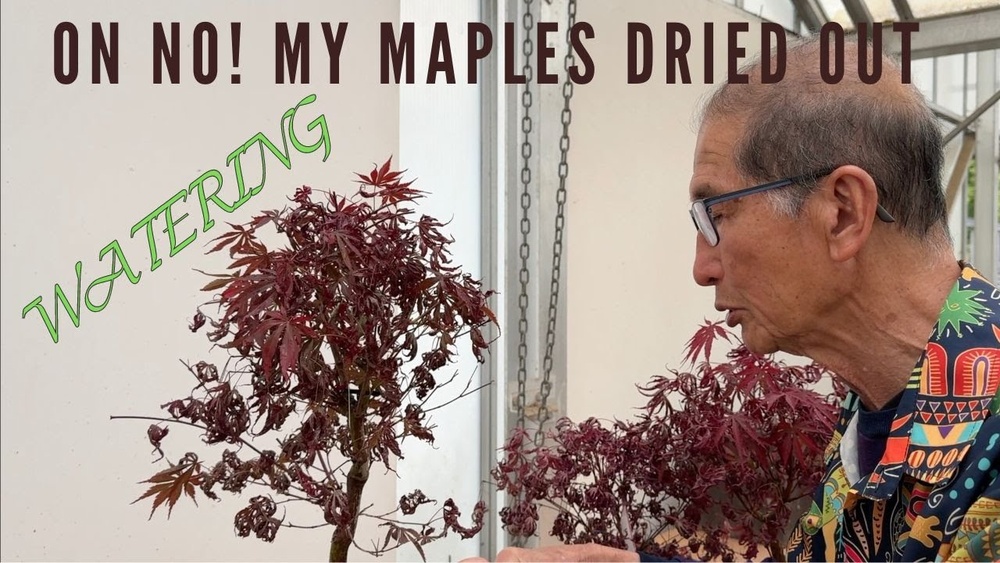
Bonsai tree size when left untrimmed can surprise many owners, as these tiny trees carry the full genetic code of their full-sized relatives. Without regular pruning, a bonsai will actively try to reach its natural species height, constrained only by the pot and root space it has available. This post explains exactly how tall a bonsai can grow, what changes occur, and why trimming matters for size control.
For another bonsai-specific follow-up, How To Care For A Haematoxylum Campechianum Bonsai Tree gives readers a related care or selection angle.
For another bonsai-specific follow-up, How To Grow Bonsai Trees From Seed Like A Pro Gardener gives readers a related care or selection angle.
For another bonsai-specific follow-up, Will Hawaiian Bonsai Umbrella Tree Grow Under Low Light Conditions? gives readers a related care or selection angle.
In short, a bonsai tree left untrimmed will grow to the natural dimensions of its species, limited only by pot confinement. A juniper could reach 10–15 feet over decades, while a ficus might hit 8–10 feet indoors. Without root and shoot pruning, the tree loses its miniature aesthetic and becomes a small, leggy plant rather than an artistic bonsai.
Key Takeaways
- Bonsai tree size is controlled by pruning and pot restriction, not by genetic dwarfism.
- An untrimmed bonsai can grow 1–2 feet per year, depending on species and conditions.
- Without regular trimming, the tree develops long shoots, coarse branches, and larger leaves.
- An untrimmed bonsai eventually becomes pot-bound, leading to root decline and health issues.
- Reclaiming an overgrown bonsai requires careful hard pruning and repotting.
What Happens When a Bonsai Tree Goes Untrimmed?
When you stop trimming a bonsai, the tree immediately shifts into survival mode. It redirects energy from maintaining a compact shape to producing vertical growth and expanding its canopy. This is driven by apical dominance, where the topmost shoots grow fastest to capture sunlight.
The most visible changes happen within a single growing season. Shoots elongate rapidly, leaves grow larger, and the tree develops a loose, unkempt silhouette. Over time, the trunk thickens unevenly, and fine branching becomes coarse and sparse.
Here are the primary changes you will see in an untrimmed bonsai:
- Vertical shoots grow several inches to feet long, breaking the desired canopy line.
- Leaves increase in size to standard species dimensions, losing proportional scale.
- Branch ramification becomes coarse, with long internode spacing.
- The trunk loses taper as growth becomes uniform rather than controlled.
- The tree becomes root-bound faster, restricting nutrient uptake.
- Pest and disease risk increases due to dense, unventilated foliage.
- Overall aesthetic value drops significantly within 1–2 seasons.
| Aspect | Well-Trimmed Bonsai | Untrimmed Bonsai |
|---|---|---|
| Height | 6–24 inches (maintained) | 2–15+ feet (growing freely) |
| Leaf Size | Small, proportional to design | Large, natural species size |
| Branching | Fine ramification, dense pads | Long, leggy, sparse branching |
| Trunk Taper | Controlled, gradual taper | Thickens uniformly, poor taper |
| Aesthetic Value | Artistic, aged, refined | Wild, scruffy, unstructured |
This table shows that an untrimmed bonsai fundamentally changes in structure and appearance. The small, refined look you cultivated disappears quickly once pruning stops.
How Tree Species Determines Maximum Bonsai Height
The most important factor controlling bonsai tree size is the genetic potential of the species. A juniper bonsai and a ficus bonsai will grow at very different rates and to different maximum sizes when left untrimmed. Understanding your tree species helps predict how large it will get.
Conifers like junipers and pines grow slowly but steadily, while tropical species like ficus and schefflera can grow rapidly indoors. Deciduous trees such as maples and elms have vigorous growing seasons but go dormant. The pot size acts as a secondary limiter, but genetics set the ceiling.
Important: Even fast-growing species stop expanding when they hit the physical limits of the pot. However, they will continue to grow denser and root-bound.
Here are common bonsai species and their untrimmed height potential:
- Juniper (Juniperus spp.): Grows 6–12 inches per year. Untrimmed, can reach 10–15 feet over 20 years.
- Ficus (Ficus retusa or benjamina): Grows rapidly indoors. Untrimmed, can hit 8–10 feet.
- Japanese Maple (Acer palmatum): Moderate growth. Untrimmed, reaches 10–15 feet in the ground.
- Chinese Elm (Ulmus parvifolia): Vigorous grower. Untrimmed, can reach 12–18 feet.
- Pine (Pinus thunbergii): Slow but steady. Untrimmed, can reach 15–20 feet over decades.
- Boxwood (Buxus sempervirens): Very slow. Untrimmed, maxes out at 4–6 feet in a pot.
| Species | Growth Rate per Year | Max Untrimmed Height | Time to Outgrow Pot (approx) |
|---|---|---|---|
| Juniper | 6–12 inches | 10–15 feet | 3–5 years |
| Ficus | 12–24 inches | 8–10 feet | 2–3 years |
| Japanese Maple | 8–14 inches | 10–15 feet | 3–4 years |
| Chinese Elm | 12–18 inches | 12–18 feet | 2–4 years |
| Pine | 4–8 inches | 15–20 feet | 5–7 years |
| Boxwood | 2–6 inches | 4–6 feet | 5–8 years |
According to the American Bonsai Society, most temperate bonsai species will outgrow their pot and style within 2–3 growing seasons if completely ignored. This makes species selection critical for long-term management.
The Role of Pot Size and Root Pruning in Growth Control
The pot is the primary physical barrier that limits bonsai tree size. Roots confined to a small space cannot support massive top growth. However, if the tree is never root-pruned, the roots circle the pot, become tangled, and eventually choke themselves.
Root pruning is the companion practice to shoot pruning. When you trim the roots, you signal the tree to slow down top growth. Without root pruning, the tree pushes more foliage to support the expanding root mass.
This leads to rapid vertical growth.
Warning: If roots escape through drainage holes and make contact with the ground below, the tree will grow at full speed. A bonsai that touches the ground can double its growth rate within a season.
Warning: Never let a bonsai pot sit directly on soil or grass for extended periods. Roots will grow through the drainage holes into the ground, turning your bonsai into a full-sized tree. Always use pot feet or a gravel tray.
Here is how root confinement affects growth:
- Roots fill the pot within 1–2 years, depending on species.
- Circling roots restrict nutrient flow and cause stress.
- The tree compensates by growing more shoots to capture energy.
- Untrimmed roots push the tree out of the pot, damaging trunk base.
- Root rot becomes common as dense roots block drainage.
How Climate and Watering Affect Bonsai Growth Rate
Beyond genetics and pot size, environmental factors heavily influence how fast an untrimmed bonsai grows. Sunlight exposure, watering consistency, and fertilization all play major roles in determining final size.
Tropical bonsai like ficus and schefflera grow year-round indoors, while temperate trees like maple and juniper go dormant in winter. A tree that receives 8 hours of direct sunlight will grow far faster than one kept in low indoor light. Similarly, consistent watering and fertilizing fuel rapid growth.
Research in plant physiology shows that root restriction alone can reduce top growth by 30–50 percent. However, without pruning, the tree redirects all available energy to vertical extension. This means an untrimmed bonsai in optimal conditions will grow as fast as its pot allows.
Key climate factors that increase untrimmed growth:
- High light intensity: 6–8 hours of direct sun maximizes photosynthesis.
- Warm temperatures: 65–85°F promotes active growth for most species.
- Regular fertilization: Nitrogen-rich fertilizers push leafy growth.
- Consistent watering: Avoids stress that slows growth.
- Long growing season: Tropical trees grow year-round, while temperate trees have 6-month seasons.
Tip: If you want to slow growth naturally, reduce fertilization frequency and place the tree in slightly lower light. This will not stop growth entirely but will reduce the number of times you need to trim each season.
What Happens to the Trunk and Branches Without Pruning?
An untrimmed bonsai undergoes dramatic structural changes. The trunk, which is carefully trained for taper and movement, begins to thicken uniformly. This destroys the illusion of a large, aged tree in miniature.
Branches elongate rapidly, producing long internodes. The fine twiggy growth that makes bonsai look old disappears. Instead, the tree develops a coarse, juvenile appearance.
The apex, or top of the tree, grows fastest due to apical dominance, shading lower branches and causing them to weaken or die.
Important: An untrimmed bonsai is more susceptible to fungal infections and pests. Dense, unpruned foliage traps moisture, creating a breeding ground for mold, aphids, and scale insects. Regular pruning improves air circulation and tree health.
Visual signs that your bonsai has gone too long without trimming:
- Long, straight shoots extending 6–24 inches beyond the canopy.
- Leaves twice or three times the normal size for a bonsai.
- Branches crossing or rubbing against each other.
- A dense, bushy exterior with a hollow, shaded interior.
- The trunk losing its taper and becoming a uniform width.
- Bark becoming rough and irregular due to rapid growth.
Can an Untrimmed Bonsai Tree Become a Full-Sized Tree?
Yes, a bonsai tree can become a full-sized tree if it is allowed to root in the ground. Bonsai are not genetically dwarfed. They are standard trees kept small through pruning and root restriction.
If you plant an untrimmed bonsai in the ground, it will grow to the full height of its species.
If the tree remains in the pot but is never trimmed, it will not become a towering giant. Instead, it becomes a pot-bound, unhealthy plant. The tree eventually stalls in growth as roots completely fill the container.
It will not reach the 50–100 feet of its wild relatives, but it will become a leggy, overgrown shrub.
Factors that determine whether a bonsai reverts to full size:
| Factor | Stays Stunted (Pot-Bound) | Reverts to Full Size |
|---|---|---|
| Root Space | Confined to pot | Planted in ground |
| Water Supply | Limited, dries quickly | Unlimited ground moisture |
| Nutrient Access | Depletes quickly, needs fertilizing | Rich soil, natural nutrients |
| Growth Rate | Slows over time, then stalls | Accelerates to normal rate |
| Final Form | Scruffy bush or dead | Full-sized tree species |
The National Bonsai Foundation notes that a juniper bonsai, left unpruned in a pot, can easily add 6–10 inches of new growth per season but will never reach its 50-foot potential without ground planting.
Common Mistakes That Stunt Bonsai Growth or Kill It
While untrimmed bonsai can grow large, many owners unintentionally make mistakes that harm the tree. These mistakes often come from neglect combined with misunderstanding the tree’s needs. Here are the most common errors that lead to poor health or death.
- Letting the tree become root-bound without repotting. This chokes the roots and starves the tree.
- Overwatering an untrimmed, dense canopy. Moisture gets trapped and causes rot.
- Ignoring pest infestations that hide in unpruned foliage.
- Failing to fertilize, depleting the soil of essential nutrients.
- Placing the tree in low light, causing weak, leggy growth.
- Allowing roots to escape into the ground, then cutting them without care.
- Attempting to hard prune an already stressed tree back to shape all at once.
Warning: Never remove more than one-third of the foliage from an untrimmed bonsai in a single session. Severe defoliation combined with root pruning can shock the tree and kill it. Spread restorative pruning over two seasons.
How to Manage an Overgrown Bonsai Tree
If you have an untrimmed bonsai that has grown wild, you can restore it with a systematic approach. The goal is to gradually return the tree to a compact, healthy state without causing fatal shock. Follow these steps to reclaim your bonsai.
Step 1: Assess the Tree Structure
Look at the trunk line and main branches. Decide which branches are essential to the future design. Remove any dead, dying, or crossing branches first.
Step 2: Perform Hard Pruning
Cut back long shoots to the first or second bud from the trunk. Leave some foliage on each branch to keep the tree alive. Do not remove all leaves.
Focus on restoring the basic silhouette.
Step 3: Repot and Root Prune
Remove the tree from its pot. Trim away one-third of the root mass, focusing on thick, circling roots. Repot with fresh bonsai soil.
This step is best done in early spring for temperate trees.
Step 4: Wire for Structure
After pruning, use wire to set the main branches into a better position. This helps re-establish a pleasing shape. Be gentle with brittle, neglected wood.
Step 5: Provide Aftercare
Place the tree in a protected location with bright, indirect light. Water carefully and do not fertilize for 4–6 weeks. Let the tree recover before any further trimming.
Tools you will need for this process:
- Sharp bonsai shears or pruning scissors.
- Root rake or chopstick to untangle roots.
- Concave cutters for larger branch removal.
- Bonsai wire (anodized aluminum or copper).
- Fresh bonsai soil mix (akadama, pumice, lava rock).
- Pot with drainage holes and mesh screens.
Tip: An overgrown bonsai often has thick, woody branches that require concave cutters. These tools leave a hollow wound that heals smoothly, unlike standard shears which leave stubs.
Frequently Asked Questions
How big can a bonsai tree get if not trimmed?
An untrimmed bonsai tree can reach 10–20 feet in height over time, depending on the species. Pot size will ultimately limit growth, but without pruning, the tree will fill its container and push vertical shoots aggressively. Most untrimmed bonsai become leggy 2–3 foot shrubs within a few years.
Will an untrimmed bonsai tree die?
An untrimmed bonsai will not die immediately from lack of pruning alone. However, it will eventually become root-bound, which restricts water and nutrient uptake. Combined with pest issues from dense foliage, an untrimmed bonsai has a higher risk of decline and death within 3–5 years.
How long does it take for a bonsai to outgrow its pot?
Most bonsai species begin to outgrow their pot within 2–3 growing seasons without root pruning. Fast-growing tropical species like ficus can fill a pot in 1–2 years. Temperate trees like juniper and maple take slightly longer, around 3–4 years, to become pot-bound.
Can I trim my bonsai back after years of neglect?
Yes, you can trim a neglected bonsai back, but you must do it gradually. Remove no more than one-third of the foliage in the first season. Hard pruning combined with root pruning can shock the tree.
Spread major restoration over two growing seasons for best results.
Does trimming hurt the bonsai tree?
Trimming does not hurt the tree when done correctly. Proper cuts heal quickly and stimulate healthy growth. The tree is biologically designed to handle pruning.
However, excessive trimming or cutting at the wrong time of year can stress the tree, so follow seasonal guidelines for your species.
Final Thoughts
Bonsai tree size when left untrimmed is a direct reflection of the tree’s natural vigor and species potential. Without regular pruning, your bonsai will grow taller, coarser, and less refined, eventually losing the miniature aesthetic that defines bonsai art. Whether you choose to maintain a strict pruning schedule or let your tree grow wild for a while, understanding these growth principles gives you full control over your tree’s destiny.
Keep your tools clean and your vision clear.