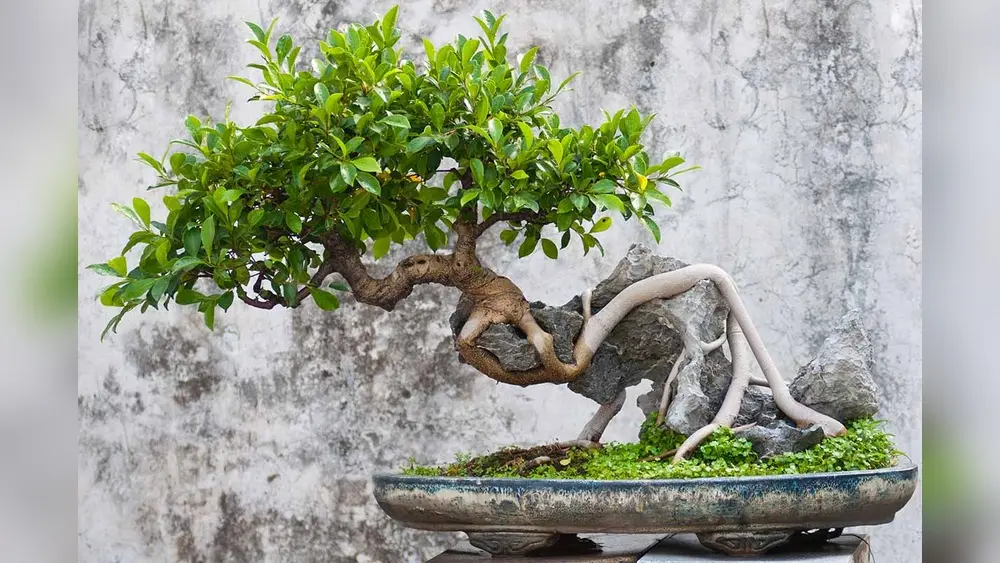
How to Choose the Right Pot Size for a Cascade Bonsai
Selecting the right pot size for a cascade bonsai isn’t just a matter of aesthetics—it’s a strategic decision that influences the health, growth, and visual impact of your tree. Cascade bonsai, known for their dramatic, downward-flowing trunks and branches, require specialized containers to support both their structure and style.
Choosing a pot that’s too large can overwhelm the design and stunt root development, while one that’s too small may restrict growth and stability. With the nuances of bonsai artistry, understanding how to harmonize pot size, shape, and function is essential for both beginners and seasoned enthusiasts.
This guide unpacks the critical criteria for choosing the right pot size for a cascade bonsai, drawing on expert horticultural principles, practical examples, and the latest research. You’ll find actionable advice, comparison tables, and case studies to clarify your decisions.
Whether you’re repotting a classic Juniperus procumbens ‘Nana’ or training a new specimen, the strategies outlined here will empower you to showcase your cascade bonsai’s full potential.
Key Takeaways
- The correct pot size is essential for cascade bonsai health, stability, and visual harmony.
- Cascade bonsai typically require deeper pots than other styles to accommodate their cascading form and root needs.
- Factors such as tree species, age, trunk thickness, and root mass should all inform your pot size choice.
- Pot shape, material, and drainage are as important as pot size for cascade bonsai success.
- The wrong pot can cause root binding, poor growth, or even tree instability—careful measurement and selection are crucial.
- Real-world examples and data-driven comparisons help clarify best practices for every grower.
Understanding Cascade Bonsai Style
Cascade bonsai, known as Kengai in Japanese, represent trees growing on cliffs or riverbanks, with their trunks and branches dramatically descending below the pot’s rim. This unique style presents specific challenges and opportunities in pot selection.
Defining The Cascade Bonsai
A true cascade bonsai features a main trunk that bends downward, often extending well below the container’s base. This style mimics trees in nature that have been shaped by wind, snow, or gravity, resulting in a visually striking, gravity-defying composition. There are two main cascade sub-styles:
- Full Cascade (Kengai): The trunk descends below the bottom of the pot.
- Semi-Cascade (Han-Kengai): The trunk drops below the rim but not below the base of the pot.
Unique Pot Requirements
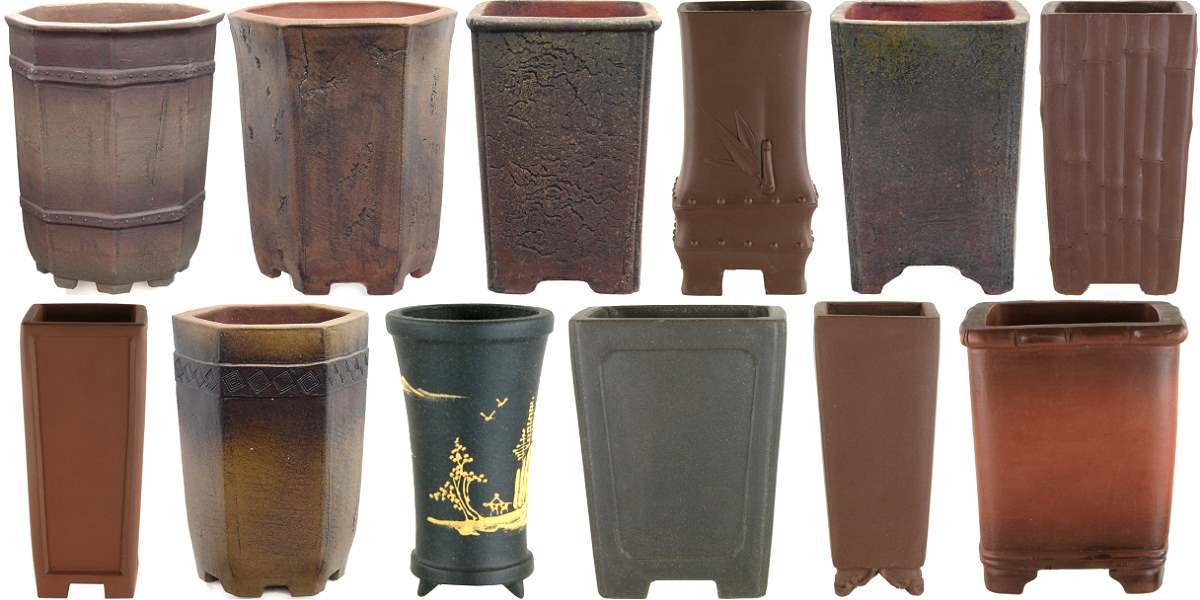
Unlike upright or slanting bonsai, cascade bonsai must be potted in containers that provide both stability and visual balance. The pot must anchor the tree’s top-heavy structure while allowing for downward growth and proper root expansion. The most common container shapes for cascades are deep, round, or tall oval pots, which support the dramatic drop of the trunk.
Visual And Horticultural Considerations
The pot acts as both a counterweight and a frame for the cascade. Too shallow or lightweight a pot risks toppling, while an overly large one distracts from the tree’s graceful lines. Well-chosen pots enhance the illusion of age and natural hardship, hallmarks of cascade bonsai artistry.
Common Species For Cascade Bonsai
While many species can be styled as cascades, the most popular include:
- Juniperus procumbens ‘Nana’
- Pinus mugo (Mugo Pine)
- Taxus cuspidata (Japanese Yew)
- Serissa foetida
Each species has its own root growth patterns and water needs, affecting ideal pot dimensions.

Credit: www.bonsaidirect.co.uk
The Science Of Pot Sizing For Cascade Bonsai
Choosing the right pot size for a cascade bonsai involves more than matching visual proportions. It’s a blend of art and science, balancing horticultural principles with design sensibility.
Root Development And Pot Size
The root system of a bonsai must be slightly restricted to maintain miniature size, but not so cramped that it impedes health. Cascade bonsai, with their unique leverage and gravity, need additional depth for secure anchoring.
- Shallow pots: May lead to root binding, poor water retention, and instability.
- Deep pots: Allow for better anchorage and moisture management, but must not be so large as to promote excessive root growth at the expense of top growth.
Proportion Guidelines
A widely cited rule of thumb for cascade bonsai pot size is:
- Pot height: 2/3 to 3/4 the height of the cascade (from soil line to lowest tip).
- Pot width: Slightly less than the tree’s spread, but enough to stabilize the base.
The following table compares standard bonsai pot sizing to that for cascade styles:
| Bonsai Style | Pot Height Relative to Tree | Pot Width Relative to Canopy Spread | Common Pot Shape |
|---|---|---|---|
| Upright (Chokkan) | 1/2 tree height | Equal to or slightly less | Rectangular, oval |
| Slanting (Shakan) | 1/2 tree height | Equal to or slightly less | Rectangular, oval |
| Semi-Cascade (Han-Kengai) | 2/3 tree height | Less than canopy | Round, oval (deeper) |
| Full Cascade (Kengai) | 2/3 to 3/4 tree height | Less than canopy | Round, tall oval, drum |
Pot Volume And Root Health
Scientific studies have shown that bonsai root growth is directly affected by container volume. According to the International Bonsai Arboretum, root mass increases linearly with pot volume up to a certain threshold, after which it plateaus. Overly large pots can cause:
- Excessive root growth at the expense of foliage and branch refinement.
- Waterlogging, especially in deep pots without adequate drainage.
- Difficulty in maintaining traditional bonsai proportions.
Practical Measurement Tips
When sizing a pot for a cascade bonsai:
- Measure the tree’s height from soil line to the lowest tip of the cascade.
- Use the 2/3 to 3/4 ratio to determine ideal pot height.
- Ensure the pot’s width is enough for stability, but not wider than the tree’s canopy.
- Factor in the root ball size—there should be 1–2 cm of space around the root mass for new growth.
Credit: www.bonsai-shop.com
Key Factors To Consider When Choosing Pot Size
Selecting the optimal pot size for a cascade bonsai requires a holistic approach, considering both tree and environmental variables.
Tree Age And Development Stage
- Young trees: May benefit from slightly larger pots to encourage root expansion.
- Mature specimens: Should be shifted to pots that restrict root growth, enhancing refinement and leaf reduction.
Trunk Thickness And Nebari
The trunk base (nebari) and thickness influence stability and aesthetics:
- Thicker trunks need deeper, heavier pots for support.
- Nebari should be visually centered—choose a pot size that frames the base attractively.
Species-specific Needs
Some species, such as Pines and Junipers, prefer well-drained, narrower pots. Others, like Azaleas, require more moisture retention and thus slightly wider or deeper containers. Consult species-specific guidelines from trusted sources like the Wikipedia Bonsai entry.
Climate And Watering Frequency
- In hot, dry climates, a slightly larger pot may reduce watering frequency and buffer against drought.
- In humid regions, a smaller pot can help prevent root rot.
Pot Weight And Stability
Cascade bonsai, with their off-balance forms, are prone to tipping. Select heavier pots or add ballast (gravel, stones) for stability. For exhibitions, the pot’s weight is as important as its dimensions.
Aesthetics And Display
The pot should complement the tree, not overshadow it. Neutral colors and simple shapes are preferred for dramatic cascades, allowing the tree’s form to command attention.

Credit: www.bonsaiempire.com
Types Of Pots For Cascade Bonsai
Cascade bonsai containers are not only deeper but also distinct in shape and material. Understanding the main types and their roles is key for optimal selection.
Tall Round Pots
Tall round pots are the classic choice for cascade bonsai. Their vertical profile accentuates the downward movement of the trunk and offers excellent root depth for anchorage. These pots often have small feet or a slightly flared base for extra stability.
- Best for: Most conifers and evergreens
- Typical height: 2/3–3/4 of tree’s cascade length
Drum (tsutsu) Pots
Drum-shaped or tsutsu pots are cylindrical, sometimes slightly tapered. Their weight and depth make them ideal for large or long cascades. They are often seen in formal displays and competitions.
- Best for: Heavy, mature cascades
Deep Oval And Hexagonal Pots
For more delicate or compact cascades, deep oval or hexagonal pots can add a subtle visual interest without overpowering the tree’s lines. These are particularly suited to flowering species.
- Best for: Flowering cascades (e.g., Wisteria, Azalea)
Material Considerations
The most common materials for cascade bonsai pots include:
- Ceramic: Traditional, offers good moisture retention and visual harmony.
- Unglazed stoneware: Preferred for conifers and rugged species.
- Plastic: Lightweight, affordable, but not suitable for formal display.
- Stone or concrete: Used in outdoor or large-scale installations.
The choice of material impacts not only weight and stability but also water retention and root temperature.
Case Study: Juniperus Procumbens In A Tall Round Pot
A 20-year-old Juniperus procumbens ‘Nana’ cascade, with a 40 cm trunk drop, was potted in a 30 cm tall, 15 cm wide round ceramic pot. This size met the 3/4 height guideline, provided ample anchorage, and balanced the visually dominant foliage. After repotting, the tree exhibited improved vigor and root spread, confirming the efficacy of the sizing strategy.
Step-by-step Guide: Measuring And Selecting The Right Pot Size
Applying the principles of pot selection involves precise measurement and thoughtful matching of tree to container.
Step 1: Measure The Cascade
- Use a flexible tape to measure from the soil line at the base to the lowest tip of the cascade.
- Record this measurement in centimeters or inches.
Step 2: Calculate Ideal Pot Height
- Multiply the cascade length by 0.66 (2/3) to 0.75 (3/4).
- Example: For a 40 cm cascade, ideal pot height = 26.4 cm to 30 cm.
Step 3: Determine Pot Width
- Pot width should be slightly less than the widest branch spread, ensuring stability without visual dominance.
- Example: If the tree’s spread is 25 cm, select a pot 18–22 cm wide.
Step 4: Assess Root Ball Size
- After removing old soil, ensure there is at least 1–2 cm space between the root mass and the pot wall.
- This prevents root binding and allows for healthy new growth.
Step 5: Choose Pot Material And Shape
- Match the tree’s style and species to the appropriate material (ceramic, unglazed, etc. ).
- Select a shape (round, drum, oval) that complements the cascade.
Step 6: Test Stability
- Place the tree in the pot (without planting) to check balance and stability.
- The pot should not tip when the cascade extends fully.
Step 7: Finalize With Aesthetics
- Ensure the pot’s color and finish harmonize with the tree’s bark, foliage, and overall mood.
- Avoid overly ornate designs that compete with the tree.
Real-world Example: Pinus Mugo Semi-cascade
A hobbyist grew a Pinus mugo as a semi-cascade, with a 30 cm trunk drop and a 22 cm branch spread. After measuring, a 20 cm tall, 16 cm wide unglazed oval pot was selected. This provided adequate root space, anchored the tree, and visually supported the semi-cascade style. The owner noted easier watering and improved tree health post-repotting.
Common Mistakes To Avoid
Even experienced bonsai artists sometimes make critical errors in pot selection. Avoiding these pitfalls ensures your cascade bonsai thrives.
Choosing Pots That Are Too Large
- Promotes excessive root growth, making the tree harder to maintain.
- Distracts from the refined silhouette of the cascade.
- Increases risk of overwatering and root rot.
Using Pots That Are Too Shallow
- Fails to anchor the trunk, risking instability.
- Restricts root development—tree may dry out quickly.
- Does not provide the dramatic visual drop cascade style demands.
Neglecting Species Requirements
- Water-loving species in narrow pots may dry out.
- Conifers in glazed pots may retain too much moisture, leading to fungal issues.
Ignoring Drainage And Airflow
- Deep pots must have large drainage holes to prevent waterlogging.
- Use mesh screens or gravel to enhance airflow and prevent soil compaction.
Skipping Stability Checks
- Always test the tree’s balance in the selected pot before final planting.
- In windy or outdoor locations, extra weight or anchoring is vital.
Case Study: Overly Large Pot Failure
A collector planted a Taxus cuspidata cascade in a pot nearly as wide as the tree’s canopy. Despite ample root room, the tree became leggy, lost its refined look, and suffered from sporadic root rot due to excess moisture retention. Repotting into a narrower, deeper drum pot restored vigor and improved the cascade’s visual balance.
How Pot Size Influences Cascade Bonsai Health And Growth
The relationship between pot size and bonsai vitality is well-documented in horticultural literature. Choosing the right pot size directly impacts several aspects of tree health:
Water Retention And Root Aeration
- Larger pots retain more water but can lead to anaerobic conditions if not managed properly.
- Smaller pots dry out quickly, requiring more frequent watering and careful monitoring.
Nutrient Uptake
The volume of soil in the pot determines the reservoir of nutrients available to the tree. Too much soil leads to dilution of nutrients and possible fungal problems; too little, and the tree may become nutrient-deficient.
Root Pruning And Maintenance
Appropriately sized pots encourage the development of fine feeder roots, which are essential for water and nutrient uptake. Overly large pots may allow roots to become coarse and unmanageable.
Seasonal Health And Growth Cycles
- In spring, a slightly larger pot may benefit a developing cascade, supporting vigorous new growth.
- In late summer or fall, root restriction in a smaller pot helps induce dormancy and prepares the tree for winter.
Data-driven Table: Pot Size Vs. Cascade Bonsai Health Outcomes
| Pot Size (Relative to Guideline) | Root Health | Growth Rate | Watering Frequency | Visual Harmony |
|---|---|---|---|---|
| Smaller than recommended | Poor (root binding) | Stunted | High (dries quickly) | Good, but risks health |
| Guideline size | Excellent | Controlled, healthy | Moderate | Optimal |
| Larger than recommended | Risk of rot | Leggy, unrefined | Low (retains moisture) | Poor (pot dominates) |
Example: Watering Differences By Pot Size
A side-by-side test with two Serissa foetida cascades—one in a guideline-sized pot (15 cm tall, 10 cm wide) and one in a pot 50% larger—revealed that the smaller pot required watering every other day in summer, while the larger needed it only twice a week. However, the tree in the larger pot had elongated internodes and less refined branch structure, supporting the guideline size as optimal.
Advanced Tips For Display And Repotting
Beyond the basics, expert bonsai growers apply advanced techniques to further enhance cascade bonsai through strategic pot choices and maintenance.
Seasonal Repotting Strategies
Repotting at the right time—usually early spring before bud break—ensures minimal stress. When upgrading pot size:
- Increase pot dimensions gradually, never more than 20% at a time.
- Use fresh, well-draining soil suitable for the species.
Pot Selection For Exhibitions
For shows and competitions, choose pots that complement the tree’s current condition and accentuate its best features. Sometimes a slightly narrower or taller pot is used for dramatic effect.
Using Accent Stones And Plantings
In formal display, small accent stones or moss are often placed in the pot to enhance stability and naturalism, but should never crowd the roots.
Double-potting For Training
During early training, some growers use a double-potting method—a training pot nested inside a display pot. This allows for easier root pruning and transition to a final exhibition pot.
Real-world Example: Competition Preparation
A bonsai artist preparing a 25-year-old Japanese Yew cascade for the US National Bonsai Exhibition shifted the tree from a training pot into a 28 cm tall drum pot. The precise fit and visual balance drew praise from judges, and the tree won a merit award for display harmony.
Table: Training Pot Vs. Display Pot Comparison
| Pot Type | Purpose | Typical Size | Material | When to Use |
|---|---|---|---|---|
| Training Pot | Root development, shaping | 10–30% larger than display pot | Plastic, unglazed ceramic | Early stages, after heavy pruning |
| Display Pot | Exhibition, mature trees | Guideline size (2/3–3/4 cascade height) | Glazed/unglazed ceramic, stone | Shows, mature styling |
Linking Pot Sizing To Long-term Bonsai Care
Consistent review and adjustment of pot size as the tree matures is essential. Document each repotting—note the dimensions, material, and observed tree response. Over time, this data will inform increasingly precise and successful pot selections.
Additional Resources For Bonsai Pot Selection
Learning from reputable sources and engaging with the bonsai community is invaluable for mastering pot selection.
- Consult detailed guides at the Bonsai Empire.
- Review scientific literature on bonsai horticulture via the National Center for Biotechnology Information.
- Explore practical case studies and pot reviews at Bonsai Mirai.
- Discuss with local experts at your nearest American Bonsai Society chapter.
- Purchase quality cascade pots from vetted suppliers such as Kaede Bonsai-en.
- Deepen your knowledge through the Japanese Bonsai Pots Blog.
Each of these resources offers unique insights, from technical sizing to the artistry of pot-tree pairing.
Frequently Asked Questions
What Makes Cascade Bonsai Pots Different From Regular Bonsai Pots?
Cascade bonsai pots are typically much deeper than standard bonsai containers. Their depth anchors the downward-growing trunk and branches, providing both stability and a visual counterweight to the cascade. The shape is usually round or drum-like, complementing the dramatic drop of the tree. This depth and weight are essential for supporting the unique structure of a cascade bonsai.
How Often Should I Repot A Cascade Bonsai?
Most cascade bonsai benefit from repotting every 2–4 years, depending on species, age, and growth rate. Fast-growing trees or those in training may require more frequent repotting. Signs you need to repot include roots circling the bottom, poor drainage,