What Size Container Should I Use to Bonsai Amazon
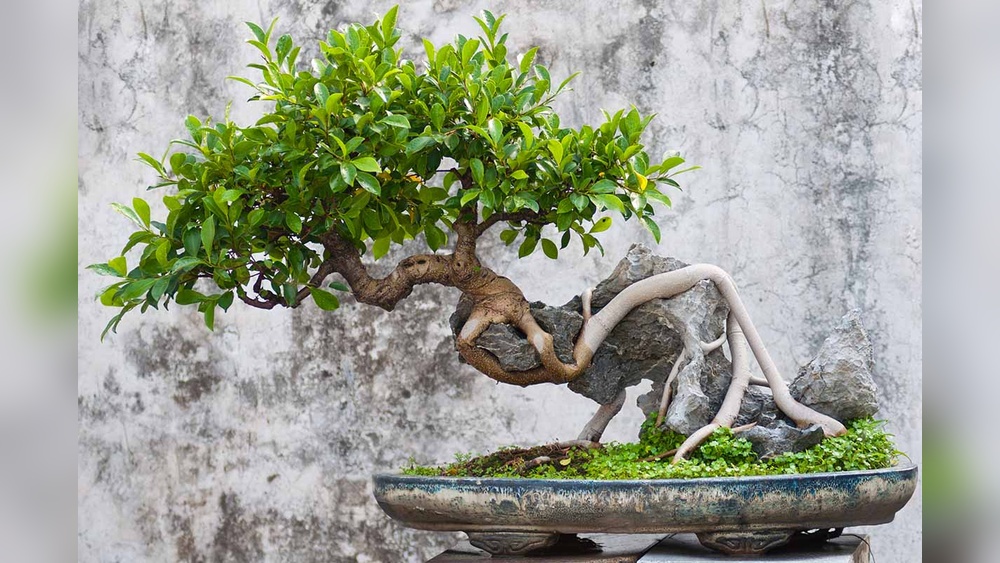
Bonsai cultivation is a blend of horticultural expertise and artistic finesse, but the journey to a thriving bonsai starts with a foundational question: What size container should I use to bonsai Amazon? Whether you’re aspiring to craft a miniature rainforest tree or simply want to nurture a piece of the Amazon in your home, container selection is pivotal. The right pot doesn’t just frame your living sculpture—it directly influences growth rate, root health, hydration, and the longevity of your bonsai.
Amazonian trees, ranging from Brazil nut to Cecropia and Ficus, present unique challenges. Their native conditions—humid air, deep roots, and rapid growth—mean that conventional bonsai wisdom often needs adaptation. In this comprehensive guide, we’ll dissect the science and artistry behind container sizing, provide actionable advice, and showcase real-world examples. We’ll also compare container materials, shapes, and depths, ensuring you select the ideal vessel for your Amazon bonsai journey.
Key Takeaways
- Container size profoundly affects Amazon bonsai health, aesthetics, and growth control.
- Depth, width, and drainage must be tailored to the species and your bonsai goals.
- Amazonian trees often require larger, deeper pots than traditional bonsai species.
- Material choice (ceramic, plastic, terra cotta) impacts root temperature and moisture.
- Regular repotting and root pruning are essential for long-term Amazon bonsai success.
- Real-world examples illustrate how container selection shapes outcomes.
Understanding Amazonian Bonsai: Species And Growth Habits
Amazonian Tree Types Suitable For Bonsai
The Amazon rainforest is home to thousands of species, but only a select few adapt well to bonsai cultivation. Key candidates include:
- Ficus amazonica: A vigorous grower with strong aerial roots.
- Cecropia spp. : Fast-growing, umbrella-shaped foliage.
- Brazil nut tree (Bertholletia excelsa): Large leaves and substantial trunk.
- Guava (Psidium guajava): Compact growth, edible fruit.
- Bauhinia spp. : Butterfly-shaped leaves, moderate size.
Each species brings unique root structures and growth rates, dictating specific container needs. For example, the Ficus amazonica thrives in shallow pots due to its surface roots, while the Brazil nut tree demands deeper containers to accommodate its taproot.
It’s worth noting that not all Amazonian species are suitable for bonsai—some may have growth habits or leaf sizes that are difficult to miniaturize attractively. When choosing your specimen, consider both the horticultural requirements and the visual potential of the tree.
Growth Patterns And Root Behavior
Amazonian trees typically display:
- Rapid vertical growth: Frequent pruning required.
- Aggressive root expansion: Necessitates periodic root trimming.
- High moisture demand: Need for containers with good drainage and humidity retention.
For instance, Cecropia species are known to shoot up quickly, sometimes putting on several feet of growth in a single season if not carefully managed. This vigor means their roots will quickly fill available container space, and their need for moisture will test the limits of many standard bonsai soils and pots.
Understanding these traits is essential. Selecting a container that’s too small stunts growth and stresses roots; too large, and you lose bonsai aesthetics and control. The key is finding a balance that encourages healthy development while maintaining the illusion of a mature, ancient tree in miniature.
Adaptation Challenges
Cultivating Amazonian bonsai outside their native habitat introduces several challenges:
- Humidity: Amazon trees crave high humidity; containers must accommodate this.
- Temperature: Pots must buffer temperature swings to protect roots.
- Soil composition: Amazonian species often prefer richer, loamy substrates.
In temperate regions, you may need to supplement with humidity trays or regular misting, and containers must be chosen with insulation properties in mind to avoid root stress from fluctuating temperatures.
Real-world Example: Ficus Amazonica Bonsai
A bonsai enthusiast in Miami documented their Ficus amazonica journey. Starting with a 12-inch deep ceramic pot, they transitioned to a 6-inch shallow tray after two years. The deeper initial container allowed robust root development, while the shallow tray enhanced ramification and aesthetic appeal. The result: a thriving, healthy bonsai with pronounced aerial roots.
This example highlights the importance of adapting container size as the tree matures. The initial deep pot supported rapid early growth, while the subsequent shallow container helped refine the tree’s appearance and promote surface root structure—essential for the species’ classic bonsai look.
The Importance Of Container Size In Bonsai Health And Growth
Root Development And Health
The container size directly controls root expansion:
- Small containers: Restrict root growth, increase root pruning frequency.
- Large containers: Encourage robust growth, but risk losing miniaturization.
A study by the National Institutes of Health found that root-constrained trees develop thicker trunks and denser foliage, ideal for bonsai aesthetics.
For Amazonian species, which often have vigorous root systems, the pot must provide enough space to support health without overwhelming the visual balance of the bonsai. Roots circling the pot or pushing through drainage holes are signs that it’s time for repotting or root pruning.
Hydration And Drainage
Amazonian bonsai demand:
- Consistent moisture: Containers must retain water without becoming waterlogged.
- Efficient drainage: Prevents root rot, especially in humid environments.
Proper sizing ensures moisture is balanced. Deep containers retain more water but may suffocate roots; shallow pots dry quickly, necessitating frequent watering.
In practice, the container must strike a balance between retaining enough moisture for the tree’s needs and allowing excess water to escape. For example, Ficus species can suffer from root rot if excess water is trapped, while Guava may drop leaves if allowed to dry out.
The interplay between container depth and drainage capacity is therefore critical.
Nutrient Availability
Container volume limits available nutrients:
- Smaller pots: Require regular fertilization.
- Larger pots: Hold nutrients longer, but may dilute them.
Balanced fertilizer regimens are crucial for Amazonian species, as their rapid growth depletes nutrients quickly.
It’s also important to remember that Amazonian trees, coming from nutrient-rich rainforest soils, are accustomed to a steady supply of organic material. Incorporating slow-release fertilizers or regular feeding is essential, especially when root space is limited.
Bonsai Aesthetics And Proportion
The visual harmony of bonsai depends on:
- Pot-to-tree ratio: Generally, the container’s width matches the tree’s canopy, and depth is 1-2 times trunk diameter.
- Style: Formal upright Amazon bonsai require deeper, stable pots; cascade styles use taller containers.
Aesthetic guidelines are rooted in tradition but must be adapted for Amazonian trees.
For example, the robust trunks and large leaves of many Amazonian species can overwhelm a delicate pot. Choosing a container that complements the power and presence of the tree is essential for a convincing display.
Case Study: Container Size Impact On Cecropia Bonsai
A hobbyist in São Paulo used two Cecropia saplings—one in a 4-inch shallow pot, another in an 8-inch deep container. The shallow-potted tree developed denser foliage but suffered dehydration in summer, while the deep-pot specimen grew quickly but lacked ramification.
After repotting both to intermediate sizes, health and aesthetics improved markedly.
This case study demonstrates that neither extreme is ideal; a container that is too shallow or too deep can create issues with hydration, root health, or visual balance. The key is to adjust pot size as the tree develops, always keeping an eye on the interplay between health and aesthetics.
Selecting The Right Container: Dimensions, Depth, And Shape
Width And Length
The width should accommodate the entire root spread and canopy:
- Minimum width: Equal to the tree’s canopy diameter.
- Maximum width: 1.5 times canopy diameter for Amazonian species.
For example, a Guava bonsai with a 10-inch canopy should be planted in a container 10–15 inches wide.
Wider containers are particularly useful for multi-trunk or forest-style plantings, allowing for more creative arrangements that evoke the dense, layered look of the Amazon.
Depth Considerations
Amazonian trees often possess deeper roots, requiring more depth than traditional bonsai:
- Shallow trays (2–4 inches): Suitable for Ficus and Bauhinia.
- Medium depth (5–8 inches): Ideal for Cecropia and Guava.
- Deep pots (9–12+ inches): Required for Brazil nut and other taprooted species.
Deeper containers also help stabilize tall or top-heavy specimens, preventing accidental tipping or breakage.
Height And Shape
Pot shape influences root growth and aesthetics:
- Rectangular pots: Suit upright styles, provide stability.
- Round/oval pots: Complement multi-trunk or informal trees.
- Cascade pots: For trees styled to droop below the pot rim.
Selecting the right shape can also reinforce the illusion of age or natural setting—oval pots, for instance, often look more organic and less formal than rectangles.
Comparison Table: Amazon Bonsai Container Sizing
| Species | Recommended Depth | Width | Shape | Notes |
|---|---|---|---|---|
| Ficus amazonica | 3–5 in | 8–12 in | Shallow, oval | Surface roots, prefers humidity |
| Cecropia spp. | 6–8 in | 12–16 in | Medium, rectangular | Fast growth, moderate roots |
| Brazil nut tree | 10–12 in | 16–20 in | Deep, round | Taproot, slow ramification |
| Guava | 5–7 in | 10–14 in | Medium, oval | Compact, edible fruit |
| Bauhinia spp. | 4–6 in | 8–10 in | Shallow, rectangular | Butterfly leaves, moderate roots |
Real-world Example: Choosing The Right Pot For Guava Bonsai
A bonsai gardener in Florida experimented with pot sizes for a Guava tree. Starting in a 4-inch deep, 8-inch wide tray, the tree struggled with root binding. After moving to a 6-inch deep, 12-inch wide oval pot, root health improved, fruiting increased, and the bonsai maintained its miniature stature.
This real-world trial highlights how small adjustments in pot size can yield significant improvements in both the health and beauty of your bonsai. As the tree matured, the larger container provided the necessary space for roots and nutrients, supporting improved flowering and fruiting without sacrificing the miniature effect.

Container Materials: Pros, Cons, And Suitability
Ceramic
Ceramic containers are traditional, offering:
- Excellent aesthetics: Glazed or unglazed finishes.
- Temperature regulation: Protects roots from extremes.
- Weight: Provides stability for tall Amazon trees.
Drawbacks include higher cost and fragility.
Ceramic pots are often favored for display because they come in a wide array of shapes, colors, and glazes, allowing you to match the container to the tree and to your décor. They also buffer roots from temperature swings, which is especially important for tropical trees grown in less-than-tropical climates.
Plastic
Plastic pots are:
- Lightweight: Easier to handle, ideal for larger Amazon bonsai.
- Affordable: Cost-effective for beginners.
- Retains moisture: May cause overwatering if not monitored.
They lack the visual appeal of ceramics but are practical for early stages.
Plastic pots are invaluable during the training phase, where frequent root work and size adjustments are common. Their light weight makes them easy to move—even for large trees—and their low cost means you can invest more in other materials or more trees.
Terra Cotta
Terra cotta pots offer:
- Porosity: Allows air exchange, prevents root rot.
- Classic look: Suits rustic Amazon bonsai styles.
However, they dry out quickly, requiring frequent watering in dry climates.
Terra cotta is especially useful for growers in humid climates, as the porous walls help excess moisture escape. However, they can be heavy and are prone to cracking in cold weather, so they’re best used indoors or in frost-free areas.
Wood
Wooden containers are rare but:
- Customizable: Ideal for odd-shaped trees.
- Insulates roots: Protects against temperature swings.
They degrade over time and can harbor pests.
Wood boxes are often used for growing and training large pre-bonsai before transitioning to a more permanent container. While practical, they are rarely seen in display settings due to their tendency to weather and rot.
Comparison Table: Container Materials For Amazon Bonsai
| Material | Pros | Cons | Best Use |
|---|---|---|---|
| Ceramic | Stable, aesthetic, temp control | Expensive, fragile | Mature bonsai, display |
| Plastic | Light, cheap, moisture retention | Less attractive, prone to cracking | Training, large trees |
| Terra Cotta | Porous, classic look | Dries quickly, heavy | Dry climates, rustic styles |
| Wood | Custom shape, insulates | Degrades, pest risk | Unique styles, temporary |
Real-world Example: Material Impact On Bonsai Health
A bonsai club in Peru compared Brazil nut trees in ceramic vs. plastic pots. Ceramic containers yielded healthier roots and more stable growth, while plastic pots caused overheating and root stress during summer.
This experiment underscores the importance of matching container material to both your species and your growing environment. The insulating properties and visual appeal of ceramic pots make them the superior choice for long-term cultivation and display.
Drainage, Humidity, And Amazon Bonsai Container Requirements
Drainage Essentials
Proper drainage is non-negotiable for Amazon bonsai:
- Multiple holes: Prevent waterlogging.
- Mesh screens: Keep soil intact, enhance airflow.
- Elevated bases: Encourage air circulation.
Overwatering is a common issue; Amazonian trees need moist, not soggy, roots.
For best results, place a layer of coarse gravel or pumice in the bottom of the pot to facilitate drainage. Mesh screens over the holes prevent soil loss and keep roots from escaping.
Humidity Retention
Amazonian species thrive with high humidity:
- Deeper pots: Retain moisture longer.
- Humidity trays: Boost ambient moisture.
- Mulching: Organic mulch helps regulate evaporation.
Combining these methods ensures roots remain healthy and hydrated.
In addition to using humidity trays, grouping multiple plants together can create a microclimate with higher humidity, which is beneficial for species sensitive to dry air.
Soil Mix Considerations
Bonsai soil for Amazon species should:
- Contain loam and organic material: Mimics rainforest substrate.
- Include perlite or pumice: Enhances drainage.
- Retain moisture: Without becoming compacted.
A well-structured soil mix supports root health and minimizes container stress.
For example, a mix of akadama, pine bark, and pumice or perlite is a good starting point. Adding a small amount of compost or worm castings can help mimic the nutrient-rich soils of the Amazon.
Real-world Example: Drainage Solutions For Amazon Bonsai
An enthusiast in Manaus used mesh screens and layered gravel in their Cecropia bonsai pot, preventing root rot and improving air flow. The result: vigorous growth and lush foliage, even in high-humidity conditions.
This approach illustrates how attention to drainage and humidity can transform the health of Amazonian bonsai, especially in challenging climates.
Repotting And Root Pruning: Maintaining Optimal Container Size
Repotting Frequency
Amazonian bonsai typically require repotting every:
- 1–2 years: For fast-growing species (Cecropia, Ficus).
- 3–5 years: For slower growers (Brazil nut).
Repotting refreshes soil, trims roots, and prevents container-bound stress.
During repotting, check for compacted or dead roots and prune them away. This not only encourages new growth but also keeps the tree in proportion to its container.
Root Pruning Techniques
Root pruning is essential to:
- Control size: Prevents overgrowth.
- Enhance ramification: Promotes fine root development.
- Maintain health: Removes dead or diseased roots.
Best practices include pruning during dormancy or early spring.
Use sharp, sterile tools to avoid damaging healthy roots. For Amazonian trees, which often have large, vigorous root systems, it’s crucial to prune no more than one-third of the roots at a time to avoid shocking the plant.
Signs It’s Time To Repot
Look for:
- Root-bound appearance: Roots circling the container.
- Reduced growth: Fewer leaves, smaller canopy.
- Poor drainage: Water pooling on soil surface.
Timely repotting restores vigor and maintains bonsai proportions.
If you see roots pushing up above the soil surface or through drainage holes, it’s a clear sign the tree has outgrown its container.
Real-world Example: Repotting A Bauhinia Bonsai
A grower in Rio de Janeiro repotted their Bauhinia bonsai every two years. By trimming roots and refreshing soil, they sustained healthy leaf growth and vibrant bloom, demonstrating the importance of regular container maintenance.
This routine not only maintained the tree’s aesthetics but also prevented root diseases and supported consistent flowering.
Matching Container To Bonsai Style And Display
Formal Upright Style
Amazonian trees styled as formal upright bonsai require:
- Deep, stable pots: Prevent tipping.
- Rectangular shape: Enhances visual weight.
The visual gravity of the container supports the stately presence of the tree, making the composition feel anchored and harmonious.
Informal And Multi-trunk Styles
- Oval containers: Allow for multi-trunk arrangements.
- Medium depth: Supports varied root systems.
These containers provide flexibility in arranging roots and trunks, often resulting in a more natural, forest-like appearance.
Cascade And Semi-cascade Styles
- Tall pots: Essential for drooping branches.
- Weighted base: Prevents instability.
For Amazonian species adapted to cascade styles, such as certain Ficus, the tall pot allows the branches to flow downward gracefully, mimicking their natural growth over riverbanks or cliffs.
Display Considerations
- Color: Earth tones complement Amazon foliage.
- Texture: Smooth pots for modern styles; rough, natural pots for rustic Amazon themes.
Selecting the appropriate pot color and finish can enhance the vibrancy of the tree’s leaves and bark, creating a visually cohesive display.
Real-world Example: Displaying Amazon Bonsai At Shows
A bonsai artist in New York exhibited a Cecropia bonsai in a deep, glazed rectangular pot, winning accolades for proportion and presentation. The container’s color mirrored rainforest soil, enhancing the tree’s visual impact.
This example demonstrates that thoughtful container choice can elevate a bonsai from a mere plant to a work of living art.
Common Mistakes And Best Practices In Amazon Bonsai Container Selection
Mistakes To Avoid
- Choosing pots too small: Leads to dehydration and stunted growth.
- Overly large containers: Reduces bonsai control, causes excessive growth.
- Ignoring drainage: Results in root rot.
- Selecting wrong material: Can overheat or dry out roots.
- Infrequent repotting: Causes root-bound stress.
Avoiding these pitfalls ensures your Amazonian bonsai thrives in both health and appearance.
Best Practices
- Match pot size to species and growth stage.
- Prioritize drainage and humidity retention.
- Select materials based on climate and display goals.
- Repot and prune roots regularly.
- Use proportion guidelines: Pot width = canopy, depth = trunk diameter.
Maintaining a consistent care routine, adjusting container size as the tree matures, and being proactive about root and soil health are the foundations of successful Amazonian bonsai cultivation.
Data-driven Insights
A survey published by the Bonsai Empire found that 68% of successful Amazon bonsai growers use medium-depth ceramic pots and repot every two years.
This data underscores the consensus among experienced growers: regular repotting and choosing the right material are crucial for long-term success.
Advanced Tips: Fine-tuning Container Choice For Amazon Bonsai Success
Climate Adaptation
- Hot, dry climates: Use deeper, ceramic pots for moisture retention.
- Humid regions: Shallow, terra cotta pots prevent overwatering.
In cooler climates, consider insulating pots with foam or placing them in protected areas during cold snaps to prevent root damage.
Training Vs. Display
- Training phase: Plastic or wood pots for flexibility and size adjustment.
- Display phase: Ceramic containers for aesthetics and stability.
During training, don’t be afraid to up-pot or downsize as needed to manage root growth and overall health. Once the tree is ready for display, invest in a high-quality ceramic pot to showcase your work.
Fertilization And Watering
- Small pots: Require frequent feeding and watering.
- Large pots: Allow slower root expansion, less frequent maintenance.
Amazonian species are heavy feeders. Incorporate a regular fertilization schedule, adjusting for the size of your container and the growth rate of your species.
Case Study: Optimizing Container For Brazil Nut Bonsai
An expert in Quito used progressively deeper pots for a Brazil nut bonsai, starting with a 6-inch training pot and ending with a 12-inch ceramic display container. Each stage optimized root development, moisture control, and visual harmony.
This gradual approach ensured that the taproot was managed without stunting growth, and that the final display container balanced the tree’s impressive presence with the classic aesthetics of bonsai.
External Resources
For deeper insights into Amazonian bonsai care and container selection, explore:
- Wikipedia: Bonsai
- Royal Horticultural Society: Bonsai
- Brooklyn Botanic Garden: Bonsai Basics
- Bonsai Outlet: Bonsai Pots
- Denver Botanic Gardens: Bonsai Containers
Frequently Asked Questions
What Is The Ideal Container Depth For Amazonian Bonsai Trees?
The optimal depth varies by species. Ficus amazonica and Bauhinia thrive in 3–5 inch deep containers, while Brazil nut trees need pots 10–12 inches deep due to their taproots. Always match depth to root system and growth stage.
How Often Should I Repot Amazon Bonsai?
Fast-growing species like Cecropia and Ficus require repotting every 1–2 years. Slower growers such as Brazil nut trees can be repotted every 3–5 years. Repotting frequency depends on root growth, soil health, and container size.
Can I Use Plastic Containers For Amazon Bonsai?
Yes, plastic containers are suitable for training and larger trees, offering moisture retention and affordability. However, for display and mature bonsai, ceramic or terra cotta pots are preferred due to aesthetics and better temperature regulation.
What Is The Best Soil Mix For Amazonian Bonsai?
A blend of loam, organic matter, perlite, and pumice works best. This mix mimics rainforest conditions, providing drainage and moisture retention. Avoid compact soils, as Amazonian roots require airflow and consistent hydration.
Do Amazonian Bonsai Need Humidity Trays?
Amazonian species benefit from humidity trays, especially in dry climates. These trays increase ambient moisture, protect roots, and help replicate rainforest conditions, supporting healthy foliage and root growth.
Selecting the right container for your Amazon bonsai is both science and art. By understanding species-specific needs, matching pot size and material, ensuring proper drainage and humidity, and maintaining regular repotting schedules, you’ll create a thriving miniature rainforest tree. The journey begins with an informed container choice—laying the foundation for years of growth, beauty, and horticultural mastery.