What Shrub in Kentucky Looks Like a Bonsai Tree? Answered
To avoid planting invasive shrubs such as Chinese privet (*Ligustrum sinense*) or Japanese barberry (*Berberis thunbergii*), even if their size or structure resembles bonsai. These species can outcompete native plants and harm local ecosystems. Always prioritize native or well-adapted, non-invasive shrubs for both ecological and aesthetic benefits.
Can These Bonsai-like Shrubs Be Grown In Containers?
Yes, many Kentucky-native shrubs with bonsai characteristics can thrive in large containers, especially when young. For best results:
- Choose frost-resistant pots for year-round outdoor display.
- Use a well-draining soil mix to prevent root rot.
- Water more frequently than in-ground plants, as containers dry out faster.
- Prune roots and foliage annually to maintain scale and health.
Container-grown specimens allow for closer observation and precise shaping—perfect for patios, decks, or small urban gardens.
How Fast Will These Shrubs Develop A Bonsai Appearance?
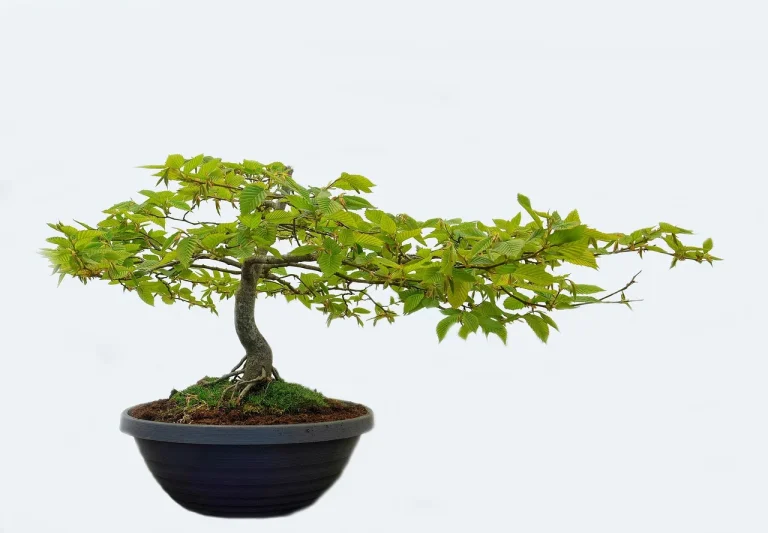
Development speed depends on the species, growing conditions, and the level of training applied. Dwarf Eastern Red Cedar may show significant bonsai-like character within 5–7 years, especially if planted in rocky, well-drained soil and shaped with regular pruning. American Hornbeam, serviceberry, and others may take a similar or slightly longer time to develop mature-looking trunks and branches, but their natural tendencies often accelerate the process compared to traditional bonsai grown from seedlings.
Are There Any Public Gardens In Kentucky Where I Can See These Plants?
Yes, several public spaces and arboretums feature native shrubs with bonsai-like forms. Notable locations include:
- The University of Kentucky Arboretum in Lexington, which showcases native plant collections.
- The Bernheim Arboretum and Research Forest near Louisville, with educational displays on native woody plants.
- Red River Gorge Geological Area, where hikers can observe wild bonsai-like cedars and hornbeams in their natural habitat.
These gardens provide inspiration, practical examples, and educational opportunities for gardeners interested in incorporating bonsai aesthetics into their landscapes.
Advanced Tips For Maximizing Bonsai-like Qualities
For gardeners seeking to elevate their bonsai-inspired plantings, consider these advanced strategies:
Incorporate Hardscape Elements
- Boulders and Rocks: Place large stones around the base of the shrub to mimic mountain outcrops, enhancing the illusion of an ancient tree growing in a harsh environment.
- Driftwood or Weathered Wood: Adds visual interest and echoes the natural setting of windswept trees.
- Gravel Mulch: Use decorative gravel or crushed stone to highlight root flare and trunk movement.
Combine Multiple Species
Planting a mix of bonsai-like shrubs together can create a miniature woodland or “forest” planting. Layering different textures, foliage colors, and trunk forms increases visual complexity and mimics natural landscapes.
Use Selective Defoliation
For deciduous species like American Hornbeam, carefully removing some leaves in early summer can reduce leaf size and increase branch ramification, making the plant look even more like a refined bonsai.
Simulate Natural Stress
Withholding water during dry periods (within the plant’s tolerance), or pruning roots and branches, can encourage the development of thicker trunks, tighter growth, and more dramatic forms—always ensuring the plant remains healthy overall.
Train With Guy Wires Or Weights
Advanced bonsai artists use gentle tension from wires or weights to direct branch growth and create cascading or windswept forms. This technique can also be applied, with care, to landscape shrubs for dramatic effect.

Credit: www.wigertsbonsai.com
How To Choose The Right Bonsai-like Shrub For Your Kentucky Garden
When deciding which shrub to plant, consider these factors:
- Garden Size and Scale: Dwarf Eastern Red Cedar is perfect for small to medium gardens, while American Hornbeam or serviceberry suit larger spaces.
- Sun/Shade Conditions: Junipers thrive in full sun, while hornbeam and serviceberry tolerate more shade.
- Desired Maintenance Level: Junipers and fringetree require little pruning, while hornbeam and serviceberry can be shaped more intensively.
- Wildlife and Pollinator Goals: Serviceberry and fringetree offer spring flowers and fruit, attracting birds and pollinators.
- Visual Preferences: For evergreen structure, choose juniper; for dramatic fall color, select hornbeam or serviceberry.

Credit: www.wigertsbonsai.com
The Future Of Bonsai-inspired Gardening In Kentucky
Interest in naturalistic, low-maintenance, and ecologically sound landscaping is growing across Kentucky. Bonsai-like shrubs offer the rare combination of artistry and sustainability, blending seamlessly with native plantings and providing year-round beauty. As more gardeners discover the appeal and practicality of these plants, expect to see landscapes across the state dotted with miniaturized masterpieces—living testaments to both Kentucky’s natural history and the gardener’s creative touch.
By choosing and caring for these unique shrubs, you not only bring the magic of bonsai to your garden but also support native wildlife, conserve resources, and celebrate the rugged elegance of the Bluegrass State’s natural heritage.
For further reading and plant sourcing, consult local extension offices, native plant nurseries, and the Kentucky Native Plant Society. Explore your landscape, experiment with pruning and siting, and watch as your own living bonsai-like sculptures take shape—rooted in Kentucky’s soil, climate, and timeless beauty.