Bonsai trees, miniature masterpieces shaped by human hands, captivate with their elegance and artistry. Yet, even the most carefully cultivated bonsai can surprise growers with unexpected growth patterns—one of the most perplexing being downward-growing branches or foliage. Watching a bonsai’s branches droop or cascade rather than reaching upward raises questions about plant health, care techniques, and the natural tendencies of different species.
Why do some bonsai trees grow downwards, defying the classic upright forms so often admired? Is this a cause for alarm, or can it be an intentional part of bonsai design? Unraveling these mysteries requires a deep dive into plant physiology, horticultural practice, and artistic tradition.
In this comprehensive guide, we’ll explore the root causes of downward bonsai growth, from environmental stressors to intentional styling, helping both novice and expert growers understand, prevent, and harness this fascinating phenomenon.
Key Takeaways
- Downward bonsai growth can result from genetics, poor care, environmental stress, or deliberate artistic styling.
- Identifying the cause is crucial—some downward growth is natural or desirable, while other cases signal health issues.
- Core factors include light direction, watering habits, pruning, wiring, and species traits.
- Effective management involves adjusting care routines, correcting environmental problems, and knowing when downward growth is beneficial.
- Real-world examples show that both mishandling and masterful design can lead to downward bonsai forms.
- Understanding and leveraging downward growth enhances bonsai artistry and tree health.

Credit: www.pixiesgardens.com
Understanding Bonsai Growth Patterns
The Basics Of Bonsai Physiology
Bonsai trees follow the same growth principles as their full-sized counterparts. Their shape is determined by genetics, environmental cues, and the way they’re pruned or trained. Generally, healthy trees show apical dominance—the tendency for the top shoots to grow more vigorously, creating an upward, tree-like form. Apical dominance ensures that a tree invests most of its energy in vertical growth, allowing it to compete for sunlight in its natural habitat. In bonsai, maintaining or redirecting this dominance is a cornerstone of shaping techniques.
Gravitropism (growth in response to gravity) and phototropism (growth towards light) are key mechanisms. In the wild, these instincts guide branches upward for better sunlight and stability. When a bonsai’s branches grow downward, something is influencing these natural responses. For example, if the direction of light changes due to a window relocation, or if a tree is rotated irregularly, the branches may adjust orientation in search of optimal exposure. Soil quality and moisture levels also modulate the plant’s ability to maintain turgor pressure, which supports branch structure.
Classic Vs. Unconventional Bonsai Forms
Traditional bonsai styles—such as formal upright (Chokkan) and informal upright (Moyogi)—favor upward growth, but other recognized forms like cascading (Kengai) or semi-cascade (Han-Kengai) intentionally feature downward movement. Understanding the difference between intentional and unintentional downward growth is crucial for proper bonsai care. For example, the windswept style (Fukinagashi) may feature a combination of upward, sideways, and downward growth, mimicking trees exposed to persistent winds. Mastery of these styles allows artists to evoke powerful natural scenes within a confined space.
The Role Of Hormones In Branch Direction
Plant hormones like auxins and gibberellins control cell elongation and direction. A disruption in hormone distribution (from pruning, injury, or environmental changes) can lead to abnormal growth, including downward bending. Gravitational forces also affect hormone flow, encouraging roots to grow down and shoots to grow up—unless overridden by stress or manipulation. For instance, when the apex is cut, lateral buds receive less auxin inhibition and may grow more vigorously, sometimes outward or downward if light or gravity cues are altered. Understanding hormone dynamics is essential for advanced bonsai styling and troubleshooting growth anomalies.
Case Study: The Juniper Cascade
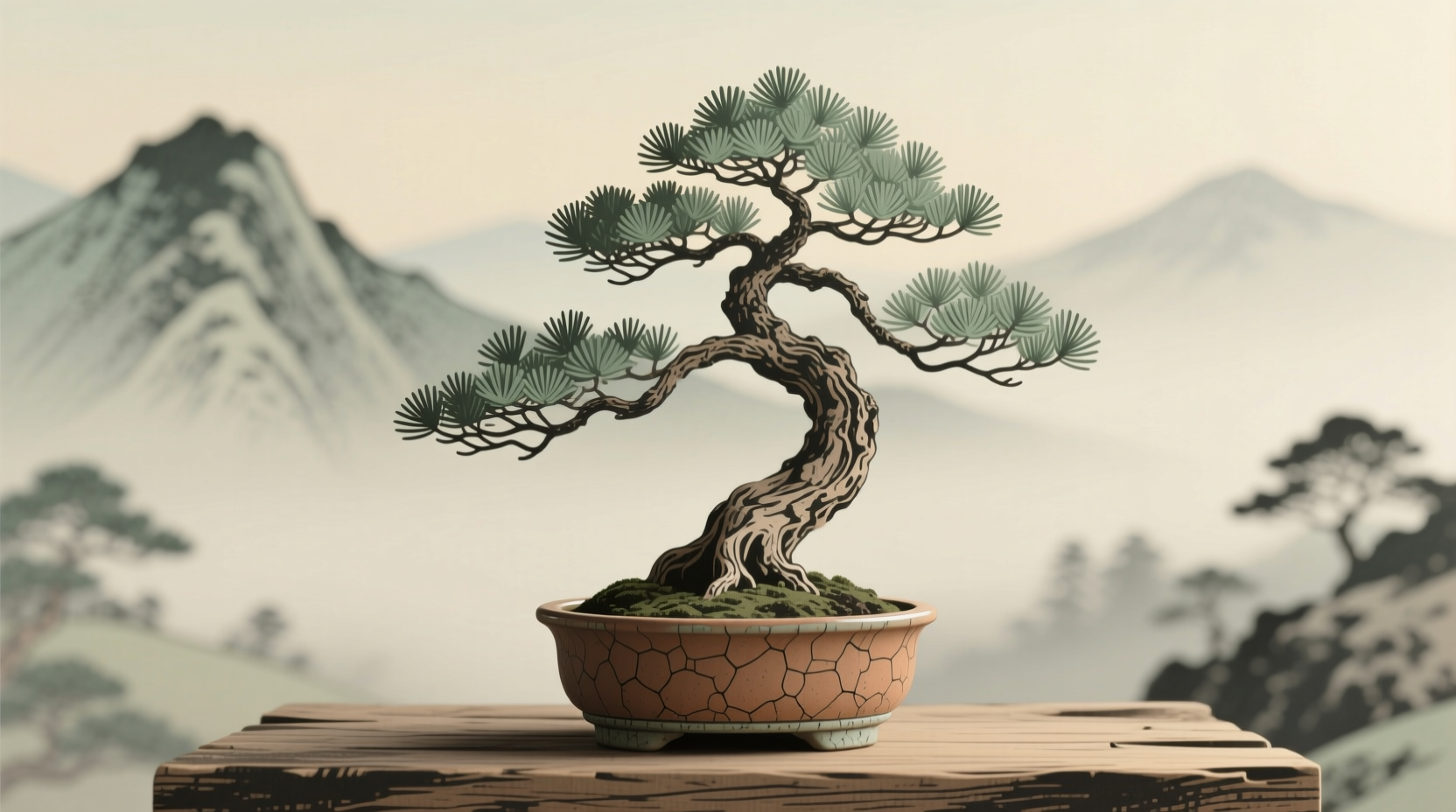
A classic example is the juniper cascade bonsai, where branches are trained to flow downward over the pot’s edge. Here, downward growth is intentional, achieved through wiring and selective pruning. However, similar patterns in an upright style juniper may signal underlying problems. For instance, if a juniper that should be upright suddenly starts to droop, the grower should check for root issues, waterlogging, or improper lighting. This distinction underlines the importance of aligning design intentions with the tree’s health and natural tendencies.
Credit: lifetips.alibaba.com
Common Causes Of Downward Growth In Bonsai Trees
Natural Species Tendencies
Some species, such as weeping willow (Salix babylonica) and Japanese maple (Acer palmatum), naturally produce branches that hang or drape. For these trees, downward growth is a genetic trait and can be embraced as part of their beauty. Other species, such as certain varieties of elm or wisteria, may also have pendulous forms, which can be highlighted through thoughtful styling. Recognizing these tendencies helps prevent unnecessary intervention and supports the creation of authentic, harmonious bonsai compositions.
Environmental Stress And Poor Growing Conditions
Many cases of downward bonsai growth stem from environmental stress:
- Low light: Insufficient sunlight causes branches to droop as the plant struggles to photosynthesize. In shaded environments, the lack of energy can cause leaves and stems to become thin, elongated, and unable to support their own weight.
- Underwatering or overwatering: Both extremes can lead to weak, limp branches. Underwatering results in dehydration and wilting, while overwatering can suffocate roots, causing root rot and loss of structural integrity.
- Nutrient deficiencies: A lack of vital nutrients—especially nitrogen, potassium, or magnesium—weakens growth. Deficient trees may show pale, yellowing leaves and poor branch development.
Additional environmental stressors include abrupt temperature changes, excessive wind, and pollution—all of which can compromise plant vigor.
| Environmental Factor | Effect on Bonsai | Signs of Downward Growth |
|---|---|---|
| Low Light | Weakens stems, encourages stretching | Branches droop or elongate downward |
| Overwatering | Root rot, loss of turgor | Leaves and branches sag |
| Underwatering | Wilting, desiccation | Stems and foliage droop |
| Nutrient Deficiency | Poor cell development | Weak, floppy branches |
Incorrect Pruning And Training Techniques
Bonsai requires precise pruning and wiring. Over-pruning can remove too much foliage, reducing the tree’s energy and causing branches to weaken and sag. If major branches are removed incorrectly, the resulting hormonal imbalance may cause lateral or lower branches to grow in unpredictable directions, including downward. Improper wiring or leaving wires on too long may also force branches downward, sometimes irreversibly, by cutting into the wood and damaging vascular tissue.
Pest And Disease Problems
Infestations by aphids, scale, spider mites, or fungal diseases can sap a bonsai’s vigor, resulting in limp, downward growth. Affected branches may show additional symptoms such as leaf discoloration, spotting, or sticky residue. In severe cases, pests may damage the cambium, impeding nutrient flow and structurally weakening branches to the point of drooping or dieback.
Age And Wood Maturity
As bonsai trees age, older wood may naturally droop due to the weight of mature branches. This is especially true in certain conifers and broadleaf species, where the wood’s flexibility decreases over time. The cumulative effect of gravity and seasonal growth cycles can give older bonsai a graceful, aged appearance, but excessive droop may signal the need for pruning or support.
Real-world Example: Ficus Retusa Decline
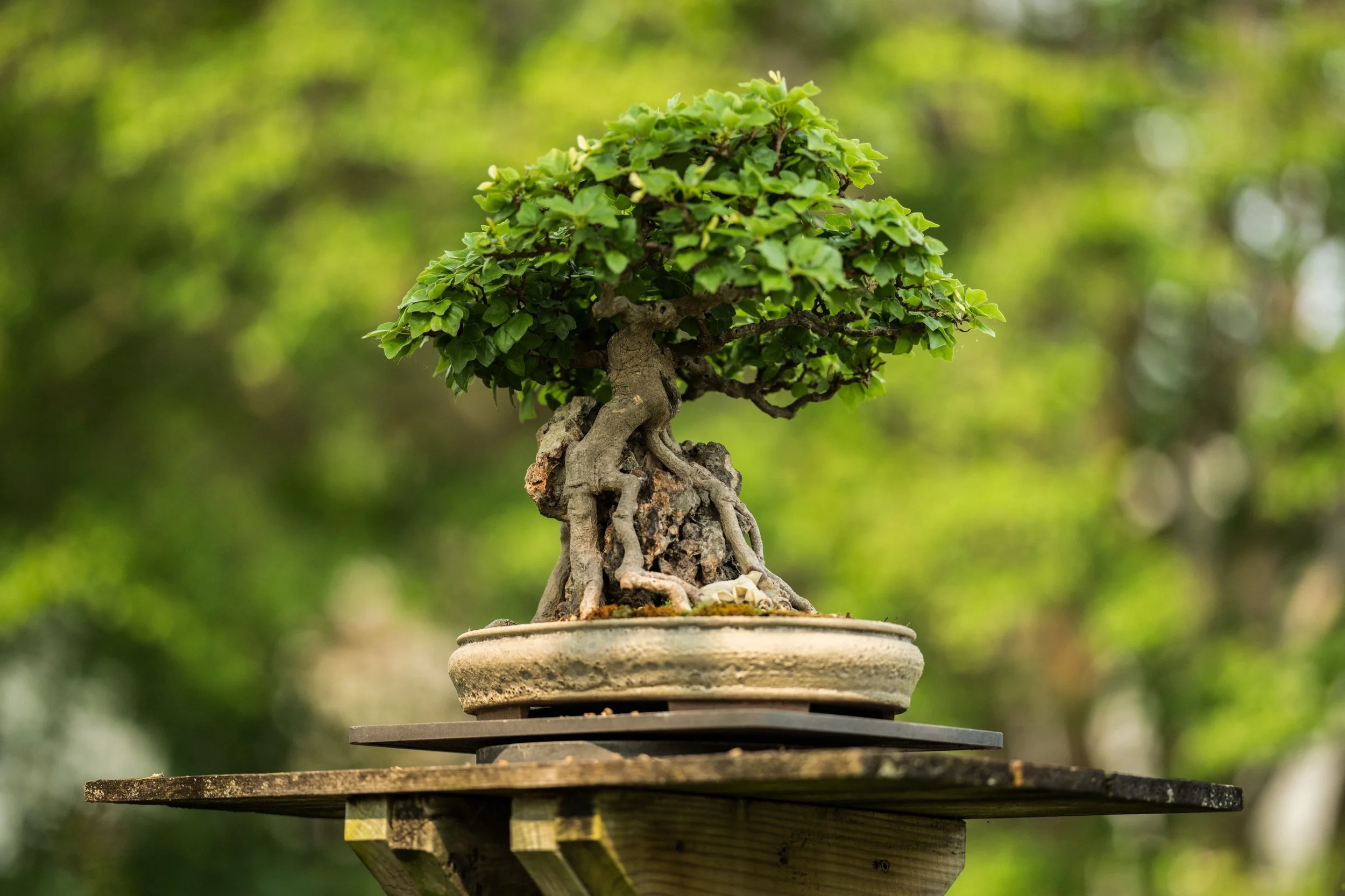
A hobbyist notices their Ficus retusa developing drooping branches. Investigation reveals the tree was kept in a dimly lit room and watered sporadically. After moving the tree to a brighter spot and adjusting watering, upward growth resumes, illustrating how correcting care can reverse downward trends. This case demonstrates the importance of routine monitoring and responsive care to maintain the intended bonsai form.
Credit: www.bonsai-nbf.org
Environmental Factors Influencing Downward Growth
Light Quality And Direction
Insufficient light is among the most common culprits. Bonsai need intense, direct light to maintain strong, upright growth. Indoors, light often comes from one direction, causing branches to bend toward the source or droop if the intensity is too low. Some species, particularly tropicals, require supplemental lighting even near windows, especially during winter months when natural light levels drop.
Solutions:
- Place bonsai near south-facing windows or under grow lights. Full-spectrum LEDs or fluorescent lamps can provide the necessary light intensity.
- Rotate pots weekly for even growth. This prevents phototropism-induced leaning and helps maintain a balanced silhouette.
Watering Practices
Both overwatering and underwatering stress bonsai roots, reducing their ability to support healthy, upright shoots. Over time, improper watering can alter root structure, reducing the plant’s ability to take up water and nutrients efficiently.
Solutions:
- Water only when the topsoil feels dry to the touch. Use a moisture meter for more precise monitoring.
- Ensure pots have adequate drainage holes. Excess water should run freely from the bottom.
- Use a well-draining substrate mix. Incorporate components like akadama, pumice, and lava rock to optimize aeration.
Temperature And Humidity
Low humidity or temperature extremes can cause leaf drop and branch drooping, particularly in tropical species kept indoors during winter. Cold drafts can shock the tree, while proximity to heat sources may dry out foliage.
Solutions:
- Maintain humidity around 40-60% for most bonsai. Use humidity trays or room humidifiers where necessary.
- Avoid placing trees near heat sources or cold drafts. Instead, choose stable environments with gentle air circulation.
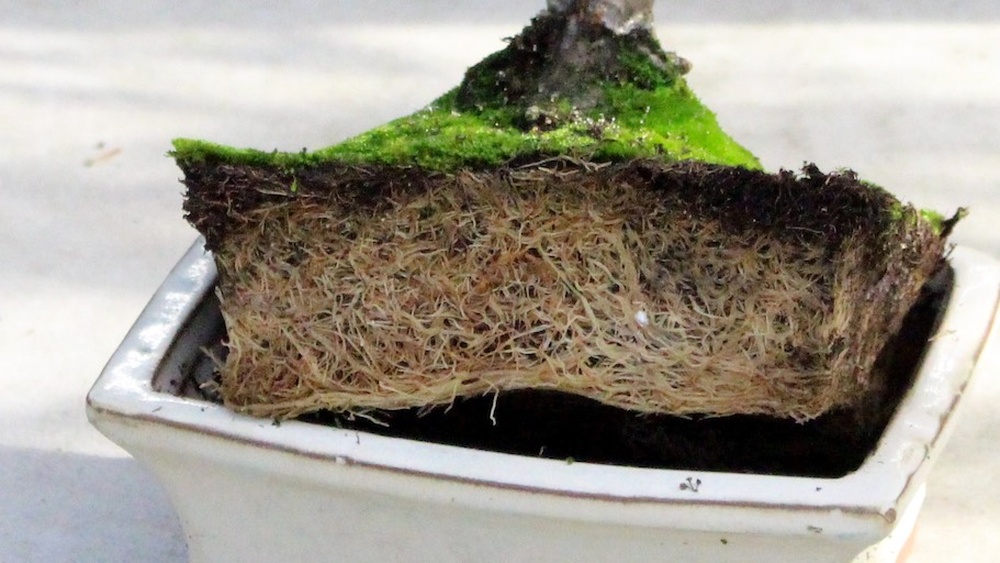
Soil Composition And Root Health
Poor soil drainage leads to root rot, a leading cause of weak, downward growth. Compacted or nutrient-poor soils also fail to support robust branch development. Over time, salts from fertilizer or hard water can accumulate, further degrading soil quality.
Solutions:
- Repot every 1-3 years with fresh, appropriate bonsai mix. This rejuvenates root systems and improves drainage.
- Inspect roots for rot or girdling during repotting. Remove affected roots and treat with fungicide if necessary.
Data Table: Bonsai Growth Responses To Key Environmental Variables
| Factor | Optimal Range | Downward Growth Triggered By |
|---|---|---|
| Light Intensity | 2000-5000 lux | <1000 lux |
| Soil Moisture | Moist, not soggy | Constant wetness or dryness |
| Humidity | 40-60% | <30% or >80% |
| Soil Nutrition | Balanced NPK every 2-4 weeks | Lack of fertilization |
Case Study: Indoor Chinese Elm
A Chinese elm bonsai, placed too far from a window, developed yellowing leaves and downward-hanging branches. Installing an LED grow light and misting the tree restored vigor within weeks. The recovery included not just improved posture but also more vibrant foliage and increased ramification.
The Role Of Bonsai Species And Genetics
Species Prone To Downward Growth
Some bonsai species are genetically predisposed to downward or weeping forms. Examples include:
- Weeping willow (Salix babylonica)
- Japanese maple (Acer palmatum ‘Dissectum’)
- Wisteria
- Juniperus procumbens nana (creeping juniper)
For these trees, downward growth is a desirable and natural trait. Recognizing and respecting these genetic tendencies ensures that styling choices work with the tree, not against it.
Genetic Mutations And Cultivars
Occasionally, mutations or selected cultivars display enhanced weeping characteristics. For instance, some cedar and spruce varieties are bred specifically for trailing branches. These cultivars are popular in bonsai for their unique visual appeal, and skilled artists can use them to create striking weeping or cascade compositions that stand out in exhibitions.
How Genetics Interacts With Training
Even upright species can be trained into downward forms through wiring and pruning. However, fighting a tree’s natural growth habit often leads to health problems or branch dieback. Conversely, leveraging the tree’s innate tendencies results in more sustainable and visually pleasing bonsai. For example, while you can wire a pine downward, over time it will attempt to revert to its upward growth, leading to stress and possible failure of the styled branch.
Comparison Table: Bonsai Species And Growth Habits
| Species | Natural Branch Direction | Suitability for Cascading Styles |
|---|---|---|
| Juniperus procumbens nana | Horizontal/Downward | Excellent |
| Ficus retusa | Upright | Moderate |
| Salix babylonica | Downward/Weeping | High |
| Acer palmatum ‘Dissectum’ | Arching/Downward | Good |
| Pinus thunbergii | Upright | Poor |
Real-world Example: Wisteria Bonsai
Wisteria is prized for its pendulous flower clusters and naturally downward-arching branches. Attempting to train wisteria into a strict upright form often leads to stress and drooping, demonstrating the importance of respecting genetic tendencies. Successful wisteria bonsai embrace the cascade or semi-cascade styles, allowing the tree to express its true character.
Bonsai Care Practices That Lead To Downward Growth
Over-pruning And Defoliation
Aggressive pruning, especially during the wrong season, can weaken the bonsai. Trees rely on foliage to generate energy. Removing too much at once stresses the plant, resulting in limp, downward-hanging branches. For deciduous species, heavy defoliation just before a growth spurt can leave branches unable to support new foliage, causing temporary droop until vigor is restored.
Best Practices:
- Prune only 1/3 of foliage at a time.
- Avoid heavy pruning during dormancy.
- Monitor tree recovery after pruning and adjust care as needed.
Improper Wiring Techniques
Wiring is essential for shaping, but poor technique can:
- Overbend branches, causing permanent downward orientation.
- Leave wires on too long, cutting into bark and restricting growth.
- Break internal fibers, weakening branches.
- Cause stress that leads to branch dieback or abnormal swelling.
Best Practices:
- Use correct wire gauge.
- Remove wires after 2-4 months, or as soon as branches set.
- Support heavy branches with guy wires or stakes.
- Check wired branches weekly for scarring or tension changes.
Infrequent Repotting
Over time, roots can become pot-bound, reducing water and nutrient uptake. This leads to general weakness and downward growth. Pot-bound roots may circle the pot, reducing their efficiency and making it harder for the tree to absorb moisture evenly.
Best Practices:
- Repot young bonsai every 1-2 years, mature trees every 3-5 years.
- Prune roots and refresh soil during repotting.
- Inspect for pests or diseases during repotting.
Neglected Fertilization
Bonsai in pots quickly exhaust soil nutrients. Lack of fertilization leads to poor cell development and weak, droopy growth. Certain micronutrient deficiencies, such as iron or magnesium, may cause subtle changes in leaf color and branch strength before more obvious symptoms develop.
Best Practices:
- Feed with balanced NPK fertilizer every 2-4 weeks during growing season.
- Use organic or slow-release fertilizers for consistent nutrition.
- Adjust fertilizer type and concentration for the species and season.
Case Study: Overwired Pine
A Japanese black pine was wired heavily to create dramatic curves. The owner left the wires on for a full year, resulting in severe scarring and permanently downward-bent branches. This underscores the importance of regular wire checks and timely removal. Even after wire removal, the pine struggled to regain its form, requiring corrective pruning and careful aftercare to restore health and aesthetics.
Intentional Downward Growth: Cascading And Weeping Bonsai Styles
The Art Of Cascading Bonsai
Some of the most dramatic bonsai styles, such as Kengai (full cascade) and Han-Kengai (semi-cascade), feature branches that deliberately flow downward, mimicking trees on cliffs or riverbanks. These styles evoke the image of a tree clinging to a rock face, buffeted by wind and weighted by snow or ice, demonstrating resilience and elegance.
Key Features:
- Trunk and branches extend below the rim of the pot.
- Pot selection is critical—tall, narrow pots are used to balance the visual weight.
- Wiring and pruning are used to establish and maintain the cascade.
- Careful root and branch management is needed to maintain vigor and prevent overextension.
Creating Weeping And Trailing Effects
Weeping bonsai are designed to highlight the natural droop of certain species. This is achieved through:
- Selective pruning to encourage downward shoots.
- Minimal wiring to support natural arching.
- Careful balance between health and aesthetic.
- Regular thinning to prevent excessive weight that could break branches.
These styles require ongoing attention to both form and health, as excessive downward growth can still lead to loss of vitality if not properly managed.
Comparison Table: Intentional Vs. Unintentional Downward Growth
| Characteristic | Intentional Downward Growth | Unintentional Downward Growth |
|---|---|---|
| Purpose | Artistic design | Sign of stress or poor care |
| Branch Health | Strong, flexible | Weak, brittle, or limp |
| Leaf Color | Vibrant, healthy | Pale, yellowing, or spotted |
| Growth Rate | Normal | Stunted or erratic |
| Reversibility | Maintained by choice | Can be reversed with proper care |
Real-world Example: Award-winning Cascade Juniper
At the U.S. National Bonsai & Penjing Museum, a famed cascade juniper demonstrates how intentional downward growth creates a sense of age, drama, and harmony with nature. This artistry is a testament to the skill of bonsai masters, who balance aesthetics with the tree’s long-term health.
Resources For Further Study
For more on bonsai styles, see the detailed guides at the Wikipedia Bonsai page and the Bonsai Empire Styles Guide.
Diagnosing And Correcting Downward Bonsai Growth
Step-by-step Diagnosis
To address downward growth, follow this systematic approach:
- Identify the species—Is downward growth natural or abnormal for this tree?
- Examine the environment—Check light, temperature, humidity, and airflow.
- Inspect the soil and roots—Look for signs of compaction, dryness, or rot.
- Assess watering and fertilization routines—Are you over- or under-doing either?
- Check for pests and diseases—Look under leaves and at branch junctions.
- Review recent pruning or wiring—Was anything done that could cause stress?
Detailed observation, paired with a journal of care routines and environmental changes, often reveals the root cause.
Corrective Actions
- Improve lighting: Move the tree to a brighter location or supplement with grow lights.
- Optimize watering: Adjust frequency based on species and season.
- Repot if necessary: Address root rot or soil compaction, and trim damaged roots.
- Fertilize appropriately: Use a balanced, slow-release product, and consider foliar feeding for rapid nutrient absorption.
- Treat pests/disease: Use appropriate organic or chemical controls. Remove heavily infested branches if necessary.
Preventing Future Issues
- Rotate bonsai regularly for even growth.
- Monitor environmental conditions with a hygrometer and thermometer.
- Prune and wire with moderation and care.
- Maintain a consistent seasonal care schedule.
Case Study: Rescue Of A Neglected Azalea
A Satsuki azalea exhibited severe downward droop after months of neglect. The owner repotted the plant, removed dead roots, placed it in filtered light, and resumed proper watering. Within one growing season, the azalea produced new, upright shoots—a textbook recovery, demonstrating that even stressed bonsai can rebound with attentive care.
Trusted External Resources
For in-depth care tips, consult the guides at the Royal Horticultural Society and Bonsai Outlet Care Center.
Advanced Bonsai Techniques For Managing Growth Direction
Strategic Pruning
Prune back downward-growing shoots to a healthy upward or side-facing bud. This encourages new, upward-oriented growth and restores balance. Consistent, targeted pruning shapes the bonsai over time and reduces the risk of weak, pendulous branches dominating the design.
Tips:
- Use sharp, sterilized tools.
- Cut at a 45-degree angle above a healthy node.
- Prune incrementally, observing regrowth patterns.
Controlled Wiring And Guying
Use wiring and guying to gently reposition branches. For persistent downward droop:
- Apply upward tension with guy wires secured to the pot or trunk.
- Use thicker wire for larger branches, but avoid excessive force to prevent damage.
- Rewire as needed to gradually encourage the desired direction.
Hormonal Manipulation
Advanced growers sometimes use plant growth regulators to alter branch orientation, though this requires expertise and should be approached cautiously. Products containing cytokinins or gibberellins can stimulate targeted growth, but improper use may harm the tree.
Encouraging Upward Growth In Weak Trees
- Increase light intensity and duration.
- Apply foliar feeds for a nutritional boost.
- Remove excessive downward or inward-facing shoots.
- Reduce stress by maintaining consistent environmental conditions.
Integrating Downward Growth Into Design
If downward growth is persistent but healthy, consider adapting the bonsai’s style. Transitioning to a semi-cascade or windswept (Fukinagashi) form can transform a perceived flaw into a dramatic asset. Skilled artists see opportunities in each tree’s unique growth patterns, allowing the bonsai to express both its own character and the vision of the grower.
Further Learning
For advanced techniques, explore resources like the International Bonsai Arboretum and research on plant hormone manipulation.
Frequently Asked Questions
What Is The Most Common Cause Of Downward Growth In Bonsai Trees?
The most frequent cause is environmental stress, especially inadequate light or improper watering. Both can weaken branches and lead to drooping or downward growth. Ensuring proper care and adjusting environmental factors usually resolves the issue.
Can Downward Growth Ever Be A Good Thing In Bonsai?
Yes. In styles such as cascade or weeping bonsai, downward growth is not only acceptable but highly prized for its dramatic effect. Some species are naturally suited to these forms, and with proper technique, downward growth adds beauty and artistic value.
How Do I Tell If My Bonsai’s Downward Growth Is A Problem?
Assess the overall health of your tree: look for limp, yellowing leaves, brittle branches, and poor new growth. If these symptoms accompany downward growth, it’s likely a sign of stress or disease. Healthy downward growth, on the other hand, features firm, vibrant branches and leaves.
What Should I Do If My Bonsai’s Branches Are Drooping After Wiring?
Carefully remove the wire and support the branch with a stake or guy wire if needed. Give the tree time to recover and ensure optimal care. If the branch is severely damaged, prune it back to a healthy point to encourage new, upward growth.
Monitor regrowth and consider gradual wiring or pruning to correct orientation without causing additional stress.
Are There Bonsai Species I Should Avoid If I Want Upright Growth?
Yes. Species like weeping willow, wisteria, and some maples naturally tend toward downward or arching growth. For strict upright styles, choose species with strong apical dominance, such as Japanese black pine or Chinese elm.
Bonsai, at its core, is a dialogue between nature and the artist. Understanding why a bonsai tree grows downward—whether from genetics, environment, or design—empowers you to nurture both health and beauty in your miniature landscape. By diagnosing problems accurately and embracing the full range of bonsai styles, you can transform downward growth from a source of frustration into a wellspring of creativity and artistry.
With patience, observation, and ongoing learning, every grower can unlock the hidden potential in their bonsai, celebrating both the upright and the elegantly cascading forms that nature and art together can achieve.