What is the Fuzzy White Stuff on My Bonsai Leaves
Bonsai enthusiasts often pour their hearts into cultivating miniature trees, so the sudden appearance of fuzzy white stuff on bonsai leaves can be concerning. Whether you’re a beginner or a seasoned grower, seeing powdery or cottony patches can trigger alarm bells about your tree’s health. This mysterious fuzz may indicate anything from harmless environmental residue to the early signs of pest infestations or fungal diseases. Understanding the source and impact of these white patches is crucial for effective treatment and long-term bonsai vitality.
In this in-depth guide, we’ll decode the most common causes of white fuzz on bonsai leaves, show you how to accurately identify each problem, and provide clear, actionable solutions. You’ll learn about effective treatment options, best practices for prevention, and real-world examples of successful bonsai recovery.
By the end, you’ll be equipped with the knowledge to diagnose and address this issue confidently, ensuring your bonsai continues to thrive.
Key Takeaways
- White fuzzy patches on bonsai leaves are most commonly caused by fungal diseases or insect infestations such as powdery mildew, mealybugs, and woolly aphids.
- Accurate diagnosis is essential; visual cues, texture, and spread pattern help differentiate between fungi and pests.
- Prompt action, including physical removal, targeted treatments, and environmental adjustments, is key to successful remediation.
- Preventative care—proper watering, air circulation, and cleanliness—reduces recurrence and supports overall bonsai health.
- Real-world cases demonstrate that with the right approach, even severely affected bonsai can fully recover.
The Main Culprits: What Causes Fuzzy White Stuff On Bonsai Leaves?
Understanding the source of the white fuzz is the first step toward effective treatment. Several distinct causes can create this symptom, each requiring a tailored approach.
Fungal Diseases: Powdery Mildew
Powdery mildew is one of the most prevalent fungal diseases affecting bonsai. It manifests as a soft, powdery white coating on the surface of leaves, often starting on the upper side but spreading quickly.
- Symptoms: White, talcum-like powder; leaf curling or distortion; reduced vigor.
- Conditions: Thrives in warm, humid environments with poor air circulation.
- Spread: Spores travel by wind and water splashes, infecting nearby plants rapidly.
Notably, powdery mildew can affect a wide variety of bonsai species, including maples, elms, azaleas, and junipers. Some species are more susceptible due to the structure of their leaves and their tendency to hold moisture in dense canopies. Early detection is essential, as the fungus can quickly spread to neighboring plants if environmental conditions are favorable.
According to the Royal Horticultural Society, powdery mildew can affect many plant species and is particularly common when humidity is high but leaves remain dry.
Insect Infestations: Mealybugs And Woolly Aphids
Some insects secrete a waxy, fluffy coating that resembles cotton or fuzz, making them a common source of concern.
Mealybugs
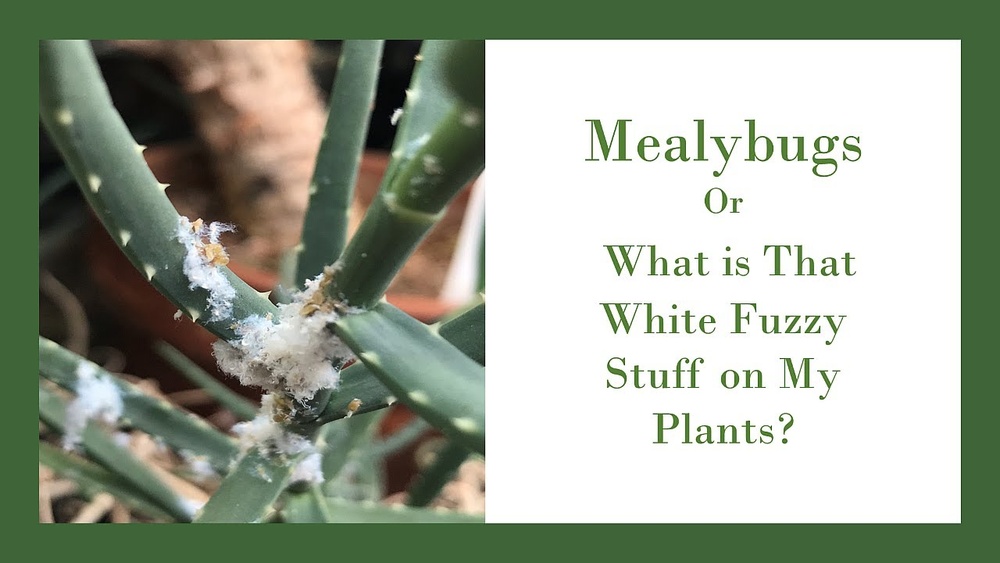
Mealybugs are tiny, sap-sucking insects covered in white, cottony wax. They cluster in leaf axils, stems, and undersides of leaves.
- Symptoms: White, fluffy masses; sticky honeydew secretion; yellowing or wilting leaves.
- Life Cycle: Females lay eggs in cottony masses, accelerating infestation.
Mealybugs can be particularly challenging because their waxy coating protects them from many contact insecticides. Infestations often start small but can explode rapidly, especially in warm, indoor conditions. Over time, mealybugs weaken the plant by draining essential nutrients, leading to leaf drop and poor growth.
Woolly Aphids
Woolly aphids produce a similar white, waxy secretion. They target bonsai by feeding on sap, causing stunted growth and leaf drop.
- Symptoms: Cottony tufts, particularly along stems and leaf joints; sticky residue; possible sooty mold development.
These pests often go unnoticed until their numbers are significant, at which point damage can escalate quickly. Woolly aphids are more common on outdoor bonsai but can be introduced indoors through infested new plants or contaminated tools.
Environmental Residues: Salt Build-up And Hard Water
In some cases, white fuzz can form from non-biological sources, such as salt build-up from fertilizer or hard water deposits.
- Symptoms: Crusty, white patches rather than fluffy; often appears on soil surface or pots more than leaves.
Salt residues can create a hostile environment for bonsai roots, leading to poor nutrient uptake and overall decline. The issue is more common in areas with hard tap water or when fertilizers are used excessively without adequate flushing. While these residues are not directly harmful to leaves, they can mimic the appearance of white fuzz and signal underlying care issues.
Mold And Algae
High humidity or poor air circulation can foster mold or algae growth, which may appear as a white, fuzzy layer on leaves or soil.
- Symptoms: Persistent white film; occasionally greenish tint; musty odor.
Mold growth on leaves can interfere with photosynthesis and, in severe cases, lead to tissue death. Algae are more common on soil surfaces, especially in consistently moist conditions, and while generally less harmful, they can indicate drainage or watering issues.
Summary Table: Common Causes of White Fuzz
| Cause | Appearance | Main Symptoms | Best Treatment |
|---|---|---|---|
| Powdery Mildew | Fine, powdery white film | Leaf distortion, slowed growth | Fungicides, improve airflow |
| Mealybugs | Cottony clusters | Sticky residue, yellowing leaves | Manual removal, insecticidal soap |
| Woolly Aphids | Cotton-like tufts | Sooty mold, stunted growth | Neem oil, pruning |
| Salt/Water Residue | Crusty, white patches | On soil or pots, not leaves | Flush soil, use soft water |
| Mold/Algae | White, sometimes green fuzz | Musty smell, persistent | Improve drainage, air movement |

How To Accurately Diagnose The Fuzzy White Stuff
Correct identification is the foundation for effective treatment. Misdiagnosis can lead to wasted time, ineffective remedies, or even harm to your bonsai.
Visual Inspection: What To Look For
- Location: Is the fuzz on the leaf surface, undersides, stems, or soil?
- Texture: Powdery (fungus) vs. cottony/waxy (insects) vs. crusty (residue).
- Spread Pattern: Localized patches or general coverage?
- Associated Symptoms: Leaf yellowing, stunted growth, sticky residue, or black sooty mold?
Examining these factors helps narrow down the potential causes. For example, powdery mildew usually appears on the upper leaf surfaces first, while mealybugs cluster in hidden crevices and leaf axils. Salt and mineral residues tend to accumulate on the pot rim or soil, not on the foliage itself.
Using A Magnifying Glass Or Smartphone
A magnifying glass or a smartphone camera with zoom can reveal critical details:
- Mealybugs appear as tiny, segmented insects within the white fuzz.
- Fungal spores look like fine, even dust.
- Woolly aphids are mobile and may cluster along stems.
Taking clear close-up photos and comparing them with trusted online resources can help confirm your diagnosis. Pay attention to movement (indicative of insects) and to the regularity of the fuzz (fungal diseases often produce an even layer, while insect infestations are patchier and may include visible bugs).
Testing For Sticky Residue
Gently touch the affected area. If it feels sticky, it’s likely an insect infestation (mealybugs or aphids). Powdery mildew typically does not produce stickiness.
The presence of honeydew, a sugary secretion, can also lead to secondary issues like sooty mold—a black, powdery fungus that feeds on honeydew and further reduces photosynthetic efficiency.
Real-world Example: Diagnosing A Juniper Bonsai
A hobbyist noticed a white, powdery film on their juniper bonsai. Using a magnifying glass, they saw no insects but observed curled leaves and slow growth. No sticky residue was present. The diagnosis: powdery mildew, confirmed by comparing symptoms with the Garden Myths resource.
In another instance, a grower found fuzzy white clusters on the undersides of their azalea leaves. Upon closer inspection, tiny, slow-moving insects were visible, confirming a mealybug infestation.
When To Seek Professional Help
If:
- The fuzz spreads rapidly despite home treatment
- Your bonsai is rare or valuable
- You’re unable to identify the cause after close inspection
Contact a certified arborist or local bonsai specialist for lab testing or expert advice. Visit your local cooperative extension office or consult resources like the American Phytopathological Society for further guidance.
Some infections or infestations may require laboratory diagnosis to identify less common pathogens or pests. Early professional intervention can prevent irreversible damage to valuable specimens.

Treatment Strategies For Each Cause
Once you’ve identified the culprit, tailored treatment ensures the best outcome for your bonsai’s health.
Treating Powdery Mildew
- Remove Affected Leaves: Prune and discard (do not compost) heavily infected leaves.
- Increase Air Circulation: Use a small fan or move the tree to a breezier location.
- Fungicides: Apply an appropriate fungicide (sulfur-based or potassium bicarbonate). Follow manufacturer instructions and test on a small area first.
DIY Option: Mix 1 tablespoon baking soda, ½ teaspoon liquid soap, and 1 gallon water. Spray affected areas weekly.
For severe cases, commercial fungicides such as myclobutanil or triforine may be necessary. Always avoid overuse, as excessive fungicide application can disrupt the bonsai’s natural microbiome and stress the tree.
Eliminating Mealybugs
- Manual Removal: Use a cotton swab dipped in rubbing alcohol to dab and remove mealybugs.
- Insecticidal Soap: Apply to all plant surfaces, repeating every 7-10 days until clear.
- Quarantine: Isolate infested bonsai to prevent spread to other plants.
In cases of heavy infestation, repeated treatments and rigorous removal are necessary. For persistent populations, systemic insecticides (used with extreme caution) may be considered, but these can affect beneficial insects and should be a last resort.
Controlling Woolly Aphids
- Pruning: Trim away infested stems or branches.
- Neem Oil: Spray thoroughly, repeating every 7-14 days.
- Beneficial Insects: Ladybugs and lacewings are natural predators—introduce them if growing outdoors.
Physical removal is often combined with horticultural oils or soaps for best results. Outdoor bonsai can benefit from the presence of predatory insects, which help keep aphid populations in check naturally.
Addressing Environmental Residues
- Flush Soil: Run water through the soil to leach out salts.
- Switch Water Source: Use distilled or rainwater if hard water is suspected.
- Clean Pots: Scrub pots with diluted vinegar to remove mineral deposits.
Regular leaching (thorough watering to wash away accumulated salts) is especially important if you fertilize frequently or use mineral-rich tap water. Ensure proper drainage to prevent root rot and salt concentration.
Managing Mold And Algae
- Reduce Humidity: Space out watering; provide airflow.
- Remove Growth: Gently wipe affected leaves with a damp cloth.
- Improve Drainage: Ensure potting mix is well-draining.
For persistent mold or algae, consider top-dressing the soil with a thin layer of horticultural sand or using a copper-based fungicide (applied sparingly). Avoid excessive moisture on the foliage.
Case Study: Rehabilitating A Severely Infested Ficus Bonsai
A collector discovered dense cottony masses on a ficus bonsai. Closer inspection revealed mealybugs. They pruned affected areas, used alcohol swabs, and applied insecticidal soap. After 3 weeks, the infestation cleared, and new growth appeared. This stepwise approach, supported by advice from the Planet Natural Research Center, ensured a full recovery.
Further, the owner maintained a rigorous inspection routine for several months post-treatment, which prevented reinfestation and established a healthier growing environment.
Prevention: Keeping Bonsai Leaves Clean And Healthy
Prevention is the most effective way to avoid recurring issues with white fuzz. By maintaining optimal growing conditions, you reduce the risk of both fungal and pest infestations.
Best Watering Practices
- Water Early in the Day: Allows leaves to dry quickly, discouraging fungal growth.
- Avoid Overhead Watering: Direct water at the soil, not leaves.
- Check Soil Moisture: Use a moisture meter to avoid over- or under-watering.
Monitoring your plant’s water needs according to the season is also crucial. In winter, reduce watering frequency to prevent excess humidity and mold growth. Water quality is equally important; using rainwater or distilled water helps prevent salt accumulation.
Promoting Air Circulation
- Spacing: Avoid crowding bonsai trees.
- Pruning: Regularly thin foliage to improve airflow.
- Fans: In enclosed spaces, use oscillating fans to mimic natural breezes.
Good airflow not only deters fungal diseases but also makes the environment less hospitable for sap-sucking insects. Outdoor placement, when possible, is highly beneficial.
Regular Inspection And Maintenance
- Weekly Checks: Inspect leaves, stems, and undersides for early signs of trouble.
- Clean Tools: Disinfect pruning shears and other tools before use.
Routine inspection allows for early intervention, which is often simpler and more effective than treating established problems. Keeping tools clean prevents accidental transmission of pests and diseases.
Soil And Pot Hygiene
- Repot Regularly: Replace soil every 1-2 years to prevent salt build-up and root rot.
- Sterilize Pots: Before reuse, clean pots with diluted bleach or vinegar solution.
Healthy roots are the foundation of a vigorous bonsai. Repotting and fresh soil reduce the risk of harmful residues and pathogens accumulating.
Use Of Preventative Treatments
- Biological Fungicides: Apply products containing beneficial microbes to outcompete harmful fungi.
- Neem Oil Maintenance: Monthly applications help deter pests and diseases.
Routine preventative treatments can break the cycle of recurring issues, especially in environments known for high humidity or pest pressure.
Example: Preventing Recurrence In A Maple Bonsai
After treating powdery mildew, a grower improved airflow and switched to watering early in the morning. They also pruned dense growth and started monthly neem oil sprays. Their maple bonsai remained mildew-free for the following growing season.
This approach demonstrates the effectiveness of combining multiple cultural practices for long-term disease management.
Comparing Treatment Options: Efficacy, Cost, And Safety
Choosing the right treatment often involves balancing effectiveness, cost, and safety for both your bonsai and the environment. The table below compares common treatment methods.
| Treatment | Effectiveness | Cost | Safety (Plant/Human/Pet) | Best For |
|---|---|---|---|---|
| Manual Removal | High (small infestations) | Low | Very Safe | Mealybugs, aphids |
| Insecticidal Soap | Moderate-High | Low | Safe if used as directed | Mealybugs, aphids |
| Neem Oil | Moderate | Moderate | Generally safe | Pests, mildew |
| Chemical Fungicides | High | Moderate-High | Use with caution | Powdery mildew |
| Baking Soda Spray | Moderate | Very Low | Safe | Powdery mildew |
| Beneficial Insects | Variable | Moderate | Safe | Aphids, mealybugs |
When choosing a treatment, always consider the extent of the problem, the specific bonsai species, and your household’s needs (e. g. , presence of pets or children). Where possible, start with the least toxic option and escalate only if needed.
Addressing Special Cases: Indoor Vs. Outdoor Bonsai
Bonsai trees grown indoors often face different challenges compared to those kept outdoors. Tailoring your approach to the environment is key for long-term success.
Indoor Bonsai
- Limited Airflow: Increased risk of fungal diseases and pests due to stagnant air.
- Humidity Control: Use a hygrometer to monitor and adjust humidity levels.
- Lighting: Ensure adequate light to promote healthy growth and resistance to disease.
Indoor environments, especially in winter, can create microclimates that encourage pests and diseases. Consider periodically wiping leaves with a damp cloth to remove dust and reduce fungal spore load.
Tip: Indoor bonsai benefit from periodic placement outdoors in mild weather for natural air circulation and sunlight.
Outdoor Bonsai
- Exposure to Elements: Greater risk of pest infestation due to proximity to other plants.
- Weather Fluctuations: Humidity and rain can promote mildew; wind can reduce risk but may dry soil quickly.
- Natural Predators: Outdoor environments support beneficial insects that help control pests.
Monitor outdoor bonsai closely after rain or during humid spells, as these conditions are ideal for fungal outbreaks. Integrated pest management, which includes encouraging beneficial insects, is especially effective outdoors.
Example: After moving a Chinese elm bonsai outdoors for summer, a grower noticed a sharp decline in mealybug infestations, attributing success to increased airflow and predatory insects.
Case Study: Recovery Of An Indoor Ficus Bonsai
A bonsai enthusiast struggled with recurring powdery mildew on an indoor ficus. They installed a small fan, reduced humidity, and switched to early morning watering. Within a month, the white fuzz disappeared, and the tree regained its vigor, demonstrating the importance of environmental management.
Additionally, the grower implemented regular leaf cleaning and maintained a detailed care log, which helped prevent recurrence and improved the overall vitality of the bonsai.
Long-term Bonsai Health: Monitoring, Patience, And Community Support
Maintaining healthy bonsai is an ongoing journey. Even with the best prevention, occasional outbreaks of white fuzz can occur. Consistent monitoring and a proactive mindset are essential.
Keeping A Bonsai Journal
Document:
- Watering schedule
- Fertilizer use
- Pest/disease observations
- Treatment actions taken
A journal helps identify patterns and adjust care routines for optimal results. For example, recurring mildew outbreaks may correlate with seasonal humidity spikes or changes in watering habits.
Joining Bonsai Communities
Leverage the experience of others through:
- Local bonsai clubs and societies
- Online forums such as the Bonsai Nut Community
- Workshops and exhibitions
Sharing photos and experiences allows for peer-reviewed diagnosis and support. Many experienced growers are eager to help troubleshoot unusual problems.
Leveraging Research And Expert Resources
Stay updated with the latest care techniques and pest management strategies by consulting:
- The Bonsai Empire knowledge base
- University extension programs
- Scientific studies on plant pathology
These resources provide in-depth information and often highlight the latest, research-backed strategies for bonsai care.
Example: Community-assisted Diagnosis
A grower posted photos of their azalea bonsai with mysterious white fuzz on an online forum. Within hours, community members identified the issue as woolly aphids and recommended neem oil treatment, which resolved the problem in two weeks.
Frequently Asked Questions
What Is The Most Common Cause Of Fuzzy White Stuff On Bonsai Leaves?
The most common cause is powdery mildew, a fungal disease that thrives in humid, low-airflow conditions. However, mealybugs and woolly aphids are also frequent culprits, especially if the fuzz is sticky or cottony rather than powdery.
Is The White Fuzz Dangerous To My Bonsai Tree?
If left untreated, the white fuzz—whether from fungi or insects—can cause leaf drop, stunted growth, and even death in severe cases. Early detection and prompt treatment are crucial for recovery.
Can I Use Household Vinegar Or Baking Soda To Treat The White Fuzz?
Yes. Baking soda mixed with water and a small amount of liquid soap can help combat powdery mildew. Vinegar is sometimes used for cleaning pots to remove mineral deposits but should not be sprayed directly on leaves, as it can cause phytotoxicity.
How Can I Prevent The White Fuzz From Returning?
- Maintain good air circulation
- Avoid overhead watering
- Inspect plants weekly
- Use preventative treatments like neem oil or biological fungicides
- Repot regularly to prevent salt and residue build-up
Consistency in these habits is key to maintaining a healthy, resilient bonsai.
Should I Isolate My Bonsai If I See White Fuzz?
Absolutely. Isolating affected bonsai prevents the spread of pests and diseases to your other plants. Keep the tree separated until the issue is fully resolved and monitor nearby plants closely for symptoms.
The presence of fuzzy white stuff on your bonsai leaves is a clear signal that something in your tree’s environment or care routine needs adjustment. By understanding the possible causes—ranging from fungal infections to insect infestations and environmental residues—you can quickly diagnose and treat the problem. With consistent monitoring, targeted treatment, and diligent preventative care, your bonsai can recover and continue to bring beauty and serenity to your space. For ongoing support and advice, connect with bonsai communities and consult trusted resources like the Wikipedia Bonsai page and extension services. Your attentiveness today ensures the health and elegance of your bonsai for years to come.