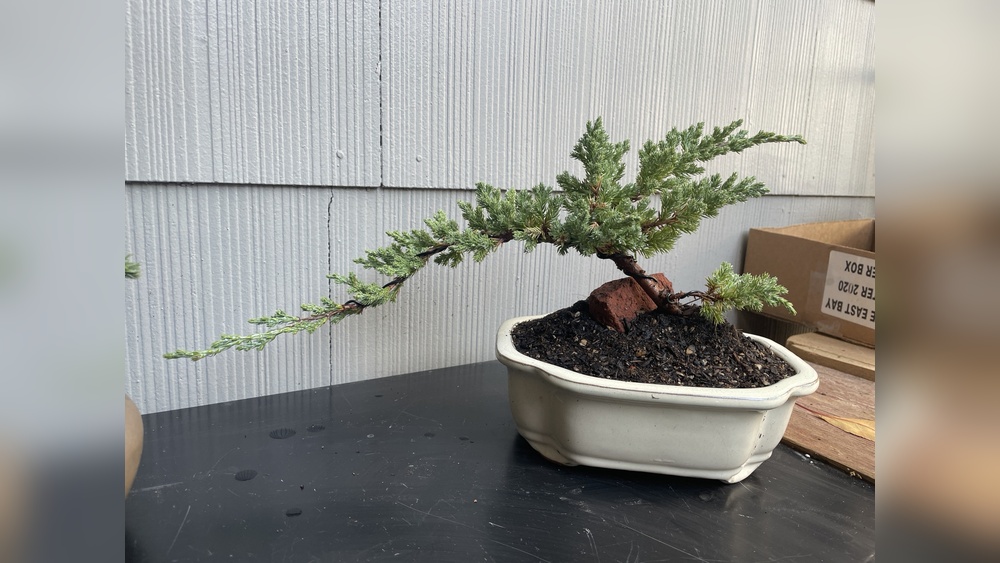
How Often Should You Water Bonsai Trees in Winter
Expected, but overwatering remains a greater risk than underwatering. Always verify soil moisture before each watering, and adjust based on your home’s specific conditions.
What Are The Signs Of Overwatering In Winter?
Classic symptoms include yellowing or wilting leaves (not due to dormancy), a persistent musty or rotten odor from the soil, and blackened, mushy roots when inspected. Moss or algae growth on the soil surface may also indicate excessive moisture retention.
If you notice these issues, reduce watering intervals, increase air circulation, and consider repotting into a faster-draining soil mix .
Should I Mist My Bonsai During Winter?
Misting is generally only necessary for indoor bonsai exposed to very dry air, such as in homes with forced-air heating. However, mist sparingly and avoid wetting the foliage late in the day, as prolonged leaf wetness can encourage fungal diseases, particularly when light levels are low.
Using a humidity tray is often safer and more effective for maintaining ambient humidity.
My Bonsai Lost All Its Leaves In Winter—should I Keep Watering?
For deciduous species, winter leaf drop is normal and expected. Continue to check the soil every couple of weeks and water only when it is dry, as dormant trees still need some moisture to prevent root dehydration. If a non-deciduous species defoliates, inspect for root or pest problems and adjust watering accordingly.
Can Using Tap Water Harm My Bonsai In Winter?
Hard tap water, high in minerals or chlorine, can contribute to soil salinity and root stress over time, especially when evaporation rates are low in winter. If possible, use rainwater, filtered, or distilled water. If only tap water is available, let it sit out overnight to dissipate chlorine before use.
What Is The Best Time Of Day To Water Bonsai In Winter?
Aim to water in the late morning or early afternoon when temperatures are relatively higher. This allows excess moisture to evaporate before colder nighttime temperatures set in, reducing the risk of fungal issues. For indoor trees, watering at any time is generally acceptable, but try to align with the warmest part of the day.
Advanced Tips For Experienced Bonsai Enthusiasts
Monitoring Microclimates
Even within a single room or outdoor area, microclimates can develop—spots near windows may be colder, while areas near radiators or electronics may be warmer and drier. Use multiple moisture meters or place indicator plants in different locations to track how quickly soil dries in each zone.
Adjust watering schedules accordingly for each microclimate, and consider moving sensitive species to the most stable environments during winter.
Using Mulch Strategically
A thin layer of inorganic mulch (such as akadama, pumice, or fine gravel) on the surface of outdoor bonsai pots can help buffer temperature swings and reduce evaporation. However, avoid organic mulches like bark in winter, as they can hold excessive moisture and harbor pests or fungi.
Grouping Bonsai For Humidity
Placing several bonsai together—especially indoors—creates a microenvironment with higher localized humidity. This not only helps prevent desiccation but can also make it easier to monitor and manage the watering needs of multiple trees. Remember to allow sufficient airflow between pots to deter disease.
Leveraging Technology
Advanced growers are increasingly using smart sensors, automated reminders, and even Wi-Fi-enabled irrigation systems to monitor and manage bonsai watering. Data logging over several seasons can reveal patterns and help refine care routines for different species, environments, and weather conditions.
Example: Adapting To Erratic Winters
With climate change contributing to unpredictable winter weather, flexibility is key. If you experience a mid-winter warm spell, check all bonsai for drying soil and increase watering frequency temporarily. Conversely, during extended cold snaps, be prepared to reduce or even skip watering until temperatures moderate.
This responsive approach is fundamental to long-term bonsai health.

The Importance Of Observation And Patience
Ultimately, successful winter watering is about observation, patience, and learning from each season. Bonsai trees are living works of art, each with unique needs shaped by species, environment, and the grower’s care. Take time to inspect your trees regularly, document your findings, and be willing to adjust your methods as you gain experience.
Remember that less is often more in winter. Overzealous watering is far more likely to harm than neglect. Trust your senses, use available tools, and don’t hesitate to seek advice from experienced growers or local bonsai clubs.
With the right knowledge, habits, and a careful eye, you’ll ensure your bonsai trees not only endure the challenges of winter but emerge stronger and more beautiful each spring. The rewards—lush new growth, vibrant leaves, and thriving miniature landscapes—are well worth the effort.
—
By mastering the nuances of how often to water bonsai trees in winter, you become a more attentive and successful bonsai caretaker. For continued learning, explore the recommended resources and connect with the broader bonsai community to share insights and support. Every winter brings new lessons; embrace them, and your bonsai will flourish for years to come.