Can a Bonsai Tree Live in a Closed Aquatic Ecosystem?
Bonsai trees captivate enthusiasts with their miniature grandeur, embodying centuries-old artistry and botanical mastery. But what happens when you introduce this living sculpture to a radically different environment—a closed aquatic ecosystem? The very concept sparks curiosity and debate: could a bonsai tree thrive in a sealed habitat designed for aquatic life? This question bridges horticulture, ecology, and environmental engineering, challenging traditional boundaries and offering a glimpse into the complexities of life support systems.
Interest in self-sustaining ecosystems has surged, from terrariums to bioactive aquariums and even NASA’s bioregenerative life support research. These systems promise minimal maintenance and long-term balance, but integrating a bonsai tree—rooted in terrestrial tradition—poses unique biological, chemical, and logistical hurdles. This article dives deep into the science, practicalities, and real-world experiments behind the idea, examining if bonsai trees can live, adapt, or ultimately perish within a closed aquatic ecosystem.
Key Takeaways
- Bonsai trees require specific soil, air, and water conditions incompatible with most closed aquatic ecosystems.
- True closed aquatic ecosystems are designed for aquatic plants and animals, not terrestrial species like bonsai.
- Attempts to combine bonsai trees and aquatic systems often result in rapid plant decline due to oxygen, humidity, and root rot issues.
- Some hybrid setups, like paludariums or semi-open terrariums, can support bonsai-like plants but are not fully closed aquatic ecosystems.
- Successful integration requires careful environmental engineering, species selection, and ongoing maintenance.
- Real-world experiments and case studies highlight the critical challenges and best practices for mixing terrestrial and aquatic life.

Credit: www.gardenia.net
Understanding Bonsai Trees: Biology And Environmental Needs
Bonsai Tree Basics
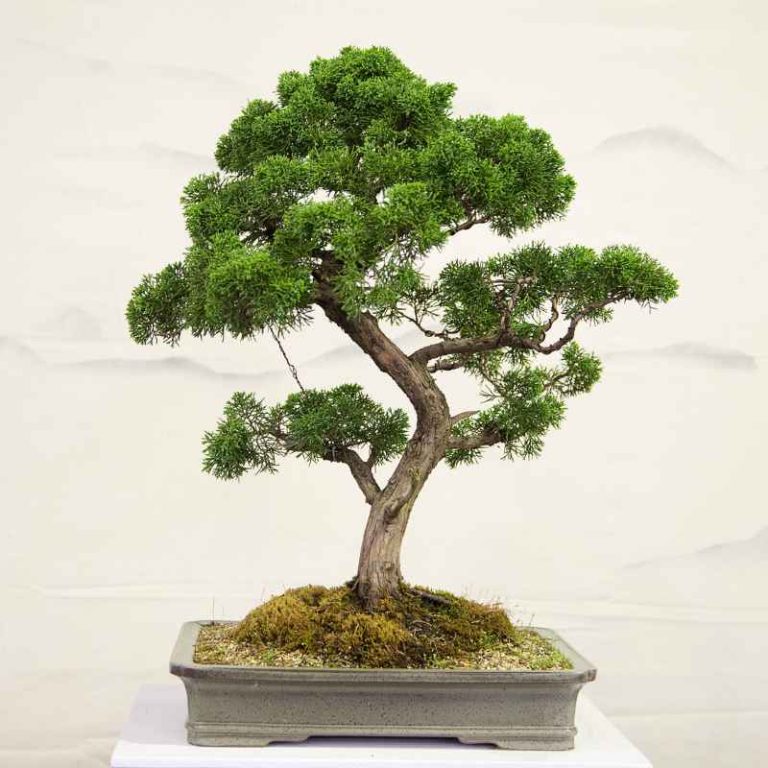
Bonsai refers to the art of cultivating miniature trees in containers, mimicking the shape and scale of full-sized trees. Popular species include Ficus, Juniper, Elm, and Pine. Bonsai trees are not genetically dwarfed; instead, they’re regular trees pruned and shaped to maintain small size.
Key requirements for healthy bonsai growth:
- Air circulation: Essential for leaf transpiration and root respiration. Without adequate airflow, bonsai leaves can become susceptible to mildew and pest infestations, and roots can suffocate.
- Well-draining soil: Prevents waterlogging and root rot. Bonsai soil is typically a custom mix of akadama, pumice, lava rock, and sometimes organic matter, all aimed at ensuring quick drainage.
- Humidity control: Most bonsai prefer moderate humidity, but excessive moisture can be damaging. While some tropical varieties tolerate higher humidity, most species require conditions that mimic their native environments.
- Sunlight: Adequate light is critical for photosynthesis and healthy growth. Both indoor and outdoor bonsai need several hours of bright, indirect sunlight each day, with some species (like pines) preferring direct sun.
- Regular watering: Bonsai soil dries faster than garden soil, requiring frequent but controlled watering. Over- or under-watering can quickly lead to stress symptoms such as leaf drop or yellowing.
Bonsai cultivation is a deeply attentive practice—each species and even each individual tree may have slightly different needs, and successful growers monitor their trees daily, adjusting care with the seasons.
Environmental Constraints
Bonsai trees are rooted in terrestrial conditions. Their roots need access to oxygen, and their foliage depends on the ambient air for gas exchange. Most bonsai species are sensitive to:
- Waterlogged soil: Causes anaerobic conditions and root decay. Roots are particularly vulnerable because the compact containers limit the amount of available oxygen, making proper drainage non-negotiable.
- Lack of air exchange: Leads to stunted growth, leaf drop, and disease. Without a steady influx of fresh air, carbon dioxide and humidity levels can rise to unhealthy levels, inhibiting photosynthesis and promoting pathogens.
- Stable temperatures: Sudden changes can trigger stress responses. Many species have specific temperature ranges for optimal growth and may enter dormancy or suffer cell damage if exposed to unseasonal fluctuations.
Comparison Table: Bonsai Vs. Aquatic Plant Needs
| Requirement | Bonsai Trees | Aquatic Plants |
|---|---|---|
| Air Circulation | Essential | Limited/Not Needed |
| Soil Drainage | High | Low or Submerged |
| Humidity | Moderate | High/Wet |
| Light | Direct/Filtered | Direct/Artificial |
| Root Environment | Oxygen-rich | Water-saturated |
Species Considerations
Some tropical bonsai species (e.g., Ficus, Schefflera) tolerate higher humidity, but even these suffer when deprived of air circulation and exposed to consistently wet roots. No traditional bonsai species are evolved for fully aquatic or closed environments.
Certain species, like the Bald Cypress (Taxodium distichum), are renowned for their ability to grow in swampy, seasonally flooded areas in nature, leading some hobbyists to experiment with “water bonsai.” However, even these species require periods of aeration and are not truly suited to constant submersion or the sealed, stagnant air of a closed ecosystem.
Credit: tropicalglass.co.uk
Closed Aquatic Ecosystems: Principles And Constraints
What Is A Closed Aquatic Ecosystem?
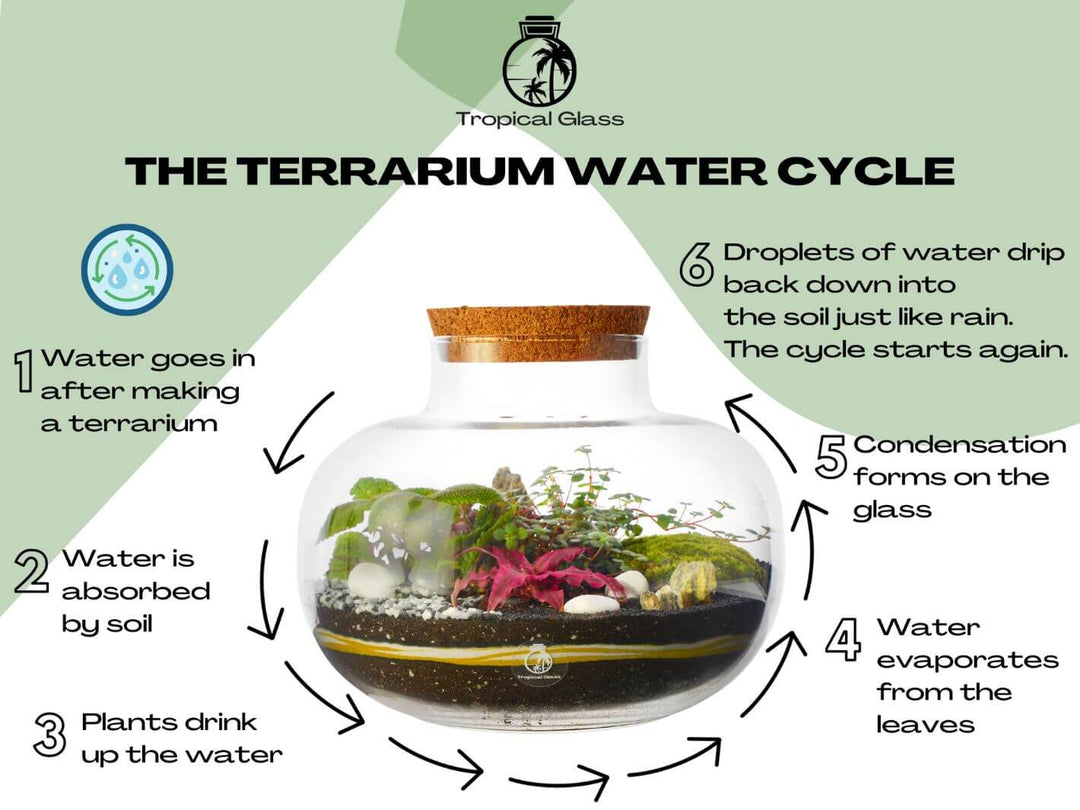
A closed aquatic ecosystem is a self-contained habitat, typically sealed, maintaining a balance between aquatic plants, animals, and microorganisms. Examples include the EcoSphere (a glass orb with shrimp, algae, and bacteria) and sealed aquaria used in educational and research settings. These systems rely on:
- Photosynthesis: Aquatic plants convert light to oxygen, which is then used by the animals and microbes within the system.
- Respiration: Animals use oxygen and produce CO₂, which is recycled by plants.
- Nutrient cycling: Microbes decompose organic waste, returning nutrients to the water to sustain plant growth.
The system is isolated from external inputs, with only light entering.
Key Components
- Aquatic plants: Such as algae, Elodea, or Java moss. These plants are adapted to living entirely submerged, extracting carbon dioxide from the water and releasing oxygen as a byproduct.
- Aquatic animals: Often shrimp, snails, or small fish. These species have low metabolic rates and can tolerate the limited resources of a closed system.
- Microbial life: Bacteria for waste processing. Beneficial microbes play a critical role in breaking down organic matter and converting toxic ammonia to safer forms of nitrogen.
- Water: The medium for all biological activity. Water chemistry must be carefully balanced to avoid toxic buildups and ensure all inhabitants can thrive.
The delicate equilibrium in a closed system is highly sensitive to even minor changes in bioload or environmental parameters.
Environmental Parameters
- Water chemistry: PH, dissolved oxygen, ammonia, nitrites/nitrates must remain in a narrow, stable range. Any imbalance can quickly become fatal for inhabitants.
- Light: For plant photosynthesis. The intensity and duration of light exposure are crucial for maintaining the cycle of oxygen and carbon dioxide.
- Temperature: Usually stable, but can fluctuate with ambient conditions. Excessive heat can lower oxygen solubility, while cold can slow metabolic processes.
- No air exchange: All gases must circulate internally. This is a defining feature and a major challenge for introducing terrestrial plants.
Comparison Table: Closed Aquatic Ecosystem Vs. Terrestrial Terrarium
| Parameter | Closed Aquatic Ecosystem | Terrestrial Terrarium |
|---|---|---|
| Gas Exchange | Internal only | Some external exchange |
| Plant Type | Aquatic/submerged | Terrestrial/upright |
| Root Environment | Submerged | Soil-based |
| Humidity | 100% (water) | Variable (air) |
| Light Needs | Moderate/high | High/filtered |
System Limitations
Closed aquatic ecosystems are not designed for terrestrial life. Introducing a non-aquatic plant disrupts the balance, as terrestrial roots rot in water and leaves suffocate without fresh air. The introduction of soil or organic matter from a terrestrial plant can also destabilize water chemistry, leading to ammonia spikes or algal blooms.
External Reference
For a deeper scientific understanding, visit the Wikipedia EcoSphere entry, which details the operation and constraints of sealed aquatic systems.

Credit: urbanjngl.com
Challenges Of Integrating Bonsai Trees In Closed Aquatic Ecosystems
Root Oxygenation And Rot
Bonsai roots are adapted for oxygen-rich soil. In a closed aquatic ecosystem:
- Roots become submerged or waterlogged, depriving them of oxygen and creating an ideal environment for anaerobic bacteria and pathogens.
- Oxygen levels drop, causing anaerobic conditions. Unlike aquatic plants, terrestrial roots cannot extract oxygen from water, leading to suffocation.
- Root rot sets in, leading to plant death. Root rot is a complex condition caused by a combination of pathogens (e.g., Pythium, Phytophthora) and environmental stress, and once established, it is nearly impossible to reverse.
Root rot is a primary cause of bonsai failure when exposed to excessive moisture, as documented by horticultural studies in plant pathology research.
Air Exchange And Gas Balance
Terrestrial plants, including bonsai, rely on gas exchange for photosynthesis and respiration. In a sealed aquatic system:
- Air is limited and often saturated with moisture. Lack of fresh air means carbon dioxide may accumulate to levels that inhibit photosynthesis, while oxygen can quickly become depleted.
- CO₂ and O₂ levels fluctuate rapidly. These fluctuations can cause stress at the cellular level, leading to impaired growth, leaf burn, or chlorosis.
- Leaves may develop mold or fungal infections due to stagnant air. Fungi thrive in humid, poorly ventilated spaces, quickly overwhelming a weakened bonsai.
Humidity And Fungal Issues
High humidity in closed aquatic systems promotes:
- Leaf blight and fungal growth. Species such as powdery mildew and botrytis can devastate bonsai leaves, stems, and even roots.
- Reduced transpiration, stunting growth. If the air is constantly saturated, the plant cannot effectively move water and nutrients from roots to leaves, impairing growth and causing leaf drop.
Bonsai trees in humid, closed conditions often display yellowing leaves, wilting, and rapid decline. In severe cases, black spots, fuzzy mold, or slimy coatings may appear.
Soil Substrate Compatibility
Bonsai soil mixtures are engineered for drainage and aeration. Aquatic ecosystem substrates:
- Are fine-grained and water-retentive. Materials like sand or silt, common in aquatic setups, can suffocate terrestrial roots.
- Lack aeration and support for bonsai roots. Dense, waterlogged substrates compact easily, further reducing oxygen availability.
- Cause nutrient imbalance and toxic buildup. Without proper drainage, waste products accumulate, potentially causing root burn or toxicity.
Temperature And Light Constraints
Closed aquatic systems may trap heat and limit light penetration. Most bonsai require:
- Consistent temperatures (not too warm, not too cold). Overheating can increase metabolic rates, hasten oxygen depletion, and promote disease.
- Direct or filtered sunlight for photosynthesis. The glass or acrylic of an aquatic system may filter out beneficial wavelengths, and condensation can block light, further stressing the plant.
Poor lighting or excessive heat can cause stress and leaf drop. Some species may also experience etiolation (excessive stem elongation) as they stretch for more light.
Real-world Example: Bonsai In Sealed Jar
A hobbyist attempted to grow a Ficus bonsai in a sealed glass jar with a water base. Within three weeks:
- Roots began to rot, turning black and mushy.
- Leaves yellowed and dropped, with some developing brown, necrotic patches.
- The tree died, leaving only aquatic moss alive.
This experiment illustrates the incompatibility of terrestrial bonsai with fully closed aquatic environments. Even brief exposure to these conditions can be fatal.
Hybrid Ecosystems: Alternatives And Adaptations
Paludariums And Semi-closed Systems
A paludarium blends aquatic and terrestrial elements, often featuring plants with roots above water and aquatic life below. These setups:
- Allow for air exchange via open tops or vents, ensuring that terrestrial plants can access fresh air and release excess moisture.
- Support terrestrial plants on land portions. Elevated platforms, driftwood, or rocks can be used to keep bonsai roots dry.
- Are not fully closed systems. As a result, they require more frequent maintenance but offer vastly improved survival rates for terrestrial plants.
Paludariums can sustain bonsai-like plants, provided roots remain above water and air circulation is maintained. Some advanced designs even use fans or ventilation tubes to optimize conditions for both terrestrial and aquatic life.
Open Terrariums
Open terrariums feature:
- Partial air exchange via open tops, windows, or mesh screens. This allows for effective humidity control, preventing fungal outbreaks.
- Controlled humidity but not waterlogged conditions. Moisture can be adjusted with misting or drainage, and air movement keeps the environment healthy.
- Bonsai-like trees such as Ficus or Schefflera can survive if soil remains well-drained. These species are often used in vivariums or as accent plants in reptile enclosures.
Open terrariums allow for creative arrangements that mimic natural landscapes while accommodating the specific needs of bonsai trees.
Hydroponics And Aeroponics
Some research explores hydroponic or aeroponic bonsai cultivation, where roots are exposed to nutrient-rich mist or water. However:
- These systems require active oxygenation and are not closed. Air pumps or diffusers must supply oxygen directly to the roots.
- Bonsai roots are suspended, not submerged, preventing rot. Roots must be carefully monitored for signs of disease, and water quality must be strictly controlled.
While hydroponic bonsai is possible in laboratory or experimental settings, it is not practical for sealed aquatic environments.
Example: Paludarium With Bonsai-like Ficus
A paludarium owner placed a Ficus microcarpa bonsai on a land mound above an aquatic section. The roots stayed dry, with humidity maintained at 70%. The tree thrived for over a year, but the system was open, allowing air exchange.
This example demonstrates that while hybrid environments can support bonsai, strict closed systems are unsuitable.
Comparison Table: System Types And Bonsai Compatibility
| System Type | Air Exchange | Root Moisture | Bonsai Survival | Maintenance |
|---|---|---|---|---|
| Closed Aquatic Ecosystem | None | Submerged/Waterlogged | Impossible | Minimal |
| Paludarium (Open) | Partial | Dry/Controlled | Possible | Moderate |
| Open Terrarium | High | Dry | Easy | Moderate |
| Hydroponic System | Active | Misted | Possible | High |
External Reference
For further reading on paludarium setups, see the Spruce Guide to Paludariums.
Real-world Case Studies And Experiments
Ecosphere And Terrestrial Plant Attempts
The EcoSphere is a commercial closed aquatic system containing shrimp, algae, and bacteria. Attempts to introduce terrestrial plants like bonsai have failed, as these plants cannot tolerate permanent water immersion and lack of air exchange.
Even small herbaceous plants, such as moss or ferns, struggle in such systems unless their natural habitat is boggy or aquatic. The finely balanced ecosystem is easily disrupted by decaying terrestrial plant matter, which can lead to oxygen depletion and the collapse of the aquatic population.
Nasa’s Bioregenerative Life Support Research
NASA studies bioregenerative life support systems for space missions, aiming to grow terrestrial plants in closed habitats. However, these systems are engineered with:
- Controlled air exchange via mechanical ventilation systems that maintain oxygen and carbon dioxide at optimal levels for plant growth.
- Artificial light carefully calibrated to plant needs, often using LED arrays with adjustable wavelengths.
- Hydroponic root environments that provide nutrients and oxygen directly to roots without the risk of waterlogging.
- Active oxygenation and atmospheric monitoring.
Even with advanced engineering, traditional bonsai trees are not used due to fragility and root requirements. For more on NASA’s research, visit NASA Plant Experiments.
Hobbyist Experiment: Bonsai In Closed Aquarium
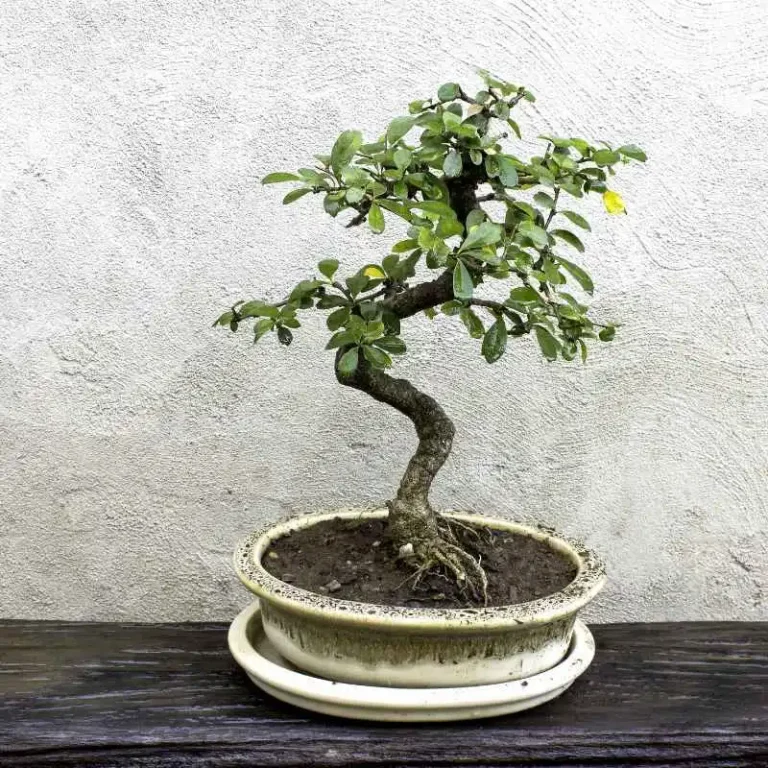
A hobbyist attempted to grow a Chinese Elm bonsai inside a sealed aquarium with aquatic plants and shrimp. The bonsai roots were elevated above water, but humidity and lack of air exchange caused leaf drop and stem rot within two months.
Despite initial signs of adaptation, including new leaf buds, the tree’s health quickly declined as fungal infections took hold. The aquatic component remained stable, but the terrestrial element proved unsustainable.
University Research: Plant Survival In Sealed Microcosms
A study by the University of California, Davis evaluated terrestrial plant survival in sealed microcosms. Results showed:
- 100% mortality for terrestrial trees after 4 weeks.
- Root rot and fungal infections prevalent.
- Only aquatic plants survived.
This demonstrates that, under truly closed aquatic conditions, terrestrial plants—even those tolerant of high humidity—cannot survive. See the full study at UC Davis Plant Microcosm Study.
Environmental Engineering: Designing For Survival
Oxygenation Strategies
To integrate a bonsai into a closed system, engineers must:
- Provide root aeration via pumps or porous substrates. While this is possible in high-tech setups, it contradicts the principle of a sealed, maintenance-free system.
- Design ventilation channels for air exchange. Small vents or one-way valves can help, but even slight openings make the system no longer “closed.”
- Use moisture barriers to prevent waterlogging. Elevated platforms or waterproof membranes can isolate the root zone from standing water.
Substrate Modification
Innovative substrates, such as expanded clay or perlite, can improve drainage but are difficult to maintain in a closed aquatic ecosystem. Over time, organic debris and condensation can still lead to saturation and root problems.
Layering substrates with activated charcoal or biofilters can help control toxins, but these systems still require occasional intervention.
Light And Temperature Control
LED lighting with adjustable spectrum and temperature control can support bonsai photosynthesis but requires careful balance to avoid overheating. In a sealed environment, heat buildup from lights can quickly raise temperatures to dangerous levels, so active cooling or precise timer controls are often necessary.
Maintenance Requirements
Even with engineered solutions, routine maintenance is essential:
- Pruning to prevent overgrowth and maintain airflow.
- Monitoring for fungal disease, especially in high humidity.
- Adjusting humidity and moisture levels through careful observation and manual intervention.
Automated systems can help, but they add complexity and cost, making the dream of a low-maintenance, closed bonsai ecosystem elusive.
Real-world Example: Bioactive Terrarium With Bonsai
A bioactive terrarium using a Ficus retusa bonsai, substrate layers for drainage, and air vents survived for over a year, but the system was not fully closed. Springtails and isopods were introduced as cleanup crews to manage organic waste, and regular pruning and misting kept the environment stable.
This demonstrates that, with careful design and ongoing care, bonsai can thrive in controlled, semi-closed systems.
External Reference
For engineering closed systems, refer to the ResearchGate Bioregenerative Systems Paper.
Practical Recommendations And Best Practices
1. Avoid Fully Closed Aquatic Ecosystems
Do not attempt to grow bonsai trees in true closed aquatic systems. The risk of root rot, fungal disease, and rapid plant decline is nearly 100%. Even the hardiest species cannot adapt to the absence of air exchange and the presence of constant moisture.
2. Choose Hybrid Setups
Opt for paludariums or open terrariums with:
- Elevated land portions for bonsai.
- Air exchange via vents or open tops.
- Controlled humidity and moisture.
These systems allow you to enjoy both aquatic and terrestrial elements without compromising the health of your bonsai.
3. Select Suitable Species
If attempting integration, use:
- Ficus or Schefflera for humidity tolerance. These species are more forgiving of fluctuating moisture and humidity.
- Avoid Juniper or Pine, which are sensitive to moisture and prone to fungal infections in closed or humid environments.
Research species that naturally grow in riparian or marginal zones for best results.
4. Use Drainage Layers
Install drainage layers under bonsai soil:
- Expanded clay pellets or LECA.
- Perlite or sand for enhanced aeration.
This helps prevent waterlogging and supports healthy root development.
5. Monitor Environment
Regularly check:
- Soil moisture, using a moisture meter or by touch.
- Air humidity, with a hygrometer.
- Light levels, ensuring adequate intensity and duration.
- Signs of disease, such as spots, mildew, or wilting.
Frequent observation allows early intervention and prevents catastrophic decline.
6. Be Prepared For Maintenance
Even in semi-closed setups, bonsai trees require:
- Pruning to maintain form and promote air flow.
- Soil replacement to prevent compaction and toxicity.
- Disease treatment, potentially using fungicides or biological controls.
Set a routine for observation and care, just as you would for any living art form.
7. Learn From Real-world Examples
Study successful paludarium and terrarium designs. Join forums like Bonsai Nut Forum for community advice and troubleshooting. Sharing your experiences and learning from others can accelerate your success and enjoyment.
Frequently Asked Questions
Can Any Bonsai Tree Survive In A Closed Aquatic Ecosystem?
No, bonsai trees cannot survive in a true closed aquatic ecosystem. Their roots require oxygen-rich soil and air exchange, which are absent in sealed aquatic systems. Attempting to grow bonsai in such environments almost always results in root rot and plant death.
Are There Any Bonsai Species That Tolerate Higher Humidity Or Wet Conditions?
Some tropical species, such as Ficus and Schefflera, tolerate higher humidity and occasional moisture. However, none can thrive with permanently waterlogged roots or without air circulation. Even tolerant species need well-drained soil and access to fresh air.
What Alternatives Exist For Growing Bonsai-like Plants In Aquatic Settings?
Paludariums and open terrariums offer alternatives, supporting terrestrial plants alongside aquatic life. These systems provide air exchange and keep bonsai roots dry, allowing for successful integration. Hydroponic systems are another option, but require active oxygenation and are not fully closed.
Can Artificial Engineering Make It Possible To Grow Bonsai In Closed Aquatic Ecosystems?
Advanced engineering can improve conditions—such as root aeration, ventilation, and substrate modification—but cannot fully overcome the fundamental biological incompatibility. Even with interventions, the risk of plant decline remains high.
What Are The Main Risks To Bonsai Trees In Closed Aquatic Systems?
The main risks are:
- Root rot from waterlogging.
- Fungal diseases due to high humidity and stagnant air.
- Lack of oxygen for roots and foliage.
- Nutrient imbalances and toxic buildup in soil.
- Rapid plant decline and death within weeks.
Can Bonsai Trees Live In A Closed Aquatic Ecosystem? Final Analysis
The vision of a bonsai tree thriving in a closed aquatic ecosystem is alluring but fundamentally flawed. Bonsai trees, rooted in terrestrial tradition, depend on oxygen-rich soil, air circulation, and controlled humidity—all conditions absent in sealed aquatic habitats. While hybrid systems like paludariums and open terrariums allow for creative integration, true closed aquatic ecosystems remain inhospitable to bonsai life.
Real-world experiments, scientific research, and environmental engineering efforts consistently highlight the biological incompatibility.
For those seeking to combine the beauty of bonsai with aquatic environments, embracing hybrid setups and ongoing maintenance is the path forward—an inspiring challenge, but not one that can be solved by simple enclosure. By respecting the unique needs of both terrestrial and aquatic organisms, you can create living works of art that thrive for years, enriching your home and deepening your appreciation for the delicate interplay of life’s boundaries.