How Long Does a Cherry Blossom Bonsai Take to Grow?
Cherry blossom bonsai trees are captivating symbols of nature’s artistry, blending the delicate beauty of cherry blossoms with the ancient tradition of bonsai cultivation. For enthusiasts and beginners alike, one of the most pressing questions is: How long does a cherry blossom bonsai take to grow? The answer is nuanced, with timelines varying based on species, cultivation methods, environmental factors, and care routines. Understanding these variables not only sets realistic expectations but empowers growers to nurture their bonsai with patience and precision.
Cherry blossom bonsai trees , often referred to as Sakura bonsai, have become increasingly popular due to their breathtaking spring blooms and historical significance in Japanese culture. Yet, cultivating a cherry blossom bonsai is not a fast or simple process. It demands commitment, knowledge, and careful attention to detail. In this comprehensive guide, we’ll explore every facet of cherry blossom bonsai growth—from species selection and germination to care routines and maturity milestones. Whether you’re considering starting your first bonsai or aiming to improve your results, this article will illuminate the journey, helping you understand what to expect and how to achieve stunning blooms.
Key Takeaways
- Cherry blossom bonsai trees require 5–10 years to reach mature, flowering stage, depending on species and care.
- Growth timeline is influenced by factors like propagation method, climate, pruning, and soil quality.
- Starting from seed takes significantly longer than using cuttings or young trees.
- Proper care, including watering, fertilization, and pest management, accelerates healthy development.
- Real-world examples highlight the variability and rewards of long-term cultivation.
- Patience and consistent attention are essential for successful cherry blossom bonsai growth.

Credit: abanahomes.com
Understanding Cherry Blossom Bonsai: Species And Characteristics
The journey of growing a cherry blossom bonsai begins with choosing the right species. Not all cherry trees are suitable for bonsai, and each type offers unique growth traits. Understanding these differences is crucial for matching your expectations with the practical requirements of each variety.
Common Cherry Blossom Bonsai Species
- Prunus serrulata (Japanese Sakura): The iconic cherry blossom, prized for its pink or white flowers. This species is highly esteemed in Japan and is often showcased in traditional hanami (flower viewing) festivals. Its slow growth and dense clusters of flowers make it a favorite for experienced bonsai artists seeking the classic look.
- Prunus subhirtella (Higan Cherry): Known for resilience and early blooms. Higan cherry is especially popular in climates with variable temperatures, as it tolerates both cold and heat better than some other species. Its flowers can appear even when the tree is relatively young, rewarding growers with earlier displays.
- Prunus yedoensis (Yoshino Cherry): Famous for abundant clusters of pale pink blossoms. The Yoshino cherry, often used in large-scale public plantings in Japan and the U.S., produces a profusion of blossoms that can create a spectacular miniature landscape when cultivated as bonsai.
- Prunus sargentii (Sargent Cherry): Offers rich pink flowers and vibrant autumn foliage. Sargent cherry is valued not only for its spring blooms but also for its fiery red and orange fall colors, adding year-round interest to bonsai displays.
Each species differs in growth rate, flowering habits, and adaptability to bonsai techniques. For instance, Prunus serrulata is slow-growing but produces spectacular blooms, while Prunus subhirtella is faster and more forgiving for beginners. The trunk texture, leaf shape, and susceptibility to diseases can also vary among species, making it essential to research the specific needs of your chosen variety.
Growth Characteristics
- Root System: Cherry blossom bonsai trees have shallow, fibrous roots ideal for container cultivation. These roots are well-suited for the limited space in bonsai pots but require careful monitoring to avoid root-binding and ensure proper nutrient uptake.
- Trunk and Branches: Training the trunk and branches for the classic bonsai silhouette requires regular pruning and wiring. Over time, the bark develops attractive textures, and the trunk gains character through intentional shaping, creating the illusion of age and natural beauty.
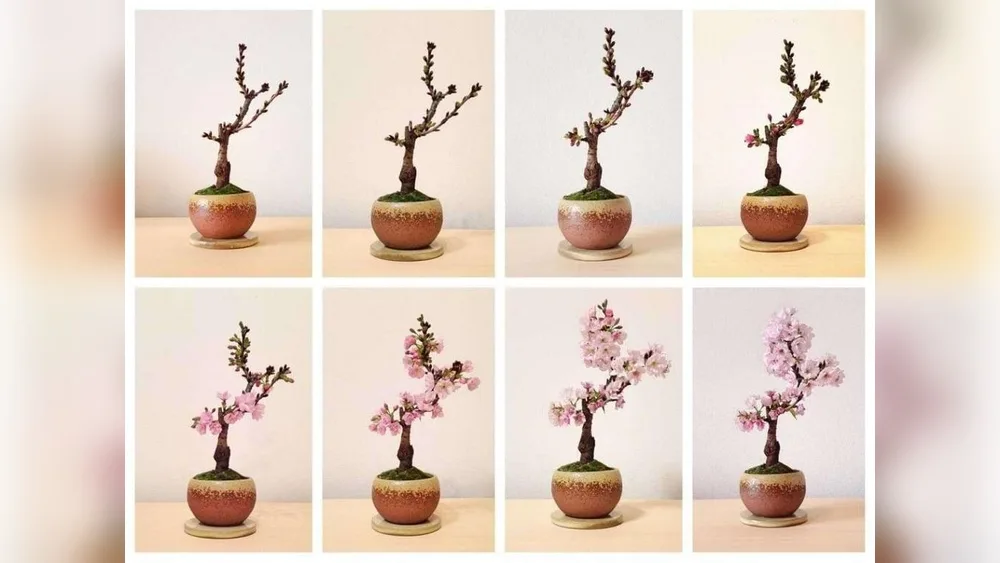
- Bloom Cycle: Most cherry blossom bonsai bloom annually in spring, but the first blossoms may not appear for several years. The intensity and duration of blooming can vary based on age, health, and environmental conditions.
Choosing The Best Species For Bonsai
Selecting the right species is crucial. Consider the following:
- Climate compatibility: Some species tolerate cold better, while others are suited to temperate or even subtropical climates. For example, Sargent cherry is more cold-hardy than Yoshino cherry.
- Bloom color and size: Pick based on aesthetic preference. Some species have larger, showier flowers, while others offer more subtle beauty.
- Growth rate: Faster-growing species reach maturity sooner, which may be appealing for those seeking quicker results.
- Foliage and Seasonal Interest: Some species, like Sargent cherry, offer striking autumn colors, adding value beyond the blooming season.
| Species | Growth Rate | Bloom Color | Climate Tolerance | Recommended for Beginners? |
|---|---|---|---|---|
| Prunus serrulata | Slow | Pink/White | Moderate | No |
| Prunus subhirtella | Moderate | Pink | High | Yes |
| Prunus yedoensis | Moderate | Pale Pink | Moderate | Yes |
| Prunus sargentii | Moderate | Rich Pink | High | No |
Choosing the best species for your region and skill level will set you up for success and a rewarding bonsai experience.
Growth Timeline: From Seed To Mature Bonsai
Understanding the timeline for cherry blossom bonsai growth is essential for planning and patience. The process includes several stages, each with its own requirements and challenges. The timeline can be influenced by the starting material (seed, cutting, or young tree), care quality, and local environmental conditions.
Stage 1: Germination And Seedling Development
- Germination period: Cherry blossom seeds typically require cold stratification for 2–3 months before sprouting. This simulates winter conditions and breaks dormancy, a vital step for seed-grown bonsai.
- Seedling growth: After germination, seedlings grow slowly, reaching 2–4 inches in their first year. Seedlings need protection from harsh sunlight and strong winds, as their delicate stems are easily damaged.
This stage is the slowest, especially for seeds. Most growers prefer cuttings or young trees for faster results. However, starting from seed allows greater control over trunk shape and nebari (surface root spread) from the earliest stages.
Stage 2: Early Growth And Training
- Age: 1–3 years
- Activities: Transplanting into bonsai pots, initial pruning, and basic wiring. During this phase, the focus is on establishing a healthy root system and beginning the formative structure.
- Growth rate: Trees gain height and thickness, but remain non-flowering.
Proper care is critical during this stage. Overwatering or poor soil can stunt development. Regular inspections for pests and diseases are also important, as young trees are particularly vulnerable.
Stage 3: Establishing Bonsai Form
- Age: 3–5 years
- Activities: Advanced pruning, shaping, and branch selection. Growers begin to refine the trunk movement, develop primary and secondary branches, and encourage ramification (fine branching).
- Growth rate: The trunk thickens, and the tree starts to resemble traditional bonsai.
Training accelerates, but flowering is still rare. At this point, the tree is developing its unique character and artistic style.
Stage 4: Mature Bonsai And Flowering
- Age: 5–10 years
- Activities: Refinement of shape, regular maintenance, and pest management. The focus shifts to enhancing the tree’s silhouette and supporting healthy blooms.
- Growth rate: The tree stabilizes, and annual blooms become more frequent. Flowering becomes more reliable as the tree matures and receives optimal care.
Most cherry blossom bonsai trees bloom reliably after 7–10 years, though some species and methods can yield flowers sooner. The annual anticipation of spring blossoms is one of the most rewarding aspects of cherry blossom bonsai cultivation.
| Propagation Method | Time to First Bloom | Total Time to Mature Bonsai | Effort Level |
|---|---|---|---|
| Seed | 7–10 years | 10+ years | High |
| Cutting | 4–7 years | 7–10 years | Medium |
| Young Tree | 2–4 years | 5–7 years | Low |
Factors Influencing Growth Timeline
- Species selection: Some cherry trees naturally mature faster.
- Propagation method: Seeds take longer than cuttings or nursery trees.
- Care routines: Quality of watering, fertilization, and pruning can accelerate or hinder growth.
- Environmental conditions: Temperature, humidity, and sunlight are vital.
- Pot size and root pruning: Overly restrictive pots or aggressive root pruning can slow growth, while timely repotting encourages vigor.
- Stress factors: Transplant shock, pest infestations, or inconsistent watering can delay maturity.
For further reading on cherry blossom varieties, visit Wikipedia.
Credit: lifetips.alibaba.com
Essential Care Practices For Accelerating Growth
Cherry blossom bonsai trees thrive with attentive care. Optimizing your routine can significantly impact their growth rate and health. Consistency is key—small lapses in care can have long-term effects on development and flowering.
Watering And Soil Management
- Watering frequency: Bonsai soil dries quickly; check daily, especially in hot weather. Overwatering can lead to root rot, while underwatering can cause leaf drop and stunted growth.
- Soil mix: Use well-draining soil, such as akadama or a mix of loam, sand, and organic matter. Avoid heavy, compacted soils that retain excessive moisture.
- PH level: Cherry blossom bonsai prefer slightly acidic soil (pH 6.0–6.5). Test soil periodically and adjust as needed with amendments.
Tip: Water early in the day to allow excess moisture to evaporate, reducing the risk of fungal diseases.
Fertilization
- Nutrient needs: Balanced NPK fertilizer during active growth (spring/summer). High-phosphorus fertilizers can encourage more prolific flowering.
- Frequency: Fertilize every 2–4 weeks, reducing in winter. Over-fertilization can burn roots, so always follow manufacturer instructions.
Proper fertilization encourages robust growth and enhances flowering potential. During pre-bloom periods, switch to a low-nitrogen fertilizer to focus energy on buds and flowers rather than foliage.
Pruning And Training
- Pruning: Remove dead or excess branches to shape the tree and stimulate new growth. Pinch back new shoots to maintain compact size and dense branching.
- Wiring: Carefully bend branches to achieve desired form, but avoid damaging the bark. Use soft, anodized aluminum or copper wire and monitor for cutting-in, which can scar branches.
Regular pruning is essential for maintaining bonsai aesthetics and health. After flowering, prune spent blooms and any weak growth to redirect energy to healthy branches.
Pest And Disease Management
- Common threats: Aphids, scale insects, fungal infections such as powdery mildew and leaf spot.
- Preventive measures: Use neem oil, insecticidal soap, and ensure good air circulation. Remove fallen leaves and debris to prevent fungal spores from spreading.
Vigilant pest control prevents setbacks and promotes healthy growth. Quarantine new plants before introducing them to your collection to avoid spreading pests.
Seasonal Care Adjustments
- Winter protection: Shield bonsai from frost; move indoors if necessary. Use mulch, frost cloths, or unheated greenhouses in cold regions.
- Summer care: Monitor for drought stress and sunburn. Provide filtered shade during intense midday sun, especially in hot climates.
Adapting care routines to seasonal changes keeps growth steady. Cherry blossom bonsai need a period of dormancy in winter, so avoid keeping them in continuously warm indoor environments year-round.
For detailed bonsai care guides, see Bonsai Empire.
Real-world Examples And Case Studies
Studying real-world cases provides valuable insight into the growth timeline and challenges of cherry blossom bonsai cultivation. These examples illustrate both the joys and challenges of nurturing a living work of art.
Example 1: Hobbyist Growing From Seed
Sarah, a bonsai enthusiast in Oregon, started her Prunus serrulata bonsai from seed. She documented the following milestones:
- Year 1–2: Seeds germinated after cold stratification, seedlings reached 3 inches. She kept them under a humidity dome to maintain consistent moisture.
- Year 3–5: Early pruning and wiring shaped the trunk; height reached 10 inches. Sarah experimented with different training techniques to achieve a naturalistic appearance.
- Year 7: First small blossoms appeared. The tree was healthy but required additional sunlight to maximize blooming.
- Year 10: Mature bonsai with regular spring blooms. Sarah noted that patience and meticulous care paid off, as her tree developed a classic, aged look.
Sarah’s experience underscores the patience required when starting from seed. She also emphasized the importance of journaling progress to track growth and adjust care routines as needed.
Example 2: Using Nursery-grown Young Tree
Robert purchased a 3-year-old Prunus subhirtella from a nursery:
- Year 1: Initial pruning, root reduction, and transplanting into a bonsai pot. Robert was careful to avoid removing too much root mass at once, minimizing transplant shock.
- Year 2–3: Rapid thickening of trunk, improved branching. He began selective wiring to develop movement in the trunk.
- Year 4: First full bloom. Robert attributed the early flowering to regular fertilization and optimal sunlight.
- Year 5: Mature bonsai with consistent flowering. The tree was showcased at his local bonsai club exhibition.
Robert’s approach demonstrates how using young trees shortens the overall timeline. By starting with a tree that already had an established root system, he was able to focus on refinement rather than basic development.
Example 3: Bonsai Club Project
A local bonsai club in California undertook a group project using cuttings from a mature cherry tree:
- Year 1: Rooted cuttings grew vigorously. Club members used a misting system to maintain humidity during the rooting process.
- Year 2–3: Basic shaping and potting. Each member experimented with different styles, such as informal upright and cascade.
- Year 5: Most trees flowered, some earlier depending on care. The project highlighted the variability in growth rates even among cuttings from the same parent tree.
This case illustrates the effectiveness of propagation by cuttings for quicker results. The club also benefited from shared knowledge and troubleshooting, accelerating collective learning.
For more practical examples, visit Bonsai Outlet.
Comparing Cherry Blossom Bonsai With Other Bonsai Types
Cherry blossom bonsai trees are often compared with other popular bonsai species for their growth timeline and care requirements. Understanding these differences helps growers select the right tree for their goals and lifestyle.
Growth Timeline Comparison
| Bonsai Type | Time to Mature | Time to First Bloom | Care Complexity | Flowering Frequency |
|---|---|---|---|---|
| Cherry Blossom | 5–10 years | 5–7 years | Medium–High | Annual |
| Juniper | 3–7 years | N/A (non-flowering) | Low | N/A |
| Azalea | 4–8 years | 4–6 years | Medium | Annual |
| Maple | 5–10 years | N/A (non-flowering focus) | Medium | N/A |
| Pine | 7–15 years | N/A (cone-producing) | High | N/A |
Key Differences
- Cherry blossom bonsai require more attention for flowering compared to junipers or maples, which are often valued for their foliage or bark rather than blooms.
- Flowering bonsai trees generally need more nutrients and seasonal care, especially during bud formation and blooming periods.
- Growth timelines can be shorter when starting from cuttings or young plants.
- Cherry blossom bonsai are more susceptible to root rot and fungal diseases than some coniferous species, necessitating careful watering and hygiene practices.
For a comprehensive comparison of bonsai types, see Royal Horticultural Society.
Tips For Faster Growth
- Choose younger trees or cuttings over seeds to reduce the time to flowering and maturity.
- Follow a strict care routine with optimal watering and fertilization, especially during active growth periods.
- Monitor for pests and adjust care seasonally to prevent disease outbreaks and ensure uninterrupted growth.
- Invest in quality soil and containers to support healthy root systems and prevent stagnation.
The Role Of Environmental Factors In Growth
Environmental conditions play a pivotal role in the speed and health of cherry blossom bonsai development. Awareness of your local climate and microclimate allows you to tailor care to your tree’s specific needs.
Light And Temperature
- Sunlight: Full sun to partial shade is ideal; 6–8 hours daily. Insufficient light can result in leggy growth and weak flowering.
- Temperature: Most cherry blossom bonsai tolerate 40–85°F; avoid extreme cold. Sudden temperature drops can damage buds and roots.
During heatwaves, provide partial shade and increase watering frequency. In cold climates, protect roots with insulation or by moving pots to sheltered locations.
Humidity And Air Circulation
- Humidity: Moderate to high humidity promotes healthy foliage and blooms. Use humidity trays or misting in dry indoor environments.
- Airflow: Good circulation reduces disease risk. Place trees where air can move freely around them, but shield from strong, desiccating winds.
Location And Placement
- Outdoor vs. Indoor: Outdoor placement is preferred, but indoor cultivation is possible with grow lights and humidity trays. Indoor trees require careful monitoring of light and humidity.
- Microclimate: Sheltered spots protect against harsh winds and frost. Avoid placing bonsai near heat sources or drafty windows indoors.
Impact Of Climate Zones
Cherry blossom bonsai trees thrive in USDA zones 5–8. In colder regions, winter protection is mandatory. In warmer climates, protect from excessive heat and sunburn, especially in the afternoon.
For climate-specific advice, refer to USDA Plant Hardiness Zone Map.
Propagation Methods: Seed, Cutting, And Young Tree
The choice of propagation method has a direct impact on the growth timeline and ease of cultivation. Each method has unique advantages and challenges.
Seed Propagation
- Pros: Full control over tree shape and training, greater satisfaction in seeing the entire lifecycle.
- Cons: Slowest method; 7–10 years to flowering. Germination can be unpredictable, with some seeds failing to sprout despite proper stratification.
Cutting Propagation
- Pros: Faster establishment, retains parent traits such as flower color and vigor.
- Cons: Requires healthy parent plant and rooting hormone. Some cuttings may fail to root, and initial care is intensive.
Nursery-grown Young Tree
- Pros: Quickest route to mature bonsai; often flowers in 2–4 years. Ideal for beginners or those seeking immediate results.
- Cons: Limited initial shaping; higher cost. The tree’s early form is determined by the nursery, requiring more skill to adapt it to your desired style.
Steps For Successful Propagation
- Seed: Stratify seeds for 2–3 months, sow in spring, maintain moisture. Protect seedlings from pests and extreme weather.
- Cutting: Select healthy branches, apply rooting hormone, plant in moist soil. Provide bottom heat and high humidity for best success.
- Young tree: Carefully reduce roots, transplant into bonsai pot, begin training. Gradually transition the tree from nursery soil to bonsai substrate.
Each method has trade-offs. Starting from seed is rewarding but slow; cuttings and young trees offer faster results. Choose the method that best matches your patience, skill level, and desired timeline.
For propagation guidance, visit Bonsai4Me.
Long-term Maintenance And Maturity
Even after reaching maturity, cherry blossom bonsai trees require ongoing maintenance to sustain health and beauty. Bonsai is a lifelong art that rewards attention and adaptation.
Annual Pruning And Shaping
- Timing: Prune after flowering in spring. Remove spent blooms, weak branches, and unwanted growth.
- Goal: Maintain shape, promote new growth, remove unwanted branches. Regular pruning encourages back-budding and denser foliage pads.
Repotting And Root Management
- Frequency: Every 2–3 years for young trees; 3–5 years for mature bonsai. Repotting prevents root-bound conditions and refreshes soil nutrients.
- Process: Trim roots, refresh soil, prevent root binding. Always use sharp, sanitized tools and avoid removing more than one-third of the root mass at a time.
Flowering Optimization
- Fertilizer: Use low-nitrogen formulas before bloom for better flowers. Excessive nitrogen encourages leaf growth at the expense of flowers.
- Light: Ensure adequate sunlight during pre-bloom period. Position trees to receive morning sun and filtered afternoon light.
Addressing Common Problems
- Leaf drop: Often caused by overwatering or root rot. Allow soil to dry slightly between waterings and ensure good drainage.
- Poor blooming: Address with proper fertilization and light. Avoid pruning flower buds during winter or early spring, as this removes potential blossoms.
- Pest infestations: Treat promptly with organic or chemical solutions, depending on severity. Early intervention is key to preventing long-term damage.
Lifespan Of Cherry Blossom Bonsai
With proper care, cherry blossom bonsai trees can live 30–50 years or more, providing decades of beauty. Some well-maintained bonsai have been passed down through generations, becoming cherished family heirlooms.
For advanced bonsai maintenance, see Bonsai.co.uk.
Frequently Asked Questions
How Long Does It Take For A Cherry Blossom Bonsai To Bloom?
Most cherry blossom bonsai trees require 5–7 years to produce their first blooms, depending on the propagation method and species. Starting from seed can take up to 10 years, while using cuttings or young nursery trees can reduce the timeline to 2–4 years. However, consistent and attentive care can sometimes yield earlier flowers, especially with vigorous species or optimal environmental conditions.
Can I Speed Up The Growth Of My Cherry Blossom Bonsai?
Yes, you can accelerate growth by providing optimal care: use well-draining soil, maintain regular watering, apply balanced fertilizers, ensure adequate sunlight, and practice proper pruning. Starting with cuttings or young trees also shortens the time to maturity. Avoiding stress factors, such as irregular watering or abrupt environmental changes, helps maintain consistent development.
What Is The Best Cherry Blossom Species For Bonsai Beginners?
The Prunus subhirtella (Higan Cherry) and Prunus yedoensis (Yoshino Cherry) are considered the best for beginners due to their moderate growth rate, resilience, and tolerance to a range of climates. These species forgive minor mistakes and reward growers with reliable blooms.
Can Cherry Blossom Bonsai Trees Be Grown Indoors?
Cherry blossom bonsai can be grown indoors if provided with sufficient light (ideally through grow lights), controlled humidity, and proper air circulation. However, they generally thrive better outdoors where they can experience natural seasonal changes. Indoor cultivation may result in fewer flowers unless the tree receives a dormant winter period.
How Long Does A Cherry Blossom Bonsai Live?
With attentive care, cherry blossom bonsai trees can live 30–50 years or even longer. Routine maintenance, pest management, and proper seasonal adjustments are key to longevity. Some trees have been cultivated for over a century, continuing to flower and delight successive generations.
Cherry blossom bonsai cultivation is a rewarding journey marked by patience and artistry. While the process may take several years, the result is a stunning miniature tree that embodies springtime beauty and cultural heritage. By understanding the growth timeline, selecting the right species, and applying best practices, you can enjoy flourishing blooms and vibrant foliage for decades to come.
Whether you’re a novice or seasoned grower, the experience of nurturing a cherry blossom bonsai offers lasting satisfaction and a deep connection to nature’s rhythms. The anticipation of each spring’s blossoms and the hands-on engagement with living art make this hobby a truly enriching pursuit.