What are the Objects Mentioned in the Poem Bonsai
Preserve what is precious—our memories, emotions, and relationships—within the boundaries of tangible objects. Through the careful selection and poetic presentation of everyday items, Tiempo elevates the ordinary to the extraordinary, allowing readers to see the depth and beauty that can be found in the smallest artifacts of daily life.
The Context Of “bonsai” And Its Poetic Objects
The Art Of Bonsai As Metaphor
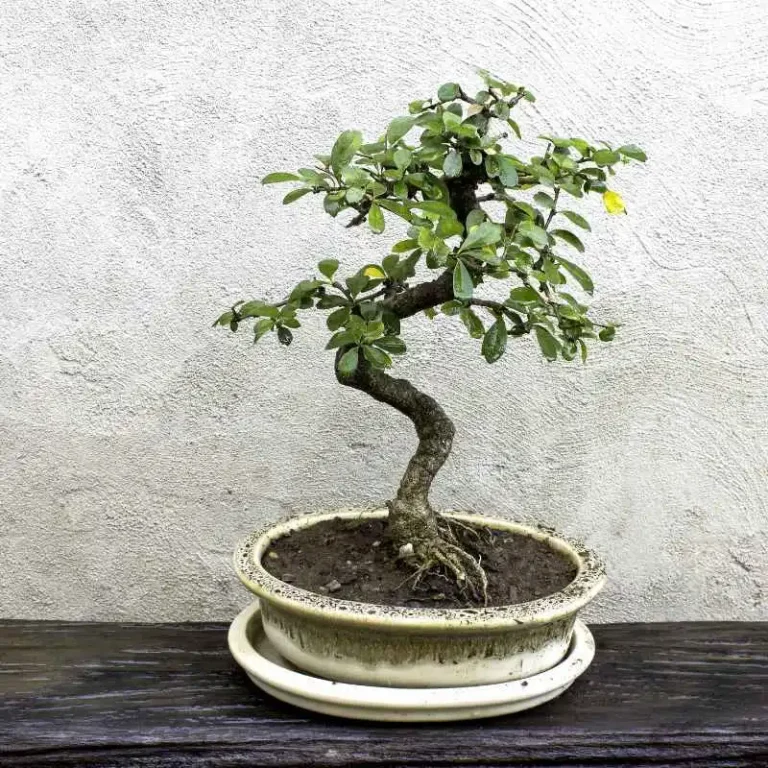
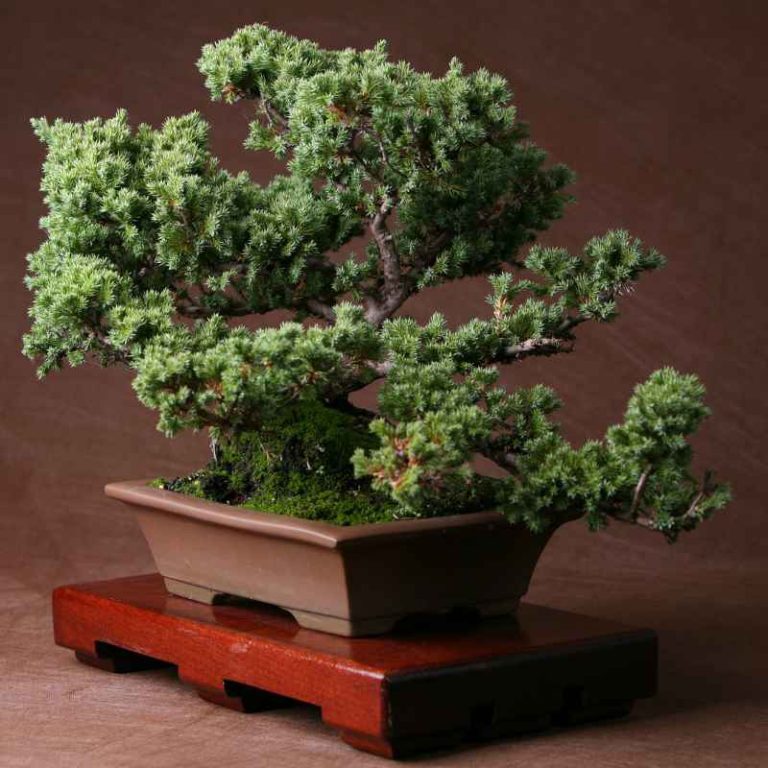
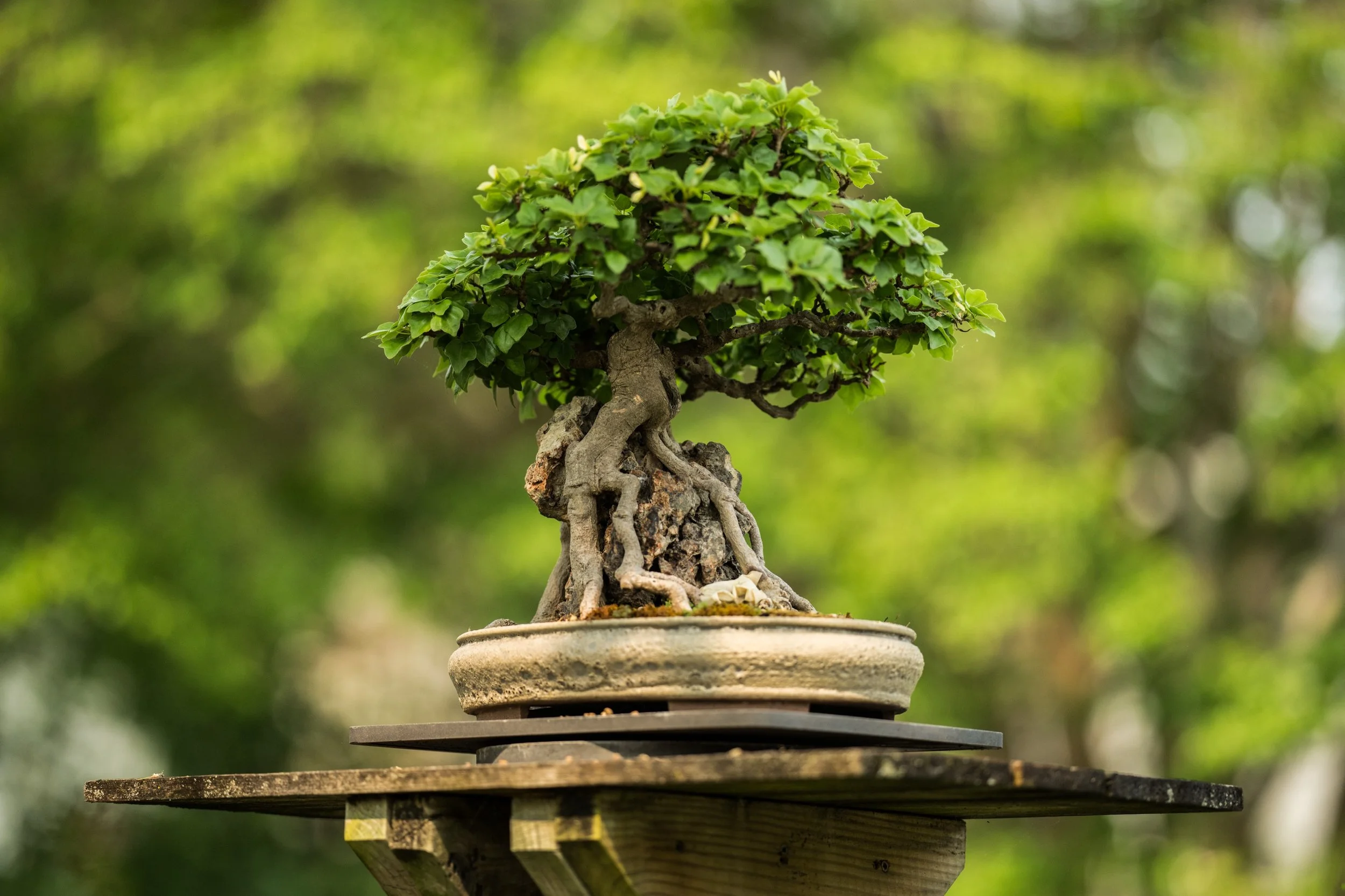
The choice of the bonsai as the poem’s central metaphor is both deliberate and deeply evocative. Bonsai trees , despite their size, encapsulate the grandeur and complexity of nature. In the same way, human beings, through memory and sentiment, attempt to encapsulate the immensity of love, grief, or nostalgia within the confines of small, meaningful objects.
This act is not just about containment but about cultivation—just as a bonsai requires ongoing care, the emotions and memories we preserve must be tended to, revisited, and cherished over time.
Tiempo’s metaphor of bonsai extends beyond mere preservation; it is about the artistry of living, of shaping and nurturing one’s emotional landscape. The act of pruning in bonsai cultivation parallels the selective process of memory—choosing which moments to keep close, which to let fade.
This ongoing process allows individuals to manage the overwhelming nature of emotion by giving it form and structure.
Edith L. Tiempo’s Literary Influence
Tiempo’s influence is especially notable in her ability to infuse Western literary forms with a distinctly Filipino voice. Her mastery of the lyric and her sensitivity to cultural nuance have made her poetry a bridge between worlds. “Bonsai” is often cited in anthologies and literary essays as a model of how personal experience can be universalized through metaphor.
Her works, including “Bonsai,” have inspired generations of Filipino writers and readers to explore the intersection of the personal and the cultural.
Tiempo’s background in both Western and Filipino literary traditions gives her poetry a unique resonance. Her use of English, while maintaining Filipino sensibilities, reflects a postcolonial negotiation of identity and voice. The objects she chooses are accessible yet deeply symbolic, inviting a wide range of readers to find themselves within the poem.
The Role Of Objects In Filipino Culture
The Filipino tradition of preserving objects as family heirlooms is rooted in a culture that values kinship, continuity, and remembrance. Objects such as medals, handkerchiefs, or religious icons often occupy places of honor in Filipino homes, sometimes displayed in special cabinets called “aparadors.
” These items are not merely decorative but serve as mnemonic devices, invoking stories of ancestors, milestones, or shared hardships.
The Filipino concept of “pag-alala” (remembrance) is enacted through rituals such as All Saints’ Day, when families visit the graves of loved ones and bring offerings. In this context, the act of keeping mementos is a way of maintaining a living connection with the past, ensuring that the love and sacrifices of previous generations are not forgotten.
Poetry As Material Culture
The study of material culture in literature underscores how poems like “Bonsai” can act as microcosms of society’s relationship with objects. Literary critics have argued that by embedding material culture within poetry, writers like Tiempo invite readers to reflect on their own practices of memory and attachment.
The poem becomes a space where personal and collective histories converge, and where the line between the tangible and intangible is blurred.
By foregrounding objects, Tiempo’s poem participates in a broader literary movement that values the everyday as a site of meaning. This approach encourages readers to see their own lives reflected in the poem, making the experience of reading “Bonsai” both intimate and communal.
The Objects Mentioned In “bonsai”: Literal And Figurative Analysis
List Of Objects In The Poem
The enumerated objects—book, photograph, locket, perfume, letters, ring, statue, song—are carefully chosen for their universality and symbolic potency. Each item is familiar yet capable of eliciting powerful emotions. For example, a photograph might remind one reader of a childhood home, while a ring could evoke memories of a beloved grandparent.
These objects are not static; their meanings evolve as they pass from one person to another, or as they accumulate layers of memory over time. This dynamic quality is part of what makes the poem enduringly relevant, as each reader brings their own associations to the objects described.
Symbolic Meanings Of Each Object
Book
In addition to representing knowledge and personal history, a book may also symbolize the transmission of values and beliefs. A gifted book can carry the inscribed words of a loved one, transforming it into a personalized keepsake. In the digital age, physical books are often treasured for their tactile presence, serving as reminders of a time when reading was a shared, intimate act.
Photograph
Beyond nostalgia, photographs are records of identity, proof of existence, and sometimes, evidence of bonds that have survived time and distance. In the Filipino context, family albums are often brought out during gatherings, allowing stories to be retold and relationships to be reaffirmed.
The act of looking at photographs can be both joyful and bittersweet, as it highlights both the endurance and the impermanence of human connections.
Locket
The locket’s function as a container for small, precious items—such as a lock of hair or a miniature portrait—speaks to the desire for proximity and protection. The locket’s clasp suggests secrecy, while its position near the heart signifies emotional closeness.
In literature, lockets often serve as plot devices, revealing hidden histories or unspoken affections.
Perfume
Perfume is unique among the listed objects for its ability to evoke memory through scent. Research in psychology confirms that olfactory cues are among the most powerful triggers for emotional recall. A particular scent can instantly transport a person to a specific moment or relationship, imbuing perfume with a magical quality.
In Filipino culture, the sharing of perfume can signify intimacy and trust.
Letters
Letters are tangible evidence of communication, especially in an era before digital messaging. The act of writing, folding, and sending a letter involves intention and care. For many Filipinos, letters from family members working abroad are treasured as lifelines, carrying news, love, and sometimes, hard-earned remittances.
The physicality of letters—the handwriting, the paper—adds to their emotional weight.
Ring
The symbolism of rings extends beyond commitment; they are also markers of milestones—graduations, birthdays, anniversaries. In Filipino tradition, rings may be blessed during religious ceremonies, further enhancing their significance. The act of wearing a ring serves as a daily reminder of the promises made and the relationships cherished.
Statue
Statues, whether religious or secular, embody ideals, beliefs, or revered individuals. In Filipino homes, statues of saints or national heroes are common, serving as focal points for prayer or reflection. The durability of statues makes them apt symbols for the desire to immortalize what is valued.
Song
Songs are portable carriers of memory; they can be sung alone or shared with others, creating communal experiences. In the Philippines, singing is an integral part of social life, from karaoke sessions to church choirs. A favorite song can become a personal anthem, associated with triumphs, losses, or moments of transformation.
The Poetic Function Of Miniaturization
The act of miniaturization in the poem is both a strategy for survival and an act of resistance against oblivion. By compressing vast emotions into small objects, the poet asserts control over what might otherwise be overwhelming. This is especially relevant in cultures where overt displays of emotion are discouraged, making the private act of cherishing objects a subversive form of self-expression.
Miniaturization also allows for portability—emotions can be carried discreetly, accessed when needed, and protected from the ravages of time or circumstance. This process reflects a universal human desire: to retain agency over one’s inner life, even in the face of loss or change.
Real-world Example: Family Heirlooms
Family heirlooms such as a mother’s wedding ring or a father’s watch often become focal points for family stories. In the Philippines, heirlooms are sometimes accompanied by oral narratives that explain their significance, reinforcing the connection between object, memory, and identity.
During important family events, these objects may be brought out and displayed as symbols of unity and continuity.
Objects As Emotional Containers: Psychological Perspectives
The Attachment Theory
Attachment theory not only explains the comfort derived from keepsakes but also the anxiety that can arise when such objects are lost or destroyed. For children, a favorite toy or blanket can serve as a “transitional object,” helping them cope with separation from caregivers.
Similarly, adults may rely on cherished objects to navigate periods of transition or uncertainty.
Research in developmental psychology suggests that the attachment to objects is a natural extension of human relationships. The comfort provided by a loved one can, in their absence, be transferred to an object associated with them. This process allows individuals to maintain a sense of connection even when physically separated.
Memory Encoding In Physical Objects
Physical objects act as “memory anchors,” providing cues that trigger the retrieval of specific memories. For instance, a particular perfume might recall a first date, while a ring might evoke the memory of a proposal. This phenomenon is supported by neuroscientific studies showing that sensory experiences, when linked to objects, enhance the vividness and durability of memories.
The emotional salience of an object increases with the number of meaningful experiences associated with it. This is why seemingly trivial objects—a ticket stub, a pressed flower—can become deeply significant over time.
Emotional Regulation Through Keepsakes
Keepsakes are not only repositories of memory but also tools for emotional regulation. During periods of grief or separation, holding or looking at a cherished object can provide comfort and reassurance. This practice is evident in mourning rituals, where objects associated with the deceased are kept as tokens of remembrance.
In therapeutic settings, clients are sometimes encouraged to create “memory boxes” filled with objects that represent significant relationships or milestones. This process can aid in processing loss, celebrating achievements, or reinforcing a sense of identity.
Case Study: Wartime Letters
The significance of wartime letters extends beyond personal comfort—they are also historical documents, bearing witness to resilience and hope in the face of adversity. Families have been known to preserve entire bundles of correspondence, passing them down as testaments to love’s endurance.
In the context of the poem, such letters exemplify the power of the written word to bridge temporal and spatial divides.
Literary Comparisons: Symbolism Across Cultures
Comparing “bonsai” To Other Poems
Tiempo’s “Bonsai” stands out for its focus on the act of preservation and the transformation of emotion into art. While other poems may use objects symbolically, Tiempo’s deliberate process of miniaturization and curation sets her work apart.
For instance, in Li-Young Lee’s “The Gift,” the act of removing a splinter becomes a metaphor for generational care, but the emphasis is on the transmission of love through action rather than preservation through objects. Williams’ “The Red Wheelbarrow,” by contrast, invites contemplation of the ordinary, but without the layer of emotional curation present in “Bonsai.
“
Cultural Variations In Symbolism
The meaning attached to objects is always culturally inflected. In Filipino culture, for example, the act of giving a locket or ring may carry different connotations than in Western contexts. The Filipino practice of “pasalubong” (bringing home gifts for loved ones) is another example of how objects are imbued with relational meaning.
Similarly, objects can acquire new meanings when transplanted across cultures. A song that is a lullaby in one culture might be an anthem of resistance in another. The adaptability of objects as carriers of meaning underscores their power in poetry and life.
Real-world Example: Japanese Omamori
Omamori, small amulets sold at Japanese shrines, are an example of how objects can be invested with spiritual and emotional significance. These items are often kept in wallets, bags, or cars, serving as portable sources of comfort and protection. The parallels to the objects in “Bonsai” highlight the universality of the human desire to encapsulate hope and memory in tangible form.
Preservation And Transformation: The Bonsai Process In Poetry
The Act Of Bonsai-ing Emotions
To “bonsai” an emotion is to engage in an act of creative distillation. This process involves not only selecting which memories to preserve but also shaping how they are remembered. The result is a curated emotional landscape, where each object serves as both a reminder and a work of art.
This practice is not static; objects may acquire new meanings as life circumstances change. A ring given in youth may become a symbol of endurance in old age. The act of preservation thus involves an ongoing dialogue between past and present.
Steps Of Bonsai-ing In Poetry
Each step in the bonsai-ing process invites reflection: What makes an object worthy of preservation? How does one care for it over time? How are meanings transmitted across generations? By attending to these questions, readers are invited to consider their own practices of memory and curation.
Case Study: Childhood Keepsakes
Childhood keepsakes often serve as anchors during periods of change—moving to a new city, starting a new school, or navigating adolescence. Objects such as a favorite book or a well-worn toy can provide continuity and comfort, reminding children of the stability of love and home.
As adults, revisiting these keepsakes can elicit powerful emotions, reinforcing the themes of “Bonsai. “
The Role Of Rituals
Rituals transform objects into symbols by embedding them in communal practices. The exchange of rings in a wedding ceremony, for example, is a public affirmation of commitment, while the annual reading of letters or sharing of songs can become treasured family traditions.
These rituals reinforce the emotional significance of objects, ensuring their meanings are renewed over time.
Preservation In A Digital Age
While digital objects—photos, emails, playlists—are increasingly important, many people continue to value physical keepsakes for their sensory qualities. The weight of a ring, the scent of a letter, the texture of a photograph—these tangible attributes enhance the emotional impact of objects, making them irreplaceable even in an era of virtual memory.
Digital preservation also raises questions about longevity and authenticity. Unlike physical objects, digital files may be lost to technological obsolescence or data corruption. This reality underscores the enduring appeal of tangible keepsakes as vessels for memory and meaning.
The Intersection Of Material And Emotional Value
Economic Value Vs Emotional Value
The emotional value of an object often far exceeds its monetary worth. This is evident in stories of people risking their lives to save letters or photographs during disasters. The irreplaceability of such objects lies in the unique constellation of memories and meanings they embody.
In economics, the concept of “sentimental value” explains why people are willing to pay more for items with personal significance. Collectors of memorabilia, for example, may attach enormous value to objects that evoke a particular time, place, or relationship.
Emotional Hierarchy Of Objects
The hierarchy of emotional attachment is shaped by individual experience and cultural context. For some, a letter may be the most cherished possession; for others, a song or a photograph holds pride of place. The rituals surrounding these objects—how they are given, displayed, or used—further enhance their significance.
Real-world Example: Wedding Rings
Wedding rings illustrate the intersection of material and emotional value. The ritual of exchanging rings is loaded with symbolism—unity, fidelity, eternity. The daily act of wearing a ring serves as a constant reminder of vows made and promises kept, reinforcing the poem’s themes of preservation and transformation.
Interpreting “bonsai”: Academic And Reader Perspectives
Scholarly Interpretations
Scholars have explored “Bonsai” through various critical lenses, including feminist, postcolonial, and psychoanalytic approaches. Some focus on the poem’s negotiation of gender roles, noting how the act of emotional preservation is often coded as feminine. Others examine the poem’s engagement with colonial history, interpreting the objects as sites of cultural memory and resistance.
Academic discussions also highlight the poem’s universal appeal, noting its accessibility and emotional resonance across cultures. By foregrounding the ordinary, Tiempo invites readers from diverse backgrounds to find meaning in their own experiences.
Reader Responses
Readers frequently report that “Bonsai” prompts introspection about their own cherished objects and the meanings they carry. The poem’s emphasis on preservation resonates with those who have experienced loss or change, providing comfort and affirmation. Many readers describe feeling seen and understood by the poem, as it validates the emotional significance of what might otherwise be dismissed as trivial.
Teaching “bonsai” In Schools
Educators find “Bonsai” to be an effective teaching tool, as it encourages students to engage with both literary devices and personal experience. Activities such as “object autobiographies” or “memory mapping” help students connect the poem’s themes to their own lives, fostering empathy and critical thinking.
Case Study: Classroom Activity
The practice of sharing cherished objects and their stories in a classroom setting not only deepens understanding of the poem but also builds community. Students learn to appreciate the diversity of experiences and the universality of emotional attachment, reinforcing the poem’s message that memory and love are best preserved in the small, everyday things we hold dear.
Frequently Asked Questions
What Is The Main Metaphor In The Poem “bonsai”?
The primary metaphor in “Bonsai” is the deliberate miniaturization of vast emotions—love, nostalgia, longing—into small, tangible objects. This metaphor draws from the art of bonsai, where a tree’s grandeur is cultivated and preserved in a small, beautiful form, mirroring how people tend to their most cherished memories.
Why Are Everyday Objects Important In The Poem?
Everyday objects are crucial in “Bonsai” because they serve as emotional vessels, making abstract feelings concrete and accessible. By focusing on familiar items, the poem demonstrates how meaning is constructed and preserved in daily life, allowing readers to see their own practices reflected in the text.
How Does “bonsai” Reflect Filipino Culture?
“Bonsai” mirrors Filipino values such as family, memory, and the importance of rituals and keepsakes. The poem’s emphasis on preserving letters, lockets, and photographs aligns with Filipino practices of honoring relationships and maintaining connections across time and space.
What Psychological Theories Relate To The Poem’s Use Of Objects?
The poem’s engagement with objects is supported by attachment theory, which explains how people form bonds with both individuals and items. Objects become extensions of the self, providing comfort and continuity, especially during times of transition or loss.
Are The Objects In “bonsai” Literal Or Symbolic?
The objects in “Bonsai” are both literal and symbolic. While they exist as real, everyday items, their significance is heightened through metaphor, transforming them into powerful symbols of love, memory, and identity. This duality enriches the poem, allowing for multiple layers of interpretation.
Tiempo’s “Bonsai” continues to resonate with readers because it honors the everyday acts of care, remembrance, and transformation that define the human experience. By showing how vast emotions can be preserved, cherished, and shared through the smallest of objects, the poem offers both comfort and inspiration—a reminder that in tending to our bonsais, we nurture the very heart of what it means to be human.