What To Do When Juniper Bonsai Leaves Turn Brittle Fast
It’s a sinking feeling. You look at your beloved juniper bonsai, the one you’ve nurtured with care. Suddenly, its once vibrant, flexible needles feel dry and breakable.

Brussel's Bonsai
Brussel's Bonsai - Small Juniper Live Bonsai…
- LIVE GREEN MOUND JUNIPER BONSAI TREE: A live outdoor bonsai tree with dense green foliage and natural structure that enhances any…
- SIZE & AGE: Carefully grown at 3 years old, measuring approximately 6-8 inches tall, ideal for compact outdoor spaces.
- ZEN-INSPIRED POT DESIGN: Paired with a Zen reflections bonsai pot that creates a peaceful, modern aesthetic for your bonsai displa…
As an Amazon Associate I earn from qualifying purchases.
They’re turning brittle, and fast. You wonder, “What did I do wrong? Is it too late?” It’s a common worry for bonsai enthusiasts, and a frustrating one.
But take a deep breath. This problem often has clear causes and solutions. Let’s explore why your juniper bonsai’s leaves might be turning brittle, and what you can do about it.
Juniper bonsai leaves turning brittle fast means something is stressing the plant. It’s usually a water issue, either too little or too much. Light, air, and soil health also play big roles. Addressing these can help your juniper recover.
Understanding Brittle Juniper Leaves
Your juniper bonsai is a living thing. Like all plants, it has needs. When those needs aren’t met, it shows stress.
Brittle needles are a major sign of that stress. They lose their natural flexibility. Instead of bending, they snap.
This usually points to a problem with how the plant is taking up or holding water. It can also be about what’s happening around the roots. Or it might be about the air and light it’s getting.
We need to look at a few key areas to figure out the exact cause.
Think of the leaves like tiny solar panels. They need water to work. If the water supply is cut off, or if the plant can’t use the water it has, the leaves dry out.
Brittle needles are a symptom. They’re the plant’s way of saying, “I’m not getting what I need.” This can happen quickly, which is why you notice it happening “fast.” It’s not a slow decline in this case. It’s a sudden change that demands your attention.
We’ll break down the most common reasons. We’ll look at watering habits. We’ll talk about sunlight.
We’ll even touch on the soil and pot. Understanding these parts helps you see the whole picture. It’s like being a detective for your plant.
You gather clues. You put them together. And you find the solution.

My Own Brittle Juniper Scare
I remember one summer distinctly. I was so busy with a big project at work. My mind was elsewhere.
I’d set a watering schedule for my junipers, but I started missing days. Just one or two days. “It’s not that big a deal,” I told myself.
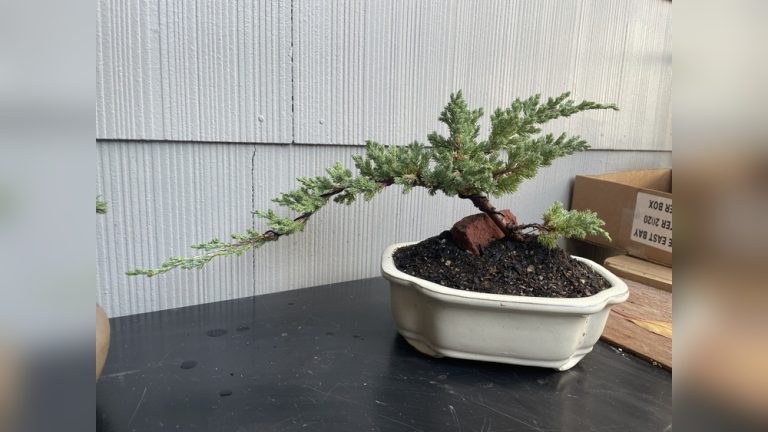
But the weather was unusually hot and dry. My smaller juniper, the one in the glazed pot, was the first to show it. I walked out one morning, and its once soft, green foliage looked… wrong.
It was duller. I gently touched a branch, and a whole clump of needles just crumbled in my hand. It was awful.
My heart sank. I felt so guilty. It looked like I had completely failed it.
I rushed to get my watering can. I also remembered I’d been a bit lax with checking the soil’s drainage lately, too. That panic stayed with me for a bit.
But I knew I had to act fast.
The Big Culprits: Water, Light, and Air
When juniper bonsai leaves turn brittle, the first thing to check is water. This is by far the most common reason. But it’s not always as simple as “water more” or “water less.” It’s about the right amount at the right time.
Overwatering can be just as bad as underwatering. If the soil stays wet for too long, the roots can’t breathe. They start to rot.
Even if you’re watering, the roots can’t take up water properly if they’re damaged. This can make the needles brittle. It’s a confusing one.
You’re giving it water, but it’s drying out from the inside.
Underwatering is more straightforward. If the soil dries out completely, the plant can’t get water to its needles. They dry up and become brittle.
This is more likely in hot, dry weather or if the pot dries out very quickly.
Light is another huge factor. Junipers love sun. If your bonsai isn’t getting enough sunlight, it can weaken.
A weak plant struggles to manage its water. It’s more prone to problems like brittle needles. Too much direct, hot sun, especially without enough water, can also scorch the needles, making them brittle.
Airflow is important too. Plants need fresh air around them. If your bonsai is in a cramped, stagnant space, it’s not ideal.
Good air circulation helps prevent fungal issues. It also helps the soil dry out a little between waterings, which is healthy. Poor airflow can contribute to root problems, which then affect the needles.
Watering Wisdom: A Quick Guide
Feel the Soil: Always check the soil moisture before watering. Stick your finger about an inch deep. If it feels dry, it’s time to water.
If it’s still damp, wait.
Water Thoroughly: When you do water, soak the entire root ball. Let water run out of the drainage holes. This ensures all roots get hydration.
Drainage is Key: Make sure your pot has good drainage holes. The soil should not hold water for long periods.
The Role of Soil and Potting
What your juniper is planted in matters a lot. The soil mix for bonsai is not like regular potting soil. It needs to drain well.
It also needs to hold some moisture. A good bonsai soil is usually a mix of akadama, pumice, and lava rock. If your soil is too heavy or compacted, it will hold too much water.
This leads to root rot. Roots that rot can’t function. They can’t absorb water.
So, even if you water, the plant suffers. This can cause brittle needles.
The pot itself plays a role too. Glazed pots tend to hold moisture longer than unglazed terracotta pots. If you have a juniper in a glazed pot, you need to be extra careful about watering.
You don’t want that soil to stay soggy. The size of the pot also matters. A pot that is too small might dry out very quickly, especially in hot weather.
But a pot that is too big can hold too much water for the roots to use.
Repotting is something bonsai trees need. When they get root-bound, their roots can’t grow. This restricts their ability to take up water and nutrients.
If it’s been a long time since your juniper was repotted, this could be a hidden cause of brittle needles. The roots are healthy and vibrant. But they have nowhere to go and nothing to draw from effectively.
Soil Mix Check: What to Look For
- Particle Size: Good bonsai soil has larger particles. This allows for airflow and drainage.
- Water Retention: It should hold some moisture, but not become waterlogged.
- Aeration: Roots need oxygen. Compacted soil suffocates them.
Environmental Factors: Temperature and Humidity
Temperature extremes can shock a juniper. Very hot days, especially combined with low humidity, can dry out needles quickly. If the plant can’t transpire fast enough (release water vapor to cool itself), the needles can suffer damage.
This damage can manifest as brittleness.
Conversely, very cold, dry winds can also be harsh. Junipers are generally hardy. But prolonged exposure to drying winds without adequate moisture can lead to brittle needles.
Think of it like a car left out in a harsh winter without proper fluids. Things can freeze and crack.
Humidity levels are also crucial. In drier climates, or during dry seasons, the air itself can pull moisture from the plant. Misting your juniper can help increase local humidity.
But it’s not a substitute for proper watering. It’s a temporary boost. Low humidity stresses the plant.
A stressed plant is more likely to show problems like brittle foliage.
Humidity Boosters for Your Bonsai
- Humidity Tray: Place the pot on a tray filled with pebbles and water. The evaporating water raises humidity around the plant.
- Misting: Lightly mist the foliage in the morning. Avoid misting in the evening, as wet leaves can encourage fungal growth.
- Location: Grouping plants together can create a slightly more humid microclimate.
Pests and Diseases: The Less Obvious Suspects
While less common for brittle needles, it’s worth mentioning pests and diseases. Some sap-sucking insects can weaken the plant. They draw out vital fluids.
This can lead to overall decline. Spider mites, for example, can cause stippling and drying of needles. If left unchecked, this can make needles brittle.
Fungal diseases can also affect the roots or foliage. Root rot, as discussed, is a major culprit. But certain leaf spot diseases can also damage needles.
Severely damaged needles may become dry and brittle. These issues are often linked back to poor watering practices or inadequate airflow.
How to Check for Pests:
- Inspect Leaves: Look closely at the needles and stems. Are there any tiny bugs? Webbing? Discoloration?
- Check Undersides: Many pests like to hide on the undersides of needles or branches.
- Soil Surface: Look for any unusual activity on top of the soil.
If you suspect pests, it’s important to act quickly. Identify the pest. Then find a safe, effective treatment.
For bonsai, organic or insecticidal soaps are often a good first choice. Always test any treatment on a small part of the plant first.
What This Means for You: Recognizing the Signs
So, you’ve noticed brittle needles. What does this really mean for you and your juniper? It means your plant is sending up a clear distress signal.
It’s not a death sentence, but it’s a warning. You need to pay attention and make some adjustments.
When is it Normal?
- Seasonal Changes: In late fall, some junipers might naturally shed older needles. These can feel drier. But this is usually a gradual process, not a sudden, widespread brittleness.
- Minor Stress: A single dry branch might happen if it was somehow deprived of water for a short time. The rest of the tree is fine.
When Should You Worry?
- Widespread Brittleness: If a large portion of the tree’s needles are brittle, this is a big concern.
- Speed of Change: If you noticed it becoming brittle over just a day or two, it’s a sign of acute stress.
- Combined Symptoms: If you see brittle needles along with yellowing, browning, or wilting of branches, it’s more serious.
Simple Checks You Can Do Right Now:
- Soil Moisture: Stick your finger in the soil. Is it bone dry? Sopping wet?
- Pot Drainage: Is water flowing freely out of the drainage holes when you water?
- Light Exposure: Has the amount of sun it’s getting changed recently?
- Recent Changes: Did you move it? Repot it? Fertilize it heavily?
Brittle Needle Checklist
Check 1: Water – Soil dry? Too wet? Check drainage.
Check 2: Light – Enough sun? Too much harsh sun?
Check 3: Air – Good airflow around the tree?
Check 4: Soil – Is it dense? Does it drain well?
Check 5: Pests – Any visible bugs or webbing?
Quick Fixes and Tips for Recovery
If your juniper’s needles are turning brittle, acting fast is key. Here are some steps to help it recover. Remember, these are guidelines.
Your specific situation might need slight adjustments.
1. Assess Watering Immediately:
- If Bone Dry: Water thoroughly. Soak the root ball. Let it drain completely. Repeat this daily for a few days, always checking the soil first. Don’t let it dry out again.
- If Too Wet: Stop watering. Ensure the pot drains well. You might need to gently aerate the soil surface with a skewer or chopstick. If the soil is completely waterlogged and not draining, you may need to repot into a better-draining mix. This is a more drastic step but might be necessary.
2. Adjust Light Exposure:
- Too Much Direct Sun: If it’s scorching hot, move the tree to a spot with dappled shade during the hottest part of the day. It still needs sun, but not intense, direct midday sun when it’s struggling.
- Not Enough Sun: Gradually move it to a brighter location. Avoid sudden, drastic changes.
3. Improve Airflow:
- Make sure the tree isn’t crowded by other plants or objects.
- If indoors, consider a small fan on a low setting for a few hours a day.
4. Consider Humidity:
- Use a humidity tray.
- Mist the foliage lightly, especially in dry climates.
5. Gentle Fertilizing (with Caution):
If your juniper is severely stressed, avoid fertilizing. Wait until it shows signs of recovery. When you do fertilize, use a diluted liquid fertilizer.
This is gentler on stressed roots.
6. Pruning Damaged Parts:
You can trim off the completely dry and brittle branches. This helps the plant focus its energy on healthy growth. Use clean, sharp bonsai tools.
Recovery Steps at a Glance
Immediate Action:
- Water Correctly: Based on soil moisture.
- Relocate if Needed: Adjust light for extreme heat.
Ongoing Care:
- Monitor Daily: Check soil and plant health.
- Increase Humidity: Use trays or misting.
- Be Patient: Recovery takes time.

Frequently Asked Questions About Brittle Juniper Needles
Why are my juniper bonsai needles turning brown and brittle at the tips?
Brown and brittle tips often suggest a drying out issue. This could be from underwatering, or from too much direct sun and wind without enough moisture to compensate. Check your watering routine and the amount of sun exposure.
Can overwatering cause my juniper bonsai needles to become brittle?
Yes, absolutely. Overwatering leads to root rot. Damaged roots cannot absorb water effectively.
This causes the needles to dry out and become brittle, even though the soil is wet. Good drainage is crucial.
How often should I water my juniper bonsai if its leaves are brittle?
Water when the top inch of soil feels dry. If it’s brittle, check the soil daily. You might need to water more frequently in hot, dry weather, but always check first to avoid overwatering.
Thorough watering until it drains from the bottom is best.
What type of soil is best for a juniper bonsai to prevent brittleness?
Bonsai soil should be well-draining. A mix of akadama, pumice, and lava rock is common. This allows air to reach the roots and prevents waterlogging, which helps prevent root issues that lead to brittleness.
My juniper bonsai is in a glazed pot. Does this affect brittleness?
Yes. Glazed pots hold moisture longer than unglazed ones. If your juniper is in a glazed pot, you need to be extra vigilant about checking soil moisture.
It’s easier to overwater in these pots, leading to root problems and brittle needles.
Is it normal for juniper bonsai to lose some needles in winter?
Some juniper species might shed older, interior needles in fall or winter. These can feel drier. However, widespread brittleness affecting the entire tree’s new growth is not normal and indicates a problem needing attention.
Should I fertilize a juniper bonsai with brittle needles?
It’s best to avoid fertilizing a stressed tree. Wait until you see signs of recovery. Fertilizing a struggling plant can add more stress.
Once it’s healthy, use a diluted liquid fertilizer.
Conclusion: Bringing Your Juniper Back to Life
Seeing your juniper bonsai’s needles turn brittle can be alarming. But remember, this is usually a solvable issue. By carefully checking water, light, soil, and environmental factors, you can pinpoint the cause.
With prompt attention and gentle care, your juniper can recover. It might take patience, but seeing its needles regain their flexibility is incredibly rewarding. Keep observing, keep learning, and keep nurturing your little tree.
Related pick: Check today's price on Amazon