Best Soil for Ginseng Ficus Bonsai (What Really Works)
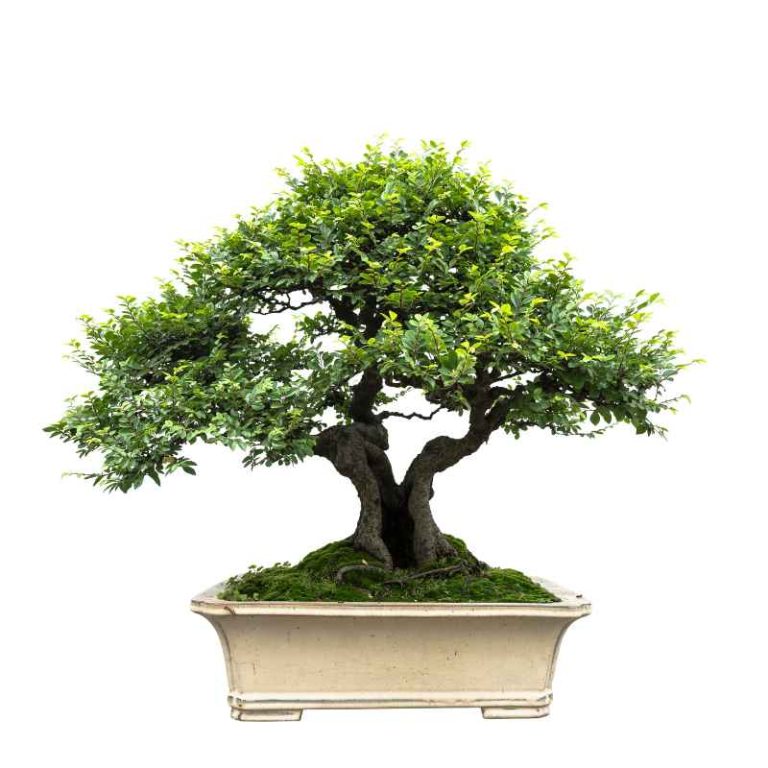
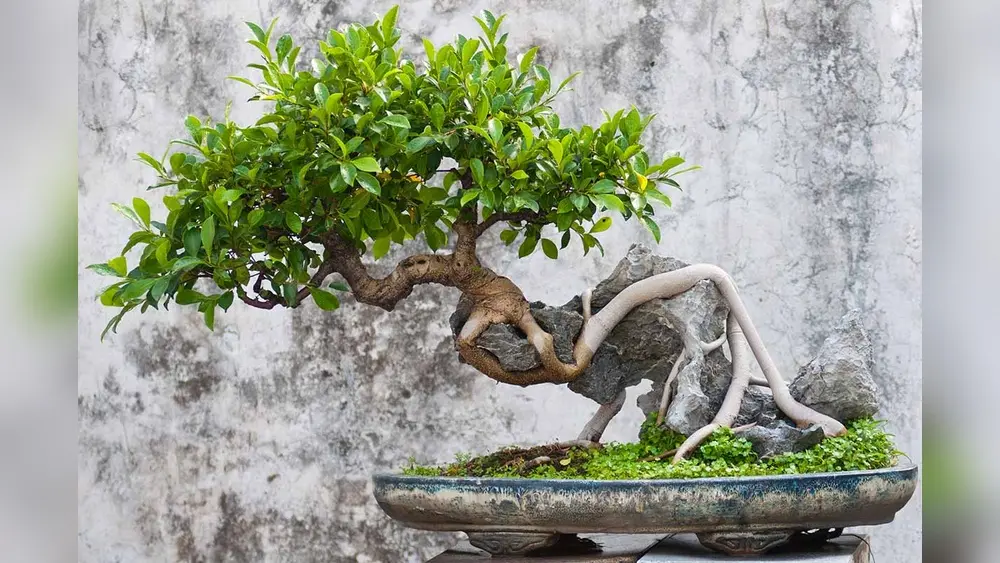
The world of bonsai captivates enthusiasts with its blend of artistry, horticulture, and patience. Among the most popular species for both beginners and seasoned practitioners is the Ginseng Ficus (Ficus microcarpa ‘Ginseng’). Its thick, bulbous roots, glossy leaves, and forgiving nature make it an ideal candidate for indoor bonsai cultivation. Yet, despite its reputation for resilience, the secret to a thriving Ginseng Ficus bonsai lies in one often-overlooked factor: the soil.
Choosing the best soil for a Ginseng Ficus bonsai is not as straightforward as grabbing any bag of potting mix. The right substrate can mean the difference between a robust, vibrant tree and one prone to rot, pests, and stagnation.
Soil influences root health, moisture retention, aeration, and nutrient availability. With so many conflicting recommendations online and in gardening circles, bonsai growers often feel lost amid options like akadama, pumice, organic mixes, and commercial blends. This guide cuts through the noise, offering research-based, actionable advice on what really works for Ginseng Ficus bonsai soil.
Key Takeaways
- Well-draining, aerated soil is crucial for Ginseng Ficus bonsai health and root development.
- The ideal mix combines inorganic components (akadama, pumice, lava rock) with limited organic matter.
- Avoid heavy, moisture-retentive soils that risk root rot.
- Customizing soil to your environment (indoor/outdoor, humidity, watering habits) optimizes growth.
- Regular repotting and soil refreshment are essential for sustained vigor.
- Real-world examples demonstrate significant differences in bonsai health based on soil choice.
Understanding Ginseng Ficus Bonsai Needs
Botanical Background
The Ginseng Ficus is native to Southeast Asia and is prized in bonsai for its dramatic, tuberous roots and adaptability. Its botanical resilience means it tolerates a range of indoor conditions, but this does not equate to soil indifference. In its native habitat, Ficus microcarpa thrives in fast-draining, granular substrates that mimic the forest floor’s loose, organic-rich layers. These environments typically feature decomposed leaf matter and mineral-rich soils, providing ideal moisture and nutrition levels without waterlogging roots.
Ginseng Ficus is also known for its ability to withstand pruning and shaping, making it a favorite among bonsai artists. However, the adaptability of this species can sometimes lead to complacency with its care. Many growers mistakenly believe it will thrive in any soil, but optimal growth, vibrant foliage, and impressive root development are only achieved when the substrate closely matches its natural conditions.
Root System Characteristics
Unlike many bonsai species, Ginseng Ficus develops thick, fleshy roots that store water and nutrients. This adaptation makes the plant forgiving of occasional neglect but also more susceptible to rot in poorly draining soils. The dense root mass requires a substrate that allows excess water to escape quickly, reducing the risk of fungal diseases.
The roots not only function as storage organs but also play a central role in the plant’s overall vigor and appearance. As bonsai is an art form that often showcases root flare and exposed roots, healthy, robust roots are critical.
When grown in compacted or waterlogged soils, these roots become mushy and discolored, diminishing their visual appeal and the tree’s health. Conversely, a well-draining mix encourages active root growth, resulting in striking, sculptural roots that define the Ginseng Ficus’s aesthetic.
Soil Impact On Growth And Health
Soil composition directly affects:
- Water retention vs. drainage: Too much moisture leads to root rot; too little causes dehydration.
- Aeration: Oxygen is critical for root respiration and healthy growth.
- Nutrient availability: The right balance ensures steady, controlled feeding.
A study by the Royal Horticultural Society found that bonsai trees grown in poorly aerated soils exhibited 36% slower growth rates and a higher incidence of root disease compared to those in open, granular substrates (RHS).
Furthermore, soil that retains excessive moisture can foster fungal pathogens and promote pest infestations such as fungus gnats. On the other hand, soils that dry out too quickly may cause leaf drop or stunted growth. Achieving a balance is essential, and this balance is often unique to each grower’s climate and watering habits.
For example, growers in humid regions must be vigilant about drainage, while those in dry areas may need to add more moisture-retentive components. The right soil mix is not only about the ingredients but also about understanding how those ingredients interact with the environment and the specific needs of the Ginseng Ficus.
Essential Soil Components For Ginseng Ficus Bonsai
Inorganic Elements
Akadama
Akadama is a volcanic clay, highly prized in bonsai for its excellent water retention, granular structure, and slow breakdown rate. It provides a stable environment for roots and resists compaction. Akadama’s unique properties allow it to absorb and release moisture efficiently, supporting consistent hydration without risking waterlogging. When dry, it turns lighter in color, offering a visual cue for watering.
Pumice
Pumice is a lightweight volcanic rock that improves aeration and drainage. It also retains some moisture and nutrients, creating a buffer against drying out. Pumice’s porous nature helps prevent soil compaction, allowing roots to penetrate and expand freely. Its inert quality means it does not alter soil pH, making it suitable for a variety of bonsai species, including Ginseng Ficus.
Lava Rock
Lava rock offers structural integrity and promotes airflow to the roots. It is inert and does not break down over time, preventing soil compaction. Lava rock’s rough texture increases surface area for beneficial microbes, which aid in nutrient breakdown and uptake. Its addition to the soil mix is especially valuable in humid climates or for growers who tend to overwater.
Comparison Table: Inorganic Soil Components
| Component | Water Retention | Aeration | Longevity | pH Neutrality |
|---|---|---|---|---|
| Akadama | Moderate | High | Medium (breaks down over years) | Near-neutral |
| Pumice | Low-Moderate | Very High | High | Neutral |
| Lava Rock | Low | Very High | Very High | Neutral |
Organic Elements
Pine Bark
Pine bark is a favored organic component due to its slow decomposition and ability to retain moisture without waterlogging the roots. It also provides a mild acidity, which ficus species tolerate well. Pine bark’s fibrous texture encourages root branching and enhances the soil’s structure, preventing compaction while still holding enough moisture for steady growth.
Sphagnum Moss
Sphagnum moss offers water retention and some antibacterial properties. However, it should be used sparingly, especially in humid environments, to avoid excessive moisture. Sphagnum moss is often used as a top dressing or incorporated into mixes for younger bonsai or plants recently repotted, as it encourages root establishment.
Compost
Compost adds nutrients but should make up a minor fraction of the mix to avoid compaction and nutrient surges, which can harm bonsai roots. Compost is best reserved for mature bonsai that require a boost during the growing season, or for mixes intended for environments with low humidity.
Balancing Organic And Inorganic Components
A successful soil mix for Ginseng Ficus bonsai typically includes:
- 60–70% inorganic (akadama, pumice, lava rock)
- 30–40% organic (pine bark, minimal compost or sphagnum moss)
This ratio ensures rapid drainage, robust aeration, and sufficient moisture retention for healthy root growth. Striking this balance is critical because too much organic matter leads to soil breakdown and compaction, while excessive inorganic material may cause the soil to dry out quickly, stressing the tree.
Building The Best Soil Mix: Proven Formulas
Classic Japanese Bonsai Mix
Traditionally, Japanese bonsai practitioners use a simple yet effective blend for broadleaf evergreens like Ficus:
- 50% akadama
- 25% pumice
- 25% lava rock
This mix offers a balanced environment, supporting root health and steady growth. Japanese growers often adjust the proportions slightly based on the age and health of the tree, with younger trees receiving a bit more akadama for moisture, and older, established bonsai getting more pumice or lava rock for drainage.
Western Adapted Mix
Bonsai growers in Western climates often adjust the mix to account for drier indoor air and less frequent watering:
- 40% akadama
- 30% pumice
- 20% pine bark
- 10% lava rock
This formula introduces more organic matter to retain moisture without sacrificing drainage. Western mixes also consider the prevalence of air conditioning and heating, which can dry out indoor air, necessitating a soil that holds moisture a bit longer.
Diy Cost-effective Mix
For those on a budget or with limited access to specialized bonsai substrates, an effective homemade mix can be created from garden center ingredients:
- 50% premium cactus mix
- 25% perlite
- 25% pine bark fines
This blend mimics the aeration and drainage of traditional bonsai soils at a lower cost. The cactus mix offers a base that is already designed for drainage, while perlite and pine bark further enhance aeration and moisture retention.
Case Study: Transforming A Struggling Ginseng Ficus
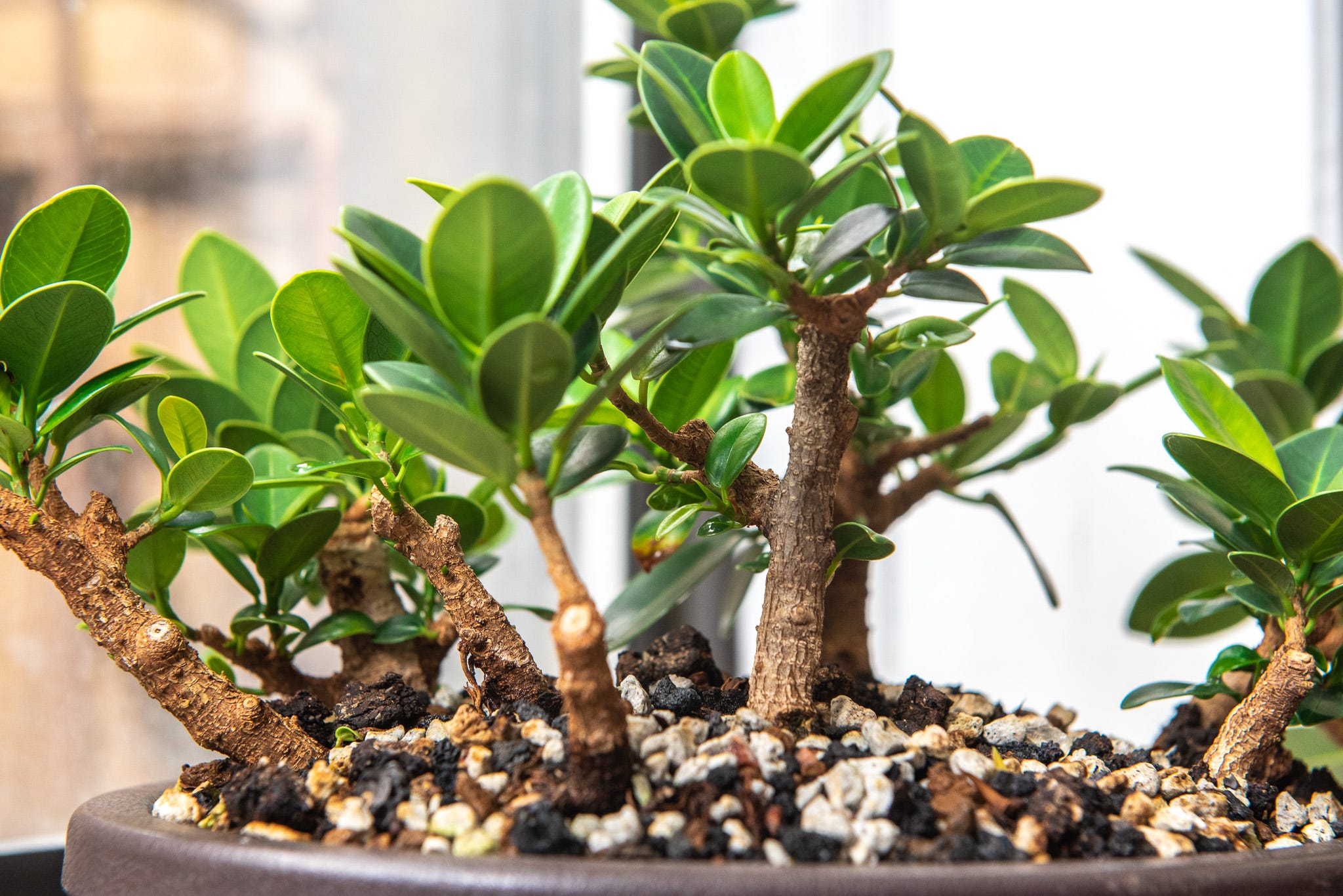
A hobbyist in Phoenix, AZ, reported persistent yellowing and root rot in their Ginseng Ficus bonsai, despite attentive care. Switching from a standard houseplant potting soil to a 60/20/20 mix (akadama/pumice/pine bark) reversed the decline within two months. The tree exhibited new growth, firmer roots, and improved leaf color, demonstrating the profound impact of soil composition.
Subsequent seasons saw the bonsai develop a thicker trunk and more pronounced root flare, underscoring the importance of substrate choice.
Credit: fireescapebonsai.substack.com
Environmental Factors Influencing Soil Choice
Indoor Vs. Outdoor Growing
- Indoor bonsai often face lower humidity and less air movement. Soil should retain slightly more moisture to compensate for faster evaporation. This can be achieved by increasing akadama or pine bark in the mix. Indoor environments are also subject to temperature fluctuations due to HVAC systems, which can affect soil drying rates.
- Outdoor bonsai benefit from increased airflow and rainfall. A faster-draining mix prevents waterlogging, especially during wet seasons. Outdoor placement may also expose bonsai to sudden weather changes, necessitating a soil mix that can quickly shed excess water.
Climate And Watering Habits
In arid climates, incorporating more organic matter helps maintain moisture. In humid regions, reducing organics and increasing inorganic content mitigates root rot risk. Watering habits also play a role; growers who water frequently should use a mix with higher drainage, while those who water less often may need a soil that holds moisture longer.
Pot Size And Drainage
Smaller pots dry out faster, favoring mixes with higher water retention (more akadama or pine bark). Larger containers retain moisture longer, so increase pumice or lava rock for drainage. The pot’s depth and shape also affect how quickly soil dries and how air circulates around the roots.
Comparison Table: Soil Mix By Environment
| Environment | Recommended Mix | Drainage | Moisture Retention |
|---|---|---|---|
| Indoor, Dry Climate | 50% akadama, 30% pine bark, 20% pumice | Moderate | High |
| Outdoor, Humid Climate | 40% pumice, 30% akadama, 30% lava rock | Very High | Low-Moderate |
| Indoor, Humid Climate | 40% akadama, 30% pumice, 30% lava rock | High | Moderate |
Real-world Example: Bonsai Club Study
The Minnesota Bonsai Society conducted a year-long trial comparing soil mixes in indoor Ginseng Ficus bonsai. Trees in a 60% inorganic mix required watering every 3-4 days and showed 20% more root mass than those in a 50% organic mix, which needed daily watering and suffered more frequent root issues (Minnesota Bonsai Society). The study concluded that inorganic-heavy mixes not only reduced maintenance but also improved overall plant vigor.
How To Mix And Prepare Bonsai Soil
Sourcing Quality Ingredients
Purchase akadama, pumice, lava rock, and pine bark from reputable bonsai or horticultural suppliers. Avoid construction-grade materials, which may contain contaminants or improper particle sizes. High-quality ingredients ensure consistency and longevity in the soil mix, reducing the risk of pests or chemical imbalances.
Sieving And Particle Size
- Sieve all ingredients to remove dust and fine particles, which can clog drainage holes and compact over time.
- Aim for 2–5 mm particles for Ginseng Ficus bonsai, which ensures optimal water flow and aeration. Larger particles allow water to move freely, while smaller particles can fill gaps and support root anchorage.
Mixing Process
- Measure each component by volume, not weight, for accuracy.
- Combine in a clean container, mixing thoroughly to achieve uniform distribution.
- Moisten the mix slightly before use to reduce airborne dust.
Proper mixing prevents the formation of layers in the soil, which can hinder water movement and root growth. Uniformity ensures that all parts of the root system benefit from the same moisture and aeration levels.
Potting And Repotting Techniques
- Remove old soil gently from roots, pruning away any rotten or dead tissue.
- Layer coarse particles at the bottom for added drainage.
- Fill in with your prepared mix, working it around the roots with a chopstick to eliminate air pockets.
- Water thoroughly after potting.
Repotting is also an opportunity to inspect the root system for pests or disease. Careful handling and the use of the right soil mix can rejuvenate a bonsai and set it up for a new cycle of growth.
Case Study: Soil Refresh Success
A New York bonsai enthusiast reported lackluster growth in a 5-year-old Ginseng Ficus. After repotting into a mix of 50% akadama, 25% lava rock, and 25% pine bark, the tree produced vigorous new shoots within weeks and developed a denser root system over the following season.
The improved soil structure allowed for better oxygen flow and nutrient uptake, transforming the bonsai’s appearance.
Common Soil Problems And How To Avoid Them
Overwatering And Root Rot
The primary killer of Ginseng Ficus bonsai is overwatering, especially in heavy, organic-rich soils. Symptoms include yellow leaves, mushy roots, and fungal smells. Prevent this by always using a well-draining, granular mix and letting the top inch of soil dry before rewatering.
It’s essential to monitor watering habits, especially after repotting or during seasonal changes. Adjust watering frequency based on the soil’s moisture retention and the plant’s growth rate. Using a moisture meter or checking with your finger can help avoid accidental overwatering.
Compaction And Lack Of Aeration
Soil compaction reduces oxygen, suffocating roots. Using only fine or clay-rich materials, or failing to repot, leads to compaction. Incorporate plenty of inorganic components and repot every 1–2 years.
Signs of compaction include slow drainage, stunted growth, and roots circling the pot. Regularly loosening the soil surface and maintaining a proper repotting schedule help mitigate these issues.
Nutrient Deficiencies
If using highly inorganic mixes, supplement with regular, balanced liquid fertilizer during the growing season. Organic matter provides some nutrients, but Ginseng Ficus is a moderate feeder and benefits from controlled fertilization.
Avoid over-fertilizing, which can cause leaf burn or excessive growth at the expense of root health. Use slow-release fertilizers or dilute liquid feeds for best results.
Pest And Disease Issues
- Fungus gnats and root aphids thrive in consistently wet, organic-heavy soils.
- Root rot is exacerbated by poor drainage.
Ensure your mix dries out between waterings and use sterile ingredients to minimize pests and diseases (RHS Pest Advice). For persistent pest problems, consider adding a layer of horticultural sand to the soil surface, which can deter fungus gnats.
Commercial Bonsai Soil Mixes: Do They Work?
Evaluating Popular Products
Many garden centers offer “bonsai soil” blends, but not all are suitable for Ginseng Ficus. Some contain excessive peat or compost, which retains too much moisture. The best commercial products list akadama, pumice, and lava rock as primary ingredients.
Carefully read product labels and inquire about the origin and composition of the mix. Avoid products with unidentified fillers or artificial moisture-retention agents, which can compromise bonsai health.
Leading Brands Comparison
| Brand | Main Ingredients | Drainage | Suitability for Ginseng Ficus |
|---|---|---|---|
| Bonsai Jack Universal Mix | Pumice, pine bark, akadama | High | Excellent |
| Superfly Bonsai Mix | Akadama, pumice, lava rock, pine bark | High | Excellent |
| Miracle-Gro Cactus Mix | Peat, sand, perlite | Moderate | Acceptable with amendments |
| Perfect Plants Bonsai Soil | Pine bark, sand, perlite | Moderate | Fair; may need more inorganic |
How To Modify Store-bought Mixes
If you must use a general-purpose or cactus mix, add 30–50% pumice or perlite and some pine bark to improve drainage and aeration. This simple modification can transform a mediocre mix into one suitable for bonsai, preventing many common health issues.
Real-world Example: Store Mix Modified For Success
A Florida-based bonsai club member found their Ginseng Ficus languishing in a peat-heavy commercial bonsai soil. After adding 40% pumice and 20% pine bark, the tree’s health rebounded, with new roots forming and fungal issues disappearing within a month. The tree subsequently developed a more compact leaf structure and increased branch ramification, further enhancing its bonsai form.
Soil Maintenance And Bonsai Health Over Time
Repotting Frequency
Ginseng Ficus bonsai should be repotted every 1–2 years. This refreshes the soil, prevents compaction, and allows you to prune and examine the root system. Frequent repotting also provides an opportunity to adjust soil composition as the tree matures and environmental conditions shift.
Signs It’s Time To Repot
- Water pools on the surface or drains too slowly.
- Roots circle the bottom or emerge from drainage holes.
- Foliage growth slows or leaves discolor.
These signs can also indicate nutrient depletion or pest issues, making repotting an essential part of ongoing bonsai care.
Ongoing Soil Care
- Remove fallen leaves and debris to discourage pests.
- After watering, ensure no standing water remains in the tray.
- Top-dress with fresh soil if surface compaction occurs.
Regularly inspect the soil for signs of mold, algae, or pest activity. Clean pots and tools between uses to prevent contamination.
Fertilization Practices
Because high-inorganic mixes provide minimal nutrition, fertilize during the growing season (spring–fall) with a balanced, low-nitrogen fertilizer every 2–4 weeks. Reduce or cease fertilizing in winter when growth slows.
Monitor leaf color and growth rate to adjust fertilization. If leaves appear pale or growth slows, consider increasing frequency or switching to a higher-quality fertilizer.
Case Study: Long-term Health With Proper Soil
A California collector tracked three Ginseng Ficus bonsai over five years. The two kept in a 70% inorganic mix maintained vibrant foliage and required only biennial repotting, while the third—grown in a standard potting mix—needed annual repotting and suffered repeated root rot episodes.
This underscores the durability and health benefits of the right soil formula. The collector also noted that the trees in the proper mix developed more refined branches and thicker trunks, suggesting that soil quality directly impacts bonsai aesthetics.
Frequently Asked Questions
What Is The Best Soil Mix Ratio For Ginseng Ficus Bonsai?
The best mix is 60–70% inorganic (akadama, pumice, lava rock) with 30–40% organic (pine bark, minimal compost or sphagnum moss). This ensures rapid drainage, robust aeration, and adequate moisture retention. Adjust ratios based on your environment and watering habits for optimal results.
Can I Use Regular Potting Soil For My Ginseng Ficus Bonsai?
Regular potting soil is generally too dense and moisture-retentive for bonsai. It risks root rot and poor aeration. Always modify it with at least 50% inorganic material like pumice or perlite for better drainage. Using only potting soil can lead to compaction and restricted root growth.
How Often Should I Repot My Ginseng Ficus Bonsai?
Repot every 1–2 years, ideally in early spring. Repotting refreshes the soil, prevents compaction, and allows you to inspect and prune the root system for optimal health. More frequent repotting may be necessary in climates with rapid soil breakdown.
What Are Signs That My Bonsai Soil Needs Changing?
Look for slow drainage, pooled water, roots circling the pot, reduced growth, or yellowing leaves. These indicate soil compaction, poor aeration, or nutrient depletion. Inspect roots during repotting for signs of rot or pests.
Is Akadama Necessary, Or Can I Substitute It?
While akadama is ideal, you can substitute with high-quality alternatives like pumice, Turface, or expanded clay aggregate if akadama is unavailable. The key is maintaining a granular, well-draining structure (Wikipedia – Akadama). Experiment with different substrates to find what works best for your environment.
Caring for a Ginseng Ficus bonsai is a rewarding journey—one made significantly easier by using the right soil. By prioritizing drainage, aeration, and balanced moisture, you’ll empower your bonsai to thrive for decades. Experiment with proven mixes, adapt to your environment, and prioritize regular soil maintenance. The result will be a healthy, vigorous Ginseng Ficus bonsai that becomes a living testament to your skill and dedication. For further information and advanced bonsai techniques, consult resources from the American Bonsai Society (American Bonsai Society), the Royal Horticultural Society (RHS), or the Brooklyn Botanic Garden (Brooklyn Botanic Garden). With the right foundation, your Ginseng Ficus bonsai will not just survive but truly flourish.