What Plant Types Should You Consider For Vegetable Gardening?
Choosing the right plant types for your vegetable garden depends on your climate, soil, and when you want to harvest. Consider cool-season crops for spring and fall, warm-season crops for summer, and some perennials for long-term harvests. Understanding these categories helps you plan a successful and bountiful garden year after year.
Understanding Plant Types for Your Vegetable Garden
Vegetable gardening is exciting. You get to grow your own food! But it’s true, picking the right plants is key.
Different vegetables have different needs. Some like it hot. Others prefer cooler weather.
Knowing these differences helps a lot. It stops you from planting something that won’t grow. Or something that will just give you a small harvest.
We can group most common garden vegetables into a few main types. This makes choosing much simpler.

My Own Gardening Blunders and Discoveries
I remember my first garden. I was so excited! I bought seeds for everything that looked good.
Big, juicy tomatoes? Yes! Sweet corn?
Absolutely! Melons? Why not!
I planted them all in mid-May here in Ohio. The little tomato and pepper plants looked happy for a bit. Then came the heat.
And the humidity. My dreams of an early harvest wilted faster than a forgotten houseplant. The corn barely reached my knees.
The melons never even formed fruit. It was a very sad, very green failure.
That year taught me a valuable lesson. It wasn’t just about having a sunny spot. It was about matching plants to the season.
It was about understanding what “cool-season” and “warm-season” actually meant for my local weather. I learned that planting too early or too late is a common mistake for beginners.
Cool-Season vs. Warm-Season: The Big Picture
Cool-Season Crops love it when it’s not too hot. They grow best in spring and fall. Think of them as plants that enjoy a light jacket.
They often taste even better when touched by a little frost. They usually bolt (go to seed) quickly if the weather gets too warm.
Warm-Season Crops thrive in the heat. They need full sun and warm soil to grow. These are your summer stars.
They can be sensitive to frost. Planting them too early can shock the plants and stunt their growth.
Cool-Season Crops: The Spring and Fall Stars
These vegetables are your early bird and late-night buddies in the garden. They don’t need super hot weather to grow. In fact, too much heat can be their downfall.
They often have faster growth cycles.
You can plant many cool-season crops as soon as the soil can be worked in early spring. This means when it’s not frozen and not too soggy. Some can even be replanted for a fall harvest.
You just need to time it right before the first hard frost.
Leafy Greens
Think of lettuce, spinach, and kale. These are classic cool-season choices. They grow best when temperatures are between 50°F and 70°F (10°C to 21°C).
Lettuce and spinach will “bolt” very quickly if it gets hot. This means they send up a flower stalk and their leaves turn bitter. Kale is a bit tougher and can often tolerate warmer weather for longer.
It can even sweeten up after a light frost.
Quick Scan: Cool-Season Leafy Greens
Lettuce: Various types (romaine, butterhead, leaf). Prefers 60-70°F (15-21°C). Harvest outer leaves for continuous supply.
Spinach: Grows fast in cooler temps. Can bolt in heat. Harvest entire plant or outer leaves.
Kale: Hardy green. Tolerates cold and light frost. Harvest leaves as needed.
Arugula: Peppery taste. Grows quickly. Best in cool weather to avoid bitterness.
Swiss Chard: Similar to spinach but more heat tolerant. Colorful stems. Harvest outer leaves.
Root Vegetables
Carrots, radishes, beets, and turnips are delicious root vegetables. They like cooler soil to develop their roots properly. Radishes are super fast!
You can often harvest them in less than a month.
Carrots need loose, deep soil to grow straight. Beets can be grown for both their roots and their tasty greens. Don’t try to grow these in the peak of summer heat.
They won’t develop their best flavor or texture.
The ideal soil temperature for most root vegetables is between 55°F and 75°F (13°C to 24°C).
Brassicas (Cabbage Family)
Broccoli, cauliflower, cabbage, Brussels sprouts, and kohlrabi are all brassicas. These plants generally prefer cooler weather. They can be started indoors early and transplanted outside.
Some varieties are more heat-tolerant than others.
Starting them indoors is common because they can take a while to mature. They need consistent moisture. Pests can also be a challenge for this family.
Look out for cabbage worms!
Brassicas often taste sweeter after a light frost. This is a great benefit for fall harvests.
Other Cool-Season Favorites
Peas are a classic spring crop. They need support to climb. They do not like hot weather at all.
Planting them early is essential for a good crop.
Onions and garlic are also often planted in cooler weather. They are typically planted in fall or early spring. They grow slowly over a long period.
Potatoes can be planted in early spring. They are somewhat frost tolerant when they are small. They grow best with moderate temperatures.
Observational Flow: Planting Cool-Season Crops
Late Winter/Early Spring: Start seeds indoors for broccoli, cabbage, cauliflower, onions. Direct sow peas, spinach, radishes, carrots, beets.
Mid-Spring: Transplant seedlings outdoors. Continue sowing quick crops like lettuce and radishes.
Late Spring/Early Summer: As temps rise, harvest quick cool-season crops. Watch for bolting. Prepare beds for warm-season plants.
Late Summer/Early Fall: As temps cool, direct sow fall crops like spinach, kale, radishes, and fast-maturing carrots. Transplant fall brassicas.
Fall: Harvest cool-season crops. Some, like kale and Brussels sprouts, improve with frost.
Warm-Season Crops: The Summer Sun Lovers
These are the plants that soak up the sun and heat. They are the backbone of summer harvests. Think tomatoes, peppers, corn, beans, squash, and melons.
They need warm soil and warm air to thrive.
The biggest mistake with warm-season crops is planting them too early. Frost can damage or kill them. You need to wait until all danger of frost has passed in your area.
And the soil temperature should be consistently warm.
For many warm-season vegetables, this means waiting until late spring or even early summer, depending on your climate zone.
Fruiting Vegetables
This is a huge category! Tomatoes, peppers, eggplant, cucumbers, and squash all fall here. They produce flowers that turn into fruits (which are botanically fruits, though we use them as vegetables).
Tomatoes, peppers, and eggplant are very sensitive to cold. They need soil temperatures around 60-70°F (15-21°C) to grow well. They also need plenty of sunshine.
Cucumbers and squash can grow a bit faster once the heat is on. But they still need those warm conditions. Bush beans are another great summer crop.
Myth vs. Reality: Warm-Season Crops
Myth: You can plant tomatoes as soon as the last frost date passes.
Reality: While the last frost date is a guide, soil temperature matters more. Many gardeners wait another week or two for soil to warm up for tomatoes and peppers. This prevents transplant shock.
Myth: All beans are the same and can be planted anytime in summer.
Reality: Bush beans grow quickly and love heat. Pole beans also need a long, warm season. Lima beans often need even warmer temperatures and a longer season than other beans.
Myth: Squash will grow no matter what.
Reality: Summer squash like zucchini need consistent warmth and moisture. Winter squash need a very long, warm season to mature and harden off for storage.
Corn
Sweet corn loves heat and sunshine. It’s a heavy feeder, meaning it needs fertile soil and nutrients. Corn also needs to be planted in blocks, not just single rows.
This is for pollination. The wind carries pollen from the male tassels to the female silks.
Corn needs warm soil to germinate and grow. Planting too early will result in poor germination and weak seedlings. It also requires a long growing season, so consider this when selecting varieties.
Melons
Watermelons and cantaloupes are classic summer treats. They need a lot of heat, sunshine, and space. They also require a long growing season.
Starting seeds indoors a few weeks before the last frost can give them a head start. But be careful not to transplant them too early. They are very sensitive to cold.
The soil must be warm.
Well-drained soil is important for melons. They don’t like “wet feet.”
Sweet Potatoes
These are truly warm-season plants. They need hot, humid conditions to grow well. Sweet potatoes are usually grown from “slips,” which are rooted cuttings.
They are planted after the danger of frost has passed and the soil is warm.
They have a long growing season, often 90-120 days. They can also spread, so give them room.
Stacked Micro-Sections: Warm-Season Needs
Sunlight: Most require 6-8+ hours of direct sun daily.
Soil Temperature: Wait until soil is consistently warm, usually 60°F (15°C) and rising.
Water: Consistent watering is vital, especially during fruit development.
Nutrients: Many are heavy feeders and benefit from rich soil or regular feeding.
Frost: Extremely sensitive to frost; plant after all danger has passed.
Perennial Vegetables: The Long-Term Investments
These are plants that live for more than two years. They come back year after year. This can save you time and effort in the long run.
Some popular perennial vegetables include asparagus, rhubarb, and certain herbs.
Perennials often take a year or two to establish before they produce a good harvest. But once they do, you can enjoy them for many seasons. They are often more drought-tolerant once established.
Asparagus
Asparagus is a fantastic perennial. You plant “crowns” (the roots) in the spring. It takes about 2-3 years before you can harvest asparagus spears.
Once established, asparagus can produce for 15-20 years or even longer. It prefers well-drained soil and a sunny spot. It’s important to let the first-year spears grow into ferns to build the plant’s strength.
Rhubarb
Rhubarb is also planted as crowns. It’s known for its tart stalks, which are usually cooked with sugar. Rhubarb can tolerate some shade but prefers sun.
Like asparagus, it takes a year or two to establish. You should also avoid harvesting too much in the first couple of years. It’s important to let it establish a strong root system.
Herbs
Many herbs are perennials and can be grown alongside your vegetables. Mint, chives, oregano, thyme, rosemary, and sage are common examples. They add flavor to your cooking and can even help deter some pests.
Be careful with mint! It spreads aggressively. It’s often best to plant it in a pot or a contained area.
Perennial Vegetable Quick Facts
Asparagus: Needs 2-3 years to establish. Harvest in spring.
Rhubarb: Needs 1-2 years. Harvest stalks in spring/early summer.
Artichokes: Perennial in warmer climates. Harvest flower buds.
Shallots: Can be perennial or grown as annuals.
Daylilies: Some varieties have edible tubers and flowers.
Choosing Plants Based on Your Climate
Your local climate is probably the most important factor. You can find your USDA Plant Hardiness Zone online. This tells you the average annual minimum winter temperature.
It helps you know which perennial plants will survive winter.
For annual vegetables (most cool-season and warm-season crops), you need to know your “last frost date” and “first frost date.” This defines your growing season.
If you have a short growing season, you’ll want to pick fast-maturing varieties. For example, choose a “70-day” tomato instead of a “90-day” one. You might also consider starting seeds indoors earlier.
If you have a long, hot summer, you can grow heat-loving crops with longer maturity times. You can also get multiple harvests of cool-season crops.
Understanding Your Growing Season
Zone: Your general hardiness zone helps with perennial survival.
Last Frost Date: The average date your region’s last spring frost occurs. Do not plant tender crops before this.
First Frost Date: The average date your region’s first fall frost occurs. This marks the end for many warm-season crops.
Frost-Free Period: The number of days between your last spring frost and first fall frost.
Other Plant Considerations
Beyond just season, think about these things too.
Sunlight Needs
Most vegetables need at least 6-8 hours of direct sunlight per day. Some, like leafy greens, can tolerate partial shade (4-6 hours). Fruiting plants like tomatoes and peppers absolutely need full sun.
Observe your garden space throughout the day. See where the sun hits and for how long. This helps you place plants correctly.
Soil Type and Drainage
Different plants have different soil preferences. Most vegetables like well-drained, fertile soil. Heavy clay soil can hold too much water.
Sandy soil can dry out too quickly.
Improving your soil with compost is almost always a good idea. It helps with both drainage and water retention. It also adds vital nutrients.
Root vegetables like carrots need loose soil. Avoid rocky or compacted areas for them.
Space Requirements
Some plants, like zucchini and pumpkins, can take up a lot of space. Others, like bush beans and radishes, are more compact.
Consider the mature size of the plant when you’re planning your garden layout. Overcrowding can lead to poor air circulation, which can cause diseases. It also means plants compete for light, water, and nutrients.
What This Means for Your Vegetable Garden
Knowing the different plant types is your roadmap to a successful garden. It’s not about knowing every single plant name. It’s about understanding the categories.
When it’s normal: It’s normal to focus on cool-season crops in spring and fall. It’s normal to plant warm-season crops after the danger of frost has passed. It’s normal to plan for perennials to come back year after year.
When to worry: You might worry if you’re constantly battling plants that are struggling. If your tomatoes get stunted by cold. Or if your lettuce bolts into a tall, bitter stalk in June.
This often means the plant type isn’t right for the timing or your climate.
Simple checks: Check your local frost dates. Read seed packets carefully for planting times and days to maturity. Observe your garden’s sun patterns.
And don’t be afraid to ask local gardeners or extension offices for advice!
Quick Tips for Choosing Your Plants
Here are some simple steps to help you pick the right plants.
- Know your zone and frost dates: This is your first step. It guides everything.
- Start with easy vegetables: Radishes, lettuce, bush beans, zucchini, and tomatoes (if you have a good season) are often good for beginners.
- Read seed packets: They have vital information about planting depth, spacing, days to maturity, and optimal growing temperatures.
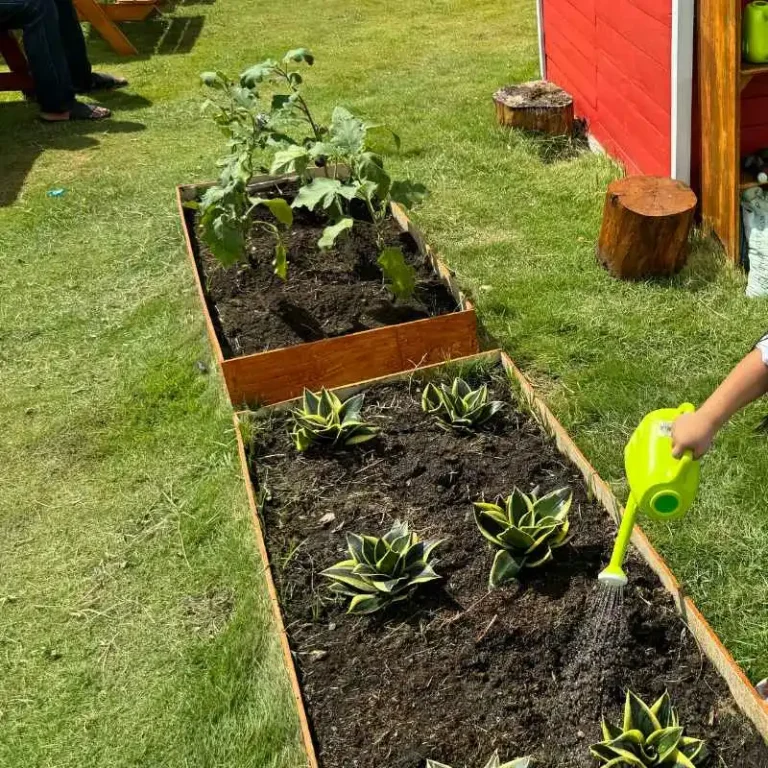
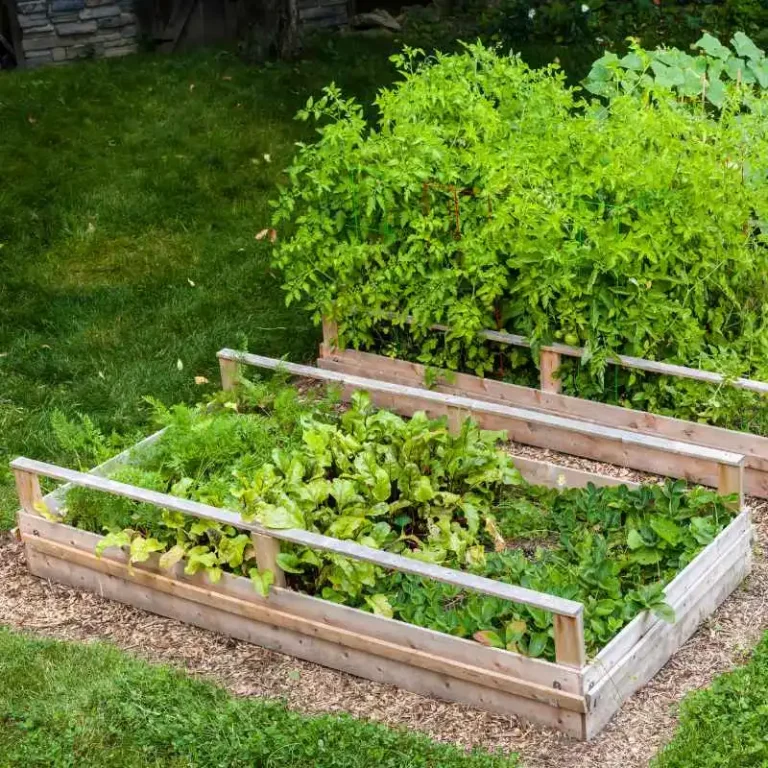
- Consider your space: Are you planting in a small raised bed or a large plot? Choose plants that fit.
- Think about what you like to eat: Grow vegetables that you and your family will enjoy.
- Don’t overplant: It’s better to have a smaller, successful garden than a large, overwhelming one.
- Succession planting: For some crops like lettuce or radishes, you can plant small batches every few weeks for a continuous harvest.
Frequently Asked Questions About Vegetable Garden Plant Types
What are the easiest vegetables for a beginner to grow?
For beginners, easy vegetables include radishes, spinach, lettuce, bush beans, peas, zucchini, cucumbers, and cherry tomatoes. These tend to be forgiving and have relatively quick harvest times. They also don’t demand super precise conditions.
Can I grow both cool-season and warm-season crops in the same garden?
Yes, absolutely! Most vegetable gardens can grow both. The key is to plant them at the right times.
You’ll grow cool-season crops in early spring and fall. Then, you’ll plant warm-season crops once the weather warms up for summer.
How do I know when it’s safe to plant warm-season vegetables outside?
The best indicator is your area’s “last frost date.” However, soil temperature is also critical. Wait until the soil is consistently warm, typically above 60°F (15°C), and all danger of frost has passed. For very tender plants like tomatoes and peppers, waiting a week or two after the last frost date is often wise.
What happens if I plant a cool-season crop too late in the year?
If you plant a cool-season crop when it’s too hot, it will likely “bolt.” This means it will quickly send up a flower stalk, and its leaves will turn bitter and tough. It won’t produce much edible harvest before going to seed.
Are there vegetables that can grow in partial shade?
Yes, many leafy greens and root vegetables tolerate partial shade (4-6 hours of direct sun). These include lettuce, spinach, kale, Swiss chard, radishes, and carrots. However, fruiting plants like tomatoes, peppers, and squash need full sun (6-8+ hours) to produce well.
How much space do I really need for a vegetable garden?
You can start small! A 4×4 foot raised bed can produce a surprising amount of food. If you want to grow larger plants like corn or vining squash, you will need more space.
The key is planning how much space each plant needs at its mature size.
Putting It All Together for Your Garden
Choosing the right plant types for your vegetable garden is a journey. It’s about understanding seasons, climate, and plant needs. Don’t get discouraged if your first garden isn’t perfect.
Every gardener has learning experiences.
By focusing on cool-season, warm-season, and perennial options, you’re setting yourself up for success. Happy gardening!