How To Use Southern Living Plants In Container Gardening
Container gardening can be tricky. You want plants that look good. You also want them to survive.

Southern Living
Southern Living 2 Gal. Obsession Nandina Shrub
- Stunning leaf color throughout all seasons
- USDA zones 6-10
- Plant in sun to part shade
As an Amazon Associate I earn from qualifying purchases.
Sometimes, plants just don’t do well in pots. You might be looking for plants that are known for being tough. You might also want something that looks beautiful all season long.
That’s where a name like Southern Living comes in. They offer plants that are bred for success. They are also made to look great.
We’ll explore how to bring that garden beauty to your porch or patio.
Southern Living Plants are a great choice for container gardening. They are known for being hardy and beautiful. You can use them to create stunning displays in pots and planters. This guide will show you how to pick the right ones and care for them.
Understanding Southern Living Plants
Southern Living Plants are not just any plants. They are part of a program. This program focuses on finding and testing plants.
These plants need to grow well in many places. They are especially good for the Southern United States. But many of them do well everywhere.
The goal is to offer plants that are reliable. They should also be pretty. This means they can handle a bit of stress.
They often bloom for a long time. They also resist common plant problems.
Think of them as well-tested friends for your garden. They have been checked in real gardens. This testing shows they can handle different weather.
They can also deal with typical garden issues. When you see the Southern Living tag, it means something. It means the plant has met certain standards.
These standards relate to its looks and how tough it is.
Why Southern Living Plants Shine in Containers
Containers are different from in-ground gardens. Pots can dry out faster. They can also get too hot.
The soil in pots needs to drain well. Southern Living Plants often have traits that help them here. Many are bred to be compact.
This means they don’t get too big for a pot. Some have deep root systems. This helps them find water.
Others are just naturally tough. They can handle a bit of neglect.
The beauty factor is also key. Containers are often front and center. You see them on your porch.
You see them on your patio. You want plants that put on a show. Southern Living focuses on plants with great flowers.
They also pick ones with nice leaves. Some have a lovely shape. This makes them look good even when not blooming.
This mix of hardiness and looks makes them ideal for pots.
Personal Experience: The Porch Transformation
I remember my first summer with a really sad-looking porch. I had tried to put some plants in pots. They just wilted.
The sun beat down on them. I forgot to water them sometimes. It was a mess.
I felt like a failure. Then, a friend told me about Southern Living Plants. She said, “Try these.
They are tough.”
I went to a local nursery. I looked for the little tag. I picked out a few.
One was a bright pink hydrangea. Another was a flowering shrub with deep purple leaves. I also got a trailing vine.
I put them in nice pots. I used good potting soil. I followed the watering advice.
It was like magic. The porch came alive. The hydrangea bloomed all summer.
The purple shrub added amazing color. The vine draped over the edge. It was a complete change.
I finally had a porch I loved. It showed me that the right plants make all the difference.
Choosing the Right Southern Living Plants for Pots
Consider the pot size: Small pots need small plants. Large pots can handle bigger ones.
Think about sunlight: Does your spot get sun all day? Or is it shady? Pick plants that match.
Look for bloom time: Do you want flowers all year? Or just in summer? Choose plants that bloom when you want them to.
Check plant needs: Some plants like wet feet. Others need to dry out. Make sure your watering can keep up.
Types of Southern Living Plants Great for Containers
There are many kinds of Southern Living Plants. Some are perfect for pots. Let’s look at a few groups.
Hydrangeas are a big hit. Many varieties do very well in containers. They offer big, showy blooms.
They can bloom for months. Look for compact types.
Flowering shrubs are also excellent. Think about things like Loropetalum. These have pretty leaves.
They also have unique, wispy flowers. They add great color and shape to a pot. Even some smaller trees can work.
Consider dwarf varieties. They can be a beautiful focal point.
Ground covers or trailing plants are good too. They can spill over the sides of the pot. This softens the look.
It makes the container garden feel more full. Many ornamental grasses also do well. They add texture and movement.
Spotlight on Container Stars
Hydrangeas: Look for ‘Endless Summer’ varieties or smaller types like ‘Little Lime’. They love consistent moisture and partial shade.
Loropetalum (Fringe Flower): Varieties like ‘China Pink’ or ‘Crimson Fire’ offer stunning foliage color and delicate pink flowers. They prefer sun to partial shade and well-drained soil.
Dwarf Evergreens: Small conifers can add structure year-round. Choose slow-growing types. They will stay manageable in a pot.
Herbs: Many culinary herbs thrive in containers. They are useful and look good. Think rosemary, thyme, and mint.
They need sun and good drainage.
Planting Your Southern Living Plants in Pots
Getting the planting right is important. It sets your plants up for success. First, pick the right pot.
It must have drainage holes. Without them, water sits. This can kill the roots.
The pot should be a good size. It should be a bit bigger than the plant’s root ball. This gives roots room to grow.
Use good potting mix. Do not use soil from your garden. Garden soil gets too packed in pots.
Potting mix is lighter. It drains better. It has things plants need.
When you plant, gently loosen the roots. This helps them spread out. Place the plant in the pot.
The top of the root ball should be level with the soil. Fill in around the plant with potting mix. Don’t pack it too hard.
Water the plant well after planting. This helps settle the soil. It also gets rid of air pockets.
You want the soil moist but not soaked. For the first few weeks, check the soil often. Make sure it stays damp.
Quick Planting Steps
- Choose a pot with drainage holes.
- Select a good potting mix.
- Gently loosen the plant’s roots.
- Position the plant in the pot.
- Fill with potting mix, don’t pack tight.
- Water thoroughly.
Watering Southern Living Plants in Containers
Watering is often the hardest part of container gardening. Pots dry out much faster than garden beds. The sun and wind can quickly pull moisture from the soil.
How often you water depends on many things. The weather is a big factor. A hot, sunny day means more watering.
A cool, cloudy day means less. The size of the pot matters too. Smaller pots dry out quicker than larger ones.
The type of plant is also important. Some plants are thirsty. Others are more drought-tolerant.
The best way to know when to water is to check the soil. Stick your finger about an inch or two into the soil. If it feels dry, it’s time to water.
If it feels moist, wait. When you water, water deeply. Soak the soil until water runs out the bottom holes.
This encourages roots to grow down.
Avoid overwatering. This is just as bad as underwatering. Soggy soil can cause root rot.
It can also lead to fungal diseases. Learn to feel the soil. This is your best guide.
Early morning is usually the best time to water. This allows the plant to use the water during the day. It also lets leaves dry before nightfall.
This reduces disease risk.
Watering Wisdom
- Check the soil first: Stick your finger in to feel moisture.
- Water deeply: Soak the soil until water drains out.
- Avoid overwatering: Soggy soil is bad for roots.
- Water in the morning: This is best for plant health.
- Consider the weather: Adjust watering based on heat and sun.
Feeding Your Container Plants
Plants in pots use up nutrients quickly. The soil in a pot has a limited amount of food. You need to add fertilizer to keep them happy.
Southern Living Plants often perform best with regular feeding. Choose a good quality fertilizer. For flowering plants, a fertilizer with a balanced number is good.
Or one that is higher in phosphorus for blooms.
You can use liquid fertilizer. You mix it with water. You apply it when you water.
This gives plants food right away. Slow-release fertilizers are also an option. You mix them into the soil once or twice a year.
They release nutrients slowly over time. This is a bit easier. Always follow the package directions.
Too much fertilizer can harm plants.
Feeding often starts in spring. This is when plants begin to grow actively. Continue feeding through the summer.
You might stop in late summer or fall. This depends on the plant. Some plants need a rest period.
Over-fertilizing can lead to weak growth. It can also make plants more prone to pests.
Fertilizer Facts
What to use: Balanced fertilizer or one for flowering plants.
How often: Check plant needs; often every 2-4 weeks with liquid feed.
When to stop: Usually in late summer or fall. Check plant type.
Caution: Never use more than recommended. It can burn roots.
Sunlight and Location for Container Plants
Where you place your containers matters a lot. Southern Living Plants have different sun needs. Some love full sun.
This means at least six hours of direct sunlight a day. Others prefer shade. This means little to no direct sun.
Some do best in partial shade. This is a few hours of sun, usually in the morning.
Think about your porch or patio. Where does the sun hit? For how long?
If you have a sunny spot, choose sun-loving plants. If you have a shady spot, pick shade-tolerant ones. It’s a simple match.
Moving pots is also a good idea. If a plant is struggling in one spot, try another. You can often move pots to follow the sun.
Consider the wind too. Strong winds can dry out plants. They can also damage them.
A sheltered spot is better for most container plants. Some plants, like ornamental grasses, can handle wind well. They might even look beautiful blowing in the breeze.
But delicate flowers might need protection.
Location, Location, Location
Full Sun: Needs 6+ hours of direct sun daily. Good for many flowers and herbs.
Partial Shade: Needs 2-4 hours of sun, often morning sun. Good for hydrangeas and hostas.
Shade: Little to no direct sun. Good for ferns and some foliage plants.
Wind Protection: A sheltered spot is usually best. Avoid very exposed areas.
Dealing with Pests and Diseases
Even tough plants can face problems. Pests like aphids or spider mites can appear. Diseases like powdery mildew might show up.
Southern Living Plants are often bred to resist these. But they are not immune. Good care helps prevent issues.
Healthy plants are stronger.
Check your plants regularly. Look under leaves. Look at stems.
Catching problems early is key. If you see pests, try simple methods first. A strong spray of water can dislodge aphids.
Insecticidal soap is another option. For diseases, improve air circulation. Avoid wetting leaves when watering.
If a problem gets bad, there are treatments. Organic options are available. Chemical treatments can also work.
Always read labels carefully. Use them only when needed. Sometimes, a plant that is weak might be better removed.
This stops problems from spreading to other plants.
Pest Patrol Basics
- Inspect often: Check plants weekly for signs of trouble.
- Act fast: Small problems are easier to fix.
- Use gentle methods first: Water spray, insecticidal soap.
- Improve air flow: Prune to allow air to circulate.
- Choose disease-resistant plants: A good start.
Overwintering Southern Living Plants in Pots
When winter comes, what do you do with your potted plants? This is called overwintering. How you do it depends on your climate.
And it depends on the plant type. Many Southern Living Plants are hardy. But roots in pots are more exposed.
They can freeze and die.
In milder climates, you might do nothing special. Just stop fertilizing in the fall. Water less often.
In colder areas, you need to protect them. You can move pots to a sheltered spot. This could be against the house.
It could be in a garage or shed. Make sure the spot doesn’t get too cold. Or too hot and dry.
You can also group pots together. This helps insulate the roots. You can wrap the pots in burlap or bubble wrap.
Some people sink pots into the ground. This offers good protection. If plants are going into a garage, they need some light.
And very little water. It’s about keeping them alive until spring.
Winterizing Containers
- Know your zone: Understand your climate’s winter severity.
- Choose a sheltered spot: Against a building or in a shed.
- Insulate roots: Group pots, use burlap, or bubble wrap.
- Reduce watering: Water very little during dormancy.
- Provide some light: If stored indoors, ensure some natural light.
Combining Southern Living Plants for Impact
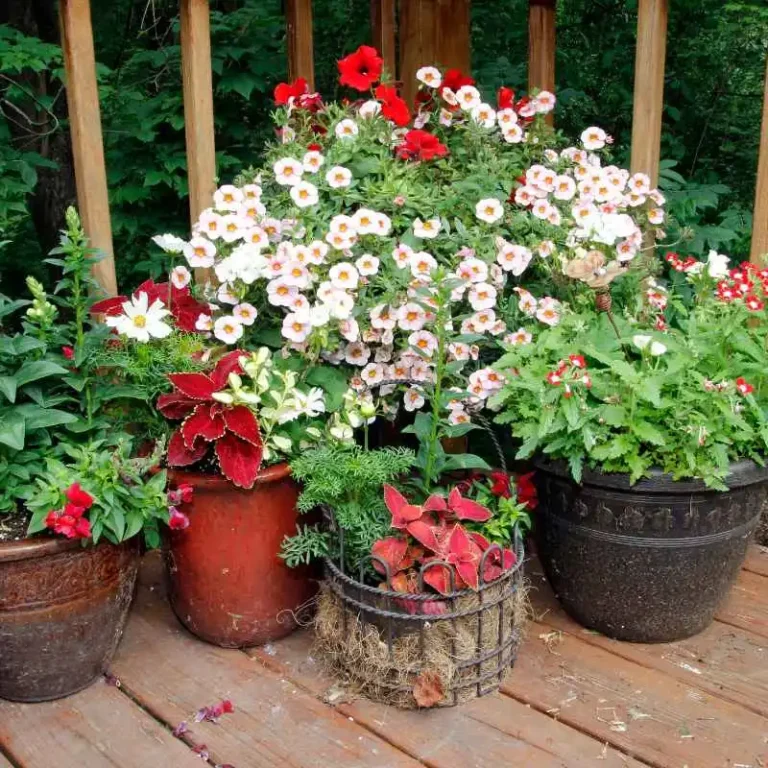
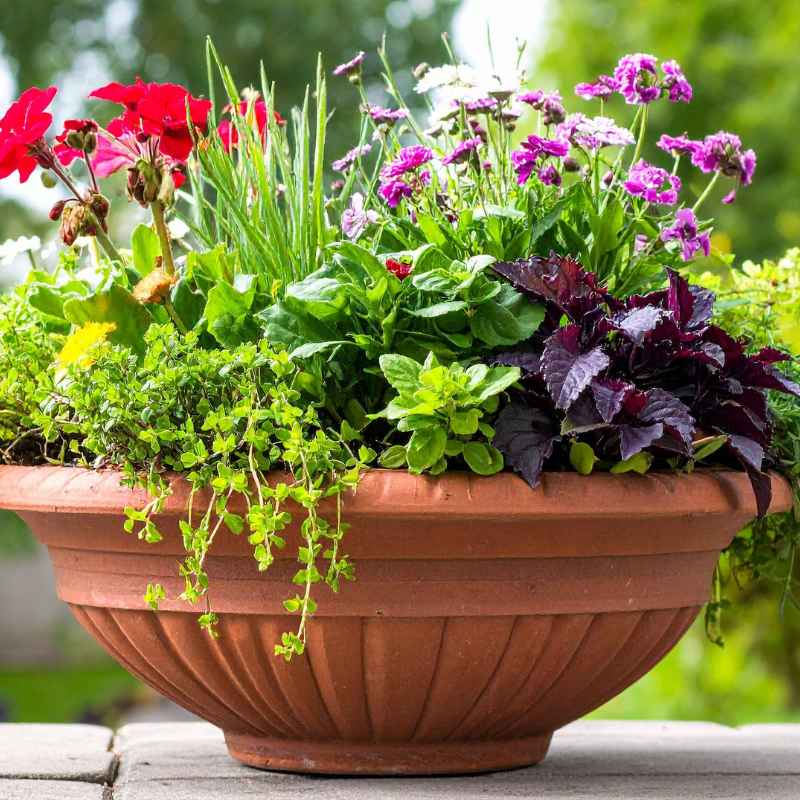
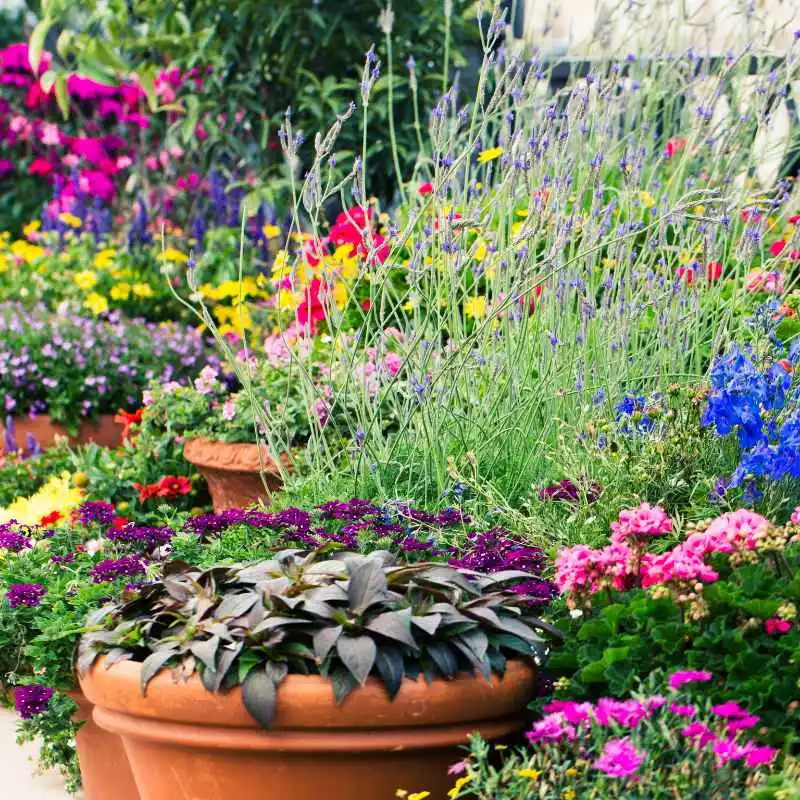
Using Southern Living Plants in containers is more than just putting one plant in a pot. You can create stunning combinations. Think about different colors.
Think about different textures. Think about different heights. This makes a dynamic display.
A good rule is the “thriller, filler, spiller” method. The “thriller” is a tall plant. It’s the star of the show.
A compact shrub or a bright hydrangea can be a thriller. The “filler” is a plant that fills the middle. It adds volume and color.
Think of smaller flowering plants or foliage plants. The “spiller” is a plant that drapes over the edge. A trailing vine or a mounding ground cover works well.
Mix plants with different bloom times. This ensures continuous color. Combine plants with different leaf shapes and colors.
This adds interest even when flowers are not present. Always make sure the plants in the same pot have similar needs. They should all like the same amount of sun and water.
Container Design Ideas
Thriller: A tall, eye-catching plant. (e.g., Dwarf Alberta Spruce, ornamental grass)
Filler: A mounding or bushy plant for the middle. (e.g., Calibrachoa, Coleus)
Spiller: A plant that trails over the pot’s edge. (e.g., Sweet Potato Vine, Creeping Jenny)
Color Mixing: Pair complementary colors (blue/orange) or analogous colors (blue/green).
Texture Play: Mix fine-textured plants with bold, large leaves.
When to Worry: Signs Your Container Plant Needs Help
Most of the time, Southern Living Plants are resilient. But sometimes, things go wrong. You need to know the signs.
Yellowing leaves can mean many things. It could be overwatering. It could be underwatering.
It could be a lack of nutrients. If the soil is constantly wet, it’s likely too much water. If the soil is bone dry, it’s likely not enough.
Drooping leaves are another common sign. This usually means the plant is thirsty. But it can also mean root rot.
Check the soil to be sure. If the leaves are wilting even though the soil is wet, it’s a bad sign for the roots. Brown edges on leaves can mean dry air.
Or it can mean too much fertilizer.
Spots on leaves can be disease. Pests might be visible. If a plant is not growing at all, it might be too cold.
Or it might not be getting enough light. Or it’s root-bound. If the plant is totally declining, it might be time to give up on it.
And start fresh with a new, healthy plant. Sometimes, we do our best, and it’s just not enough for that particular plant.
Trouble Signs
- Yellowing leaves: Check watering and fertilizer first.
- Wilting leaves: Usually thirst, but check for wet soil (root rot).
- Brown leaf edges: Could be dry air or too much fertilizer.
- Spots on leaves: Likely a fungal issue or pest damage.
- No growth: Consider light, temperature, and root space.
The Long-Term Success of Container Gardening
Container gardening with Southern Living Plants can be very rewarding. It lets you create beauty even in small spaces. It allows you to experiment.
You can move pots around. You can change your displays each season. The key is choosing the right plants.
And giving them what they need.
These plants are designed to perform well. They offer strong colors and textures. They are often quite forgiving.
This makes them a great choice for beginners. And for busy gardeners. With a little attention to watering, feeding, and sunlight, your containers can be amazing.
They can be a source of joy. They can truly transform your outdoor living areas.

Frequently Asked Questions About Southern Living Plants in Containers
Are Southern Living Plants truly different from other plants?
Yes, Southern Living Plants are part of a special program. They are bred and tested for vigor, beauty, and disease resistance. This means they are often more reliable and perform better in home gardens.
They are chosen for their ability to thrive across a wide range of conditions.
Can I use any Southern Living Plant in a container?
While many Southern Living Plants are suitable for containers, it’s best to choose varieties known for being compact or well-suited to pot life. Larger shrubs or trees might quickly outgrow a container. Look for descriptions that mention suitability for containers or smaller growth habits.
How often should I repot my Southern Living Plants?
Most container plants need repotting every 1-2 years. You’ll know it’s time when roots start growing out of the drainage holes. Or when water runs straight through the pot without soaking in.
Repotting into a slightly larger container with fresh potting mix gives the roots new space and nutrients.
Can I mix different types of Southern Living Plants in one large container?
Absolutely! Mixing different plants can create stunning displays. Use the “thriller, filler, spiller” concept for a balanced look.
Just make sure all the plants you combine have similar needs for sun and water. This is key to their success together.
Do Southern Living Plants require special soil for containers?
Yes, it’s crucial to use a high-quality potting mix for containers. Do not use soil from your garden. Potting mix is lighter and designed for drainage and aeration.
This helps prevent root rot and provides the right environment for plants in pots.
What is the biggest mistake people make with container gardening?
The most common mistake is improper watering. Either overwatering or underwatering. Pots dry out quickly, so they need more frequent checks than garden plants.
Also, using pots without drainage holes is a sure way to harm your plants. Always ensure good drainage.
Conclusion
Bringing the beauty and resilience of Southern Living Plants to your container garden is a fantastic idea. These plants offer a winning combination of looks and toughness. They can truly transform your patio or porch.
By understanding their needs for light, water, and feeding, you can create stunning displays. Enjoy the vibrant colors and long-lasting blooms they bring to your home.
Related pick: Check today's price on Amazon