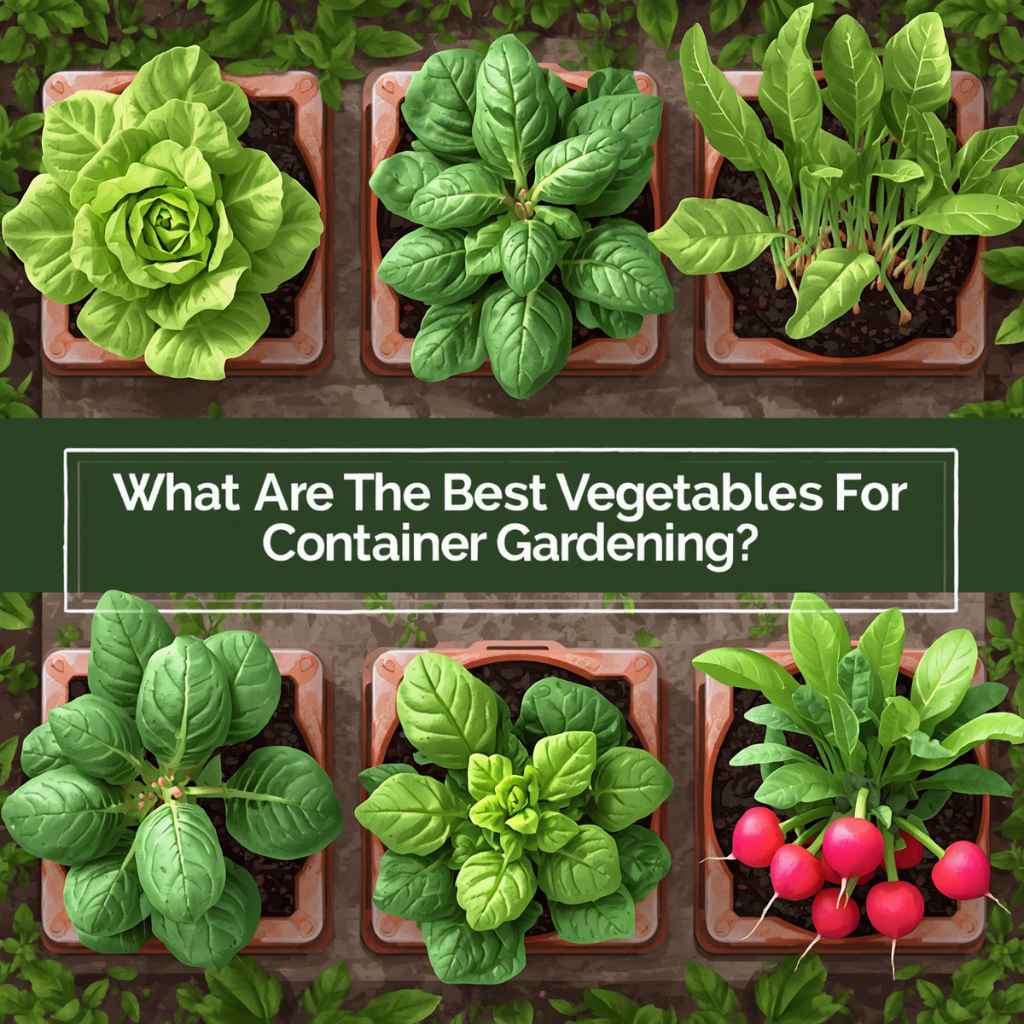

The best vegetables for container gardening are those that naturally stay small or can be pruned easily. Think leafy greens, herbs, radishes, bush beans, dwarf tomatoes, and peppers. These crops don’t need deep soil or vast space to produce well.
They thrive with good drainage and plenty of sunlight.
What Makes a Vegetable Great for Pots?
When we talk about growing veggies in containers, we’re looking for a few special traits. Think about what a pot offers. It’s a smaller world for the plant.
So, the plant needs to fit that world. We want plants that don’t get too big. They also shouldn’t need huge roots to find food.
Good drainage is super important. Pots can get waterlogged easily. So, anything that hates wet feet is out.
Finally, most pots sit in sunny spots. So, veggies that love sun do best.
It’s not about picking fancy plants. It’s about picking smart ones. We want plants that give us a good harvest for the space they take up.
This is key. A giant zucchini plant might give a lot of food. But it would likely be too big for most pots.
So, we stick to things that are naturally compact. Or we choose types bred for small spaces. This makes gardening much easier and more fun for everyone.
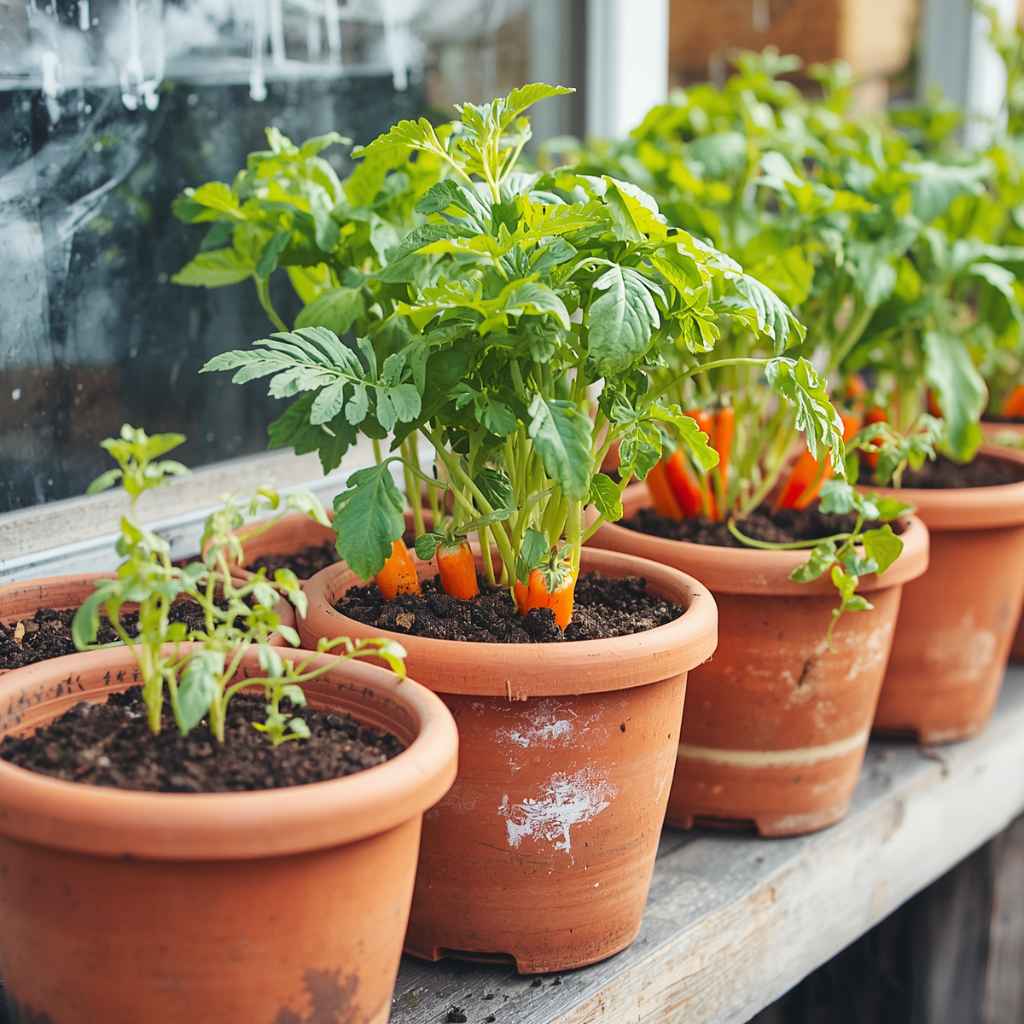
My First Container Garden Disaster (and What I Learned)
I remember my first attempt at a container garden vividly. It was a warm spring day, and I was brimming with optimism. I bought a few terracotta pots and some soil.
I planted what I thought were the best vegetables. I put in a big cucumber seedling and a sprawling zucchini plant. I envisioned a bounty of fresh produce.
I put them on my small apartment balcony. The sun hit them for most of the day. I watered them every day, sometimes twice.
I felt like a super-gardener.
Then, disaster struck. The cucumber plant grew and grew, but only produced flowers. No cucumbers appeared.
The zucchini plant started to vine wildly. It sent tendrils all over the balcony railing. It barely produced a single, small fruit before looking sad and yellow.
The roots, I later realized, were totally cramped. The soil dried out too fast. And the plants were just too big for the pots.
It was a messy, frustrating learning experience. It taught me that plant size matters a lot for containers.
Quick Scan: Top Veggies for Pots
Leafy Greens: Lettuce, Spinach, Kale, Arugula. They grow fast and shallow.
Root Vegetables: Radishes, Carrots (short varieties), Beets. Need decent depth but not vast space.
Fruiting Plants: Bush Beans, Peas, Dwarf Tomatoes, Peppers, Eggplant. Choose compact or “bush” types.
Herbs: Basil, Mint, Parsley, Cilantro. Small and productive.
Leafy Greens: The Speedy Gardeners
When you want fast results, leafy greens are your best friends. They grow quickly. You can often harvest them multiple times.
And they don’t need deep pots. Most types do well in containers that are 6 to 8 inches deep. This is great for small spaces.
They also don’t mind a bit of shade. So, if your sunny spot is limited, greens can still work.
Lettuce is a classic choice. You can grow loose-leaf varieties. Or you can grow head lettuce if your pot is deep enough.
Spinach is another winner. It loves cooler weather. So, you can often grow it in spring and fall.
Kale is super hardy. It can handle a bit of frost. Arugula adds a nice peppery bite.
It grows very fast. Just be sure to keep them watered. They can get a bit bitter if they dry out too much.
There are so many kinds of lettuce. Butterhead types are soft and sweet. Romaine is crisp.
Loose-leaf mixes are fun to harvest. You just snip off the outer leaves. The plant keeps growing more from the middle.
This is called “cut-and-come-again.” It means you get lettuce for weeks from one plant.
Spinach is rich in iron. It wilts down nicely when cooked. Or you can eat it raw in salads.
Kale is a superfood. It’s great in smoothies or baked into chips. Arugula has a zesty flavor.
It’s perfect on sandwiches or mixed into salads. These greens don’t need much fuss. They are a great starting point for any new container gardener.
Root Vegetables: Digging for Goodness
Root vegetables sound like they need deep soil. And some do. But many types are perfect for pots.
The key is to choose the right varieties. You want carrots that are short and round. Or beets that don’t grow too large.
Radishes are the champions of quick root veggies. They are ready to harvest in just a few weeks. This is very satisfying for gardeners.
For radishes, any container that is at least 6 inches deep will work. Sow seeds about an inch apart. Keep the soil moist.
You’ll be pulling up crisp, peppery radishes before you know it. They come in red, white, and pink. Some are round, and some are longer.
But stick to the round, smaller types for pots.
Carrots need a bit more depth. A pot that is 8 to 12 inches deep is usually good. Look for “Nantes” or “Chantenay” types.
These are shorter and more forgiving. “Parisian” carrots are tiny and round, like marbles. They are perfect for containers.
Make sure the soil is loose. If it’s too hard, the carrots might fork or not grow straight. You don’t want rocks in the soil.
Beets are great because you get two harvests. You get the roots. You also get the greens, which are edible.
Choose smaller beet varieties. A pot 8 inches deep should be fine. Plant them about 3 inches apart.
They need a bit of space to form good roots. Beets like consistent moisture. They can become woody if they dry out.
Container Depth Guide for Roots
Radishes: 6 inches deep
Short Carrots: 8-12 inches deep
Beets: 8 inches deep
Onions (scallions/green): 6 inches deep
Fruiting Plants: Bringing the Sunshine In
This is where things get really exciting. Growing tomatoes, peppers, or even small melons in pots is totally doable. You just need to select the right types.
Avoid the vining or sprawling varieties. Look for words like “bush,” “dwarf,” “patio,” or “container” on the plant tag or seed packet.
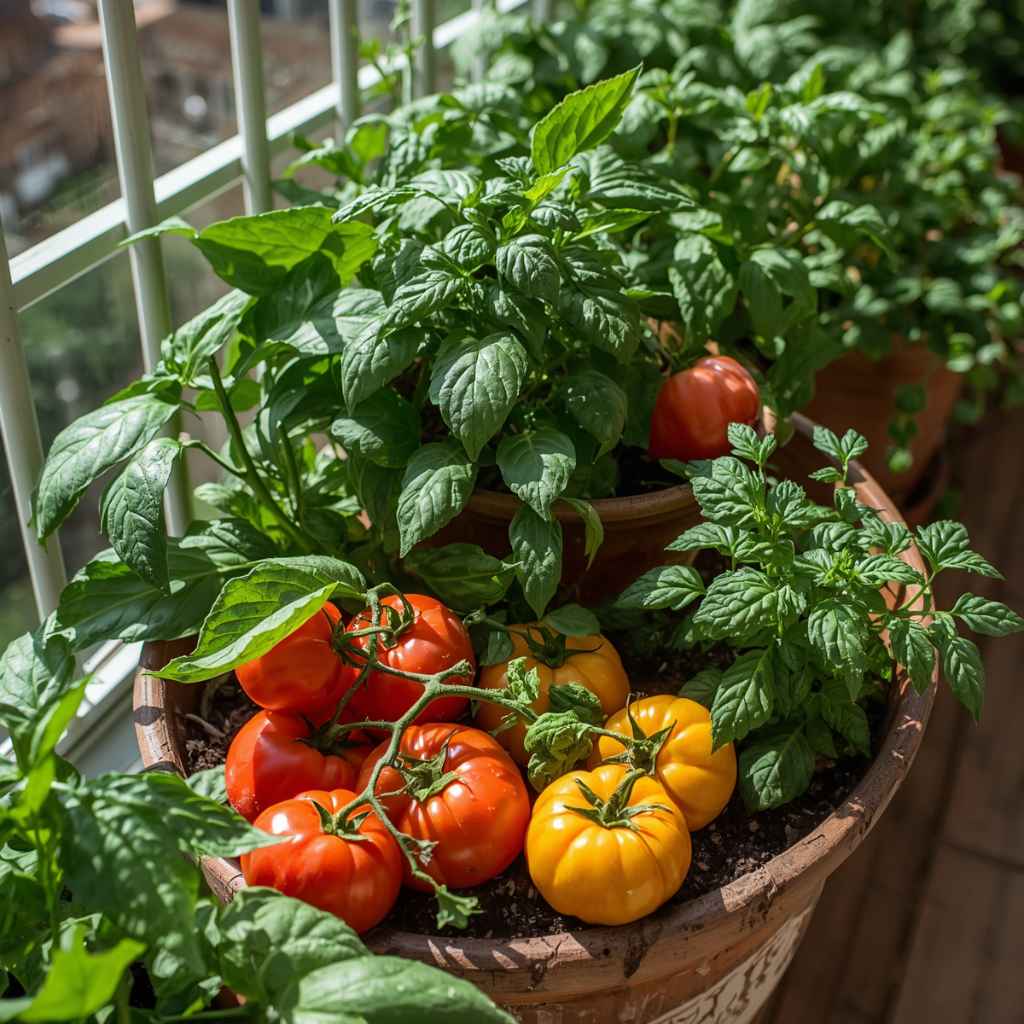
Dwarf tomatoes are amazing for pots. There are many varieties. Some stay very compact, like “Tiny Tim” or “Patio Princess.” They produce small, flavorful fruits.
You’ll need a pot that’s at least 8 to 10 inches deep. And they need good support. A small stake or cage will help keep the plant upright.
Peppers are fantastic container plants. Bell peppers, hot peppers, and ornamental peppers all do well. They love heat and sun.
A pot that’s 8 inches deep is usually enough. Give them a sunny spot. Keep them watered.
You’ll be rewarded with lots of colorful peppers.
Bush beans are a great choice. They grow into compact bushes. They don’t need any staking.
Plant seeds directly in pots that are 8 inches deep. Make sure they have good sun. They are productive and relatively fast.
Peas also do well in pots. Look for dwarf or semi-dwarf varieties. They will need something to climb on, like a small trellis or cage.
Even small fruits like strawberries can be grown in containers. They can cascade over the sides of hanging baskets or pots. There are also specific “container” varieties of cucumbers and squash.
But these are trickier and need larger pots. For beginners, stick to the smaller, more reliable options.
Fruiting Plants: Pick the Right Type
Tomatoes: Dwarf, Bush, Patio varieties (e.g., ‘Patio Princess’, ‘Tiny Tim’)
Peppers: All types do well (Bell, Chili, Jalapeno)
Beans: Bush beans (e.g., ‘Blue Lake 274 Bush’)
Peas: Dwarf varieties (e.g., ‘Sugar Snap’, ‘Little Marvel’)
Cucumbers/Squash: Specific ‘container’ or ‘bush’ varieties (need larger pots)
Herbs: The Flavorful Little Helpers
Herbs are practically made for container gardening. They are usually small. They grow fast.
And they add so much flavor to your cooking. Most herbs are very forgiving. They can often handle being a bit dry.
And many of them smell wonderful while they grow.
Basil is a summer favorite. It needs sun and warmth. Keep it watered.
Pinch off the flowers to encourage more leaf growth. Mint is incredibly easy to grow. But beware!
It can take over your pot. It’s best to keep mint in its own container. Parsley, cilantro, and chives are also great choices.
They grow well in pots that are about 6 inches deep.
Rosemary and thyme are woody herbs. They prefer drier conditions and good drainage. They can live in the same pot for a long time.
Sage also likes it a bit dry. These herbs often do well in terra cotta pots. The pots help the soil dry out faster.
You can grow a whole “salsa garden” in pots. Plant some tomatoes, peppers, cilantro, and onions. Or a “pizza garden” with basil, oregano, and a small tomato plant.
Herbs are versatile. They are also great for beginner gardeners. They give you quick rewards and beautiful scents.
When picking herbs, think about what you like to cook with. Do you use a lot of pesto? Grow basil.
Like Italian food? Oregano and basil are good. Fresh salads?
Cilantro and parsley. Mint is great for teas and desserts. You can also dry herbs to use later.
Just snip off stems, tie them up, and hang them in a cool, dry place.
The Importance of the Right Pot
Choosing the right pot is as important as picking the right vegetable. The pot is the home for your plant. It needs to be the right size.
It also needs to let water escape. This is called drainage. Many pots have holes in the bottom.
Make sure yours do. If they don’t, you might need to drill some.
Size matters for different plants. Leafy greens and herbs can do well in pots that are 6 to 8 inches deep. Root vegetables need a bit more depth, maybe 8 to 12 inches.
Fruiting plants like tomatoes and peppers need even more room for their roots. Aim for pots that are at least 10 inches deep, and ideally 12 inches or more. Bigger pots hold more soil.
This means they dry out slower. It also gives roots more space to grow.
What about the material? Terra cotta pots look nice. They also allow air and water to pass through the sides.
This can be good for plants that don’t like wet feet, like rosemary. However, terra cotta dries out very fast. You’ll need to water more often.
Plastic pots are lighter and cheaper. They hold moisture better. This can be good if you tend to forget to water.
Glazed ceramic pots are pretty. They also hold moisture well. But they can be heavy.
Fabric pots are a newer option. They are great for drainage and aeration. The roots can grow through the sides.
This prevents them from circling around. This is called “root binding.” Fabric pots can dry out quickly in hot weather. But they often lead to healthier root systems.
For most vegetables, ensure your pot has drainage holes. If a pot doesn’t have holes, you can put a layer of gravel at the bottom. This helps a little.
But really, holes are best. Without good drainage, roots can rot. This will kill your plant.
Pot Material Pros & Cons
- Terra Cotta: Looks good, breathes well. Dries out fast.
- Plastic: Light, cheap, holds moisture. Can get hot.
- Glazed Ceramic: Pretty, holds moisture. Heavy and expensive.
- Fabric: Great aeration, prevents root binding. Dries out fast.
Soil Matters: More Than Just Dirt
Don’t just fill your pots with dirt from your yard. Garden soil is too heavy for containers. It compacts easily.
This stops air and water from reaching the roots. It also doesn’t drain well in pots. You need a special potting mix.
This mix is lighter. It has things like peat moss, perlite, and vermiculite.
Potting mix is designed to drain well. It also holds the right amount of moisture. It provides nutrients for your plants.
You can buy bags of potting mix at any garden store. Look for a mix that says “for containers” or “container mix.” Some mixes have added fertilizer. This can give your plants a good start.
You can also make your own potting mix. A common recipe is equal parts compost, peat moss (or coco coir), and perlite. Compost adds nutrients.
Peat moss or coco coir helps hold moisture. Perlite is small white volcanic rocks that help with drainage and aeration.
When you plant your vegetables, fill the pot almost to the top. Leave about an inch of space. This is called the “headspace.” It helps when you water.
The water won’t just spill over the sides. It gives the soil room to absorb the water.
Over time, potting mix breaks down. You’ll need to refresh it or
Sunlight and Watering: The Daily Dance
Most vegetables need at least 6 to 8 hours of direct sunlight each day. The more sun, the better for most fruiting plants like tomatoes and peppers. Leafy greens and some herbs can tolerate a bit less sun, maybe 4 to 6 hours.
Observe your space. See where the sun hits throughout the day.
Watering is often the trickiest part for new gardeners. The soil in pots dries out much faster than in the ground. How often you water depends on many things.
The weather is a big one. Hot, dry, windy days mean you’ll need to water more. The size of your pot matters too.
Smaller pots dry out faster.
The type of plant also affects watering needs. Leafy greens like consistent moisture. Tomatoes and peppers need regular watering, especially when they are setting fruit.
Herbs like rosemary and thyme prefer to dry out a bit between waterings.
The best way to know when to water is to check the soil. Stick your finger about an inch or two into the soil. If it feels dry, it’s time to water.
If it feels moist, wait. Don’t water on a schedule. Water when the plant needs it.
When you do water, water deeply. Soak the soil until water runs out of the drainage holes. This encourages roots to grow deeper.
Shallow watering leads to shallow roots. This makes the plant weaker. Watering in the morning is usually best.
This allows the leaves to dry before nightfall. Wet leaves overnight can encourage diseases.
If you’re going away for a weekend, ask a neighbor to water. Or use self-watering containers. These have a reservoir that holds water.
The soil wicks water up as needed. They can be a lifesaver for busy gardeners.
Watering Wisdom
- Check Soil: Finger test is key.
- Water Deeply: Until water drains out.
- Water in Morning: Lets leaves dry.
- Consider Weather: Hot days need more water.
- Plant Needs: Different plants drink differently.
Feeding Your Container Garden
Potting mix has nutrients. But plants use them up. Especially in small pots.
So, you’ll need to feed your plants. This is called fertilizing. For container gardens, a liquid fertilizer is often best.
It’s easy to use. And the plants can absorb it quickly.
Choose a balanced fertilizer. This means it has equal amounts of nitrogen (N), phosphorus (P), and potassium (K). These are the main nutrients plants need.
Look for numbers like 10-10-10 on the label. You can also use an organic fertilizer. Fish emulsion or worm castings are good options.
Follow the instructions on the fertilizer package. Usually, you mix the fertilizer with water. Then you water your plants with this solution.
How often you fertilize depends on the plant and the fertilizer. Many gardeners fertilize every 2 to 4 weeks during the growing season.
Some plants are heavy feeders. Tomatoes and peppers need regular feeding. Leafy greens need nitrogen to grow lots of leaves.
But don’t over-fertilize. Too much fertilizer can harm your plants. It can burn the roots.
It can also cause the plant to grow lots of leaves but few fruits.
If your plants look pale or are not growing well, it might be time to fertilize. Yellowing leaves can be a sign of a nutrient deficiency. However, make sure you are watering them properly first.
Sometimes, a lack of water can make plants look sickly.
Compost is also a fantastic way to feed your plants. You can top-dress your pots with compost once or twice a year. It slowly releases nutrients into the soil.
It also improves soil structure. Using good compost is like giving your plants a healthy, long-lasting meal.
When to Worry and When to Relax
Gardening is a journey. Not everything will be perfect. Sometimes, plants just don’t thrive.
It’s okay. With container gardening, there are a few common issues.
Yellowing Leaves: This can mean a few things. Not enough water is common. Too much water can also cause yellowing.
It can be a sign of nutrient deficiency. If the lower leaves are yellow, it might be nitrogen. If the whole plant is yellow and wilting, it might be overwatering.
Dropping Flowers or Fruit: This is often stress-related. It could be sudden temperature changes. It could be inconsistent watering.
It could be lack of pollination. For some plants, like tomatoes, if too many flowers set at once, the plant might drop some.
Pests: Aphids are tiny green or black bugs. They love to suck the sap from plants. Ladybugs eat aphids.
You can also wash them off with a strong spray of water. Or use insecticidal soap. Small holes in leaves might mean slugs or caterpillars.
Inspect your plants regularly.
Leggy Growth: This means the plant is tall and thin. It’s reaching for light. It probably needs more sun.
Or it might be getting too much nitrogen. This makes it grow leaves but not get sturdy.
If you see pests, act fast. But don’t panic. Most common garden pests are manageable.
If a plant looks really sick and isn’t getting better, sometimes it’s best to remove it. This stops problems from spreading to your other plants. Then, start fresh.
Remember, gardening is about learning. Each season brings new lessons. Don’t get discouraged by a few setbacks.
Enjoy the process. Celebrate the successes. Even a small harvest from a pot is a win.
Common Container Issues & Checks
Problem: Yellow Leaves
Possible Causes: Underwatering, Overwatering, Nutrient Deficiency.
Check: Soil moisture, Fertilize if needed.
Problem: Dropping Flowers
Possible Causes: Water stress, Temperature shock, Poor pollination.
Check: Water consistently, Protect from extremes.
Problem: Pests (Aphids)
Possible Causes: Tiny insects on new growth.
Check: Water spray, Insecticidal soap if needed.
What This Means for Your Space
The beauty of container gardening is its flexibility. You can transform almost any space into a productive garden. A sunny balcony can become a salad bar.
A small patio can grow a bounty of herbs and peppers. Even a kitchen windowsill can hold a pot of basil or mint.
You don’t need a large plot of land. You don’t need expensive tools. You just need a few pots, good soil, the right plants, and some sunlight.
This opens up gardening to so many more people. It’s a way to connect with nature. It’s a way to eat fresher, tastier food.
Think about the fresh flavors. Imagine snipping your own basil for pasta. Or picking a ripe tomato for a salad.
These are simple pleasures. They are easily achievable with container gardening. Start small.
Pick one or two easy vegetables. See how it goes. You might be surprised at what you can grow.
It’s also a great way to teach children about where food comes from. Kids love watching seeds sprout and grow. They enjoy harvesting their own snacks.
It’s a hands-on learning experience that is both fun and educational.
Quick Tips for Container Garden Success
Here are a few simple tips to help you grow the best vegetables in pots:
- Start with Good Potting Mix: Don’t use garden soil.
- Choose the Right Pot Size: Bigger is often better for roots.
- Ensure Drainage: Holes are a must.
- Water Wisely: Check soil moisture, water deeply.
- Feed Your Plants: Use liquid fertilizer regularly.
- Give Them Sun: Most veggies need 6-8 hours daily.
- Pick Compact Varieties: Look for “bush” or “dwarf” types.
- Observe Your Plants: Look for pests or signs of stress early.
- Harvest Regularly: This encourages more growth.
- Don’t Be Afraid to Experiment: Try new veggies each season.
Frequently Asked Questions About Container Vegetables
What are the absolute easiest vegetables to grow in pots?
Radishes, lettuce, spinach, bush beans, and herbs like basil and mint are among the easiest. They grow quickly, don’t need deep pots, and are quite forgiving.
Can I grow potatoes or onions in containers?
Yes, you can grow potatoes and onions in containers. For potatoes, use deep pots or grow bags. For onions, choose smaller varieties or green onions, which don’t need a lot of depth.
How often should I fertilize container vegetables?
Most container vegetables benefit from fertilizing every 2 to 4 weeks during the growing season. Use a balanced liquid fertilizer, and always follow the product’s instructions.
My container plants look sad. What’s wrong?
This could be due to several reasons: inconsistent watering (too much or too little), lack of sunlight, or nutrient deficiency. Check the soil moisture first, ensure they get enough sun, and consider fertilizing if needed.
Can I reuse potting soil from last year?
You can reuse potting soil, but it’s best to amend it. Mix in some fresh compost or new potting mix to replenish nutrients and improve structure. Remove any old roots.
What are the best vegetables for containers on a balcony with limited sun?
For shady or partially shaded balconies, focus on leafy greens like lettuce, spinach, and kale. Herbs like mint, parsley, and chives also tolerate less sun. Root vegetables like radishes can also grow with fewer than 6 hours of sun.
Conclusion: Your Pot Garden Awaits
Growing vegetables in pots is an incredibly rewarding activity. It’s accessible to almost anyone. You can enjoy fresh, homegrown produce.
You can turn small spaces into vibrant gardens. Choose the right plants, pots, and soil. Then, give them what they need.
You’ll be amazed at what you can harvest. Happy gardening!