What Vegetables Are Currently Growing In Broward County Gardens?
Currently, Broward County gardens are growing a variety of warm-season vegetables. Think tomatoes, peppers, cucumbers, and beans. You can also find leafy greens like collards and mustard greens. Southern Florida’s climate allows for year-round growth for many crops.
For a related vegetable-garden decision, What Are Considered Fall Vegetables for Gardens? Full List adds another practical check before you choose materials or treatments.
For a related vegetable-garden decision, What Are The Most Common Vegetables Grown In Home Gardens? adds another practical check before you choose materials or treatments.
For a related vegetable-garden decision, What Kinds Of Vegetables Do People Grow In Home Gardens? adds another practical check before you choose materials or treatments.
Understanding Broward County’s Growing Seasons
Broward County has a unique climate. It’s warm most of the year. This is thanks to its location in South Florida.
Unlike places with four distinct seasons, Broward has two main growing periods. These are often called the “winter” or cooler season and the “summer” or hotter season.
The cooler season runs roughly from October through April. This is a prime time for many vegetables. Many plants that struggle in intense heat thrive during these months.
They get more sunlight and less harsh heat.
The hotter season is from May through September. This time brings lots of rain and high temperatures. Not all vegetables can handle this.
But some plants love it. They are built for the heat and humidity.
Understanding these seasons helps gardeners know what to plant and when. It helps predict harvests. It also helps avoid disappointment when certain plants don’t do well in the wrong season.
What’s Growing Right Now: The Cooler Season (October – April)
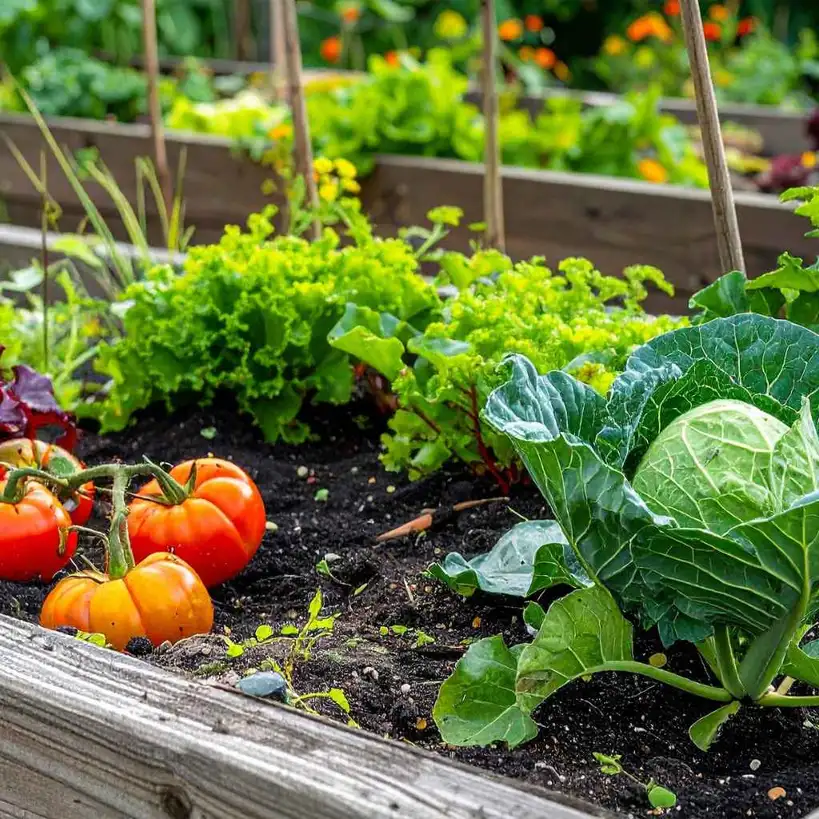
This is often considered the best time for many gardens in Broward County. The weather is pleasant. It’s not too hot or too cold.
Many vegetables that are common in other parts of the U.S. can grow well now.
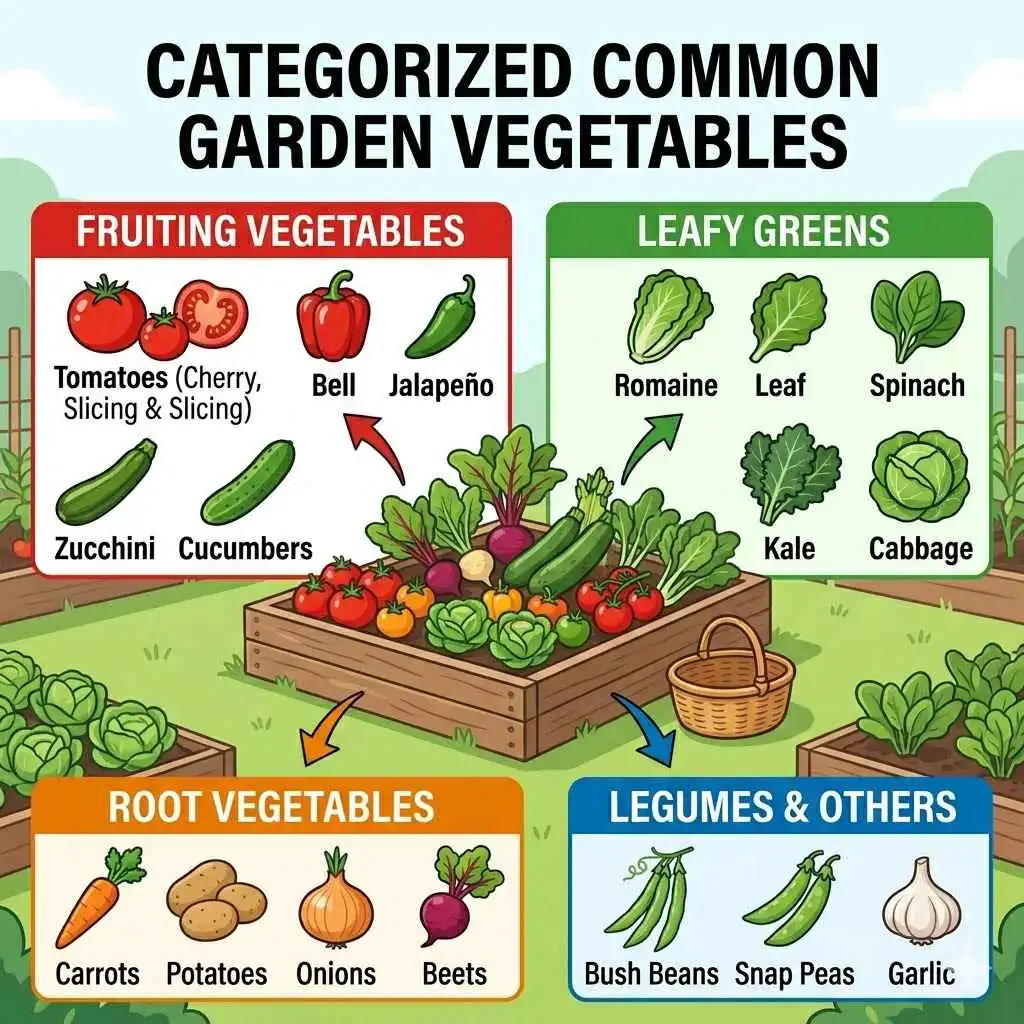
Tomatoes are a big one. You can find ripe, juicy tomatoes. They come in many varieties.
Some do better than others in the heat that can still linger early or late in this season.
Peppers also do well. Bell peppers, jalapeños, and other chili peppers grow nicely. Their growth slows a bit when it gets cooler but they don’t usually stop producing.
Cucumbers love this time. They grow fast and produce many fruits. Bush varieties are great for smaller spaces.
Vining types need something to climb.
Beans are another popular choice. Both bush beans and pole beans grow well. Pole beans need a trellis or support to grow up.
They produce for a long time.
Leafy Greens are plentiful. Think about things like lettuce, spinach, and arugula. These prefer cooler weather.
They can bolt (go to seed) if it gets too warm too fast.
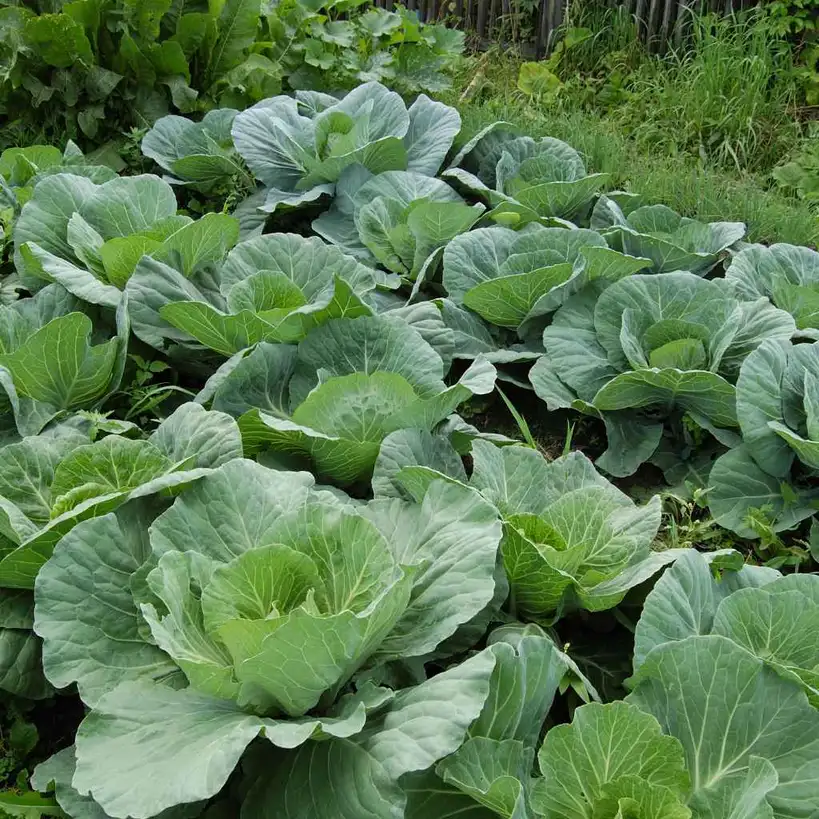
Cruciferous vegetables also thrive. Broccoli, cauliflower, and cabbage can be grown. Brussels sprouts are also possible.
These need a steady cool spell to form heads.
Root vegetables like carrots, radishes, and beets do well. They need loose soil to grow straight. Carrots can take a little while to mature.
Radishes are very quick.
This season is also good for herbs like basil, parsley, and cilantro. They add great flavor to meals. Many herbs can grow year-round but do best in milder temperatures.
What’s Growing Right Now: The Hotter Season (May – September)
This season is a challenge for many gardeners. The heat can be intense. Heavy rains are common.
But some plants are perfectly suited for these conditions. These are often called “Southern” vegetables.
Okra is a classic warm-weather crop. It loves heat. Pods grow quickly and can be harvested daily.
It has a unique taste and texture.
Sweet Potatoes are a root vegetable that thrives in heat. They grow from slips. The vines spread out.
The tubers develop underground.
Eggplant also loves the sun and heat. It produces beautiful purple or white fruits. You can harvest them when they are firm and shiny.
Southern Peas, like black-eyed peas, are very heat tolerant. They grow well even when it’s very hot. They are also quite productive.
Malabar Spinach is a vine that acts like spinach but loves heat. It’s a great alternative when regular spinach bolts. It has a slightly different flavor but is delicious cooked.
Malanga and Taro are root vegetables that grow well in wet, warm conditions. They are staple crops in many tropical regions.
Gourds like loofah and certain types of squash can also do well. They need space to vine. They appreciate the rain.
Even some tomatoes and peppers can be grown. But you need to pick the right varieties. Look for those known to handle heat stress.
They might produce less than in the cooler season.
This season also means a lot of humidity. This can bring pest and disease problems. Good air circulation and careful watering are key.
Broward County’s Unique Growing Advantages
Advantage 1: Long Growing Season
The mild winters mean you can harvest fresh produce almost every month of the year.
Advantage 2: Diverse Crop Options
You can grow both traditional cool-season crops and tropical heat-lovers.
Advantage 3: Abundant Sunshine
Florida sunshine fuels plant growth, leading to quick and healthy harvests.
My Own Garden Struggles and Triumphs
I remember my first year gardening in Broward. I brought all my favorite recipes for summer salads. I planted lettuce and peas in June.
I watched them wilt and die within a week. It was so discouraging. I thought I had a brown thumb.
My neighbor, Mrs. Gable, saw my sad little plants. She came over with a smile.
“Honey,” she said, “you’re trying to grow a snowman in the desert.” She explained that summer here is for different kinds of plants. She gave me some okra seeds and a few tips for dealing with the heat.
That year, I learned to embrace the heat. I planted okra and black-eyed peas. They grew like crazy!
The okra pods were everywhere. The peas were sweet and tender. It was a completely different garden than I expected, but it was beautiful and productive.
It taught me that gardening is about working with nature, not against it. Learning the local seasons was the biggest game-changer for me. Now, I look forward to my summer garden just as much as my winter one.
Real-World Considerations for Broward Gardeners
Gardening in Broward isn’t just about picking the right seeds. Many other things matter. Soil, water, and pests are big factors.
Soil Quality Matters
South Florida soil is often sandy. It drains very quickly. This is good for some plants but bad for others.
It doesn’t hold nutrients well. Many gardeners amend their soil. They add compost and other organic matter.
This helps the soil hold water and nutrients better.
Raised beds are very popular here. They help control the soil quality. You can fill them with a good mix of soil.
This makes a big difference for root vegetables and plants that need consistent moisture.
Watering Wisely
Broward gets a lot of rain in the summer. But it can also have dry spells. Watering needs change with the seasons.
During the cooler months, you water less often. During the hot, dry spells, you might need to water daily.
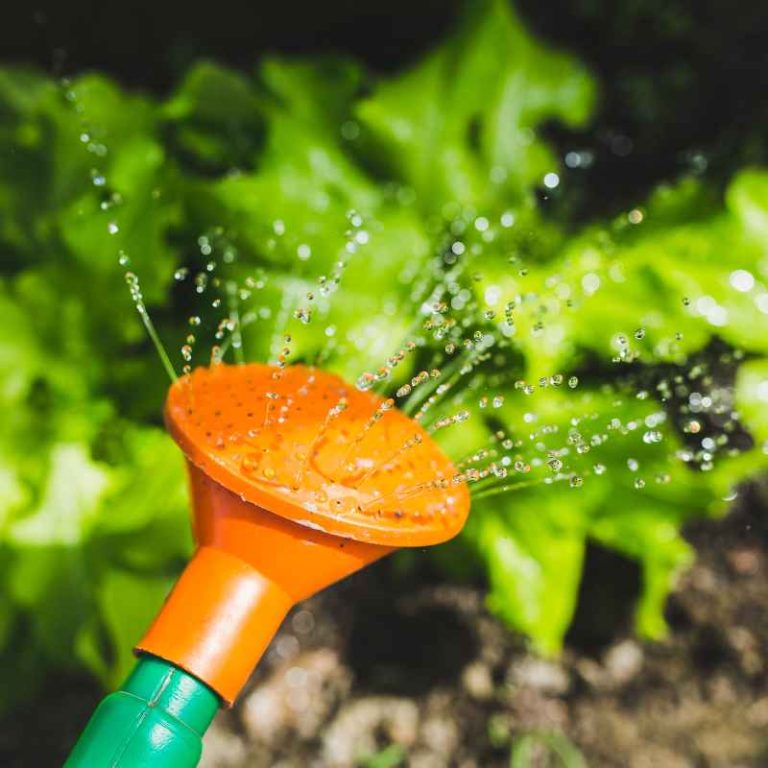
Drip irrigation is a great system. It delivers water directly to the roots. This saves water and helps prevent fungal diseases.
Watering in the early morning is best. It lets the plants use the water during the day. It also allows leaves to dry before nightfall.
Pest and Disease Patrol
The warm, humid climate is perfect for many pests. Aphids, whiteflies, and spider mites can be common. Fungal diseases like powdery mildew can also appear.
Good gardening practices help prevent problems. Keep plants healthy. Avoid overcrowding.
Water at the base of the plants. Regularly inspect your plants for early signs of trouble.
There are many organic pest control methods. Ladybugs eat aphids. Neem oil can help with many insects and diseases.
Sometimes, a strong blast of water can knock pests off plants.
Common Broward Pests and How to Spot Them
Aphids
Tiny, pear-shaped insects. Often green, black, or yellow. Found on new growth and undersides of leaves.
Whiteflies
Small, white, moth-like insects. They fly up when disturbed. Undersides of leaves.
Spider Mites
Very small. Look for fine webbing on leaves. Leaves may turn stippled or yellow.
Fungal Spots
Discolored spots on leaves. Can be brown, black, or yellow. Powdery mildew looks like white dust.
What This Means for Your Kitchen Garden
Knowing what’s growing helps you plan your meals. You can aim for fresh, local produce.
When It’s Normal to See Certain Vegetables
If you see beautiful tomatoes in November, that’s normal for Broward. If you see okra producing heavily in August, that’s also normal. If you are buying leafy greens in February, they are likely from a local garden.
It’s normal to have fewer options in the peak of summer heat. Some crops just can’t handle it. But there will still be things growing.
When to Pay Closer Attention
If you are trying to grow lettuce in July and it’s not working, that’s normal. But if you are trying to grow heat-loving okra and it’s dying, something is wrong. Perhaps it’s getting too much shade or not enough water.
Watch for signs of stress on your plants. Wilting in the heat of the day can be normal. But if plants stay wilted into the evening, they may need more water.
Yellowing leaves can mean many things. It could be too much water, too little water, or a nutrient deficiency.
Sudden pest outbreaks need quick action. A few aphids are fine. Hundreds can damage your plants quickly.
Simple Checks You Can Do
Stick your finger in the soil. Is it dry a few inches down? If so, water.
Is it soggy? You might be overwatering.
Look closely at the leaves. Are there tiny bugs? Is there any strange spotting?
Gently touch the leaves. Do they feel sticky?
Check the overall color of the plant. Is it a healthy green? Are there any pale or yellow spots?
Broward Garden Quick-Scan
| Vegetable | Best Season | Notes |
|---|---|---|
| Tomatoes | Cooler Season (Oct-Apr) | Choose heat-tolerant types for shoulder months. |
| Peppers | Cooler Season (Oct-Apr) | Many varieties do well. |
| Cucumbers | Cooler Season (Oct-Apr) | Need space or support. |
| Okra | Hotter Season (May-Sep) | Loves heat and sun. |
| Sweet Potatoes | Hotter Season (May-Sep) | Grow from slips; vines spread. |
| Lettuce | Cooler Season (Oct-Apr) | Bolts in heat. |
| Southern Peas | Hotter Season (May-Sep) | Very heat tolerant. |
Quick Tips for a Better Broward Harvest
Here are some simple things you can do. They help your vegetables grow well here.
- Choose the Right Plants: Always pick varieties suited for South Florida’s climate. Check seed packets for recommendations.
- Improve Your Soil: Add compost regularly. This feeds your soil and helps it hold water.
- Water Smart: Water deeply but less often in the cooler season. Water more frequently in the hot season. Early morning is best.
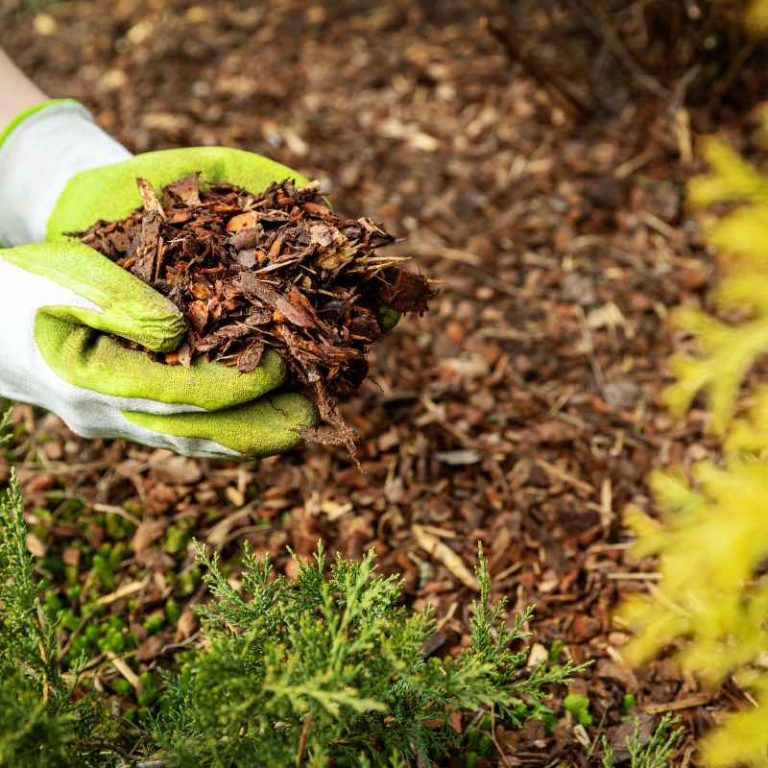
- Mulch: Use a layer of mulch around your plants. This keeps the soil cool and moist. It also helps stop weeds.
- Plan for Pests: Be watchful. Deal with pests early using natural methods when possible.
- Succession Planting: Plant small amounts of quick-growing crops every few weeks. This gives you a continuous harvest.
- Vertical Gardening: Use trellises and supports. This saves space and improves air circulation.
Frequent Questions About Broward Gardens
What vegetables can I plant in Broward County in December?
In December, you can plant many cool-season vegetables. This includes lettuce, spinach, kale, carrots, radishes, beets, broccoli, cauliflower, cabbage, and peas. Tomatoes and peppers are also good choices, as are herbs like parsley and cilantro.
Can I grow tomatoes in South Florida’s summer?
Growing tomatoes in the South Florida summer is challenging. The extreme heat and humidity can cause blossom drop and increase disease risk. It’s best to focus on heat-tolerant varieties if you try, but the main tomato season is the cooler months.
What are some native vegetables that grow well in Broward County?
While many popular vegetables are not native, some plants that thrive here are well-adapted. Examples include southern peas (like black-eyed peas), okra, sweet potatoes, and various types of gourds and squash that can handle heat and humidity.
How often should I water my garden in Broward?
Watering frequency depends on the season and weather. In the cooler months (October-April), you might water once or twice a week. In the hot, rainy season (May-September), natural rainfall might be enough, but check the soil.
During dry spells, daily watering may be needed, especially for young plants.
What is the best soil for Broward County gardens?
Broward County often has sandy soil that drains quickly. The best approach is to amend it with plenty of organic matter like compost. Raised beds filled with a good quality soil mix are also highly recommended for better drainage and nutrient retention.
Are there specific herbs that grow year-round in Broward?
Many herbs can grow year-round in Broward with proper care. Basil, mint, rosemary, thyme, oregano, and chives often do well. Some, like basil and cilantro, might slow down in the peak of summer heat but often bounce back.
Final Thoughts on Your Broward Garden
Gardening in Broward County is a rewarding experience. It’s all about understanding the local climate. By planting the right vegetables at the right time, you can enjoy a steady supply of fresh produce.
Embrace the heat and the cool seasons. Your garden will thank you for it.