
Lush harvests, vibrant blooms, and healthy, resilient plants season after season. This foundation empowers both novice and experienced gardeners to push the boundaries of what’s possible in limited spaces, turning patios, balconies, rooftops, and windowsills into thriving green sanctuaries.
Key Takeaways
- Container gardening requires specialized soil blends designed for drainage, aeration, and nutrient retention—not regular garden soil.
- The best soil mix depends on your plant type, but a high-quality soilless potting mix with organic amendments is the universal starting point.
- DIY custom mixes can outperform commercial blends for advanced gardeners; however, buying reputable pre-mixed soils is often best for beginners.
- Regular soil maintenance—like replenishing nutrients and managing pH—is vital for long-term container garden health.
- Understanding the differences between soil types and their ideal applications saves time, money, and frustration.
- Data-backed recommendations and case studies help you avoid common pitfalls and maximize your container gardening success.
Credit: getbusygardening.com
Understanding Container Gardening Soil Fundamentals
Why Container Soil Differs From Garden Soil
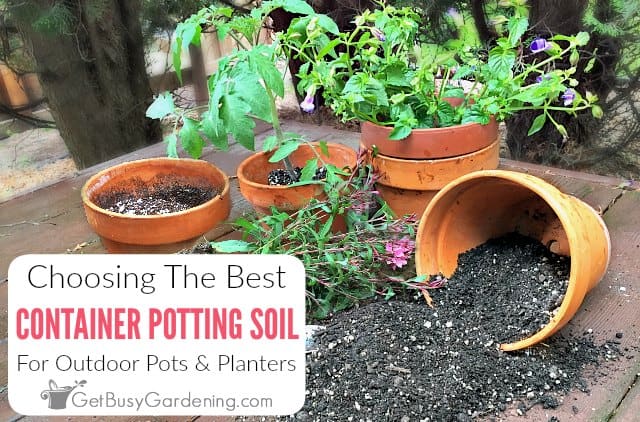
The soil environment in containers is a world apart from garden beds. In the ground, plants can draw moisture from deep below, interact with a broad soil food web, and benefit from gradual nutrient cycling. Containers, by contrast, are closed systems. Water drains quickly, nutrients are flushed out faster, and roots are limited in their ability to explore for resources. This necessitates a potting medium that stays fluffy, drains well, and resists compaction.
Temperature swings are also more pronounced in containers. The soil heats and cools more rapidly, so a lightweight, well-aerated mix helps buffer roots against temperature extremes and encourages steady growth. Furthermore, containers often sit above ground, exposing root zones to wind and sun, which can accelerate drying and stress plants if the soil is too dense or poorly structured.
Key Properties Of Good Container Soil
- Drainage: Essential for preventing water from accumulating at the bottom, which can lead to root rot. Well-draining soils allow water to pass through quickly, carrying away salts and preventing oxygen deprivation.
- Aeration: Roots need oxygen as much as they need water. Soil that stays loose and friable enables roots to breathe and expand.
- Nutrient Retention: While good drainage is important, the soil should still hold onto enough water and nutrients to meet plant needs between waterings. The right blend achieves this balance.
- Structure: Over time, repeated watering can cause soil particles to pack together. Good structure means the mix resists compaction, preserving air and water pathways for roots.
A study by the Royal Horticultural Society found that container mixes with balanced ratios of organic and inorganic materials (such as compost and perlite) maintained ideal moisture and air levels for up to twice as long as mixes with imbalanced components.
Common Ingredients In Container Soils
- Peat Moss: Favored for moisture retention and acidity, though sustainability concerns have led many to seek alternatives.
- Coco Coir: Made from coconut husks, it’s pH-neutral, renewable, and provides excellent moisture retention without becoming soggy.
- Perlite/Vermiculite: Perlite, a volcanic glass, is light and creates air pockets for drainage. Vermiculite holds more water but is also good for aeration.
- Compost/Manure: Supplies slow-release nutrients and fosters beneficial microbial activity.
- Pine Bark Fines: Adds structure, helps prevent compaction, and slightly acidifies the mix, which is beneficial for many ornamental plants.
Why Regular Garden Soil Fails In Containers
Garden soil is designed to support plants outdoors, where natural cycles and soil organisms keep it healthy. In containers, garden soil quickly becomes heavy, waterlogged, and oxygen-poor. It also brings in weed seeds, pests, and diseases that can be devastating in the confined environment of a pot. Research from the University of Illinois Extension underscores this, noting that over 60% of container gardening failures are directly tied to improper soil selection, emphasizing the importance of choosing or making a purpose-built container medium.
Credit: scottsmiraclegro.com
Types Of Soils And Mixes For Container Gardening
Commercial Potting Mixes: Pros And Cons
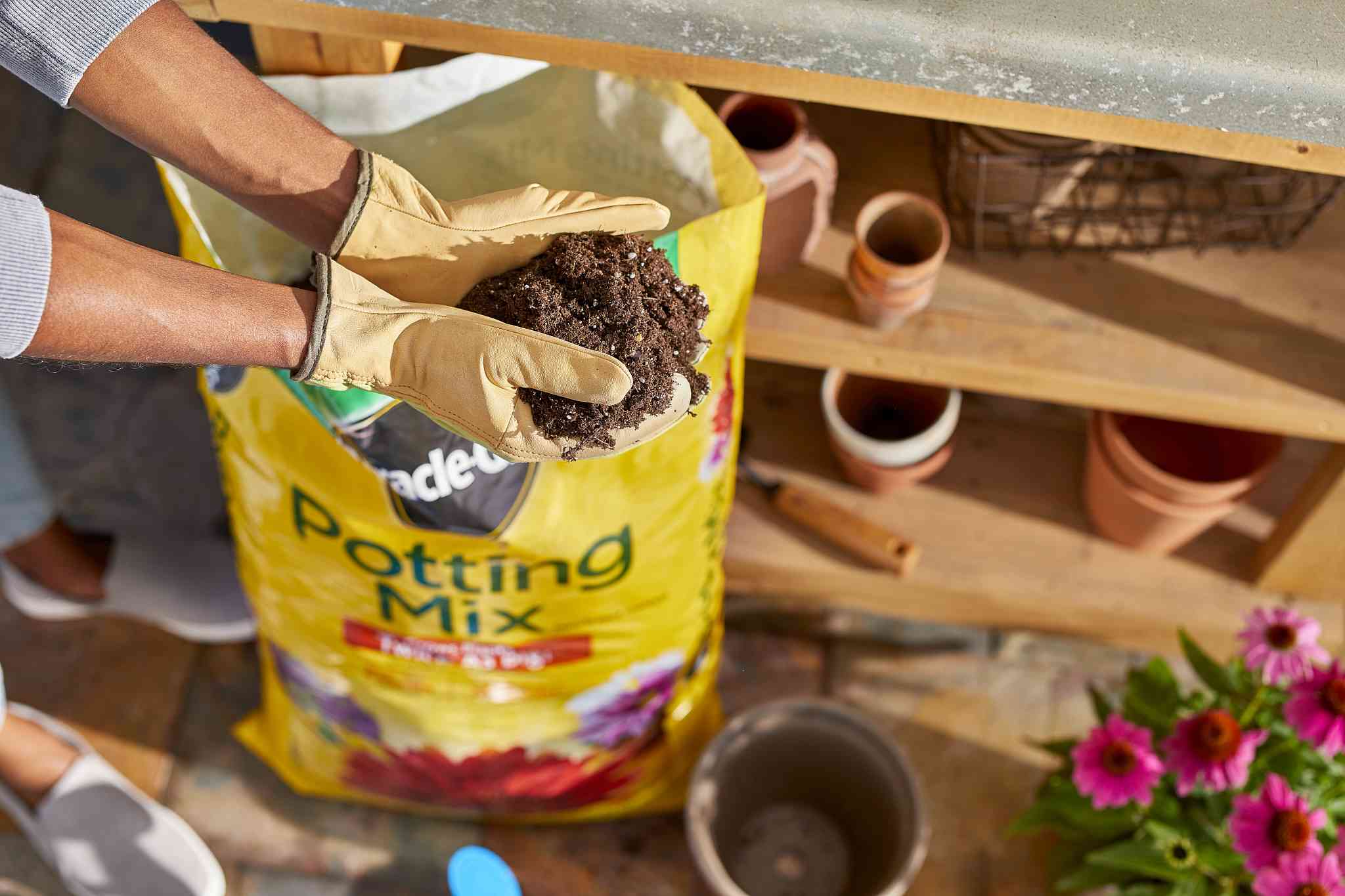
Commercial potting mixes are formulated with container gardening in mind and are available in a range of options, including all-purpose, moisture control, and specialty blends. They are often sterilized to kill pathogens and weed seeds, which is crucial for container health.
Pros:
- Consistent quality and texture: Manufactured under controlled conditions for predictable results.
- Sterile and pest-free: Reduces risk of introducing pests or diseases.
- Convenient and widely available: Save time and effort for busy gardeners.
Cons:
- Can be expensive: High-quality brands, especially organic or specialty mixes, often cost more than bulk garden soil.
- Quality varies by brand: Some low-cost mixes may contain too much bark or filler.
- Some mixes lack nutrients for long-term plant health: Many require supplemental feeding after a few weeks.
Top Commercial Brands Comparison
| Brand | Main Ingredients | Drainage | Fertilizer Added | Best For |
|---|---|---|---|---|
| Miracle-Gro Potting Mix | Peat moss, perlite, fertilizer | Excellent | Yes | General use, annuals |
| FoxFarm Ocean Forest | Compost, earthworm castings, peat, perlite | Good | Yes | Vegetables, herbs |
| Pro-Mix HP | Peat moss, perlite, mycorrhizae | High | No | Seed starting, sensitive plants |
For gardeners growing food crops or sensitive ornamentals, choosing a reputable brand with clear labeling and proven results is key.
Diy Custom Potting Mixes
Creating your own mix gives you control over every ingredient, allowing you to tailor the blend for specific plant needs, climates, or ethical considerations.
Basic DIY Potting Mix Recipe:
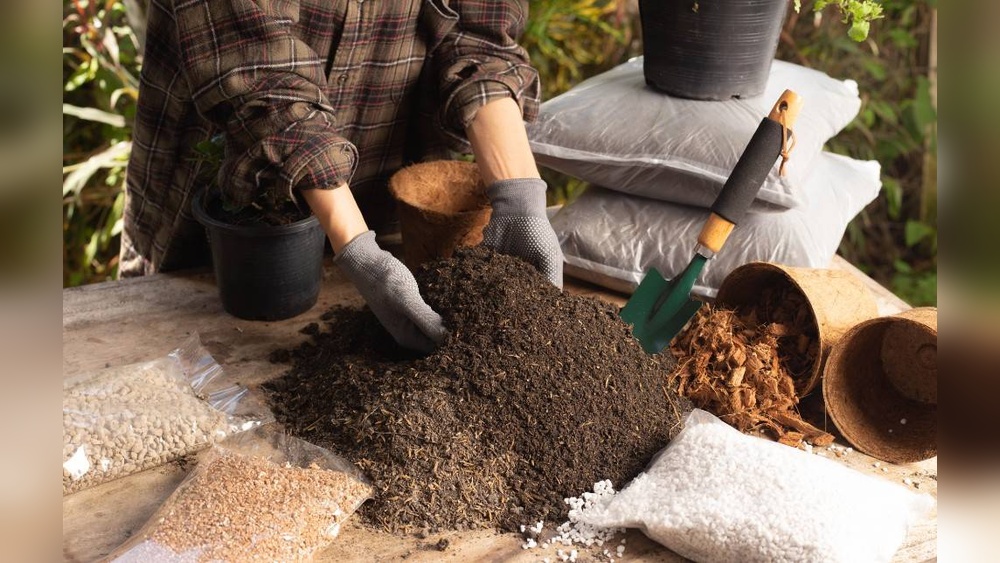
- 2 parts peat moss or coco coir
- 1 part perlite or vermiculite
- 1 part compost or well-rotted manure
Advanced Additions:
- Worm castings: An excellent boost for seedlings and young plants.
- Limestone: Essential if using peat moss, to counteract acidity.
- Slow-release organic fertilizer: Ensures a steady supply of nutrients throughout the growing season.
By mixing your own, you can avoid fillers and synthetic chemicals, support local composting efforts, and experiment with ratios to suit your watering habits or plant collection.
Specialty Mixes For Specific Plants
Not all plants thrive in the same conditions. Understanding the unique preferences of certain species is crucial:
- Cacti and Succulents: These plants demand rapid drainage and minimal organic content. A mix with coarse sand, perlite, and a small amount of potting soil prevents root rot and mimics their native habitats.
- Orchids: Many orchids are epiphytes and need a very chunky, aerated medium. Sphagnum moss, bark chips, and charcoal are typical components.
- Blueberries: Acid-loving, blueberries perform best in mixes with peat moss and pine bark, ensuring a low pH.
- Roses: Require a nutrient-rich, well-drained mix. Compost and perlite are often added to maintain fertility and structure.
A 2020 controlled study published in *HortScience* found that matching the container mix to the species’ natural habitat resulted in up to 40% higher survival and bloom rates in ornamental containers.
Soilless Mixes Vs. Soil-based Mixes
Soilless mixes have become the gold standard for containers due to their light weight, sterility, and high drainage. These are particularly important for rooftop or balcony gardens where weight is a concern. Soil-based mixes are heavier and may offer greater stability for large trees or shrubs in exposed locations but can compact over time.
| Mix Type | Weight | Drainage | Best Use | Longevity |
|---|---|---|---|---|
| Soilless Mix | Light | Excellent | Indoor/outdoor containers, vegetables, flowers | 1-2 seasons |
| Soil-Based Mix | Heavy | Moderate | Large outdoor pots, trees | 2-3 seasons |
Organic Vs. Synthetic Mixes
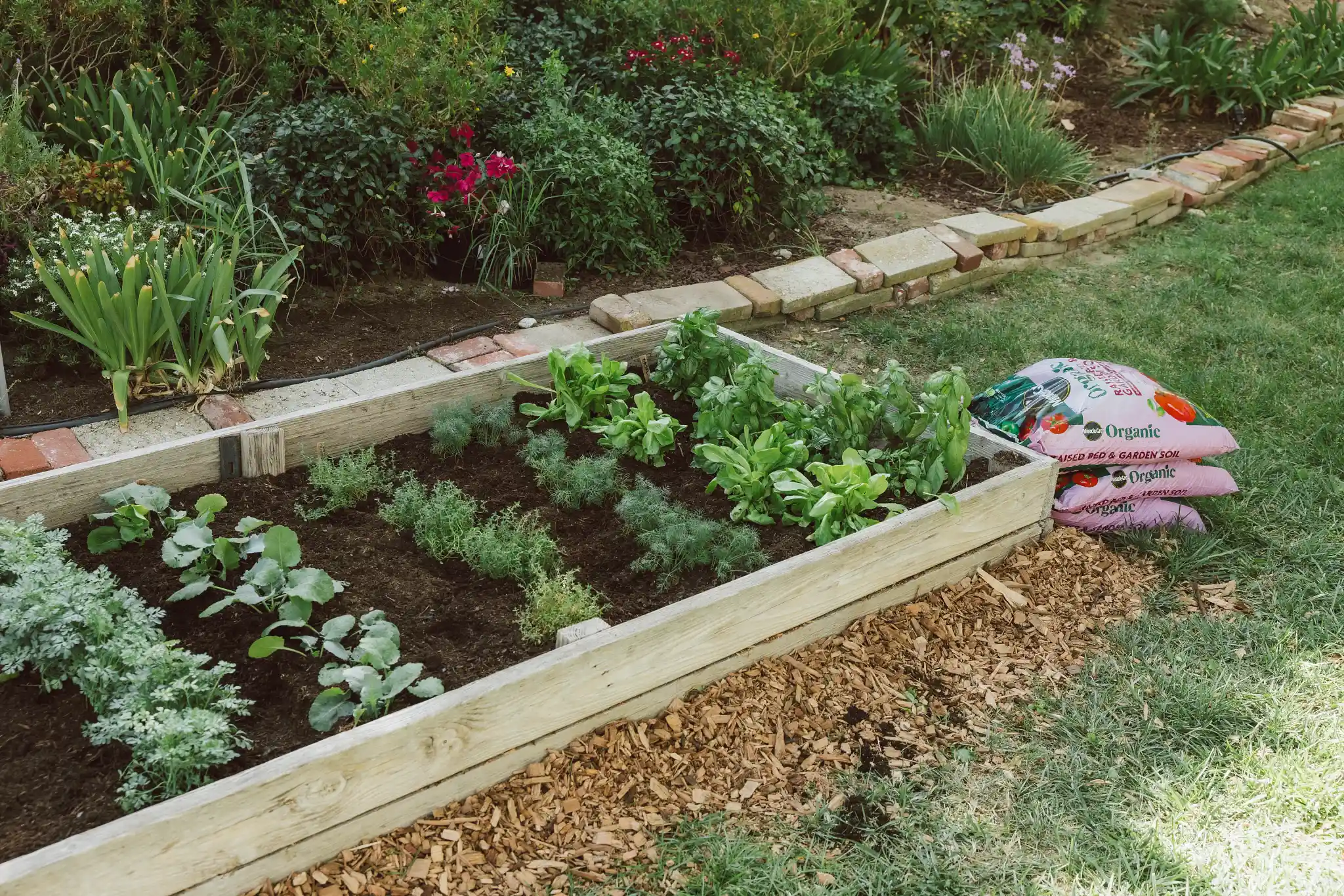
Organic mixes use naturally-derived ingredients and are preferred for edible or pollinator gardens. They support a robust soil ecosystem and are safer for beneficial insects and wildlife. Synthetic mixes may include chemical fertilizers or wetting agents, which can be useful for quick results but may not sustain soil health over the long term.
Credit: scottsmiraclegro.com
Factors That Influence The Best Soil Choice
Plant Type And Root Structure
Roots are the hidden engine of plant growth. Understanding their needs is key:
- Shallow-rooted annuals (lettuce, basil): Need a mix that retains moisture but drains well to avoid waterlogging.
- Deep-rooted perennials (tomatoes, peppers): Prefer a deeper, nutrient-rich medium that supports strong root penetration and sustained feeding.
- Woody shrubs/trees: Require weight and stability, so a heavier mix with mineral soil may be appropriate.
For example, herbs like basil and parsley thrive in a light, fluffy mix, while tomatoes demand a blend with more compost for fertility.
Climate And Weather Conditions
Local weather shapes your soil needs:
- Hot, dry climates: Increase water-holding capacity with more coco coir or vermiculite.
- Wet, humid climates: Focus on rapid drainage by adding extra perlite or sand.
- Windy areas: Heavier mixes prevent pots from blowing over; consider a soil-based blend for large containers.
Container Size And Material
- Small pots: Lose moisture quickly. Opt for mixes with high organic content to buffer drying.
- Large containers: Offer more moisture stability; a heavier mix is acceptable and can anchor tall plants.
- Terra cotta: Porous and dries out faster; choose water-retentive mixes.
- Plastic/glazed pots: Less evaporation; ensure your mix doesn’t become soggy.
Watering And Fertilizing Practices
How you water and feed your plants impacts soil selection:
- Frequent watering: Prioritize drainage to prevent root diseases.
- Infrequent watering: Enhance moisture retention with more organic matter or hydrogels.
- Liquid fertilizers: Useful for heavy feeders but can leach quickly in high-drainage mixes; supplement with slow-release nutrients.
Local Water Quality And Ph
- Hard water: Tends to raise soil pH, which can affect nutrient uptake. Monitor and amend as needed.
- Acidic water: May lower pH over time; add lime if necessary to keep the balance right.
Real-world Example: Urban Balcony Garden
A Chicago gardener growing herbs and cherry tomatoes on a sunny balcony compared different soils. The custom soilless mix (peat, perlite, compost) not only yielded 30% more tomatoes but also required less frequent watering than both standard commercial mix and backyard soil. This underscores the tangible benefits of crafting or selecting the right blend for your specific setting.
How To Create The Perfect Container Soil Mix
Step-by-step Diy Potting Mix Guide
Step 1: Choose Your Base
- Peat Moss or Coco Coir (40-60%): These materials form the backbone of most mixes, providing structure, moisture retention, and a habitat for beneficial microbes.
Step 2: Add Aeration
- Perlite (20-30%): Essential for oxygenating the root zone and preventing compaction.
- Vermiculite: Ideal for seedlings or plants that need more consistent moisture.
- Sand: Sharp sand is best for succulents, cacti, and Mediterranean herbs.
Step 3: Boost Nutrition
- Compost (20-30%): Supplies organic matter, nutrients, and supports soil life.
- Aged manure: Adds a gentle, slow-release source of nutrients.
- Worm castings: Particularly useful for seedlings and root crops, promoting vigorous growth.
Step 4: Adjust Ph
- Dolomitic lime: Offsets peat acidity, crucial for crops that dislike sour soils.
- Sulfur: Used sparingly to acidify mixes for blueberries or azaleas.
Step 5: Mix Thoroughly
Combine all ingredients in a large tub or wheelbarrow, add water to dampen (not soak), and mix until uniform. Test by squeezing a handful: it should hold together lightly when pressed but break apart easily.
Sample Potting Mix Recipes
- General Vegetables: 2 parts coco coir, 1 part perlite, 1 part compost, handful worm castings.
- Succulents/Cacti: 2 parts coarse sand, 1 part perlite, 1 part potting soil.
- Herbs: 2 parts peat, 1 part vermiculite, 1 part compost.
- Orchids/Aroids: 3 parts bark chips, 1 part sphagnum moss, 1 part perlite.
Case Study: Community Garden Custom Mix
At Brooklyn Grange Rooftop Farm, the custom blend (coco coir, perlite, compost, pine bark) yielded not only better crops but also reduced the need for supplemental fertilizers. The blend’s superior structure allowed for robust root growth and improved drought resilience—vital qualities for urban rooftop gardens exposed to intense sun and wind.
Troubleshooting Common Diy Mix Problems
- Waterlogging: If pots stay soggy, lighten the mix with more perlite or pine bark.
- Rapid drying: Add more coco coir or incorporate moisture-retaining crystals (hydrogels).
- Poor growth: Test for pH imbalances or nutrient deficiencies; amend as needed with organic fertilizers or lime.
A regular review of your mix’s performance each season will help you tweak and perfect it for your specific environment.
Maintaining And Rejuvenating Container Soil
Why Maintenance Matters
Over time, even the best soil mix will lose fertility and structure. Organic materials break down, nutrients are used up or leached out, and fine particles settle, reducing aeration. Ignoring maintenance can turn even premium potting mixes into compacted, lifeless dirt.
Annual Rejuvenation Steps
- Remove old roots and debris: Prevents diseases and pests from overwintering.
- Mix in 25-50% fresh compost: Restores organic matter and nutrients.
- Test and adjust pH: Use a soil test kit to keep your mix in the optimal range for your crops.
- Top-dress with organic fertilizer: Ensures plants have the nutrients they need from day one.
When To Replace Soil Completely
Fully replacing soil is necessary if you observe:
- Persistent pest or disease issues.
- Foul smells (anaerobic conditions).
- Severe compaction or drainage problems.
- After 2-3 years of intensive use, especially for demanding crops like tomatoes or peppers.
Fertilizing Strategies
- Slow-release organic fertilizers (like granular blends) provide steady nutrition over weeks or months.
- Liquid feeds (fish emulsion, seaweed extract) can be used for a quick nutrient boost, especially during flowering or fruiting.
- Monitor for deficiencies: Yellowing leaves, purple stems, or poor flowering indicate a need for extra feeding or soil amendment.
Real-world Example: Container Rose Maintenance
A Portland flower grower’s annual routine—removing a third of old soil, replenishing with compost and worm castings, and mulching—resulted in more blooms and fewer pests. This illustrates how ongoing soil care is a key driver of container garden success, even for demanding perennial crops.
Comparing And Selecting Commercial Potting Mixes
What To Look For On The Label
- Full ingredient disclosure: Avoid mixes with vague or proprietary terms.
- Sterilization statement: Indicates the mix is free from pests and pathogens.
- Nutrient content: Some mixes include starter fertilizers, while others require early supplementation.
- Water retention and drainage claims: Match these features to your environment and plant needs.
Popular Potting Mixes Side-by-side
| Product | Organic | Weight (1.5 cu ft) | Added Fertilizer | Cost (avg.) |
|---|---|---|---|---|
| Espoma Organic Potting Mix | Yes | 18 lbs | No | $14 |
| Miracle-Gro Moisture Control | No | 28 lbs | Yes | $12 |
| Black Gold All Purpose | Yes | 20 lbs | No | $13 |
Decoding Marketing Terms
- Moisture Control: These blends use polymers to hold extra water, helpful for those who forget to water or in arid climates.
- Natural/Organic: Look for OMRI or other third-party certifications for true organic status.
- Mycorrhizae Added: Mycorrhizal fungi help roots access nutrients and water; a beneficial addition, especially for vegetables and perennials.
Where To Buy
- Local garden centers: Often carry brands formulated for local conditions.
- Big box stores: Offer convenience and competitive pricing, but check the ingredient list.
- Online retailers: Good for specialty or bulk orders; read reviews and check return policies.
External Resources For Product Reviews
Consult trusted resources such as the Missouri Botanical Garden and UF IFAS Extension for unbiased reviews and science-backed recommendations.
Organic And Sustainable Soil Options
Organic Certification
For food gardens, OMRI-listed or certified organic mixes guarantee the absence of synthetic chemicals and are produced with sustainability in mind. This matters not just for plant health, but for environmental stewardship and peace of mind when consuming homegrown produce.
Sustainability Considerations
- Coco coir: Renewable and less environmentally damaging than peat.
- Locally made compost: Reduces transport emissions and supports local economies.
- Recycled materials: Innovative brands now use rice hulls, wood fibers, or even recycled plastics as soil components.
Peat Moss Debate
Peat extraction destroys vital wetlands and releases significant carbon. Many gardeners and large retailers are moving toward peat-free mixes, using materials like coco coir, bark fines, or leaf mold.
Composting And Reusing Soil
Spent potting soil can be revived by composting or blending with fresh ingredients. Use caution and avoid reusing soil from diseased plants. Layering old soil in garden beds is a sustainable way to recycle, provided it’s pest-free.
Case Study: Urban Organic Edible Containers
Switching from a peat-based commercial mix to a sustainable blend of coco coir, local compost, and rice hulls, a San Francisco gardener increased vegetable yields and reduced water use. This real-world example highlights how sustainable choices can improve both productivity and environmental impact.
Organic Soil Amendments
- Compost tea: A liquid extract made by steeping compost, rich in beneficial microbes.
- Fish emulsion: Provides a fast-acting nitrogen boost.
- Green sand and rock phosphate: Offer slow-release minerals for long-term fertility.
Common Mistakes And How To Avoid Them
Using Garden Soil In Containers
- Problem: Leads to poor drainage, compaction, and disease.
- Solution: Always start with a dedicated container or soilless mix.
Overwatering Or Underwatering
- Problem: Both stress plants and can cause root problems.
- Solution: Choose the right mix for your watering habits, and monitor moisture using your finger or a moisture meter.
Ignoring Drainage Holes
- Problem: Waterlogged roots result in rot.
- Solution: Ensure every container has adequate drainage; elevate pots on feet or bricks if necessary.
Neglecting Fertilization
- Problem: Containers lose nutrients faster than ground soil.
- Solution: Supplement with slow-release or liquid fertilizers throughout the season.
Not Refreshing Soil
- Problem: Old soil loses fertility and structure.
- Solution: Rejuvenate annually with fresh compost or replace every few years.
Wrong Mix For Plant Type
- Problem: Some plants are highly sensitive to soil type.
- Solution: Research and use the recommended mix for each plant; consult expert sources like university extension services.
Real-world Example: Apartment Windowsill Fail
A gardener using backyard soil indoors faced mold and stunted herbs. The switch to a sterile, well-draining commercial potting mix resulted in lush, healthy growth, demonstrating the importance of the right soil for container success.
Frequently Asked Questions
What Is The Difference Between Garden Soil And Potting Mix?
Garden soil is for in-ground planting and contains minerals, sand, and organic matter. Potting mix is a soilless blend, lighter, and specifically engineered for containers to provide drainage, aeration, and nutrient retention.
Can I Reuse Old Container Soil?
Yes, with proper renewal: remove debris, mix in fresh compost and fertilizer, and replace completely if there are signs of disease or poor structure.
How Do I Improve Drainage In My Container Soil?
Add perlite, coarse sand, or bark fines. Ensure containers have drainage holes, and avoid packing soil tightly when potting.
What Is The Best Soil For Vegetables In Containers?
A soilless organic mix with compost, coco coir or peat, perlite, and slow-release fertilizer is ideal. Adjust pH to 6. 0–7. 0.
Is Peat Moss Or Coco Coir Better For Container Gardening?
Coco coir is more sustainable and pH-neutral, while peat moss is slightly acidic and traditional. Both are effective; the choice often comes down to environmental preference.
References And Further Reading
- Royal Horticultural Society – Choosing Soil for Containers
- University of Florida IFAS Extension – Container Gardening
- Missouri Botanical Garden – Potting Mixes
- University of Minnesota Extension – Growing Plants in Containers
- Modern Farmer – The Best Soil for Container Gardening
- Wikipedia – Potting Soil
Choosing the best soil for your container garden is the foundation for gardening success. Whether you opt for a premium commercial blend or craft your own custom mix, the key is understanding your plant’s needs, your local conditions, and the unique challenges of container growing.
With the right soil, your containers will flourish—delivering beauty, productivity, and satisfaction in any space you cultivate.