How Organic Farming Practices Relate to Soil Health
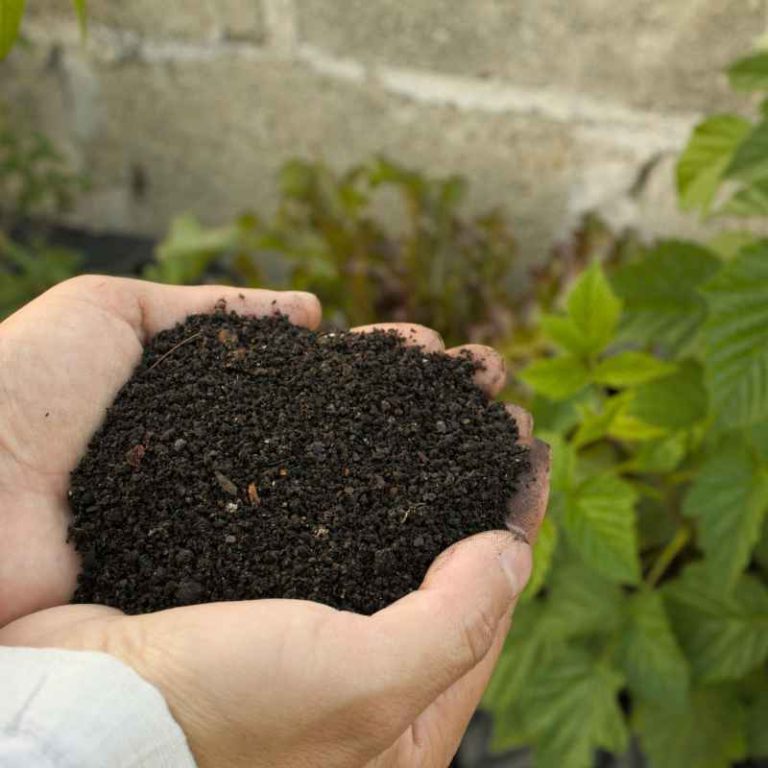
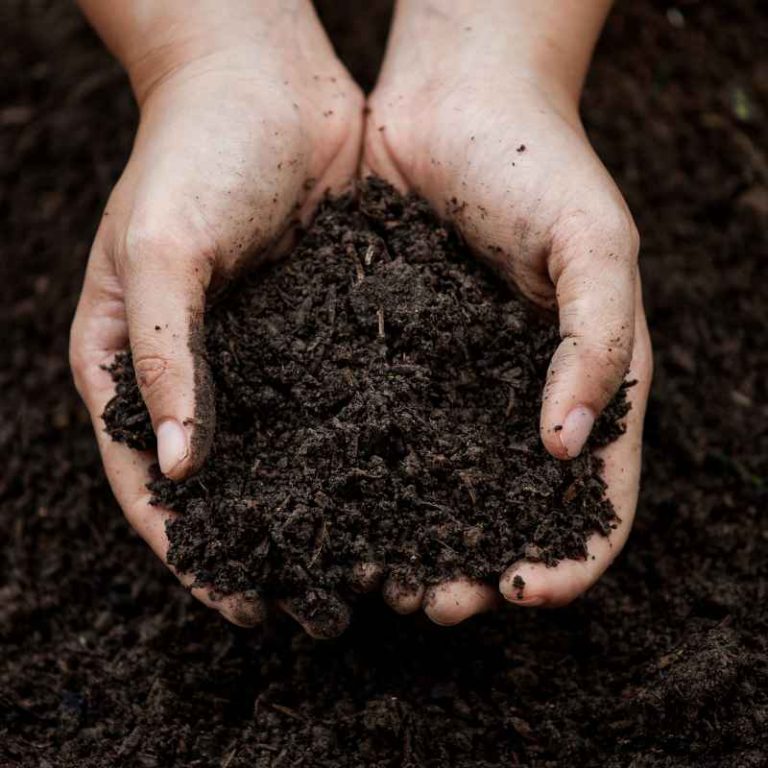
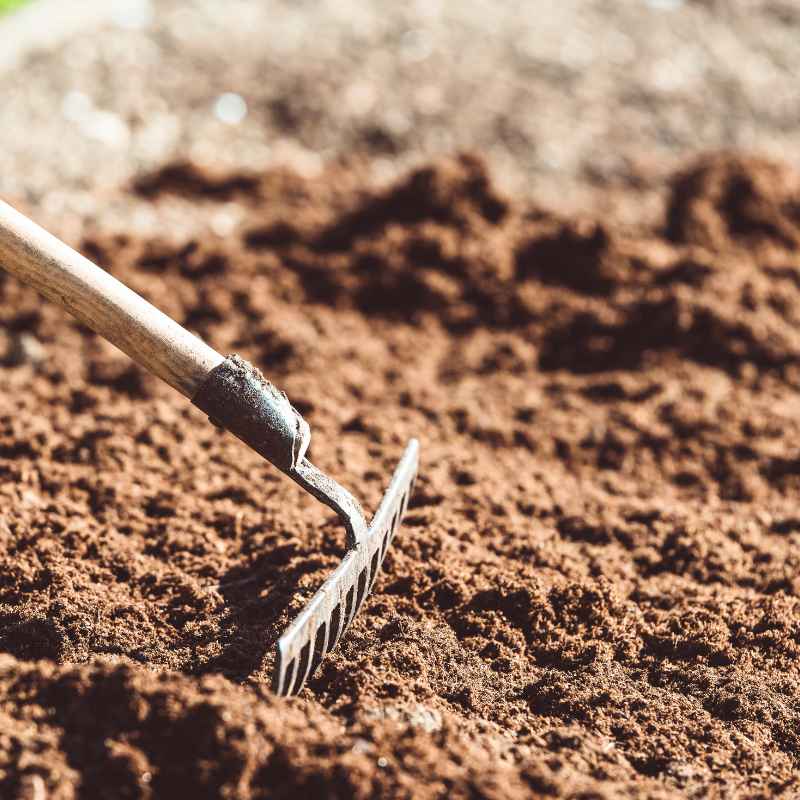
Organic farming practices relate to soil health through a deeply interconnected system that prioritizes ecological balance over chemical intervention. By focusing on building organic matter and fostering biodiversity, these methods create resilient and fertile soils. This article breaks down exactly how these practices work and why they are vital for long-term agricultural sustainability.
Simply put, organic farming practices are directly and overwhelmingly positive for soil health. By eliminating synthetic pesticides and fertilizers, and instead relying on crop rotations, cover crops, composting, and reduced tillage, organic systems dramatically increase soil organic matter, water retention, and microbial activity compared to conventional farming.
Key Takeaways
- Organic farming practices relate to soil health by prioritizing biological fertility over synthetic chemical inputs, creating a self-sustaining ecosystem.
- Core techniques like crop rotation, cover cropping, and composting significantly boost soil organic matter and physical structure, leading to better water infiltration and aeration.
- Organic systems foster a more diverse and active soil microbiome, which is essential for nutrient cycling, disease suppression, and overall crop resilience.
- Transitioning to organic soil management can lead to higher carbon sequestration rates, playing a meaningful role in climate change mitigation while improving long-term agricultural viability.
The Fundamental Principle: Soil Health as the Foundation of Organic Farming
Unlike conventional systems that feed the plant directly with soluble fertilizers, organic farming focuses on feeding the soil. The core principle is that a healthy soil ecosystem will, in turn, nourish the plants. This shift from a chemical-based system to a biological one is what fundamentally differentiates organic agriculture.
The US Department of Agriculture (USDA) organic regulations explicitly require practices that maintain or improve the physical, chemical, and biological condition of the soil. This isn’t a side effect; it is a primary goal. The relationship is cyclical: healthy soil grows healthy plants, and healthy plants contribute more organic matter back to the soil.
- System Thinking: Treats the farm as a living organism where soil, plants, animals, and microbes are interconnected components of a single system.
- Prevention over Cure: Builds soil resilience to prevent pest and disease outbreaks rather than reacting with synthetic chemicals after a problem arises.
- Long-term Investment: Soil fertility is viewed as a capital asset that must be preserved and enhanced for future generations, not just exploited for immediate yield.
- Biodiversity: Encourages a wide variety of life above and below the ground, which stabilizes the ecosystem against environmental stressors.
- Input Reduction: Aims to close the nutrient loop on the farm, reducing reliance on external inputs by recycling nutrients through compost and manure.
This foundational principle influences every decision on an organic farm, from the selection of seeds to the timing of tillage. It represents a complete paradigm shift in how we view agricultural productivity and environmental stewardship.
How Organic Practices Directly Improve Soil Structure and Fertility
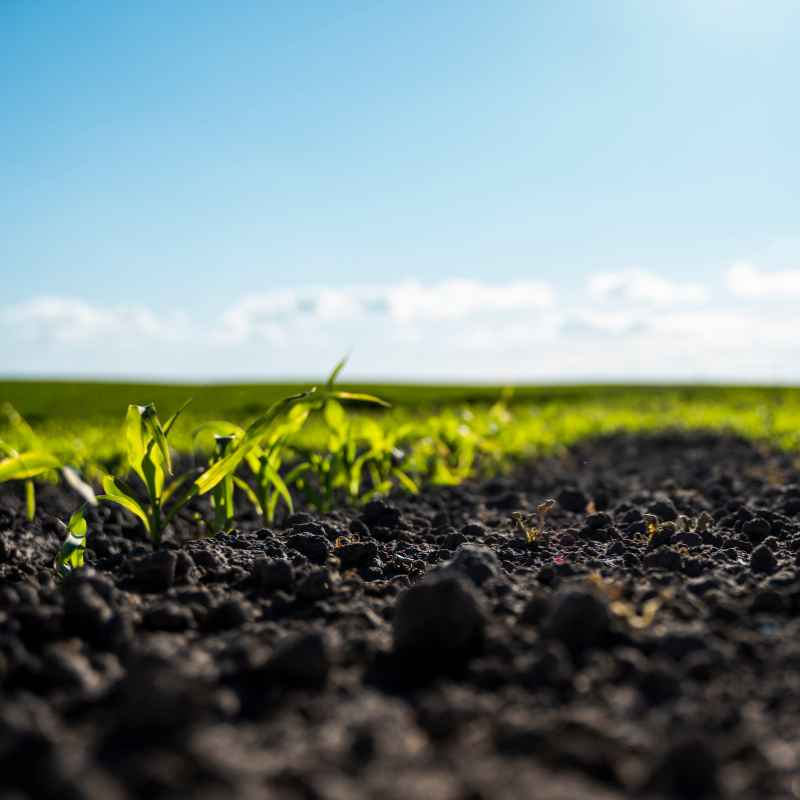
Organic farming practices relate to soil health directly through their impact on soil structure. A well-structured soil has good aeration, drainage, and root penetration capabilities. Organic matter acts as a binding agent, creating stable aggregates that resist erosion and compaction, even under heavy rain.
The addition of compost, manure, and plant residues provides food for soil organisms. These organisms, from earthworms to fungi, create channels and pores as they move through the soil. This biological tillage is often more effective than mechanical tillage at creating a healthy soil profile conducive to root growth.
Tip: To see the difference in soil structure, perform a simple “slake test.” Take a clump of soil from an organic field and a conventional field, and drop them in separate jars of water. The organic soil will hold together much longer, demonstrating better aggregate stability and higher organic matter content.
Fertility in organic systems is managed through the slow release of nutrients from organic matter. Instead of a quick shot of synthetic nitrogen, organic soils rely on microbial activity to mineralize nutrients. This slower, steady release reduces the risk of nutrient leaching into waterways and provides a more balanced diet for plants.
- Compost Application: Adds stable organic matter (humus) and a wide spectrum of micronutrients that feed both plants and soil life.
- Green Manures: Growing specific crops like clover or vetch to be incorporated into the soil specifically for their nitrogen-fixing abilities and biomass.
- Natural Mineral Amendments: Using locally-sourced rock phosphate, greensand, or lime to correct specific deficiencies without the energy-intensive processing of synthetic fertilizers.
- Mycorrhizal Fungi: Organic practices encourage these beneficial fungi which extend the root system’s reach for water and phosphorus, effectively acting as an extension of the plant’s own roots.
Key Organic Practices That Build Soil Organic Matter
Soil organic matter (SOM) is the cornerstone of soil health. It influences everything from water holding capacity to nutrient availability and biological activity. Organic farming is uniquely designed to increase and maintain high levels of SOM.
Several specific practices are instrumental in this process.
Crop rotation is a mandatory organic practice that breaks pest cycles and diversifies the organic matter inputs into the soil. Different plants have different root structures, which build soil structure at various depths. Cover cropping ensures the soil is never left bare, preventing erosion and continuously feeding the soil biology with living roots.
| Practice | Primary SOM Benefit | Implementation Frequency |
|---|---|---|
| Crop Rotation | Diverse root biomass inputs at different depths | Annual planning |
| Cover Cropping | Continuous living roots & ground cover year-round | 2-4 times per year |
| Composting | Adds stable humus & beneficial microbial populations | 1-2 times per year |
| Reduced Tillage | Slows decomposition rate & protects soil aggregates | Every growing season |
| Managed Grazing | Manure distribution & root trampling stimulate growth | Rotational, frequent moves |
These practices work synergistically on a well-managed organic farm. For example, a cover crop of hairy vetch can be grazed by livestock, and the manure left behind provides nitrogen for the subsequent cash crop. This integrated approach maximizes organic matter return to the soil and closes nutrient cycles effectively.
The Role of Microbial Life in Organic Soil Systems
The biological component of soil is often overlooked, but it is the engine that drives nutrient cycling. Organic farming practices relate to soil health most profoundly in how they support the soil food web. A single teaspoon of healthy organic soil can contain billions of bacteria, miles of fungal hyphae, and thousands of protozoa.
These organisms perform critical functions. Bacteria and fungi decompose organic matter, releasing nutrients in plant-available forms. Mycorrhizal fungi form symbiotic relationships with plant roots, trading phosphorus for sugars excreted by the roots.
Predatory nematodes and protozoa graze on bacteria, releasing nitrogen directly in the root zone.
Synthetic pesticides and fertilizers can be detrimental to this biological network. For instance, synthetic nitrogen fertilizers can temporarily boost yields but often suppress the activity of nitrogen-fixing bacteria and mycorrhizal fungi over time. Organic methods actively nurture this life, recognizing it as the primary driver of soil fertility.
- Fungal to Bacterial Ratio: Organic soils often have a higher fungal-to-bacterial ratio, which is associated with higher carbon storage efficiency and more stable soil structure.
- Rhizosphere Effect: Organic root exudates attract beneficial microbes, creating a hotbed of biological activity directly surrounding the root system.
- Disease Suppression: A diverse microbial community outcompetes pathogenic organisms through competitive exclusion, providing natural disease control without fungicides.
- Nutrient Mining: Fungi can access phosphorus and potassium from the soil matrix that plants cannot reach alone, effectively expanding the root zone.
Important: The Rodale Institute’s long-term Farming Systems Trial found that organic yields match conventional yields in drought years because of the superior water-holding capacity built by microbial glues and organic matter.
Comparing Organic and Conventional Farming Impacts on Soil
Understanding the contrast between these systems helps solidify the relationship between organic agriculture and soil health. While conventional farming focuses on maximizing yield per acre through soluble chemical inputs, organic farming maximizes long-term soil function and ecosystem resilience.
| Soil Indicator | Organic System | Conventional System |
|---|---|---|
| Soil Organic Matter | Increases over time (0.1-0.3% per year) | Often declines or stagnates |
| Water Infiltration | High (due to excellent aggregate structure) | Lower (higher risk of runoff & erosion) |
| Microbial Biomass | 30-50% higher (based on meta-analysis data) | Lower, less biologically diverse |
| Nutrient Leaching | Lower (nutrients held within organic matter) | Higher (soluble nitrates easily leached) |
| Energy Use | Lower (no synthetic N production required) | High (N fertilizer is energy-intensive) |
These differences highlight that the way organic farming practices relate to soil health is fundamentally different from the conventional approach. The organic system builds capital within the soil over time, while the conventional system often spends it down, relying on external inputs to compensate for declining soil function.
The Impact of Organic Practices on Carbon Sequestration
One of the most significant environmental benefits of organic farming is its ability to sequester carbon in the soil. By building organic matter, organic farms pull carbon dioxide out of the atmosphere and store it as stable carbon compounds in the soil. This is a critical tool in mitigating climate change while improving soil quality.
According to a comprehensive study published in “Advances in Agronomy,” organic farming systems can sequester between 200 and 500 kg of carbon per hectare per year, depending on the specific management practices used. This is achieved primarily through the return of crop residues, the application of manure, and the use of perennial forages in rotation.
The Intergovernmental Panel on Climate Change (IPCC) recognizes regenerative and organic agricultural practices as key strategies for achieving negative emissions. However, the benefits depend heavily on diligent management and the integration of multiple soil-building practices.
- Reduced Tillage: Minimizing soil disturbance slows the decomposition of organic matter and keeps carbon locked in the soil profile for longer periods.
- Perennial Crops: Incorporating perennial forages and pastures builds deep root systems that deposit carbon deep in the soil profile where it is less likely to be disturbed.
- Compost Application: Adding compost directly increases the stable carbon pool in the soil while providing a food source for beneficial microbes.
- Manure Management: Properly composting manure reduces methane emissions compared to liquid manure lagoons and builds stable soil carbon when applied to fields.
Dr. David Montgomery, in his book “Growing a Revolution,” highlights that the combination of organic principles and no-till farming can restore the organic matter content of degraded soils, effectively reversing desertification and improving farm profitability simultaneously.
Practical Steps for Farmers Transitioning to Organic Soil Management
Transitioning from conventional to organic requires a multi-year plan and a genuine commitment to changing management philosophies. The focus during this period must be on rebuilding the soil’s biological capital before it can be weaned off synthetic inputs completely.
The first step is usually to address the most limiting factor, which is often nitrogen. A well-planned rotation including nitrogen-fixing legumes is essential. The Rodale Institute recommends starting with a year of a high-biomass cover crop like sorghum-sudangrass or a diverse legume mix to jumpstart the organic matter accumulation process.
- Step 1: Soil Testing: Get a comprehensive soil test including organic matter percentage, microbial biomass, and full nutrient levels to establish a baseline.
- Step 2: Plan Rotations: Design a 3-5 year rotation that incorporates legumes, cover crops, and diverse cash crops to break pest cycles and build fertility.
- Step 3: Source Compost: Identify local sources of quality compost or begin on-farm composting operations to create a consistent supply of organic matter.
- Step 4: Invest in Equipment: Acquire or modify tillage equipment for cover crop termination (like a roller-crimper) or reduced tillage to minimize soil disturbance.
- Step 5: Monitor Biology: Regularly assess earthworm populations and use a refractometer to monitor plant sap brix levels for a direct read on plant health.
Warning: The transition period (typically 3 years) can be the most challenging. Yields may dip temporarily as the soil biology adjusts. Financial planning and a strong support network during this transition period are critical for long-term success.
Many farmers report that after the transition period, their soils become more resilient, require less external input, and produce crops with higher nutritional quality. The long-term stability and lower input costs often outweigh the short-term transition challenges, leading to a more profitable and sustainable farming operation.
Common Misconceptions About Organic Farming and Soil Health
Despite the clear evidence supporting the relationship between organic farming and soil health, several myths persist. Addressing these misconceptions is important for having an honest and productive conversation about agricultural sustainability.
One common misconception is that organic automatically equals good soil health. The reality is that an organic farm can still degrade its soil if it relies too heavily on intensive tillage for weed control. Similarly, a well-managed conventional farm can improve soil health through no-till and advanced cover cropping techniques.
The key is the intentional application of the principles.
| Misconception | Reality |
|---|---|
| Organic always means no-till | Most organic farms rely on tillage for weed control, but many are actively adopting reduced-till methods. |
| Organic soils don’t need any fertilizers | They rely on natural fertilizers like compost, manure, and rock powders, which must be applied carefully based on soil tests. |
| Organic yields are too low to feed the world | Meta-analyses show yields are 20-25% lower on average, but far more stable in drought years, with much lower environmental damage. |
| You can’t improve soil health without organic certification | Principles like reduced tillage, cover cropping, and diverse rotations benefit soil health regardless of certification status. |
Understanding these nuances is crucial for moving forward. The ultimate goal should be to apply the core principles of soil health—minimizing disturbance, maximizing biodiversity, keeping living roots in the ground, and integrating animals—whether or not a farm holds organic certification. The practices matter more than the label.
Frequently Asked Questions
Does organic farming always improve soil health?
While organic farming has a strong framework for improving soil health, the outcome depends on the specific practices used on that particular farm. Over-reliance on tillage for weed control can still degrade soil organic matter. However, certified organic regulations explicitly require a plan to maintain or improve soil conditions, making it inherently more focused on soil health than most conventional systems.
How long does it take for organic practices to improve soil?
Initial improvements in soil structure and biological activity can be seen within the first 1-2 growing seasons. Significant increases in soil organic matter (carbon sequestration) typically require 3-5 years of consistent, regenerative organic management before they become measurable in standard soil tests.
What is the single most effective organic practice for soil health?
Minimizing bare soil through the use of cover crops and continuous living roots is often cited as the most impactful single practice. Living roots feed the soil biology year-round, protect against erosion, and build organic matter more effectively than virtually any other input a farmer can make.
Can organic farming reverse soil degradation?
Yes, numerous peer-reviewed studies and on-farm case studies demonstrate that organic farming can successfully reverse soil degradation. By building organic matter, improving water infiltration, and enhancing microbial life, even severely degraded soils can be brought back to high productivity within a decade under dedicated organic management.
How does organic farming affect soil microbial diversity?
Organic farming significantly increases soil microbial diversity compared to conventional farming. The absence of synthetic pesticides and the presence of diverse crop rotations and organic matter inputs provide a more stable and varied habitat, leading to a much richer and more resilient soil food web.
Final Thoughts
The relationship between organic farming practices relate to soil health is one of mutual reinforcement and long-term synergy. By prioritizing biological fertility and ecological balance, organic methods build resilient, carbon-rich soils that are better equipped to withstand drought, disease, and environmental stress. While the transition requires a significant commitment, the long-term payoff is a farming system that sustains both the land and the farmer. Ultimately, nurturing the soil is the most direct and effective path to a truly sustainable food future.