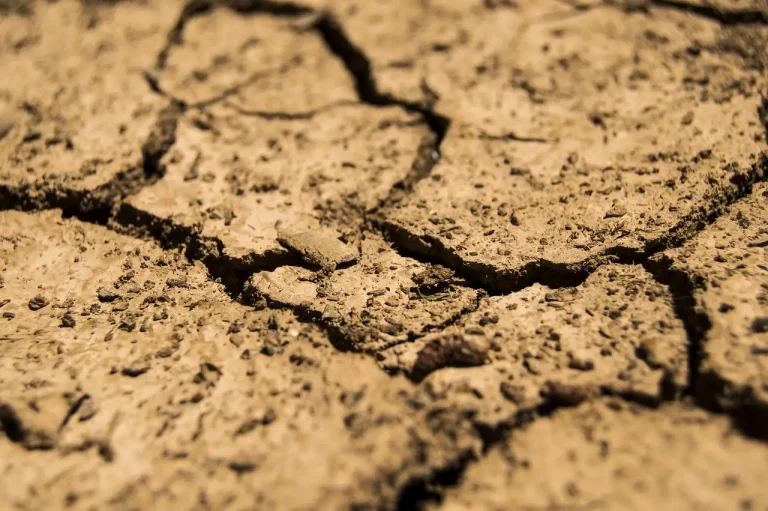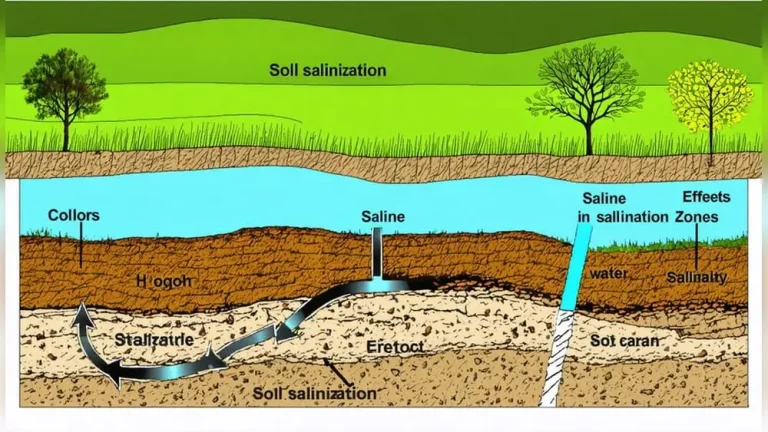

Do Tropical Rainforests Have Nutrient-Poor Soil? Surprising Truth
Tropical rainforests are celebrated for their staggering biodiversity, dense canopies, and vital role in the global climate. Yet, beneath the vibrant foliage lies a paradox that confounds many: the very soil that supports such lush ecosystems is often considered among the poorest on Earth. How can such nutrient-poor soil sustain the planet’s richest collection of flora and fauna? This question challenges assumptions and uncovers profound truths about the intricate relationships within tropical rainforests.
This article dives deep into the surprising reality of rainforest soils, separating myths from science, and examining why these ecosystems thrive despite their seemingly inhospitable foundations. We’ll explore how the nutrient cycle operates in these unique environments, the impact of human activity, and what lessons can be learned for conservation and agriculture.
By the end, you’ll understand not only the condition of rainforest soils but also the remarkable adaptations that make these forests nature’s enduring paradox.
Key Takeaways
- Tropical rainforest soils are generally nutrient-poor due to intense weathering and rapid nutrient cycling.
- The majority of nutrients are stored in living vegetation, not the soil itself.
- Rainforest ecosystems have evolved efficient recycling systems to survive in poor soils.
- Human activities like logging and agriculture can quickly deplete these delicate nutrient reserves.
- Conservation strategies must consider the unique soil-plant dynamics of rainforests.
- Understanding rainforest soil challenges can inform sustainable land management worldwide.
The Science Of Tropical Rainforest Soils
Tropical rainforest soils, known scientifically as oxisols and ultisols, cover vast swathes of the Amazon, Congo Basin, and Southeast Asia. To grasp their characteristics, it’s essential to understand the processes shaping them over millennia.
Soil Formation And Composition
Rainforest soils are typically deep, highly weathered, and acidic. The combination of high rainfall and warm temperatures accelerates chemical weathering, leaching away soluble nutrients like calcium, potassium, and magnesium. What remains are often iron and aluminum oxides, giving the soil a reddish hue.
Key characteristics of tropical rainforest soils include:
- Low Cation Exchange Capacity (CEC): Limits the soil’s ability to retain nutrients, making it difficult for plants to access essential minerals once they are leached.
- High Acidity: PH values often range from 4.0 to 5.5, which further restricts nutrient availability and can be toxic to some plant species not adapted to such conditions.
- Low Organic Matter in Subsoil: Most organic material is decomposed rapidly and recycled near the surface, leaving deeper layers relatively barren.
The chemical weathering in these soils is so intense that even the clay particles—themselves often a storehouse for nutrients in other environments—become leached of their minerals. The dominance of iron and aluminum oxides also causes these soils to bind phosphorus tightly, making it less available to plants, despite sometimes adequate total phosphorus content.
Data Comparison: Rainforest Vs. Temperate Soils
To highlight the contrast, consider the following table comparing average nutrient content in tropical rainforest soils and temperate forest soils:
| Soil Type | Organic Carbon (%) | Total Nitrogen (%) | Available Phosphorus (mg/kg) | pH |
|---|---|---|---|---|
| Tropical Rainforest (Oxisol) | 1.2 | 0.08 | 3 | 4.5 |
| Temperate Forest (Alfisol) | 4.5 | 0.30 | 18 | 6.2 |
These figures underscore the nutrient limitations inherent to tropical soils. For example, the organic carbon content—crucial for soil structure and nutrient-holding capacity—is several times higher in temperate forests, and the available phosphorus is dramatically greater. This means that, without constant input and recycling, rainforest soils would be unable to support dense vegetation.
Soil Horizons And Structure
Rainforest soils often lack the thick, dark, organic-rich horizon (O-horizon) seen in temperate soils. Instead, organic material is mostly limited to a thin layer at the surface, quickly broken down by heat, moisture, and a profusion of decomposers like fungi, termites, and bacteria.
Beneath this layer, the A-horizon (topsoil) is usually shallow and quickly transitions to deeply weathered subsoils. In some cases, the subsoil can extend 10 meters or more below the surface, but remains low in nutrients throughout. The rapid breakdown of organic matter is so efficient that leaf litter rarely accumulates, and nutrients liberated from decomposition are almost immediately taken up by plant roots or washed away.
The structure of these soils is often granular at the surface due to root and microbe activity but becomes blocky or massive deeper down, reducing aeration and water movement, which further limits root penetration and plant growth in subsoils.
Key Soil Types In Rainforests
- Oxisols: Extremely weathered, low fertility, high in iron/aluminum oxides. These soils are widespread in the Amazon Basin, Congo, and parts of Southeast Asia.
- Ultisols: Slightly less weathered but still low in base nutrients. Ultisols are common in areas with slightly less rainfall or younger geological substrates.
- Andisols (in volcanic regions): Exceptionally fertile but rare in most rainforests. Their high organic matter and mineral content make them sought after for agriculture but also a target for deforestation.
- Gleysols and Alluvial soils: Found in floodplains, these can be more fertile due to periodic deposition of sediments.
For more on soil classifications, see the Wikipedia Soil Classification page.

Credit: californiatrees.org
Why Rainforests Thrive Despite Poor Soils
The abundance of life in tropical rainforests seems at odds with their nutrient-poor soils. The explanation lies in the ingenious nutrient cycling strategies evolved over millions of years.
The Rapid Nutrient Cycle
Unlike temperate forests, where nutrients are stored in the soil, tropical rainforests concentrate nutrients in living biomass—trees, vines, epiphytes, and undergrowth.
How the cycle works:
- Leaves and organic matter fall to the forest floor, forming a thin litter layer that is quickly colonized by a diverse community of decomposers.
- Decomposers (fungi, bacteria, insects) break down this litter rapidly due to high temperatures and humidity. The warm, moist environment allows for year-round decomposition, in contrast to temperate forests where cold winters slow the process.
- Released nutrients are quickly absorbed by the dense root mats near the surface, often within hours or days of being freed. Many rainforest plants have shallow, wide-spreading root systems that intercept nutrients before they can be leached away by rain.
- Minimal nutrient leaching occurs because roots capture nutrients almost immediately. In undisturbed forests, this tight recycling loop keeps nutrients circulating within the ecosystem, rather than being lost to deeper soil layers or watercourses.
This rapid cycling is so effective that most of the ecosystem’s nutrients are locked up in the living biomass, with only a small fraction present in the soil at any given time. The efficiency of this system is a key factor in the resilience and productivity of rainforests.
Real-world Example: The Amazon Rainforest
The Amazon contains over 390 billion individual trees, yet its soils are among the most infertile in the world. The forest’s survival is a testament to the efficiency of its nutrient recycling system. According to research by the Nature Journal, over 99% of nutrients in the Amazon are stored in living vegetation rather than soil.
Further, researchers have observed that the Amazon’s intricate web of plant roots and fungal partners allows for the near-instantaneous uptake of nutrients. In some cases, nutrient cycling in the Amazon is so quick that the entire nutrient pool in the leaf litter is turned over in just a few months, compared to years in temperate forests.
Adaptations For Survival
- Buttress roots and shallow root mats maximize nutrient uptake from the surface. These adaptations are especially important in the thin, organic-rich zone where most nutrients reside.
- Mycorrhizal fungi form symbiotic relationships, enhancing phosphorus absorption. Mycorrhizal networks link plants together, allowing even non-mycorrhizal species to benefit from the shared pool of nutrients.
- Epiphytes (plants growing on other plants) access nutrients from decomposing debris caught in canopy branches. In some forests, these canopy “soil” mats can reach several centimeters in depth and support a diverse array of plant and animal life.
- Rapid life cycles: Many rainforest species grow, reproduce, and die quickly, ensuring that nutrients are constantly cycled and made available for new growth.
Data Table: Nutrient Storage In Rainforest Ecosystems
| Component | Nitrogen (%) | Phosphorus (%) | Potassium (%) |
|---|---|---|---|
| Vegetation | 85 | 80 | 90 |
| Soil | 15 | 20 | 10 |
This illustrates the dominant role of vegetation in nutrient storage within rainforests. In practical terms, the loss of plant biomass—whether by natural events or human intervention—translates to a direct and often irreversible loss of ecosystem fertility.
Case Study: Central African Rainforest
In the Congo Basin, scientists found that over 75% of phosphorus is tied up in living trees and shrubs, with only trace amounts present in the soil. This creates a system where nutrient loss through logging or land clearing has dramatic, long-lasting impacts.
When trees are removed, the nutrient reservoir vanishes, and with the region’s heavy rainfall, any remaining nutrients are quickly washed away. This explains why reforestation and recovery are so challenging in these environments—restoring soil fertility requires rebuilding the entire living nutrient bank, not just adding fertilizer.

Credit: krishival.com
The Surprising Truth: Not All Rainforest Soils Are Equal
While most tropical rainforest soils are nutrient-poor, exceptions exist. Local geology, hydrology, and volcanic activity can create fertile pockets within otherwise poor landscapes.
Volcanic Rainforest Soils: The Andisols
Rainforests growing on recent volcanic ash deposits, such as parts of Indonesia or Costa Rica, possess Andisols—soils rich in minerals and nutrients. These areas can support intensive agriculture, explaining why ancient civilizations like the Mayans and Javanese flourished in such regions.
Andisols contain high levels of allophane and imogolite (types of volcanic glass), which enable them to retain both nutrients and water better than most tropical soils. These properties support lush vegetation and allow for crop cultivation over many years without rapid fertility loss.
Amazonian Dark Earths (terra Preta)
A remarkable exception is the Terra Preta of the Amazon—anthropogenic soils created by ancient peoples who mixed charcoal, animal bones, and organic waste into the earth. These soils retain nutrients and organic matter far better than the surrounding oxisols and remain fertile for centuries.
Terra Preta is also notable for its high microbial diversity and the presence of biochar, which provides a long-term reservoir of stable organic carbon. Modern research into Terra Preta has inspired contemporary soil restoration projects, using biochar to improve soil health in degraded areas.
For more details, visit the Wikipedia Terra Preta entry.
Limestone And Floodplain Soils
In regions where rainforests grow over limestone or along periodically flooded riverbanks, soils may be richer in base cations (calcium, magnesium) and nutrients. These areas often support denser human populations and more productive agriculture.
Floodplain soils , also known as alluvial soils, benefit from seasonal deposition of nutrient-rich sediments. This replenishment can support both natural forest regeneration and sustainable agriculture, provided the natural flooding regime is maintained.
Table: Typical Rainforest Soil Fertility By Region
| Region | Dominant Soil Type | Fertility Level | Key Features |
|---|---|---|---|
| Amazon Basin (uplands) | Oxisol | Poor | High leaching, low nutrients |
| Central America (volcanic areas) | Andisol | High | Rich in minerals, fertile |
| Floodplain Rainforests | Alluvial | Moderate | Seasonal nutrient replenishment |
| Madagascar (limestone) | Rendzina | Moderate | High calcium, improved fertility |
Short Case Study: The Maya Lowlands
The ancient Maya thrived in the rainforests of the Yucatán, relying on karstic limestone soils and innovative farming techniques like raised fields and slash-and-burn. Their success shows how localized soil fertility, combined with human ingenuity, can sustain advanced societies in otherwise nutrient-limited environments.
Recent archaeological studies suggest that the Maya also manipulated forest structure, encouraging the growth of useful tree species and using controlled burns to add nutrients. This intricate relationship with their environment allowed them to maintain agricultural productivity for centuries, even in challenging conditions.
Credit: catchfoundation.in
Human Impact: Agriculture, Logging, And Soil Degradation
Tropical rainforest soils are extremely sensitive to disturbance. Human activities often disrupt the delicate balance that supports rainforest productivity.
Slash-and-burn Agriculture
Traditional slash-and-burn (swidden) agriculture temporarily releases nutrients from vegetation into the soil. However, after one or two harvests, most nutrients are exhausted, and the land becomes infertile.
Consequences:
- Rapid loss of soil fertility
- Increased erosion and runoff
- Abandonment of degraded land
Swidden agriculture can be sustainable at low population densities, with long fallow periods (20-30 years), allowing forests and soils to recover. However, increased population pressure has shortened fallow times, resulting in permanent deforestation and soil degradation.
For a deeper understanding, see FAO: Shifting Cultivation.
Commercial Logging
Logging removes the primary nutrient reservoir—living trees. Without rapid regrowth, nutrients are lost to leaching and erosion, making forest regeneration difficult.
Real-world example: In Borneo, post-logging soils can lose up to 80% of their available phosphorus within five years, according to studies by the Center for International Forestry Research.
Additionally, heavy machinery used in logging can compact soil, reducing aeration and water infiltration. This damages root systems and makes it harder for new trees to establish, further slowing recovery.
Cattle Ranching And Intensive Farming
After deforestation, converting land to pasture or intensive agriculture leads to soil compaction, further loss of organic matter, and often irreversible degradation. Pasture yields plummet within a decade in most cases, forcing expansion into new rainforest areas.
The use of chemical fertilizers and pesticides can exacerbate acidification and pollution, while monocultures deplete specific nutrients and increase vulnerability to pests and diseases.
Soil Recovery And Restoration
Natural regeneration is slow, as the nutrient cycle has been broken. Restoration efforts must:
- Reintroduce organic matter (mulching, green manure)
- Plant fast-growing legumes and native trees to fix nitrogen and add organic material
- Encourage mycorrhizal fungi re-establishment to facilitate nutrient uptake
Effective restoration also involves preventing further erosion, sometimes by planting ground cover crops or using contour planting and terracing to stabilize the soil.
Rainforest Soil Conservation And Sustainable Practices
Given the fragility of rainforest soils, sustainable management is crucial for long-term ecosystem health and local livelihoods.
Agroforestry And Polyculture
Integrating trees, crops, and livestock mimics natural systems, maintains nutrient cycling, and reduces erosion. Successful agroforestry projects in the Amazon have increased soil organic matter by up to 50% compared to monocultures.
Examples include:
- Alley cropping: Planting rows of trees alongside crops to provide shade, organic matter, and windbreaks.
- Home gardens: Combining fruit trees, vegetables, and medicinal plants in small plots, as practiced by many indigenous communities.
Agroforestry systems can also provide additional income sources (timber, fruit, nuts, medicine) while maintaining biodiversity and ecosystem services.
Reduced Impact Logging (ril)
Selective logging techniques minimize canopy damage and preserve the forest’s nutrient bank. RIL can reduce soil erosion by up to 75% compared to conventional methods, as reported by the World Wildlife Fund (WWF).
RIL involves careful planning of skid trails, limiting the number of trees removed, and protecting seedlings and non-target species. This approach allows forests to recover more quickly and maintain their ecological functions.
Biochar And Soil Amendments
Adding biochar (charcoal produced from plant material) to soil increases nutrient retention and mimics the effects of Terra Preta. Biochar projects have demonstrated increased crop yields and improved soil structure in degraded Amazonian soils.
Biochar not only enhances nutrient retention but also improves water holding capacity and supports beneficial soil microbes. In some pilot projects, biochar-amended plots have shown 30-70% higher yields compared to unamended controls after several years.
Conservation Agriculture
Practices such as no-till farming, cover cropping, and controlled grazing help preserve soil structure and fertility.
Key steps:
- Maintain ground cover to prevent erosion through the use of mulches or living cover crops.
- Rotate crops to balance nutrient extraction and deposition, breaking pest and disease cycles.
- Limit chemical fertilizer use to avoid soil acidification and pollution, favoring organic or slow-release alternatives.
Conservation agriculture is particularly important on sloping or erosion-prone soils, where even small disturbances can lead to significant losses of topsoil and nutrients.
How Rainforest Soil Dynamics Influence Biodiversity
The unique properties of rainforest soils directly shape the biodiversity and structure of these ecosystems.
Specialist Plant Adaptations
Many rainforest species have evolved to tolerate low nutrient levels, including:
- Carnivorous plants (e.g., pitcher plants) that supplement nutrients by digesting insects. These are especially common in nutrient-impoverished swamps and sandy soils.
- Nitrogen-fixing species (e.g., legumes) that enrich soils through symbiosis with bacteria. These plants are often pioneer species in disturbed areas, facilitating forest recovery.
Other adaptations include:
- Leaves with drip tips to shed excess water and reduce leaching of nutrients.
- Evergreen foliage, allowing year-round photosynthesis and nutrient retention.
Competition And Niche Differentiation
Scarcity of nutrients fosters intense competition, driving the evolution of specialized root systems, symbiotic relationships, and varied growth forms. This promotes the high species diversity for which rainforests are famous.
For example, some tree species produce allelopathic chemicals to suppress competitors, while others develop extensive root networks or partnerships with ants for protection and nutrient access. The result is a complex mosaic of niches, with each species occupying a specific role adapted to the local soil environment.
Animal Interactions
Nutrient availability influences animal diets and population dynamics. For instance:
- Frugivores (fruit-eating animals) often migrate to floodplain forests during fruiting seasons, where soils are temporarily nutrient-rich.
- Decomposers and detritivores (e.g., termites, dung beetles) play a key role in recycling nutrients and maintaining soil fertility.
In some regions, the abundance of certain minerals in the soil influences animal behavior, such as visits to mineral licks by birds and mammals seeking sodium and other micronutrients.
Case Study: Epiphytes In Cloud Forests
In montane cloud forests, where soils are especially poor, up to 30% of plant biomass consists of epiphytes—plants that grow on trees and derive nutrients from rainfall and decomposing organic matter trapped in canopy “soil.” This adaptation allows for greater biodiversity in otherwise inhospitable conditions.
Epiphytes like orchids, bromeliads, and ferns create miniature ecosystems in the canopy, supporting insects, amphibians, and even small mammals. Their presence increases structural complexity and provides additional niches for other organisms.
Global Implications: Lessons For Agriculture And Conservation
Understanding the paradox of nutrient-poor rainforest soils has significant implications for land management, agriculture, and biodiversity conservation worldwide.
Rethinking Soil Fertility
Rainforest productivity is not a function of soil richness but of nutrient efficiency. Attempting to transplant temperate agricultural systems into the tropics often fails due to this fundamental difference.
This realization has led to greater emphasis on agroecological approaches that mimic natural nutrient cycling, rather than relying on heavy fertilizer inputs and monocultures, which rapidly degrade tropical soils.
The Myth Of “rich Jungle Soil”
The widespread belief that clearing rainforests reveals fertile farmland is misguided. Most cleared land is quickly exhausted, leading to cycles of deforestation and land abandonment.
Efforts to establish large-scale agriculture in the tropics have often resulted in environmental and economic failure, as soils can only support crops for a short period before yields plummet. This cycle contributes to ongoing forest loss and undermines local food security.
Informed Conservation Strategies
Effective conservation requires recognizing:
- The importance of maintaining intact forests as nutrient reservoirs. Protecting primary forests preserves both biodiversity and the essential nutrient cycles that sustain it.
- The risks of permanent soil degradation from unsustainable land use. Once degraded, rainforest soils are difficult and costly to restore.
- The value of indigenous knowledge in managing rainforest soils sustainably. Many traditional practices, such as agroforestry and polyculture, are better adapted to local conditions than imported agricultural models.
Conservation programs now increasingly involve local communities and integrate their knowledge into management plans, leading to more resilient and effective outcomes.
Modern Agricultural Innovations
Some modern techniques inspired by rainforest ecology include:
- Perennial polycultures that mimic natural forest structure, reducing the need for fertilizers and pesticides.
- Agroecology approaches focused on nutrient cycling and biodiversity, emphasizing soil health and ecosystem services.
- Soil restoration using organic amendments and microbial inoculants, which rebuild soil structure and fertility over time.
For more, consult the FAO Soils Portal.
Table: Comparison Of Traditional Vs. Sustainable Agriculture In Rainforest Regions
| Practice | Soil Health Impact | Crop Yield (long term) | Biodiversity Impact |
|---|---|---|---|
| Slash-and-burn | Rapid depletion | Declines after 2-3 years | High loss |
| Monoculture farming | Soil compaction, erosion | Moderate, then declines | High loss |
| Agroforestry | Improved fertility | Sustained | Maintained or increased |
| Biochar amendment | Enhanced retention | Increases over time | Neutral or positive |
Frequently Asked Questions
What Makes Tropical Rainforest Soils Nutrient-poor?
Tropical rainforest soils are nutrient-poor mainly due to intense weathering, high rainfall, and rapid decomposition. These factors leach away soluble minerals and prevent the accumulation of organic matter, resulting in soils with low fertility.
Additionally, the constant cycling of nutrients through living biomass means that very little is stored in the soil itself. Once the vegetation is removed, nutrients are quickly lost to leaching and erosion.
How Do Rainforests Support Such Rich Biodiversity On Poor Soils?
Rainforests have evolved efficient nutrient cycling systems where nutrients are stored in living vegetation rather than soil. Fast decomposition and rapid nutrient uptake by shallow root systems allow these forests to thrive despite poor soil conditions.
The complex web of interactions among plants, fungi, animals, and microbes ensures that nutrients are recycled and made available for continued growth, supporting high levels of productivity and diversity.
Are There Any Fertile Soils In Tropical Rainforests?
Yes, there are exceptions. Volcanic soils (Andisols) and Amazonian dark earths (Terra Preta) are examples of fertile soils found in some rainforest regions. These areas support higher agricultural productivity than the typical oxisols and ultisols.
Floodplain and limestone soils can also be more fertile, though they are limited in extent compared to the vast areas of nutrient-poor soils.
What Happens To Rainforest Soils After Deforestation?
After deforestation, rainforest soils lose their primary nutrient source—vegetation. Nutrients are quickly depleted, organic matter declines, and the land often becomes infertile within a few years, leading to erosion and reduced productivity.
Without the protective cover of trees, soils are exposed to heavy rainfall, which accelerates erosion and further depletes nutrients, making recovery difficult.
Can Rainforest Soil Fertility Be Restored?
Restoring rainforest soil fertility is challenging but possible with organic amendments, agroforestry, and biochar. These methods help rebuild organic matter, enhance nutrient retention, and support the return of native plants and microbial communities.
Long-term success depends on careful management, ongoing input of organic material, and restoration of the natural nutrient cycling processes characteristic of intact rainforests.
Tropical rainforests stand as a testament to nature’s resilience and ingenuity. Despite their nutrient-poor soils, these ecosystems flourish through complex, tightly woven nutrient cycles and remarkable biological adaptations. Understanding the true nature of rainforest soils dispels myths, highlights the fragility of these environments, and underscores the importance of preserving both the forests and the intricate systems they embody. By learning from and respecting these ancient landscapes, we can make informed choices for sustainable agriculture, conservation, and the future health of our planet.