What Soil Test Results Mean for Home Gardeners
Read a soil test by fixing the biggest limit first: bring pH into the crop range, then address the lowest nutrient or organic matter issue, and retest in 6 to 12 months. Skipping the report can waste fertilizer, keep plants stunted, and leave lawns or beds declining despite repeated amendments. This guide shows how to interpret pH, nutrient levels, cation exchange capacity, and recommendations for vegetables, lawns, and perennial borders.
What your soil test can tell you

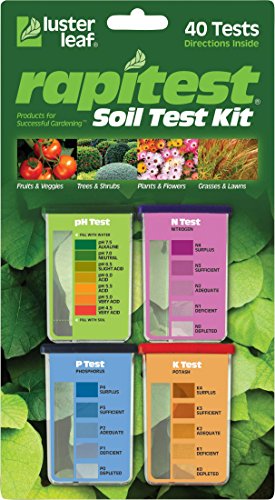

A soil test tells you which limits matter most right now. For many home gardens, that often means pH, phosphorus, potassium, organic matter, and sometimes cation exchange capacity or add-on tests for salts, lead, and micronutrients.
It does not diagnose every cause of poor growth. Roots, watering, compaction, shade, disease, and pests can all look like nutrient problems, so a report should guide the next step, not replace field judgment.
What the report measures
Most reports include pH, organic matter, and the basic nutrients phosphorus and potassium. Some reports also list CEC, calcium, magnesium, sulfur, boron, and other micronutrients. Healthy soil contains minerals, organic matter, living organisms, water, and air, so the best reports describe both chemistry and condition.
What the report does not measure well
Basic soil tests often do not explain why a plant is failing if the issue is not soil chemistry. Nitrogen is especially tricky because it changes quickly in soil, so nitrate numbers need context and are not always part of standard recommendations.
Which numbers matter first?
Start with pH, then check whether phosphorus or potassium is low, then look at organic matter and CEC. If optional tests are included, add salt, nitrate, micronutrient, and lead results to the same priority list. One bad number can matter more than several small ones.
How to collect a sample that means something
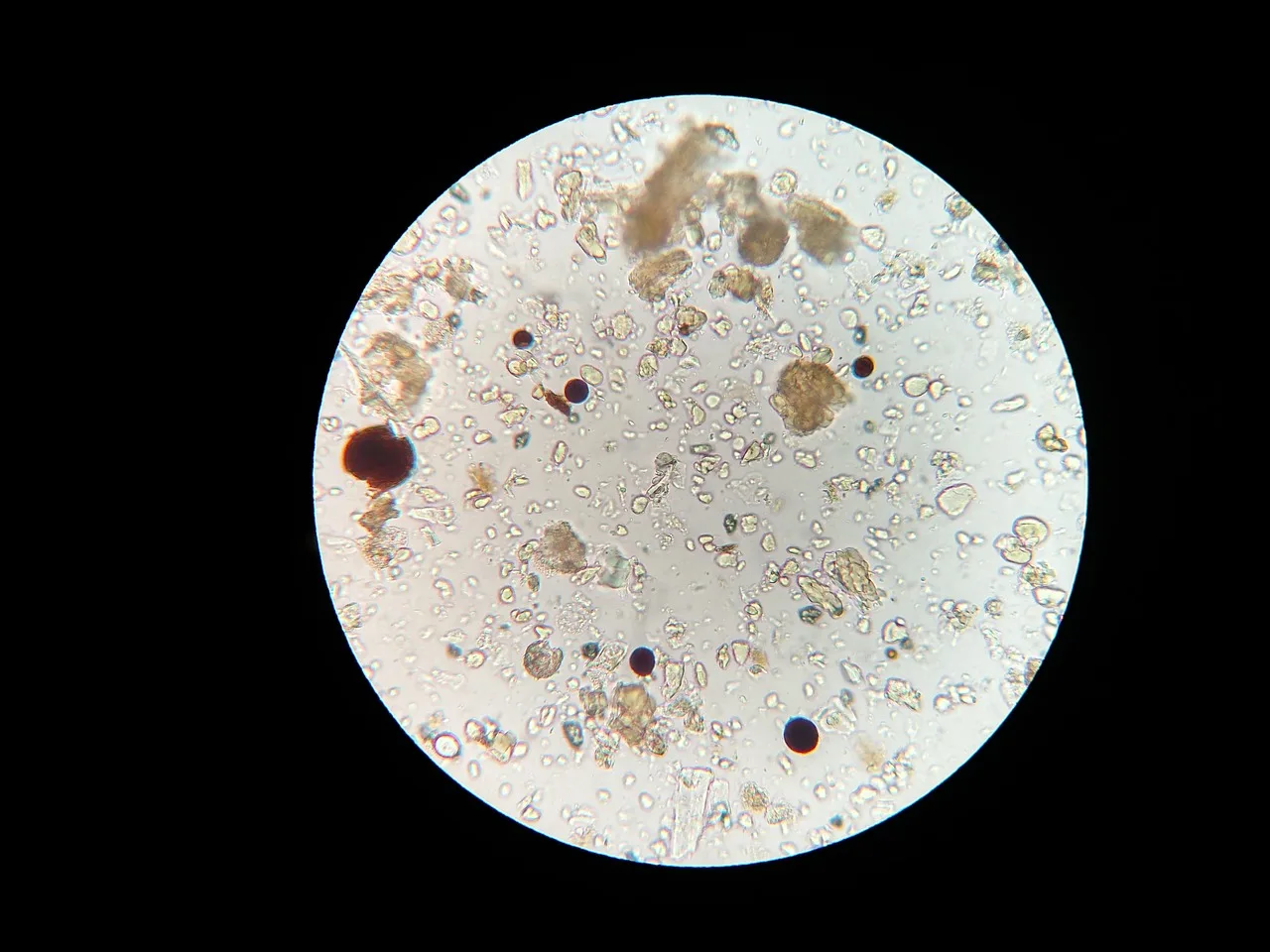
A good report depends on a good sample. Combine 10 to 15 subsamples from across the area, take them from the top 4 to 8 inches of soil, and keep compost, mulch, roots, and manure out of the jar. Sample before a problem spreads across the bed. (Iastate)
Where to take 10 to 15 subsamples
Walk the area in a zigzag and take small amounts from evenly spaced spots. Mix them in a clean bucket, remove stones and obvious debris, then send one composite sample. Do not sample a wet corner, a compost pile edge, or a strip where fertilizer spilled.
How deep to sample in garden beds
Most vegetable beds, borders, and lawns should be sampled from about the same depth in each section so the lab reads a comparable layer. A shallow scrape from one spot and a deep scoop from another can distort pH and nutrient results.
What to avoid before sampling
Do not sample just after applying lime, fertilizer, compost, or manure. Those additions can distort the test and make the report look better or worse than the soil really is. If a major amendment was added recently, wait and sample later.
When to send the sample
Fall or early spring is the best time for most gardeners. That timing leaves room to plan amendments before planting and avoids the confusion that comes from sampling right after seasonal feeding.
How do you read pH, phosphorus, and potassium?
pH shows whether soil is acidic or alkaline on a 0 to 14 scale, with 7 neutral. Phosphorus and potassium are the first two nutrient numbers many gardeners need to interpret, because they affect root growth, vigor, flowering, and fruiting.
Soil pH and nutrient availability
Most vegetables grow best when soil pH is between 6.0 and 7.0. When pH is too low or too high, nutrients can be present but less available to roots. That is why a fertilizer may fail if pH is still off.
Different crops prefer different ranges. Blueberries and azaleas want more acidity than most vegetables, while many lawn grasses tolerate a narrower window close to neutral. Do not treat one pH target as right for every bed.
Phosphorus ratings and root growth
Phosphorus, often listed as P, supports root development. A low reading usually means the soil may not supply enough for early growth, especially in new plantings. A medium reading often means maintenance is enough; a high reading means skip more phosphorus unless a specific crop calls for it.
Potassium ratings and plant vigor
Potassium, often listed as K, supports plant vigor and fruit quality. Low potassium can leave plants weak and less resilient. High potassium usually means the soil already has enough, and extra fertilizer can create imbalance instead of a benefit.
Say your vegetable bed tests at low pH, low phosphorus, and medium potassium. The first move is not a full fertilizer spread. Correct pH first, then add phosphorus only if the crop and the recommendation both call for it.
What do organic matter and CEC mean?
Organic matter and CEC help explain why two soils with the same fertilizer rate behave differently. Organic matter reflects soil condition and biological activity. CEC helps show how well the soil can hold onto nutrients instead of letting them wash away.
Organic matter as a soil condition signal
Organic matter appears as a percentage on many tests. Low organic matter usually signals weaker water retention and less microbial activity than a healthier soil. It does not always mean the bed is failing, but it often means the soil will need steadier care over time.
For vegetable beds, low organic matter can dry out faster and respond less predictably to fertilizer. For perennial borders, it can mean lower moisture buffering around long-lived roots. For lawns, it can be part of a thin, tired root zone.
CEC and nutrient-holding capacity
CEC, or cation exchange capacity, appears on some lab reports. It describes how much nutrient-holding capacity the soil has and helps explain fertility behavior alongside texture and pH. Sandy soil usually behaves differently from a finer soil with the same nutrient reading.
Why texture still matters
Texture changes how quickly water and nutrients move. A low-CEC sandy bed may need smaller, more frequent nutrient applications. A higher-CEC soil can hold more nutrients, but if pH is wrong, those nutrients may still not be available.
How should you read optional add-on tests?
Optional tests matter most on problem sites and food gardens. Micronutrients, soluble salts, nitrate, and lead can change the next step, but they should be read with the main pH and nutrient numbers, not by themselves.
Micronutrients and when they matter
Micronutrients may include calcium, magnesium, sulfur, boron, iron, zinc, copper, and manganese. Deficiencies can affect growth even though plants need only small amounts. These tests matter most when the crop shows a pattern that fits a specific shortage, or when pH points toward poor uptake.
Low calcium with low pH is a different problem from low iron with high pH. In the first case, liming may help if the soil is acidic. In the second, the issue is often availability at high pH, so adding more general fertilizer may not solve it.
Soluble salts and fertilizer stress
High soluble salts can indicate fertilizer or salt stress, especially in overfertilized beds. If salts are high, adding more fertilizer is the wrong next move. The better first response is to stop feeding, water deeply if drainage allows, and recheck before adding more inputs.
Nitrate and why it needs context
Nitrate can be measured in some lab tests, but it needs more interpretation because nitrogen behaves differently in soil. A nitrate number can shift after rain, irrigation, or plant uptake, so it is not always part of a basic recommendation.
Lead testing for food gardens
Lead is a special add-on test and matters most in food gardens and older sites. If lead is a concern, do not assume the problem is safe because plants look healthy. Use the test result to decide whether to grow in clean imported soil, raised beds, or a different location.
Soil test interpretation matrix
This matrix turns common report patterns into next actions. Use the first limiting factor before you chase secondary issues. If two results conflict, fix the one that blocks the others.
| Result pattern | What it usually means | First amendment to consider | What not to do next | Fix timeline |
|---|---|---|---|---|
| pH below the crop range | Soil is too acidic and nutrient availability may be limited | Lime, if the crop and report call for it | Do not add more fertilizer first and expect full response | Season-long correction |
| pH above the crop range | Soil is too alkaline and iron, manganese, or phosphorus may be less available | Use the lab recommendation for the crop; in many cases, adjust management rather than add a quick fertilizer fix | Do not keep adding phosphorus or iron without checking pH | Season-long correction |
| Low phosphorus | Root development may lag, especially in new plantings | Apply the recommended phosphorus source for the crop area only | Do not spread extra phosphorus across all beds by default | Short-term fix |
| Low potassium | Plants may be weaker and less productive | Apply the recommended potassium source at the rate listed | Do not replace it with more nitrogen-only fertilizer | Short-term fix |
| High phosphorus or high potassium | The soil already has enough, and more can unbalance nutrition | Pause those nutrients and use only what the crop needs | Do not apply a complete fertilizer that repeats the high nutrient | Season-long correction |
| Low organic matter | Soil may hold less water and support less microbial activity | Add compost carefully over time, plus mulch where appropriate | Do not assume one heavy compost layer will fix the whole profile | Season-long correction |
| Low CEC with sandy texture | Soil holds nutrients poorly and loses them faster | Use smaller, timed nutrient applications and build organic matter gradually | Do not overapply fertilizer in one pass | Season-long correction |
| High soluble salts | Fertilizer or salt stress may be limiting roots | Stop fertilizing, then water if drainage allows | Do not add more salts through more fertilizer or manure | Short-term fix |
| Low nitrate | Nitrogen may be limiting, but the number is time-sensitive | Use a nitrogen recommendation tied to the crop and season | Do not treat nitrate like a stable long-term soil reserve | Short-term fix |
| Lead above concern levels | Food safety risk may be present | Use clean soil strategies or non-food planting plans | Do not grow edible roots or leafy crops in that soil without a safety plan | Season-long correction |
What should you do after the results come back?
Choose the first limiting factor, then match the amendment to that problem alone. If pH is off, fix that before judging the rest. If pH is acceptable, move to the lowest nutrient or the lowest organic matter issue, depending on the report and the crop.
Match the amendment to the problem
Use lime for acidic soil only when the crop and report call for it. Use fertilizer only for the nutrient that is low. Use compost to build organic matter over time, not as a substitute for a specific nutrient recommendation.
Avoid common overcorrections
A common first-timer mistake is to apply a general fertilizer blend to every bed because one section looks pale. That can add more of a nutrient that is already high, push salts upward, and still leave the real problem untouched.
Picture a lawn with high potassium, low pH, and decent organic matter. The fix is not more complete fertilizer. The better order is to correct pH according to the report, then reassess whether the lawn still needs any nutrient input at all.
When to retest
Home gardeners benefit from testing every 3 to 5 years or when problems appear. Some guidance recommends testing garden soil every 2 to 3 years, and that is a reasonable pace for active beds. After a major amendment, retest in about 6 to 12 months if the change should show up quickly.
Vegetable beds, lawns, and perennial borders
Vegetable beds usually justify more precise nutrient correction because yields and crop rotation depend on it. Lawns often need pH and nitrogen decisions more than a long list of nutrient additions. Perennial borders usually respond best to steadier, slower corrections, especially where roots stay in place for years.
Frequently asked questions
What do the numbers on a soil test mean?
The numbers show how the soil is performing in key areas such as pH, phosphorus, potassium, organic matter, and sometimes CEC or add-on tests. Read them in order: pH first, then the lowest nutrient or condition issue, then any optional results that affect safety or salt stress.
How do I know if my soil test results are good or bad?
“Good” depends on the crop. Most vegetables grow best when soil pH is between 6.0 and 7.0, but other plants prefer different ranges. A result is good if it matches the crop target and the main nutrients are not low or severely out of balance.
What do pH, phosphorus, and potassium mean in a soil test?
pH shows acidity or alkalinity on a 0 to 14 scale, with 7 neutral, and it affects nutrient availability. Phosphorus supports root development. Potassium supports plant vigor and fruit quality. Together, they often explain why plants look weak even when fertilizer has already been used.
What does low organic matter mean in soil test results?
Low organic matter usually means poorer moisture retention and less microbial activity than healthier soil. It does not always call for one fast fix, but it often means the soil needs longer-term building through compost, mulch, and careful cultivation rather than repeated heavy fertilizer use.
How often should home gardeners test soil?
Home gardeners benefit from testing every 3 to 5 years or when problems appear. A shorter interval makes sense after major amendments or if a bed is declining. Fall or early spring is the best time to test for most gardeners.
Should I fertilize before or after a soil test?
Test first. Fertilizing before the sample can distort the results, especially if lime, compost, manure, or fertilizer was added recently. A clean test gives a better map of what the soil actually needs, so the next fertilizer application is more likely to solve the right problem.
What should I do if my soil test says nutrients are high?
Do not keep feeding by habit. High phosphorus or potassium usually means the soil already has enough, and more can create imbalance. If soluble salts are high, stop fertilizing and manage the stress first. Retest later instead of piling on more inputs now.
Can a home soil test kit tell me enough for my garden?
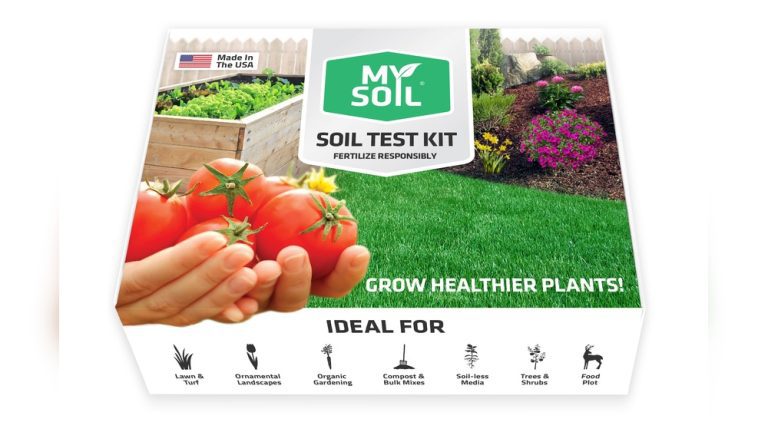
Home kits can help spot broad trends, but lab tests are usually better for decisions. A lab report gives more usable detail on pH, phosphorus, potassium, organic matter, CEC, and optional tests like lead or salts, which matter more when the garden has a problem.