What Is Gypsum Used for in Garden Soil?
Gypsum supplies calcium and sulfate. It can help sodic soils and clay soils that disperse and seal, but it does little for simple compaction, low fertility, or drainage problems without sodium. Used for the wrong soil issue, it wastes money and leaves beds hard, crusted, or waterlogged. This guide explains how to tell clay dispersion from true compaction and when gypsum is the right fix.
What gypsum does in soil
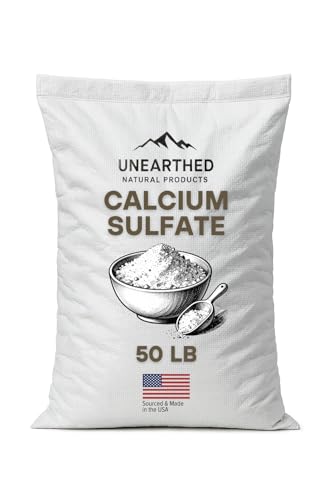
Gypsum is calcium sulfate dihydrate, with the formula CaSO4·2H2O. In garden soil, it supplies calcium and sulfur in a plant-available form, and agricultural-grade material contains about 22 percent calcium and about 17 percent sulfur. It does not change soil pH.
That matters because many gardeners reach for gypsum when the real issue is acidity. Gypsum does not act like lime, and you should not use it to correct pH. It is a calcium source with a specific structural role in certain soils.
Calcium and sulfur in plant nutrition
Calcium supports cell walls and root development. Sulfur supports protein formation and is important for brassicas and other sulfur-demanding crops. Gypsum can supply both nutrients without shifting pH, which makes it useful when the soil needs calcium but not liming.
Why gypsum does not change pH
Gypsum is not alkaline like lime, so it does not neutralize acidity. If a soil test shows low pH, gypsum will not solve that problem. If the test shows enough calcium and a pH issue, lime is the amendment that changes the reaction of the soil.
Why add gypsum to soil?
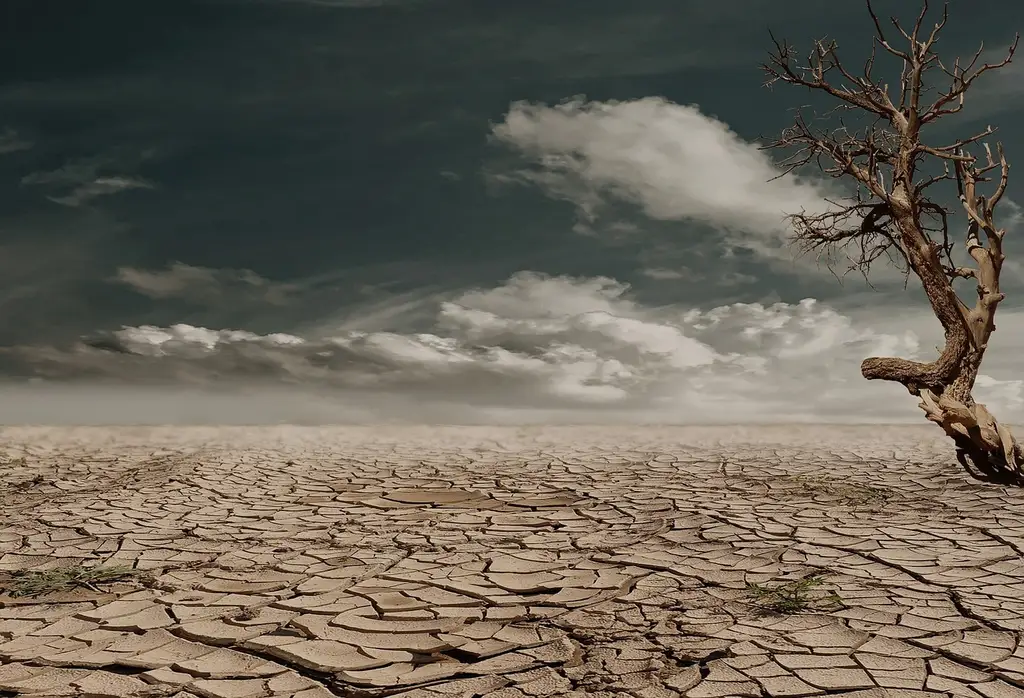
Gypsum is most useful when sodium is part of the problem. In sodic soil, calcium from gypsum helps replace sodium on exchange sites, clay particles move closer together, and the soil can flocculate into a more open, crumb-like structure. That is why gypsum is the standard remedy for sodic soils.
After gypsum is applied, the displaced sodium has to leave the root zone. Water movement matters here. Without leaching, the sodium stays behind and the soil can remain sealed or crusted even though gypsum was added.
Clay flocculation and better soil structure
In heavy clay soils, gypsum can improve structure by helping fine particles bind into larger aggregates. That creates more pore space for air and water. It can also reduce erosion losses from treated field soil, which is one reason it has a place in some field and garden settings.
What changes in sodic soil
Sodic soil behaves differently from ordinary clay soil. The issue is not just density; it is dispersion caused by excess sodium. Gypsum helps because calcium displaces sodium, but that only works if water can carry the sodium away after treatment.
Why leaching matters after application
If you add gypsum to sodic soil and then keep the surface dry, the treatment stalls. The chemistry may change at the exchange sites, but the sodium still needs to move out of the root zone. Good drainage or an irrigation plan is part of the fix.
Is gypsum good for clay soil?
Sometimes, yes. Gypsum can help clay soil when the clay is dispersed, crusting, or sealing because calcium promotes flocculation and a more open structure. It is much less useful when the problem is true compaction from traffic, a hardpan layer, poor drainage, or low organic matter.
That distinction is the one most gardeners miss. A sticky surface after rain may point to dispersion. A dense layer that resists a probe at the same depth every time points more toward compaction or a restrictive layer. Those are not the same problem, and they do not respond the same way.
Clay dispersion versus true compaction
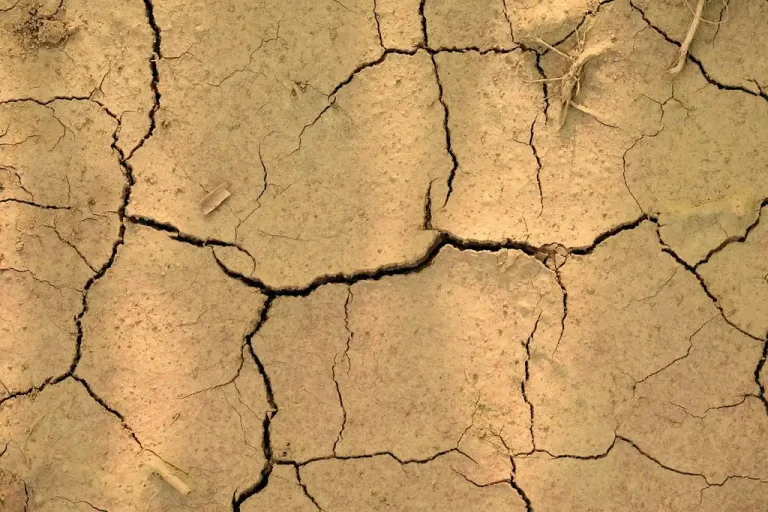
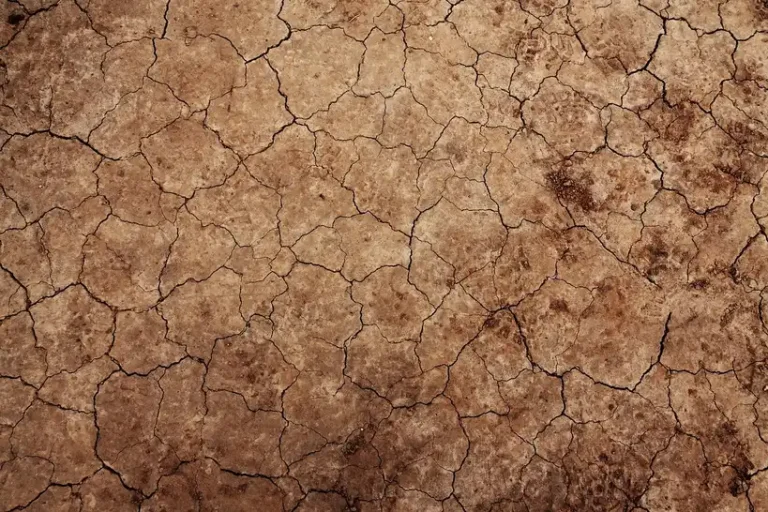
Dispersion is a chemical-physical problem. Clay particles separate and suspend, then settle into a tight crust or seal. True compaction is a mechanical problem caused by pressure, repeated traffic, or a dense layer in the profile. Gypsum can help the first and usually cannot fix the second.
When gypsum can help and when it cannot
Use gypsum when a soil test and symptoms point to sodium-related dispersion or when the soil clearly needs calcium without a pH shift. Skip it when the bed is compacted from foot traffic, when water stands because drainage is poor, or when the real problem is low fertility rather than structure.
Why organic matter and drainage still matter
Even where gypsum helps, it is not a full solution. Organic matter improves aggregation and feeding activity over time. Drainage correction removes the waterlogging that keeps roots short of oxygen. Gypsum may improve clay structure, but it does not replace those other fixes.
When should you use gypsum instead of lime?
Use gypsum when you need calcium and sulfur without changing pH. Use lime when the soil is too acidic and you need to raise pH. The two amendments are not interchangeable, and using one in place of the other often leaves the original soil problem untouched.
A soil test should guide the choice. It should show pH, calcium, sodium, and the broader soil context before you spread either amendment. Without that, you are guessing about the cause, not fixing it.
Gypsum for calcium without pH change
Choose gypsum when the soil is already near the right pH but lacks calcium, especially in sodic conditions or in deeper root zones where calcium deficiency can appear below the 12-inch depth. Gypsum supplies calcium in a form that does not alter acidity.
Lime for low pH correction
Choose lime when the test shows acidity that needs correction. Lime changes pH; gypsum does not. If you apply gypsum to an acidic bed that needs liming, you will add calcium but still leave the pH problem in place.
Why the two amendments are not interchangeable
They may both contain calcium, but they behave differently in soil. Lime is about acidity correction. Gypsum is about calcium supply, sodium displacement, and structure in specific soils. Matching the amendment to the problem matters more than matching the nutrient list on the bag.
Soil amendment decision matrix
This table matches common symptoms and test clues to the most likely amendment. Use it to separate gypsum-worthy problems from cases where lime, compost, aeration, or drainage correction is the better spend.
| Symptom | Likely cause | Does gypsum help? | What to do instead | Caution note |
|---|---|---|---|---|
| Surface crusting after irrigation or rain | Sodic clay dispersion | Yes | Apply gypsum, then leach with good water movement | Gypsum without leaching leaves sodium in place |
| Dense clay that seals and puddles | Clay dispersion or high sodium | Sometimes | Test for sodium and pH; add compost if structure is weak | Do not assume every clay soil needs gypsum |
| Hard soil from foot traffic | True compaction | No | Aeration and traffic control | Gypsum does not undo pressure-driven compaction |
| Standing water after rain | Poor drainage or restrictive layer | No | Drainage correction, bed reshaping, or subsoil work | Do not buy gypsum before fixing water movement |
| Yellowing with low pH on soil test | Acidity | No | Lime | Gypsum does not raise pH |
| Low calcium but acceptable pH | Calcium shortage | Yes | Gypsum if sodium or structure also matter | Match the dose to CEC and test data |
| Sandy soil with weak nutrients | Low fertility and low holding capacity | Usually no | Compost and fertilizer based on a soil test | Gypsum is not a fertilizer substitute |
| Potting mix in a container | Container media issue, not field sodicity | Usually no | Refresh the mix and manage watering | Most containers need a mix change, not gypsum |
How much gypsum should you apply?
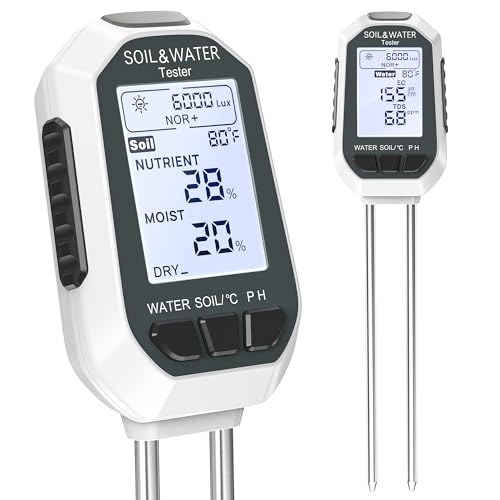
Soil tests and cation exchange capacity, or CEC, should guide the rate. CEC reflects how much clay and organic matter the soil can hold, so it helps scale gypsum recommendations. A common field guide sets a maximum recommended rate of 5 tons per acre per year, with smaller rates tied to soil texture and CEC.

For low CEC soils under 5, the guideline is 0.25 tons per acre annually. For moderate CEC soils from 5 to 10, it is 0.5 tons per acre. For higher CEC soils from 10 to 15, it is 1 ton per acre. For heavy clay soils above 15 CEC, the guideline is 2 tons per acre.
Why field rates must be translated carefully for home gardens
Those numbers come from field-scale guidance, so home gardeners should treat them as a reference, not a scoop-and-spread rule. Bags and spreaders vary. The safe move is to match the dose to the soil test and the bed size, then apply only where the problem fits gypsum.
Application limits and timing
Gypsum should be surface-applied without incorporation, unlike lime. That matters because the goal is often to let water move calcium through the profile while sodium is leached away. On lawns, that means applying only where there is a sodium or structure issue, not as routine maintenance.
Say your roughly 20-by-20-foot vegetable bed stays crusted after watering and the soil test shows high sodium with acceptable pH. Gypsum is the likely amendment, followed by careful leaching. If the same bed is merely dry and low in organic matter, compost and irrigation changes make more sense.
What gypsum will not fix
Gypsum will not fix traffic compaction, hardpan, standing water, or simple nutrient shortages. It is also not a universal answer for sandy soil, healthy soil, or containers. If the real problem is low fertility, you need fertilizer or compost guided by a soil test, not gypsum.
A common first-timer mistake is to see a crusted surface and assume all clay soils need the same cure. If the crust comes from sodium, gypsum may help. If it comes from hoof traffic, mowers, or repeated stepping in a wet bed, you need aeration or access changes instead.
Traffic compaction and hardpan
Compacted soil resists roots because the pore space has been squeezed out. Gypsum does not reopen that kind of layer. Mechanical aeration, loosening, or long-term organic matter management are the better tools.
Poor drainage and standing water
If water sits after rain, the amendment question is secondary. You may need grading, raised beds, a drainage line, or a change in planting area. Gypsum cannot solve a saturated site with nowhere for water to go.
Low fertility and other nutrient gaps
Gypsum is not a replacement for fertilizer. It supplies calcium and sulfur, but it does not provide a full nutrient program. If nitrogen, phosphorus, potassium, or another nutrient is limiting growth, the soil test should guide a separate correction.
Frequently asked questions
What does gypsum do for soil?
Gypsum supplies calcium and sulfur, and in the right soil it can improve structure by helping clay particles form larger aggregates. It does not change pH. That makes it useful for sodic soils and some clay soils, but not for every garden problem.
What is gypsum for gardening?
In gardening, gypsum is mainly used as a calcium amendment and a structure aid for soils with sodium-related dispersion. It can help when beds crust, seal, or drain poorly because of that chemistry. It is not a general cure for poor growth or a substitute for compost.
Why is gypsum added to soil?
Gardeners add gypsum to supply calcium, add sulfur, and help replace sodium on exchange sites in sodic soils. That can improve aggregation and reduce sealing. It is added for a specific soil diagnosis, not because all clay beds automatically need it.
How does gypsum work in soil?
Gypsum dissolves enough to release calcium and sulfate. The calcium can displace sodium on clay surfaces, and the freed sodium must then be leached away. In clay soils with dispersion, that process can create a more open structure and better water movement.