How earthworms improve soil health in home gardens
Earthworms improve garden soil by mixing organic matter, opening air and water channels, and turning debris into castings. Add compost or mulch first if the bed has little food, because worms move in where moisture and carbon already exist. Skip that step and compacted, low-organic soils stay tight, drain poorly, and feed plants less efficiently. This guide explains which worm types solve which bed problems, how to read their signs in borders and raised beds, and when feeding the soil matters more than adding worms.
This guide is part of our Soil science basics series.
How earthworms improve soil health in home gardens
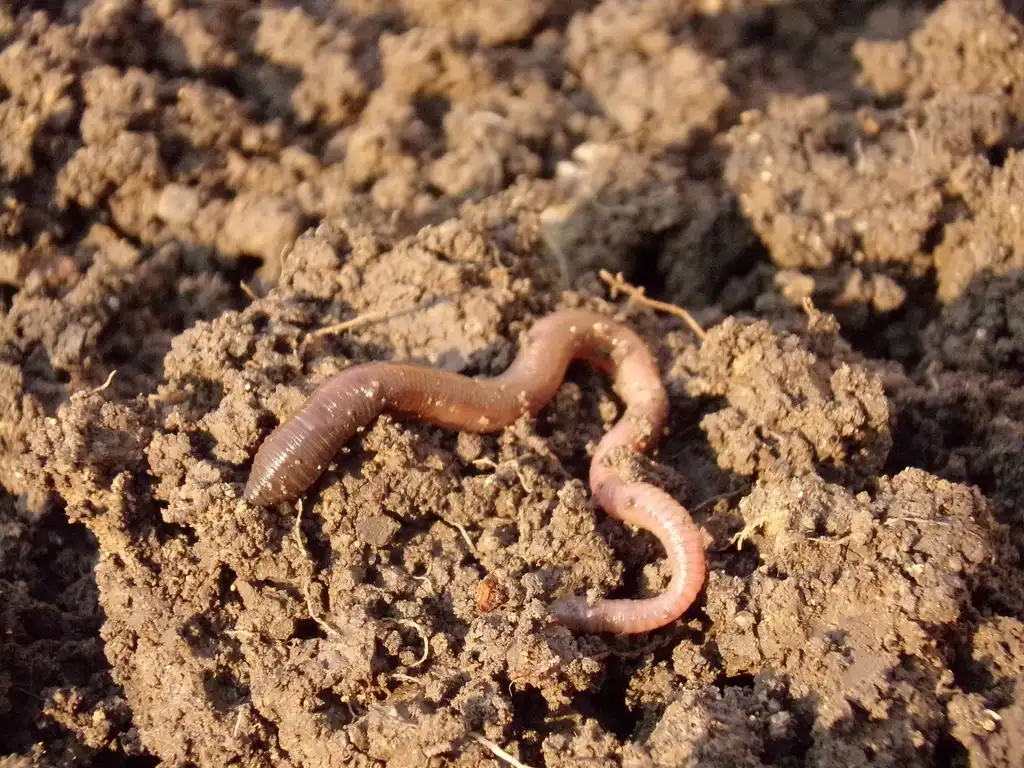


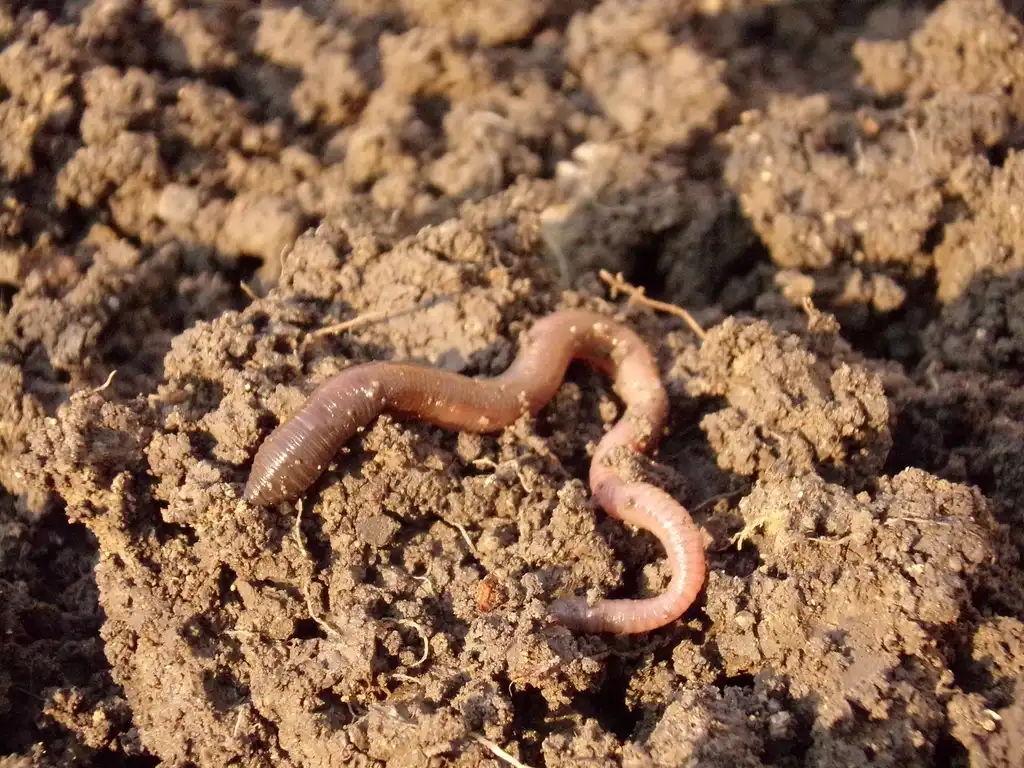
Earthworms improve soil by eating decaying organic matter and the microorganisms on it, then leaving castings that help soil particles bind into stable aggregates. Their burrows increase porosity, improve gas exchange, and give roots easier paths through the profile. They are a sign of active soil life, not a cure-all.
What they change in the soil
Worms do three useful jobs at once. They move residues below the surface, which speeds decomposition in the root zone. They leave behind castings, nutrient-rich excrement with more microorganisms than the food source. And they create channels that help water infiltrate instead of puddling on top.
That matters for structure. Better aggregation means crumbier soil, less crusting, and less resistance to root penetration. Better porosity means more oxygen reaches roots and soil microbes. In beds with repeated foot traffic or tillage, those changes can matter more than any fertilizer label.
When worm activity is a sign, not the fix
Low worm activity often points to a soil problem rather than causing it. Dry sand, hard compaction, waterlogging, or low pH can all reduce worm activity. If the bed has no organic matter, adding worms alone is usually wasted effort because the habitat is still poor.
📊 Earthworms breathe through their skin and need at least 40% moisture. Source: Colostate.
Which earthworm type fixes which garden problem?
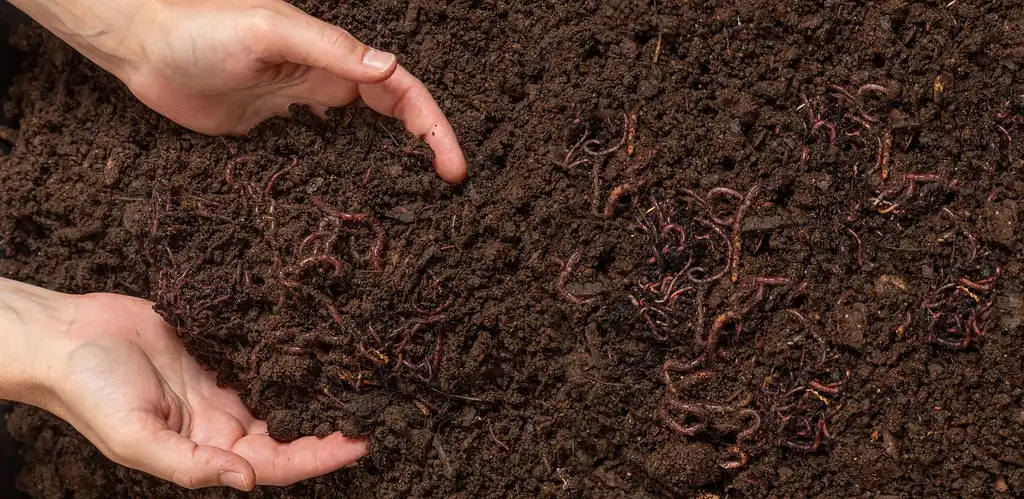
Different worm groups solve different garden problems, so treat them as separate tools. Anecic worms address drainage and deep compaction. Endogeic worms improve porosity and tilth inside the soil. Epigeic worms work the surface layer and compost. Matching the worm group to the bed condition gives better results than adding any worm at random.
Anecic worms for compaction and poor drainage
Anecic worms make deep vertical burrows and can burrow to depths of six feet. Those channels move air and water through dense ground, which helps roots and drainage in compacted beds. They also drag surface litter underground, pulling fresh carbon into deeper layers.
Endogeic worms for porosity and tilth
Endogeic worms live within the soil and create non-permanent burrows. Their movement loosens the matrix, increases porosity, and improves tilth. In practical terms, that means the soil feels less smeared when wet and less brick-like when dry.
Epigeic worms for surface litter and compost piles
Epigeic worms live at the soil surface and feed on decaying organic matter. They are common in compost and leaf litter. Composting worms like red wiggler (Eisenia fetida) are best for topsoil and compost piles, not deeper soil improvement.
There are over 6,000 species of earthworms, but home gardeners usually need only a few functional groups. Red wiggler is the most common garden species named in gardening guides. Canadian nightcrawlers dig deep vertical tunnels that improve drainage, aeration, and root growth, while European nightcrawlers stay closer to the surface where plant roots grow.
| Worm group | Soil problem it helps | Visible signs in the bed | Best organic-matter strategy |
|---|---|---|---|
| Anecic | Poor drainage, compaction, slow infiltration | Vertical holes, surface residue pulled down, water soaking in faster after rain | Top-dress with compost, leaf litter, or manure and keep the surface covered |
| Endogeic | Weak porosity, poor tilth, dense root zone | Crumbier soil in the top layer, fewer smeared clods, easier digging | Add fine-textured compost and maintain steady mulch so food stays in the root zone |
| Epigeic | Surface litter breakdown, compost pile processing | Worms in mulch or compost, rapid collapse of kitchen scraps and leaves | Keep leaf litter, unfinished compost, and other surface organic matter in place |

What earthworm castings do for plants and soil
Earthworm castings are nutrient-rich excrement. They help soil aggregation, carry more microorganisms than the original food source, and leave nutrients in a form plants can access more easily. Castings help most when soil already has a living food web and enough moisture for that life to keep moving.
Castings versus compost
Compost and castings are not the same input. Compost is decomposed organic material used mainly to feed soil and improve structure over time. Castings are what the worm has already processed, so they are finer, more biologically active, and usually used in smaller amounts around roots or in potting mixes.
Picture a raised bed that has good mulch cover but pale, tight topsoil. Compost adds bulk carbon and habitat. Castings add a biologically active finish layer that can help aggregation and nutrient cycling. If the bed has almost no organic matter, compost matters first because worms need food before they can make castings.
How do earthworms help compacted clay soil?
Earthworms can help compacted clay soil by making burrows that act like air and water pathways. Clay responds best when you add surface organic matter first, because worms need food, cover, and moisture before they can keep working heavy ground at depth.
Why clay needs surface inputs first
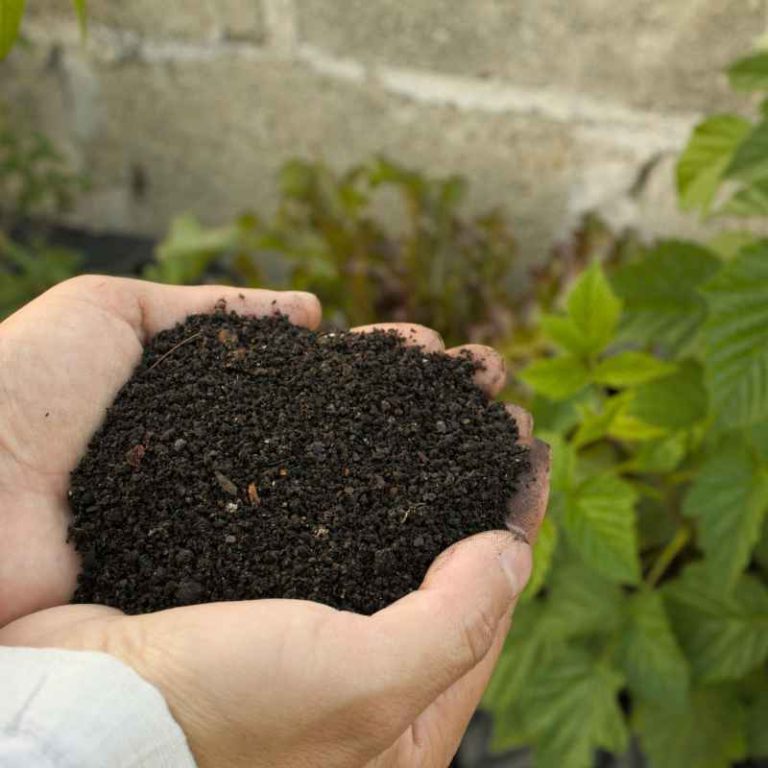
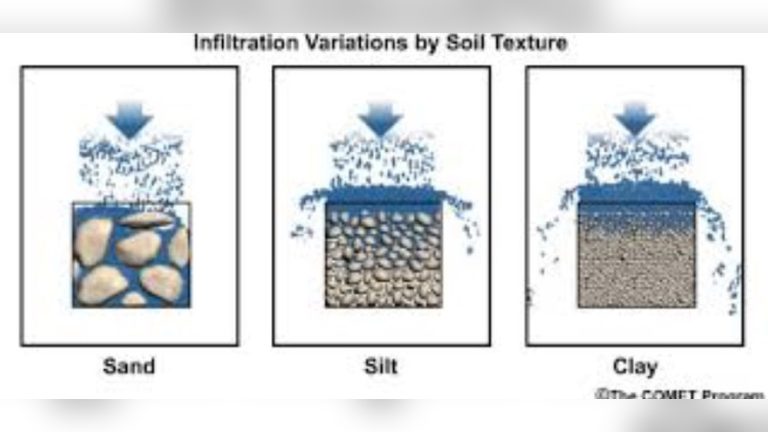
Clay can seal over after rain, crust at the surface, and hold too much water in small pore spaces. Worms cannot fix that if the bed is bare and hard. A steady layer of compost, mulch, or leaf litter gives them food and helps prevent the surface from sealing shut again.
Signs worms are active in heavy soil
Look for small piles of granular castings, open holes after rain, and soil that breaks into crumbs instead of plates. If a shovel goes in with less resistance than before, that is another clue. In heavy soil, these signs usually appear after repeated organic-matter additions, not after a single worm release.
How much moisture and pH do worms need?
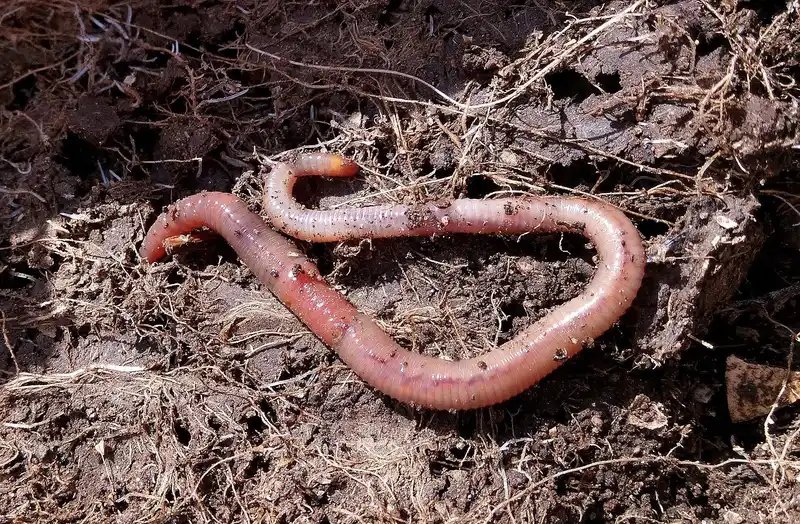
Earthworms need moist, well-draining soil with plenty of organic matter, and they breathe through their skin. A practical moisture target is about a wrung-out sponge. Soil that is too dry blocks breathing, while waterlogged soil reduces oxygen. They also prefer near-neutral pH, which supports activity and survival.
Why moisture matters so much
Earthworms need at least 40% moisture. Below that, their skin dries and gas exchange becomes difficult. Most earthworm species do best in soil temperatures between 50°F and 77°F, and soil temperatures above 70°F or below 40°F discourage earthworm activity. Warm, moist, shaded beds are usually the best fit. (extension.colostate.edu)
When moisture goes wrong
In dry beds, worms retreat deeper or die off because the surface layers cannot support breathing. In waterlogged beds, oxygen drops and burrows can turn sour. Suppose a bed stays shiny and sticky two days after rain; adding worms will not help until drainage improves and the bed drains back to that wrung-out sponge range.
Gardener’s worm-benefit matrix
This matrix turns worm groups into a simple diagnosis tool. Use it to match the soil problem, the visible sign, and the organic-matter strategy. If the sign is missing, fix the habitat first. If the habitat is right, the right worms usually follow.
| Worm type | Best for | Visible sign | Best organic-matter strategy |
|---|---|---|---|
| Anecic | Compaction, poor drainage, root restriction | Deep openings, faster infiltration after watering | Mulch heavily, top-dress with compost, leave surface residue in place |
| Endogeic | Poor tilth, low porosity inside the soil | Soil breaks into soft crumbs, fewer smeared clods | Mix in compost at the surface and keep a steady mulch layer |
| Epigeic | Leaf litter and compost breakdown | Worms concentrated in mulch, compost, or leaf piles | Leave leaves, finished compost, and other surface organics where they are |
How do you attract more earthworms to garden beds?
To attract more earthworms, add compost, manure, mulch, or leaf litter, keep soil covered, and avoid unnecessary tilling. Earthworms move in where food and moisture already exist. The best time to add earthworms is spring or fall, when soil temperatures are more likely to stay in the 50°F to 77°F range.
What to do first
- Top-dress bare beds with compost or well-rotted manure.
- Keep soil covered with mulch or leaf litter.
- Water deeply enough to keep the soil moist, not soggy.
- Avoid digging and flipping the bed unless you must.
- Check pH and move it toward near-neutral if it is strongly acidic.
Inputs that can suppress worms
Too much tilling can destroy burrows and dry the soil faster. Harsh fertilizer inputs and pesticide residues can also reduce worm activity. A bed can be chemically fed yet biologically poor, so keep the soil covered and feed the soil with organic matter instead of relying only on soluble inputs.
When are earthworms not the answer?
Earthworms are not the first fix for waterlogged beds, very dry sandy soil, or strongly acidic soil. In those conditions, adding worms rarely works because the habitat is wrong. Fix drainage, moisture, pH, or structure first, then bring in more organic matter so worms have something to live on.
Common first-timer mistakes
A common first-timer mistake is adding worms to a bare raised bed with no mulch and then letting the surface dry hard. Another is scattering worms into a wet hole in heavy clay after a storm. In both cases, the habitat fails before the worms can establish.
For very dry sandy soil, organic matter is usually more important than adding worms. Sands drain too fast and do not hold enough moisture around the skin-breathing surface. Add compost, mulch, and leaf litter first so the bed can hold water long enough for worms to survive.
How long does it take for earthworms to improve soil?
Earthworms can improve soil once the habitat is right, but visible change usually takes weeks to months. Surface litter breaks down first, then burrows and aggregation become easier to spot. If the soil lacks moisture or organic matter, the timeline stretches because the worms cannot stay active.
What changes show up first
The earliest signs are usually more castings, softer surface soil, and faster water entry after rain. Structural change in compacted beds takes longer because burrows must accumulate and stay open. The slowest gains happen where tilling, acidity, or drought keep resetting the soil.
Can too much tilling or fertilizer reduce earthworms?
Yes. Frequent tilling breaks burrows, exposes worms, and dries soil faster. Heavy fertilizer programs can also lower worm activity if they replace organic matter or create harsh soil conditions. Worms respond best to steady food inputs, covered soil, and minimal disturbance.
How to think about inputs
If you are choosing between another quick fertilizer pass and a layer of compost under mulch, the organic matter usually does more for long-term worm activity. Fertilizer feeds plants directly. Compost feeds the soil system that supports worms, microbes, aggregation, and root growth.
Frequently asked questions
How do earthworms improve soil health in a home garden?
Earthworms improve soil by making burrows that move air and water, mixing in organic matter, and leaving castings that help aggregation. They also support microbial activity around roots. Their value is highest where soil already has moisture, food, and a workable pH range.
What kind of earthworms are best for garden soil?
Canadian nightcrawlers are useful for deeper drainage and aeration, European nightcrawlers stay closer to the root zone, and red wiggler (Eisenia fetida) are best for compost and topsoil, not deeper soil change. The best worm depends on the bed problem, not on a single “best” species.
Can earthworms survive in dry or waterlogged soil?
Usually not for long. Earthworms breathe through their skin and need at least 40% moisture, with conditions close to a wrung-out sponge. Very dry soil blocks breathing, while waterlogged soil cuts oxygen. Both conditions suppress activity and can lead to worm loss.
What do earthworm castings do for plants?
Castings are nutrient-rich excrement that can help soil aggregation and usually contain more microorganisms than the food source. They improve the soil around roots and support nutrient cycling. They are useful, but they are not the same as compost and do not replace a full organic-matter program.
Are worm castings different from compost?
Yes. Compost is decomposed organic material added to feed soil and improve structure. Castings are the end product of worm digestion, so they are finer and biologically active in a different way. Compost is often the better first input when a bed is low in organic matter.
How long does it take for earthworms to improve soil?
Visible change often takes weeks to months, depending on moisture, pH, food supply, and how often the bed is disturbed. Worms work faster in covered, moist soil with compost or mulch in place. In hard, dry, or acidic soil, fixing the habitat matters more than waiting for worms.