Topsoil vs Subsoil: Key Differences for Gardeners in Beds
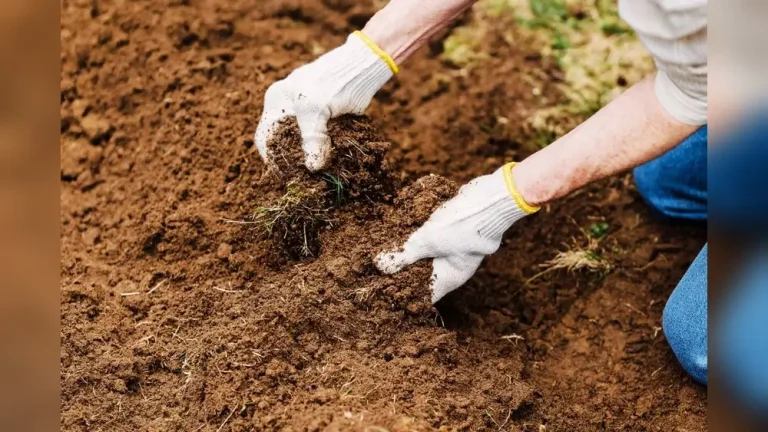
Topsoil is the darker, more crumbly upper layer packed with roots; subsoil is lighter, denser, and often cloddy. If the upper few inches are gone or buried, keep the better existing soil and then amend, cap, or replace it before planting. I use those signs in yards with stripped grades, old fill, or compacted beds to decide the next move for beds, lawns, and planting holes.
This guide is part of our Soil science basics series.
| Decision factor | Topsoil | subsoil: key differences for gardeners | Winner |
|---|---|---|---|
| Rooting and planting performance | Loose enough for fine roots, with better air and nutrient access | Often denser, with fewer pore spaces and more root resistance | Topsoil |
| Water movement and drainage | Usually drains and re-wets more evenly when structure is intact | More likely to perch water or shed it if clay and compaction are high | Topsoil |
| Biology and fertility | Higher organic matter, humus, bacteria, fungi, and worm activity | Lower biological activity and less humus in most yards | Topsoil |
| Best use in the yard | Best for beds, lawns, and planting holes | Best left in place, amended, capped, or avoided for direct planting when dense | Topsoil |
What is the difference between topsoil and subsoil?


Topsoil is the upper soil layer, the part I usually want under a trowel first. It usually runs 5-10 inches deep, holds the most organic matter and microorganisms, and ties to the A horizon and sometimes the O horizon at the surface. (en.wikipedia.org)
Subsoil sits below topsoil. It is usually the B horizon, has much less organic matter and humus, and is where weathering products gather. Soil horizons are surface-parallel layers with different physical, chemical, and biological traits, so that boundary matters when you are deciding whether to plant, amend, or cap. (en.wikipedia.org)
Topsoil is the part plants usually use first
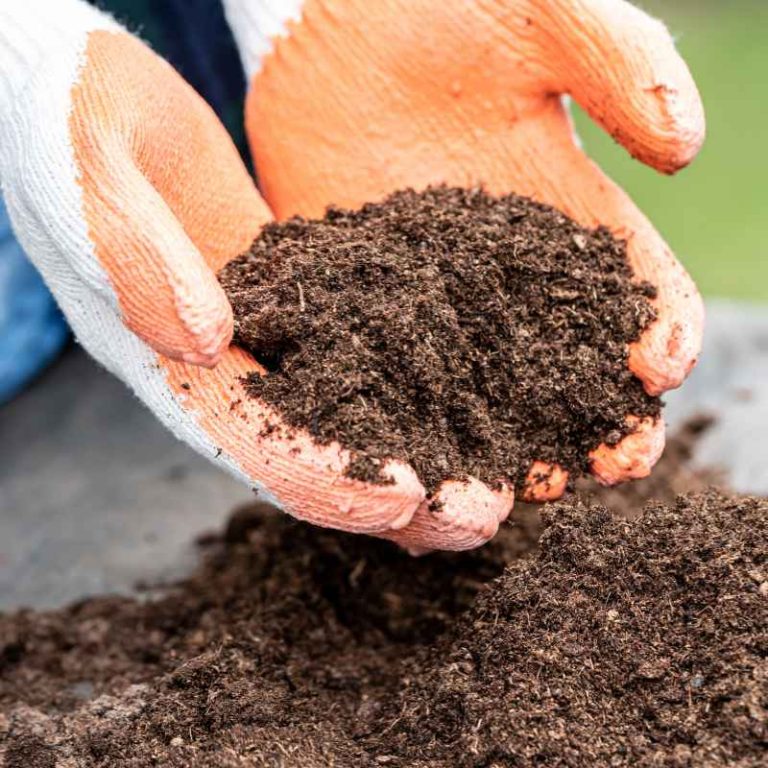
Healthy topsoil has more roots, more bacterial and fungal life, and more crumbs that fall apart instead of sticking in hard chunks. That mix gives annuals, turf, shrubs, and young trees a better start because roots can find air, water, and nutrients without fighting dense resistance.
Subsoil is a different growth environment
Subsoil can still contain useful minerals, but it usually has less humus and lower biological activity. In many yards it feels tighter, stays wetter after rain, and limits root depth. That does not make it useless; it means the next move depends on what the soil looks and feels like in place.
According to Topsoil – Wikipedia — Topsoil usually extends to a depth of 5-10 inches. (source)
How can I tell which layer I’m digging into?
The fastest way is to ignore the label on a truckload and read the soil in front of you. Color, crumb structure, roots, worms, and drainage tell a gardener more than a bag name ever will, especially in yards that were graded, filled, or disturbed.
Color clues help, but they can mislead
Topsoil is often darker because it usually has more organic matter and humus. Subsoil is often lighter, redder, or browner where clay and mineral compounds have built up. Color alone is not enough, though, because wet soil looks darker and imported fill can be any shade.
Crumb structure and texture in hand
Crumbly soil that breaks into small aggregates usually points toward topsoil. Dense soil that slices into plates, clods, or greasy ribbons when wet often points toward subsoil or compacted ground. Clay, silt, and sand occur in both layers, but subsoil commonly has more accumulated clay, which slows water and root movement.
Roots, worms, and smell are strong field cues
Topsoil usually has more visible roots, worm channels, and a living smell. Subsoil often has fewer roots and fewer organisms. If a trowel pull comes up with many fine roots and a loose, earthy smell, you are likely still in the active upper layer rather than in the denser layer below.
Why does subsoil behave differently than topsoil?
Subsoil behaves differently because it has less organic matter, less humus, and lower microorganism activity. It is also the zone where rainfall moves weathering products downward, so clay, iron, aluminum, and related compounds build up over time. That changes both drainage and root growth.
Organic matter and microorganisms drive the top layer
Topsoil contains more decomposed plant material and supports most of Earth’s biological soil activity. Bacteria, fungi, and other soil life help cycle nutrients and build structure. In subsoil, that activity drops, so fertility and aggregation are usually weaker unless the site has been managed carefully.
Illuviation explains the buildup below
Illuviation is the downward movement and accumulation of particles and dissolved materials into lower soil layers. In practical terms, it is why subsoil often ends up with more clay and iron compounds than the layer above it. That accumulation can be useful for mineral supply, but it also makes the layer denser and slower to drain.
Density changes root growth fast
Roots need air, water, and room to move. A dense B horizon can limit air, water, and root space, so plants may stay shallow, wilt more in heat, or stay wet longer after rain. Compacted soil can mimic this problem even when it is still technically topsoil.
Can I plant directly in subsoil?
Sometimes, yes, but only when the subsoil is loose enough, drains reasonably well, and will support the plant species you want. Most vegetables, bedding plants, turf, and young trees perform better in improved topsoil than in raw subsoil, especially where clay is high or the site stays wet.
When subsoil is workable
If the subsoil crumbles instead of smearing, drains within a reasonable time after rain, and already has some root channels, it can be amended for selected plantings. Deep-rooted shrubs and some native perennials can tolerate it better than shallow-rooted annuals. Even then, the upper zone usually needs organic matter and careful watering.
When to avoid planting directly into it
Skip direct planting if the soil stays slick, forms hard clods, or pools water after a simple drainage test. Do not plant into wet subsoil, because the structure collapses more easily under foot or tool pressure. That makes the problem worse and can leave roots trapped in a sealed layer.
Should I mix topsoil and subsoil together?
Mixing can help only in limited cases. If the topsoil is already thin and the subsoil is moderately open, a careful blend with compost and organic matter may be acceptable. If the subsoil is dense or clay-heavy, mixing often spreads the problem through the whole root zone.
When mixing hurts structure
A clean top layer works better when it stays separate from a dense layer below. Churning the two together can bury the good stuff and dilute the biologically active zone. On wet sites, mixing can also create a smeared layer that drains poorly and hardens later.
When amendment is the better move
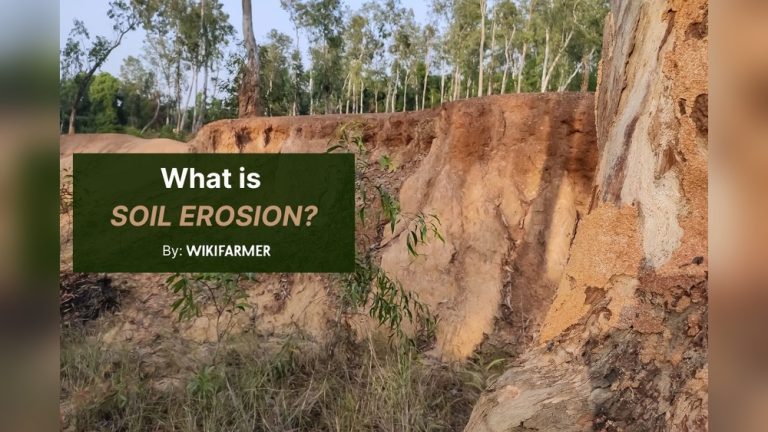
If there is a usable top layer, leave it in place and improve only the planting zone. Add compost, loosen the subsoil below only where needed, and cap thin areas with quality topsoil rather than blending everything blindly. This is especially useful after grading, trenching, or erosion has exposed the lower horizon.
What to do after digging, grading, or erosion
Disturbed yards often have mixed layers, imported fill, and fragments of old horizons. In those sites, the goal is not perfect classification. It is creating a stable root zone with enough depth, better structure, and drainage that matches the plant you want.
Gardener decision matrix
Use this one-page matrix when you are standing over the soil and need a fast decision. The four clues below work better together than any single clue, because color alone can mislead and texture alone can miss compaction or wetness.
| Field observation | Leave it | Amend it | Add topsoil | Avoid planting directly |
|---|---|---|---|---|
| Color | Dark, even brown with surface organic matter | Mixed brown with some lighter patches | Thin dark layer over pale or orange soil | Very pale, gray, mottled, or rusty and streaked with wetness |
| Crumb structure | Loose crumbs that break by hand | Some clods, but they break with added organic matter | Top layer is thin, but the surface can support a cap | Massive clods, plates, or smeared ribbons when wet |
| Root density | Fine roots are common and spread through the layer | Some roots are present, but they slow at a hard layer | Roots are concentrated near the surface only | Few roots, or roots bend sideways at a hard boundary |
| Drainage test | Water moves through without long puddling | Drainage is slow but improvable | Surface dries too fast because the good layer is too thin | Water sits, smells sour, or stays wet for too long |
If most answers point to the left side, leave the soil in place and manage it gently. If the middle column fits, amend with compost and other organic matter, but do not expect one pass to change dense subsoil into topsoil. If the right side dominates, cap with topsoil or avoid direct planting until the root zone is rebuilt.
How deep should topsoil be for beds, lawns, and trees?
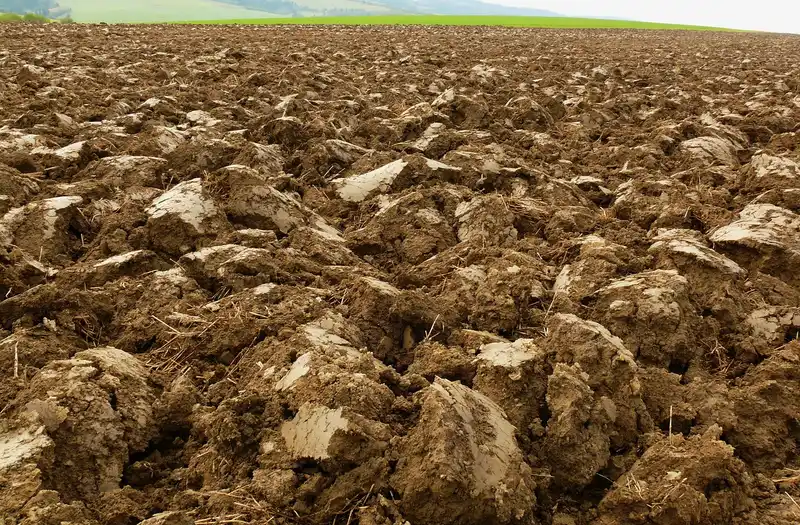
Depth needs vary by planting type. Annual beds need a deeper workable zone than a lawn does, while trees care more about an open root zone than a thick, perfect-looking surface layer. If the top layer is too thin, cap it rather than digging straight into dense subsoil.
Beds and annuals
For vegetable beds and annual flowers, a deeper active layer gives roots more room to explore and can make watering easier to manage. If the existing topsoil is thin, add quality topsoil on top and blend only the upper planting zone with compost. Do not bury a dense layer under a shallow cap and expect roots to ignore it.
Lawns and turf
Lawns are less demanding than many garden beds, but turf still struggles on compacted ground or on raw subsoil. A thin, weak surface layer can dry out quickly and patch badly. In that case, topdress with topsoil, relieve compaction, and reseed or sod only after the surface can accept roots.
Planting holes and tree root zones
Tree roots spread wider than most people expect, so the surrounding soil matters more than the hole itself. A hole cut into dense subsoil can act like a pot in the ground. Loosen the surrounding zone, keep the root flare near grade, and do not fill a planting hole with only rich loose material that changes water movement too sharply.
Is topsoil the same thing as fill dirt?
No. Topsoil is the upper soil layer with more organic matter and biological activity, while fill dirt is usually used to change grade and may contain very little biology or structure. Some fill is perfectly serviceable for shaping land, but it is not the same thing as a planting medium.
That difference matters because fill can be sandy, clay-heavy, rocky, or mixed with construction debris. If you are buying or moving soil for planting, treat it as a root-zone material, not just material to occupy space.
What happens if topsoil has been stripped or compacted?
When topsoil is stripped, the yard often loses the most fertile, biologically active layer first. When it is compacted, it may still look like topsoil but behave more like subsoil: fewer pores, poorer drainage, weaker root growth, and less biological activity.
That is why a thin, abused surface layer can be worse than a deeper but looser one. In that case, the fix is usually a mix of aeration, organic matter, and a topsoil cap where the active layer is too thin to support planting.
How do I improve poor subsoil for gardening?
Start by loosening the soil only when it is not wet, then add organic matter where roots will actually grow. Compost helps structure and water handling, but it will not turn dense subsoil into perfect topsoil in one season. For very tight sites, build upward with a cap of better soil instead of trying to remix the whole profile.
- Dig a small inspection hole and read the boundary by color, roots, and structure.
- Test drainage with water and note whether it sits, drains slowly, or moves freely.
- Keep any decent top layer in place.
- Amend the planting zone with organic matter if the soil is only moderately dense.
- Add a topsoil cap when the existing layer is too thin.
- Avoid direct planting when the layer is hard, slick, or persistently wet.
What soil layer should I use for lawns, beds, and trees?
For lawns, use the best available top layer and correct compaction before seeding or sodding. For beds, choose topsoil or a topsoil-and-compost mix in the planting zone. For trees, protect the root flare, improve the surrounding soil, and avoid creating a narrow pocket of loose material surrounded by dense subsoil.
Subsoil is not automatically a dead end. If it is loose, draining, and only moderately short on organic matter, it can be improved and used. If it is dense, wet, or compacted, topsoil or a rebuilt planting zone is the safer choice.
Verdict: Topsoil or subsoil: key differences for gardeners?
Choose Topsoil if you are planting beds, lawns, or planting holes for annuals, turf, shrubs, or young trees, since its loose crumbs, better drainage, and higher organic matter give roots a better start.
Choose subsoil: key differences for gardeners if you are working with a loose, reasonably draining layer for selected plantings like deep-rooted shrubs or some native perennials, and the soil can be amended before planting.
Frequently asked questions
What is the difference between topsoil and subsoil?
Topsoil is the upper layer of soil, usually the most active zone for roots, microbes, and organic matter. Subsoil sits below it, usually in the B horizon, with less humus and more accumulated clay, iron, and related compounds. The first is usually easier to plant into.
How can I tell if I’m digging into topsoil or subsoil?
Look for dark color, crumbly structure, many fine roots, and an earthy smell. If the soil turns lighter, denser, cloddier, or starts to feel slick and resistant, you are likely crossing into subsoil or compacted soil. A drainage test helps confirm it.
Why does subsoil drain or grow plants differently than topsoil?
Subsoil usually has less organic matter and humus, fewer microorganisms, and more accumulated clay. That combination slows water movement and makes root penetration harder. Some subsoil is usable, but many garden plants do better in a looser top layer.
Can I plant directly in subsoil?
Only if it is loose enough, drains reasonably well, and suits the plant. Many vegetables and bedding plants struggle in raw subsoil, while some deeper-rooted shrubs can tolerate improved subsoil. Wet, dense, or smeared soil should be avoided for direct planting.
How deep should topsoil be in a garden bed?
A deeper active layer is better for most beds, especially where annual vegetables or flowers need room for roots. If the existing topsoil is thin, add a topsoil cap and keep the best existing soil in place. Do not simply stir dense subsoil into the whole bed.
Should I mix topsoil and subsoil together?
Only when the subsoil is moderately open and you are improving a limited planting zone. If the subsoil is dense, mixing can spread the problem and worsen drainage. In many yards, capping with topsoil and amending from above works better than blending everything.