Does Gardening With Hard Water Make Soil Ph Basic?
Gardening enthusiasts often pride themselves on the quality of their soil , carefully amending it for optimal plant health and productivity. Yet, a hidden factor can quietly undermine these efforts: the quality of water used for irrigation. In many regions, hard water—water with high levels of dissolved minerals like calcium and magnesium—is the norm, not the exception. For the casual hobbyist or the experienced horticulturist alike, the question arises: does consistent gardening with hard water alter soil chemistry, specifically making soil pH more basic?
The impact of water hardness on soil goes far beyond mere mineral buildup on pots or garden equipment. Over time, the repetitive addition of mineral-rich water can transform the delicate balance of soil chemistry. This shift can affect nutrient availability, plant health, and even the biodiversity of soil microorganisms.
Understanding the relationship between hard water and soil pH is crucial for anyone aiming to maintain a thriving garden, whether you’re growing lush lawns, productive vegetable beds, or ornamental landscapes. Furthermore, knowing how to manage these changes is essential for long-term garden sustainability, especially in regions where water quality cannot easily be altered.
Key Takeaways
- Hard water contains elevated levels of calcium and magnesium, which can incrementally increase soil pH over time.
- A basic soil pH (above 7) can limit the availability of key nutrients, negatively affecting plant growth and soil health.
- The degree of soil pH change depends on factors such as initial soil composition, frequency of irrigation, and water hardness level.
- Mitigation strategies include using acidifying amendments, choosing tolerant plant species, or employing water treatment solutions.
- Regular soil and water testing is essential for early detection and management of pH imbalances.
- Understanding the interaction between irrigation water quality and soil chemistry can help gardeners optimize plant health and productivity.
- The right management techniques can help reverse negative impacts of hard water, protecting garden investments and ensuring vigorous plant growth for years to come.

Credit: www.culligannation.com
Understanding Hard Water And Its Chemistry
Hard water is a common issue in many regions, yet its effects on soil and plant health are often underestimated. To grasp how hard water influences soil pH, it’s essential to first understand what makes water “hard” and how these characteristics interact with soil chemistry.
What Is Hard Water?
Hard water refers to water that contains high concentrations of dissolved minerals, primarily calcium (Ca²⁺) and magnesium (Mg²⁺) ions. These minerals are naturally picked up as water percolates through limestone, chalk, or gypsum deposits. Hardness is typically measured in milligrams per liter (mg/L) or grains per gallon (gpg).
| Water Hardness Level | mg/L (ppm) as CaCO3 | gpg | Classification |
|---|---|---|---|
| Soft | 0–60 | 0–3.5 | Low mineral content |
| Moderately Hard | 61–120 | 3.56–7.0 | Common in many regions |
| Hard | 121–180 | 7.06–10.5 | Noticeable scaling |
| Very Hard | 181+ | 10.51+ | Significant impact on soil |
In addition to their direct effects, these levels of hardness can also influence how water interacts with fertilizers and soil amendments, sometimes reducing their efficacy or requiring more frequent application.
Chemical Composition Of Hard Water
The primary constituents of hard water are:
- Calcium carbonate (CaCO₃)
- Magnesium carbonate (MgCO₃)
- Small amounts of bicarbonates, sulfates, and chlorides
These minerals not only contribute to water hardness but are also basic in nature. When introduced to the soil, they can react with hydrogen ions, leading to an increase in soil pH. Over time, these compounds can accumulate in the soil, forming deposits that are visible on the surface and around plant roots, which may further exacerbate soil alkalinity.
Sources And Prevalence
Hard water is widespread, especially in areas with limestone bedrock. In the United States, over 85% of households reportedly have hard or very hard water, according to the U.S. Geological Survey (USGS). Similarly, in Europe and Australia, hard water is prevalent in regions with naturally alkaline geology. Urban and suburban areas often rely on municipal water sources, which may be treated for safety but not for hardness, leaving gardeners to contend with its effects.
How Hard Water Is Measured
Water hardness can be measured using:
- Titration kits
- Electronic meters
- Test strips
These methods typically express hardness as parts per million (ppm) or grains per gallon (gpg) of calcium carbonate equivalent. For gardeners, understanding these measurements helps inform decisions about water treatment, soil amendments, and plant selection.
How Hard Water Influences Soil Ph
The relationship between irrigation water quality and soil pH is complex, involving both immediate and long-term chemical reactions. Let’s explore the science behind how hard water can make soil pH more basic.
The Chemistry Of Ph Shift
When hard water is used for irrigation, the dissolved calcium and magnesium ions are deposited into the soil. These cations can displace hydrogen ions (H⁺) from soil particles, leading to a reduction in soil acidity and a corresponding rise in pH.
Key Reactions
- Calcium and Hydrogen Exchange:
- Ca²⁺ + 2H-soil → Ca-soil + 2H⁺ (released into soil solution)
- Buffering Effect:
- Soils high in organic matter or clay can buffer against pH changes, but over time, persistent application of hard water can overwhelm this capacity.
- Carbonate Reactions:
- Carbonates from hard water can neutralize soil acids, further increasing pH. This is particularly noticeable in soils with low organic matter or sandy texture.
Impact Over Time
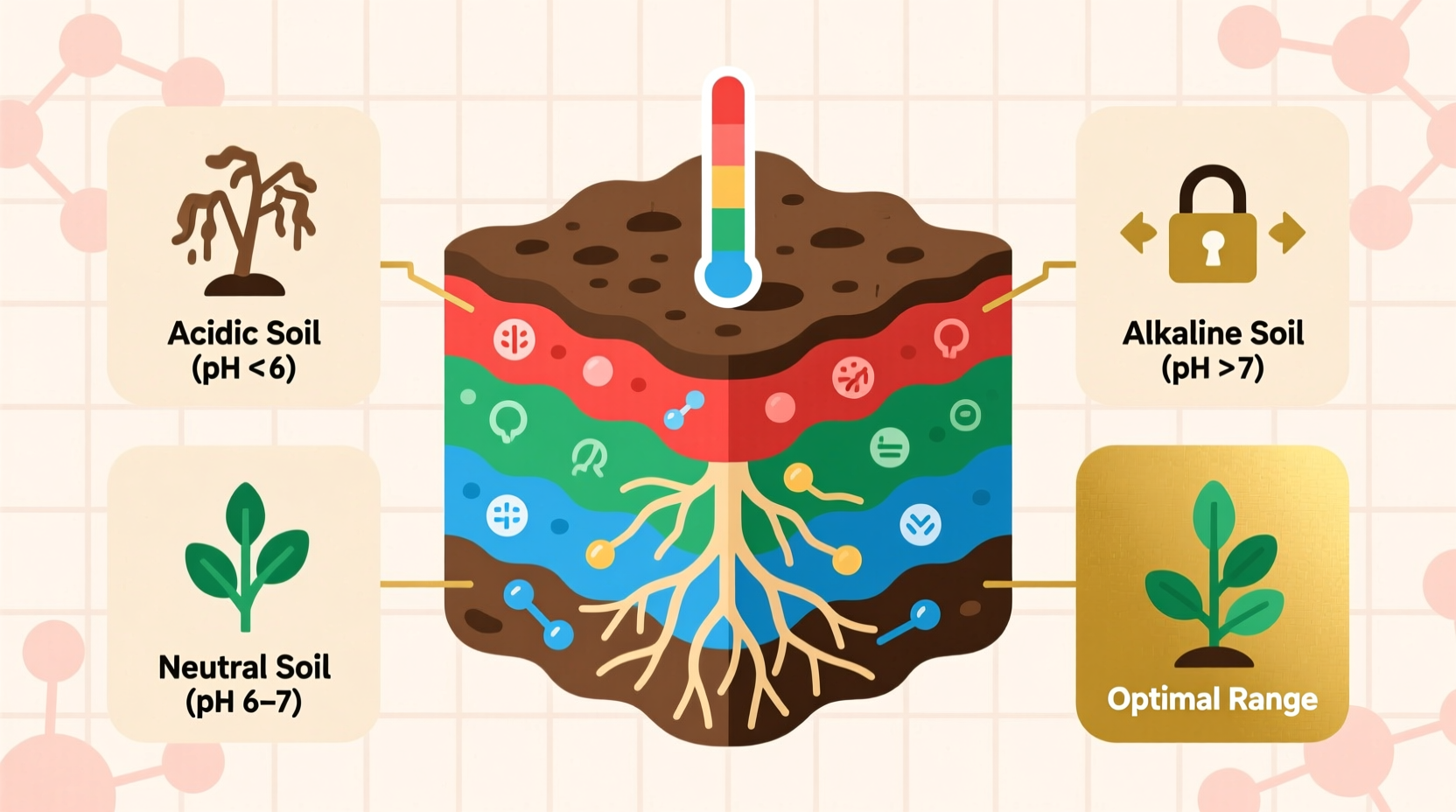
The cumulative effect of regular irrigation with hard water can gradually shift soil pH from neutral or slightly acidic (ideal for most plants) toward the basic range (pH > 7). This process is more pronounced in sandy or low-organic soils, which have lower buffering capacity. In clay-rich soils, the effect may be slower, but persistent over years, especially if combined with low rainfall.
Real-world Example: Southern California Lawns
In Southern California, where municipal water is often classified as very hard (200–400 ppm CaCO₃), lawns and gardens that rely solely on this water source frequently experience a gradual pH rise. Many local gardeners report soil pH readings creeping from 6.8 up to 7.5 or higher within a few years, requiring regular acidifying amendments. The effect is often most pronounced in newly established beds, where soil buffering is minimal, and in areas with limited rainfall.
Rate Of Ph Change
The rate at which hard water alters soil pH depends on:
- Water hardness level
- Frequency and volume of irrigation
- Initial soil pH and composition
- Soil buffering capacity
- Rainfall and drainage patterns
In areas with infrequent rainfall or poor drainage, the pH change can accelerate due to reduced leaching of minerals.
Comparison Table: Effect Of Water Hardness On Soil Ph Over Time
| Water Hardness | Soil Type | Initial Soil pH | Estimated pH After 2 Years |
|---|---|---|---|
| Soft (30 ppm) | Loam | 6.5 | 6.5–6.6 |
| Moderately Hard (90 ppm) | Sandy | 6.0 | 6.3–6.5 |
| Hard (150 ppm) | Clay | 6.7 | 6.9–7.0 |
| Very Hard (250+ ppm) | Sandy | 6.3 | 7.1–7.4 |
*Estimates assume regular weekly irrigation and no additional amendments. In practice, results may vary based on soil management and regional climate. *
Credit: lifetips.alibaba.com
Effects Of Basic Soil Ph On Plant Health
Soil pH is a critical factor in plant health, influencing nutrient availability, microbial activity, and disease resistance. When gardening with hard water causes soil pH to become basic, a cascade of challenges can arise.
Nutrient Availability
Many essential nutrients become less available to plants in basic soils, including:
- Iron
- Manganese
- Zinc
- Phosphorus
This can lead to visible deficiencies, such as chlorosis (yellowing leaves) and stunted growth, even when sufficient nutrients are present in the soil. As pH rises, iron and manganese are locked in forms that roots cannot absorb, so even regular fertilization may not correct deficiencies unless the soil pH is addressed.
Visual Symptoms
- Iron Deficiency: Interveinal yellowing on young leaves
- Manganese Deficiency: Pale leaves, brown spots
- Phosphorus Deficiency: Purplish or dark green foliage
These symptoms may initially appear on sensitive crops, such as blueberries or azaleas, but can eventually affect a broader range of plants if soil pH remains high.
Impact On Soil Microbes
Beneficial soil microbes, such as nitrogen-fixing bacteria and mycorrhizal fungi, often thrive in neutral to slightly acidic conditions. An increasingly basic pH can reduce their populations, further limiting nutrient cycling and availability. This microbial decline can result in slower decomposition of organic matter and reduced soil fertility over time.
Plant Growth And Yield
Certain plants are particularly sensitive to basic soils. For example:
- Blueberries and azaleas require acidic soils (pH 4.5–5.5)
- Tomatoes and strawberries prefer slightly acidic soils (pH 6.0–6.8)
Yield reductions and poor fruit quality are common when soil pH drifts above optimal ranges. For crops like potatoes, carrots, and spinach, a basic soil can also increase susceptibility to diseases and reduce the uptake of micronutrients, leading to less flavorful or nutritious harvests.
Case Study: Vegetable Garden In Central Texas
A community garden in Central Texas, irrigated with well water measuring 220 ppm hardness, observed a steady increase in soil pH from 6.7 to 7.3 over three growing seasons. Gardeners noted declining yields of tomatoes and peppers, along with yellowing leaves. Soil tests revealed iron and manganese deficiencies, despite regular fertilization. Incorporating elemental sulfur and switching to captured rainwater for irrigation gradually restored soil pH and plant health. Over the next two years, yields improved, and disease pressure declined, demonstrating the importance of both monitoring and intervention.
Soil Structure And Compaction
Excess calcium from hard water can lead to soil dispersion in clay soils, reducing aggregate stability and increasing compaction. This, in turn, affects root penetration and water infiltration. Compacted soil is harder for roots to grow through and can lead to waterlogged conditions, which increase the risk of root rot and other diseases.

Credit: www.raynewater.com
Factors Modifying The Impact Of Hard Water On Soil Ph
Not all soils or gardens experience the same degree of pH shift from hard water irrigation. Several modifying factors determine the extent and speed of change.
Initial Soil Ph And Buffering Capacity
- High organic matter soils or those rich in clay can resist pH changes longer due to their greater buffering capacity. Frequent addition of compost or organic mulches increases this resistance.
- Sandy soils or soils low in organic matter are more susceptible to rapid pH increases. These soils not only lack buffering but also drain quickly, leaving minerals concentrated near plant roots.
Frequency And Method Of Irrigation
- Frequent, shallow watering leads to more mineral buildup near the surface, which can affect seedling development and shallow-rooted plants.
- Deep, infrequent irrigation may distribute minerals deeper but can affect subsoil pH. For perennial beds, this may eventually impact older roots and soil structure.
Rainfall And Leaching
- Regions with high rainfall may experience less pH shift, as excess minerals are leached below the root zone. Heavy rains can also dilute the effects of hard water.
- Arid climates with little leaching are more prone to mineral accumulation and pH rise. Mulching and proper drainage can help mitigate these effects, but intervention is often required.
Plant Species And Root Activity
- Some plants actively acidify the rhizosphere (root zone), partially offsetting the alkalizing effect of hard water. For example, legumes and certain grasses can help maintain lower pH.
- Others, especially those adapted to acidic soils, are less capable of compensating. Gardeners should be aware of which species are most susceptible and adjust practices accordingly.
Case Study: Ornamental Landscaping In The Uk
An estate in southern England, using hard tap water for irrigation, found that their established rhododendron beds (acid-loving plants) suffered severe chlorosis within two years. Adjacent lawns and shrubbery, however, showed minimal impact due to deeper roots and greater organic matter . Regular mulching and use of acidic fertilizers helped restore the rhododendrons’ health. This illustrates the importance of tailoring management strategies to specific plant needs and soil conditions.
Testing And Monitoring: Assessing Soil And Water Ph
Proactive testing is essential for managing the subtle, cumulative effects of hard water on garden soils. Regular monitoring allows for timely intervention and protects plant health.
Water Testing Methods
- Lab Analysis: Provides precise data on hardness (Ca, Mg), pH, and other dissolved minerals. This is especially recommended for commercial growers or those with sensitive crops.
- Home Test Kits: Affordable and quick, though less accurate. Good for routine monitoring.
- Electronic Meters: Useful for frequent testing. Some models can measure both hardness and pH, making them versatile tools for gardeners.
Soil Ph Testing
- Soil Test Kits: Widely available, indicate pH within a 0.2–0.5 accuracy range. For best results, take samples from several locations and average the readings.
- Professional Soil Analysis: Recommended annually for productive gardens. Labs can also test for micronutrients and organic matter, providing a comprehensive view of soil health.
Monitoring Schedule
- Test irrigation water at the start of each growing season and whenever a new water source is used.
- Test soil pH every 3–6 months, especially in vegetable beds or sensitive plantings.
- Check for visual symptoms of nutrient deficiencies throughout the year, noting any changes after watering or fertilizing.
Interpreting Results
- A rising soil pH over time, especially with hard water use, signals the need for intervention. Rapid shifts should be addressed immediately to prevent plant stress.
- Compare soil pH before and after the growing season to track changes. If pH changes more than 0.2 units in a season, consider adjusting your watering or amendment strategy.
Data Table: Recommended Testing Frequency
| Parameter | Testing Frequency | Suggested Method |
|---|---|---|
| Irrigation Water Hardness | Annually | Lab or meter |
| Soil pH | Every 3–6 months | Soil kit or lab |
| Micronutrient Levels | Annually | Lab analysis |
| Visual Plant Health | Ongoing | Observation |
For gardens facing frequent pH shifts, more frequent testing is advised, particularly after major weather events or changes in water supply.
Strategies For Managing Hard Water In The Garden
While hard water can make soils more basic, gardeners have several tools to prevent or mitigate undesirable pH changes. Successful management often combines amendments, water treatment, and plant selection.
Soil Amendments To Lower Ph
- Elemental Sulfur
- Microbes convert sulfur to sulfuric acid, lowering pH.
- Apply according to soil test recommendations. Over-application can harm soil biology, so follow guidelines closely.
- For established beds, incorporate sulfur into the soil to ensure even distribution.
- Acidifying Fertilizers
- Ammonium sulfate, urea, or ammonium nitrate can help maintain acidity.
- These fertilizers not only provide nitrogen but also promote a lower pH when used regularly.
- Organic Mulches
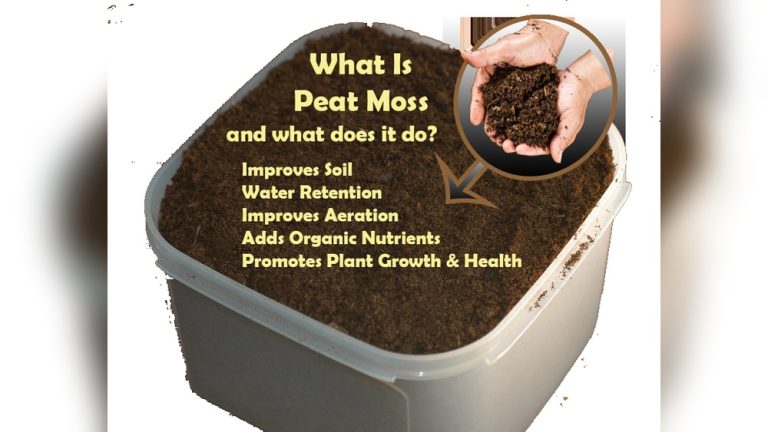
- Pine needles, peat moss, and oak leaves gradually acidify the soil as they decompose.
- Mulching also improves soil structure and moisture retention, helping roots access nutrients more effectively.
- Iron Chelates
- For immediate relief of chlorosis, iron chelates can be applied as foliar sprays or soil drenches. They are especially useful for plants sensitive to high pH.
Water Treatment Options
- Reverse Osmosis (RO) Systems
- Remove most minerals from irrigation water.
- Effective but can be expensive for large gardens. Maintenance is crucial for long-term performance.
- Rainwater Harvesting
- Rainwater is naturally soft and slightly acidic.
- Ideal for sensitive plants and container gardens. Systems range from small barrels to large tanks, depending on garden size.
- Blending Water Sources
- Mix rainwater with hard tap water to dilute hardness. This is a practical approach for gardeners who cannot rely entirely on rainwater.
Practical Gardening Tips
- Deep Watering: Reduces mineral accumulation at the surface and encourages deeper rooting.
- Regular Soil Testing: Detects pH changes early, allowing for targeted intervention.
- Targeted Amendments: Apply acidifying materials only where needed, based on plant sensitivity and soil test results.
- Mulching: Regular application of organic mulches helps maintain soil health and pH balance.
Selecting Tolerant Plants
Some plants are naturally adapted to basic soils and thrive despite hard water irrigation. Examples include:
- Lavender
- Russian Sage
- Yarrow
- Daylilies
- Junipers
For more about plant selection, see the Clemson University Extension.
Gardeners with persistent hard water issues may wish to focus their efforts on these species, reserving acid-loving plants for containers or areas with alternative water sources.
Case Study: Rainwater Harvesting In Arizona
A Tucson gardener, frustrated by rising soil pH and poor performance of roses and camellias, installed a 1,000-gallon rainwater collection system. After one year of irrigating with rainwater, the garden’s soil pH stabilized at 6. 7, and plant health markedly improved.
The gardener supplemented with sulfur in high-need areas, achieving robust growth and vibrant blooms. This highlights the effectiveness of combining water quality improvements with targeted soil amendments.
Real-world Examples And Case Studies
The effects of gardening with hard water are not just theoretical—they play out in gardens across the globe. Here are three real-world examples illustrating the range of outcomes and management strategies.
Example 1: Urban Vegetable Garden In Las Vegas, Nv
A family garden in Las Vegas, supplied by municipal water (hardness: 280 ppm), saw soil pH rise from 6.8 to 7.5 over four years. Tomato and pepper yields declined, and chlorosis became widespread. The gardeners adopted rainwater harvesting and applied iron chelate to correct deficiencies, resulting in improved yields and plant vigor. Continued monitoring and seasonal soil amendments kept pH stable in subsequent years.
Example 2: Commercial Greenhouse In Ontario, Canada
A commercial greenhouse irrigated with well water (hardness: 160 ppm) noticed reduced performance in azaleas and hydrangeas. Routine soil tests revealed pH creeping up to 7.2. The operation switched to reverse osmosis water for sensitive crops and used sulfuric acid injections for others, restoring soil pH to optimal levels and boosting sales. Staff training on water quality and soil management became a regular part of greenhouse operations.
Example 3: Residential Landscaping In Perth, Australia
A homeowner in Perth used bore water with a hardness of 350 ppm for lawn and ornamental beds. Within three years, the lawn thinned, and roses showed leaf yellowing. Consulting with local horticulturists, the homeowner applied granular sulfur and switched to acidic fertilizers. Soil pH dropped from 7.6 to 7.0 within a year, and plant health rebounded. The homeowner also started a rainwater tank, further improving long-term results.
Expert Insights: What Research And Institutions Recommend
University extension services and scientific studies offer guidelines for managing the impact of hard water on soils. Their recommendations are grounded in decades of research and field trials.
University Extension Guidelines
- The University of California Agriculture and Natural Resources recommends regular soil and water testing for gardeners using hard water and adjusting management practices based on results (UCANR).
- The Royal Horticultural Society suggests using acidifying amendments and mulches for acid-loving plants in hard water regions (RHS).
- Local extension offices often provide region-specific advice, including recommended amendment rates and best practices for water management.
Scientific Studies And Data
Research has consistently shown that long-term use of hard water can increase soil pH, especially in low-buffering soils. A study published in the Journal of Environmental Quality found that irrigating with water at 250 ppm hardness raised pH by an average of 0.5 units over three years in sandy soils (JEQ Study). Other studies have linked high soil pH to reduced micronutrient uptake and lower crop yields, reinforcing the importance of regular monitoring and intervention.
Professional Recommendations
- Use rainwater wherever possible, especially for acid-loving or pH-sensitive plants.
- Apply acidifying amendments as part of regular maintenance.
- Monitor for nutrient deficiencies and adjust fertilization accordingly.
- Consult local extension services for up-to-date recommendations, especially for crops with specific pH requirements.
Frequently Asked Questions
Is Hard Water Always Bad For Garden Soil?
Hard water is not inherently bad, but its high mineral content can cause soil pH to rise over time, particularly in low-buffering soils. This can limit nutrient availability for certain plants. However, many plants tolerate moderately hard water well, especially in regions with regular rainfall to leach excess minerals. With proper management, most gardens can thrive even with hard water.
How Quickly Does Hard Water Make Soil Ph More Basic?
The rate of change depends on water hardness, irrigation frequency, and soil type. In sandy, low-organic soils, noticeable pH increases can occur within 1–3 years of regular irrigation with very hard water. In high-buffering soils, the process may take much longer.
Regular testing helps track these changes and prevent surprises.
Can I Use Softened Water For Irrigation Instead Of Hard Water?
Using softened water is not recommended for most gardens, as it often contains high levels of sodium, which can harm soil structure and plant health. Instead, consider using rainwater, reverse osmosis water, or blending hard water with softer sources. Sodium can cause soil compaction and limit root growth, so avoid softened water unless specifically recommended by an expert.
What Are The Signs That My Soil Has Become Too Basic?
Common symptoms include yellowing leaves (chlorosis), poor plant growth, reduced yields, and visible deficiencies of iron, manganese, or other micronutrients. Soil testing is the most reliable way to confirm a pH problem. Additionally, slow decomposition of organic matter and reduced earthworm activity may signal basic soil conditions.
How Can I Lower Soil Ph If It Becomes Too High?
You can lower soil pH by applying elemental sulfur, using acidifying fertilizers, or incorporating organic mulches like pine needles. For sensitive crops, switching to rainwater for irrigation is highly effective. Always base amendments on soil test results. Combining several strategies often yields the best results, especially in stubborn soils.
Gardening with hard water is a reality for millions, but it doesn’t have to spell trouble for your soil or plants. By understanding the chemistry, monitoring your garden’s health, and applying proven management strategies, you can keep your soil in the optimal range for robust, beautiful growth. For further reading and in-depth resources, visit the University of Minnesota Extension and the Royal Horticultural Society. Your garden’s success starts with the right water—and the right knowledge.